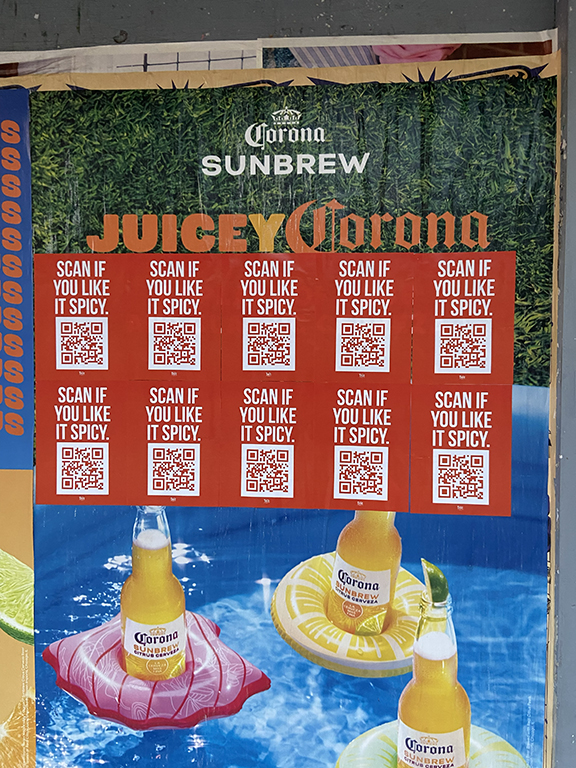
Standard Poster Size US: American Poster Dimensions Guide
American poster sizes do not follow the international ISO system used in Europe and most of the world. The U.S. has its own set of standard dimensions, developed through printing industry conventions, retail standardization, and the influence of specific format-driven markets like the film and music industries.
If you are printing posters in the United States, or printing for a U.S. audience, these are the sizes that matter. This guide covers every standard U.S. poster size with exact measurements, industry context, and practical guidance for getting the format right.
U.S. Standard Poster Sizes at a Glance
The primary U.S. standard poster sizes are: 11 x 17 in, 18 x 24 in, 22 x 28 in, 24 x 36 in, 27 x 40 in, and 36 x 48 in. The most commonly used for general purposes is 24 x 36 inches.
Why U.S. Poster Sizes Differ from International Standards
The United States uses a paper sizing system derived from historical English and American printing conventions. These sizes do not follow a consistent mathematical ratio the way ISO sizes do. The ISO A-series (used internationally) is based on a 1:1.414 aspect ratio, where each size is exactly half the area of the next larger size.
U.S. sizes grew from different origins: the dimensions of printing presses, the size of available paper rolls, the dimensions of retail display hardware, and the specific requirements of industries like film and publishing that needed standard formats for wide distribution.
The result is a set of sizes that are practical and deeply embedded in American business and consumer culture, even if they lack the mathematical elegance of the ISO system.
U.S. Standard Poster Sizes: Full Table
U.S. Poster Size
Inches (W x H)
Centimeters
Industry/Context
Mini / Flyer
8.5 x 11
21.6 x 27.9
Handouts, community boards
Tabloid / Small Poster
11 x 17
27.9 x 43.2
Local event promotion
Small Poster
18 x 24
45.7 x 61
Concerts, retail, events
Retail Standard
22 x 28
55.9 x 71.1
Grocery, pharmacy, mass retail
General Standard
24 x 36
61 x 91.4
Wall decor, advertising, events
Movie One-Sheet
27 x 40
68.6 x 101.6
Theater lobby displays
Conference / Trade Show
36 x 48
91.4 x 121.9
Academic and professional events
Large Venue
48 x 72
121.9 x 182.9
Arenas, large event lobbies
The 11 x 17 Inch Standard
The 11 x 17 inch format is called tabloid or ledger in the U.S. paper industry. It is exactly twice the size of standard letter (8.5 x 11). This relationship makes it efficient to produce: a sheet of 11 x 17 can be cut from standard print stock without waste.
In poster terms, 11 x 17 is the go-to size for small-run event advertising. Bar shows, local concerts, neighborhood events, and community announcements. Most office supply stores offer 11 x 17 printing at self-service kiosks. The format is affordable in quantities of 50 to 500 and portable enough to tape, staple, or pin in multiple locations.
The 18 x 24 Inch Standard
The 18 x 24 inch format is the first true poster size in the American market. At 18 inches wide and 24 inches tall, it is large enough to carry a full design with a dominant visual element, a headline, and supporting details. It fits in standard poster display frames installed at music venues, bars, coffee shops, and independent retailers.
Concert promoters use this size most commonly for venue advertising and street promotion. Real estate offices use it for open house signs. Retail brands use it for point-of-sale displays. At 18 x 24, you are in genuine poster territory.
The 22 x 28 Inch Standard
The 22 x 28 inch format is the dominant standard for in-store retail promotional posters. Walk through any grocery store, pharmacy, or big-box retailer and you will see clip frames and display holders built specifically for this size. The display hardware was standardized on 22 x 28 by major retailers decades ago, and the format has been entrenched ever since.
This size also shows up in theater lobbies for schedule boards and promotional displays. The proportions (roughly 4:5) work well for both photographic and typographic poster content.
Retail Display Hardware
If your campaign involves placing posters in retail stores using the venue’s clip frames or display holders, the poster size is almost certainly 22 x 28 inches. Measure the hardware before you print. Ordering 22 x 28 is a safe starting assumption for most U.S. retail chains.
The 24 x 36 Inch Standard
The 24 x 36 inch format is the American standard poster size for general consumer and advertising use. This is the size that shows up in dorm rooms, record stores, concert venues, retail windows, and street advertising campaigns. Consumer frames, online poster retailers, and commercial print shops have all converged on this size.
It is important in the U.S. context specifically. The international equivalent (A1 at 23.4 x 33.1 inches) is slightly smaller and a different aspect ratio. A 24 x 36 frame will not hold an A1 poster without adjustment.
The 27 x 40 Inch Standard
The movie one-sheet is one of the most format-specific poster sizes in existence. Every multiplex in the United States has display frames built to the exact 27 x 40 inch dimension. The format dates back to the standardization of theater display hardware in the mid-20th century. It has not changed since.
Outside of film promotion, the 27 x 40 format shows up in entertainment advertising more broadly: music venues, gaming promotions, television show advertising. The format carries a cinematic connotation that some brands use deliberately.
The 36 x 48 Inch Standard
The 36 x 48 inch format is the large-format standard for academic conferences, trade shows, and corporate events in the United States. It is three times the area of an 18 x 24 poster and significantly more impactful in large display environments.
At the conference level, this size is so well-running that most organizers build their display board specifications around it. A 36 x 48 poster on a standard 4 x 6 foot display board leaves a clean margin for pinning and looks professional. It is also the most common size for trade show booth signage and large event promotional displays.
U.S. vs. International: Key Differences
If you are ordering posters from a European or Asian printer, or printing for an event that uses international size standards, here is how the U.S. standards compare to the nearest ISO equivalents.
U.S. Standard
U.S. Size (in)
Closest ISO
ISO Size (in)
Difference
Tabloid
11 x 17
A3
11.7 x 16.5
0.7 in wider, 0.5 in shorter
Small Poster
18 x 24
A2
16.5 x 23.4
1.5 in wider, 0.6 in taller
General Standard
24 x 36
A1
23.4 x 33.1
0.6 in wider, 2.9 in taller
Conference Poster
36 x 48
A0
33.1 x 46.8
2.9 in wider, 1.2 in taller
The differences are significant enough that a U.S.-standard poster will not fit an international-standard display frame. If you are presenting at an international event held in the U.S., confirm which size system the organizers are using before you print.
What is the standard poster size in the US?
24 x 36 inches is the most common standard for general-use posters in the United States. Other standard sizes include 18 x 24, 22 x 28, 27 x 40, and 36 x 48 inches.
Is U.S. poster size different from European sizes?
Yes. U.S. poster sizes are based on historical English measurement conventions. European sizes use the ISO system with metric dimensions and a consistent 1:1.414 aspect ratio.
What is the U.S. movie poster size?
27 x 40 inches, called the one-sheet format. This is the standard for all theatrical movie poster displays in the United States.
Is 24 x 36 a standard U.S. poster size?
Yes. 24 x 36 inches is the most widely used standard for consumer and general advertising posters in the United States.
What U.S. poster size fits most retail display frames?
22 x 28 inches. This is the format built into clip frames and display holders at most major U.S. retail chains.
What is the largest standard U.S. poster size?
In consumer retail, 27 x 40 is about the largest standard framed size. For professional applications, 36 x 48 and 48 x 72 are common. Outdoor advertising uses custom formats up to billboard scale.
Are U.S. poster sizes available at international print shops?
Most large-format international print shops can produce U.S. standard sizes. Confirm dimensions in millimeters when ordering internationally to avoid confusion.
What U.S. poster size is used at academic conferences?
36 x 48 inches in portrait orientation is the standard. Some conferences use 48 x 36 in environment. Always confirm with the specific event’s presenter guidelines.
What is the smallest U.S. standard poster size?
8.5 x 11 inches (letter size) is the smallest. The smallest functional poster size for most advertising applications is 11 x 17 inches (tabloid).
Can I get U.S. poster sizes printed in metric dimensions?
Yes. Simply convert the inch measurements to millimeters (multiply by 25.4) and provide the dimensions to the print shop. A 24 x 36 inch poster is 609.6 x 914.4 mm.
The U.S. Standard Across Different Regions
Within the United States, poster sizing conventions are consistent at the national level for the formats we have described. A 24 x 36 poster frame bought in New York fits the same print as a 24 x 36 frame bought in Los Angeles or Chicago. Consumer standards are truly national.
Regional differences show up in how specific industries use these formats. The music industry in Nashville produces poster campaigns that differ in visual style from music campaigns in New York, but both use the same physical 18 x 24 and 24 x 36 dimensions. The street art scene in Los Angeles uses the same formats as the street art scene in Detroit. The dimensions are universal within the U.S. market even when the creative content is highly regional.
Transit advertising sizes do vary by city because different transit systems use different display hardware. New York City subway car cards are different from Chicago CTA car cards and from the BART display hardware in San Francisco. If you are buying transit advertising in specific cities, get the media kit from the transit authority or the advertising sales representative. Do not assume national poster sizes apply to transit placements.
Archival and Collectible Poster Sizes in the U.S.
The U.S. has a well-developed market for collectible and archival posters, primarily in the concert, film, and art categories. These markets use some specific size standards that differ from the general advertising standards.
Concert posters produced for collector editions are most commonly printed in 13 x 19 or 18 x 24 inches. The 13 x 19 size is preferred for screen-printed editions because it fits flat-file storage drawers used by serious collectors and fits standard 14 x 18 frames with a small mat. Screen-printed concert posters from venues like the Fillmore in San Francisco, the Ryman Auditorium in Nashville, and the House of Blues in various cities are produced at this scale.
Film lobby cards, historically 11 x 14 inches, are a collectible format associated with American cinema from the 1930s through the 1970s. Original lobby cards from this era sell at auction for hundreds to thousands of dollars. Modern reprints of classic lobby cards are produced in the same 11 x 14 format for the collector market.
Fine art posters (exhibition announcements, gallery prints) in the U.S. are most commonly produced at 18 x 24 or 24 x 36 in limited editions. These are printed on high-quality archival paper with acid-free pigment inks that meet museum conservation standards. The size and quality position them as collectible art rather than disposable advertising.
Specifying U.S. Poster Sizes in Print Contracts
If you are entering into a commercial printing contract for a poster campaign, the size specification should be explicit and unambiguous. Vague size references create opportunities for misunderstanding that result in printed product that does not match expectations.
A well-specified poster size in a print contract includes:
Finished trim size in inches (e.g., 24 x 36 inches)
Orientation (portrait or environment)
Bleed specification (e.g., 0.125-inch bleed on all sides)
Color mode (CMYK)
Resolution specification (e.g., 150 DPI at final print size)
Paper stock specification (e.g., 80-pound coated matte)
Quantity
Delivery format (rolled, flat, mounted)
Every item on this list is a potential source of disagreement if left unspecified. Print shops operate on the specifications provided. If you specify only the trim size and nothing else, you may receive a product that is technically correct in size but printed at the wrong resolution, on the wrong stock, or in the wrong color mode.
How U.S. Standard Sizes Became Global Standards
American cultural exports have carried U.S. poster size standards to markets around the world. The 27 x 40 movie one-sheet is used in American multiplex chains that operate internationally, which means markets in Latin America, Europe, and Asia that host American film releases often encounter this format. The widespread distribution of American entertainment media has created familiarity with U.S. format standards in many international markets.
Similarly, American academic and professional conference culture exports its 36 x 48 poster standard to international events. An international conference organized by an American professional association, or held in the United States but attracting international researchers, will typically use U.S. standard sizes for its display infrastructure. Researchers from Europe or Asia presenting at these events need to know U.S. size standards even if their home institution uses ISO sizes.
The digital design tool market has also spread U.S. size standards globally. Design software developed in the United States, including Adobe products, defaults to U.S. size presets (letter, tabloid, 24 x 36, etc.) in its template library. International designers using these tools encounter and work with U.S. size standards as a matter of everyday workflow.
Poster Size Standards and Print-on-Demand Global Markets
The rise of print-on-demand platforms like Redbubble, Society6, and Fine Art America has created a global consumer market for posters that is bifurcated by size standard. These platforms serve both U.S. buyers who expect standard inch sizes and European buyers who expect ISO sizes.
Most major print-on-demand platforms accommodate both size systems by offering their products in both U.S. and metric dimensions. A seller can upload one design file and list the product in both 24 x 36 inch and A1 (59.4 x 84.1 cm) formats. The platform handles the print production in the correct size for each market.
For sellers designing for these platforms, the aspect ratio difference between U.S. and ISO sizes matters. A design optimized for 24 x 36 (2:3 ratio) will not display identically in A1 (approximately 1:1.41 ratio) without some cropping or white space adjustment. Designing in the ISO proportion produces a better result in both the A1 and A0 formats, while designing in the U.S. proportion produces a better result in 24 x 36 and 18 x 24. Designers serving both markets sometimes produce two versions of key designs to optimize for each proportion.
Where to Print U.S. Standard Poster Sizes
If you are in the United States and need to print any of the standard sizes covered in this guide, you have several options depending on your turnaround requirements, quality standards, and budget.
Local commercial print shops are the best choice for quality, speed, and service. In major cities, a walk-in appointment at a commercial large-format print shop can produce a 24 x 36 poster the same day for a campaign that needs immediate deployment. Local shops also offer consultation, proof printing, and the kind of quality control that online services cannot match.
National retail chains (FedEx Office, Staples, UPS Store) offer large-format poster printing for all standard U.S. sizes. The quality is adequate for most advertising applications, turnaround is fast, and locations are accessible in nearly every U.S. city and suburb. For campaigns that need to print locally in multiple cities at the same time, these chains offer consistent quality across locations.
Online printing services (Vistaprint, GotPrint, Overnight Prints, PrintingForLess) offer competitive pricing for volume orders in standard U.S. sizes. The trade-off is shipping time. For planned campaigns with sufficient lead time, online printing provides the best per-unit cost at quantities above 100 pieces. For campaigns that need materials in hand within 48 hours, local printing is the only viable option.
For campaigns that require both printing and professional placement in specific cities, full-service guerrilla marketing agencies handle the entire production and distribution process. The cost is higher than self-service printing, but the execution quality and market knowledge that an experienced agency brings can significantly improve campaign performance.
Final Thoughts on U.S. Poster Size Standards
U.S. poster size standards have been refined by a century of commercial printing, retail standardization, and industry-specific convention. They are practical standards built from the ground up by the people who actually print, frame, display, and distribute posters for a living. They reflect real constraints: roll widths, frame manufacturing economics, display hardware dimensions, and shipping logistics.
Understanding these standards makes you a more effective communicator with every vendor and partner in the print supply chain. When you speak the language of standard inch sizes, print shops quote you faster, frame buyers find what you need quicker, and display installation goes smoother because everyone is working from the same set of assumptions. That efficiency compounds across every project.
Use U.S. standard sizes when they fit your application. Deviate when you have a specific reason. And always verify the specific dimensions of your display environment before committing to a print run. Those three habits, consistently applied, keep your poster campaigns running efficiently and your print budget under control.
Why American Guerrilla Marketing
We’ve run street-level campaigns in New York, Los Angeles, Chicago, Miami, and dozens of other markets. Our crews work nights, weekends, and event windows. We scout locations in advance, document every placement with GPS pins and photos, and send reports the same day.
We don’t subcontract. Every campaign runs through our own field staff. That means consistent quality, real accountability, and results you can actually verify.
Call us or email us to talk through your campaign. We’ll tell you exactly what works in your market, what it costs, and how fast we can move.
Frequently Asked Questions
What is the standard poster size in the US?
24 x 36 inches is the most common standard for general-use posters in the United States. Other standard sizes include 18 x 24, 22 x 28, 27 x 40, and 36 x 48 inches.
Is U.S. poster size different from European sizes?
Yes. U.S. poster sizes are based on historical English measurement conventions. European sizes use the ISO system with metric dimensions and a consistent 1:1.414 aspect ratio.
What is the U.S. movie poster size?
27 x 40 inches, called the one-sheet format. This is the standard for all theatrical movie poster displays in the United States.
Is 24 x 36 a standard U.S. poster size?
Yes. 24 x 36 inches is the most widely used standard for consumer and general advertising posters in the United States.
What U.S. poster size fits most retail display frames?
22 x 28 inches. This is the format built into clip frames and display holders at most major U.S. retail chains.
What is the largest standard U.S. poster size?
In consumer retail, 27 x 40 is about the largest standard framed size. For professional applications, 36 x 48 and 48 x 72 are common. Outdoor advertising uses custom formats up to billboard scale.
Are U.S. poster sizes available at international print shops?
Most large-format international print shops can produce U.S. standard sizes. Confirm dimensions in millimeters when ordering internationally to avoid confusion.