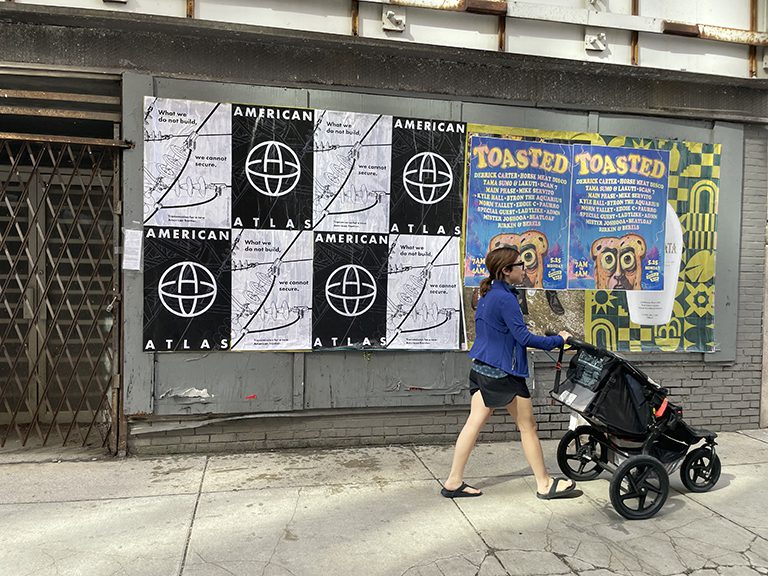
Chicago is a market with deep neighborhood identity, a food and beverage culture that responds strongly to brand experiences, and retail environments that reward brands willing to show up in person.
Chicago is consistently one of the strongest markets in the country for retail activation events. The city has a well-developed food and beverage culture, a retail environment that spans national chains and strong independent retailers, and a neighborhood structure that allows brands to target specific demographic audiences with real precision. Unlike markets where population is more uniformly distributed, Chicago’s neighborhoods have distinct cultural identities and demographic profiles that mean a brand can make very specific choices about who they are trying to reach and where those consumers actually live and shop.
We have run retail activation events and brand programs in Chicago across the full range of formats — in-store sampling at major grocery chains, branded outdoor events in key neighborhoods, mobile truck programs routed through the most relevant market areas, and event-embedded activations at the city’s significant festivals and cultural events. This is a market where execution quality matters a great deal because Chicago consumers have high standards for brand experiences and respond more positively to authentic, well-executed programs than to generic corporate activations.
Chicago’s Neighborhood environment for Retail Activation
Understanding Chicago’s neighborhood geography is essential for building an effective retail activation strategy in this market. The city’s neighborhoods are not interchangeable. Each has a distinct consumer character that determines which brands and which activation formats resonate most strongly.
Wicker Park and Bucktown
These connected North Side neighborhoods are among the best activation environments in Chicago for brands targeting style-conscious, independent-minded consumers in the 25-40 age range. The commercial strips along Milwaukee Avenue and North Avenue are dense with independent retailers, restaurants, and cafes that draw consistent foot traffic from both residents and visitors. The cultural vibe is creative, slightly countercultural, and highly food-forward. Beverage brands with authentic stories, food brands emphasizing craft or origin, and apparel brands with cultural credibility all perform strongly in this environment.
Outdoor activations on the sidewalks and plazas along Milwaukee Avenue work particularly well on weekends when foot traffic is heaviest. Farmers markets in the area draw concentrated audience that is highly aligned with premium natural food and beverage brands. In-store sampling programs at the area’s Whole Foods Market and independent specialty retailers deliver exactly the demographic these brands need.
Lincoln Park and Lakeview
Two adjacent neighborhoods along the North Shore lakefront that deliver high-income, highly educated consumers with strong spending power. Lincoln Park skews slightly older and more family-oriented than Wicker Park. Lakeview is more diverse in age range with a very active bar and restaurant scene. Both neighborhoods have strong retail corridors — Armitage Avenue in Lincoln Park, Belmont Avenue and Broadway in Lakeview — that support outdoor retail activation events.
Premium consumer brands, health and wellness products, and food and beverage brands targeting affluent millennial and Gen X consumers perform particularly well in these neighborhoods. The weekly farmers market at Lincoln Park draws a highly qualified audience for natural food and beverage brands. In-store programs at the multiple Whole Foods and Mariano’s locations in these neighborhoods deliver strong sampling volume with the right demographic profile.
River North and West Loop
These two neighborhoods constitute the heart of Chicago’s upscale urban core and are among the city’s highest-income areas by resident demographic. River North has a long-established restaurant and gallery culture. The West Loop has evolved rapidly over the past decade into a destination dining and nightlife neighborhood that attracts both residents and visitors from across the metropolitan area.
The retail activation environments in these neighborhoods skew toward food and beverage brands with premium positioning, lifestyle brands with an urban professional audience, and tech and consumer goods brands targeting early adopters with disposable income. The West Loop’s Restaurant Row along Randolph Street creates natural traffic patterns that support outdoor activation events, particularly on weekends when dining traffic is highest.
Logan Square
Logan Square has emerged over the past decade as one of Chicago’s most culturally vibrant and brand-aware neighborhoods. The audience is younger on average than Lincoln Park or River North, more diverse, and more attuned to cultural authenticity in brand communication. Brands that show up in Logan Square with a corporate aesthetic and a generic activation approach tend to be received coolly. Brands that demonstrate genuine understanding of the neighborhood’s culture and values, through their products, their creative approach, and the quality and authenticity of their staff, perform very well.
The commercial corridor along Milwaukee Avenue in Logan Square has become one of the city’s most active retail activation environments for emerging brands. Independent retailers, coffee shops, and restaurants create a natural environment for sampling programs and outdoor brand events that feel appropriate to the neighborhood’s independent character.
Pilsen
Pilsen is Chicago’s historic Mexican-American cultural neighborhood, now also home to a significant arts community and growing food and beverage scene. Brands targeting Latino consumers or wanting to reach a culturally distinct, artistically oriented audience find Pilsen to be one of the most authentic and effective activation environments in the market. The neighborhood’s monthly gallery night events and street festival calendar create natural activation opportunities with concentrated, engaged audiences.
Chicago rewards brands that understand its neighborhoods. A generic activation approach that would work in any city is not the approach that works best here. The consumers in Wicker Park are not the same consumers as in River North, and they respond to different things.
Retail Partners for In-Store Activation in Chicago
The retail environment in Chicago provides strong options across the quality and format spectrum for in-store activation programs. The right retail partner depends on the brand’s category, its pricing tier, and the specific consumer segment it needs to reach.
Whole Foods Market
Chicago has multiple Whole Foods Market locations, including flagship stores in Lincoln Park, River North, and Lakeview. These stores are among the best in-store sampling environments in the city for natural, premium, and better-for-you food and beverage brands. The demographic that shops Whole Foods in Chicago is highly aligned with these categories: health-conscious, above-average income, willing to pay premium prices for quality and transparency in food. In-store sampling programs in these locations consistently deliver strong trial-to-purchase conversion rates for qualifying brands.
Mariano’s (Kroger)
Mariano’s stores in Chicago’s North Side neighborhoods deliver high volume and a slightly broader demographic than Whole Foods, including both premium shoppers and mid-market consumers. The stores are large, well-run, and have established brand partner programs that make sampling logistics relatively smooth. For brands that need broader reach across income levels while still targeting an engaged urban consumer base, Mariano’s locations in Lincoln Park, Lakeview, and other North Side neighborhoods are strong options.
Target
Chicago has a significant number of Target locations including urban-format stores in the Loop, River North, and other high-density neighborhoods. Target’s urban stores deliver high foot traffic and a broad demographic range. For brands with mainstream positioning or those targeting the 25-35 consumer broadly rather than a specific subculture, Target’s Chicago locations can support effective sampling programs with strong volume.
Independent Specialty Retailers
Chicago has a strong independent specialty retail sector, particularly in food, beverage, health, and lifestyle categories. Independent natural food stores, specialty bottle shops, and independent beauty and wellness retailers across the city’s North Side neighborhoods offer high-quality, highly targeted sampling environments for brands whose products and positioning are appropriate for the specialty retail context. These programs generate lower absolute volume than chain retail sampling events but typically deliver higher-quality consumer interactions and stronger brand affinity outcomes because the retail context pre-qualifies the audience so precisely.
Chicago Neighborhoods and Activation Context
Neighborhood
Primary Demographic
Best For
Peak Activation Period
Wicker Park / Bucktown
25-40, creative, style-conscious
Beverage, food, independent apparel
Fri-Sun, summer/fall
Lincoln Park
30-50, high income, family
Premium food/bev, wellness, family products
Sat-Sun, year-round
River North
28-45, urban professional, high income
Premium lifestyle, alcohol alt, tech
Thu-Sat evenings, Sat daytime
West Loop
28-45, urban professional, food-forward
Food, beverage, chef-driven products
Fri-Sun, especially weekends
Logan Square
23-38, creative, culturally aware
Brands with authentic stories and cultural fit
Sat-Sun, festivals
Pilsen
Diverse, arts-oriented, Latino community
Culturally relevant brands, food
Gallery nights, festivals
Seasonal Considerations for Chicago Activations
Weather is the most significant operational consideration for outdoor retail activation events in Chicago. The city experiences genuine four-season weather with severe winter conditions that substantially reduce outdoor activation viability from mid-November through March. Brands planning outdoor programs in Chicago should concentrate those programs in the April through October window, with peak conditions from late May through mid-October.
Summer in Chicago is particularly strong for outdoor activations. The city’s lakefront, its neighborhood commercial strips, and its extensive summer festival calendar all create high-foot-traffic outdoor environments that support brand activation programs. Chicago summers bring out a resident engagement culture — people are outdoors, at parks, at markets, at festivals — that makes the city one of the most receptive outdoor activation markets in the country during the warm months.
The shoulder seasons in April and October require weather contingency planning. April can range from cold and rainy to warm and sunny. October is often beautiful but can turn cold quickly. Activations planned in these months should have covered or enclosed backup options and should build weather flexibility into the scheduling.
Indoor retail activation programs run effectively year-round regardless of weather. For brands that need to maintain a consistent activation presence in the Chicago market across all seasons, building an indoor retail sampling program for the winter months alongside an outdoor street or event activation program for the summer months creates year-round coverage without the operational challenges of outdoor activations in Chicago winter conditions.
Chicago Festivals and Events for Brand Activation
Chicago has one of the strongest festival calendars in the country, which creates significant event-anchor opportunities for brands whose target audiences attend these events. The Chicago summer festival season runs from late May through early September and includes events that draw hundreds of thousands of people to specific outdoor locations across the city.
The Chicago Food Truck Roundup and farmers market events across the city draw food and beverage focused audiences in concentrated outdoor environments. Neighborhood street festivals in Wicker Park, Lincoln Park, Logan Square, and other North Side neighborhoods draw loyal resident audiences with strong local engagement orientation. These neighborhood festivals are often more effective activation environments for independent and emerging brands than major citywide events, because the audience is more focused and the activation competition is lower.
Grant Park events along the lakefront draw very large, broadly demographic audiences that work for major national brand activations with mass market appeal. The specific event audience varies by event type and by the weekend’s programming. Understanding the specific demographic of each major event is important for brands evaluating which events to build activation programs around.
Chicago’s Outdoor Event Calendar for Brand Activation
Chicago’s outdoor event calendar during the April through October activation window provides some of the best brand activation opportunities in the Midwest. The city’s strong festival culture, its extensive park system, and its neighborhood street festival tradition create dozens of concentrated audience moments throughout the warm-season months that offer event-embedded activation opportunities for brands with appropriate audience alignment.
The Chicago neighborhood street festival tradition is particularly valuable for local and regional brands. Nearly every North Side and West Side neighborhood hosts an annual street festival that draws its resident community in concentrated, celebratory gatherings. These neighborhood festivals create audience concentrations that are demographically consistent with the neighborhood’s character — which means a brand can effectively target specific demographic segments by selecting the festivals in neighborhoods where those segments are concentrated. The smaller scale of neighborhood festivals also means less competition for consumer attention from other brand activations, creating a cleaner environment for the brand encounter.
The Chicago Farmers Market system, coordinated by the city’s Department of Cultural Affairs and Special Events and operating at Grant Park and neighborhood locations throughout the city, provides weekly activation opportunities across the summer season for food and beverage brands. The Daley Plaza market on Thursdays draws a strong downtown professional audience. The neighborhood markets in Lincoln Square, Logan Square, and other North Side neighborhoods draw resident consumers who are specifically oriented toward quality local and natural food and beverage products.
Chicago’s Food Culture and Its Implications for Brand Activation
Chicago has one of the strongest and most sophisticated food cultures in the country. The city’s restaurant scene, its farmers market network, its neighborhood food specialty retail, and its strong chef community all contribute to a consumer culture that is genuinely engaged with food quality, provenance, and innovation. For food and beverage brands, this cultural context creates a consumer audience that is above-average in food literacy and willingness to try new products — both of which are favorable conditions for brand activation programs.
The implications for brand activation design in Chicago are: the brand story around ingredients, production methods, and food philosophy will resonate with the Chicago consumer more than in less food-forward markets. Brand ambassadors who can engage at a high level of food literacy — who can discuss specific ingredients, regional sourcing, or production approaches with genuine knowledge — will perform better in Chicago than those with more superficial product knowledge. And the food events and market contexts that concentrate Chicago’s food-engaged consumer audience are among the highest-value activation environments available.
Building a Sustained Chicago Activation Program
The brands that have built the strongest market positions in Chicago typically have sustained, consistent activation presences in the city’s most relevant consumer environments. They appear at the farmers markets every summer for multiple seasons. They run in-store sampling programs at Whole Foods Market and other natural grocery locations regularly. They participate in the neighborhood festivals that match their target audience. Over time, the consistent presence builds the community recognition that converts casual awareness into genuine brand loyalty.
Sustaining a Chicago activation program across multiple seasons requires the operational infrastructure that makes year-round or warm-season programs viable: staff networks that have been built and maintained over multiple program cycles, retailer relationships that are active and well-maintained, and routing knowledge that improves with each season. The first year of a Chicago program involves building this infrastructure. The second and third years are where the infrastructure starts returning on its investment through improved performance and lower operational friction.
Partner relationships with Chicago-based food and beverage influencers, culinary community figures, and neighborhood organizations can amplify the brand’s Chicago presence in ways that purely operational activation programs cannot. A brand that is connected to the food community’s social networks, that is seen at the right events and in the right retail environments, and that is regarded by the Chicago food community as genuinely invested in the city’s culture builds the kind of organic brand advocacy that no number of sampling events can replicate on their own.
Building Long-Term Program Value
The full value of a well-executed activation program is not captured in the metrics from a single campaign. The most valuable activation programs are the ones that improve and compound over time — where each iteration generates learning that makes the next iteration more effective, where retailer and venue relationships deepen over multiple program cycles, where staff quality improves as the best ambassadors gain experience with the brand, and where consumer community presence builds as repeated encounters create familiarity and recognition.
Building this long-term program value requires treating activation investment as an ongoing commitment rather than a series of independent campaigns. Each campaign generates information: which locations performed best, which interaction approaches converted most reliably, what staff qualities made the biggest difference, how the consumer responded to the brand story and product. That information is only valuable if it is captured, analyzed, and applied to improve the subsequent program. Programs that do not close this learning loop repeat the same mistakes and miss the same opportunities cycle after cycle.
The organizational infrastructure for long-term activation programs includes: a consistent measurement framework that captures comparable data across all program cycles, a performance analysis process that extracts actionable insights from each cycle’s data, a program management structure with continuity across cycles rather than re-starting with a new team for each campaign, and a budget commitment that reflects the compounding value of sustained investment over episodic campaign spending.
Staff Development and Retention
The brand ambassadors who represent a brand in the field over multiple program cycles develop a depth of product knowledge, brand understanding, and consumer engagement skill that new hires cannot match. A brand ambassador who has been running a brand’s sampling program for two years knows how different consumer types respond to different engagement approaches, has answers to every question they are likely to encounter, and can adapt their interaction style based on years of field experience with the brand. That accumulated competence is genuinely valuable and difficult to replace when it leaves.
Investing in staff retention for high-performing brand ambassadors is one of the most cost-effective investments in activation program quality available. The combination of competitive compensation, genuine recognition of contribution, opportunities to advance within the program (from ambassador to field supervisor, for example), and a working environment that is genuinely positive and well-managed retains the people whose performance makes the program excellent. The cost of this investment is consistently less than the cost of recruiting, training, and developing the next generation of ambassadors to replace those who leave.
Consumer process Integration
Activation programs reach their full potential only when they are designed as components of an integrated consumer process rather than as standalone marketing events. The consumer who encounters a brand at an activation and has a positive experience needs a clear, frictionless path from that encounter to first purchase, and from first purchase to repeat purchase, for the activation investment to fully realize its commercial value.
The first transition — from activation encounter to first purchase — is supported by: a first-purchase incentive delivered at the activation event (a digital coupon, a loyalty program sign-up with a welcome discount, a QR code that provides a direct path to online or retail purchase), a follow-up CRM communication within 48 to 72 hours that reinforces the positive encounter and re-delivers the purchase incentive, and a retail distribution point that is accessible from the activation location so consumers can act on their purchase intent while it is fresh.
The second transition — from first purchase to repeat purchase — is supported by: a post-purchase CRM sequence that provides additional value (usage tips, recipe ideas, additional product information) rather than just promotional offers, a loyalty program that rewards repeat purchase with increasing value, and ongoing activation presence in the markets where the brand is building its consumer base. Brands that manage all of these transitions deliberately consistently achieve higher lifetime value from activation-acquired customers than those that focus exclusively on the activation event itself.
The measurement of this full consumer process — from first activation encounter through CRM capture, first purchase, repeat purchase, and eventually brand advocacy — requires data infrastructure that most brands have not fully built. The investment in this measurement infrastructure is justified by the strategic clarity it provides: knowing which activation formats, which market contexts, and which interaction designs create the highest-value long-term consumer relationships is the most important knowledge input for making activation investment decisions well.
Working with AGM on Your Activation Program
American Guerrilla Marketing designs, produces, and manages brand activation programs across all major U.S. markets. Our work spans pop-up events, mobile truck programs, retail activation campaigns, roadshow tours, sponsorship activations, and custom experiential installations. We have operated in New York City since the company’s founding and have built the field infrastructure, retailer relationships, and staff networks that make activation programs work reliably across the markets our clients need to reach.
Our process starts with understanding the specific business objective the activation program needs to achieve. We do not accept generic objectives. We ask: what specifically needs to happen in the consumer’s mind or behavior as a result of this program? Who is the specific consumer? Where are they? When are they most receptive? What encounter design will create the behavior change the brand needs? Those answers determine the program design, not the other way around.
Our production approach prioritizes execution quality over visual elaborateness. We have consistently found that a well-positioned activation with excellent staff and a quality consumer interaction delivers more commercial value than an elaborate production with mediocre execution. We invest the budget where it generates the most value in the consumer encounter, not where it photographs best in a portfolio.
Our reporting tells clients what actually happened in the field: interaction counts, product distributed, data captured, content generated, and an honest assessment of what worked and what would be done differently. We do not produce reports designed to justify the agency’s continued engagement. We produce reports designed to help clients make better decisions about how to invest in subsequent programs.
Every activation program we manage is covered by comprehensive field documentation: daily field reports during the program, photo documentation from every activation stop, and a post-program analysis that covers performance by location and market, staff observations, and specific recommendations for subsequent program cycles. Clients who engage with this reporting seriously run consistently better programs over time because the learning compounds.
We work with brands across food, beverage, beauty, personal care, technology, and lifestyle categories. We work with emerging brands that are building their consumer base from scratch and with established brands that are defending market position or expanding into new geographies. The strategic challenges are different at each stage, but the core operational principles — field execution quality, location intelligence, staff investment, measurement rigor — apply at every scale.
If you have a specific activation objective and you are trying to determine whether there is a program format and approach that can help you achieve it effectively and efficiently, we are worth a conversation. We will tell you honestly what we think will work and what we think will not, and we will give you a specific program recommendation that reflects our genuine assessment of what will produce the results you need.
Getting Started: Your Next Steps
If this article has been useful and you are now thinking seriously about building or improving an activation program for your brand, the most important immediate step is defining the specific business objective the program needs to achieve. Not a general marketing objective — a specific, measurable outcome. What needs to change in consumer behavior in which specific markets among which specific consumer segment by when?
That objective clarity drives everything downstream: the right format, the right locations, the right measurement design, the right budget allocation. Activation programs built without a clear objective tend to generate activity without impact. Programs built around a clear, specific objective tend to focus that activity on the interactions and outcomes that create genuine business value.
Once the objective is clear, the next step is defining the target consumer with enough specificity to make location decisions against. Where does this consumer spend time? At what times? In what contexts that are relevant to the brand’s product and positioning? The intersection of “where this consumer is” and “in a context that makes this brand encounter relevant” defines the activation opportunity. Finding those intersections is the core intellectual work of activation strategy.
From there, the program design follows logically: the format that creates the right consumer encounter in those contexts, the locations that access the consumer in those intersections at the right times, the staff profile and training approach that delivers the right interaction quality, and the measurement design that tells you whether the program achieved what it was designed to achieve.
Frequently Asked Questions
What are the best neighborhoods in Chicago for retail activation events?
Wicker Park, Lincoln Park, River North, the West Loop, Logan Square, and Lakeview are among the strongest neighborhoods for retail activation events in Chicago, depending on the brand’s target demographic. Each offers different audience profiles and retail environments. Wicker Park and Logan Square index strongly for independent-minded consumers in the 25-35 range. River North and the West Loop deliver young urban professionals with higher incomes.
What permits are required for outdoor retail activations in Chicago?
Chicago requires permits for most commercial activities in public spaces, including outdoor sampling events. The specific permit type depends on the location, duration, and nature of the activity. The City of Chicago’s Special Event Permit process covers most outdoor commercial activations. Lead time requirements vary but typically run three to six weeks for non-peak periods.
Does weather affect retail activation planning in Chicago?
Yes, significantly. Chicago winters are severe and substantially reduce outdoor activation viability from November through March. Spring through fall offers excellent outdoor activation conditions, with peak season running from April through October. Activations planned during shoulder season (April, October) should include weather contingency plans for unexpected cold or precipitation.
What retail chains have the strongest presence for brand activation in Chicago?
Whole Foods Market, Mariano’s (Kroger), Jewel-Osco, Target, and independent specialty retailers like Foxtrot and local natural food stores are among the strongest retail partner environments for in-store activation in Chicago. The right retail partner depends on the brand’s category and the demographic it is targeting.