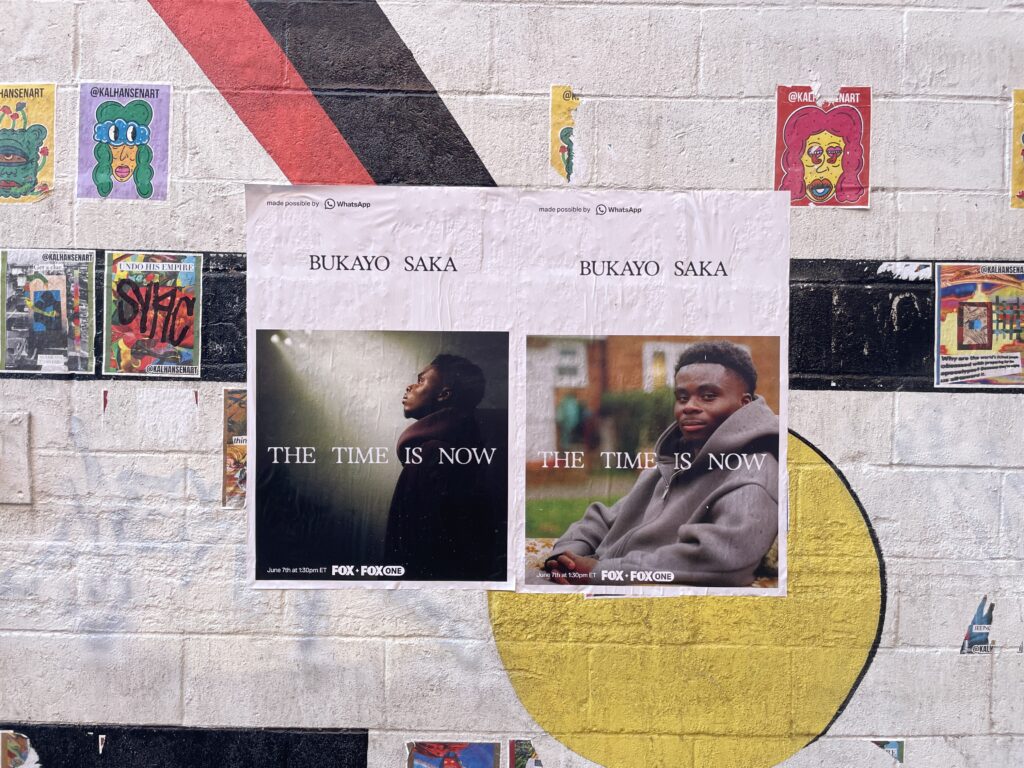
The NAB Show is the broadcasting and media industry’s annual gathering of record. Each April, more than 50,000 broadcast, media, entertainment, and technology professionals converge on the Las Vegas Convention Center for five days of product launches, industry sessions, and the business conversations that shape the next twelve months of investment in broadcast infrastructure, production technology, and media distribution. For brands selling into this market, NAB Show marketing is the highest-concentration targeting opportunity in the calendar year. At American Guerrilla Marketing, we execute street-level campaigns that capture the NAB audience at every touchpoint outside the convention walls, delivering brand presence across the full Las Vegas convention zone throughout the show’s five peak days.
The NAB Show Audience: Professional and Purposeful
The NAB Show draws a more specialized audience than most Las Vegas conventions. Broadcast engineers, post-production supervisors, TV station general managers, streaming platform infrastructure directors, and the technology procurement teams behind major media companies attend NAB with specific purchasing intent. This is not a general technology audience browsing new products. It is a professional buyer community actively evaluating vendors against specific technical and business requirements.
The Decision-Maker Concentration
NAB attendees skew toward technical and operational decision-makers: the engineers who specify which camera systems their networks buy, the post-production directors who select which editing and color grading tools their facilities standardize on, the IT directors who evaluate which cloud media management platforms their content operations adopt. These are high-value contacts that are difficult and expensive to reach through digital advertising or content marketing programs. NAB concentrates them in one city for five days.
The Launch Environment
NAB Show is one of the primary product launch venues for the broadcast and media technology industry. Major vendors announce new cameras, production tools, distribution infrastructure, and media software at NAB, and the press and industry analyst coverage that surrounds those announcements concentrates significant industry attention on Las Vegas during show week. Brands that create strong street-level presence during NAB week position themselves within the media coverage environment that amplifies the show’s impact far beyond its physical attendance.
NAB Show Marketing Zones in Las Vegas
The NAB Show concentrates at the Las Vegas Convention Center’s North and Central Halls, with the surrounding convention hotel cluster and the Paradise Road corridor as the primary attendee geography.
Las Vegas Convention Center Campus
The LVCC’s NAB Show footprint spans the North Hall, Central Hall, and the outdoor exhibits in the convention campus. The approaches to the convention along Paradise Road and Joe W. Brown Drive, the shuttle bus stops servicing convention hotels, and the parking structure pedestrian approaches all carry the full NAB audience during arrival and departure windows. Wheatpaste installations in this zone, combined with brand ambassador programs at key entry points and LED truck routes through the campus perimeter, create maximum concentration of exposures for brands targeting the full NAB audience.
Paradise Road Corridor
Paradise Road is the primary surface artery connecting the LVCC to the major convention hotels north of the convention center. During NAB week, it carries heavy pedestrian and rideshare traffic throughout the convention day. The corridor between the Las Vegas Hilton (now Westgate), the Renaissance, and the Convention Center is the highest-value zone for wheatpasting, LED truck routes, and ambassador programs during NAB.
Convention Hotel District
NAB attendees concentrate in the Westgate, Renaissance, Marriott, and other hotels north of the convention center during show week. Hotel lobby areas during morning departure (7am to 9am) and evening return (5pm to 8pm) windows see high-density convention traffic. Ambassador programs at these hotel locations during peak windows reach the NAB audience in the brief moments when they are not inside a session or on the convention floor.
Restaurant and Bar District
NAB evening business dinners and informal industry networking concentrate in the restaurant zone on E. Flamingo Road, Paradise Road, and the casino restaurants within the immediate convention area. Brand presence near these venues during the dinner hours reaches NAB attendees in a relaxed, social state where relationship-building and informal business conversation are the dominant activity.
NAB Show Marketing Formats That Work
LED Billboard Trucks
LED billboard trucks are the highest single-format impact option for NAB Show marketing in Las Vegas. Running morning routes between convention hotels and the LVCC, and evening routes through the restaurant and hotel district, LED trucks create moving, full-color brand presence that reaches the full NAB audience regardless of their specific hotel or session schedule. We program NAB-specific content that speaks directly to the broadcast and media technology context: new product announcements, booth location references, event invitations, or specific value propositions relevant to the technical buyer audience.
Brand Ambassador Programs
Brand ambassador programs at NAB require talent who understand the broadcast and media technology context well enough to engage credibly with professional buyers. Our NAB ambassador briefs cover the technical product categories the brand serves, key differentiation points against alternatives the audience is evaluating, and the specific types of media and broadcast operations where the brand delivers the most value. Ambassadors carry materials that create a useful interaction: spec sheets, case studies, event invitations, or demo access codes that give the NAB audience something worth keeping.
Wheatpasting in the Convention Zone
Wheatpaste campaigns on available surfaces throughout the LVCC zone create static brand presence that accumulates exposures over the full five-day show. The Paradise Road corridor is the strongest single surface zone for NAB wheatpasting. Creative for NAB should be technically specific enough to be recognizable to the professional buyer audience: the specific product category, the key specification that matters to broadcast buyers, or the specific workflow problem the brand solves. Generic technology brand messaging disappears in a context where every exhibitor is claiming innovation.
Sidewalk and Ground-Level Activations
Sidewalk stencils near the LVCC entrance areas and at the highest-traffic pedestrian intersections on Paradise Road create ground-level brand touchpoints that every foot-traffic attendee encounters during the convention walk. As directional elements or standalone brand presence, sidewalk formats complement wheatpaste and ambassador programs in the pedestrian zones where NAB Show attendees spend the most time on foot.
Ready to Launch Your Campaign?
Strategic Campaign Frameworks for NAB Show
Brands approach NAB Show marketing from different strategic positions. Our campaign frameworks adapt to each.
New Product Launch Amplification
For brands announcing a new product at NAB, street-level campaign elements serve as physical amplifiers for the launch announcement. LED truck routes carrying the launch message, ambassador programs distributing product spec cards and directing attendees to the announcement session, and wheatpaste installations featuring launch creative all extend the launch’s reach beyond the session audience to the full convention population. A coordinated street-level launch amplification campaign ensures that attendees who miss the announcement still encounter the product story during their convention week.
Market Entry and Awareness Building
For brands entering the broadcast and media technology market for the first time, NAB Show provides the ideal awareness-building environment. The full professional buyer community is present for five days, and a well-executed street campaign creates a first impression across the entire market simultaneously. Brands that invest in NAB awareness campaigns in year one build the recognition foundation that makes year two sales conversations significantly more productive.
Competitive Positioning
For established brands facing competitive pressure, NAB Show marketing serves to maintain visibility against challengers who may be more aggressively investing in convention presence. Street-level campaigns that maintain brand omnipresence throughout NAB week signal market confidence and investment commitment to buyers who are evaluating vendor stability alongside product capability.
NAB Show Campaign Timeline
NAB Show takes place in mid-to-late April. Planning should begin in January:
- January/February: Campaign brief, format and zone selection, Las Vegas location research
- February/March: Creative development, location scouting, talent sourcing, LED truck scheduling
- March: Creative production, ambassador briefing, logistics finalization
- April (pre-show): Installation setup, talent deployment preparation, digital campaign pre-launch
- NAB Show week: Full campaign in market, daily monitoring and briefing
- Post-show: Campaign documentation report, performance summary
What is NAB Show marketing?
NAB Show marketing refers to brand campaigns targeting the broadcast, media, entertainment, and post-production professionals who attend the NAB Show at the Las Vegas Convention Center each April. It includes official exhibitor marketing as well as street-level campaigns that intercept attendees outside the convention during the five-day show.
What locations in Las Vegas are best for NAB Show marketing?
The Las Vegas Convention Center perimeter, Paradise Road corridor, the Strip between Sahara and Spring Mountain, hotel lobbies at the Westgate, Marriott, and Renaissance properties near the LVCC, and restaurant zones on E. Flamingo Road and Paradise Road are the highest-value NAB Show marketing locations.
How do media technology brands market at NAB without a booth?
Brands execute LED truck routes on the Paradise Road and LVCC perimeter corridors, deploy brand ambassador programs at convention hotels during morning and evening windows, run wheatpaste campaigns on available surfaces near the convention center, and create ambient activations at transportation hubs and restaurant zones.
How much does NAB Show marketing cost?
NAB Show street marketing campaigns typically run custom quote to $45,000 USD depending on format mix and duration. LED truck routes for the full five-day show, combined with ambassador programs and wheatpasting, deliver full-convention-week awareness at a fraction of official exhibitor costs.
When should brands start planning NAB Show marketing?
NAB Show takes place in mid-to-late April. We recommend starting campaign planning in January or February. Las Vegas inventory during NAB week is competitive, particularly for Paradise Road surfaces and LED truck availability. Eight to ten weeks of lead time is standard.
What types of companies benefit most from NAB Show marketing?
Broadcast technology companies, media software vendors, post-production tool makers, streaming platform infrastructure providers, camera and production equipment manufacturers, content distribution companies, and any brand selling into the broadcast, media, and entertainment technology market benefit from NAB Show marketing.
How is NAB Show marketing different from CES marketing in Las Vegas?
NAB Show draws a more specialized audience than CES: broadcast engineers, media executives, post-production supervisors, and content production professionals rather than the broader consumer technology industry. NAB marketing can use more technical, industry-specific messaging and benefits from targeting the more focused geographic cluster around the LVCC’s North and South Halls where NAB is concentrated.
Official Wheatpaste Pricing
We only quote from AGM’s published rate cards or from a custom scope tied to the actual market, route, staffing plan, and production load.
- 24×36 wheatpaste campaign, 100 posters: $4,500
- 24×36 wheatpaste campaign, 200 posters: $5,500
- 48×72 wheatpaste campaign, 100 posters: $10,500
- 48×72 wheatpaste campaign, 200 posters: $13,500
- Optional maintenance for the final two weeks of a monthly run: $3,500
If your campaign needs a different city mix, custom fabrication, or rush timing, contact AGM for a quote built from the same rate-card logic.
How AGM scopes NAB Show Marketing: Street-Level Campaigns Around the Las Vegas Convention
Every wheatpaste deployment plan starts with the same field questions. Where will the audience actually see the work, how long will the message stay in view, what kind of crew does the job need, and what proof will the client want after the run is live. We scope those answers before we talk about volume. That keeps the program grounded in real conditions instead of broad theory. For nab show marketing: street-level campaigns around the las vegas convention, the planning work matters because one weak choice at the start can waste the whole run. A strong route, a realistic install pace, and a clean recap process are what make the campaign feel sharp in the street instead of rushed.
What changes performance in the field
Performance usually comes down to placement, timing, and repetition. The best campaigns do not chase every possible block. They pick the blocks, venues, walls, stations, storefronts, or pedestrian paths that line up with the right audience behavior. We watch how people move through a neighborhood, what side of the street they face, how long they dwell, and what else is competing for attention. For nab show marketing: street-level campaigns around the las vegas convention, that means the visible details, sightline, lighting, install condition, and recap quality all matter. Good field work looks obvious after the fact, but it only feels obvious because the plan was tight before the crew ever rolled.
Budget and timing without guesswork
AGM does not pad numbers with vague ranges. We tie budgets to rate cards where a public rate exists, then fill in the rest with real production needs, staffing, route density, timing, and market conditions. That keeps the conversation honest. On nab show marketing: street-level campaigns around the las vegas convention jobs, timing is often shaped by access windows, weather, production lead time, and how much documentation the client wants back. If a project is simple, the schedule stays simple. If it has many neighborhoods, many surfaces, or several city teams moving at once, the schedule expands because the work on the ground expands. That is a normal operations decision, not filler.
How we document results
Clients do not just need the work done. They need to know where it landed, how it looked, and whether the rollout matched the brief. Our recap process is built around timestamped photos, neighborhood notes, route summaries, and clear proof of completion. On nab show marketing: street-level campaigns around the las vegas convention work, recap quality often decides whether a client books the next run. Clean reporting also helps the next wave because the team can see what held up, what drew the strongest response, and which placements deserve a second pass. The recap is not an afterthought. It is part of the product.
Common mistakes brands make with NAB Show Marketing: Street-Level Campaigns Around the Las Vegas Convention
The most common mistake is chasing surface area without enough planning. Brands sometimes assume that more units or more neighborhoods always means better results. In practice, sloppy spread kills recall. Another mistake is forcing creative that is too dense for the setting. Street work needs clear hierarchy, strong contrast, and a message that makes sense at the distance where the audience sees it. A third mistake is underestimating production details. The stock, finish, weather window, shift timing, and recap expectations all shape the outcome. Strong campaigns respect the boring details because the boring details decide whether the visible work looks premium.
Why this topic matters to AGM clients
Clients hire AGM because they need people who understand street conditions, not just ad concepts. NAB Show Marketing: Street-Level Campaigns Around the Las Vegas Convention is valuable when it turns a broad brand idea into something that holds up in a real place, in front of moving people, with real constraints. That is where execution matters. A page like this should leave you with a clear sense of what the work involves, what can go wrong, and what a disciplined rollout looks like. If the campaign needs city selection, route design, crew planning, printing, fabrication, staffing, reporting, or a combined package, AGM can scope it from one operating plan instead of handing the job off across five vendors.
What stronger planning looks like for NAB Show Marketing: Street-Level Campaigns Around the Las Vegas Convention
The difference between a page that sounds informed and a campaign that actually works is operational detail. AGM plans around audience movement, neighborhood logic, field timing, production handoff, and recap standards before the work launches. For nab show marketing: street-level campaigns around the las vegas convention, that means we are not just talking about what the format is. We are looking at where the audience encounters it, what they are doing in that moment, how long they see it, what visual hierarchy makes sense from that viewing distance, and how the field team will verify every completed step. Those details are what protect the budget from waste and keep the work aligned with the real conditions on the ground.
How AGM pressure-tests a rollout
Before a rollout goes live, we pressure-test the plan in plain language. Does the market choice make sense for the audience. Does the route create repetition instead of random spread. Is the production timeline realistic for the number of units, the surface type, the staffing pattern, and the documentation load. Is the creative simple enough to read in motion and strong enough to hold attention. When any of those answers are weak, we tighten the scope before launch. That is a better move than pretending every idea is ready. In street-level work, discipline usually outperforms volume because disciplined execution gets seen, remembered, and documented cleanly.
What clients usually underestimate
Clients often underestimate how much field quality affects outcomes. A weak install, a rushed route, or sloppy recap photos can make an otherwise strong campaign look smaller than it was. They also underestimate how much neighborhood context shapes audience response. A message that feels sharp in one district can feel out of place in another two miles away. That is why we treat routing and environment as part of the media itself. When the format, market, block, timing, and message all fit together, the campaign does not need inflated claims. The work feels native to the space and stronger because of it.
How this page should guide a real buying decision
This page should help a brand decide whether nab show marketing: street-level campaigns around the las vegas convention belongs in the mix, what role it should play, how it should be measured, and what kind of scope is realistic. Some brands need a tight single-market push. Others need layered formats across several cities with one reporting standard. The right next step is not to guess. It is to define the audience, objective, timing, market list, and documentation expectations, then build the plan from there. That is how AGM turns a broad idea into a field-ready campaign that can actually be executed and reviewed without confusion.
Frequently Asked Questions
How early should a brand start planning?
For most campaigns, the smart move is to start planning at least two to four weeks before the launch window so production, routing, staffing, and reporting are all lined up.
What makes one market perform better than another?
Market fit depends on audience density, neighborhood behavior, route efficiency, and whether the creative belongs in that setting. The busiest city is not always the best city.
Can AGM bundle this with other services?
Yes. AGM often combines this work with supporting formats so the campaign has stronger repetition and cleaner reporting across the whole run.
How does AGM quote pages like this?
We quote from official rate cards where they apply, then scope the remaining production, staffing, and routing details to the actual job.