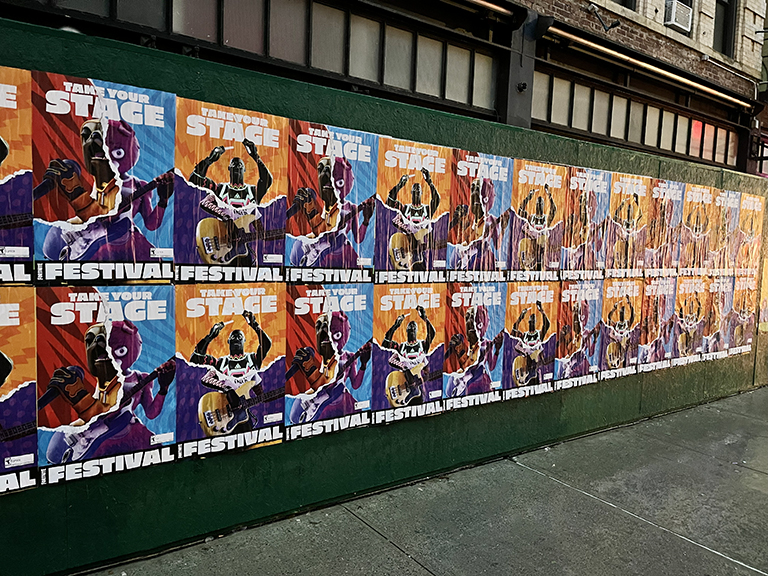
Texas is not one market. It is five distinct major metro areas, each with its own economy, culture, and advertising dynamics, surrounded by a constellation of fast-growing secondary markets that together constitute one of the most complex and competitive advertising landscapes in the United States. Houston is the energy and medical capital of the South. Dallas is the corporate headquarters hub of the mid-continent. Austin is the technology and creative industry capital of the Southwest. San Antonio is the fastest-growing large city in the country by some measures. Fort Worth has emerged as its own cultural and commercial force rather than simply the western appendage of the Metroplex.
Local advertising texas through guerrilla marketing does not treat these markets as interchangeable. Our team at American Guerrilla Marketing approaches each Texas metro with market-specific audience knowledge, venue-specific deployment strategies, and the same GPS-tracked documentation discipline we bring to every campaign across our 50-plus U.S. market network. Texas is big. We plan accordingly.
Austin: The Guerrilla Marketing Capital of Texas
Austin is arguably the best guerrilla marketing environment in the state. The city’s walkable entertainment districts, its culture of creative outdoor expression, its enormous event calendar anchored by SXSW, Austin City Limits Music Festival, and Formula One at Circuit of the Americas, and its exceptionally social-media-active professional demographic all combine to make street-level advertising unusually effective and unusually well-amplified.
The 6th Street entertainment district, Rainey Street, South Congress Avenue, and the East Austin arts and restaurant zone around East 6th Street are the four highest-priority deployment zones in the Austin market. Each serves a distinct but overlapping audience. 6th Street draws the broadest entertainment and tourism crowd. Rainey Street attracts a young professional consumer with significant disposable income. South Congress captures the creative, design-forward, and lifestyle brand audience. East Austin reaches the arts, food, and culturally progressive demographic that is often the early adopter community for new brands in Austin.
SXSW is in a category by itself. For ten days each March, the festival concentrates 200,000-plus technology, music, film, and media professionals in a six-block radius of downtown Austin. We deploy LED trucks, poster campaigns, sidewalk stencils, and ambassador teams specifically around the SXSW venue concentration to maximize impressions during the most commercially valuable conference window in Texas.
Houston: Local Advertising in the Bayou City
Houston’s sprawling, car-dependent geography creates guerrilla marketing dynamics that are different from Austin’s walkable entertainment districts. The most walkable, pedestrian-concentrated zones in Houston are the Montrose neighborhood, the Midtown entertainment district, the East Downtown arts zone around Commerce Street, and the Heights commercial strip along 19th Street and White Oak Drive.
LED billboard trucks are particularly effective in Houston because the city’s vehicle-dominant transportation culture means a high-visibility mobile display reaches audiences that street-level fixed placements cannot. Routes through Montrose’s Yale Street, Westheimer Road, and the Shepherd/Greenbriar corridor cover Houston’s highest-concentration young professional and creative consumer zones. Downtown routes along Main Street, Travis Street, and Lamar Street cover the corporate professional audience during workday hours.
The Museum District and Hermann Park zone draws consistent foot traffic from the Texas Medical Center community, the Rice University campus, and the museum-going public throughout the year. Poster campaigns and ambassador activations in this zone reach an educated, professional, and culturally engaged audience that is distinct from the entertainment-focused Montrose and Midtown demographics.
Houston’s Energy Corridor, Greenway Plaza, and Galleria area represent the city’s primary corporate and professional market zones. LED truck routes through the Westheimer commercial corridor and the Galleria perimeter reach the business professional audience at high frequency during the lunch window and the evening commute period when vehicle traffic is most concentrated in these zones.
Dallas and Fort Worth: Guerrilla Marketing in the Metroplex
Dallas’s Deep Ellum entertainment district is the highest-concentration guerrilla marketing zone in North Texas. The walkable commercial zone along Main Street, Commerce Street, and Elm Street in Deep Ellum draws a diverse audience of arts and entertainment consumers seven nights a week, with peak concentrations on weekends when local and regional visitors combine with resident Dallas nightlife audiences.
Uptown Dallas, centered around the McKinney Avenue corridor and the Troy/Cedar Springs entertainment zone, draws the city’s highest-income young professional demographic. Sidewalk stencils on the McKinney Avenue sidewalk and the Knox-Henderson commercial strip, wheatpaste campaigns on permitted surfaces near Klyde Warren Park, and LED trucks on the Tollway corridor along the Uptown edge create layered impressions with this premium consumer segment.
Klyde Warren Park itself is one of the most active public gathering spaces in Dallas, hosting regular programming, food truck events, and weekend markets that concentrate thousands of attendees in a single outdoor zone above Woodall Rodgers Freeway. Ambassador programs at Klyde Warren events reach a concentrated, diverse, family-friendly consumer audience throughout the spring, fall, and mild winter months.
Fort Worth’s Sundance Square downtown district is the most walkable and historically vibrant commercial zone in the western Metroplex. The pedestrian plaza on Commerce Street and the surrounding blocks of Main Street and 2nd Street draw a mix of local professionals, tourists, and cultural event attendees that makes the zone productive for sidewalk stencils and street team activations throughout the year.
San Antonio: Local Advertising in America’s Fastest-Growing Large City
San Antonio’s Pearl District is the most commercially vibrant and socially active local advertising environment in the city. The mixed-use development centered on the Pearl Brewery campus draws a young professional, foodie, and arts-engaged audience to its farmers market, restaurant complex, and regular event programming. Ambassador activations at the Pearl Saturday Market and poster campaigns on the permitted surfaces in the Pearl zone reach San Antonio’s most high-engagement consumer demographic.
The River Walk pedestrian zone is San Antonio’s highest tourist traffic environment, drawing millions of visitors annually to the sunken walkway along the San Antonio River through downtown. LED truck routes on the street-level corridors flanking the River Walk, along Commerce Street and Market Street, reach both the tourist population and the convention attendees who use the River Walk corridor to move between their hotels and the Henry B. Gonzalez Convention Center.
The South Town arts district and the St. Paul Square neighborhood around the Aztec Theatre provide additional walkable environments where poster campaigns and street team activations reach the younger, arts-engaged San Antonio consumer demographic.
Sidewalk Stencils, Wheatpaste, and LED Trucks Across Texas
Every Texas campaign begins with market-specific route scouting. Houston’s walkable zone geography, Dallas’s entertainment district concentration, Austin’s festival-driven audience patterns, and San Antonio’s River Walk dynamics each require a different deployment approach. We map attendee movement patterns, vehicle traffic corridors, and pedestrian concentration zones in each market before a single crew member is dispatched.
Our LED truck fleet covers every major Texas market with high-resolution, full-motion displays on vehicles deployed in targeted route patterns during peak audience movement windows. For brands with campaigns running in multiple Texas cities simultaneously, we coordinate crew logistics, creative delivery, and documentation across all markets with a single point of contact and unified reporting at campaign close.
Brand Ambassador Programs Across Texas Markets
Texas’s major metro areas have event calendars that provide anchor moments for ambassador program deployment throughout the year. Austin’s SXSW, ACL, and Formula One weekends are the largest single-event audience concentrations in the state. Houston’s major sporting events, the Houston Livestock Show and Rodeo, and the Bayou Bend collection of cultural events provide sustained ambassador activation opportunities through the calendar year. Dallas’s State Fair of Texas draws three million visitors annually, representing one of the largest consumer audience concentrations in the country. San Antonio’s Fiesta festival draws over three million people across a ten-day window each April.
We plan ambassador deployments around these anchor events as well as the recurring weekly audience concentrations in each city’s highest-foot-traffic commercial zones. A Texas ambassador program coordinated across multiple markets and events can achieve brand awareness scale that rivals traditional broadcast media at a fraction of the cost per meaningful impression.
Texas’s Technology Migration and the New Professional Market
Texas has experienced one of the most significant influxes of high-income technology and financial industry professionals of any state in the country over the past five years. Oracle, Tesla, Hewlett Packard Enterprise, and dozens of smaller technology and financial firms have relocated headquarters or major operations to the Austin metro. CBRE and other major financial and real estate companies have relocated significant operations to Dallas. Houston’s energy sector is increasingly blended with technology companies as energy tech has become one of the state’s fastest-growing industry segments.
This professional migration has created new consumer audience segments in Texas’s major metros that did not exist at scale five years ago. The Bay Area transplant in Austin, the New York financial professional who relocated to Dallas, and the Houston energy tech worker are all consumers who bring significant purchasing power and different brand relationships than the native Texas consumer audience. They are accustomed to sophisticated outdoor advertising from their prior markets and are receptive to the kind of creative street-level campaigns that might feel novel to long-time Texas residents.
Reaching these migration-driven professional audiences requires deployment in the specific neighborhoods where they have concentrated. In Austin, the Domain area, East Riverside, and the South Congress corridor have attracted significant populations of tech industry transplants. In Dallas, the Uptown and Knox-Henderson neighborhoods have become primary destinations for New York and coastal transplants. In Houston, the Midtown and Upper Kirby neighborhoods concentrate the young professional transplant population most distinctly.
Creative targeting these transplant audiences can make culturally relevant references to the cities they came from while celebrating what they have found in Texas, a creative strategy that earns immediate contextual resonance with an audience that straddles two cultural identities. Ambassador programs targeting these neighborhoods benefit from team members who are themselves familiar with the transplant experience in Texas, creating authentic peer-to-peer conversations that generic promotional scripts cannot replicate.
Creative Strategy for Texas Local Advertising Campaigns
Texas’s five distinct major metros each require a different creative approach to be genuinely effective with the local audience. Austin’s creative and tech professional audience responds to visually ambitious, culturally aware creative that feels native to the city’s music and design culture. Houston’s diverse, cosmopolitan professional audience responds to clear, benefit-forward messaging that respects the audience’s sophistication across multiple cultural and professional contexts. Dallas’s corporate professional market rewards polished, premium-quality creative execution. San Antonio’s tourist and local family audience responds to warm, community-oriented messaging. Fort Worth’s independent cultural identity distinguishes it from Dallas enough to warrant its own creative approach rather than simply adapting Dallas creative for the Cowtown market.
In all Texas markets, the physical scale of the cities creates a vehicle-dependent advertising dynamic that makes LED truck deployments particularly valuable for achieving broad audience reach. Unlike walkable northeastern cities where a concentrated pedestrian zone allows sidewalk advertising to achieve city-scale reach, Texas metros require mobile advertising formats to cover the geographic spread of the target audience. We plan LED truck routes that maximize time in the high-concentration pedestrian zones while also covering the vehicle-dependent commute corridors that connect residential and commercial zones across each market.
Brand ambassador programs in Texas benefit from the state’s strong sports and event culture. Texans are accustomed to high-energy brand activations around their sports and entertainment events, and ambassador programs that bring genuine enthusiasm and product knowledge to event-adjacent activations are welcomed rather than resisted by the local audience. This cultural receptiveness to brand activation in event contexts is a meaningful strategic advantage for brands willing to invest in quality ambassador programs in Texas.
Compliance and Permitting Across Texas Markets
Texas’s major metros each have distinct outdoor advertising regulatory frameworks that require separate compliance review. Austin’s Business Improvement Districts around 6th Street and the East Austin entertainment zone have specific policies regarding promotional activity in and around their commercial areas. Houston’s Greater Downtown Management District manages promotional activity standards in the downtown entertainment and hotel zones. Dallas’s Deep Ellum BID and the Uptown Dallas area have their own event-adjacent promotional policies.
We navigate all of these regulatory environments on behalf of our clients as part of standard campaign planning for Texas deployments. Our compliance review process identifies permitted surfaces, confirms material specifications meet local standards, and maps the specific regulatory pathway for each tactic in each Texas market. Texas is large and regulatory landscapes vary significantly between cities and even between districts within the same city. Our institutional knowledge of Texas market compliance requirements eliminates the regulatory uncertainty that can derail campaigns planned without local expertise.
Texas Event Calendar and Guerrilla Marketing Activation Windows
Texas’s event calendar provides a year-round sequence of high-density audience concentration windows that anchor guerrilla marketing campaign planning across all five major metros. SXSW in Austin each March is the single most commercially valuable conference window in the state, concentrating 200,000-plus tech, media, and creative industry professionals in the downtown Austin zone for ten days. The Houston Livestock Show and Rodeo from late February through mid-March draws over two million visitors to NRG Park, creating the largest annual consumer event audience in the state. The State Fair of Texas in Dallas from late September through mid-October draws three million visitors to Fair Park over its 24-day run. San Antonio’s Fiesta in April draws three million-plus over ten days. Austin City Limits Music Festival in October draws 75,000-plus over two weekends to Zilker Park.
Each of these anchor events creates a distinct guerrilla marketing activation opportunity with its own audience profile, geographic concentration, and creative context. The SXSW activation is a sophisticated, media-literate tech and creative audience that rewards creative ambition. The Houston Rodeo activation reaches a broad, family-oriented Texas consumer audience that responds to direct, accessible brand messaging. The State Fair activation targets one of the most diverse consumer audiences of any single Texas event, spanning income levels, age ranges, and geographic origins across the three-week run.
We plan Texas guerrilla marketing campaigns around these anchor events as well as the recurring weekly audience concentrations in each city’s highest-foot-traffic commercial zones. A brand planning a year of Texas activations can build a campaign calendar that moves through the state’s event cycle, hitting each major metro at its peak audience concentration window and building cumulative brand awareness across the full Texas consumer market over the course of a single year.
Measuring Local Advertising ROI in Texas Markets
Texas campaigns generate large volumes of documentation data given the multi-city scale of most statewide activations. GPS-tagged photo reports, LED truck route logs, ambassador interaction records, and QR scan data from physical creative are all consolidated into unified campaign reporting that covers every Texas market in a single performance view. This consolidated reporting allows you to compare performance across markets, identify highest-performing deployment zones, and make data-driven decisions about budget allocation in future Texas campaign cycles.
Austin’s technology and media-forward audience produces the highest QR engagement rates of any Texas market, reflecting the city’s habitual mobile-first consumer behavior. San Antonio’s Riverwalk and Pearl District campaigns produce strong ambassador interaction rates due to the naturally social, leisurely pace of the pedestrian audience in those zones. Dallas’s Uptown campaigns produce strong LED truck impression volumes due to the high vehicle traffic density on the Tollway and McKinney Avenue corridors. Each Texas market has a distinct performance profile that informs how future campaign investment should be allocated across the state’s diverse advertising environments.
Frequently Asked Questions About Local Advertising in Texas
What local advertising tactics work best in Texas?
LED billboard trucks, sidewalk stencils, wheatpaste poster campaigns, and brand ambassador activations perform strongly across all major Texas metros. Austin’s 6th Street, Rainey Street, and South Congress corridors, Houston’s Montrose and East Downtown zones, Dallas’s Deep Ellum and Uptown, and San Antonio’s Pearl District are all high-performing guerrilla advertising environments.
Can AGM run local advertising in multiple Texas cities simultaneously?
Yes. We coordinate multi-city campaigns across Houston, Dallas, Austin, San Antonio, Fort Worth, and other Texas markets simultaneously. Each city receives dedicated crew management and documentation, with unified reporting across all Texas deployments.
How does guerrilla marketing work during SXSW in Austin?
SXSW concentrates 200,000-plus attendees in downtown Austin’s 6th Street, Congress Avenue, and Rainey Street zones for ten days each March. We deploy LED trucks, sidewalk stencils, poster campaigns, and ambassador teams specifically around the SXSW venue concentration to reach the tech, music, and media industry audience that the festival draws.
Does AGM provide GPS-tracked proof of performance for Texas local advertising?
Every placement is GPS-tagged and photographed. LED truck routes are logged with timestamps and geographic tracks. You receive a complete delivery report confirming every element of your Texas campaign.
What does local guerrilla advertising cost in Texas?
Entry-level Texas campaigns start around $3,000 to $5,000 for sidewalk and poster work in a single city. Full multi-tactic campaigns in major Texas metros range from $10,000 to $35,000. Multi-city campaigns covering two or more Texas markets are priced based on scope and tactic mix.
Can you target Houston’s Energy Corridor and business professional audience?
Yes. The Energy Corridor along I-10 West, Greenway Plaza, and the Galleria area are active deployment zones for brands targeting Houston’s business and professional audience. We deploy LED trucks, sidewalk stencils near transit and pedestrian zones, and ambassador programs at office park approach corridors during peak workday movement windows.
Frequently Asked Questions
What is local advertising texas?
American Guerrilla Marketing provides local advertising texas services across 50+ U.S. markets. Every campaign is planned, scouted, executed, and GPS-documented by our field teams. We work with regional brands and Fortune 500 companies on campaigns that require real street-level execution and documented proof of performance.
How does AGM approach advertising texas?
Our process starts with a market consultation to understand your goals, target audience, and budget. We then scout locations, handle any required permissions or permits, coordinate production and installation with our local crews, and provide a full GPS-tagged photo report after the campaign runs.
What markets does American Guerrilla Marketing cover for advertising texas?
We operate in 50+ U.S. markets including New York, Los Angeles, Chicago, Miami, Houston, Atlanta, Seattle, Denver, Boston, and dozens of secondary markets. Contact us to confirm availability and pricing for your specific market.
How much does a advertising texas campaign cost?
Campaign pricing depends on market, format, quantity, and duration. We work with budgets ranging from targeted single-market runs to national rollouts across multiple cities. Use our RFP Builder or contact us directly for a custom quote based on your specific campaign requirements.
How do I get started with advertising texas through AGM?
The fastest way to get started is to submit your campaign details through our RFP Builder at americanguerrillamarketing.com, or contact us directly at [email protected] or (646) 776-2770. Our team typically responds within one business day with availability and initial pricing.