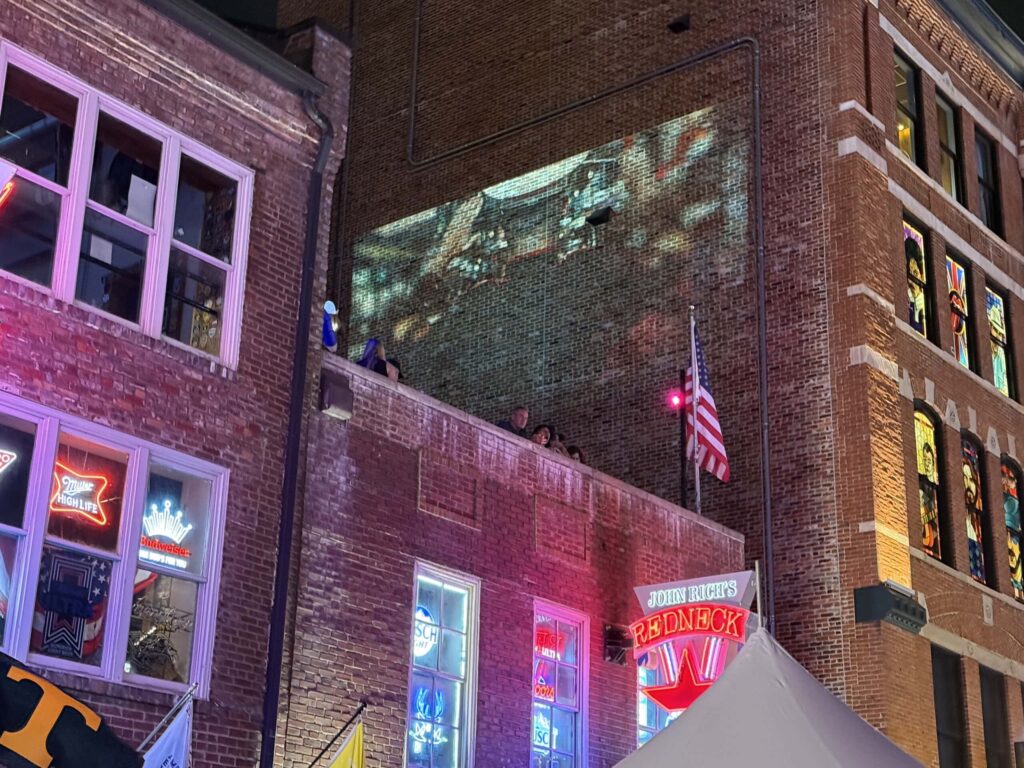
The most effective guerrilla marketing campaigns in Minneapolis generate reach beyond their placement footprint. When creative is visually compelling enough to earn photographs and shares from Minneapolis residents and visitors, the campaign’s effective reach multiplies without additional spend. American Guerrilla Marketing builds guerrilla marketing campaigns with that organic amplification potential built into the strategy, deploying in Minneapolis locations where social sharing is highest.
Earned social amplification is the return on investment that most guerrilla marketing budgets don’t explicitly account for but consistently receive. When creative in Minneapolis is visually striking enough to be photographed and shared, the campaign’s effective reach extends beyond the paid placement footprint at no additional cost. American Guerrilla Marketing tracks this earned amplification across Minneapolis campaigns and builds creative strategy around maximizing it, deploying in the locations where Minneapolis’s social-sharing culture is strongest and visual discovery is most active.
What follows is a detailed breakdown of guerrilla marketing in Minneapolis: the market context that shapes campaign design, the tactical options available in this geography, how American Guerrilla Marketing approaches the specific operational challenges of Minneapolis field execution, and what brands at different budget levels can realistically expect to achieve. The FAQ section addresses the most common questions from Minneapolis brands evaluating street-level campaigns for the first time.
Why Guerrilla Projections Work in Minnesota
Minnesota’s urban markets have specific characteristics that make guerrilla projections particularly effective, not just as an advertising format but as a cultural event that the audience participates in actively.
The Twin Cities have one of the highest rates of arts and cultural event attendance per capita of any major U.S. metropolitan area. Minneapolis residents actively seek out visual and experiential cultural encounters, the Walker Art Center, First Avenue’s legendary music venue, the art gallery concentration in the North Loop and Northeast neighborhoods all reflect an audience that is predisposed to engage with unexpected visual experiences in the urban environment. A guerrilla projection in the right Minneapolis location doesn’t feel like an ad, it feels like a cultural event, and it gets documented and shared with the social media enthusiasm that the Twin Cities’ educated, connected, and arts-engaged population applies to cultural experiences they find genuinely interesting.
Minnesota’s climate creates a compressed outdoor activation season that amplifies the value of each summer evening projection. The period from May through October is when Minneapolis’s outdoor restaurant culture, the Greenway, and the lakefront parks concentrate pedestrian activity at its highest annual levels. The urgency of Minnesota summer, everyone knows it’s finite, creates an outdoor engagement culture during these months that makes every evening gathering feel more intentional and more social than in cities where outdoor life is year-round and less precious. This compressed outdoor season creates projection audiences that are larger, more energetic, and more social-media-active than the equivalent cold-weather projection audience would be.
Minneapolis’s Top Projection Zones
Minneapolis has several distinct zones where the combination of building surface quality, foot traffic volume, evening pedestrian activity, and audience profile creates the conditions for outstanding guerrilla projection campaigns:
North Loop Warehouse District: The former warehouse district bounded by Washington Avenue to the south and the Mississippi River to the west has become Minneapolis’s most concentrated upscale restaurant and bar environment, with dozens of nationally recognized restaurants, galleries, and bars occupying converted warehouse spaces. The brick and concrete facades of the warehouse buildings provide some of the finest projection surfaces in any Midwest market, clean, large, architecturally interesting textures that make brand creative look spectacular at scale. Evening foot traffic from Thursday through Saturday is substantial and sustained, and the demographic, professional couples, creative professionals, millennials with disposable income, is exactly the audience that responds most strongly to unconventional brand experiences.
First Avenue and 7th Street Entertainment Corridor: The blocks surrounding First Avenue, Minneapolis’s legendary music venue, constitute one of the city’s highest-energy evening environments, particularly on concert nights when 1,500+ First Avenue audience members enter and exit within a compressed time window. The 7th Street corridor extending from First Avenue toward Nicollet Mall includes additional concert and theater venues, bars, and restaurants that keep the pedestrian audience dense and energetic through the full evening window. Projection campaigns in this zone on concert nights reach a music-culture audience that over-indexes for social media activity and organic content sharing.
Uptown, Hennepin and Lake Intersection: Minneapolis’s Uptown neighborhood anchors a younger, creative demographic that concentrates around the Hennepin and Lake Street intersection and extends through the surrounding residential and retail streets. The Lagoon Theater, the Uptown bar and restaurant strip, and the adjacent residential density create a neighborhood-scale evening audience that is highly social media active and strongly responsive to brand experiences that feel authentic to the Uptown cultural environment. Projection campaigns in Uptown work best when creative acknowledges the neighborhood’s independent, non-corporate cultural identity.
Northeast Minneapolis Arts District: The 13th Avenue NE and the Art-A-Whirl corridor in Northeast Minneapolis concentrate gallery openings, artist studios, and the restaurant and bar culture that has grown around them into a neighborhood that attracts the most culturally engaged segment of the Twin Cities’ creative class. Projection campaigns in Northeast during gallery events or Art-A-Whirl weekend reach an audience that is specifically primed for visual art experiences, making brand projections feel like part of the cultural event rather than advertising intrusions.
Target Field and U.S. Bank Stadium Surrounds: Major event nights at Minnesota’s professional sports venues create the Twin Cities’ single largest single-evening audience concentrations. Minnesota Twins games at Target Field draw 35,000+ fans through the warehouse district and adjacent areas before and after the game; Vikings games at U.S. Bank Stadium draw 70,000 fans through downtown Minneapolis. Projection campaigns positioned on the approaches to these venues on game nights reach audiences of a scale and density that are unavailable on any other night in the Minnesota market.
St. Paul Projection Environments
St. Paul’s character as a city is distinct from Minneapolis, smaller in scale, more historically architectural, and with a cultural scene that is less internationally prominent but deeply engaged at the local level. These characteristics create specific guerrilla projection opportunities that differ from Minneapolis’s entertainment district formula:
Lowertown Arts District: St. Paul’s Lowertown neighborhood, anchored by Mears Park and the CHS Field minor league baseball stadium, concentrates the city’s gallery and arts venue density into a walkable neighborhood with architectural character that makes it one of the most visually interesting urban environments in the Twin Cities for projection campaigns. The Lowertown audience skews toward St. Paul’s arts-engaged residential community and the professional crowd from the adjacent downtown. Projection campaigns here during the Arts and Farm Market at Mears Park or CHS Field game nights reach a concentrated, engaged audience in their most receptive leisure mode.
Grand Avenue: St. Paul’s Grand Avenue retail and restaurant corridor attracts a demographic of established professionals and families with above-average household income and strong brand loyalty. While not a classic projection environment due to its lower building density, the corridor’s restaurant concentration generates evening foot traffic windows where projection campaigns on available architectural surfaces in the Grand-Summit area reach a high-value demographic in a lower-competition brand context than Minneapolis’s more saturated entertainment zones.
Minnesota’s Seasonal Projection Calendar
Minnesota’s extreme seasonal variation is the single biggest planning variable in guerrilla projection campaigns. The state’s projection calendar is governed by two fundamental realities: darkness timing varies enormously between winter and summer, and outdoor audience concentration follows the warm-weather calendar with a dramatic fall that begins in October.
The prime projection season runs from late May through mid-October, the period when outdoor foot traffic in Minneapolis and St. Paul is at its annual peak and when the compression of outdoor social life creates the energetic evening pedestrian environment that makes projections most effective as social media events. June through August nights in Minneapolis don’t reach darkness until 9 PM or later, which compresses the prime projection window but also creates a situation where projections run in the late-evening hours when the bar and restaurant audience is at its most energetic and social.
Fall activations (September–October) benefit from earlier darkness, which extends the usable projection window back into the dinner hour, and from the continued outdoor activity of Minnesota’s fall restaurant culture. The Minnesota State Fair (late August through early September) represents the highest-concentration outdoor audience event in the state’s calendar and creates outstanding projection opportunities around the State Fair grounds and in the surrounding neighborhoods.
Winter projections are viable on heated-venue nights, sports event nights, and any evening when the event programming at downtown Minneapolis venues concentrates audience indoors and then releases them into the street environment. The compressed winter darkness, which arrives before 5 PM in December, actually creates longer usable projection windows, and the relative scarcity of outdoor visual brand experiences in Minnesota’s winter makes a well-executed winter projection more surprising and memorable than the same campaign run in summer.
Event-Timed Activations in Minnesota
Minnesota’s event calendar creates specific windows when projection campaigns reach dramatically larger and more concentrated audiences than standard evening activations. AGM maintains the full Minnesota event calendar and builds projection campaign timing recommendations around it:
Creative for Minnesota Projection Campaigns
Minnesota projection creative should be designed for the specific surfaces, ambient light conditions, and cultural context of the Twin Cities market. Generic creative that works in any city is almost always less effective than creative that acknowledges where it’s running, and the Minneapolis and St. Paul audiences are discerning enough to notice and reward the difference.
The North Loop’s brick warehouse facades produce a warm, textured projection result that makes creative with strong geometric forms and bold color contrasts read best. The smoother concrete surfaces of the downtown entertainment district handle fine detail better. Uptown’s architectural variety creates a range of surface conditions that AGM’s pre-campaign site analysis evaluates individually for each activation.
Minnesota’s creative culture, shaped by its strong tradition of graphic design, music, and visual arts, responds to projection content with genuine artistic merit. Animated sequences, visual narratives, and creative that has the scale and ambition of public art will consistently outperform static logo placements in terms of organic social sharing. The Twin Cities audience has high visual standards and will document and share projections that meet those standards; they will ignore projections that feel like conventional advertising displayed at unusually large scale.
How an AGM Minnesota Projection Campaign Works
AGM’s Minnesota projection engagements follow a process that maximizes impact at every stage:
Site Analysis: We scout candidate locations in the specific Minnesota neighborhoods relevant to the campaign, evaluating surface quality, ambient light levels at activation time, sight lines and viewing distance, foot traffic patterns, power availability, and any site-specific logistics. Minnesota’s winter construction activity and seasonal surface changes mean that site analysis must be conducted within 2–3 weeks of the planned activation, not months in advance.
Creative Development: AGM develops projection creative specifically for the selected surface characteristics and Minnesota market context. We test creative at scale before the activation to eliminate visual surprises on the night, and we develop multiple creative executions where campaign scope permits to maximize variety across consecutive activation nights.
Equipment and Logistics: Minnesota’s outdoor projection environment requires projectors rated for the specific ambient light conditions at the activation location and time. Summer evening activations need higher-lumen equipment than fall or winter activations in the same location. AGM sources equipment matched to each activation’s specific requirements.
Activation and Documentation: AGM field crews manage all aspects of activation night, setup, operation, creative management, and strike. We document every activation with field photography and video from multiple vantage points, capturing both the projection itself and audience reaction, delivered within 48 hours.
Secondary Minnesota Markets
Beyond the Twin Cities, Minnesota’s secondary markets offer projection opportunities that reach concentrated regional audiences without the competitive saturation of the Minneapolis entertainment district:
Rochester: Minnesota’s third-largest city is dominated by Mayo Clinic’s employment footprint, creating a highly educated, professional demographic concentrated in the downtown Peace Plaza and the surrounding restaurant and hotel district. Projection campaigns in Rochester reach the medical professional and associated business audience in one of the most economically productive per-capita markets in the state.
Duluth: The Lake Superior port city and tourism destination has a compact Canal Park entertainment district that concentrates substantial summer and fall tourist and resident foot traffic. Projection campaigns in Duluth during Canal Park summer evenings reach a leisure-mode audience that is particularly receptive to brand experiences aligned with the outdoor and adventure values that define Duluth’s cultural identity.
St. Cloud: Central Minnesota’s regional center and home to St. Cloud State University provides a college-town projection environment where brands targeting the 18–30 demographic can reach significant audience concentrations in the downtown entertainment district.
Integration with Other Tactics
Minnesota projection campaigns deliver their strongest results when integrated with complementary tactics that extend brand presence across the full campaign window:
Wheat Paste Poster Campaigns + Projections: Wheat Paste campaigns in the North Loop, Uptown, and Northeast Minneapolis maintain daylight brand presence in the same zones where projection activations run at night, creating a complete-day brand environment that compounds impression frequency without additional media spend.
Brand Ambassadors + Projections: Deploying trained brand ambassadors in the activation zone during projection evenings converts the visual experience into direct brand interactions, sample distributions, contact captures, and the human conversations that turn awareness into consideration.
Snipe Advertising + Projections: Pre-event snipe campaigns in the neighborhoods surrounding the projection activation location build awareness that primes the audience for the projection event, making the visual encounter feel like the payoff of a campaign they’ve already been encountering in their daily routes.
Measuring Results in Minnesota
AGM’s Minnesota projection measurement toolkit includes social media monitoring for organic shares and tagged posts generated during and after the activation; QR code integration connecting physical impressions to digital actions; branded search lift monitoring in the Minneapolis-St. Paul geographic market; and complete field documentation packages delivered within 48 hours of each activation night.
Campaign Strategy & Market Considerations
Minnesota’s guerrilla projection market has specific strategic characteristics that shape how campaigns should be built:
The North Loop is Minnesota’s highest-value projection zone, and it’s earned its position. The North Loop’s reputation as Minneapolis’s preeminent dining and nightlife destination has created an audience that has high expectations for the experiences they encounter there. Projection campaigns in the North Loop need creative quality commensurate with the neighborhood’s visual standards, the same creative that would pass unnoticed in a less culturally demanding environment will be judged critically by a North Loop audience that has been conditioned to expect excellence in their neighborhood’s visual environment.
Minnesota’s winters are not an obstacle, they’re an opportunity. Winter guerrilla projections in Minneapolis reach an audience that is concentrated in specific heated venues and their immediate surroundings, moving between venues on the enclosed skyway system or through the outdoor street environment during brief between-venue windows. This concentration creates high-density impression opportunities that summer’s more distributed outdoor audiences don’t offer. The scarcity of outdoor visual brand experiences in Minnesota’s winter also means that a well-executed winter projection is more surprising and memorable than the same campaign run in the competitive summer market.
Cultural alignment matters more in Minnesota than in most markets. The Twin Cities’ strong arts community and visual culture means that brands running projection campaigns in Minneapolis are competing for attention in an environment where audiences have sophisticated aesthetic standards. Creative that engages with the artistic tradition of projection, that uses the format with genuine visual ambition rather than as a billboard replacement, consistently outperforms generic digital advertising repurposed for a building facade. AGM’s creative development for Minnesota campaigns incorporates this standard from the beginning of the process, not as an afterthought.
Frequently Asked Questions
What are guerrilla projections and how do they work in Minnesota?
Guerrilla projections use high-powered projectors to display brand imagery on building facades and architectural surfaces, turning Minnesota’s urban landscapes into massive branded canvases. In Minneapolis’s North Loop, Lowertown St. Paul, and Uptown, where compact walkable neighborhoods concentrate significant evening foot traffic, projections create brand moments at a scale that generates social sharing and brand recall beyond any conventional advertising format. AGM manages location scouting, creative development, equipment, operator staffing, and post-campaign documentation as a full-service package.
Where do guerrilla projections work best in Minnesota?
Top Minnesota projection zones: North Loop warehouse district (brick facades, high foot traffic); First Avenue and 7th Street corridor (concert-driven evening audiences); Uptown’s Hennepin-Lake intersection (young creative demographic); Northeast Minneapolis arts district (culturally engaged gallery audience); and U.S. Bank Stadium/Target Field surrounds on event nights (40,000–70,000+ attendee concentrations).
How much does a guerrilla projection campaign cost in Minnesota?
Minnesota campaigns range from $4,000 for a single-night, single-location Minneapolis activation to $20,000+ for multi-night, multi-city programs covering Minneapolis, St. Paul, and Rochester or Duluth with custom animated content. AGM provides itemized proposals for every engagement.
When is the best time to run guerrilla projections in Minneapolis?
Prime season: May through October, when outdoor foot traffic peaks. June-August evenings have late dusk (projection window compresses to 9 PM+) but the most energetic, social-media-active outdoor audiences. Major sports and concert event nights create the largest single-evening audience concentrations year-round. Minnesota State Fair (late August/early September) is the highest-density single-event opportunity in the market.