The digital marketing agency landscape has never been more crowded or more confusing. Thousands of companies claim to offer digital marketing services, ranging from solo consultants and boutique specialists to global holding company networks with offices on every continent. The challenge for brands is not finding options. It is identifying which type of partner, at which level of investment, is actually the right fit for their specific goals and marketing maturity.
This guide cuts through the noise. It covers what digital marketing companies actually do, how their service models differ, how to evaluate and select the right partner, what to expect from the relationship, and how to integrate digital capabilities with physical and guerrilla marketing channels that most digital agencies do not offer. Because in 2026, the brands consistently outperforming their competitors are not the ones with the best digital agency alone. They are the ones building campaigns that work across both screens and streets.
American Guerrilla Marketing is a physical advertising specialist, not a digital agency. But our team works alongside digital partners regularly, and we understand where each channel excels and where the gaps are. This guide is written from that vantage point: the real world of multi-channel campaign execution, not the idealized version presented in agency pitch decks.
What Digital Marketing Companies Actually Do
The term “digital marketing” is broad enough to cover a wide range of services that may or may not overlap depending on the agency. Understanding the distinct disciplines helps you evaluate what you actually need.
Search Engine Optimization
SEO encompasses the technical and content strategies that improve a website’s visibility in organic search results. This includes technical site health, content development targeting search queries, link building to improve domain authority, and ongoing performance monitoring. Strong SEO programs compound in value over time as content accumulates, links build, and rankings improve. The timeline to meaningful SEO results is typically 6 to 12 months minimum.
Paid Search and Social Advertising
Paid search management involves building, managing, and optimizing Google Ads and Bing campaigns. Paid social management covers Meta, LinkedIn, TikTok, Pinterest, and other platform ad programs. Agencies handling paid media earn their fees through campaign efficiency: better targeting, higher-quality creative, and smarter bidding produce better results at lower cost per acquisition. The media spend itself is billed separately from the management fee.
Content Marketing
Content marketing agencies plan, produce, and distribute content designed to attract and engage target audiences. This includes blog posts, white papers, video production, email newsletters, and social content. Content marketing ROI builds slowly but consistently: a strong editorial archive that earns organic search traffic continues generating leads long after the initial production investment is recovered.
Social Media Management
Social media management covers content calendar planning, post creation, community management, and platform-specific strategy. This is distinct from paid social advertising: organic social management focuses on building audience and engagement without paid amplification. The best social programs combine organic content strategy with paid amplification for content that performs well organically.
Types of Digital Marketing Companies
Not all digital marketing agencies are alike. Understanding the different types of agency structures helps you match the right partner to your needs and budget.
Full-Service Digital Agencies
Full-service digital agencies offer comprehensive capabilities across most or all digital marketing disciplines under one roof. They typically employ specialists in each channel who collaborate on integrated campaigns. The advantage is strategic coordination and simplified vendor management. The trade-off is that no full-service agency is genuinely best-in-class across every discipline simultaneously.
Specialist Digital Agencies
Specialist agencies focus deeply on one or two disciplines, typically SEO, paid media, or content. They offer deeper expertise and more current channel knowledge than generalist agencies. Brands with mature marketing functions often prefer to assemble a team of best-in-class specialists managed internally rather than relying on a generalist agency for everything.
Performance Marketing Agencies
Performance agencies focus specifically on paid digital channels and are compensated partly on results, whether through commissions, profit sharing, or performance bonuses. They are typically the right choice for brands with clear conversion metrics and sufficient budget to generate the data volumes that enable meaningful optimization.
Integrated Marketing Agencies
Some agencies have expanded beyond digital to offer fully integrated services including traditional media planning, OOH, experiential, and physical channels alongside digital capabilities. These agencies can coordinate channel mix decisions across all paid media from a single strategy point. For brands running complex multi-channel programs, this coordination value is significant.
How to Evaluate Digital Marketing Companies
Evaluating digital marketing agencies requires looking past the pitch deck and into the actual evidence of their performance and fit with your business.
Relevant Industry Experience
Prior experience in your category is valuable because it reduces the learning curve. An agency that has built campaigns for food and beverage brands understands category dynamics, retail buyer behavior, and distribution channel nuances that a generalist agency would need months to learn. Ask specifically about experience with your category and request contact information for reference clients at similar companies.
Case Studies with Measurable Results
Case studies should lead with measurable business outcomes: revenue growth, cost-per-acquisition improvement, search ranking gains, and pipeline contribution. Be skeptical of case studies that lead with campaign creativity or award wins without connecting the work to business results. The question to ask: “What was the measurable impact on revenue or customer acquisition?”
Transparency in Reporting and Pricing
Good agencies are transparent about what they do, how they measure it, and what it costs. Request sample monthly reports before signing. Confirm whether media spend is included in the retainer or billed separately. Understand clearly who owns the assets they build, including ad accounts, content, and website code, at the end of the engagement.
Cultural and Communication Fit
The most capable agency in the world will underperform if the communication cadence, responsiveness, and working style do not match your team’s expectations. Establish communication expectations, reporting frequency, and escalation protocols before signing any agreement. The day-to-day relationship with your account team matters more than the capabilities demonstrated in the pitch.
What to Expect from a Digital Marketing Engagement
Setting realistic expectations for a digital marketing engagement prevents the frustration that comes from timeline misalignment between what brands hope for and what is actually achievable.
The Onboarding Phase
Most digital marketing engagements begin with an audit and discovery phase lasting four to eight weeks. This involves reviewing existing performance data, understanding business goals, mapping the customer journey, auditing existing content and technical infrastructure, and setting baseline KPIs. Do not expect campaigns to launch immediately. The quality of the onboarding phase largely determines the quality of the work that follows.
The Ramp Period
New campaigns require a learning period before they reach optimized performance. Paid campaigns need several weeks of data accumulation before algorithmic optimization kicks in. SEO programs show meaningful results in search rankings after six to twelve months. Email programs need list growth and testing before performance stabilizes. Plan for a three to six month ramp period before holding the agency accountable to full performance benchmarks.
Ongoing Optimization
After the ramp period, digital marketing engagement should feel like continuous improvement rather than a steady state. Campaigns that are not actively tested and optimized will plateau or decline as competition changes, audience behavior shifts, and platform algorithms update. Ask prospective agencies how frequently they run creative tests, how they handle declining performance, and what their process is for keeping strategy current.
Integrating Physical Marketing with Your Digital Strategy
Most digital marketing agencies are excellent at what they do within the digital ecosystem. What they typically cannot offer is the street-level reach, physical presence, and experiential impact that guerrilla and out-of-home advertising deliver. Brands that combine both consistently outperform those relying on digital alone.
Why Physical Channels Fill Digital Gaps
Digital advertising is superb at capturing intent that already exists. It struggles to create brand familiarity from scratch, especially in saturated categories where consumers are exposed to hundreds of digital ads daily. Guerrilla marketing services and physical advertising create new impressions in environments where audiences are receptive and less defensive than they are while scrolling through feeds.
Physical Campaigns That Drive Digital Outcomes
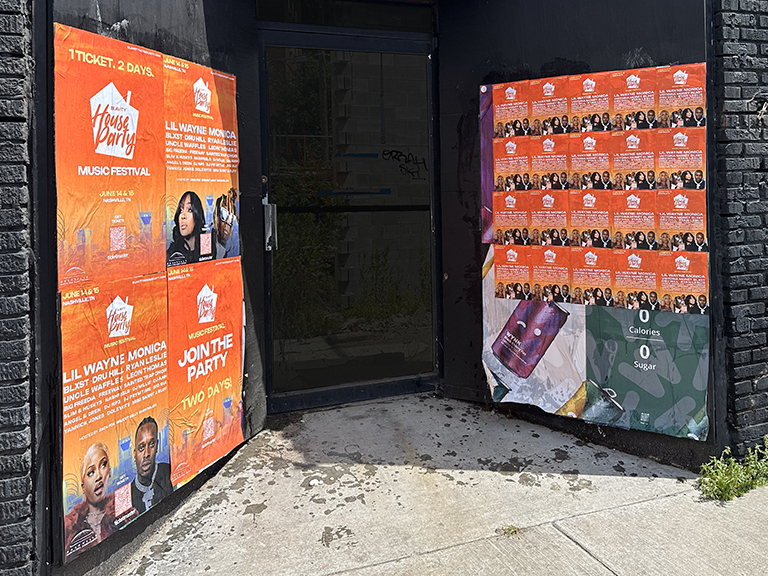
Poster and wheatpasting campaigns in key markets drive branded search volume that Google Ads campaigns capture and convert. Sidewalk stencil campaigns in high-foot-traffic areas create impressions at scale before anyone opens a browser. Experiential marketing activations generate social content and earned media that feed digital content ecosystems. These physical channels are not alternatives to digital marketing; they are amplifiers of it.
Coordinating Across Agencies
Brands working with both a digital agency and a physical marketing partner like American Guerrilla Marketing need a coordination protocol. Share campaign calendars, market priorities, and audience definitions across both partners. Ensure that physical campaign timing aligns with digital campaign budget allocation so that physical awareness-building and digital conversion-capturing happen in the same markets at the same time. This coordination is where significant additional ROI is often found.
Pricing Models for Digital Marketing Companies
Understanding how digital agencies price their services prevents misaligned expectations and helps you compare options accurately.
Monthly Retainer
The most common model: a fixed monthly fee covering a defined scope of services. Retainers provide budget predictability for brands and sustainable revenue for agencies. Confirm exactly what is included in the retainer scope and what would incur additional charges. Most retainer agreements have a separate media budget that the agency manages but does not mark up beyond an agreed-upon management fee.
Project-Based Pricing
Project fees are appropriate for defined-scope work such as website builds, campaign launches, or content production runs. Project pricing works well when requirements are clearly defined upfront. The risk is scope creep: changes to deliverables after project kickoff typically result in change orders that inflate the final cost above the initial estimate.
Performance-Based and Hybrid Models
Performance pricing ties agency compensation partly to outcomes, typically a percentage of revenue generated or a bonus for exceeding KPIs. Hybrid models combine a base retainer with performance bonuses. Performance models work best when attribution is clear and direct, which is easier in e-commerce than in B2B sales with long sales cycles where marketing influence is difficult to isolate.
Frequently Asked Questions
What services do digital marketing companies typically offer?
Digital marketing companies typically offer search engine optimization, paid search and social advertising, content marketing, email marketing, social media management, web analytics, and conversion rate optimization. Full-service agencies cover most or all of these disciplines; specialist agencies focus on one or two areas of deeper expertise.
How do I choose the right digital marketing company for my business?
Evaluate digital marketing companies on industry experience in your category, case studies with measurable business results, transparency in reporting and pricing, strategic thinking beyond execution, and cultural fit with your team. Request references from clients with similar business models and budget levels to your own before committing.
What is a typical monthly budget for a digital marketing agency?
Digital marketing agency retainers range from $2,000 per month for small business SEO programs to $25,000 or more per month for full-service mid-market engagements before media spend. Always clarify whether media spend is included in the retainer or billed separately, as this distinction significantly affects total cost comparisons.
Should a brand work with one agency or multiple specialists?
There are trade-offs to both approaches. One agency offers integrated strategy and simplified management. Multiple specialists offer deeper channel expertise. Many successful brands use a lead digital agency for strategy and coordination alongside specialist partners for execution in specific channels, including physical marketing specialists like American Guerrilla Marketing.
How do digital marketing companies measure success?
Digital marketing success is measured through KPIs aligned to business goals: organic traffic and rankings for SEO, cost per lead and ROAS for paid campaigns, open and click rates for email, and engagement metrics for social. The best agencies connect all metrics to revenue impact and customer acquisition cost rather than reporting activity metrics in isolation.
How does physical marketing complement a digital marketing strategy?
Physical marketing creates real-world brand impressions that digital channels cannot replicate. Street-level campaigns, OOH placements, and experiential activations drive branded search queries that digital campaigns then capture and convert. The combination consistently outperforms either channel in isolation because physical campaigns generate brand familiarity that makes digital advertising more efficient over time.