Exhibiting at CES puts you on the same floor as some of the most recognized brands in consumer electronics, automotive technology, health tech, and enterprise software. The show’s scale, thousands of exhibitors across multiple halls, means the competition for the right kind of booth traffic is unlike anything you’ll face at a smaller industry show. At American Guerrilla Marketing, based out of Industry City in Brooklyn, we’ve run CES booth promotion campaigns that drive qualified traffic to exhibits of every size, from startup spaces in Eureka Park to mid-size positions in the LVCC halls. What works at CES isn’t what works everywhere else, and the brands that come in with a show-floor-only strategy consistently leave disappointed.
Why CES Booth Promotion Requires a Different Approach
CES is not a show where you passively receive traffic. The show floor is enormous, the most valuable attendees have pre-scheduled every 30-minute block before arriving in Las Vegas, and the press corps is overwhelmed with brand pitches from the first hour of day one. Getting the right people to your booth requires deliberate effort across multiple channels and timelines, starting months before the show opens and running through the full convention week.
The brands we’ve seen underperform at CES despite strong products and substantial booth investments share a common pattern: they treated booth promotion as what happens on the show floor rather than as a campaign that spans weeks and covers the full Las Vegas convention zone. The brands that consistently generate pipeline from CES treat every window as a promotion opportunity: the pre-show outreach window, the hotel zone on arrival day, the shuttle corridors on show morning, and the post-show digital retargeting window after the convention closes.
Pre-CES Booth Promotion: Filling the Meeting Calendar
Targeting Registered CES Attendees
CES provides exhibitors with access to registered attendee data, and several services aggregate CES registration contact information. We build outreach campaigns starting in November for January CES, targeting decision-makers by title and company type with a specific, relevant meeting invitation. The goal is to arrive at CES with 8 to 12 pre-booked meetings per show day. Those meetings are guaranteed qualified traffic that doesn’t depend on floor position or show-day conditions.
Press Outreach Before the Show
CES is one of the most press-saturated shows in the world, and getting journalist time requires the same advance planning as any other kind of meeting booking. We help clients build media lists for CES, identify the publications most relevant to their product category, and execute pre-show outreach that results in interview requests, demo visits, and editorial coverage. A product story written by a credible publication during CES week reaches millions of buyers who aren’t at the show but follow the coverage. This is one of the highest-use promotional activities available at CES.
Social and Content Pre-Show Build
Building anticipation through social media, email, and content in the weeks before CES creates awareness among the show audience before the floor opens. Teaser content that previews what you’ll be showing, invitations to book time at the booth, and behind-the-scenes setup content all contribute to a pre-show presence that makes your booth a destination rather than a discovery.
Show-Day Booth Promotion: Inside and Outside the LVCC
Aisle-Edge Ambassador Staffing at the LVCC
CES show floors have some of the heaviest aisle traffic of any convention in the country, and the volume of attendees moving through creates both opportunity and noise. Brand ambassadors working the aisle edge of your exhibit footprint provide the trained first contact that converts passing traffic to booth visitors. At CES, where attendees are filtering through hundreds of exhibits, the opening line needs to be sharper and more specific than it would be at a smaller show. Generic openers get passed without a second look. Specific, relevant, curiosity-generating openers stop people.
LED Trucks on the LVCC Circuit
LED billboard trucks running the corridor between the LVCC and the Strip hotels during peak transit windows create brand exposures in the moments when CES attendees are between venues and more attentive than they are on the busy show floor. We run trucks on routes calibrated to the specific CES venue geography, adjusting timing to cover the morning arrival rush, lunch break transit, and evening departure windows.
Hotel Zone Outreach
The Venetian/Palazzo and the other primary CES hotels are the high-concentration ambassador deployment zones. We staff teams in hotel lobby areas during the morning windows when attendees are preparing for their show day. The hotel lobby is the lowest-pressure, highest-receptivity environment in the CES zone because attendees haven’t yet been pitched by fifty brands on the show floor. A brief, credible, relevant conversation in a hotel lobby can set up a booth visit more effectively than any show-floor approach.
Sidewalk and Convention Entrance Presence
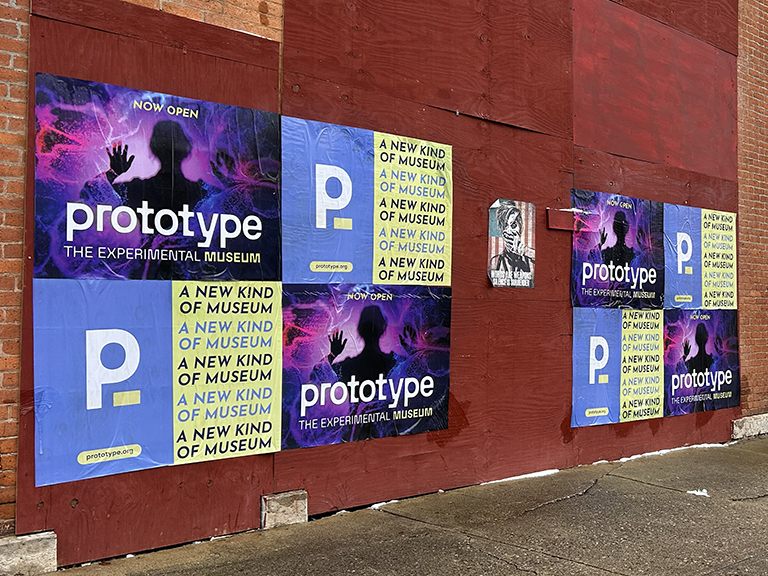
Sidewalk stencils and poster placements in the walkable zone around the LVCC add ambient brand frequency in the windows when attendees are moving between buildings and outdoor spaces. In conjunction with the ambassador and LED truck campaigns, these placements create a layered brand presence across the full convention zone that no single tactic achieves on its own.
In-Booth Experience Strategy for CES
The CES Demo Standard
CES is a show where product demonstrations are the main event for most exhibitors. The standard for what constitutes a “good demo” at CES is high because attendees have just come from dozens of other demos. Your demo needs to either do something genuinely impressive, create a genuinely surprising experience, or produce a genuinely personal moment for the attendee. Generic capability demonstrations that don’t connect to a specific problem the attendee has don’t create dwell time or conversation at CES. Specific, surprising, interactive demos create both.
Managing Crowd Dynamics in a Busy Hall
When a demo draws a crowd at CES, the crowd itself becomes a booth promotion tool. Attendees walking past see other people engaged and want to know what’s happening. We design demo presentations to be partially visible and audible from the aisle, with a natural ending point that creates a new entry opportunity for the next wave of passing traffic. Managing the crowd flow in and out of a busy CES booth is an operational skill that separates high-performing exhibits from ones that create confusion and missed opportunities.
Post-CES Booth Promotion Follow-Up
Speed Follow-Up on CES Leads
CES leads have a short half-life. The show is so intensive and so multi-faceted that the specific booth encounter fades quickly in the attendee’s memory unless it’s reinforced by fast, personalized follow-up. We build follow-up sequences that launch during the show, with day-one leads receiving outreach on day two. Meeting attendees receive calendar invites and prep documents before the show closes. The speed and personalization of CES follow-up is a significant competitive advantage that most exhibitors don’t take seriously enough.
Post-CES Digital Retargeting
Digital retargeting against CES attendee lists in the two weeks following the show extends the CES moment into the post-show evaluation window. Buyers who saw your booth, talked to an ambassador, or encountered your brand in the Las Vegas convention zone are a warm audience for retargeting content that reinforces the brand encounter and offers a clear next step.
How We Execute Expo Campaigns From Industry City Brooklyn
American Guerrilla Marketing plans and executes expo campaigns from our base at Industry City in Brooklyn. Our field operations team has direct experience at expos and convention centers across the United States, giving us the venue-specific knowledge that makes the difference between a campaign plan that looks good on paper and one that executes effectively in the field.
For every expo campaign, we conduct advance route planning: mapping the pedestrian corridors between hotel clusters and the expo venue, identifying the outdoor surfaces with the highest sight lines and foot traffic, confirming access and site approval parameters for each placement location. This advance work happens weeks before the expo opens, ensuring that every element of the campaign is ready to deploy the moment the show begins.
Our field teams submit documentation throughout every deployment day: timestamped logs from each position, photo confirmation of every placement, and conversation or distribution counts for ambassador and sampling programs. Post-expo reporting aggregates this documentation into a full campaign record that clients use for performance evaluation and future planning.
Planning Your Convention Campaign Timeline
Convention marketing campaigns work best when they are planned against the full timeline: 8 to 12 weeks before the show for the most complex programs, 4 to 6 weeks for ambassador-only or outdoor-only programs. The earlier the planning begins, the more options are available for every element of the campaign.
The pre-show window (6 to 8 weeks out) is when pre-show meeting outreach campaigns should launch. Personalized outreach to registered attendees using the specific conference or show context achieves significantly higher response rates than generic outreach because the timing is immediately relevant to the recipient’s known upcoming plans. We build pre-show outreach sequences for clients as part of convention marketing engagements, segmenting by target buyer persona and show registration data where available.
Production of printed materials for wheatpaste campaigns and stencil programs requires 3 to 4 weeks from design approval to installation. LED truck route planning and driver coordination requires 1 to 2 weeks. Ambassador team recruitment and briefing requires 3 to 4 weeks for shows with specific professional audience requirements. Running all of these in parallel against the show date requires a planning timeline that starts at least 6 weeks before the first deployment day.
We provide campaign timeline planning as part of the proposal process: every proposal includes a production and deployment timeline that shows exactly what happens when, what deliverables are required from the client, and what our team is responsible for executing at each stage. This timeline planning prevents the last-minute scrambles that degrade campaign quality and limit creative options.
Working With American Guerrilla Marketing
Our team at American Guerrilla Marketing is based at Industry City in Brooklyn. We have been running street-level marketing campaigns for brands across every major consumer category for years. Our field operations experience spans New York, Los Angeles, Chicago, Miami, Austin, San Francisco, and dozens of other markets. That operational depth is what we bring to every client engagement, alongside the creative and strategic work that makes campaigns worth executing.
Our engagement process is straightforward. We start with a discovery call where we learn your brand, your audience, your market, and your campaign objectives. We turn that understanding into a campaign proposal with specific tactics, deployment plans, a timeline, and investment. Once approved, we handle every aspect of production and field management from start to finish. You receive documentation from every deployment day and a post-campaign report at close.
We work with brands at a wide range of budgets and campaign scales. A focused street team program in one neighborhood is as important to us as a multi-city multi-format program. Every campaign we run reflects the same standard of planning, execution, and documentation regardless of scale.
What is CES booth promotion?
CES booth promotion refers to the marketing tactics used to drive qualified attendees to a specific exhibit at the Consumer Electronics Show in Las Vegas, including in-booth experience design, outside-the-show campaigns, hotel zone ambassador outreach, and pre-show meeting scheduling.
How competitive is the CES show floor for booth traffic?
Extremely competitive. CES features thousands of exhibitors across multiple halls. For mid-size and smaller exhibitors, outside-the-booth promotion in the convention neighborhood is often the most effective way to drive intentional, qualified traffic independent of floor position.
What outside-the-booth tactics work best at CES?
Hotel zone ambassador outreach, LED billboard trucks on the LVCC-to-Strip corridor, pre-show meeting campaigns targeting registered attendees, and sidewalk-level brand presence near the major LVCC entrances all produce strong booth traffic results at CES.
How far in advance should I plan CES booth promotion?
No later than September for a January CES. Creative production, site-approval planning, ambassador staffing, and pre-show outreach all require lead time in a market as competitive as CES week Las Vegas.
Do pre-booked meetings make a significant difference at CES?
Yes. CES is a show where the most valuable attendees run packed schedules. Getting on their calendar before the show opens is the difference between a guaranteed conversation and hoping they have 20 minutes to find your booth.
What in-booth experience works at CES?
Anything genuinely surprising or technically impressive. The bar for a compelling demo is high at CES. Interactive experiences that put the attendee in control create longer dwell times than passive video loops or generic capability presentations.
Can AGM run CES booth promotion for a startup with a small footprint?
Yes. We’ve run CES booth promotion campaigns for startups in small exhibit spaces. The outside-the-booth campaign levels the playing field regardless of exhibit size.
Campaign Architect – American Guerrilla Marketing
Frequently Asked Questions
What is CES booth promotion?
CES booth promotion refers to the marketing tactics used to drive qualified attendees to a specific exhibit at the Consumer Electronics Show in Las Vegas, including in-booth experience design, outside-the-show campaigns, hotel zone ambassador outreach, and pre-show meeting scheduling.
How competitive is the CES show floor for booth traffic?
Extremely competitive. CES features thousands of exhibitors across multiple halls. For mid-size and smaller exhibitors, outside-the-booth promotion in the convention neighborhood is often the most effective way to drive intentional, qualified traffic independent of floor position.
What outside-the-booth tactics work best at CES?
Hotel zone ambassador outreach, LED billboard trucks on the LVCC-to-Strip corridor, pre-show meeting campaigns targeting registered attendees, and sidewalk-level brand presence near the major LVCC entrances all produce strong booth traffic results at CES.
How far in advance should I plan CES booth promotion?
No later than September for a January CES. Creative production, site-approval planning, ambassador staffing, and pre-show outreach all require lead time in a market as competitive as CES week Las Vegas.
Do pre-booked meetings make a significant difference at CES?
Yes. CES is a show where the most valuable attendees run packed schedules. Getting on their calendar before the show opens is the difference between a guaranteed conversation and hoping they have 20 minutes to find your booth.
What in-booth experience works at CES?
Anything genuinely surprising or technically impressive. The bar for a compelling demo is high at CES. Interactive experiences that put the attendee in control create longer dwell times than passive video loops or generic capability presentations.
Can AGM run CES booth promotion for a startup with a small footprint?
Yes. We’ve run CES booth promotion campaigns for startups in small exhibit spaces. The outside-the-booth campaign levels the playing field regardless of exhibit size.
How early should a brand start planning?
For most campaigns, the smart move is to start planning at least two to four weeks before the launch window so production, routing, staffing, and reporting are all lined up.
What makes one market perform better than another?
Market fit depends on audience density, neighborhood behavior, route efficiency, and whether the creative belongs in that setting. The busiest city is not always the best city.
Can AGM bundle this with other services?
Yes. AGM often combines this work with supporting formats so the campaign has stronger repetition and cleaner reporting across the whole run.
How does AGM quote pages like this?
We quote from official rate cards where they apply, then scope the remaining production, staffing, and routing details to the actual job.