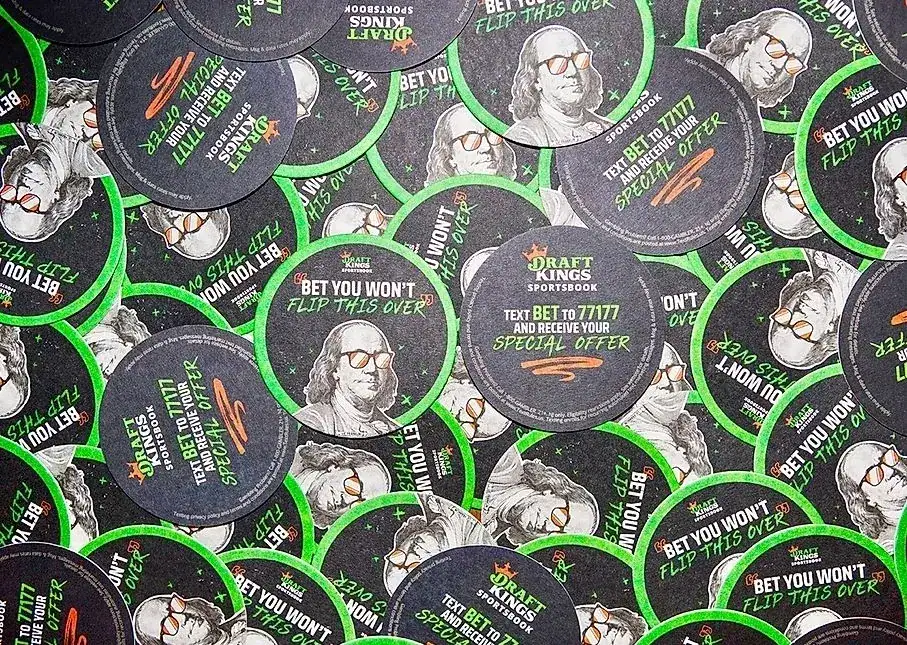
There is something almost perfectly designed about beer coaster advertising. A consumer sits down at a bar or restaurant. They order a drink. It arrives on a coaster. For the next 20 to 45 minutes, that coaster sits directly in their line of sight, within inches of their hands, with nothing else competing for their attention in that exact space. No algorithm. No competing ads. No scroll button. Just your brand, at eye level, in front of someone who is relaxed, receptive, and not going anywhere.
Beer coaster printing is one of the most underutilized creative marketing techniques in the guerrilla marketer’s toolkit. Brands that use it well report strong recall rates, high QR code scan volumes, and a cost-per-impression that is difficult to match with any other format. Brands that dismiss it as old-fashioned are leaving one of the most dwell-time-rich advertising formats on the table.
This guide covers everything brands need to know about beer coaster printing as a marketing technique: the strategic case for it, design principles that drive engagement, distribution strategies that work, and how coaster campaigns integrate with broader guerrilla marketing programs.
Why Beer Coasters Work as an Advertising Medium
The core principle behind coaster advertising is dwell time — the amount of time a consumer spends in direct proximity to your message. Most advertising formats compete for fractions of a second of attention. A coaster has the consumer’s ambient attention for the duration of an entire drink, often multiple drinks, in a state of mind where they are more relaxed and open than at almost any other point in their day.
The Psychology of Bar-Based Marketing
Bars and restaurants are environments of relaxed attention. People are not task-focused. They are not commuting, working, or managing a busy schedule. They are present, social, and open to distraction. This psychological state makes them significantly more receptive to brand messaging than consumers encountered in most other contexts.
Research on point-of-sale and ambient advertising consistently shows that messages encountered in relaxed, social environments are processed more positively and remembered more accurately than messages encountered in high-stress or task-focused contexts. A beer coaster sitting on the bar in front of you is ambient advertising at its most effective — present without being intrusive.
The Frequency Advantage
A consumer seated at a bar with a coaster in front of them does not look at the coaster once. They look at it repeatedly — picking up their drink, setting it down, turning the coaster over out of curiosity. Each interaction is a fresh impression. By the end of a single drink, that consumer may have been exposed to your brand message five to ten times without realizing it. The repetition drives recall in a way that a single-exposure ad unit simply cannot replicate.
Beer Coaster Design Principles That Drive Engagement
Effective beer coaster design is not the same as effective digital ad design. The format, viewing distance, and dwell time are fundamentally different. Design principles that work on a screen often fail on a 4-inch round coaster, and vice versa.
Keep the Message Simple and Direct
The best performing coaster ads communicate one clear idea in as few words as possible. Consumers are not going to read paragraphs of copy on a coaster — they will catch a headline, absorb a visual, and notice a call to action. Design for that reality. The message should be legible at a glance, memorable at a table, and clear enough to act on even after a drink or two.
Use Bold, High-Contrast Visuals
Bar lighting is notoriously inconsistent. Some venues are bright and modern; others are deliberately dim. Your coaster design needs to work in both environments. High-contrast color combinations, bold typography, and clear visual hierarchy ensure that your design remains readable and impactful regardless of the lighting conditions at the venue.
Design Both Sides Intentionally
Premium coaster printing includes design on both sides, and both sides should be used intentionally. The top side, which faces up when the drink is on the coaster, is your primary advertising real estate. The bottom side, which consumers often flip over and examine, is prime space for secondary messaging, a QR code, or an offer. Many brands underuse the bottom side — do not make that mistake.
QR Codes and Digital Integration
A QR code on a coaster works precisely because the bar environment is one of the few contexts where consumers regularly have their smartphones out, are not time-pressured, and are genuinely curious about what a scan might reveal. The QR code landing page needs to deliver on the curiosity it creates: a compelling offer, entertaining content, or a seamless path to whatever action you want the consumer to take.
Beer Coaster Printing: Materials and Production Options
The quality of the coaster itself matters more than brands often assume. A flimsy, low-quality coaster reflects poorly on the brand that printed it. A premium, well-constructed coaster enhances brand perception even before the consumer reads the message on it.
Standard Pulpboard Coasters
Traditional beer coasters are printed on pulpboard — a compressed paperboard material that absorbs condensation effectively and holds up through a typical bar service period. Standard pulpboard coasters are the most economical option and are appropriate for high-volume distribution campaigns. They print cleanly in full color and are available in the standard 3.5-inch and 4-inch round formats, as well as square and custom shape options.
Premium Paper and Coated Stock
Premium coaster stock options include coated paperboard, which offers a brighter, more vibrant print surface, and heavier stock weights that communicate higher brand quality. These options are appropriate for premium brands where product quality and brand image need to be consistent from the physical product to every touchpoint.
Specialty Materials
Specialty coaster materials include cork, rubber, ceramic, and recycled materials. These formats have higher per-unit costs but also higher perceived value — consumers are more likely to keep a cork or rubber coaster with a brand on it than a pulpboard coaster. For brands with strong design identity or a premium positioning, specialty material coasters can serve as collectibles that extend the campaign’s life far beyond the initial bar placement.
Distribution: Getting Your Coasters in Front of the Right People
The most beautifully designed coaster has zero impact sitting in a warehouse. Distribution is the critical element that most brands underinvest in relative to production. A well-executed distribution strategy is what separates a coaster campaign that generates real results from one that was a nice idea that nobody saw.
Direct Venue Outreach
The most targeted distribution approach is direct outreach to bar and restaurant managers in the specific neighborhoods and markets where your target consumers spend time. This approach requires research, sales skills, and relationship management — it is more labor-intensive than mass distribution, but it ensures that your coasters land in venues where they will be used rather than discarded.
Brand Ambassador Distribution
Our brand ambassador programs include coaster placement as a standard component of venue-based campaigns. Our ambassadors have established relationships with venue staff across every major U.S. market, which means coasters get placed and used rather than ignored or thrown away. This human relationship layer is what makes ambassador-driven distribution consistently more effective than mail-out or drop-off approaches.
Distributor Partnerships
For alcohol brands and beverage companies, partnering with alcohol distributors to include coasters with product deliveries is one of the most efficient distribution mechanisms available. Every venue that receives a delivery gets coasters automatically, without additional legwork for the brand or the distributor. This approach scales quickly and reaches venues that would be difficult to contact through direct outreach alone.
Integrating Beer Coaster Campaigns with Broader Guerrilla Programs
Beer coaster campaigns work best as part of a broader guerrilla marketing strategy that creates consistent brand touchpoints across multiple environments. A consumer who sees your brand on a poster campaigns board on their walk to the bar, then finds your coaster on the bar, then encounters a street team handing out samples on their way home, has experienced a campaign that creates real brand memory through multi-touchpoint reinforcement.
Coordinating Outdoor and In-Venue Advertising
Outdoor advertising near target venues — sidewalk stencils near bar entrances, mobile LED units parked nearby during peak hours — creates a bridge between the street and the venue that reinforces brand messaging at multiple touchpoints in a single consumer journey. We design these integrated campaigns from our base in Industry City, Brooklyn, NY, where we coordinate outdoor and in-venue placements as a single cohesive strategy.
Event-Based Coaster Campaigns
Beer coaster campaigns tied to specific events — product launches, sports seasons, local festivals — benefit from the heightened consumer receptivity that event contexts create. Designing coaster artwork around a specific event creates relevance and timeliness that generic branding campaigns lack. Event-based coasters are also more likely to be kept as souvenirs, extending the campaign’s effective duration far beyond the event itself.
Measuring Beer Coaster Campaign Performance
Measuring the ROI of a coaster campaign requires a combination of direct response mechanics and brand tracking methodology. Unlike digital advertising, coasters do not automatically generate click-through data — but with the right campaign design, they can generate measurable results.
QR Code Scan Tracking
QR codes with UTM parameters allow precise tracking of digital conversions that originate from coaster scans. Dynamic QR codes that redirect to campaign-specific landing pages provide real-time data on scan volume, geographic distribution, and conversion rates. This data gives you concrete evidence of campaign performance that can be tied back to specific venues and periods.
Promo Code Redemption
Including a promo code unique to the coaster campaign — for a discount, a free trial, or a complimentary item — creates a direct attribution mechanism that ties redemptions back to coaster distribution. This is particularly effective for e-commerce brands, app downloads, or restaurant offers where the conversion event is clearly defined and trackable.
Brand Awareness Surveys
For campaigns where the primary goal is brand awareness rather than direct response, pre- and post-campaign brand awareness surveys among the target demographic provide the most direct measurement of campaign impact. Survey respondents in target venues before and after the campaign and measure changes in unaided brand recall, brand perception, and purchase intent.
Frequently Asked Questions
What is beer coaster printing for marketing?
Beer coaster printing for marketing involves producing custom-branded coasters and distributing them to bars, restaurants, and hospitality venues. The coaster sits in front of a consumer for the duration of their drink, delivering repeated exposure to brand messaging in a relaxed, receptive environment.
How much does beer coaster printing cost?
Basic 4-inch round coasters typically cost $0.10 to $0.50 each in quantities of 1,000 to 10,000 units. Premium materials and full-color printing on both sides increase cost. Distribution logistics add to the total campaign cost.
What types of brands benefit most from beer coaster marketing?
Beer and alcohol brands, entertainment venues, apps targeting young adults, local services, and any brand targeting a bar-going demographic benefit strongly. The format works particularly well for brands that benefit from sustained dwell time and relaxed consumer engagement.
How do brands distribute promotional beer coasters?
Distribution typically involves direct outreach to bar and restaurant managers, partnerships with alcohol distributors, or brand ambassador programs. American Guerrilla Marketing handles end-to-end coaster distribution through our street team and ambassador networks.
Can QR codes on beer coasters drive digital engagement?
Yes. QR codes on coasters are one of the most effective ways to bridge physical and digital engagement. A consumer with a drink in hand and time to spare is highly likely to scan a QR code if the offer or content is compelling enough. We recommend linking to a mobile-optimized landing page with a clear, immediate offer.
Does American Guerrilla Marketing offer beer coaster distribution campaigns?
Yes. We design, print, and distribute branded beer coasters as part of broader guerrilla marketing and brand ambassador campaigns. We handle venue placement, tracking, and documentation. Contact us at (646) 776-2770 or visit our guerrilla marketing services page.