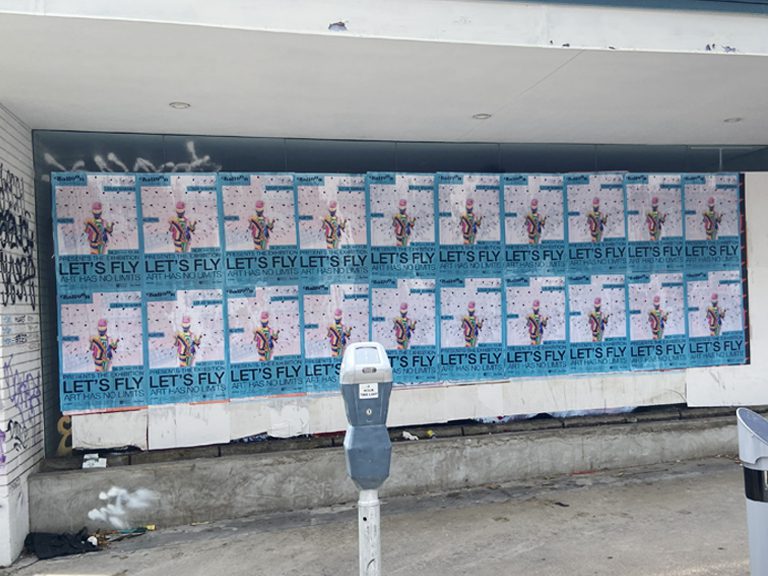
Chicago is the third-largest advertising market in the United States, with distinct neighborhood cultures that reward targeted street-level campaigns over broad-reach media buys.
Chicago is one of the most complex and rewarding advertising markets in the United States. The city has deep roots in advertising history. Its consumer base is enormous and genuinely diverse. Its physical environment, the dense walkable North Side, the transit grid, the lake-facing neighborhoods, rewards creative brand presence in ways that car-centric markets simply cannot match. And its media network gives brands multiple layers of reach across 2.7 million city residents and the millions more in the surrounding metro.
Advertising in Chicago means understanding the city at a neighborhood level. The consumer in Bridgeport is not the consumer in Bucktown. The audience at a Wrigley Field game on a Tuesday night is not the audience at the Lyric Opera on Saturday. Chicago advertising that treats the city as a monolithic market consistently underperforms advertising built for specific Chicago communities and environments.
We are American Guerrilla Marketing. We run campaigns in Chicago, and we have spent enough time in this market to know where the city’s attention actually lives. This guide covers the full picture: how the Chicago advertising market works, which channels deliver what, which neighborhoods reach which audiences, and where guerrilla marketing fits in the broader strategy.
Chicago is the third-largest advertising market in the United States by population and one of the largest by total media spend. The city’s major industries, packaged goods, financial services, healthcare, technology, restaurant and hospitality, all maintain significant advertising budgets. The concentration of major national corporate headquarters in the metro means a density of marketing decision-makers that rivals any market outside New York.
The Chicago Designated Market Area extends well beyond the city proper into the suburbs, adding millions of additional consumers. Television and radio buys in the Chicago DMA reach an audience of over 9 million people. For brands advertising at the DMA level, Chicago is the third most expensive television market in the country.
Within the city, digital advertising dominates spending by category. But Chicago’s density and transit culture create strong out-of-home and experiential advertising opportunities that purely digital-focused brands consistently miss. The city is walkable in ways that most American cities are not, and that walkability produces a pedestrian audience that is genuinely valuable for brands with something interesting to say in the physical environment.
The Chicago Advertising Channel Breakdown
Each major channel in Chicago has distinct dynamics, and understanding how each performs in this specific market is more useful than applying national averages.
The Chicago Transit Authority is the spine of the city’s out-of-home advertising infrastructure. The L Train serves over 75 million riders annually across eight lines covering the city and inner suburbs. Bus shelters, train car interiors, platform posters, and station dominations all reach large audiences with high dwell time. The Red Line running through the North Side, the Blue Line connecting O’Hare to downtown and Logan Square, and the Pink Line through Pilsen and the lower West Side each carry demographically distinct audiences.
CTA advertising is managed through contracts with Clear Channel and other out-of-home operators. Brands can buy individual placements or negotiate network packages that cover specific lines or station types. Station dominations at high-traffic stations like Lake/State or Belmont can create high-impact brand presence at key interchange points in the transit network.
Outdoor Billboards and Street Furniture
Billboard inventory in Chicago is concentrated along major expressways, particularly the Kennedy (I-90/94), the Eisenhower (I-290), the Dan Ryan (I-90/94 south), and Lake Shore Drive. These corridors reach the suburban commuter audience moving into and out of the city. For brands targeting commuters and suburban consumers, expressway billboard inventory is efficient reach.
Street furniture advertising, bus shelters, kiosks, and newsstands, is distributed throughout the city and concentrated in high-foot-traffic commercial corridors. Michigan Avenue, State Street, Wacker Drive, and the major North Side commercial strips are the primary street furniture environments.
Broadcast and Digital
Broadcast television reaches the full Chicago DMA through major network affiliates. Spot television is expensive in this market, but the mass-audience reach is unmatched for brands targeting the broad Chicago consumer. Radio is particularly strong for the commuter audience; Chicago’s morning drive involves millions of people spending substantial time in their cars, and AM sports radio has an exceptionally engaged listener base across Cubs, White Sox, Bears, Bulls, and Blackhawks audiences.
Digital advertising in Chicago benefits enormously from neighborhood-level geographic targeting. Meta, Google, and programmatic display all support zip-code targeting precise enough to concentrate spend in specific Chicago neighborhoods. Brands that target by neighborhood rather than city or metro see dramatically better efficiency.
Guerrilla and Street Marketing
Chicago’s walkable neighborhoods make guerrilla marketing particularly effective in this market. Street-level poster campaigns, ambient installations, and stencil work reach audiences at eye level in the neighborhoods where they live, shop, eat, and spend leisure time. The city’s active bar and restaurant scene means evening foot traffic in the North Side and West Loop neighborhoods is substantial even on weeknights.
AGM Field Note: Chicago is less saturated with guerrilla advertising activity than New York or Los Angeles. Strong executions stand out clearly in this market because the competition for attention at street level is lower. This is a genuine advantage for brands willing to invest in quality execution.
The Chicago Neighborhood Guide for Advertisers
Chicago’s neighborhoods are more distinct from each other than the neighborhoods of most American cities. Each has a specific consumer profile, a specific cultural identity, and a specific set of advertising environments. Here is the breakdown that matters for campaign planning.
Wicker Park and Bucktown
Wicker Park and Bucktown are the heart of Chicago’s creative class. The consumer in these neighborhoods is 25 to 40 years old, educated, employed in creative or professional fields, brand-aware, and highly active on social media. The commercial strips along Milwaukee Avenue and Damen Avenue are dense with independent retail, restaurants, and bars. Street traffic is heavy on weekends and strong on weekday evenings.
For guerrilla advertising, Wicker Park and Bucktown are the strongest neighborhoods in the city. The audience is receptive to unexpected brand moments, active in social documentation, and influential beyond the immediate neighborhood. A well-executed campaign here generates social sharing that reaches audiences in other Chicago neighborhoods and nationally.
Logan Square
Logan Square has developed rapidly over the past decade into one of Chicago’s most culturally active neighborhoods. The Milwaukee Avenue corridor through Logan Square has a concentration of independent bars, restaurants, music venues, and boutiques that rival Wicker Park in density. The consumer is slightly younger and slightly more price-conscious than the Wicker Park/Bucktown audience but similarly engaged and social-media active.
The Logan Square Boulevard system creates wide, tree-lined streets with significant surface area for poster campaigns. The neighborhood’s murals and street art create a visual environment that is receptive to brand creative at street level.
Pilsen
Pilsen is Chicago’s most prominent Latino neighborhood and one of its most vibrant arts districts. The neighborhood has a long history of public art and mural culture, making it an environment where street-level brand activity is culturally expected and frequently documented. The 18th Street corridor is the commercial spine, with galleries, restaurants, and shops that draw visitors from across the city.
Brands targeting Latino consumers in the Chicago market should include Pilsen in their strategy. The neighborhood’s art scene also attracts a diverse cross-neighborhood audience of art-world-adjacent consumers who are active content creators.
West Loop and Fulton Market
The West Loop and Fulton Market District have transformed from a meat-packing industrial area into one of Chicago’s most expensive restaurant and office destinations. Fulton Market in particular is dense with flagship restaurant openings, tech company offices, and premium consumer brands. The consumer here skews toward professional, high-income, and food and culture-focused.
For premium brands, the West Loop and Fulton Market are essential Chicago territory. The concentration of media and influencer attention on this area means that activations here get documented and distributed at a rate disproportionate to physical foot traffic numbers.
River North
River North is Chicago’s gallery district and one of its primary nightlife destinations. The consumer base here includes young professionals, tourists, and the arts-adjacent audience that the galleries attract. The area’s high density of bars, clubs, and restaurants creates heavy evening foot traffic that is receptive to brand activity in entertainment contexts.
Lincoln Park and Lakeview
Lincoln Park and Lakeview serve a consumer who is slightly older than the Wicker Park audience, more likely to have children, and concentrated in professional service occupations. The commercial strips along Armitage, Halsted, and Clark Street serve this audience. Wrigleyville, at the north end of Lakeview, creates a distinct entertainment district tied to Cubs game schedules.
Hyde Park and South Side
Hyde Park, home to the University of Chicago, has a distinct intellectual and academic consumer base. The South Side broadly represents a significant portion of the Chicago population that is frequently underserved by advertising campaigns that concentrate exclusively on the North Side. For brands targeting African American consumers or university audiences, Hyde Park and surrounding South Side neighborhoods are important territory.
Neighborhood
Primary Consumer
Best Format
Documentation Potential
Wicker Park / Bucktown
Creative class, 25-40
Poster campaigns, stencils
Very high
Logan Square
Young professionals, creatives
Poster campaigns, ambient
High
Pilsen
Latino, arts audience
Mural-adjacent, posters
High
West Loop / Fulton Market
Professional, food-focused
Installations, ambient
Very high
River North
Young professionals, nightlife
Projections, experiential
High
Lincoln Park / Lakeview
Established professionals, families
Poster campaigns, events
Medium
Seasonal Planning for Chicago Advertising
Chicago’s climate has a direct and significant impact on outdoor advertising effectiveness. Understanding the seasonal dynamics is essential for campaign planning.
April through October is the strongest window for street-level outdoor advertising. Summer is peak season: pedestrian activity on Chicago’s sidewalks is at its maximum from June through August, with festivals, outdoor dining, and warm-weather activity bringing consumers outdoors in numbers that winter does not produce. The Navy Pier corridor, the lakefront, and neighborhood festival circuits all create additional concentrated audiences during summer weekends.
The fall shoulder season, September and October, is strong for campaigns targeting the professional and cultural consumer. Back-to-school activity, new restaurant and venue openings, and the return from summer vacations create a consumer who is actively re-engaging with the city’s commercial life. Fall campaigns often outperform summer campaigns on a per-contact basis because the audience is more focused on consuming culture and information than the looser summer mindset.
November through March is the most challenging window for outdoor advertising. Cold temperatures, snow, and reduced pedestrian activity all compress the effective reach of street-level campaigns. Materials need to be selected for weather durability. However, this window is not dead for all formats: transit advertising inside L Train cars and bus shelters maintains reach year-round regardless of weather. Digital amplification of outdoor campaigns matters more in winter because consumers spend more time on screens and less time on streets.
The Chicago festival calendar creates concentrated audience moments throughout the warmer months. Lollapalooza in Grant Park in August draws over 100,000 people daily. The Taste of Chicago and Chicago Air and Water Show create similar concentrations. Brands that time campaigns around these events can achieve density of audience contact that normal street-level campaigns cannot match.
AGM Field Note: Materials matter in Chicago in ways they do not in Miami or Los Angeles. Adhesive specifications, substrate choices, and weatherproofing standards that work in the Southwest will fail in Chicago winter conditions. We use Chicago-tested materials and have learned through field experience which specifications hold up in this market.
How Guerrilla Advertising Works in Chicago Specifically
Chicago’s physical environment creates specific guerrilla advertising opportunities that differ from other major markets. The combination of L Train infrastructure, dense walkable neighborhoods, and a strong local press and social media network makes this a market where guerrilla campaigns can generate significant reach beyond the physical footprint of the execution.
Street-level poster campaigns in Chicago work best when they follow the L Train corridors. The Red Line through the North Side creates a linear sequence of neighborhoods with strong foot traffic: Andersonville, Wrigleyville, Lincoln Park, Old Town, River North, downtown. A campaign that runs this corridor hits multiple distinct consumer communities with a single coordinated execution.
Chicago’s construction activity, perennially significant given the city’s building culture, creates substantial legal posting surfaces in the form of construction scaffolding and boarding. These surfaces appear and disappear with projects, so staying current on construction locations in target neighborhoods requires regular location scouting. When good scaffolding surfaces appear in the right locations, they offer high-visibility posting environments that are available for months.
The Chicago press network amplifies guerrilla campaigns that are genuinely newsworthy. Block Club Chicago, Crain’s Chicago Business, the Chicago Tribune, and a strong network of neighborhood-focused blogs and social accounts cover brand activity in the city’s neighborhoods. A campaign that is genuinely creative and well-documented stands a good chance of earning press coverage that multiplies the reach of the physical execution.
Integrating Chicago Advertising Channels
The most effective Chicago advertising strategies integrate multiple channels, each doing what it does best. Here is how a well-structured Chicago campaign typically layers channels.
The foundation is typically a combination of digital targeting (neighborhood-specific Meta and Google) and transit advertising (CTA placements in the relevant lines and stations). This combination builds frequency with the target audience over a defined period. The digital layer allows message testing and optimization; the transit layer creates unavoidable physical presence in the commute environment.
Guerrilla street marketing adds the neighborhood-specific dimension that transit and digital cannot provide. A campaign that places branded content at street level in Wicker Park, Logan Square, and Pilsen is targeting those neighborhood communities directly, with a presence that feels specific to where those consumers live rather than generic to the city. The earned media and social sharing that a strong guerrilla execution generates feeds back into the digital layer through boosted posts, social content, and search lift.
Events and experiential activations create moments of direct consumer engagement that the passive formats cannot match. Brand activations at relevant Chicago events, collaborations with Chicago venues and establishments, and pop-up installations at high-traffic destinations create the kind of direct brand experience that digital and static outdoor cannot replicate.
The integration that works best in Chicago is one that is specifically designed for Chicago rather than adapted from a national campaign template. Chicago consumers can tell when a brand understands their city and when it does not. The campaigns that perform best here acknowledge the specific neighborhoods, the specific culture, and the specific personality of Chicago rather than treating the market as interchangeable with other major cities.
What Brands Get Wrong About Chicago Advertising
The most common mistake we see Chicago advertisers make is treating the North Side as the whole city. The North Side neighborhoods, Wicker Park, Lincoln Park, Lakeview, get the majority of advertising attention because they are the most visible to the agencies that work in River North and the Loop. But the South Side, the West Side, and the northwest neighborhoods represent a substantial portion of the Chicago consumer population that is underserved and often overlooked.
The second common mistake is underestimating the importance of neighborhood specificity in creative. A campaign that uses generic Chicago imagery, the skyline, the Bean, the L tracks, reads as tourist advertising, not as advertising to actual Chicagoans. The advertising that resonates in Chicago references the specific cultural touchstones of the neighborhoods being targeted: specific bars, specific streets, specific events, specific cultural references that Chicagoans recognize as their own.
The third mistake is ignoring the seasonal calendar. Brands that run outdoor campaigns in January expecting summer-level performance have not done the market planning. Chicago’s seasonal dynamics are predictable and should be factored into campaign timing, creative, and budget allocation from the start of planning.
The Role of Local Press and Earned Media in Chicago Advertising
The Chicago press network is a significant amplifier for guerrilla advertising campaigns that generate genuine news value. Block Club Chicago has built one of the most engaged local neighborhood-journalism audiences in the country, with neighborhood-specific newsletters and social accounts that reach the exact consumers guerrilla campaigns in Chicago neighborhoods are trying to reach. A brand that does something genuinely interesting in Wicker Park has a real chance of getting covered by Block Club Chicago’s Wicker Park newsletter, which reaches thousands of readers in that community.
Beyond Block Club, the Chicago Tribune’s lifestyle section, Time Out Chicago, Chicagoist alumni publications, and a network of Chicago-specific Instagram accounts that document brand activity in the city’s neighborhoods all represent earned media opportunities that guerrilla campaigns with strong creative and strong documentation can tap into. The key is that the pitch needs to be visual-first: Chicago press that covers brand campaigns wants the photography first and the story second.
Timing press outreach relative to the campaign installation matters. Pitching after the installation is complete, with full documentation photography in hand, gives press outlets a complete story with visual evidence. Most successful Chicago guerrilla press coverage happens in the three to seven days after the campaign goes up, while the work is still visible in the neighborhood and the photographs are still fresh.
Measuring Guerrilla Advertising Results in Chicago
Measuring the results of guerrilla advertising in Chicago requires a different framework than measuring digital performance marketing. The campaign delivers brand presence, social documentation, earned media, and brand recall, none of which map directly to click-through rates or conversion events. The measurement framework that works for guerrilla advertising needs to be agreed on before the campaign runs, not retrofitted afterward.
The primary measurement tools we use are photo documentation of the campaign at every installed location, route maps showing geographic coverage, tracking of social sharing and earned media coverage that references the campaign, and brand search lift measurement during and after the campaign period. For campaigns that include a direct call to action, custom URLs or phone numbers can be used to track direct attribution, but these should be treated as supplementary data rather than the primary measure of campaign success.
Brands that evaluate guerrilla advertising solely against digital performance metrics will consistently find it disappointing, because it is not a digital performance channel. Brands that evaluate it against awareness, brand recall, cultural engagement, and earned media value will find that well-executed campaigns consistently outperform equivalent-cost digital-only investments on those dimensions.
Chicago-specific measurement also includes neighborhood presence mapping: documenting which specific streets and blocks in which neighborhoods received campaign installations, and cross-referencing that geography against the brand’s target consumer map. This allows brands to verify that the campaign reached the right communities and to identify which neighborhood concentrations produced the most social documentation and earned media coverage for future campaign planning.
Case Structure: What a Strong Chicago Guerrilla Campaign Looks Like
A well-structured Chicago guerrilla campaign for a consumer brand launching in the market might look something like this: two weeks before the launch, teaser poster campaign covering 20 to 30 carefully selected locations in Wicker Park and Bucktown, using a distinctive visual motif that is clearly related to the brand but does not spell out the brand name. The teaser creates curiosity in the neighborhood community and generates some early documentation from residents who notice the pattern.
On launch day, the full campaign deploys: 60 to 80 poster locations across Wicker Park, Bucktown, Logan Square, and Pilsen, plus a chalk stencil program on high-traffic sidewalks near the L stops in those neighborhoods, plus social content deployment using the documentation photography from installation. Simultaneously, earned media pitches go out to Block Club Chicago, Time Out Chicago, and relevant lifestyle press.
Over the following two weeks, the campaign materials remain in place and continue generating passive exposure to neighborhood foot traffic. Paid social advertising using campaign photography is geo-targeted to the specific zip codes where the campaign runs, creating digital reinforcement of the physical presence for the same audience. The final documentation package, including all photography, coverage mapping, and media mentions, is delivered to the client at campaign end.
This structure integrates the physical and digital elements deliberately, uses the Chicago neighborhood geography strategically, and builds documentation and media outreach into the campaign plan from the start rather than treating them as afterthoughts. It is not the only way to structure a Chicago guerrilla campaign, but it reflects the thinking that consistently produces the best results in this market.
The Role of Local Press and Earned Media in Chicago Advertising
The Chicago press network is a significant amplifier for guerrilla advertising campaigns that generate genuine news value. Block Club Chicago has built one of the most engaged local neighborhood-journalism audiences in the country, with neighborhood-specific newsletters and social accounts that reach the exact consumers guerrilla campaigns in Chicago neighborhoods are trying to reach. A brand that does something genuinely interesting in Wicker Park has a real chance of getting covered by Block Club Chicago’s Wicker Park newsletter, which reaches thousands of readers in that community.
Beyond Block Club, the Chicago Tribune’s lifestyle section, Time Out Chicago, Chicagoist alumni publications, and a network of Chicago-specific Instagram accounts that document brand activity in the city’s neighborhoods all represent earned media opportunities that guerrilla campaigns with strong creative and strong documentation can tap into. The key is that the pitch needs to be visual-first: Chicago press that covers brand campaigns wants the photography first and the story second.
Timing press outreach relative to the campaign installation matters. Pitching after the installation is complete, with full documentation photography in hand, gives press outlets a complete story with visual evidence. Most successful Chicago guerrilla press coverage happens in the three to seven days after the campaign goes up, while the work is still visible in the neighborhood and the photographs are still fresh.
Measuring Guerrilla Advertising Results in Chicago
Measuring the results of guerrilla advertising in Chicago requires a different framework than measuring digital performance marketing. The campaign delivers brand presence, social documentation, earned media, and brand recall, none of which map directly to click-through rates or conversion events. The measurement framework that works for guerrilla advertising needs to be agreed on before the campaign runs, not retrofitted afterward.
The primary measurement tools we use are photo documentation of the campaign at every installed location, route maps showing geographic coverage, tracking of social sharing and earned media coverage that references the campaign, and brand search lift measurement during and after the campaign period. For campaigns that include a direct call to action, custom URLs or phone numbers can be used to track direct attribution, but these should be treated as supplementary data rather than the primary measure of campaign success.
Brands that evaluate guerrilla advertising solely against digital performance metrics will consistently find it disappointing, because it is not a digital performance channel. Brands that evaluate it against awareness, brand recall, cultural engagement, and earned media value will find that well-executed campaigns consistently outperform equivalent-cost digital-only investments on those dimensions.
Chicago-specific measurement also includes neighborhood presence mapping: documenting which specific streets and blocks in which neighborhoods received campaign installations, and cross-referencing that geography against the brand’s target consumer map. This allows brands to verify that the campaign reached the right communities and to identify which neighborhood concentrations produced the most social documentation and earned media coverage for future campaign planning.
Case Structure: What a Strong Chicago Guerrilla Campaign Looks Like
A well-structured Chicago guerrilla campaign for a consumer brand launching in the market might look something like this: two weeks before the launch, teaser poster campaign covering 20 to 30 carefully selected locations in Wicker Park and Bucktown, using a distinctive visual motif that is clearly related to the brand but does not spell out the brand name. The teaser creates curiosity in the neighborhood community and generates some early documentation from residents who notice the pattern.
On launch day, the full campaign deploys: 60 to 80 poster locations across Wicker Park, Bucktown, Logan Square, and Pilsen, plus a chalk stencil program on high-traffic sidewalks near the L stops in those neighborhoods, plus social content deployment using the documentation photography from installation. Simultaneously, earned media pitches go out to Block Club Chicago, Time Out Chicago, and relevant lifestyle press.
Over the following two weeks, the campaign materials remain in place and continue generating passive exposure to neighborhood foot traffic. Paid social advertising using campaign photography is geo-targeted to the specific zip codes where the campaign runs, creating digital reinforcement of the physical presence for the same audience. The final documentation package, including all photography, coverage mapping, and media mentions, is delivered to the client at campaign end.
This structure integrates the physical and digital elements deliberately, uses the Chicago neighborhood geography strategically, and builds documentation and media outreach into the campaign plan from the start rather than treating them as afterthoughts. It is not the only way to structure a Chicago guerrilla campaign, but it reflects the thinking that consistently produces the best results in this market.
Frequently Asked Questions
What are the best neighborhoods for guerrilla advertising in Chicago?
Wicker Park, Bucktown, Logan Square, and Pilsen are the strongest neighborhoods for street-level guerrilla advertising in Chicago. Each has high foot traffic from culturally engaged audiences and strong social documentation behavior.
How does Chicago advertising differ from New York?
Chicago has strong neighborhood identity and a dense L Train transit network that creates excellent OOH opportunities. The market is less saturated with guerrilla activity than New York, which means strong executions stand out more clearly.
Does AGM run campaigns in Chicago?
Yes. AGM has active crew relationships in Chicago and has run campaigns in Wicker Park, Bucktown, Logan Square, Pilsen, the West Loop, River North, and other neighborhoods across the city.
What is the best time of year to run outdoor advertising in Chicago?
April through October is the strongest window for outdoor advertising in Chicago due to weather. Summer campaigns hit hardest because pedestrian activity peaks. Winter campaigns are possible but require cold-weather-appropriate materials and lower foot traffic expectations.