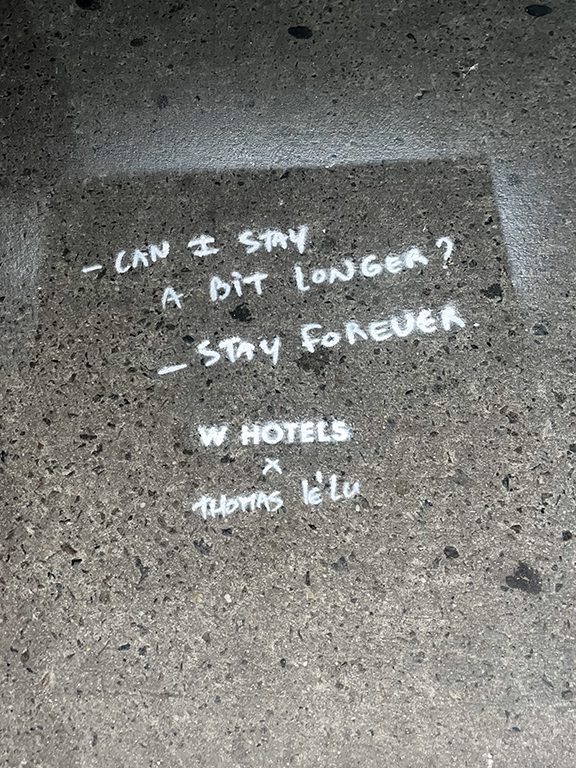
Event targeting is one of the most direct ways to reach real people in real time. You pick the right city hub, show up where the crowd already is, and create an experience that sticks. No wasted exposures. No algorithmic guessing. Just your brand in front of the exact audience you want.
We have spent years running street-level campaigns across the United States. We know which cities drive the biggest returns for event-based marketing. We know which neighborhoods inside those cities produce the highest foot traffic, the most social sharing, and the deepest brand recall.
This guide breaks it all down. We cover the major city hubs worth activating in, the specific areas inside each market that matter most, and what kinds of events draw the audiences brands are after.
Event targeting works because you meet people where they already are. You do not interrupt them. You join the moment they are already having.
Why City Hub Selection Matters for Event Targeting
Not every city is equal with event marketing. Some cities have dense foot traffic concentrated in walkable areas. Others sprawl across highways and parking lots. For brands doing ground-level activations, walkability and density are everything.
City hubs for event targeting share a few common traits. They have recurring foot traffic from residents, commuters, and tourists. They host recurring events like festivals, markets, sporting seasons, and cultural programming. They have visible, high-traffic spaces where brands can intercept people organically.
When we pick a city hub for a client, we look at three things first. One: what events already draw the right demographic? Two: what is the physical layout of the area? Three: how does the local crowd behave when they see a brand activation?
These questions shape everything. A college town festival operates differently than a fashion week pop-up. A sports activation in Chicago runs differently than a music launch in Austin.
New York City: The Benchmark for Urban Event Marketing
New York City is the standard everyone measures against. The density is unmatched. The cultural calendar never stops. And the audience ranges from locals to tourists to industry insiders all within a few blocks.
For event targeting in New York, certain hubs consistently outperform. SoHo draws fashion and lifestyle crowds year-round. The High Line pulls arts and culture audiences on weekends. Lower East Side brings younger, trend-forward demographics. Brooklyn neighborhoods like Williamsburg and Bushwick attract creative communities who respond well to experiential campaigns.
Major recurring events in New York that brands target around include New York Fashion Week, the US Open, the NYC Marathon, and the many outdoor summer concerts and food festivals scattered across all five boroughs.
The sheer volume of foot traffic in Manhattan means even a modest activation can reach thousands of people in a single day. We have run campaigns on Prince Street in SoHo that generated more exposures in three hours than a week of digital ads.
Los Angeles: Culture, Entertainment, and Lifestyle Audiences
Los Angeles rewards brands that understand its geography. Unlike New York, LA is spread out. But within its geography, there are dense pockets where event targeting works extremely well.
Venice Beach and Abbot Kinney attract health, wellness, and lifestyle audiences. Melrose Avenue and Fairfax bring in streetwear, sneaker, and youth culture crowds. Silver Lake and Echo Park draw creative professionals and the arts community. Downtown LA has grown significantly and now pulls in a diverse mix of professionals, tourists, and residents.
LA is also the entertainment capital of the country. Events like the Oscars, Coachella season, NBA and NFL games, and the constant stream of entertainment industry launches make the city a perpetual target for brand activations. The influencer and content creator community in LA means that a well-executed activation gets photographed and shared immediately.
The challenge in LA is logistics. You need to think about parking, transit, and how people move through the city. Street-level campaigns work best when they anchor to a specific hub rather than trying to cover ground across multiple neighborhoods in the same push.
Chicago: The Midwest’s Most Powerful Event Market
Chicago is the dominant city hub for the entire Midwest region. It has the population, the cultural programming, and the commercial density to support major brand activations throughout the year.
The Magnificent Mile along Michigan Avenue is the flagship retail and event corridor. Wicker Park and Bucktown attract creative and young professional audiences. The River North neighborhood draws nightlife and corporate event crowds. Wrigleyville lights up around Cubs games and brings a specific sports-oriented demographic that brands love for consumer goods and beverage campaigns.
Chicago also hosts some of the biggest outdoor events in the country. Lollapalooza takes over Grant Park every summer. The Chicago Marathon draws tens of thousands of runners and spectators. The Chicago Air and Water Show, the Taste of Chicago, and dozens of neighborhood festivals fill the calendar from spring through fall.
For brands targeting the Midwest market, Chicago is often the singular hub that makes the most sense. Reach Chicago well and you establish credibility across the entire region.
Chicago is more than a Midwest city. It is a national stage. Brands that show up well in Chicago earn credibility with consumers across the entire central US.
Miami: Where Culture, Nightlife, and Year-Round Events Meet
Miami is a unique event targeting market. It combines a major international tourist base with a dense local culture and a year-round outdoor calendar. The weather keeps things active when most other cities go quiet in the winter.
Wynwood has become the defining neighborhood for creative and arts-focused brand activations. The murals, galleries, and food scene draw exactly the kind of culturally engaged audience that brands want to reach. Brickell draws finance and corporate professionals. South Beach draws tourists, nightlife crowds, and influencers constantly.
Art Basel Miami Beach is one of the most significant annual events for brand marketing in the entire country. Every December, global brands descend on Miami to activate alongside the art world. But beyond Art Basel, Miami has Formula 1 Grand Prix, Ultra Music Festival, Rolling Loud, and a constant stream of luxury, lifestyle, and hospitality events.
Miami also serves as the gateway to Latin American markets. For brands targeting Spanish-speaking consumers, Miami provides unmatched access to that demographic across both local residents and international visitors.
Austin: The Live Music and Festival Capital
Austin punches well above its size in event marketing. The city is relatively compact, which makes it easier to execute ground-level campaigns efficiently. And the culture of Austin is built around events.
South by Southwest (SXSW) is the most important marketing event in Austin’s calendar. Every March, the city fills with tech industry professionals, musicians, filmmakers, journalists, and brand marketers. The audience is uniquely concentrated and uniquely engaged. An activation during SXSW reaches decision-makers, influencers, and early adopters all at once.
Outside of SXSW, Austin’s Sixth Street and Rainey Street draw consistent nightlife crowds. The Red River Cultural District is a live music hub year-round. The Domain area draws suburban and tech professional audiences. And the broader outdoor culture of Austin means that parks, trails, and outdoor markets all function as viable event targeting locations.
For brands looking at the South and Southwest regions, Austin is often the first hub we recommend. The city’s demographics skew young, educated, and culturally engaged, which makes it a strong market for consumer launches, tech campaigns, and lifestyle brands.
Atlanta: The Southeast’s Dominant Hub
Atlanta has grown into one of the most important event targeting markets in the country. The city is the economic and cultural capital of the Southeast, and its population has expanded significantly over the past decade.
Midtown Atlanta anchors arts and entertainment. Ponce City Market has become a hub for food, retail, and lifestyle events. The BeltLine trail and its adjacent neighborhoods draw fitness, arts, and community-oriented crowds. Old Fourth Ward and Krog Street Market attract young professionals and creatives.
Atlanta also has a major sports culture. The Falcons, Hawks, Braves, and Atlanta United all draw large audiences. Sporting events create natural targeting opportunities for consumer brands, beverages, apparel, and technology products.
The city’s music industry is significant. Atlanta is central to hip-hop culture, and the music scene draws national and international attention. For brands looking to connect with Black consumers and urban culture more broadly, Atlanta is one of the most important markets in the country.
Event Hub Comparison Table
City
Top Neighborhood Hub
Key Annual Events
Best Audience Type
New York City
SoHo, Williamsburg
NYFW, NYC Marathon, US Open
Fashion, culture, wide demographic
Los Angeles
Venice, Fairfax, Melrose
Oscars, entertainment launches
Lifestyle, entertainment, influencers
Chicago
Magnificent Mile, Wicker Park
Lollapalooza, Chicago Marathon
Midwest mainstream, sports fans
Miami
Wynwood, South Beach
Art Basel, F1, Ultra Music Fest
Arts, nightlife, Latin market
Austin
Sixth Street, Rainey Street
SXSW, Austin City Limits
Tech, music, young professionals
Atlanta
Midtown, BeltLine
Sports seasons, music events
Southeast, urban culture
Seattle
Capitol Hill, Pike Place
Bumbershoot, outdoor events
Tech workers, outdoor lifestyle
Denver
RiNo, 16th Street Mall
Great American Beer Fest
Outdoor, wellness, young pros
Seattle: The Pacific Northwest Hub
Seattle is often overlooked in national event marketing plans, but it is a strong performer for the right brands. The tech industry presence means a high-income, highly educated consumer base. The outdoor culture creates natural opportunities for health, wellness, and adventure brands.
Capitol Hill is Seattle’s cultural heartbeat. Pike Place Market draws massive tourist and local foot traffic daily. South Lake Union is the tech hub where Amazon and other major employers concentrate their workforce. Ballard has a strong local community feel and draws neighborhood-level event crowds.
Bumbershoot, Seattle’s major music and arts festival, draws large weekend crowds. The University of Washington creates a college market that responds well to consumer and lifestyle campaigns. And Seattle’s coffee and food culture means that local market events and neighborhood festivals are abundant throughout the warmer months.
Denver: The Outdoor and Wellness Capital
Denver has grown rapidly and it now ranks among the top tier event markets in the western United States. The city’s proximity to the mountains creates a specific outdoor lifestyle culture that brands in wellness, fitness, and adventure consistently target.
RiNo (River North) is Denver’s arts and creative district. It draws a young, trend-forward crowd and has become a hub for brand activations, pop-ups, and experiential events. The 16th Street Mall runs through downtown and draws everyday commuter and tourist foot traffic. Larimer Square is a historic hub with strong retail and dining foot traffic.
The Great American Beer Festival is one of the largest annual events in Denver and draws a national audience. The city also has strong sporting culture around the Broncos, Nuggets, Rockies, and Avalanche. Colorado’s cannabis market has also created a unique opportunity for specific brands to activate at cannabis-friendly events.
How to Choose the Right City Hub for Your Campaign
Choosing the right hub is more than about picking a major city. It is about matching your brand to the audience that already exists in a specific location at a specific time.
Start with your target consumer. Who are they? What do they do on weekends? What kind of events do they attend? What neighborhoods do they live in or visit? The answers shape which city and which hub makes the most sense.
Then look at the event calendar. Find events where your target demographic naturally concentrates. A fitness brand targeting young urban women belongs at a half-marathon or a wellness festival, not a football tailgate. A whiskey brand targeting men 25-45 belongs near a live music venue or a sporting event, not a craft market.
Budget also plays a role. New York and Los Angeles command premium costs for space, staffing, and logistics. Smaller hubs like Austin, Denver, or Nashville can deliver strong engagement at lower operational cost.
The best campaigns we run combine two or three complementary cities in a single tour. New York and Miami. Chicago and Atlanta. Austin and Los Angeles. Multi-city pushes create national momentum and allow brands to reach multiple audience segments at the same time.
The best event targeting campaigns do not try to be everywhere. They identify two or three specific city hubs, show up well in each one, and let the results compound.
Beyond the Big Six: Secondary Hubs Worth Knowing
The major markets get the most attention. But several secondary cities have become valuable event targeting hubs that smart brands are paying attention to.
Nashville has exploded in recent years. Bachelorette culture and tourism have made Broadway and the surrounding areas a constant high-traffic zone. The city also has a thriving music industry and a strong sports following.
Portland, Oregon remains an important hub for sustainable, craft, and counter-culture brands. The Pearl District and Mississippi Avenue draw specific creative demographics. The outdoor culture there rivals even Seattle and Denver.
Philadelphia has a large young population and a strong arts and sports culture. The Fishtown neighborhood and Reading Terminal Market are both high-traffic hubs with engaged local audiences.
New Orleans is a year-round event city. Jazz Fest, Mardi Gras, and a constant stream of food and music events make it a powerful target for brands in food, beverage, entertainment, and lifestyle categories.
Washington DC offers access to government, media, and think tank audiences that brands rarely find concentrated this tightly anywhere else. Georgetown, U Street, and the National Mall area all produce strong foot traffic and distinctive audience profiles.
Integrating Digital Amplification with Ground-Level Event Targeting
Ground-level event targeting works best when it connects to a digital amplification strategy. When people see your brand at an event, they often pull out their phones. They take pictures. They post to Instagram or TikTok. That organic social content extends the reach of your activation far beyond the people who attended in person.
We build campaigns that anticipate this behavior. We design activations that are inherently photogenic. We create moments that people want to share. We track the geographic tags and hashtags that come out of each activation so we can measure organic reach.
Pairing ground-level event work with targeted digital ads in the same geography further compounds the impact. Someone who sees your brand at a festival and then sees a digital ad for the same campaign on their phone that evening is far more likely to convert than someone who only saw the digital ad.
This combination of physical presence and digital follow-through is what separates modern event targeting from old-school sampling programs. It is more than about the moment on the street. It is about the ripple effect that follows.
Seasonal Patterns in City Hub Targeting
Every major city has seasonal patterns that affect event marketing. Understanding those patterns helps you time your activations for maximum impact.
New York’s outdoor event season runs hard from May through October. The winter months shift activity indoors but the city never fully slows down. Miami is the opposite, with peak event density running from October through April when the weather is ideal and major events like Art Basel cluster.
Austin centers on March for SXSW, with October for Austin City Limits being the other major anchor. Chicago and Denver are warm-weather dominant markets. Los Angeles runs consistently year-round with clusters around award season and entertainment events.
When we plan multi-city tours, we sequence them around these seasonal patterns. We might hit Miami and New Orleans in the fall, pivot to Austin and Atlanta in the spring, and close out in New York and Chicago through the summer. The sequence creates a continuous national story rather than a series of disconnected events.
Should we use the same activation strategy in every city?
No. Each city has its own culture and the audiences within each city respond differently. What works in Brooklyn may not land the same way in Wynwood. We always adapt messaging, aesthetics, and approach to fit the local market.
Frequently Asked Questions
What makes a city a good hub for event targeting?
The best city hubs combine high foot traffic, walkable density, recurring events that draw target audiences, and a culture of social sharing. Cities where people gather regularly outdoors in concentrated areas are the strongest markets.
Which US city has the best event targeting ROI?
It depends on your brand and audience. For pure density and scale, New York is unmatched. For lifestyle and influencer reach, Los Angeles delivers. For budget-conscious campaigns with strong engagement, Austin and Denver consistently outperform expectations.
How far in advance should we plan an event targeting campaign?
For major events like SXSW or Art Basel, plan 4 to 6 months out. For general event targeting in a specific city hub, 6 to 8 weeks is typically sufficient to secure locations, staff, and materials.
Can small brands do event targeting or is it only for large companies?
Small brands can absolutely execute effective event targeting. The key is focus. Pick one city, one event, one specific neighborhood. Do it well instead of spreading thin. A tight, well-executed activation beats a sprawling, underfunded one every time.
How do we measure the success of event targeting?
We track multiple metrics: direct consumer interactions, product sampling uptake, social media tags and mentions from the location, website traffic spikes from the target geography, and post-event sales or sign-up data. A strong campaign shows lifts across all of these.
What neighborhoods in New York City are best for event targeting?
SoHo, Williamsburg, the High Line area, Lower East Side, and Midtown near major event venues all perform well. The right neighborhood depends entirely on your target demographic and the type of event you are activating around.
Is it worth targeting multiple cities in a single campaign?
Yes, multi-city campaigns create national momentum and allow brands to reach diverse audience segments. We recommend starting with two or three cities that are geographically and culturally complementary, then expanding as you learn what works.