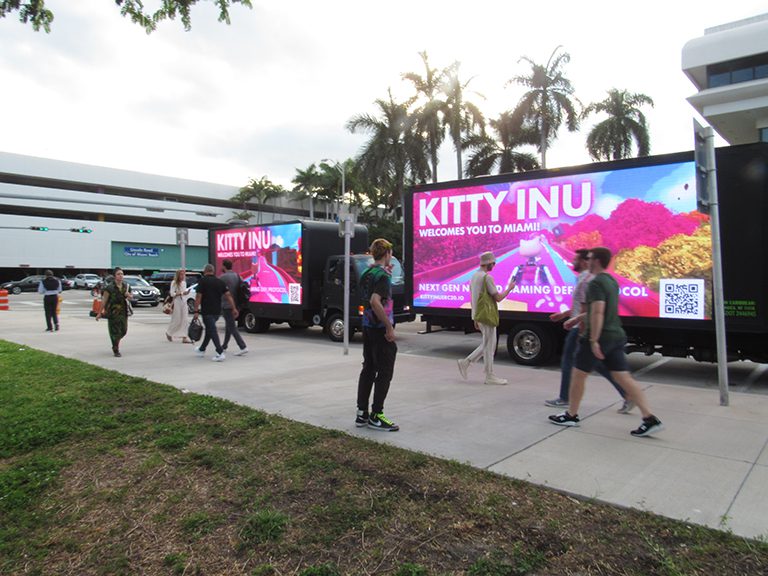
Los Angeles has one of the most active street-level and guerrilla marketing cultures in the country. Understanding how physical campaigns fit alongside LA’s digital and entertainment-focused agency network is essential for brands operating in this market.
Los Angeles is simultaneously one of the most image-conscious cities in the world and one of the most sophisticated advertising markets. The concentration of entertainment industry professionals, fashion and lifestyle brand headquarters, and creative-class consumers makes LA a particularly important market for brands that care about cultural credibility as much as commercial reach.
The advertising agency network in LA reflects this. The city has significant offices of major global networks, a strong independent agency scene, and a particularly active community of entertainment marketing specialists who know how to reach the specific Los Angeles consumer culture that does not exist at the same intensity anywhere else in the country.
But LA also has an extraordinarily active street-level and guerrilla marketing culture that has shaped the city’s visual advertising environment for decades. Fairfax Avenue, the Sunset Strip, Silver Lake, and other neighborhood corridors have been guerrilla marketing environments since the 1990s, producing some of the most documented and widely emulated street marketing campaigns in the country. Understanding where this fits in the broader LA advertising picture is essential for any brand operating in the market.
LA is the second-largest advertising market in the United States. It serves as the headquarters for the entertainment industry, several major retail and fashion brands, and a large technology sector concentrated in the South Bay. The consumer base is diverse, spanning some of the wealthiest ZIP codes in the country in Bel Air and Beverly Hills to working-class communities in East LA, South Central, and the San Fernando Valley.
This diversity requires advertising strategies that are as differentiated as the market itself. A campaign that performs well in Silver Lake will not automatically translate to the same results in the San Fernando Valley. A campaign optimized for the streetwear and sneaker culture of Fairfax will land very differently in the business corridors of Century City or Downtown LA.
For national brands using LA as a key market, this specificity is both a challenge and an opportunity. The challenge is that you cannot treat LA as a single undifferentiated consumer market. The opportunity is that specific neighborhoods and specific consumer concentrations can be reached with extraordinary precision through the right physical campaign approach.
The Street-Level Marketing Culture of Los Angeles
LA’s street-level marketing culture is one of the defining features of its advertising environment. The city’s visual culture — its murals, its outdoor installations, its fashion-forward commercial street environments — has created an audience that is highly attuned to street advertising and that actively documents and shares creative street campaigns through organic social media.
Fairfax Avenue between Melrose and Beverly is arguably the most active guerrilla marketing corridor in the country for reaching young, brand-conscious, streetwear-adjacent consumers. The brands that have built cultural credibility in the streetwear and sneaker community — from Supreme to Nike’s most limited releases — have done so through physical presence in this environment that no digital campaign could replicate at the same cultural impact level.
Silver Lake and Echo Park on the Eastside have a similar concentration of creative consumers who are active social media documenters and brand early adopters. The Venice boardwalk and Main Street have their own distinct consumer character with strong tourist and active lifestyle demographics. Each of these environments is a distinct advertising opportunity with its own rules and its own audience.
LA’s street-level advertising culture is more sophisticated than almost any other market. The consumers in key neighborhoods actively evaluate the quality and authenticity of street marketing. A poorly executed campaign reads as corporate and inauthentic, which can actively damage the brand. Quality execution and genuine creative that resonates with the neighborhood’s visual culture are non-negotiable.
Los Angeles has a large and diverse advertising agency network. Large network agencies including TBWA\Chiat\Day, Grey, and Ogilvy have significant LA operations. Entertainment marketing specialists who understand the studio system, the influencer economy, and the celebrity culture that shapes LA consumer behavior are a distinct agency category that does not have equivalents in other cities. Lifestyle and fashion agencies with deep roots in the LA consumer culture serve the large concentration of consumer brands headquartered in the city.
Digital agencies are well represented, particularly in the tech and entertainment categories. Experiential agencies with roots in the music festival and entertainment activation space are more active in LA than in most other markets, driven by the density of major events from Coachella to the Grammy Awards.
Field execution specialists like AGM provide the physical campaign layer that complements what these agencies offer. When an LA brand or a national brand targeting LA consumers needs guerrilla poster campaigns, wheat paste campaigns, street team activations, or experiential events in LA’s neighborhood environments, AGM executes that work with the operational depth that comes from genuine market experience in the city.
How Entertainment Marketing Shapes LA’s Advertising Culture
The entertainment industry’s influence on LA advertising extends beyond the studios and labels themselves. The cultural currency of the entertainment world — the association between brands and film releases, music launches, television premieres — shapes how all advertising is evaluated in LA.
Campaigns in LA that feel like they belong to the entertainment world — that have visual sophistication, cultural relevance, and the right association context — land better than campaigns that feel like they were produced elsewhere and dropped into the LA market. This applies to street-level campaigns as much as to television or digital. The visual quality of guerrilla placements in LA neighborhoods matters more than in many other markets because the consumers evaluating them have higher visual sophistication and a stronger baseline of brand exposure.
Guerrilla Marketing in Los Angeles: What AGM Executes
AGM has run campaigns across Los Angeles that span the full range of guerrilla and street-level formats. Poster campaigns in Fairfax, Silver Lake, and Echo Park. Wheat paste campaigns in the visual arts corridors of Downtown LA and the Arts District. Street team activations with briefed brand ambassadors in high-traffic neighborhood commercial environments. Experiential events in public spaces with photo documentation and summary reporting.
Our LA campaign planning starts with target audience definition and works backward to neighborhood selection, location identification within those neighborhoods, timing based on foot traffic patterns, and materials specification based on the visual environment of each location. We do not run the same campaign format in Silver Lake that we run in Fairfax — the audiences, the visual culture, and the competitive environment are different enough to require genuinely different approaches.
Documentation for every LA campaign includes photo documentation with location and time data, route maps showing geographic coverage across the relevant neighborhoods, and summary reports. We deliver documentation within 5 business days of campaign completion. For experiential events and street team campaigns, we also provide staff logs and activation-level notes.
Working With Multiple LA Agencies on an Integrated Campaign
Most effective LA campaigns use multiple agency partners with different specializations. A digital agency for paid social and programmatic. An entertainment marketing specialist for influencer and content partnerships. A PR firm for editorial coverage. AGM for physical and street-level execution. A media buying firm for traditional outdoor and transit placements.
This multi-agency approach requires coordination. Campaign timing across channels needs to be aligned. Creative consistency across physical and digital executions needs to be maintained. Documentation from AGM needs to be provided in formats that other agencies can incorporate into integrated campaign reporting.
AGM integrates smoothly with other LA agency partners. We coordinate on timing, provide documentation in usable formats, and communicate directly with digital and PR partners when channel coordination requires it. We do not try to expand our scope beyond physical and experiential execution. We do that work well and leave the rest to the specialists who are built for it.
Los Angeles Street Art Culture and Its Relationship to Brand Advertising
Los Angeles has one of the most active street art cultures in the world. From the pioneering muralists of East LA to the global street artists who make LA a regular destination for their work, the city’s walls have long served as a canvas for visual expression that generates significant media coverage and organic documentation. This context shapes how any form of street-level advertising lands in the city.
Brands that position their street campaigns in relationship to this culture — that choose locations with visual context that elevates the brand’s presence, that use creative approaches that feel at home in a visually sophisticated environment — generate stronger responses than brands that treat LA streets as generic advertising space. The consumers in key LA neighborhoods see extraordinary visual work every day. Generic advertising feels even more generic by contrast.
Wheat paste campaigns and poster campaigns in LA succeed when the creative quality is genuinely high and when the location selection reflects knowledge of the specific visual culture of each neighborhood. A Fairfax wheat paste campaign that would work in any city will not necessarily perform well in a corridor where Banksy has placed work and where consumers evaluate every piece of street-level imagery against that standard.
LA’s Tech Industry and Its Advertising Implications
Los Angeles has become a major technology hub, with significant operations from entertainment technology companies, social media firms, and startups across the city. The intersection of entertainment and technology in LA creates a consumer culture that is more digitally sophisticated than most markets and that has higher baseline exposure to both traditional advertising and effective marketing approaches.
For brands targeting the technology and entertainment-adjacent consumer in LA, the creative and execution bar for physical campaigns is correspondingly high. This consumer has seen more brand activations, more experiential events, and more creative street campaigns than consumers in most other markets. Standing out requires genuine creative quality and execution that feels genuinely polished rather than adequate.
Multi-Day and Sustained LA Campaigns
Los Angeles’s favorable weather and dense consumer population make it particularly well-suited to sustained physical campaigns that run for multiple weeks rather than single-day activations. A poster campaign running in Silver Lake, Echo Park, Fairfax, and Venice simultaneously for four weeks builds cumulative brand recognition with a concentrated creative-class audience that a single-day activation cannot approach.
The logistics of sustained campaigns in LA require regular material condition checks, replacement of damaged or covered placements, and documentation of campaign condition over time. AGM handles these logistics as part of our sustained campaign infrastructure. We monitor placement condition and refresh materials as needed to maintain the campaign’s visual quality through its full run.
LA Media and PR network for Campaign Amplification
Los Angeles has an extraordinary media network for campaign amplification. The concentration of entertainment media, lifestyle publications, fashion and streetwear media, and the social media followings of LA-based influencers means that a well-executed street campaign in the right LA neighborhood can generate earned media coverage that extends its reach far beyond the consumers who see it in person.
Brands planning LA physical campaigns benefit from coordinating with PR partners who have relationships with LA media outlets that cover street culture, brand activations, and experiential marketing. A strong campaign photo in the right publication or the feed of the right LA-based influencer can generate more brand awareness than any paid campaign budget could purchase directly.
AGM’s thorough photo documentation provides the visual assets that PR campaigns need. High-quality campaign documentation from the right locations, at the right times of day, with the right visual framing can be used directly in media outreach. The documentation serves both the internal reporting function and the earned media amplification function when the campaign creative is strong enough to warrant coverage.
The Fairfax Corridor: America’s Most Active Brand-Building Street
No discussion of guerrilla marketing in Los Angeles is complete without a specific treatment of the Fairfax Avenue corridor between Melrose and Beverly. This stretch of approximately one mile has become one of the most documented and most studied street-level brand-building environments in the United States, and understanding why it works is essential for any brand planning physical campaigns in LA.
The Fairfax corridor’s consumer profile is exceptional: young (18-35 dominant), high brand engagement, active social media documentation, disproportionate influence on broader consumer trends, and a genuine interest in brand discovery rather than avoidance. The consumers who spend time on Fairfax are there specifically to discover — to find new brands, new styles, new cultural signals. They are in discovery mode, which is the optimal consumer mindset for brand introduction.
The brand concentration on Fairfax — Supreme, Kith, Palace, and dozens of other streetwear and sneaker brands have either opened stores or run activations here — has created a self-reinforcing effect. The presence of these brands attracts the consumers who follow them, which makes Fairfax an increasingly valuable environment for any brand that wants to be discovered by that consumer segment. New brands that want to position themselves within this cultural network use Fairfax as a proving ground.
Building an LA Campaign That Travels Nationally
The most efficient use of a Los Angeles physical campaign budget is one that builds brand recognition in LA and simultaneously generates documentation that travels nationally through social media. This dual-purpose approach requires planning from the beginning: location selection that produces visually strong documentation, creative that resonates beyond the specific neighborhood context, and documentation infrastructure that captures campaign moments in ways that translate well to social platforms.
AGM’s Los Angeles campaigns are planned with this dual-purpose objective explicitly in mind when the client wants it. We select locations that combine high foot traffic with strong visual context. We plan documentation that captures both the placement quality and the consumer interaction moments that generate the most organic sharing behavior. We deliver documentation in formats — high-resolution photography, organized by location and time — that clients can use directly in social media and PR amplification.
LA Campaign Measurement and What Realistic Expectations Look Like
Physical campaigns in Los Angeles, like in any market, generate results that are documented differently from digital campaigns. The documentation we provide — photo documentation, route maps, summary reports — gives brand managers a clear picture of execution quality and geographic reach. Downstream results measurement — brand awareness lift, website traffic increase, social mention increase — requires additional tracking infrastructure that the brand maintains on its side.
Realistic expectations for a well-executed LA street campaign: increased brand recognition among the specific demographic concentrated in the targeted neighborhoods, increased social mentions from consumers who document the campaign, increased search traffic for the brand from the targeted LA geographic area, and earned media coverage from LA lifestyle and streetwear media if the campaign creative is strong enough to warrant coverage.
These results are real and measurable, but they require the right tracking infrastructure on the brand side and honest attribution frameworks that do not expect digital-precision attribution from physical campaigns. Brands that plan for these outcomes from the start and build the tracking infrastructure to measure them get the clearest picture of what their LA physical campaigns deliver.
The Physical Campaign Investment That Pays Forward
One of the most consistent findings from brands that have made sustained investments in physical and guerrilla campaign execution across multiple markets is that the early campaigns in each market pay forward into the campaigns that follow. Brand recognition built through physical presence in a market creates a baseline that subsequent campaigns build on rather than starting from zero each time.
This compounding effect is different from digital advertising, where awareness typically resets when spending stops. Physical brand presence creates memory traces in the consumer’s daily environment that persist after the campaign is over. A consumer who saw a brand’s poster campaign in their neighborhood two months ago is in a different place in the brand awareness funnel than a consumer who has never encountered the brand at all. The next campaign they see from that brand builds on the foundation that the previous campaign established.
Brands that understand this compounding dynamic invest in sustained physical presence rather than one-off campaigns. They accept that the first campaign in a new market is partly an investment in establishing a baseline, and that the returns on subsequent campaigns in the same market improve as the brand recognition baseline rises. This is a different mental model from the campaign-by-campaign ROI evaluation that digital advertising training has instilled in many brand managers, but it is the accurate model for how physical advertising actually builds brand value over time.
Why Documentation Is as Important as Execution
Documentation of physical campaigns has two purposes that are equally important: it serves as internal evidence of execution quality for the brand team, and it serves as the raw material for any earned media or social amplification that extends the campaign’s reach beyond the consumers who saw it in person.
For the internal evidence function, thorough documentation — photo documentation organized by location and date, route maps, summary reports — gives brand managers the ability to show decision-makers what was done, where it was done, and how it was executed. This evidence supports budget justification for future campaigns and provides a clear baseline for evaluating what worked and what to do differently next time.
For the earned media and social amplification function, the documentation needs to be high enough quality to serve as distribution-ready content. A well-composed photograph of a strong campaign placement in an iconic location can be shared directly to social media, provided to PR contacts for editorial coverage, and used in presentation materials. Documentation that is merely adequate for internal records — grainy, poorly framed, uninspiring — cannot serve the amplification function regardless of how well the campaign itself executed.
AGM produces documentation that serves both functions. Our photography standards require adequate lighting, clear composition, and capture of both the campaign placement and its surrounding context. Our route maps provide geographic coverage data that supports both internal reporting and digital targeting alignment. Our summary reports provide the factual record that brand managers need for budget justification and planning.
Working With AGM on Your Campaign
The process of starting a campaign with AGM is straightforward. The initial conversation covers the campaign objective, the target audience, the market or markets, the timeline, and the budget range. From that information, we develop a campaign proposal that specifies the campaign format, the geographic scope, the location plan, the documentation standard, and the timeline for execution and documentation delivery.
Once the proposal is approved, pre-production begins: location scouting and confirmation, materials production, staff recruitment and briefing, logistics planning, and documentation planning. Pre-production typically takes 4-6 weeks for standard campaigns and 8-12 weeks for campaigns with complex builds, multiple markets, or specific venue requirements.
Execution follows the pre-production plan. AGM deploys with trained staff and consistent quality standards, documents thoroughly throughout the campaign period, and manages any field issues that arise against the pre-production contingency plan. Post-execution, we compile and deliver the documentation package — photo documentation, route maps, summary report — within 5 business days of campaign completion.
The debrief conversation after the campaign covers what we observed in the field, any issues encountered and how they were handled, performance relative to the campaign plan, and recommendations for the next campaign. This debrief is where the learning that pays forward into future campaigns is captured and documented. We take it seriously as a deliverable, not as an optional conversation.
Frequently Asked Questions
What makes Los Angeles a unique advertising market?
LA is the center of the entertainment industry and home to some of the most culturally influential consumers in the world. The city has distinct neighborhood markets — Silver Lake, Echo Park, Fairfax, Melrose, Venice — each with different consumer characters and advertising sensibilities. Street-level and guerrilla marketing has been a strong format in LA for decades because of the city’s visual culture and the density of creative consumers in key neighborhoods.
Does AGM operate in Los Angeles?
Yes. AGM executes guerrilla marketing campaigns, poster campaigns, wheat paste campaigns, street team activations, and experiential events throughout Los Angeles. We know the city’s neighborhoods, including the Eastside creative districts, Fairfax and the streetwear corridor, Venice and the beach communities, and the broader LA consumer geography.
What LA neighborhoods are best for street-level marketing campaigns?
Fairfax Avenue and the surrounding streetwear district is one of the highest-concentration guerrilla marketing environments in the country for reaching young, brand-conscious consumers. Silver Lake and Echo Park on the Eastside have dense creative populations. Venice has strong foot traffic and organic social documentation culture. Melrose, West Hollywood, and Los Feliz each have distinct consumer concentrations that match different brand profiles.
How does weather affect outdoor campaigns in Los Angeles?
LA’s weather is one of its advantages for outdoor and street-level campaigns. Year-round campaign execution is viable in most formats. Summer weekends see heavy foot traffic in beach and outdoor areas. The lack of extreme weather variability means outdoor campaigns can run consistently without the seasonal planning considerations that apply in Chicago, New York, or Seattle.
We provide photo documentation, route maps showing geographic coverage, and summary reports for every campaign. Documentation is delivered within 5 business days of campaign completion. For street team and experiential campaigns, we add staff logs and activation-level notes.