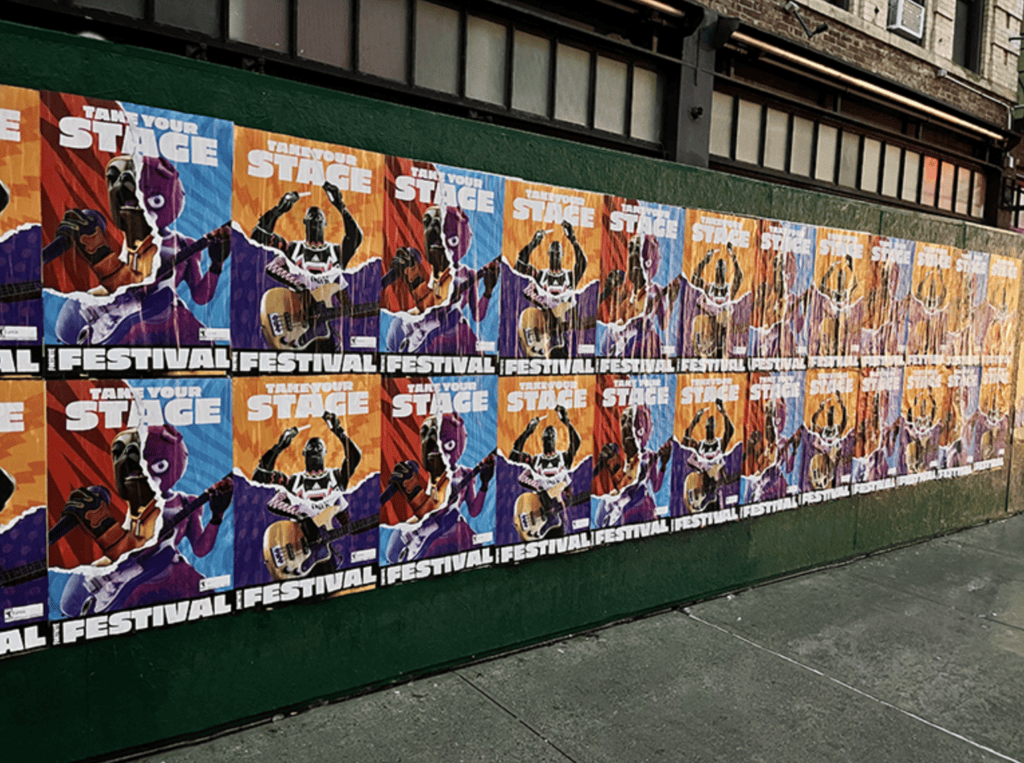
West Virginia tradeshows operate in a marketing environment that most national brands underestimate. The state’s industrial and energy sector tradeshows, healthcare industry gatherings, and regional consumer events draw concentrated, professionally engaged audiences to venue environments where guerrilla marketing delivers disproportionate returns precisely because the approach is so rarely deployed here. When most exhibitors are buying floor space and competing for attention inside the hall, the space outside the venue is essentially uncontested — and that is where American Guerrilla Marketing builds brand presence that every attendee encounters regardless of whether they visit your booth.
We are based in Industry City, Brooklyn, and we operate across West Virginia’s primary tradeshow markets — Charleston, Huntington, Morgantown, and secondary cities throughout the state — with the same GPS-tracked, fully documented campaign execution that defines our work in New York, Los Angeles, Chicago, and every other market in our national network. This guide covers the tactics, the markets, and the strategic rationale for guerrilla marketing at West Virginia tradeshows.
If your brand is attending a West Virginia tradeshow and looking to extend reach beyond exhibit floor limits, or if you want to build brand presence without buying floor space at all, this is the playbook for doing that with accountability and documented results.
Why Guerrilla Marketing Delivers Strong Returns at West Virginia Tradeshows
The most important dynamic in West Virginia’s tradeshow marketing environment is low advertiser competition in the spaces outside the show floor. In New York or Los Angeles, the streets surrounding a major convention center are themselves saturated with OOH advertising, ambient media, and competing brand activations. In Charleston or Huntington, the public geography around a tradeshow venue is nearly blank — which means your brand’s street-level presence is not fighting for attention against a dozen other activations. It stands alone.
Smaller Markets Mean Higher Per-Person Recall
West Virginia’s tradeshow attendees operate in a lower-stimulus media environment than their counterparts in coastal metro markets. When a brand does something genuinely creative or memorable in the street outside a Charleston tradeshow venue, attendees notice, talk about it, and remember it. The ambient noise floor is lower here — which means your activation reaches the top of mind more efficiently and stays there longer. Our guerrilla marketing services are calibrated for exactly this dynamic in secondary markets across the country.
West Virginia’s Industrial Economy Creates Dense Professional Audiences
West Virginia’s energy, chemical, timber, healthcare, and manufacturing sectors generate specialized professional tradeshows with concentrated expert audiences. These are high-value B2B prospects gathered in one building on specific dates — exactly the concentrated geography that guerrilla marketing is built to exploit efficiently. A brand that shows up in the physical world outside a West Virginia energy sector tradeshow is reaching professionals who rarely see creative street-level marketing targeted at their industry.
Guerrilla Tactics That Work at West Virginia Tradeshows
The tactical toolkit for West Virginia tradeshow campaigns draws on our core capabilities, adapted for the venue geographies and attendee movement patterns specific to each market.
Street Teams at Venue Entrances and Parking
West Virginia’s tradeshow venues are typically accessible by car, with parking structures or surface lots adjacent to the main entrances. Our street team marketing crews position at venue entrances, parking egress points, and the corridor between nearby hotels and the venue entrance — capturing every attendee during the morning arrival, lunch break, and end-of-day departure windows. In car-oriented West Virginia markets, the parking structure egress is often the most efficient single chokepoint for capturing total attendee reach.
LED Billboard Trucks on Approach Routes
In West Virginia’s market environment, LED billboard trucks routing on the primary road approaches to tradeshow venues deliver brand impressions to every arriving and departing vehicle. In Charleston, truck routes on Civic Center Drive and the surrounding downtown grid cover both venue approaches and the hotel cluster on Capitol Street. In Huntington, routing along 3rd Avenue reaches both the venue corridor and the downtown restaurant and hotel district. Truck GPS routes and timing are logged and delivered with your post-campaign performance report.
Sidewalk Stencils on Hotel-to-Venue Corridors
Water-soluble sidewalk stencil campaigns on the pedestrian paths between tradeshow hotels and venue entrances create directional brand impressions that reach every ambulatory attendee. Deployed overnight before each show day, stencils carry brand marks, booth location messaging, QR codes, or teaser creative — whatever serves your campaign goal best. In West Virginia’s downtown hotel clusters in Charleston and Huntington, walking routes between hotels and venues are compact and efficiently stencilable.
Wheatpasting Near Tradeshow Hotel Districts
West Virginia tradeshow attendees concentrate in small hotel clusters near venues, making those hotel districts and their adjacent restaurants natural extension zones for brand presence beyond show floor hours. Wheatpasting and poster campaigns on permitted wall space near Charleston’s Capitol Street hotel cluster or Huntington’s downtown hotel zone extend your brand presence into evening networking hours when attendees are relaxed, receptive, and still talking about the day’s business.
Brand Ambassadors at Post-Show Networking Venues
After tradeshow hours, attendees concentrate in a small cluster of restaurants and bars near the venue — predictable, findable, and in a mindset ideally suited for brand relationship building. Our brand ambassador teams deploy in those venues during post-show networking windows, distributing branded materials, facilitating conversations, and creating brand impressions in the relationship-building context where tradeshow business actually happens. This is the most underutilized tactic in the tradeshow marketing toolkit.
West Virginia Tradeshow Markets
West Virginia’s tradeshow activity concentrates in three primary markets with distinct venue environments and surrounding activation geographies.
Charleston: The Capital City Tradeshow Hub
Charleston anchors West Virginia’s primary tradeshow geography with the Charleston Civic Center and Clay Center in the downtown core. The state’s capital city status draws government, energy, healthcare, and regional industry tradeshows with statewide professional audiences. The Civic Center’s location on Civic Center Drive, adjacent to the Charleston Town Center Mall and the capital’s hotel district, creates a compact and efficiently activatable geography for street team deployment, LED truck routing, and poster campaigns.
Huntington: Regional Industrial and Consumer Tradeshows
Huntington’s Big Sandy Superstore Arena and the surrounding downtown Huntington corridor host regional tradeshows across industrial, consumer, and recreational categories. The downtown hotel cluster along 3rd and 4th Avenues is within walking distance of the arena, creating a compact activation geography for both venue-adjacent street teams and hotel district ambassador programs. Huntington’s proximity to the Kentucky and Ohio borders means tradeshows here draw regional audiences from multiple states.
Morgantown: University Town and Specialized Industry Events
Morgantown’s West Virginia University complex and surrounding downtown area host specialized tradeshows, industry conferences, and university-affiliated events that draw professional and academic audiences. The WVU campus corridor along University Avenue and the downtown Morgantown restaurant and hotel district provide activation geography for brands targeting technology, healthcare, and education-adjacent industry gatherings.
Secondary Markets: Parkersburg, Wheeling, and Martinsburg
West Virginia’s secondary markets — Parkersburg’s Ohio River corridor, Wheeling’s northern panhandle position, and Martinsburg’s Eastern Panhandle gateway location — host regional tradeshows and industry gatherings that are almost entirely ignored by national experiential marketing agencies. Our field crew network covers these markets, which means your brand can activate at West Virginia tradeshows that most agencies do not even know exist.
Planning Around West Virginia’s Tradeshow Calendar
West Virginia’s tradeshow calendar concentrates in fall and spring windows, aligned with regional industry cycles. Energy sector events typically fall in October and April. Healthcare tradeshows cluster around the state medical association’s annual schedule. Consumer home shows run through winter months when outdoor event competition is reduced. We build campaign calendars that front-load activation budgets into the specific windows of maximum attendee concentration, rather than spreading thin across the full event day.
For brands attending multiple West Virginia tradeshows across the year, we develop standing campaign frameworks that deploy consistently across events — same tactical approach, customized creative and timing for each venue and audience. Standing frameworks reduce per-event planning costs and build operational efficiency across your annual tradeshow marketing budget.
Measuring West Virginia Tradeshow Campaign Performance
Every campaign we execute at West Virginia tradeshow venues includes complete post-campaign documentation. GPS-tracked deployment logs record crew positions and truck routes throughout the event window. Time-stamped field photography covers every activation moment from every crew position. Consumer interaction counts and sampling tallies measure direct brand touchpoints. Post-campaign performance summaries are delivered within five business days and built for internal stakeholder review.
Our experiential marketing reporting gives your marketing team verifiable evidence of what was executed — not agency-generated projections. When you bring campaign results to your leadership team, you are presenting a documented record of real deployments with real reach data.
Integrating West Virginia Tradeshow Campaigns with Broader Strategy
Many brands include West Virginia tradeshows as part of a broader Appalachian or Mid-Atlantic regional strategy. We coordinate West Virginia activations with campaigns in neighboring Virginia, Kentucky, Ohio, and Pennsylvania markets, building regional campaign frameworks that create consistent brand presence across a multi-state tradeshow circuit. Our conquesting capability lets you deploy competitive messaging in proximity to rival exhibitors’ hotel adjacency and networking venues — intercepting their customers in the off-floor spaces where brand relationships form and competitive preferences shift.
West Virginia Tradeshow Guerrilla Marketing: Sector-Specific Approaches
West Virginia’s economy creates specialized tradeshow audiences that reward sector-specific campaign design. Energy and chemical industry tradeshows attract senior engineers, procurement managers, and project directors — a B2B audience that is highly resistant to generic advertising but genuinely responsive to brands that demonstrate technical credibility and operational seriousness. Our campaigns for energy-sector West Virginia tradeshows are calibrated for this audience: precise targeting, professional ambassador conduct, materials that communicate substance over flash, and activation timing aligned with the specific session schedules that govern when energy professionals are in transit between the show floor and networking venues.
Healthcare tradeshows in Charleston and the broader West Virginia healthcare industry market attract different professional profiles — administrators, physicians, technology buyers — with different engagement patterns and different receptivity windows. Consumer home shows and regional retail expos attract entirely different audiences again: family-oriented, value-conscious, community-embedded consumers who respond to warmth, sampling, and direct human connection. We build campaign creative and ambassador briefings specific to each sector and audience type, rather than applying a generic promotional approach across all tradeshow environments.
West Virginia as a Regional Tradeshow Hub: Broader Mid-Atlantic Strategy
West Virginia’s geography positions it as a natural tradeshow marketing nexus for brands operating across the broader Mid-Atlantic and Appalachian region. A brand attending Charleston-based energy or healthcare tradeshows is often also present at tradeshows in Pittsburgh, Cincinnati, Columbus, and Richmond. We build regional tradeshow campaign frameworks that coordinate West Virginia activations with adjacent market deployments, creating consistent brand presence across the full regional circuit rather than isolated per-event activations.
This regional approach is particularly valuable for energy sector and healthcare brands whose target professional communities share relationships and social networks across the Appalachian and mid-South corridor. A brand that shows up consistently across the Charleston-Pittsburgh-Columbus tradeshow circuit builds cumulative awareness with the same professional community across multiple touchpoints over the course of a tradeshow season — a compound brand-building effect that single-event activations cannot replicate.
Building Long-Term Tradeshow Marketing Programs in West Virginia
Brands that attend the same West Virginia tradeshows year after year have an opportunity to build compound value from guerrilla marketing programs that develop recognition and anticipation across successive event cycles. When attendees remember your brand’s creative street presence from last year’s event, the activation this year lands with amplified authority — the brand is not new and unfamiliar, it is known and expected. Our standing tradeshow program frameworks help brands develop this compound value by maintaining consistent campaign presence across multiple event cycles, evolving the creative approach each year while reinforcing core brand recognition built in prior years.
Standing tradeshow programs also reduce per-event overhead costs significantly. Permit relationships established in the first year carry forward. Crew networks familiar with the venue and audience from prior activations deploy more efficiently. Materials frameworks developed in the first campaign cycle are updated rather than rebuilt from scratch. Over a three-year tradeshow program, the per-event cost of our guerrilla campaigns decreases as operational infrastructure matures — while the value delivered compounds as brand presence builds in the market.
What Post-Campaign Documentation Looks Like for West Virginia Tradeshows
West Virginia tradeshow clients receive a post-campaign documentation package within five business days of campaign completion. The package includes a field report with GPS-logged crew deployment maps showing exact activation positions and timing across the full event window. Time-stamped field photography is organized by day, crew position, and activation type — giving you a visual record of every moment your brand was present in the field. Consumer interaction tallies and sampling distribution counts are reported by shift and crew position. Impression estimates are calculated from verified venue foot traffic data for each activation window. Any organic social media content generated by campaign interactions is documented with links and engagement data.
This documentation package is built for internal review at every level of your organization. Your marketing coordinator can use it for campaign archives. Your VP of Marketing uses it to justify campaign ROI. Your CEO uses it to evaluate market presence against competitive alternatives. The documentation is a verified operational record of what your investment produced in the field — not an agency-produced marketing piece dressed up as a results report.
Why American Guerrilla Marketing for West Virginia Tradeshows
Secondary market tradeshow campaigns are exactly where most national agencies cut corners — reduced crew quality, minimal permitting attention, and post-campaign reports built on estimates rather than documentation. We operate in West Virginia with the same accountability framework and crew standards that define our largest national deployments. Every campaign we execute here is fully permitted, fully staffed, fully documented, and reported with verified field data.
Contact us for a free campaign quote on your next West Virginia tradeshow. We will map the venue geography, identify the highest-impact activation positions, and build a campaign that your competitors will definitely notice.
Frequently Asked Questions
How does guerrilla marketing work at West Virginia tradeshows?
Guerrilla marketing at West Virginia tradeshows means deploying brand presence in public corridors surrounding tradeshow venues. Street teams at venue entrances, LED billboard trucks routing through adjacent hotel and restaurant corridors, sidewalk stencils on approach routes, and brand ambassador programs at post-show networking venues all reach tradeshow attendees throughout the event day.
Which West Virginia tradeshow venues support guerrilla marketing campaigns?
The Charleston Civic Center and Clay Center in Charleston, the Big Sandy Superstore Arena in Huntington, and the WVU Coliseum complex near Morgantown are West Virginia’s primary event venues hosting tradeshows. Each has surrounding public space where permitted guerrilla activations can be deployed effectively.
What are the best guerrilla tactics for West Virginia tradeshows?
Street teams at venue entrances and parking areas, LED billboard trucks on approach roads, sidewalk stencils near hotel clusters, and brand ambassador programs at post-show dining venues deliver the strongest returns. Lower media saturation in West Virginia markets means guerrilla activations stand out more clearly than in larger metro environments.
How much does tradeshow guerrilla marketing cost in West Virginia?
West Virginia market costs are among the more accessible in our national network. Street team campaigns typically start at $2,500-$6,000 per day. LED truck routing adds $2,000-$4,000 per day. Full program packages for multi-day tradeshows are available starting around $8,000-$20,000. Contact us for a free custom quote.
Does American Guerrilla Marketing cover smaller West Virginia markets beyond Charleston?
Yes. Our field crew network covers Huntington, Morgantown, Parkersburg, Wheeling, and other West Virginia markets. Secondary markets are often the highest-value guerrilla marketing opportunities because advertiser competition is lowest.
How does American Guerrilla Marketing document West Virginia campaign performance?
Every West Virginia tradeshow campaign includes GPS-tracked deployment logs, time-stamped field photography, consumer interaction counts, and a post-campaign performance report — documented proof of what was deployed, where, and for how long.