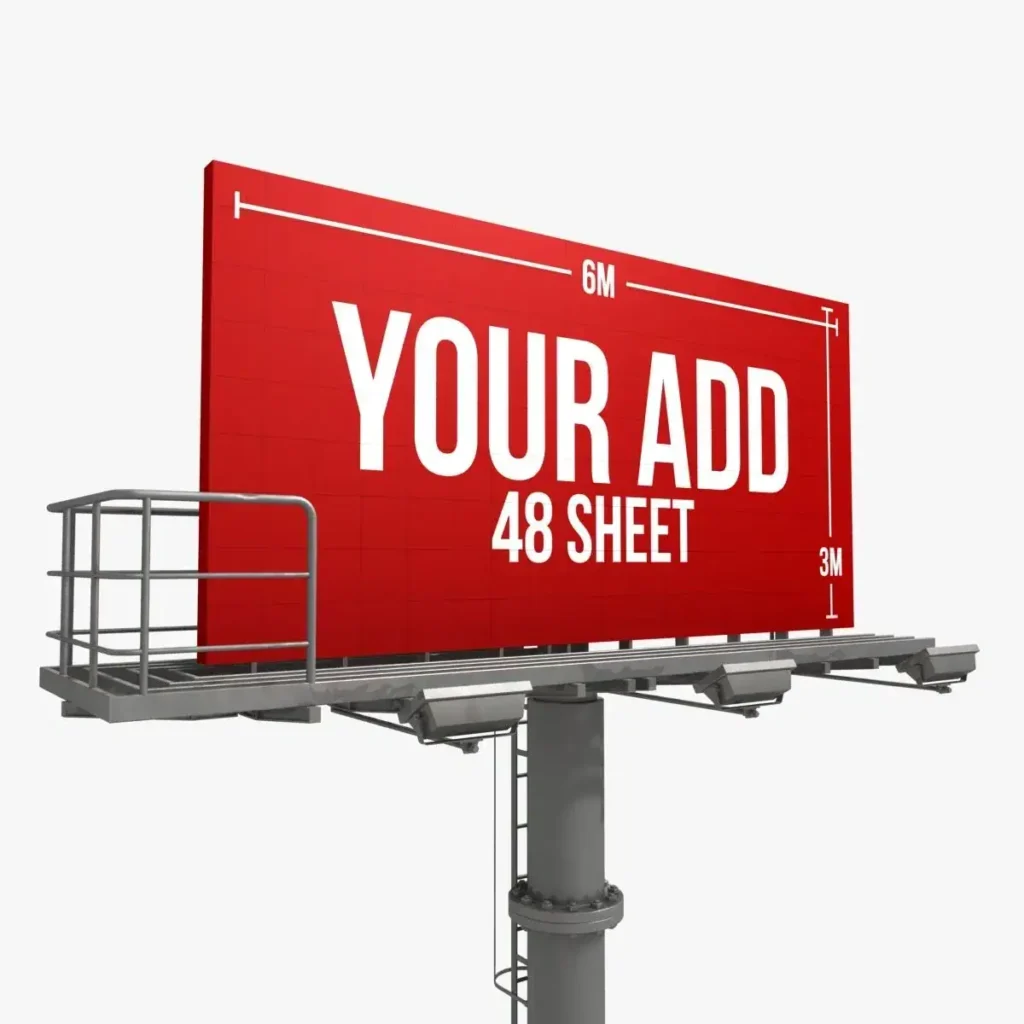
Atlanta’s outdoor advertising landscape has changed dramatically over the past decade. The city’s explosive population growth, massive infrastructure investment, and emergence as a major entertainment, technology, and logistics hub have transformed it into one of the Southeast’s most competitive out-of-home advertising markets. Billboards in Atlanta are no longer just static vinyl signs along the interstate — they are dynamic digital displays, mobile formats, and integrated campaign elements that brands are using to create genuine market presence in a city that is growing too fast for traditional media to keep pace.
American Guerrilla Marketing plans and executes outdoor advertising programs across Atlanta and the broader Southeast. We understand the pricing dynamics, the location landscape, and the audience data that separates high-performing billboard investments from wasted media spend. This guide gives you the inside view on Atlanta billboard advertising — what it costs, where it performs, and how to integrate it with broader campaign tactics that extend your reach beyond what any single billboard can deliver.
Whether you are planning your first Atlanta billboard buy or optimizing an existing outdoor advertising program, this guide covers what you need to know to make decisions that produce measurable results.
Atlanta’s Outdoor Advertising Landscape: Why It Is Different Now
Atlanta’s billboard market reflects the city’s growth trajectory. Understanding the structural shifts that have reshaped this market helps you allocate spend more intelligently.
Population Growth Driving Media Value
Metro Atlanta has added more than 700,000 residents over the past decade, making it one of the fastest-growing major metropolitan areas in the United States. This growth has driven daily traffic volumes higher on all major corridors, increasing the impression delivery of billboard placements across the market. Higher traffic counts mean higher CPM efficiency for the same billboard location compared to five years ago.
Digital Billboards Are Reshaping Inventory Economics
Atlanta’s outdoor vendors have made significant digital conversion investments over the past several years. Digital billboards now represent a significant and growing share of Atlanta’s total inventory. This shift benefits advertisers in two ways: more flexibility in creative and timing, and competitive rate pressure as digital inventory competes with static for the same advertiser dollars.
The Downtown Connector Remains the Premium Corridor
The I-75/I-85 Downtown Connector runs through the heart of Atlanta, carrying more than 340,000 vehicles per day at peak points — making it one of the highest-traffic interstate corridors in the American South. Billboard positions on the Connector carry premium rates and deliver the broadest possible market reach. If your goal is citywide brand awareness, the Connector is where it starts.
Atlanta Billboard Pricing by Format and Location
Billboard costs in Atlanta vary significantly based on format, traffic count, and the specific corridor. Here is a working breakdown of what you can expect to pay.
Static Bulletin Billboards on Major Interstates
Large-format static bulletins (14′ x 48′) on I-285, I-75/85, and GA-400 in Buckhead typically run $2,000 to $8,000 per four-week period. The Downtown Connector and GA-400 Buckhead positions sit at the top of this range. Suburban interstate positions and arterial corridors come in at the lower end. Production costs for printed vinyl add $500 to $900 for your first creative.
Digital Billboard Rates in Atlanta
Digital billboards in Atlanta run $4,000 to $13,000 per four-week rotation cycle for premium positions. Shared rotation slots allow multiple advertisers to appear on the same display, which reduces individual advertiser cost but also reduces share of voice. Full-takeover digital placements, where available, command premiums above the standard rotation rate. Self-serve digital options through platforms like Fliphound start as low as $12 per day for shorter, more flexible campaign windows.
Poster Panels on Arterial Roads
Poster-size billboard units on secondary corridors in Atlanta range from $800 to $2,500 per four-week period. These are most effective for neighborhood-specific campaigns targeting residential or commercial communities in specific Atlanta sub-markets like Decatur, Smyrna, Sandy Springs, or East Atlanta Village.
Mobile LED Billboard Trucks
Our LED billboard trucks operate across Atlanta delivering high-visibility mobile impressions with geographic precision that fixed billboards cannot match. Day rates for mobile billboard programs in Atlanta typically run $800 to $1,500 depending on hours and route complexity. Mobile formats are particularly effective for event marketing, new location launches, and targeted neighborhood campaigns.
The Best Billboard Corridors and Locations in Atlanta
Location drives everything in outdoor advertising. Here are Atlanta’s most productive billboard corridors and what they deliver.
I-75/I-85 Downtown Connector
The Downtown Connector is Atlanta’s most trafficked and most valuable outdoor advertising corridor. It carries the combined interstate traffic of I-75 and I-85 through the city’s core, with daily traffic counts exceeding 340,000 vehicles at peak segments. Positions here deliver the broadest possible Atlanta market reach at the highest cost per placement. For brand awareness campaigns targeting the full metro, this is the anchor location.
GA-400 Buckhead Corridor
GA-400 through Buckhead delivers high-income, affluent consumer demographics — some of the strongest purchasing power in the Southeast. Premium retail brands, luxury goods, financial services, and upscale hospitality advertisers consistently find strong performance on this corridor. Rates reflect the demographic premium.
I-285 (The Perimeter)
I-285 encircles the Atlanta metro, serving the massive suburban population that lives and works outside the urban core. The Perimeter is essential for brands targeting the broad suburban consumer base — families, commuters, and the significant professional population clustered around Perimeter Center, Cumberland, and Smyrna.
Peachtree Street Corridor
Peachtree Street from Midtown through Buckhead is Atlanta’s premier urban commercial corridor. Walkable retail, office towers, restaurants, hotels, and residential development create concentrated pedestrian and vehicular traffic. Billboard and out-of-home placements on Peachtree reach the urban professional demographic effectively.
I-20 East and West
I-20 east and west of downtown serves significant commuter and freight traffic. East I-20 reaches communities including East Atlanta, Decatur, Lithonia, and beyond. West I-20 serves Midtown western access, industrial corridors, and communities toward the airport. Both directions deliver solid reach at rates below the premium Connector placements.
Integrating Billboards with Guerrilla Marketing in Atlanta
Billboard programs perform significantly better when supported by ground-level marketing tactics that reinforce your message at human scale. In Atlanta, we regularly combine billboard buys with the following campaign elements.
Guerrilla Marketing Programs
Our guerrilla marketing programs in Atlanta create street-level brand presence that billboards alone cannot deliver. Brand activations in Midtown, Little Five Points, Ponce City Market, and Old Fourth Ward reach urban consumers in their own environment with the kind of authentic, unexpected brand contact that outdoor advertising can prime but not replace.
Brand Ambassador Deployments
Our brand ambassador team deploys across Atlanta to connect directly with consumers at events, retail locations, transit hubs, and street-level activations. Billboard awareness creates the recognition; ambassador engagement converts it to action.
Sidewalk Stencil Programs
Sidewalk stenciling in high-pedestrian Atlanta zones — Beltline access points, Ponce City Market approaches, Krog Street Tunnel, Westside Provisions District — creates ground-level brand impressions that reinforce billboard campaigns for the same consumers at a completely different scale.
Wheatpasting in Atlanta’s Creative Districts
Atlanta’s arts and creative communities in Cabbagetown, Little Five Points, the Old Fourth Ward, and Westside have rich traditions of street-level visual culture. Wheatpasting campaigns in these neighborhoods create authentic visual brand presence that resonates with the creative and younger professional audience that drives Atlanta’s cultural narrative.
How to Evaluate an Atlanta Billboard Before You Buy
Not every Atlanta billboard opportunity is worth its asking price. Here is how to evaluate specific placements before committing budget.
Verify the Traffic Count Data
Vendors provide Average Daily Traffic (ADT) counts for each billboard. Request current GDOT data for the specific road segment — not just vendor estimates. Atlanta’s traffic patterns have shifted significantly post-pandemic, and historical data may not reflect current conditions accurately.
Check Physical Visibility
Visit the location in person during rush hour. Evaluate approach angles, sight line distance, tree and structure obstructions, and competing signage. A billboard with a great ADT count that faces away from traffic or is partially blocked by mature trees is not worth its rate.
Consider the Audience Quality
ADT volume is only part of the story. The demographic composition of traffic on different Atlanta corridors varies dramatically. GA-400 Buckhead traffic is disproportionately high-income. I-285 south near Hartsfield-Jackson carries heavy logistics and airport traffic. The downtown Connector carries broad mixed demographics. Match the corridor’s audience quality to your target consumer profile.
Frequently Asked Questions: Billboards in Atlanta
How much does a billboard cost in Atlanta?
Static billboard rates in Atlanta run $2,000 to $8,000 per four-week cycle for major interstate positions. Digital billboards along the Downtown Connector and in Buckhead run $4,000 to $13,000 per cycle. Self-serve digital options start as low as $12 per day. Vinyl production for static placements adds $500 to $900 per creative.
What are the best billboard locations in Atlanta?
The Downtown Connector (I-75/85), GA-400 Buckhead, I-285, Peachtree Street, and I-20 are Atlanta’s most productive outdoor advertising corridors. Each delivers a distinct audience demographic and traffic volume — choose based on your target consumer profile, not just traffic count.
How long should I run an Atlanta billboard campaign?
Minimum four weeks for brand awareness. Eight to twelve weeks builds meaningful recall. Annual contracts deliver 15% to 25% rate discounts for brands committed to sustained Atlanta market presence.
What is the difference between static and digital Atlanta billboards?
Static billboards display one advertiser exclusively for the contract period. Digital billboards rotate multiple advertisers in short impression slots. Static provides exclusive share of voice at lower cost. Digital provides creative flexibility and faster deployment but shares attention with other advertisers.
What alternatives to traditional billboards work in Atlanta?
Mobile LED billboard trucks, guerrilla marketing programs, brand ambassador campaigns, sidewalk stenciling, and wheatpasting are all effective Atlanta market tactics. Mobile billboard programs are particularly effective for targeting specific neighborhoods, events, and demographics that fixed billboard placements cannot reach precisely.
Frequently Asked Questions
What is billboards in atlanta the outdoor advertising revolution?
American Guerrilla Marketing provides billboards in atlanta the outdoor advertising revolution services across 50+ U.S. markets. Every campaign is planned, scouted, executed, and GPS-documented by our field teams. We work with regional brands and Fortune 500 companies on campaigns that require real street-level execution and documented proof of performance.
How does AGM approach advertising revolution?
Our process starts with a market consultation to understand your goals, target audience, and budget. We then scout locations, handle any required permissions or permits, coordinate production and installation with our local crews, and provide a full GPS-tagged photo report after the campaign runs.
What markets does American Guerrilla Marketing cover for advertising revolution?
We operate in 50+ U.S. markets including New York, Los Angeles, Chicago, Miami, Houston, Atlanta, Seattle, Denver, Boston, and dozens of secondary markets. Contact us to confirm availability and pricing for your specific market.
How much does a advertising revolution campaign cost?
Campaign pricing depends on market, format, quantity, and duration. We work with budgets ranging from targeted single-market runs to national rollouts across multiple cities. Use our RFP Builder or contact us directly for a custom quote based on your specific campaign requirements.
How do I get started with advertising revolution through AGM?
The fastest way to get started is to submit your campaign details through our RFP Builder at americanguerrillamarketing.com, or contact us directly at [email protected] or (646) 776-2770. Our team typically responds within one business day with availability and initial pricing.