American Guerrilla Marketing
Nationwide serivce
Media planning, media buying, billboard advertising, & guerrilla marketing
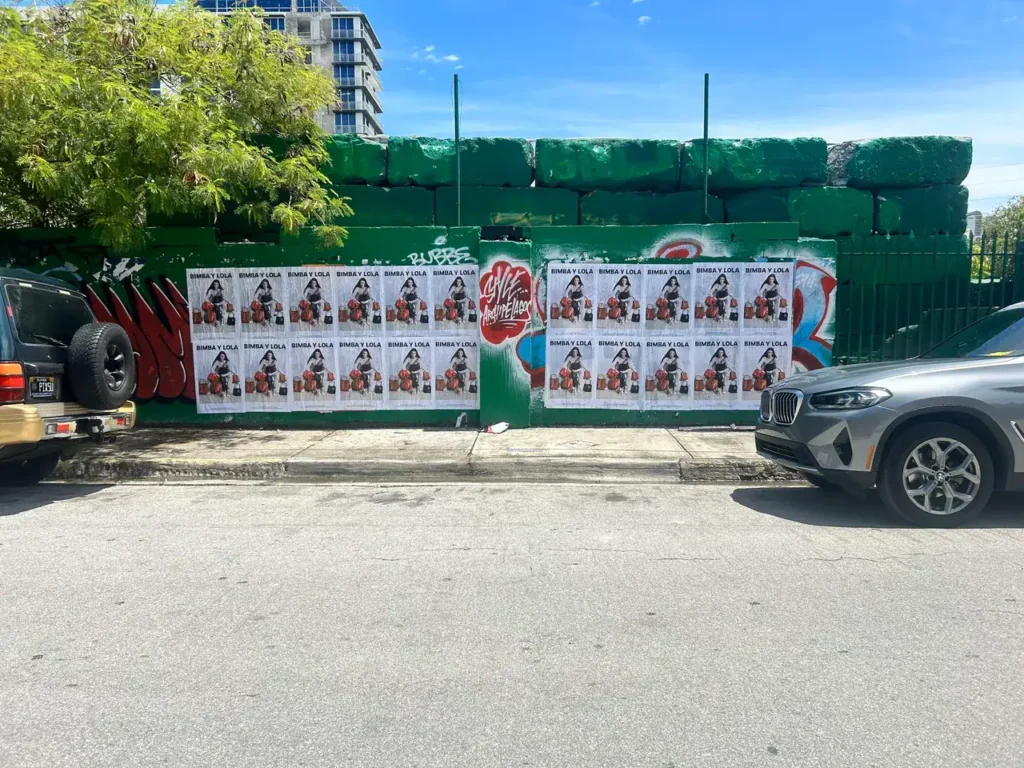
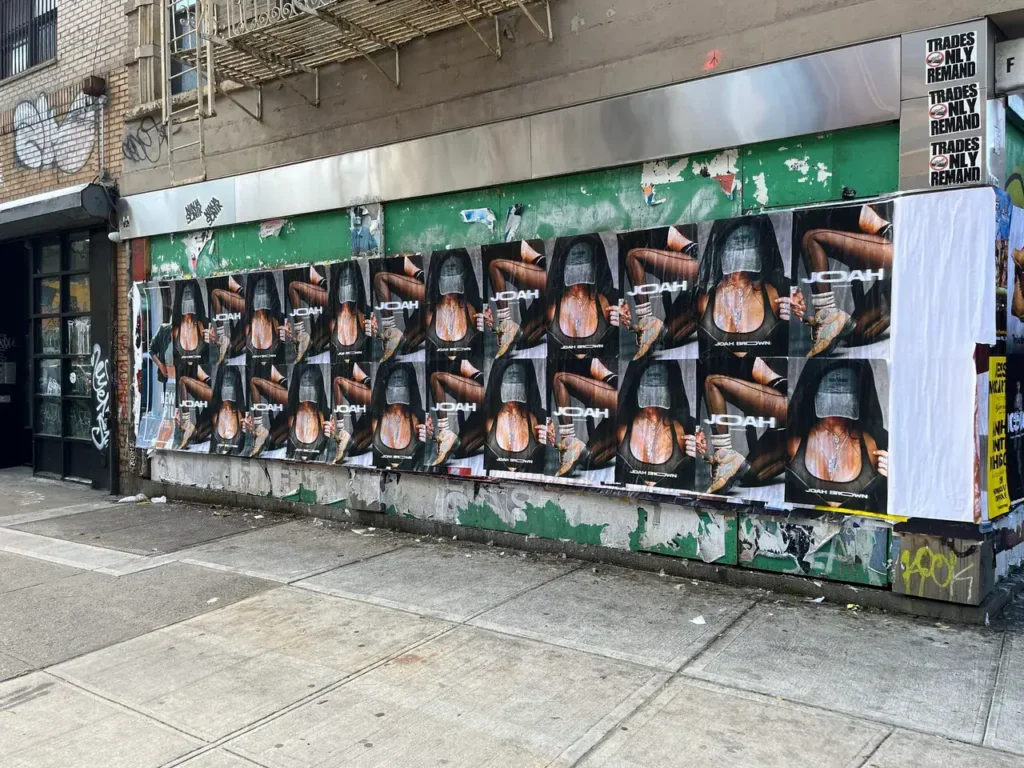
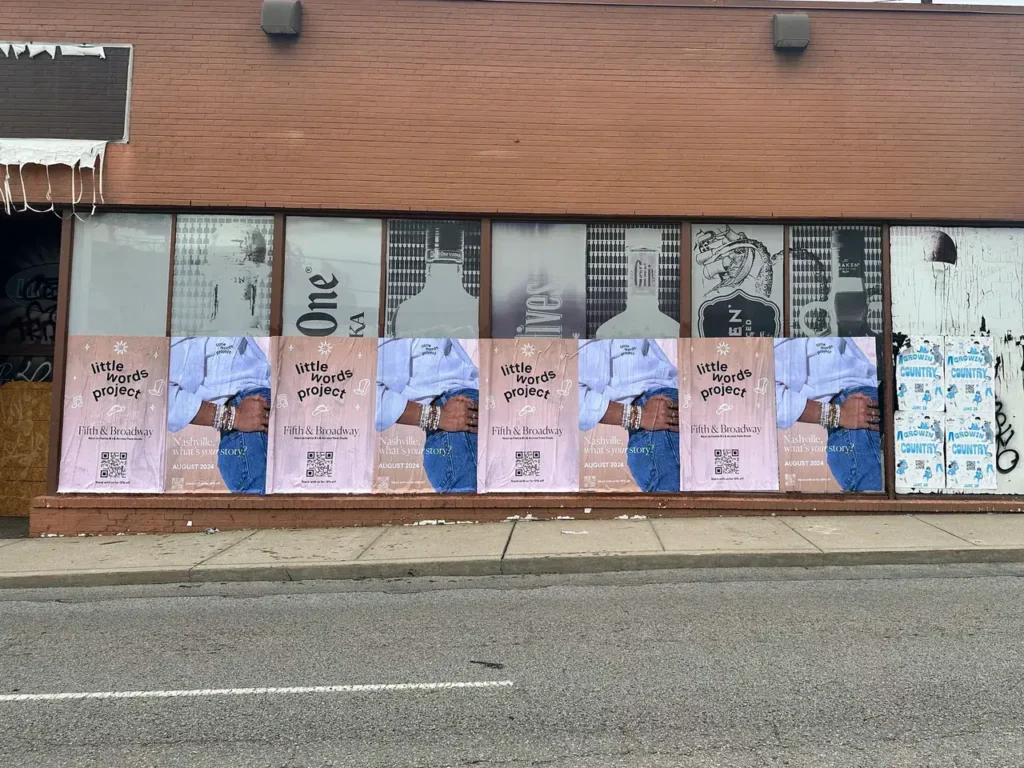
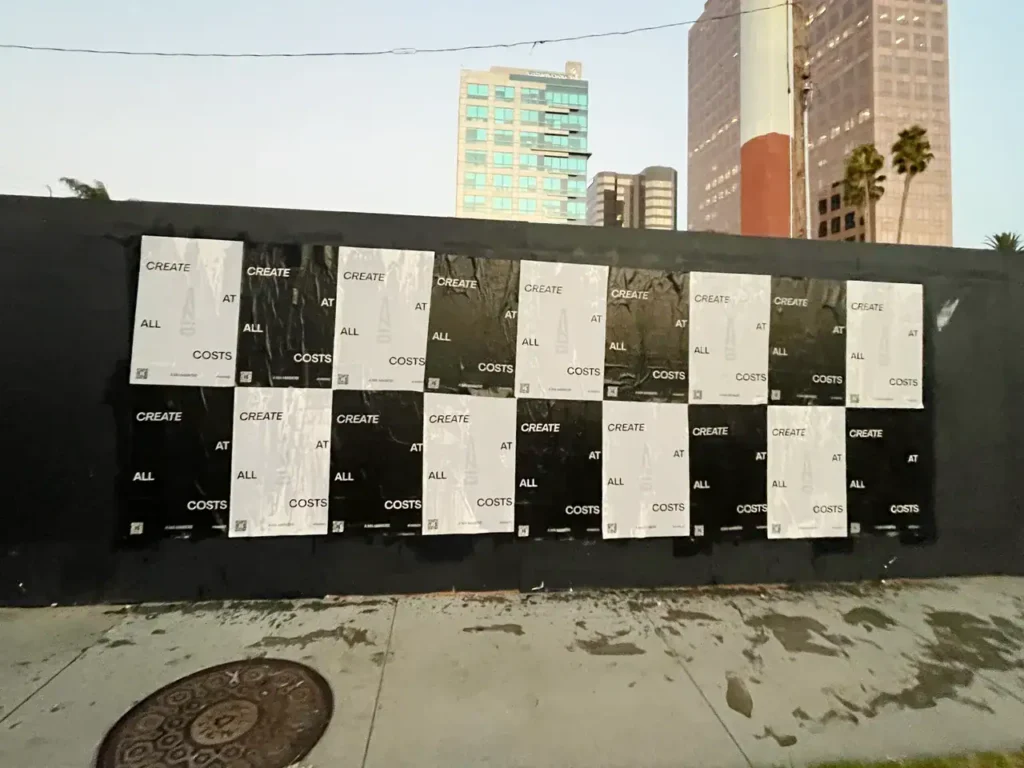
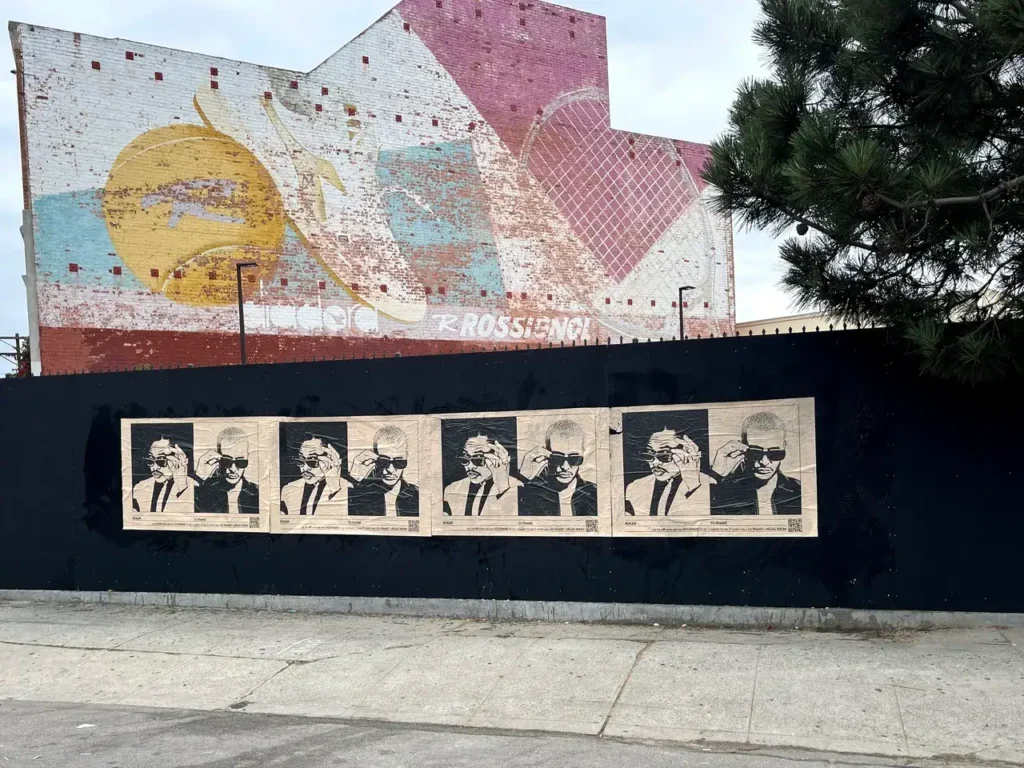
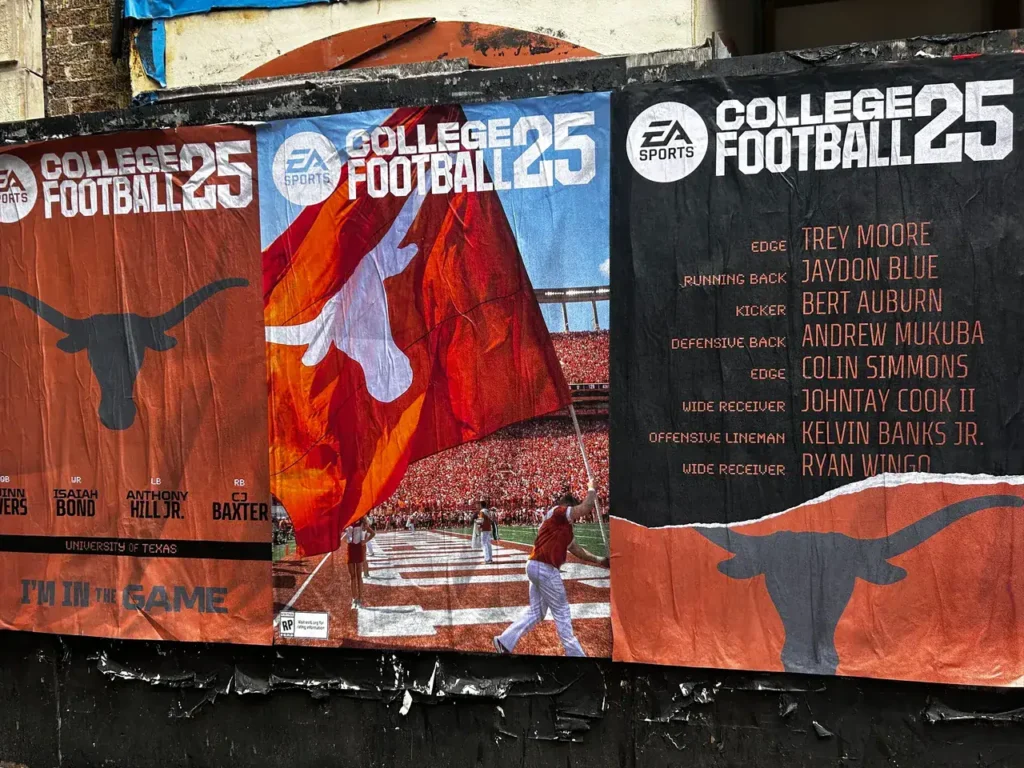
AGM runs field-verified wheatpaste poster campaigns across CDMX’s 16 alcaldías and dozens of colonias. We have placed paper in Roma Norte, Polanco, Condesa, Centro Histórico, and well beyond the tourist map. From 100 posters to full-city saturation, this is how brands land in the world’s largest Spanish-speaking city.
Mexico City is a different kind of problem. I’ve run campaigns in Los Angeles, New York, and Chicago, and none of them compare to the sheer physical scale of CDMX. The city proper holds over nine million people. The greater metropolitan area pushes 22 million. It is the largest Spanish-speaking city on the planet, and it has a street art and poster culture that goes back decades, woven into the DNA of the neighborhoods themselves. Wheatpasting here is not novelty. It is part of how the city communicates.Mexico City is a different kind of problem. I’ve run campaigns in Los Angeles, New York, and Chicago, and none of them compare to the sheer physical scale of CDMX. The city proper holds over nine million people. The greater metropolitan area pushes 22 million. It is the largest Spanish-speaking city on the planet, and it has a street art and poster culture that goes back decades, woven into the DNA of the neighborhoods themselves. Wheatpasting here is not novelty. It is part of how the city communicates.
Tell us your zone, your format, and your go date. We will come back with a placement plan and firm pricing within one business day.
Select an area to explore Wheatpasting & Poster Campaign opportunities.
The city is organized into 16 alcaldías, which function like boroughs, and within each alcaldía sit hundreds of colonias, the neighborhood-level zones where people actually live and move. A campaign in Cuauhtémoc sits in a fundamentally different market than one in Xochimilco, even though both are technically Mexico City. The audience profile, the pedestrian flow, the wall stock, the attitude toward posted paper, and the surrounding commercial landscape shift dramatically block by block. That granularity is what makes this market work for wheatpaste. There is no single Mexico City audience. There are dozens, layered on top of each other, and you can choose exactly which ones you want to hit.
What also sets CDMX apart is the city’s street culture relationship with printed imagery. Muralism has roots here that trace back to Diego Rivera and José Clemente Orozco. Screen-printed concert posters have covered the colonias around Tepito and Doctores for generations. By the time wheatpaste arrived as a medium in the 2000s, the city was already trained to read walls. Brands that enter this market through wheatpaste often report something that does not happen in more sanitized cities: people photograph the posters and share them. The walls become content. That organic amplification is part of what makes a well-placed CDMX campaign outperform its raw poster count.
Mexico City metro area population: 22 million+ | 16 alcaldías | Hundreds of colonias | Altitude: 2,240 meters above sea level | Metro system: 12 lines, 195 stations | Rainy season: June through October
| Neighborhood | Primary Audience | Age Range | Best Campaign Types | Est. Daily Foot Traffic |
|---|---|---|---|---|
| Roma Norte | Young professionals, creatives | 24–38 | Food, lifestyle, tech, fashion, events | 35,000–55,000 |
| Condesa | Upscale residential, design community | 28–45 | Luxury goods, hospitality, wellness | 28,000–42,000 |
| Polanco | High-income, finance, expat community | 30–55 | Luxury brands, finance, international retail | 40,000–65,000 |
| Centro Histórico | Mixed demographic, tourists, workers | 18–60 | Mass market, entertainment, events, political | 300,000–500,000 |
| Coyoacán | Academic, cultural, bohemian | 20–45 | Books, film, music, food, arts | 22,000–38,000 |
| San Ángel | Upscale, gallery patrons, arts | 32–60 | Luxury, galleries, fine dining, cultural events | 15,000–30,000 |
| Juárez | Young creative, mixed residential | 22–38 | Streetwear, music, nightlife, tech startups | 20,000–35,000 |
| Zona Rosa | Tourism, LGBT+ community, international | 20–50 | Hospitality, international brands, nightlife | 45,000–70,000 |
| La Condesa/Hipódromo | Creative professionals, affluent residential | 28–48 | Wellness, design, lifestyle, coffee brands | 18,000–28,000 |
| Xochimilco | Cultural tourists, local community | 18–65 | Cultural events, local commerce, tourism brands | 25,000–50,000 (weekends) |
Running wheatpaste campaigns in CDMX requires knowing the city, not just knowing the medium. Our field operations in Mexico City are built around a local crew with years of placement experience across the 16 alcaldías. Every campaign begins with a zone scout: we walk the target streets before we post anything, check wall conditions, identify anchor surfaces with good sight lines, confirm pedestrian flows match what the data says, and log GPS coordinates for every placement we plan to make. The documentation we hand back to clients after a campaign includes photo proof and GPS point data for each individual poster location, timestamped and organized by zone.
On the question of authorization, Mexico City’s public space regulations vary by alcaldía and by the type of surface being used. Our team works with a mix of private property agreements and legally permissible public surfaces, depending on the zone and campaign scale. We do not put paper where it creates legal exposure for the brand or the property owner. That means some highly desirable walls require an owner relationship, which we maintain across our key zones. Clients often ask whether wheatpasting is legal in CDMX. The honest answer is that it depends entirely on the surface and the agreement behind it. We handle that qualification on the ground so the client does not have to.
Altitude and weather shape every CDMX campaign in ways that do not come up in a sea-level city. At 2,240 meters above sea level, Mexico City sits in a high-altitude environment where humidity levels shift fast, especially between the dry season (November through May) and the rainy season (June through October). During the rainy season, afternoon downpours are nearly daily events, and paste adhesion becomes a real variable. Our Mexico City field team uses weather-resistant paste formulations that account for the humidity and the rapid overnight temperature swings typical of the high valley. We also prioritize covered and canopy locations during rainy season deployments, choosing surfaces under overhangs, in covered corridors near metro stations, and on protected interior-facing walls wherever the campaign allows. Paste dried in direct sun at 2,240 meters behaves differently than at sea level because of lower atmospheric pressure and faster moisture evaporation, and we account for that in our mix and application process.
Roma Norte is the zone I return to most often when a brand wants a clear proof of concept in CDMX. The streets here, Álvaro Obregón running east to west, Orizaba cutting south, Tamaulipas threading through the restaurant corridor, are designed at a human scale that makes wheatpaste work the way it is supposed to. People are walking. They are not in cars looking at a billboard at 60 kilometers an hour. They are on foot, looking at the buildings, stopping at a cafe, walking to a market. A well-placed 24×36 poster at eye level on a smooth commercial facade on Álvaro Obregón gets seen by the same foot traffic that will be back tomorrow and the day after. Parque México is the anchor point of the neighborhood’s social life, and the streets that ring it and lead to it are some of the highest-value wheatpaste locations in the city. The audience here is young professionals, 24 to 38 years old, with disposable income and strong social media habits. Brands in food and beverage, streetwear, tech startups, live events, and creative services find their people in Roma Norte.
Condesa sits right next door to Roma Norte geographically, but the feel is different. Where Roma Norte is active and slightly louder, Condesa is calmer, more residential in character, with tree-lined streets and the oval of Avenida Ámsterdam running around Parque México from the other side. The design sensibility here is strong. This is where architects, interior designers, and brand directors live. A poster that would read well in Roma Norte needs to look even cleaner in Condesa. Rough-cut paste jobs do not land well here. The formats that work best in Condesa are well-printed pieces with clear visual hierarchy, often placed in tight clusters of two or three rather than scattered along a long block. Tamaulipas and Avenida Ámsterdam carry the most consistent foot traffic for pedestrian placement, and the weekend crowds near Parque México make Saturday and Sunday the highest-value posting windows.
Polanco is CDMX’s luxury corridor and it operates on different terms than Roma or Condesa. The audience on Presidente Masaryk skews older and wealthier, with a significant expat and international business community concentrated around the Antara and Andares shopping zones and the financial offices along Emilio Castelar and Andrés Bello. Parque Lincoln is the neighborhood’s social anchor, and the streets immediately adjacent to it carry the most organic pedestrian activity. For wheatpaste campaigns targeting finance, luxury goods, premium hospitality, international brand launches, or high-end consumer services, Polanco delivers a concentration of high-income audience that is hard to replicate elsewhere in the city. We typically recommend the 48×72 format in Polanco, placed on surfaces where the larger print scale matches the architectural character of the area. Small paper on big walls gets lost here.
Nothing in Mexico City moves the raw volume numbers like Centro Histórico. The Zócalo is one of the largest public plazas in the world, and the streets radiating from it, Madero going west, República de Uruguay heading south, Donceles running along the book market corridor to the north, carry pedestrian counts that most CDMX neighborhoods cannot touch on their best days. On weekdays, this is a working neighborhood full of government employees, small merchants, students from the nearby universities, and commuters transferring between metro lines. On weekends it becomes a destination, drawing visitors from across the metro area and from abroad. The demographic mix is the widest in the city. If you need reach rather than precision, Centro is the right zone. Volume campaigns of 200 posters in Centro Histórico can deliver impression counts that would require three or four times that many placements in a residential colonia. The Linea 2 (blue) and Linea 1 (pink) metro stations at Zócalo and Pino Suárez together handle hundreds of thousands of daily entries and exits, which means the surfaces near those station exits are among the most-viewed in CDMX.
Mexico uses ISO metric sizing standards rather than the inch-based formats common in the United States. When we reference a 24×36 or 48×72 poster in the Mexican market, these are our standard production sizes for export and cross-border consistency. The closest ISO equivalents are A1 format (594x841mm) for smaller posters and A0 (841x1189mm) territory for our larger format. Locally printed production in Mexico City often uses metric-dimensioned stock, and our CDMX field team works with both US-produced print and locally sourced paper depending on campaign scale and lead time. For clients shipping print from the US, we handle customs documentation and local receiving. For clients who want fully local print production in CDMX, we have print partners in Cuauhtémoc who produce clean, high-opacity stock appropriate for street paste applications.
| Format | Dimensions (US) | ISO Approximate | Best Use | CDMX Zone Fit |
|---|---|---|---|---|
| Standard | 24 x 36 inches | ~A1 (610 x 914mm) | High-frequency placement, walkable zones | Roma Norte, Condesa, Coyoacán, Juárez |
| Large Format | 48 x 72 inches | ~2xA0 (1219 x 1829mm) | Statement walls, high-visibility corridors | Polanco, Centro Histórico, Zona Rosa, Reforma |
Tell us your target zone, format preference, and go date. We will come back with a placement map, zone recommendation, and firm pricing within one business day.
Award Winning Personalized Service
You will get thoughtful, devoted, and individualized attention from our experienced, qualified, and professional personnel. Being one of the most illustrious agencies in Brooklyn, New York, American Guerrilla Marketing has been awarded the Best of Brooklyn title.
Nationwide
Industry City, Brooklyn, New York 11232
American Guerrilla Marketing
Hours
Mon - Fri: 9 AM - 5 PM
Sat & Sun: Closed
Automate your campaign with AGM’s Request for Proposal Builder. Simply answer a few quick questions about your campaign goals, markets, and timeline, and the system will generate a tailored presentation with recommended strategies, quantities, and pricing. Click the RFP Builder to instantly receive your customized proposal.
We are not a local print shop that decided to offer street campaigns as a side service. American Guerrilla Marketing was built to run exactly this kind of field operation: real placement, documented results, and the operational knowledge that comes from actually having worked the streets. In Mexico City, that means knowing which colonias have the wall stock that makes wheatpaste work, knowing which zones have surface agreements in place, knowing how to mix paste for a high-altitude dry season versus a rainy season deployment, and knowing which metro station exits produce the highest pedestrian contact per poster. That is not something you figure out from a desk. It comes from walking the streets in Condesa at seven in the morning to check a placement from two days ago, or doing a rainy-season maintenance pass in Roma Norte because you know that the afternoon downpour hit the west-facing walls hard.
The other thing we offer that matters in a market like CDMX is full transparency on where the money goes. You will get a placement report with GPS coordinates and timestamps. You will know exactly which streets your posters are on. You will be able to look up those coordinates on a map and confirm that the wall we described is where we said it would be. Too many street marketing operations in major cities run campaigns that are never fully documented, and clients are left trusting a invoice with no verification. We do not operate that way. Every campaign we run in Mexico City generates a documented record, because that is the only way to build a relationship worth having past the first buy.
Mexico City also rewards repeat presence. A brand that runs a two-week campaign in Roma Norte and Condesa and then comes back three months later is not starting from scratch. The audience remembers. The walls remember in the sense that a clean, well-pasted piece holds longer than most people expect and continues to generate impressions beyond the initial campaign window. We track our placement history by zone, so when a client returns for a second or third campaign, we can place in fresh locations while reinforcing the zones that performed best the first time. That kind of institutional memory across a market as complex as CDMX is what turns a one-off campaign into an actual street presence.
Our standard Mexico City pricing starts at $4,500 for 100 posters at 24×36 inches over a two-week window. A 200-poster run at the same format is $5,500. Large-format 48×72 campaigns start at $10,500 for 100 posters and $13,500 for 200 posters. If you need a custom multi-zone package across three or more colonias, we price those separately. Contact us and we will build a proposal based on your specific zone mix and target audience.
We work in two standard sizes: 24×36 inches (roughly equivalent to ISO A1 at 610x914mm) and 48×72 inches (roughly equivalent to a double A0 format at 1219x1829mm). Mexico uses metric sizing domestically, and our local print partners in CDMX can produce both metric and US-standard sized stock. If you are shipping print from the US, we handle the import and local receiving. If you prefer local print production in CDMX, we can source it.
Rainy season in CDMX runs from June through October. During those months, afternoon and evening rainfall is nearly daily, and paste adhesion on exterior surfaces becomes a genuine field variable. Our CDMX crew uses a weather-resistant paste formulation developed for high-humidity and high-altitude conditions. We also shift placement strategy during rainy season: we prioritize covered surfaces under overhangs, arcade corridors, covered market approaches, and protected walls near metro station entries on lines like Linea 1 and Linea 3. For campaigns timed during rainy season, we recommend adding the maintenance pass so our team can replace any placements affected by heavy rain in the first week.
Yes, and this comes up more than people expect. Mexico City sits at 2,240 meters above sea level. At that altitude, atmospheric pressure is lower and moisture evaporates faster in direct sunlight. Paste applied to a sun-facing wall in the afternoon dries at a different rate than it would at sea level. Our CDMX field team accounts for this by adjusting paste viscosity and applying in shaded conditions where possible, or timing applications for early morning before direct sun hits the target walls. It is one of those operational details that only matters when you have actually worked in a high-altitude city, and it is part of why we do not parachute into new markets without a local crew that already knows the ground.
Roma Norte is the clearest answer. The foot traffic along Álvaro Obregón, through the blocks around Parque México, and down Tamaulipas toward the restaurant and bar corridor is densely concentrated with the 24 to 38 demographic. Condesa sits right alongside and pulls from a similar but slightly more established professional audience. Juárez is growing fast as a creative neighborhood and tends to catch people a few years younger, early-career and in the 22 to 32 range, with a strong presence of people in tech, design, and media. For a young professional campaign in CDMX, we typically recommend Roma Norte as the anchor and either Condesa or Juárez as the secondary zone depending on the brand’s positioning.
Yes, and multi-zone campaigns are often the right call in a city this large. A single-zone run of 100 posters in Roma Norte is strong for zone saturation but will not touch Polanco or Centro Histórico at all. Our most requested CDMX package is what we call the three-zone buy: Roma Norte, Condesa, and Polanco together. This combination reaches creative professionals in two distinct residential environments plus the luxury and finance corridor. Clients who need raw volume across the widest possible audience add Centro Histórico as a fourth zone. All zones run simultaneously, with GPS documentation organized by zone so you can see exactly where every poster landed.
Every campaign we run in CDMX includes full GPS-tagged photo documentation. After the campaign posts, we send a placement report with a photo of each location, the GPS coordinates, the street address, and the date and time of placement. For multi-zone campaigns, the report is organized by colonia so you can see the zone-by-zone breakdown at a glance. This documentation is your proof of performance and your record for any future campaign planning in the same zones.
The CDMX metro system carries over four million riders per day and is one of the most used subway systems in the world. The lines closest to our primary campaign zones are Linea 1 (pink), which runs east-west through the heart of the city from Pantitlan to Observatorio and serves stations like Insurgentes and Sevilla near Roma Norte; Linea 2 (blue), which goes to Zócalo and anchors Centro Histórico reach; Linea 3 (olive), which runs north-south and hits Polanco (Auditorio) and the Coyoacán area; and Linea 7 (orange), which connects Tacubaya and runs through the Miguel Hidalgo zone near Polanco. Station exits are some of the highest-concentration pedestrian surfaces in the city. When we plan placements near metro stations, we are accessing an audience that is already on foot, already in navigation mode, and already reading the visual environment around them. Surfaces within a one-block radius of a busy station exit outperform comparable walls further from transit by a significant margin.