American Guerrilla Marketing
Nationwide serivce
Media planning, media buying, billboard advertising, & guerrilla marketing
American Guerrilla Marketing handles interior bus and shelter advertising on The Wave across Mobile, Alabama’s 18 fixed routes. Port city corridors, Spring Hill, Prichard, and Baldwin County crossbay service. Direct execution, no vendors.
Mobile is not an interchangeable market. The Port of Mobile is one of the largest ports in the United States by tonnage, and the city that grew up around it has a distinct character: industrial in scale, Southern in culture, maritime in its bones. The Wave Transit System moves people across this city on 18 fixed routes, plus the downtown trolley and the Baylinc crossbay service that connects Mobile to Baldwin County communities including Spanish Fort, Daphne, Fairhope, and Point Clear. A bus advertising campaign on The Wave does not reach an anonymous metro audience. It reaches Mobile specifically: the Airbus assembly workers driving production at the Mobile Aeroplex, the University of South Alabama students moving between the campus on Old Shell Road and the healthcare district at USA Health, the working families commuting from Prichard and Chickasaw into the city center, and the downtown workforce that builds its day around Government Street and the commercial strip running west toward Tillman’s Corner.
AGM has placed transit advertising campaigns across more than 500 markets over 10-plus years of direct execution. In Mobile, that means understanding the Wave’s route geography well enough to match your campaign to the corridors where your audience actually rides. The system’s spread from the downtown transit hub westward to Theodore and Tillman’s Corner, northward through Prichard and Chickasaw, and eastward through Spring Hill to the USA Health corridor covers Mobile’s full economic geography. Interior bus advertising on The Wave puts your brand in a captive environment for the full length of each route, on buses that carry daily commuters who take the same trips week after week and build up the repeated exposure that advertising frequency theory consistently links to recall and purchase influence.
The Baylinc route is a particularly unusual opportunity in the Alabama transit advertising landscape. Cross-bay service connecting Mobile to Baldwin County communities carries a rider demographic that bridges the working-class transit-dependent Mobile ridership with the higher-income retirement and residential communities of Fairhope and Point Clear. An interior ad on the Baylinc route reaches both sides of Mobile Bay in a single placement, which no other transit format in the region provides.
AGM executes interior bus and shelter advertising on The Wave across Mobile's 18 routes and the Baylinc crossbay service to Baldwin County. Direct placement, documented proof, no middlemen.
Mobile is Alabama’s third-largest city and its only deep-water port, which means its economy is shaped by industries that generate a working adult ridership unlike any other Alabama market. Airbus’s final assembly facility at the Mobile Aeroplex on Tanner Williams Road employs several thousand workers, and the employees who take transit routes connecting to this facility are skilled manufacturing workers with steady incomes, stable work schedules, and genuine consumer purchasing power. The healthcare corridor anchored by USA Health-University Hospital on Mobile Avenue and the Infirmary Health System facilities carries nursing and medical staff from across the city, a professional demographic that uses transit to avoid downtown parking costs and whose work schedules create predictable ridership patterns at consistent times.
Prichard is one of Mobile County’s densest transit-dependent communities, with significant ridership on the routes that connect it to downtown Mobile’s employment and services. Advertising on the routes serving Prichard reaches a community that is systematically underserved by digital advertising targeting and that has strong awareness of physical advertising in their local environment. Brands that appear on the buses running through Prichard and that speak directly to the concerns and needs of this community, whether healthcare, financial services, workforce development, or consumer goods, achieve a presence and credibility that digital impressions at equivalent cost levels simply cannot replicate.
The Spring Hill corridor serves one of Mobile’s most economically active neighborhoods, with the Spring Hill College campus on Spring Hill Avenue, the Spring Hill Avenue commercial district running from downtown toward the college, and the residential neighborhoods of Spring Hill and Midtown that sit between the downtown core and the university campus. This corridor carries a more economically mixed ridership than Prichard, including students, faculty, and the professional residents of Mobile’s most established middle-income neighborhoods. Shelter and interior advertising in the Spring Hill corridor reaches a community with both consumer awareness and purchasing capacity.
Government Street is Mobile’s primary east-west arterial and the backbone of The Wave’s downtown and west Mobile service. Routes running along Government Street from the downtown transit hub through Midtown and out toward Tillman’s Corner and Theodore carry a cross-section of Mobile’s daily commuter base: city government workers heading to the Government Plaza complex near Royal Street, retail and service workers commuting to the big-box and commercial corridors around Airport Boulevard and Tillman’s Corner, and the healthcare workers moving between downtown residential areas and the medical facilities along Springhill Avenue just north of the Government Street corridor.
The Government Street routes are among The Wave’s most consistent ridership performers because this corridor is both the geographic center of Mobile’s street grid and the economic spine connecting downtown to the western suburbs. Interior advertising on these routes reaches riders for journeys averaging 25 to 40 minutes, and the corridor’s commercial density means riders are passing business districts and retail destinations throughout the trip. For retail, restaurant, and service brands with Government Street or Tillman’s Corner locations, interior transit advertising on these routes creates awareness among riders who are already traveling the commercial corridor where your business operates.
Best advertiser categories: retail chains on the Government Street and Tillman’s Corner corridor, healthcare system recruitment campaigns targeting clinical workers, regional banks with Midtown and West Mobile branches, and insurance and financial services brands targeting Mobile’s working adult population.
The routes serving Spring Hill Avenue from downtown through Spring Hill College and east toward the USA Health system create a corridor that passes through Mobile’s most historically significant residential district and ends at one of the region’s largest healthcare employers. Spring Hill Avenue’s tree-lined commercial strip has been the marker of Mobile’s established middle-class residential culture for generations, and the riders on these routes reflect that community: students at Spring Hill College, staff from USA Health facilities, residents of the Spring Hill and Midtown neighborhoods, and downtown workers who chose to live in neighborhoods accessible by transit rather than in the car-dependent outer suburbs.
The USA Health connection specifically is important for interior transit advertising. University of South Alabama’s health system, including University Hospital on Mobile Avenue and the Children’s and Women’s Hospital complex, employs a substantial portion of Mobile’s clinical workforce. Transit routes that serve the USA Health campus carry nursing staff, lab technicians, administrative workers, and students in USA’s health professional programs. This is a concentrated, educated, professional audience with above-median household income and strong engagement with healthcare, financial, and lifestyle advertising categories.
Best advertiser categories: healthcare brands and medical products, university program enrollment advertising, financial services brands targeting young professionals, fitness and wellness brands, apartment and housing brands serving the Spring Hill and Midtown rental market, and food and beverage brands with Spring Hill Avenue locations.
The routes serving Prichard and Chickasaw north of downtown Mobile connect two of Mobile County’s most densely populated transit-dependent communities to the downtown employment hub and the medical and retail corridors that serve the city’s northside. Prichard, which sits immediately north of the Mobile city limits along US-43 and the Schillinger Road corridor, has a ridership that depends on The Wave for daily commuting in a way that makes transit advertising in this corridor a direct channel to a community that limited digital advertising typically misses.
The Chickasaw route extends the north corridor into a separate incorporated municipality with its own community character, connecting residents to the downtown and Highway 45 commercial strip. Interior advertising on the Prichard and Chickasaw routes reaches a community with strong awareness of and engagement with local advertising because the transit vehicle is one of their primary daily media environments during the commute. Community-relevant messaging in categories like healthcare access, workforce development, consumer financial services, and local retail consistently outperforms generic brand advertising in corridors like this because the audience is both attentive and specifically reachable here in ways that other formats miss.
Best advertiser categories: community health clinics and healthcare systems, utility and financial assistance programs, community colleges and vocational training programs, consumer goods brands at price points relevant to the working-class demographic, and city and county government service announcements.
The Baylinc route is the only transit service crossing Mobile Bay, connecting downtown Mobile to Spanish Fort, Daphne, Fairhope, and Point Clear in Baldwin County. This is a transit route with no equivalent in the state of Alabama: a single bus line that bridges two dramatically different economic geographies, from the working-class transit corridors of downtown Mobile to the retirement and high-income residential communities of the Eastern Shore of Baldwin County. Fairhope in particular is one of Alabama’s most affluent small cities, with median household incomes well above the state average and a retail and hospitality economy oriented toward the arts community, the retirement demographic, and the growing number of remote workers who have relocated to the Eastern Shore in recent years.
Interior advertising on the Baylinc route reaches a rider base that no other single transit placement in Alabama can match for demographic range. On the Mobile side, the boarding audience includes transit-dependent commuters heading toward Baldwin County employment. On the Baldwin County side, the boarding audience includes Fairhope and Daphne residents who prefer to take transit rather than deal with the congestion on I-10 and US-98. The connecting point is the Mobile downtown hub, meaning Baylinc riders see interior advertising for the full duration of a trip that can run 45 to 90 minutes depending on the service segment. That is exceptional dwell time for any advertising format.
Best advertiser categories: tourism and hospitality brands serving both Mobile and the Eastern Shore, real estate and development brands with Baldwin County projects, healthcare brands with facilities on both sides of the bay, upscale retail brands targeting the Fairhope demographic, and banking and financial services brands operating in both Mobile and Baldwin County markets.
What it is: A complete exterior wrap covering the full vehicle body of a Wave bus, creating a moving brand presence across Mobile’s street network, the causeway, and the crossbay corridor.
Best for: Major product launches, regional brand campaigns, event promotions requiring Mobile-wide visibility. A wrapped Wave bus on the Government Street corridor, the Spring Hill Avenue route, and the Baylinc crossbay service generates exposure across every corner of the Mobile market in a single day’s service cycle.
Why buy it: Mobile has relatively limited large-format outdoor inventory compared to markets like Birmingham or Montgomery, which makes a full bus wrap one of the highest-impact visual formats in the city. A wrapped bus moving through downtown on Government Street, turning through the Spring Hill neighborhood, and crossing the bay on the Baylinc route is visible to pedestrians, vehicle traffic, and riders throughout Mobile County and into Baldwin County. For brands that need Mobile market saturation quickly, the full wrap delivers geographic reach that billboard and static outdoor formats cannot match at comparable cost per impression.
Contact AGM for current Wave full wrap pricing and fleet availability.
What it is: The largest standard interior posting format, approximately 30 by 144 inches, running along the upper interior wall of the bus above the window line on both sides of the vehicle.
Best for: Brand awareness campaigns that need full bus coverage. The king runs the length of the seating area and is visible from virtually every seated position in the vehicle, giving it the widest interior audience reach of any single posting unit.
Why buy it: A king poster buy across The Wave’s highest-ridership routes, including the Government Street corridor and the Spring Hill Avenue service, delivers repeated interior exposure to Mobile’s core commuter population across a four-week campaign cycle. For brands that want to build recognition among the Mobile working adult demographic, king posters across the full system or on a targeted route selection deliver the frequency that converts awareness to recall. The format’s physical dominance within the bus interior means it is the advertising unit that riders notice first and remember longest.
Contact AGM for Wave king poster rates and available route inventory.
What it is: A mid-format interior poster, approximately 30 by 88 inches, positioned in the front or rear interior zones of the bus.
Best for: Targeted campaigns on specific Wave routes, particularly the Baylinc crossbay service or the Spring Hill corridor, where a mid-format placement reaches the route’s specific ridership without requiring full-system commitment.
Why buy it: The queen poster format is the right scale for most local and regional advertisers running Mobile-specific campaigns on The Wave. At dimensions that carry full creative messaging without the cost premium of the king format, the queen delivers strong interior presence on routes chosen to match the advertiser’s geographic and demographic target. For a healthcare brand targeting the USA Health corridor, or a retail brand targeting the Government Street commercial strip riders, the queen on those specific routes reaches the right audience at the right scale.
Contact AGM for current Wave queen poster availability and four-week cycle pricing.
What it is: A horizontal card displayed across the front interior panel of the bus, visible to riders from the moment they board at every stop along the route.
Best for: Short, high-recall messages: event dates, phone numbers, QR codes, and simple product announcements that need to register quickly and repeatedly. The headliner is the first interior advertising a rider sees when boarding.
Why buy it: The boarding moment on any Wave route is when rider attention is freshest and the interior environment is being assessed for the first time on that trip. The headliner is positioned to capture that moment at every stop on the route, creating a repeated impression cycle that compounds across the full service day. For a campaign running on the high-frequency Government Street routes, a headliner placement generates dozens of distinct impression moments per bus per day across the full route’s stop pattern.
What it is: An exterior panel at the rear of the bus, facing vehicle traffic following behind the Wave fleet on Mobile’s arterials and surface streets.
Best for: Campaigns targeting the vehicle-traveling public on Government Street, Springhill Avenue, Airport Boulevard, and the Baylinc causeway corridor where tail displays are visible to significant vehicle volumes.
Why buy it: Mobile’s surface street congestion, particularly on Government Street and the Airport Boulevard commercial strip during peak commute hours, creates consistent dwell time for tail display impressions. Vehicles stopped behind a Wave bus at a traffic signal on Government Street near the Bel Air Mall corridor or on Springhill Avenue near the Spring Hill College intersection see the tail display for 30 to 90 seconds per signal cycle. A bus that completes a route with 40 stops accumulates substantial vehicle audience exposure for its tail display across each daily service run.
What it is: Smaller interior posting units in standard card formats, placed in distributed card holders throughout the bus interior at window level and seat-adjacent positions.
Best for: Local service businesses, healthcare enrollment, legal services, community organizations, and any advertiser whose message requires specific information density that a poster format’s scale-from-distance requirement doesn’t support.
Why buy it: Interior cards on The Wave are accessible to local Mobile advertisers who need transit presence without the budget scale of a full poster campaign. A Mobile-based law firm, a local dental practice, a community health clinic, or a vocational school running enrollment advertising can place interior cards on targeted Wave routes for a fraction of the cost of a king poster buy. The distributed card format means the advertiser’s message appears at multiple positions throughout the bus, ensuring no rider travels a full route without passing the card at least once.
What it is: Cards or printed panels mounted on the back of bus seats, positioned at direct eye level for the rider seated in the row behind.
Best for: Reading-distance creative, QR codes, detailed service descriptions, and campaigns on the longer-duration Wave routes including the Baylinc crossbay service where riders are seated for extended periods.
Why buy it: On the Baylinc route specifically, where riders are seated for 45 to 90 minutes crossing Mobile Bay and traveling through Baldwin County, the seat-back position delivers reading-distance engagement over a duration that no other advertising format in the Mobile market provides. A rider crossing the bay has time to read a detailed message, scan a QR code, and take a meaningful action on an advertisement at the seat-back level. This format transforms the transit vehicle into a genuine content environment for the duration of the crossbay trip.
What it is: Horizontal cards mounted in the overhead panel above the windows, visible to standing riders during peak loads and to seated riders when they look up from their forward view.
Best for: Supplemental placements layered with a primary king or queen poster buy, or standalone placements on the downtown routes and the Government Street corridor where peak-hour bus loads include significant numbers of standing riders.
Why buy it: The Government Street and downtown Mobile Wave routes carry their heaviest loads during the morning rush from approximately 7:00 AM to 8:30 AM and the afternoon peak from 4:30 PM to 6:00 PM. During these windows, standing riders on crowded buses look up at the overhead environment rather than forward at seated backs or poster walls. An overhead card placed on these routes during peak periods reaches the standing load with a format that is specifically in their line of sight. For brands targeting the downtown Mobile workforce commuter, the overhead card on peak-period Government Street routes is a precisely targeted placement.
What it is: Perforated vinyl applied to Wave bus windows, visible from outside as a full graphic while maintaining light transmission for riders inside.
Best for: Exterior audience exposure from inside a bus format. Window vinyls on the Baylinc crossbay service are visible to motorists on the Causeway and are a highly visible format for brands that want Mobile Bay-crossing exposure at a scale between a tail display and a full wrap.
Why buy it: The Baylinc route crossing the Causeway and I-10 bridge creates a unique window vinyl exposure environment. A bus with window vinyls traveling the 25-plus miles of the crossbay service is visible to motorists alongside the highway for extended stretches on the Causeway and the Cochrane-Africatown Bridge approaches. This is a format that works especially well for tourism and destination brands, regional retail, and hospitality brands that want an Eastern Shore and Mobile Bay-facing campaign presence at a cost point below a full exterior wrap.
The Wave operates sheltered bus stops at key locations throughout Mobile’s route network, with the highest concentration of covered shelters along the primary ridership corridors on Government Street, Spring Hill Avenue, and at the downtown transit hub. Shelter advertising delivers the one thing interior bus advertising cannot: a stationary presence at a fixed location that accumulates impressions from every rider who waits at that stop, every pedestrian who walks past it, and every vehicle that passes it day after day for the full four-week campaign cycle.
The downtown Mobile transit hub and the shelter positions along Government Street between Royal Street and the Bel Air approach serve the highest daily ridership transfer zone in The Wave system. Every cross-city route connects at or near the downtown hub, which means the shelter advertising here reaches not just the riders boarding at this specific location but also the transferring riders from every other route who pass through the hub in the course of their daily commute.
The Government Street downtown shelter corridor also sits within walking distance of Mobile’s primary office district, the Alabama State Docks administrative complex, and the Government Plaza court and municipal building cluster near Royal Street. Daytime foot traffic from downtown office workers, legal and government employees, and the tourist traffic moving between the Mobile Convention Center and the downtown restaurants and hotels adds a non-rider audience that sees shelter advertising even during periods between bus arrivals. A premium shelter placement in the downtown Mobile hub generates the most diverse, highest-volume audience of any single placement point in the Wave network.
The shelter stops along Airport Boulevard approaching Tillman’s Corner serve one of Mobile’s most commercially active retail corridors. The strip from the Airport Boulevard and Interstate 65 interchange west toward Tillman’s Corner carries an auto-oriented commercial density of big-box retail, fast food, and national chain services that generates high daily vehicle and pedestrian volumes at the adjacent Wave stops. Riders waiting at shelters in this corridor are typically on their way to or from employment at the commercial district’s numerous retail and food service businesses.
Shelter advertising at Tillman’s Corner approach stops delivers impressions within direct visual proximity of the retail brands whose stores line the corridor. A QSR chain with a location 300 feet from a shelter stop is advertising to riders who are about to walk or transfer past that location. A grocery chain with a store in the Tillman’s Corner center is placing its shelter ad within the physical decision radius of riders whose next stop is the grocery. This proximity-to-purchase advertising dynamic is one of the strongest features of shelter advertising on the Airport Boulevard corridor.
The sheltered stops along Spring Hill Avenue between downtown Mobile and Spring Hill College create a corridor running through some of Mobile’s most economically established residential and commercial neighborhoods. Midtown Mobile’s mix of mid-century residential architecture, independent restaurants, and locally owned retail anchors the Spring Hill Avenue street environment from downtown through the college’s front gate on Spring Hill Avenue. Riders waiting at shelter stops along this corridor are a distinctly different demographic from the downtown Government Street transfer crowd: more educated, more income-stable, and more connected to the college and healthcare employment that the route serves.
For brands targeting Mobile’s professional and college-educated demographic, Spring Hill Avenue shelter advertising is one of the most demographically specific placements available in the Wave network. The shelters here are not at retail-strip intersections; they are in a neighborhood that people chose to live in and work in because of its specific character, and they notice and engage with advertising in their physical environment at above-average rates. Premium shelter placements on Spring Hill Avenue consistently outperform equivalent city-average shelter units on brand recall metrics in transit advertising research.
What it is: A full interior shelter panel, typically backlit, in a covered Wave transit shelter at a primary stop location in Mobile.
Best for: Brand awareness campaigns, event promotions, and advertisers who need a stationary presence at a specific high-traffic Mobile location for a full four-week posting period.
Why buy it: At $3,850 for a four-week cycle, a premium shelter display on a high-ridership Wave corridor provides a day-and-night illuminated presence at a fixed location that accumulates impressions across the full campaign period. The backlit format extends visibility to evening and nighttime hours when Wave’s later service routes are still operating and when Government Street and Airport Boulevard carry significant vehicle traffic past shelter positions. For brands that want a permanent, authoritative visual presence at a specific Mobile location, the premium shelter is one of the strongest single-unit formats in The Wave’s inventory.
What it is: A mid-size shelter panel positioned within a Wave shelter structure, smaller than the premium display but placed in a high-visibility position relative to waiting riders.
Best for: Local Mobile businesses, community organizations, neighborhood-level service advertising, and event promotions with a specific geographic focus within the Wave service area.
Why buy it: At $850 for a four-week cycle, the junior poster is the accessible entry point for Mobile local businesses that want shelter advertising presence without the premium shelter commitment. A local Mobile law firm, dental practice, HVAC company, or community health organization can buy a junior poster at the stop nearest to their service area and achieve consistent local presence with the daily ridership and pedestrian audience at that specific location. For neighborhood-level advertising in Mobile’s communities, this format delivers genuine local reach at a local business price point.
What it is: An advertisement on the back or seat panel of a Wave transit bench, visible to waiting riders, nearby pedestrians, and passing vehicles at the stop location.
Best for: Sustained neighborhood presence at specific stop locations, particularly at high-dwell stops where riders frequently sit while waiting for less frequent Wave routes.
Why buy it: At $700 for a four-week cycle, the transit bench is the most affordable entry in The Wave’s advertising inventory and delivers legitimate daily impressions at the stop level. Bench advertising is visible between service intervals when no other advertising is approaching or departing, meaning the bench accumulates impressions from the full pedestrian and vehicle traffic environment around the stop, not just from riders in motion. For local Mobile advertisers who need consistent neighborhood exposure at a specific community location, the bench format delivers four weeks of continuous local presence at a price that reflects the local advertiser’s budget reality.
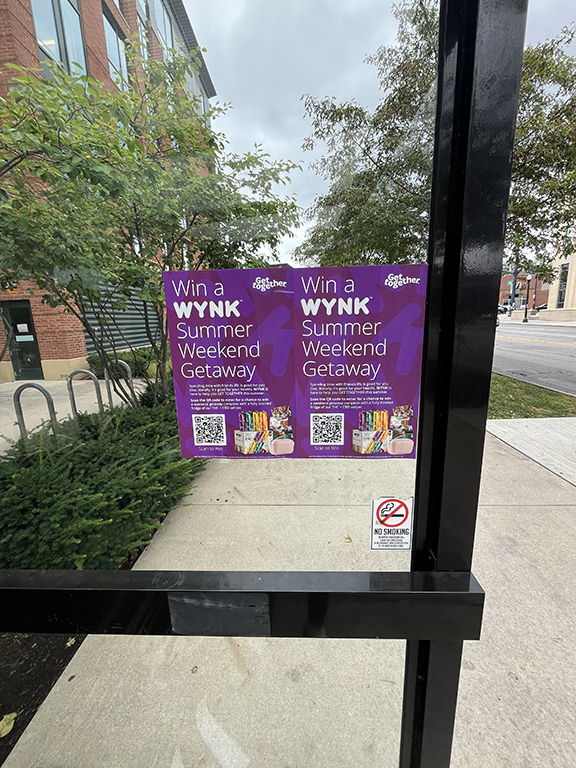
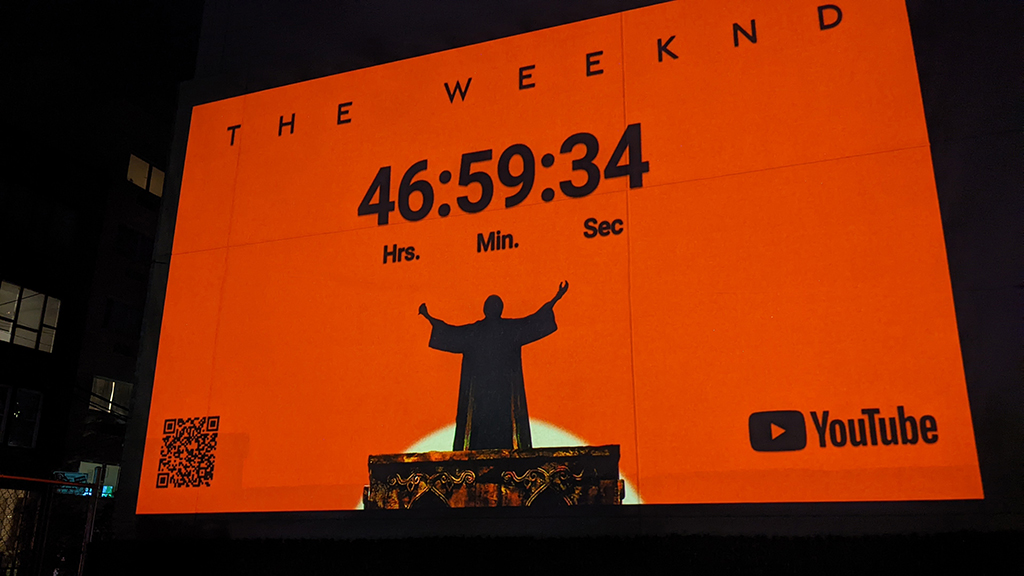
The Wave’s route network through downtown Mobile, Spring Hill, and the Government Street corridor runs through a city with strong street-level advertising potential. AGM’s guerrilla services let you layer street presence along Wave routes to compound the frequency your bus and shelter placements are building.
Snipe advertising along Government Street, Springhill Avenue, and the Airport Boulevard commercial corridor creates repeated visual contact with the same commuters your Wave interior campaign is reaching. A rider who sees your bus card every day also sees your snipe at their stop and again on their walk from the stop to their workplace. That three-touch pattern across a single commute builds the recall that single-format campaigns rarely achieve.
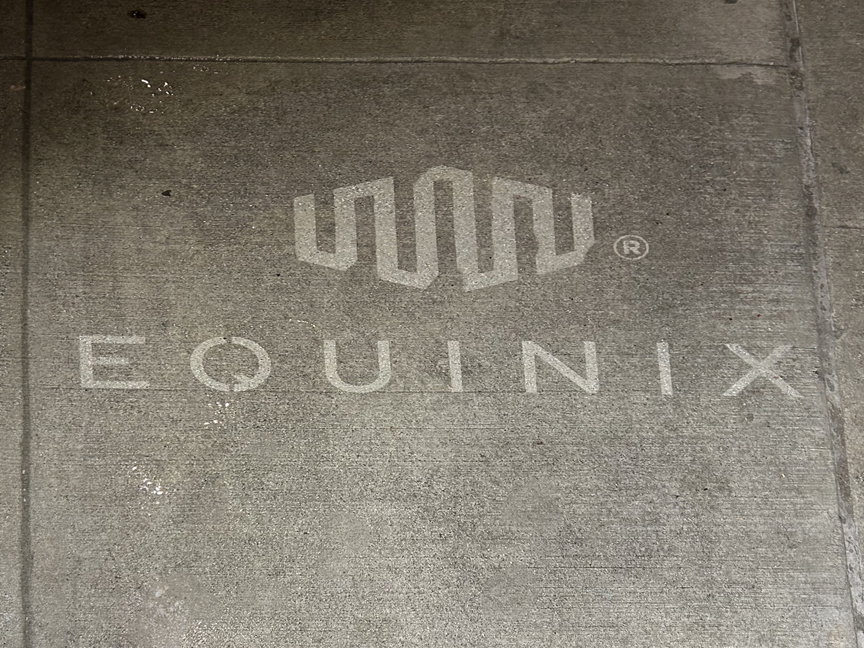
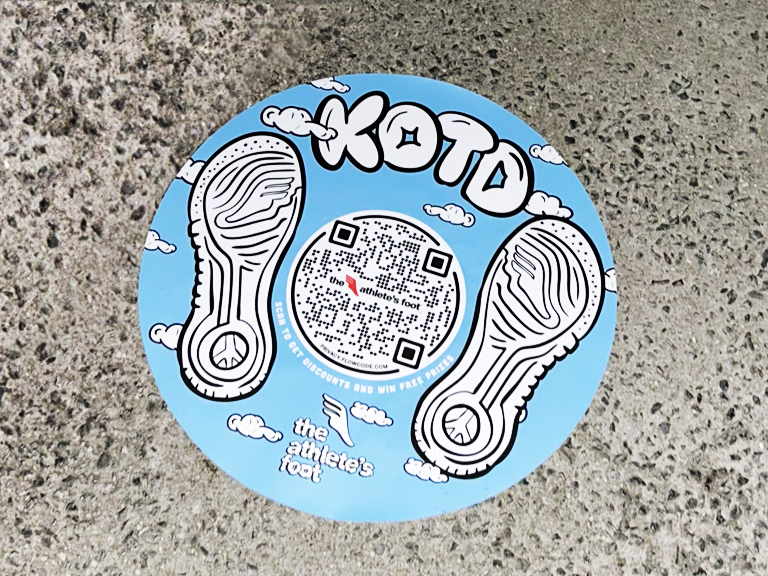
Sidewalk decals at the downtown Mobile transit hub and at high-traffic Wave stops along Government Street and Spring Hill Avenue create a ground-level brand presence that riders walk across and around. For product launches and activations with a specific Mobile focus, sidewalk stencils at Wave stops put your brand at the exact foot-traffic point where riders are transitioning from the bus environment to their destination on foot.
Take-one flyers at the coffee shops, gyms, and community venues adjacent to Wave routes in the Spring Hill, Midtown Mobile, and downtown corridors let your campaign message follow riders from the bus to the spaces where they spend time off the route. A flyer placed at a Spring Hill Avenue coffee shop reinforces the same brand that ran an interior card on the Spring Hill route that morning.
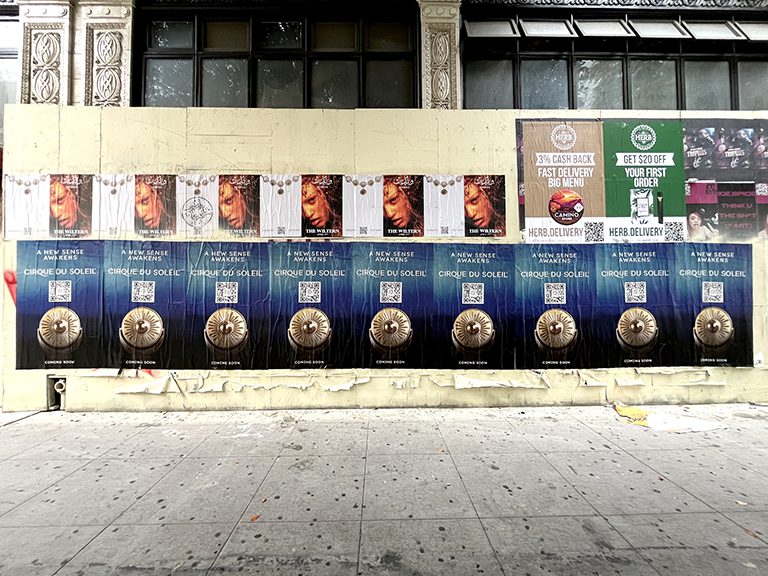
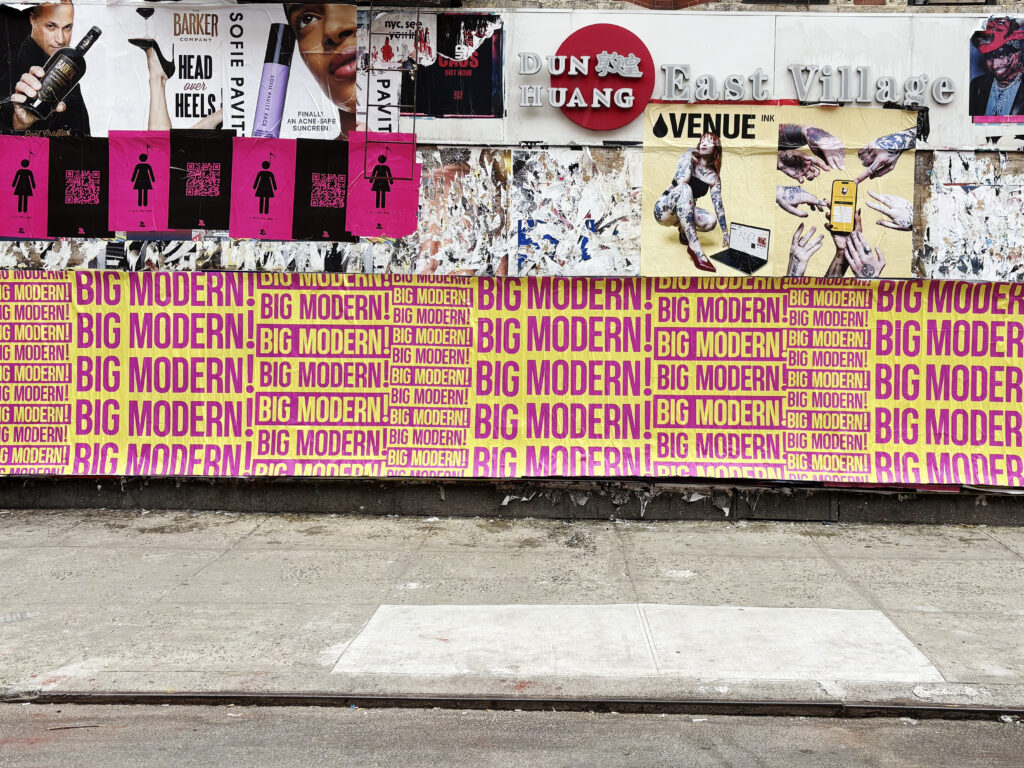
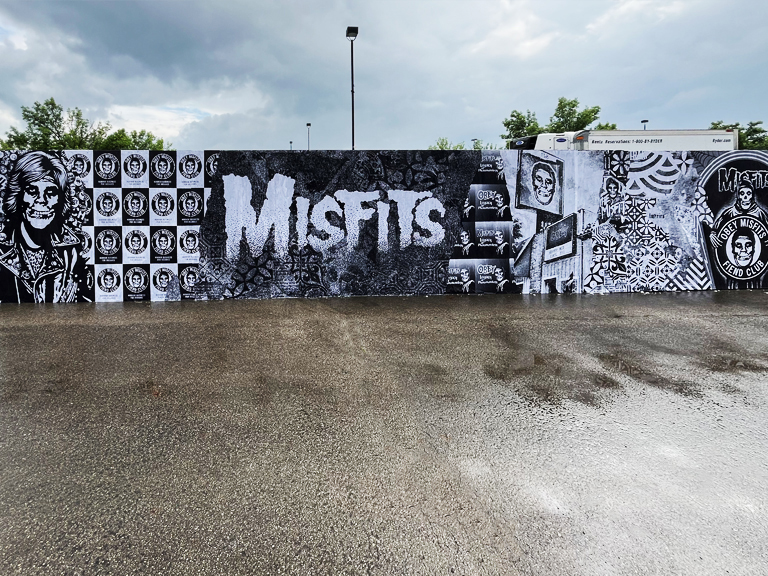
Wheatpasted poster campaigns on legal surfaces in Mobile’s Midtown, downtown, and the Old Dauphin Way corridor, which runs parallel to and just north of Government Street through some of Mobile’s most walkable historic neighborhoods, create large-format impressions for riders and pedestrians moving through the same corridors The Wave serves.
The Wave’s advertiser base reflects the system’s coverage of the full Mobile County economic geography. USA Health System and the Infirmary Health System are among the most consistent transit advertisers in the Mobile market, using bus and shelter placements to reach patients, recruit clinical workers, and promote service lines across the communities the system serves. Spring Hill College uses Wave advertising for enrollment and campus programming, reaching the student-age demographic moving through the Spring Hill Avenue corridor. Regional banks and credit unions with Government Street and Airport Boulevard branches use shelter advertising because proximity to store locations converts impressions to foot traffic with measurable frequency in this format.
QSR and fast food brands along the Airport Boulevard and Tillman’s Corner commercial corridor are consistent shelter advertisers for the proximity-to-purchase effect. Legal and insurance services targeting Mobile’s working-class communities run interior card campaigns on the Prichard and north Mobile routes. Entertainment venues and event promoters use Wave advertising for concerts and events at the Saenger Theatre on Joachim Street and other downtown Mobile venues. The Mobile Convention Center and city tourism initiatives use system-wide campaigns to reach visitors and residents with event and attraction information.
Yes. The Baylinc service operates Wave vehicles with the same interior advertising formats available on the city routes: king and queen posters, interior cards, seat-back displays, and exterior tail displays. The Baylinc route is a particularly strong advertising environment for brands targeting both the Mobile downtown audience and the Baldwin County Eastern Shore demographic, as the single route serves both communities. Contact AGM about current Baylinc interior availability and pricing for a crossbay advertising package.
The Wave Transit System carries several thousand daily riders across its fixed-route network, with ridership concentrated on the Government Street downtown corridor, the Spring Hill Avenue service, and the north Mobile routes serving Prichard and Chickasaw. Daily ridership varies by route and season, with consistent commuter patterns on weekdays and reduced but meaningful service ridership on weekends. AGM reviews current Wave ridership data when building campaign media plans so interior and shelter placements are placed on routes that reflect the actual current ridership numbers rather than historical estimates.
Yes. Advertising on The Wave can be structured as a specific route buy rather than a full system campaign. For advertisers whose target audience is concentrated in the downtown Mobile and Government Street corridor, AGM can place interior cards or posters specifically on the routes serving that geography. This route-specific approach gives local businesses in the downtown core, Legal, and government district a precise, cost-appropriate entry into Wave transit advertising without committing to system-wide coverage.
The Wave operates a downtown Mobile trolley service that loops through the historic downtown district, connecting key destinations along Government Street, Royal Street, and the waterfront area near the Mobile Convention Center and the Arthur R. Outlaw Mobile Convention Center. The trolley is used by a combination of downtown workers, tourists visiting the historic district and the USS Alabama Battleship Memorial Park ferry terminal, and residents of the downtown residential district that has been growing around the historic core. Interior advertising on the downtown trolley reaches a distinctly tourism-heavy and discovery-oriented audience compared to the commuter-weighted fixed routes, making it a good placement for hospitality, restaurant, and entertainment brands targeting visitors and downtown residents.
Standard interior card and poster campaigns on The Wave generally require two to four weeks of lead time from artwork submission to installation. Premium shelter placements may require four to six weeks for popular positions on the Government Street and Spring Hill corridors. Full bus wraps require the most lead time due to installation coordination and require five to six weeks from confirmed booking to installation. AGM recommends starting the conversation at least four weeks before your intended campaign launch date to ensure availability and proper production time.
AGM’s Wave advertising placement focuses on the fixed-route fleet where interior advertising inventory is standardized and ridership is consistent and predictable. The Wave’s paratransit and demand-response vehicles serve a different operational model that is less suited to standard interior advertising placements. For campaigns specifically targeting the mobility-impaired or elderly ridership that uses Wave’s paratransit service, AGM can advise on alternative formats including shelter advertising at the specific stop locations these riders most frequently use.
Yes, and the Baylinc crossbay route creates a natural geographic link between a Mobile Wave campaign and a Baldwin County advertising effort. Brands targeting the full Mobile Bay regional market can combine Wave interior and shelter advertising on the Mobile side with shelter advertising at key Baylinc stops in Spanish Fort, Daphne, and Fairhope on the Baldwin County side. AGM has placed advertising campaigns in both markets and can structure a campaign that bridges the bay without requiring two separate media buys from two separate sources.
Beyond the core Government Street and Spring Hill Avenue corridors, The Wave serves Theodore and Tillman’s Corner on the west side via Airport Boulevard and Rangeline Road, Prichard and Chickasaw on the north via US-43, the Mobile Regional Airport area on routes running along Airport Boulevard east of downtown, and the neighborhoods south of downtown through the Dauphin Street and Old Shell Road corridors. The Baylinc service extends coverage to Spanish Fort, Daphne, Fairhope, and Point Clear in Baldwin County. This geographic spread means The Wave’s advertising network covers effectively the full Mobile metro market and extends into the fastest-growing coastal Alabama market across the bay.
Yes. AGM places transit advertising across Alabama systems including MAX Transit in Birmingham, the Montgomery Area Transit System, and systems in Tuscaloosa. We also work nationally across more than 500 campaigns in transit markets coast to coast. Our Alabama experience means we understand the specific characteristics of each system’s ridership, inventory, and pricing, and we can help you make placement decisions that reflect the actual performance characteristics of the market rather than generic estimates from national transit advertising rate books.
The Wave has been an active participant in regional transit planning discussions for Mobile County, and the broader growth of Mobile’s economy around the Airbus assembly facility, the expansion of USA Health’s medical complex, and the downtown residential development along the waterfront all create conditions for transit service expansion. As routes expand and ridership grows, the advertising inventory on The Wave will increase in both quantity and demographic reach. Brands that establish transit advertising relationships in Mobile markets now are positioned to scale those campaigns as the system’s audience grows. AGM monitors Wave’s service development and keeps clients informed of new advertising opportunities as route and shelter inventory develops.