American Guerrilla Marketing
Nationwide serivce
Media planning, media buying, billboard advertising, & guerrilla marketing
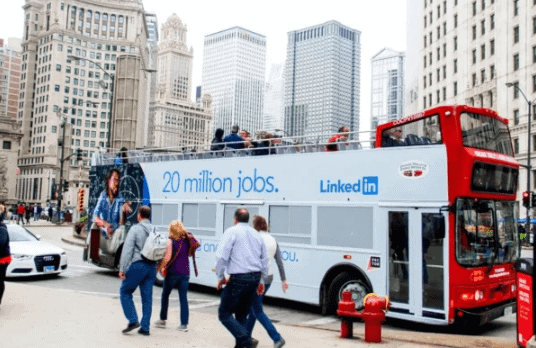
American Guerrilla Marketing places interior and exterior advertising on The Tuscaloosa Trolley serving downtown’s Greensboro Avenue entertainment district, The Strip near UA, and the Black Warrior Riverfront. We reach the entertainment and student demographic where they go out.
Downtown Tuscaloosa after dark belongs to a specific kind of audience: the students and young adults who move between the restaurant and bar corridor on Greensboro Avenue, the University Strip along University Boulevard near the UA campus, and the riverfront development along the Black Warrior. The Tuscaloosa Trolley is the transit vehicle that moves them through this entertainment geography, running a loop that connects the campus edge to the heart of Tuscaloosa’s nightlife and dining district. The trolley is free to ride, which means uptake is high among exactly the 21-to-30 demographic that every entertainment, beverage, food, and lifestyle brand in the market is trying to reach on Thursday, Friday, and Saturday evenings when downtown Tuscaloosa activates.
Advertising on The Tuscaloosa Trolley is a direct channel to a specific consumer moment: the discovery and decision window when young adults are out in the city, spending money, and open to brand suggestions in a way that their commute-to-class or routine-grocery-shopping moments simply are not. The trolley interior and exterior are a media environment that travels through the entertainment district itself, reaching riders who are already in their spending mode and who will encounter restaurants, bars, and retail within steps of the trolley stops where they disembark.
AGM has placed transit advertising campaigns in entertainment-district transit environments across markets from New Orleans to Nashville. The Tuscaloosa Trolley is a compact system that runs through one of the most concentrated entertainment districts in a mid-sized Southern city. The advertising opportunity is specific, seasonal, and highly targeted rather than mass-market, and that specificity is precisely its value for the right advertiser category.
AGM places interior and exterior advertising on The Tuscaloosa Trolley serving downtown Greensboro Avenue, The Strip, and the Black Warrior Riverfront. Reach the Tuscaloosa entertainment demographic where they go out.
The Tuscaloosa Trolley serves the entertainment district that UA students and Tuscaloosa young adults actually use for going out. Greensboro Avenue from around Jack Warner Parkway through the downtown core to the riverfront area hosts the bars, restaurants, and live music venues that anchor Tuscaloosa’s nightlife economy. The Strip along University Boulevard just north of the campus formal entrance is the student-focused restaurant and bar corridor with Innisfree Irish Pub, The Houndstooth Sports Bar, and the collection of food and entertainment businesses that students frequent during the academic year and especially during football weekends.
The trolley runs when the entertainment district is active: evenings and weekends during the academic year, and particularly on Alabama football home game weekends when the entire Tuscaloosa entertainment zone is at its highest population and most intensive commercial activity. The combination of regular evening service during the school year and the extraordinary game day weekends creates an advertising environment that reaches the UA entertainment demographic with the highest possible frequency during their highest-spending periods.
The Tuscaloosa Trolley exterior is also a brand presence in the entertainment district itself. The trolley vehicle moving through Greensboro Avenue and University Boulevard past the restaurant and bar facades of the entertainment district is seen by pedestrians, vehicle traffic, and the sidewalk crowds that spill out of The Strip establishments on warm Tuscaloosa evenings. An exterior wrap or prominent exterior advertising on the trolley creates a brand presence within the entertainment district environment that carries the brand into the visual field of the full pedestrian audience, not just the riders on board.
The Greensboro Avenue corridor through downtown Tuscaloosa runs from the Jack Warner Parkway bridge area north to the historic downtown blocks near the Tuscaloosa County Courthouse and the city’s main commercial and entertainment district. The restaurants, bars, and event venues on Greensboro Avenue draw Tuscaloosa’s entertainment audience on Thursday through Saturday evenings, and the trolley that runs this corridor picks up riders who are moving between venues, connecting from the UA campus area to the downtown entertainment zone, or heading from parking areas to the bar district. The interior of the trolley during these peak entertainment hours is a brand environment shared with a highly engaged, socially oriented, spending-ready audience.
Interior advertising on the Greensboro Avenue trolley loop reaches riders who are already in a consumer decision frame of mind. They have chosen to go out. They have money in their pockets or cards in their hands. They are actively looking for experiences, and a brand message in the trolley interior that connects to the experience they are already pursuing is received with a receptiveness that commuter-mode advertising cannot replicate. For restaurant, bar, entertainment, consumer technology, and lifestyle brands targeting the Tuscaloosa 21-to-30 demographic, the Greensboro Avenue trolley interior during Thursday-Saturday service is one of the most direct placement environments available in the market.
Best advertiser categories: restaurants and bars on or near Greensboro Avenue and the downtown strip, entertainment venues in the Tuscaloosa downtown district, consumer beverages targeting the 21-plus audience, lifestyle and fashion brands, mobile payment and app brands targeting young adults, and entertainment subscription services.
The Strip on University Boulevard at the northern approach to the UA campus is where students and young Tuscaloosa residents go for the casual bar and restaurant experience adjacent to the academic environment. The trolley service connecting The Strip to the downtown Greensboro Avenue corridor creates a transit link between the two primary entertainment zones of Tuscaloosa’s nightlife economy. Riders boarding at Strip stops are predominantly UA students who are moving between the campus-adjacent entertainment zone and the downtown district, or who are heading home from a night out and prefer the trolley to a rideshare during the peak demand windows when surge pricing makes ride apps expensive.
Interior advertising at The Strip end of the trolley route reaches the UA student demographic in their social and entertainment mode. This is not the student on the CrimsonRide commuter bus heading to class at 8:00 AM. This is the student heading downtown on a Thursday evening or returning from Greensboro Avenue at midnight. The advertising that works in this context is entertainment-oriented, brand-aware, and visually striking: the kind of creative that gets noticed and shared in a social environment rather than the information-dense messaging that works for a commuter with 30 minutes to read about healthcare enrollment.
Best advertiser categories: bars and restaurants along The Strip corridor and downtown, music venues and entertainment experiences, consumer electronics and apps targeting the student social experience, food delivery brands for late-night post-outing orders, financial products targeting the student transition to financial independence, and brands with UA or SEC football cultural connections.
Tuscaloosa’s Black Warrior River waterfront has been the subject of significant development investment over the past decade, with the Riverwalk connecting the downtown area to the amphitheater and the riverfront park infrastructure that hosts summer concert series, festivals, and community events. The trolley route serving the riverfront area adds a destination tourism and event attendance audience to the entertainment-district ridership, particularly during the warmer months when riverfront programming draws attendees from across Tuscaloosa and beyond.
The riverfront trolley stops serve an audience that is specifically destination-oriented: they came downtown with a purpose and they are in an exploratory, experience-seeking consumer state. For hospitality, restaurant, entertainment, and consumer experience brands that want to reach Tuscaloosa residents and visitors during their highest-engagement moments in the city’s public space, the riverfront trolley stop advertising positions and the interior exposure on the riverfront route represent a placement environment with no equivalent in the Tuscaloosa market.
Best advertiser categories: riverfront and downtown restaurants, tourism and hospitality brands, summer festival and event promotions, outdoor recreation and lifestyle brands, and any brand whose campaign benefits from association with the outdoor, social, and community experience of Tuscaloosa’s riverfront entertainment district.
On Alabama Crimson Tide home football game days, The Tuscaloosa Trolley amplifies its service to accommodate the surge of students, alumni, and visitors flooding the entertainment district before and after games at Bryant-Denny Stadium. The trolley becomes a connector between the off-campus parking areas, the entertainment district, and the stadium approach during the game day sequence, carrying a ridership whose size and spending intensity on game days dwarfs the regular evening service by a factor that varies by opponent and occasion but consistently reflects the energy of SEC football weekends in Tuscaloosa.
Game day trolley advertising reaches an audience that is not just the regular Tuscaloosa student demographic. It includes alumni who graduated years or decades ago and return to Tuscaloosa specifically for game weekends, out-of-town visitors who have limited exposure to Tuscaloosa outside these game day visits, and the full economic cross-section of the Alabama football attending public. For brands with SEC football cultural resonance, a presence on The Tuscaloosa Trolley during game day service connects the brand to the cultural event that Tuscaloosa is nationally associated with more than any other single phenomenon.
Best advertiser categories: QSR and food brands targeting the game day spending surge, consumer beverage brands with college football cultural positioning, retail and merchandise brands in the Tuscaloosa game day commerce ecosystem, financial services brands targeting the alumni demographic, and hospitality brands reaching the out-of-town Alabama football visitor audience.
What it is: A complete exterior wrap on The Tuscaloosa Trolley vehicle, turning the transit vehicle into a mobile brand experience that moves through the entertainment district and is seen by the full pedestrian and vehicle audience of Greensboro Avenue and University Boulevard.
Best for: Entertainment brands, consumer beverage brands, lifestyle brands, and any advertiser that wants a visual presence in Tuscaloosa’s entertainment district that is distinctive, memorable, and impossible to ignore. The trolley format is inherently a social experience, and a well-executed full wrap on the trolley vehicle generates social media photography from the exact audience a brand in this category wants to reach.
Why buy it: The Tuscaloosa Trolley is a trolley, not a bus. Its form factor is distinctive and photographed regularly by students and visitors documenting downtown Tuscaloosa. A wrapped trolley in the entertainment district during the fall semester and game day season is a moving piece of brand art that lives in the social media feeds of the 18 to 30 Tuscaloosa audience. This is a brand activation as much as it is an advertising placement, and for brands that want to generate authentic college-town social media presence alongside direct advertising impressions, the Tuscaloosa Trolley wrap is one of the most unique inventory units in the Alabama market. Contact AGM for Tuscaloosa Trolley wrap pricing and availability.
What it is: A large-format interior posting running along the upper interior walls of the trolley vehicle, visible to all riders throughout the entertainment district service loop.
Best for: Brand awareness campaigns targeting the Tuscaloosa entertainment demographic during the academic year. A king poster inside the Tuscaloosa Trolley during the fall semester reaches the full entertainment-district ridership across every Thursday-Saturday service cycle.
Why buy it: The trolley interior is a uniquely social advertising environment. Riders on The Tuscaloosa Trolley are not commuting in silence with their headphones in. They are talking to friends, photographing the evening, and genuinely interactive with their environment in a way that transit riders in standard commuter modes are not. A king poster in this environment receives active notice, is discussed among the rider group, and is photographed as part of the general documentation of the evening. For creative brands that design for the social sharing behavior of the 21-to-30 demographic, the Tuscaloosa Trolley interior is a genuinely high-attention advertising environment.
What it is: A mid-format interior posting in the trolley vehicle, positioned at the front or rear of the interior seating area.
Best for: Specific promotional campaigns, event date announcements, and short-duration buys timed to specific Alabama football game weekends or Tuscaloosa entertainment events.
Why buy it: The queen poster on the Tuscaloosa Trolley is the right format for businesses running event-specific promotions. A downtown Tuscaloosa restaurant running a pre-game special, a bar promoting a game day event, or an entertainment brand activating around a specific UA home game can buy queen poster placement on the trolley for the specific period of the promotion rather than committing to a full semester-length campaign.
What it is: A horizontal card at the front interior of the trolley, visible to riders boarding at every stop on the entertainment district loop.
Best for: Brand discovery messaging and simple promotional announcements targeting riders at the boarding moment when they step onto the trolley at stops along Greensboro Avenue and University Boulevard.
Why buy it: The boarding moment on The Tuscaloosa Trolley happens when riders are animated, social, and specifically in a city-experience frame of mind. The headliner at this moment is not competing with a zoned-out commuter mental state. It catches riders at an attention peak in their evening out. For brands with a simple, high-recall message that works in the entertainment context, the headliner boarding moment on the trolley is a high-attention placement that most advertising formats cannot replicate.
What it is: An exterior rear-panel advertisement on the trolley, visible to vehicle traffic following behind on Greensboro Avenue and University Boulevard through the entertainment district.
Best for: Brands targeting the vehicle traffic moving through the Tuscaloosa entertainment district on Thursday, Friday, and Saturday evenings, including the drivers circulating through the bar and restaurant district looking for parking.
Why buy it: The vehicle traffic on Greensboro Avenue and University Boulevard on Tuscaloosa entertainment evenings includes a significant portion of drivers who are circling for parking or moving through the entertainment district without necessarily boarding the trolley. These are the same young adults and entertainment-district visitors that the trolley interior targets, and the tail display reaches them in the same geographic environment without requiring them to board the vehicle. For brands whose target is the full entertainment district audience rather than specifically the trolley riders, the tail display is the format that bridges the trolley interior and the street audience.
What it is: Distributed card placements throughout the trolley interior at card holder positions near windows and seats.
Best for: Local Tuscaloosa bars, restaurants, and entertainment businesses, event promoters, and any advertiser with a specific promotional message for the downtown Tuscaloosa entertainment audience.
Why buy it: Interior cards on The Tuscaloosa Trolley are the most accessible advertising entry point for downtown Tuscaloosa businesses targeting the entertainment district audience. A new restaurant on Greensboro Avenue, a bar promoting a new menu, or an event promoter advertising a show at the Riverwalk Amphitheater can place interior cards on the trolley for a budget that reflects local business economics. The distributed card placement ensures the promotional message reaches riders throughout the vehicle at multiple card positions during their trip.
What it is: Cards at reading distance on trolley seat backs, seen by the rider in the row behind throughout the trip.
Best for: QR codes driving direct response from trolley riders: menu links, reservation systems, event ticket purchase, and any call to action that benefits from the rider having their phone in hand during the trolley trip.
Why buy it: Tuscaloosa Trolley riders in the entertainment district are among the most phone-active advertising audiences in any transit format. They are already using their phones to share the evening on social media, text their friends about where to go next, and document the experience. A seat-back QR code that connects to a relevant offer, a reservation, a social media follow, or a promotional download captures that active phone-in-hand behavior at the moment when it is already happening. For digital brands, local restaurants with OpenTable integration, and entertainment businesses with mobile ticketing, the seat-back QR code on the Tuscaloosa Trolley is a direct-response placement that works specifically because the audience is already in a digital engagement mode.
What it is: Cards in the overhead panel of the trolley visible to standing riders during the busiest service periods in the entertainment district loop.
Best for: Peak entertainment evening placements when the trolley is at full standing load during the Thursday-Saturday service peaks on the Greensboro Avenue and Strip corridors.
Why buy it: The trolley fills to standing loads on the busiest Tuscaloosa entertainment evenings, particularly on game day Saturdays and during major UA events. During these peaks, the overhead card is at direct eye level for standing riders who are alert, engaged, and in a discovery frame of mind. The overhead format on these peak nights reaches the largest trolley audience in the most active consumer state that transit advertising anywhere in Tuscaloosa delivers.
What it is: Perforated vinyl on trolley windows, visible from outside as a full graphic while riders inside maintain visibility through the material.
Best for: Brand presence in the visual field of the entertainment district pedestrian audience on Greensboro Avenue and University Boulevard, extending the trolley advertising from the interior rider audience to the full street audience.
Why buy it: The pedestrian density on Tuscaloosa’s entertainment corridors on Thursday, Friday, and Saturday evenings means the window vinyl on The Tuscaloosa Trolley is visible to hundreds of people per trolley pass through the district. A trolley with vinyls rolling past the outdoor seating areas of Greensboro Avenue restaurants, past the sidewalk crowds on The Strip, and past the event arrivals at the riverfront amphitheater is a moving brand billboard in the entertainment district’s most active pedestrian environment. For brands whose visual identity benefits from the entertainment district context, the window vinyl places the brand directly in that visual landscape for the full service period.
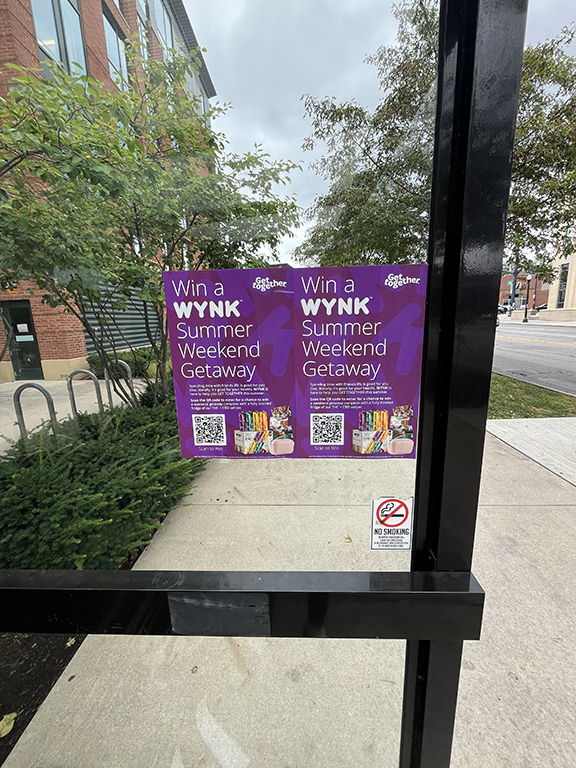
The Tuscaloosa Trolley maintains stop infrastructure at key points along the entertainment district loop, with covered positions at the primary boarding and alighting points on Greensboro Avenue, at The Strip near University Boulevard, and at the riverfront area. These trolley stop positions accumulate impressions from the entertainment district pedestrian audience throughout the service period, reaching both trolley riders and the non-riding foot traffic that moves past the stops in the course of their own entertainment district experience.
The trolley stop positions in the heart of the Greensboro Avenue entertainment district sit within the maximum-density pedestrian zone of Tuscaloosa’s nightlife geography. On Thursday, Friday, and Saturday evenings during the fall semester, the sidewalks of Greensboro Avenue in the core entertainment block carry thousands of pedestrians moving between bars, restaurants, and live music venues. Shelter and stop advertising at these positions is seen by the full pedestrian volume of the entertainment district, not just by trolley riders, creating a placement that reaches the entertainment district audience regardless of whether they choose to ride the trolley or walk the corridor on foot.
The trolley stop at The Strip near University Boulevard is the gateway between the UA campus and the student entertainment district. Students stepping off campus onto University Boulevard heading toward the bar and restaurant corridor board the trolley here, and the stop advertising is positioned at the decision point where students choose their evening destination in the entertainment district. For brands targeting the student entertainment consumer at the moment they commit to an evening out, the University Strip trolley stop is the most contextually specific placement in the Tuscaloosa transit advertising inventory.
The trolley stop serving the Black Warrior Riverfront and Riverwalk Amphitheater area draws event audiences on the evenings of Riverwalk concerts, summer festival programming, and the seasonal events that bring audiences to the riverfront development. Stop advertising at this location reaches a destination-specific audience with a strong entertainment and consumer orientation. During summer and event season, this stop serves as the primary connection between the downtown entertainment district and the riverfront, making it a high-traffic position during the periods when Tuscaloosa’s outdoor entertainment programming is most active.
What it is: A full backlit panel in a covered Tuscaloosa Trolley stop shelter at a primary entertainment district position.
Best for: Brands that want a day-and-night presence in Tuscaloosa’s entertainment district at the physical locations where the entertainment audience gathers, waits, and makes consumer decisions during their evenings out.
Why buy it: At $3,850 for a four-week cycle, a premium shelter display on the Greensboro Avenue entertainment district stop is an advertising presence in the most visually active consumer environment in Tuscaloosa. The backlit format extends visibility into the evening and nighttime hours when the entertainment district is at its most active, creating a branded illuminated presence within the entertainment zone during the exact hours when the target audience is out and spending.
What it is: A mid-size panel at a Tuscaloosa Trolley stop shelter, positioned for visibility to the entertainment district pedestrian and rider audience.
Best for: Local Tuscaloosa entertainment businesses, event promoters, and restaurants targeting the entertainment district foot traffic at specific trolley stop locations.
Why buy it: At $850 for a four-week cycle, the junior poster at a Tuscaloosa Trolley stop gives local entertainment businesses and event promoters a legitimate physical presence in the entertainment district advertising environment. A new downtown Tuscaloosa bar, a restaurant promoting a specific night’s programming, or a Tuscaloosa event promoter can place a junior poster at the most relevant trolley stop for their location and achieve four weeks of entertainment-district consumer exposure at a local business price point.
What it is: A bench advertisement at a Tuscaloosa Trolley stop, visible to seated waiting riders and the pedestrian and vehicle traffic adjacent to the stop in the entertainment district.
Best for: Sustained entertainment district presence at specific trolley stop locations, particularly at the Greensboro Avenue core stops where foot traffic density is highest during the Thursday-Saturday entertainment peaks.
Why buy it: At $700 for a four-week cycle, the transit bench at a Tuscaloosa Trolley entertainment district stop is the most accessible entry point to this advertising environment. For a local business, a community organization, or an event promoter, a bench at the right trolley stop provides four weeks of continuous visibility in Tuscaloosa’s most active consumer environment at a cost that reflects the local market scale.
The Tuscaloosa Trolley’s entertainment district corridor is a natural guerrilla marketing environment. The pedestrian density, the visual culture of the student and entertainment audience, and the general openness to discovery that characterizes going out in a college town make the Greensboro Avenue and Strip corridors ideal for AGM’s street-level formats alongside a trolley advertising campaign.
Snipe advertising along Greensboro Avenue, at the trolley stop positions on The Strip, and at the pedestrian intersections of the entertainment district creates repeated visual contact with the same audience the trolley interior campaign is reaching. A brand that appears on the trolley interior is also present at the corners and stop positions where riders step off and begin their entertainment district experience, completing the brand encounter at street level after the transit exposure ends.
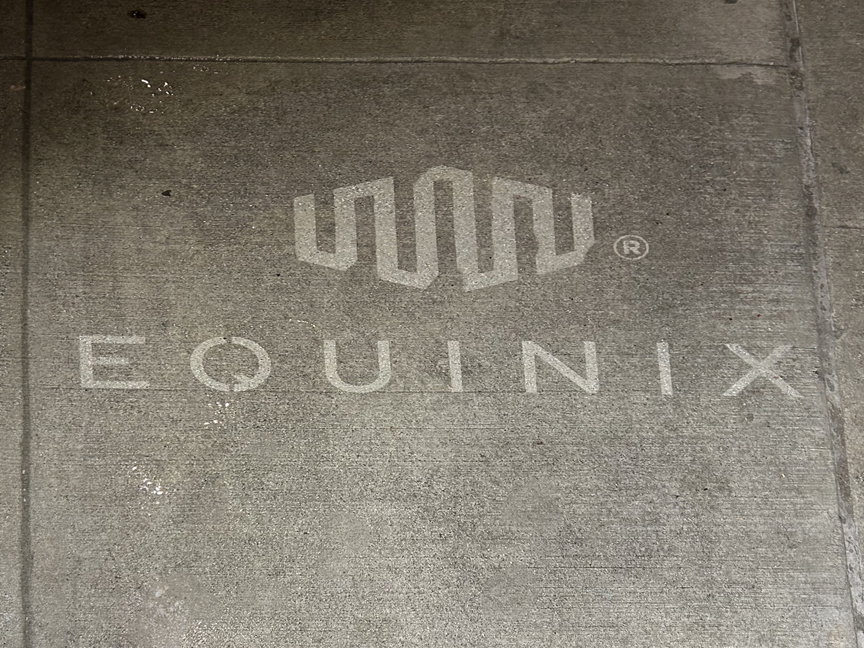
Sidewalk stencils at the primary trolley stops on Greensboro Avenue and at The Strip UA campus approach create a ground-level brand presence that entertainment district pedestrians walk over and photograph as part of the evening’s visual experience. Stencils in the entertainment district have a social media photography rate that far exceeds equivalent placements in commuter contexts because the audience is specifically in a documentation and sharing frame of mind.
Take-one flyers at the bars, restaurants, and entertainment venues along the Greensboro Avenue and Strip corridors extend the trolley advertising message into the physical environments where the audience spends their evenings after stepping off the trolley. A flyer at Innisfree Irish Pub or at a Greensboro Avenue restaurant reinforces the brand that the rider saw on the trolley earlier in the evening.
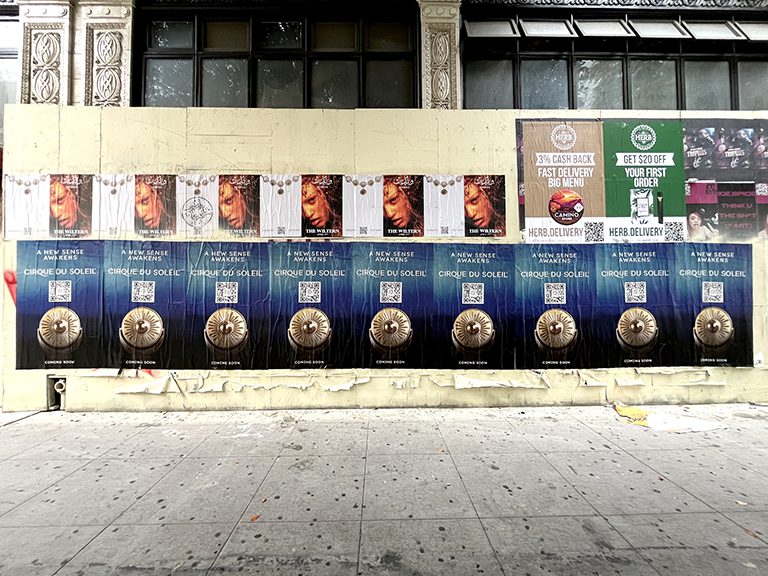
Wheatpasted poster campaigns on legal surfaces in Tuscaloosa’s entertainment district, particularly in the visual corridor along Greensboro Avenue approaching the core entertainment block from the campus side and in the alley and side-street positions visible from the main entertainment drag, create large-format impressions for the walking entertainment district audience that the trolley’s mobility alone cannot deliver.
Entertainment district businesses, including restaurants, bars, and live music venues along Greensboro Avenue and The Strip, use the Tuscaloosa Trolley for direct proximity-to-venue advertising during the academic year entertainment season. Consumer brands targeting the 21-to-30 college-town demographic use the trolley for student market activation during the fall semester, particularly around Alabama football game weekends when the entertainment district audience is at maximum size. Event promoters for Tuscaloosa entertainment events, including the Riverwalk amphitheater concert series, use the trolley for event awareness campaigns in the weeks preceding major shows. UA Athletics uses the trolley for fan experience campaigns and event promotion during home game seasons. National brands launching in the Alabama college market use the trolley as part of campus activation campaigns that combine the trolley’s entertainment district presence with CrimsonRide campus interior placements for comprehensive UA market coverage.
The Tuscaloosa Trolley primarily operates during evening and weekend hours to serve the entertainment district’s peak activity periods, with extended service on Alabama home football game days. Specific operating schedules vary by season and special event calendar. During the UA academic year fall semester, the trolley runs its most intensive service schedule aligned with the Thursday, Friday, and Saturday evening entertainment district peaks and the Saturday home football game schedule. AGM provides current trolley operating schedule information during campaign planning to ensure advertising placements are active during the service periods when ridership is highest.
The three Tuscaloosa transit systems serve genuinely distinct audiences and moments. CrimsonRide reaches UA students during their academic commute between campus and off-campus housing. Orbit reaches the working adult Tuscaloosa community during daily commute and errand trips. The Tuscaloosa Trolley reaches the entertainment district audience, primarily students and young adults, during their evening and weekend entertainment activities. For brands targeting the student or young adult entertainment consumer specifically in the context of their going-out behavior, the Tuscaloosa Trolley is the only transit format in the market that reaches that audience at that specific moment. For brands targeting the broader Tuscaloosa market, a combined buy across all three systems provides comprehensive coverage of the city’s full transit audience.
In addition to standard interior and exterior advertising formats, The Tuscaloosa Trolley may have event sponsorship and naming opportunities available for specific high-visibility periods like Alabama home football weekends and Tuscaloosa entertainment events. Contact AGM about event sponsorship and branded experience options beyond standard advertising placement, particularly for brands that want a more immersive association with the Tuscaloosa entertainment district during peak game day and event periods.
Yes. Trolley advertising campaigns can be structured for specific dates or periods rather than full-semester commitment. For brands activating around specific Alabama football home games, a four-week campaign that covers a specific game weekend and its surrounding entertainment district activity is available. Game day targeted campaigns are appropriate for brands with specific SEC football cultural connections, for product launches timed to the fall Alabama football season, and for businesses with promotional activities tied to specific game weekend dates. AGM advises on the available inventory and format options for game-day targeted Tuscaloosa Trolley campaigns.
The Tuscaloosa Trolley’s primary operating season aligns with the UA academic year, particularly the fall semester when entertainment district activity is at its highest. Summer service may be reduced or modified to reflect lower student enrollment and reduced entertainment district activity between May and August. For brands targeting the UA student entertainment demographic specifically, fall semester campaigns are the most effective window for trolley advertising. Summer campaigns are appropriate for brands targeting the permanent Tuscaloosa resident entertainment audience that uses the downtown district even during the reduced-enrollment summer months.
AGM tracks Tuscaloosa Trolley campaign effectiveness through ridership data, photographic documentation of placements, and, for campaigns using QR codes in seat-back or interior card formats, direct digital response measurement from trolley riders. Impression estimates are calculated using available trolley ridership data for the campaign period, and the pedestrian audience adjacent to stop shelter positions can be estimated using foot traffic data from the entertainment district. Post-campaign reporting from AGM includes all documentation and available measurement data so advertisers can evaluate the campaign’s reach against their objectives.
Yes, and AGM specifically recommends integrating Tuscaloosa Trolley advertising with complementary street-level guerrilla formats on Greensboro Avenue and The Strip for campaigns targeting the Tuscaloosa entertainment demographic. A campaign that runs interior trolley ads, exterior window vinyls, sidewalk stencils at stop positions, snipe placements at entertainment district intersections, and take-one materials at the venue destinations creates a comprehensive brand presence across the full entertainment district environment. This integrated approach is how AGM structures campus-market and entertainment-district activation campaigns, and the Tuscaloosa entertainment district, with its concentrated foot traffic and visually engaged audience, is one of the most responsive environments for this integrated format strategy.
The Tuscaloosa Trolley audience is young, visually sophisticated, and socially oriented, which means the creative that performs best in this environment is bold, visually distinctive, and speaks to the entertainment and social context of the evening rather than the rational information-processing mode of a commuter environment. High contrast, strong visual hierarchy, and a single clear message or call to action outperform text-heavy, information-dense formats. QR codes should link to mobile-optimized landing pages or direct actions rather than standard desktop-format websites. Humor, cultural references to UA or Tuscaloosa, and creative that rewards discovery or sharing perform above average in the trolley interior and stop environment compared to standard brand positioning creative.
Standard Tuscaloosa Trolley advertising campaigns follow the four-week minimum cycle that is standard for transit advertising placements. For event-specific campaigns tied to individual game weekends or entertainment events, shorter engagement structures may be available. AGM advises on minimum commitment requirements and campaign structure options based on the specific format and inventory position the advertiser is targeting. For full-semester awareness campaigns, four to sixteen weeks covering the full fall academic semester is the standard recommendation for building the frequency needed for brand recall among the entertainment district audience.
The Tuscaloosa Trolley runs specifically through the downtown entertainment district corridors on Greensboro Avenue, University Boulevard near The Strip, and the riverfront area, with a service orientation toward the entertainment and social use case rather than the commuter and city-bus use case that Orbit serves. The two systems overlap geographically in the downtown and University Boulevard areas but serve different riders at different times of day for different purposes. The trolley operates primarily evenings and weekends; Orbit operates primarily during daytime commute hours. For a complete Tuscaloosa transit advertising strategy that covers both the city’s commuter and entertainment audiences, AGM recommends a combined Orbit-Trolley plan covering both systems’ distinct service windows and demographic profiles.