American Guerrilla Marketing
Nationwide serivce
Media planning, media buying, billboard advertising, & guerrilla marketing

American Guerrilla Marketing places interior bus and shelter advertising on Orbit, the City of Tuscaloosa’s fixed-route bus system. DCH Medical Center corridors, downtown, Northport, and the McFarland commercial strip. Direct execution.
Tuscaloosa is shaped by two forces that rarely coexist so visibly in a mid-sized American city: the University of Alabama, which dominates the city’s culture and economy from its campus west of downtown, and the working-class and working-adult communities of West Tuscaloosa, Northport, and the neighborhoods that existed before the university became the economic center of gravity it is today. Orbit, the City of Tuscaloosa’s municipal bus system, serves the second Tuscaloosa: the residents, workers, and families who move through this city on routes that connect the neighborhoods west of McFarland Boulevard and north across the Black Warrior River to Northport, to the DCH Regional Medical Center on Ninth Avenue East, to the downtown commercial and government district, and to the community services and retail destinations that non-student Tuscaloosa residents depend on for daily life.
Advertising on Orbit reaches a Tuscaloosa audience that CrimsonRide does not: the working adult community, the healthcare workforce, the Northport families who cross the river for employment and services, and the transit-dependent residents of West Tuscaloosa neighborhoods who use Orbit for their daily commute and errands. This is the Tuscaloosa that lives here year-round rather than leaving for summer and holidays, the community with strong local retail loyalty, consistent healthcare utilization, and genuine awareness of physical advertising in their transit environment because the bus is a central part of their daily movement infrastructure.
AGM has placed transit campaigns in mid-sized Southern markets for 10-plus years. Tuscaloosa’s dual character as a university town and a working-class city means the advertising opportunity on Orbit is distinct from the CrimsonRide student market even when the two systems share overlapping geographic corridors. The Orbit rider demographic is older (primarily 25 to 65), more diverse in employment sector (healthcare, retail, services, government), and more deeply embedded in the local community and economy than the transient student ridership that characterizes CrimsonRide.
AGM places interior bus and shelter advertising on Orbit routes serving the full Tuscaloosa community. Tell us your target and we'll build the route and shelter plan that reaches them.
DCH Regional Medical Center on Ninth Avenue East is the largest employer in Tuscaloosa outside the university. The hospital employs thousands of clinical and support staff and serves as the primary healthcare destination for Tuscaloosa County and the surrounding communities. Orbit routes serving the DCH corridor carry a healthcare worker demographic: nursing staff, lab and radiology technicians, environmental services workers, and administrative employees who commute from West Tuscaloosa, Northport, and the surrounding neighborhoods to one of the largest medical complexes in western Alabama. This is a working-adult, middle-income demographic with strong everyday consumer needs and genuine awareness of the advertising environment during their transit commute.
The West Tuscaloosa residential communities served by Orbit routes running along 15th Street, Lurleen Wallace Boulevard, and the corridors connecting to the Druid City neighborhood have a transit ridership that is primarily African American, working class to lower-middle income, and strongly community-oriented. Brands that speak to the everyday consumer needs of this community, healthcare, financial services, grocery and pharmacy, telecommunications, and employment services, reach an audience that is genuinely underserved by digital advertising campaigns and that shows above-average engagement with physical advertising in their transit environment.
Northport is a separate municipality directly across the Black Warrior River from Tuscaloosa, connected by the US-82 bridge and sharing the broader Tuscaloosa metro economy. Orbit routes connecting Northport to the Tuscaloosa employment, healthcare, and retail corridors carry a suburban working adult ridership from a community that is growing rapidly as Tuscaloosa’s expansion pushes north across the river. The Northport rider demographic is distinct from West Tuscaloosa: somewhat more economically mixed, including both working-class transit-dependent riders and middle-income choice riders who take Orbit to avoid downtown Tuscaloosa parking.
The Orbit routes serving DCH Regional Medical Center on Ninth Avenue East and connecting through the University Boulevard commercial corridor are among the most consistent ridership performers in the system. Clinical staff at DCH work rotating shifts that create morning, afternoon, and evening ridership peaks rather than the single morning-and-afternoon commuter pattern typical of downtown employment routes. Interior advertising on these routes reaches healthcare workers during commutes at multiple times of day, creating an impression-per-rider frequency that the standard peak-only commuter route does not generate.
The DCH corridor rider demographic is one of the most economically engaged in the Orbit system: working adults with steady healthcare sector incomes, strong brand loyalty in consumer categories including pharmacy, insurance, and financial services, and genuine engagement with advertising messaging during their transit commute. For healthcare brands, particularly those competing for patient acquisition or staff recruitment in the Tuscaloosa market, the DCH corridor Orbit routes reach both current and prospective patients and employees in the transit environment adjacent to one of western Alabama’s largest healthcare employers.
Best advertiser categories: pharmaceutical brands, health insurance and supplemental plan products, medical and dental practices in Tuscaloosa, healthcare system recruitment campaigns, pharmacy chains with Tuscaloosa locations, and consumer brands targeting the healthcare worker demographic.
The residential routes serving West Tuscaloosa along 15th Street and Lurleen Wallace Boulevard connect the densely populated neighborhoods west of downtown to the employment, healthcare, and retail destinations that Orbit’s West Tuscaloosa ridership depends on. This is the oldest and most established residential fabric in Tuscaloosa proper: neighborhoods that predate the university’s growth, communities with deep local roots and strong local commercial loyalty. The 15th Street corridor is a primary commercial artery for West Tuscaloosa, with the neighborhood grocery stores, pharmacies, QSR locations, and auto repair shops that serve the local community lining the route between the residential areas and downtown.
Interior advertising on the West Tuscaloosa routes reaches a transit-dependent working adult population with strong everyday consumer purchasing needs. The route demographics are concentrated in the 25 to 60 age range, with significant representation among retail, service, and healthcare support workers. Brand loyalty in consumer staple categories is strong in this demographic, and transit advertising that speaks directly to the everyday consumer needs of West Tuscaloosa residents outperforms generic brand positioning that targets a generic demographic abstraction rather than this specific community.
Best advertiser categories: grocery and pharmacy chains with West Tuscaloosa locations, financial services brands targeting working-class adults including payday loan alternatives and credit union products, healthcare enrollment and community health programs, QSR chains along 15th Street and Lurleen Wallace, telecommunications brands, and community organizations serving the West Tuscaloosa neighborhoods.
The Orbit routes crossing the Black Warrior River into Northport on US-82 connect Tuscaloosa County’s northern municipality to the employment and commercial centers of the Tuscaloosa core. Northport has grown significantly over the past 15 years as affordable housing development pushed north of the river, and the Orbit routes serving this corridor carry a cross-section of Northport’s working population: commuters heading to downtown Tuscaloosa employment, healthcare workers traveling to DCH and the Tuscaloosa VA Medical Center, and retail workers commuting to the McFarland Boulevard commercial district from northern residential areas where housing costs are lower than in the Tuscaloosa city proper neighborhoods.
The Northport connector routes create a 20 to 30 minute riding environment as the bus crosses the river and navigates through Tuscaloosa’s surface street network to the primary employment and retail destinations. This riding time on the cross-river routes is sufficient for interior advertising to accumulate meaningful per-rider exposure, and the Northport demographic, more economically mixed than the West Tuscaloosa routes, includes both working-class transit-dependent riders and middle-income choice commuters who take Orbit to avoid downtown parking friction.
Best advertiser categories: regional financial services brands, Northport and Tuscaloosa area retail, healthcare brands with facilities in both Northport and Tuscaloosa, telecom brands, auto insurance brands, and service businesses serving the broader Tuscaloosa-Northport metro area.
Orbit’s downtown Tuscaloosa hub connects routes serving different parts of the city at the intersection of Greensboro Avenue and the University Boulevard commercial corridor, adjacent to the City of Tuscaloosa government offices, the Tuscaloosa County Courthouse, and the downtown entertainment district that runs along Greensboro Avenue from the UA campus area through the historic downtown blocks toward the Black Warrior riverfront. The downtown hub sees transfer traffic from multiple Orbit routes, creating a concentrated impression point for shelter and stop-level advertising in addition to the in-vehicle interior placements.
The downtown Tuscaloosa ridership at the hub includes a mix of government workers, downtown business employees, legal and court-adjacent workers at the Tuscaloosa County Courthouse on 6th Street, and the community residents who use downtown as a transit transfer point for connections across the Orbit network. For brands targeting the downtown Tuscaloosa professional and working-adult demographic, the downtown hub shelter and stop positions deliver the broadest single-location audience in the Orbit system.
Best advertiser categories: legal and insurance services, downtown Tuscaloosa restaurants and entertainment venues, financial services brands, government information campaigns, healthcare brands, and community organizations with downtown Tuscaloosa programs and services.
What it is: A complete exterior wrap on an Orbit city bus, creating a moving brand presence across Tuscaloosa’s surface street network from West Tuscaloosa through downtown to the DCH Medical Center corridor and north to Northport.
Best for: Market-wide brand launches in the Tuscaloosa and Northport metro area, healthcare system campaigns targeting the full community market, and any brand seeking maximum geographic reach across Tuscaloosa’s diverse neighborhoods in a single vehicle-based placement.
Why buy it: An Orbit full wrap travels every major Tuscaloosa corridor over the course of its daily service cycle, creating brand exposure in West Tuscaloosa, downtown, the DCH corridor, and north into Northport in a single day. For brands entering the Tuscaloosa market or launching a significant new product or service, the full wrap delivers the citywide presence that no static placement achieves at equivalent cost per impression. Contact AGM for current Orbit wrap pricing and fleet availability.
What it is: A large-format interior posting running along the upper interior walls of Orbit buses, visible to all seated riders throughout the route.
Best for: System-wide brand awareness campaigns across the full Orbit ridership base. A king poster buy on all active Orbit routes creates consistent interior presence for every regular Orbit rider throughout the campaign posting period.
Why buy it: The Orbit rider repeats their route daily or multiple times per week, and a king poster they see Monday morning on the 15th Street route is the same king poster they see Tuesday, Wednesday, and the rest of the campaign cycle. The frequency that repetition generates is what king poster campaigns on city bus systems are designed to build. At the end of a four-week Orbit king poster campaign, every regular rider has seen the campaign creative 20-plus times, and that frequency is what converts brand awareness into purchase consideration in consumer categories with short decision cycles. Contact AGM for Orbit king poster rates.
What it is: A mid-format interior posting positioned in the front or rear sections of Orbit buses.
Best for: Targeted single-corridor campaigns on Orbit. A healthcare brand targeting the DCH corridor, a West Tuscaloosa service provider targeting that community, or a Northport business targeting the cross-river route riders can buy queen posters on the specific routes serving their audience without committing to full-system coverage.
Why buy it: The queen poster is the format that makes Orbit advertising accessible to businesses with specific geographic targets within Tuscaloosa. A medical practice near DCH, a financial services company with a West Tuscaloosa branch, or a Northport-based business targeting the cross-river commuter demographic can place queen posters on the one or two routes that directly serve their market without paying for irrelevant coverage on the rest of the system.
What it is: A horizontal card at the front interior of Orbit buses, seen by every boarding rider at every stop throughout the route service day.
Best for: Simple, high-recall messages and QR codes on Orbit routes with high stop frequency and multiple boarding points, particularly the downtown hub routes and the 15th Street West Tuscaloosa corridor where boarding events are numerous throughout the day.
Why buy it: The Orbit headliner generates a boarding-moment impression at every stop throughout the service day. On routes with 30 to 40 stops per cycle and multiple daily service cycles, the headliner accumulates a significant number of distinct boarding impressions per bus per day. For brands with a short, memorable message that works in the fraction of a second it takes a boarding rider to step up and move toward a seat, the headliner format delivers the impression volume that poster formats cannot match at the boarding moment itself.
What it is: An exterior rear-panel advertisement visible to vehicle traffic following Orbit buses through Tuscaloosa’s street network.
Best for: Campaigns targeting the Tuscaloosa vehicle-traveling public on University Boulevard, McFarland Boulevard, and the Northport US-82 crossing where vehicle volumes are high and Orbit buses stop frequently.
Why buy it: University Boulevard and McFarland Boulevard are Tuscaloosa’s primary vehicle traffic corridors and both carry Orbit routes. The vehicle traffic following Orbit buses on these corridors generates tail display impressions among drivers who will never board a bus but who pass through the same commercial environments that Orbit riders travel. For brands that want both the transit rider audience and the vehicle-traveling public on Tuscaloosa’s primary arterials, the tail display extends the reach of an interior Orbit campaign to the vehicle audience at no additional unit cost.
What it is: Distributed card placements throughout Orbit bus interiors at standard card holder positions near windows and seats.
Best for: Local Tuscaloosa businesses, community health programs, legal and financial services, and any advertiser whose message benefits from information density at reading distance rather than poster-scale visual impact.
Why buy it: Interior cards on Orbit are the most cost-accessible entry point to Tuscaloosa city bus advertising. A local medical practice, a West Tuscaloosa neighborhood business, a social services organization, or a community event promoter can place interior cards on Orbit routes for a budget appropriate to local business scale. The distributed card placement throughout the bus ensures the message appears at multiple positions and reaches riders regardless of where they are seated.
What it is: Cards mounted on Orbit seat backs at reading distance for the rider in the row behind.
Best for: Detailed messaging, QR codes, healthcare enrollment information, and service descriptions that benefit from close reading distance and the extended engagement that longer Orbit route trips provide.
Why buy it: On the longer Orbit routes, particularly the Northport connector and the outer DCH corridor routes where riders are seated for 25 to 40 minutes, the seat-back format delivers reading-distance access to the full trip duration. For healthcare enrollment campaigns, financial literacy messaging, and community service information that works best when the reader spends a few minutes with the content rather than a momentary glance, the seat-back is the Orbit format that creates that reading engagement environment.
What it is: Horizontal cards in the overhead panel of Orbit buses, visible to standing riders during peak loads and to seated riders who look up.
Best for: Peak-hour placement on the highest-ridership Orbit routes including the DCH corridor service and the downtown hub routes during the morning and afternoon commute peaks.
Why buy it: Orbit’s peak-load periods on the DCH healthcare corridor routes, when shift-change commuters fill the buses, create standing-load conditions where overhead cards are the primary advertising surface visible to standing riders. The healthcare worker demographic at DCH is particularly valuable during these shift-change peaks, and the overhead format reaches them during the specific commute window when they are most present in the transit environment and most likely to engage with healthcare-related advertising messaging.
What it is: Perforated vinyl on Orbit bus windows, visible from outside as a printed graphic while maintaining interior visibility for riders.
Best for: Exterior audience reach on University Boulevard, McFarland Boulevard, and the US-82 Northport corridor where Orbit buses are visible to significant vehicle and pedestrian traffic.
Why buy it: On the high-traffic commercial corridors that Orbit routes serve, a bus with window vinyls is visible to the full vehicle and pedestrian traffic moving through those corridors throughout the day. For brands with locations on University Boulevard or McFarland Boulevard, window vinyls on Orbit buses running those corridors create exterior impressions among the customers already in those commercial environments, reinforcing the brand at the same physical location where the business operates.
Orbit maintains covered shelters at key stop locations throughout Tuscaloosa and Northport, with the highest shelter density along the primary ridership corridors: the DCH medical corridor on University Boulevard and Ninth Avenue, the downtown Greensboro Avenue hub, and the West Tuscaloosa residential routes on 15th Street. Shelter advertising on Orbit accumulates impressions from riders, pedestrians, and vehicle traffic across the full four-week campaign posting period, building the local presence that transit shelter campaigns are specifically designed to deliver in community-level markets like Tuscaloosa.
The shelter positions along the DCH Medical Center approach on Ninth Avenue East and University Boulevard serve one of the highest-concentration professional audiences in the Tuscaloosa Orbit network. Riders waiting at these shelters are overwhelmingly healthcare workers: nurses, technicians, administrative staff, and the full clinical and support workforce of DCH Regional Medical Center and the adjacent Tuscaloosa VA Medical Center on Highway 11 East. Shelter advertising in this corridor reaches the healthcare professional demographic in a context where healthcare-relevant messaging has immediate resonance, adjacent to the facilities where they work and the professional decisions they make daily about coverage, retirement, and consumer purchasing.
The downtown Tuscaloosa shelter positions at and near the Greensboro Avenue hub where multiple Orbit routes converge represent the highest single-location ridership concentration in the Orbit network. Riders transferring between routes at the downtown hub spend dwell time at the shelter locations that exceeds typical in-transit stop waits, creating an advertising environment with above-average exposure time for each individual. The downtown hub also sits within the Tuscaloosa entertainment and restaurant district that has developed along Greensboro Avenue, which adds a non-rider pedestrian audience from the restaurant and bar traffic that moves through this corridor during evening hours.
The shelter stops along 15th Street through the West Tuscaloosa residential corridors serve the neighborhood communities where Orbit ridership is most transit-dependent. These riders wait at the same stops day after day, creating exceptional frequency exposure for shelter advertising at the specific locations they use. A premium shelter display at a high-traffic 15th Street stop builds 20-plus impression days over a four-week campaign cycle for the same daily riders who use that stop for their morning commute, accumulating the brand presence that makes transit shelter advertising in transit-dependent communities the highest-frequency physical advertising format available in those neighborhoods.
What it is: A full backlit panel in a covered Orbit shelter at a primary ridership location in Tuscaloosa.
Best for: Brand campaigns requiring sustained, day-and-night visibility at a specific high-traffic Orbit stop location.
Why buy it: At $3,850 for a four-week cycle, a premium shelter on the DCH medical corridor, the downtown hub, or the West Tuscaloosa 15th Street corridor delivers one of the strongest single-position advertising placements in the Orbit network. The backlit format extends visibility to the evening and nighttime hours when Orbit’s shift-worker routes are still operating and when the downtown Greensboro entertainment corridor generates pedestrian and vehicle traffic past shelter positions after dark.
What it is: A mid-size shelter panel at an Orbit stop, positioned for visibility to waiting riders and adjacent pedestrians.
Best for: Local Tuscaloosa businesses, community organizations, and service providers targeting specific Orbit corridors at a price point accessible to local business budgets.
Why buy it: At $850 for a four-week cycle, the junior poster gives local Tuscaloosa businesses, health clinics, legal services, and community organizations a legitimate shelter advertising presence at the Orbit stops most relevant to their service area. For a local business with a specific geographic target within Tuscaloosa, the junior poster at the nearest high-traffic Orbit stop delivers four weeks of consistent daily impressions from the riders who use that stop.
What it is: A bench advertisement at an Orbit stop, visible to seated riders, pedestrians, and passing vehicles.
Best for: Sustained neighborhood presence at specific Orbit stop locations, particularly at high-dwell stops on the West Tuscaloosa routes where service frequency requires riders to wait longer than at the more frequent downtown routes.
Why buy it: At $700 for a four-week cycle, the Orbit transit bench is the most accessible advertising entry point in the Tuscaloosa city bus inventory. For neighborhood-level community organizations, small local businesses, and service providers targeting specific Tuscaloosa residential communities, a bench at the right Orbit stop delivers four weeks of continuous community presence at the price point that reflects local community organization budgets.
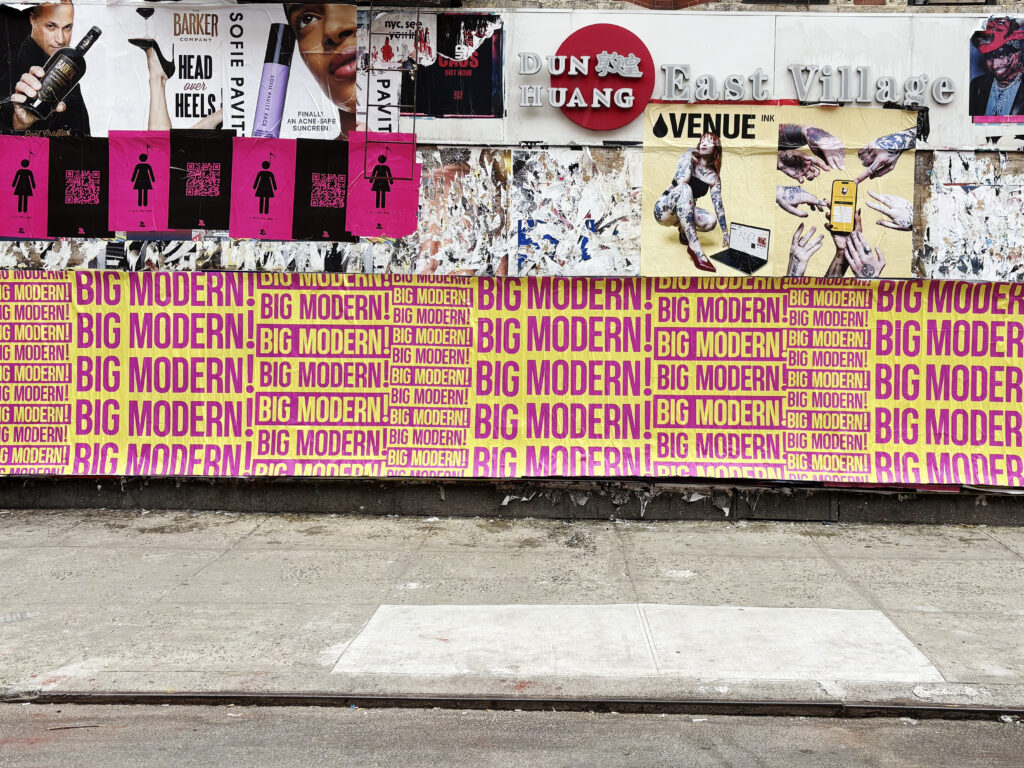
The Orbit route corridors through West Tuscaloosa, downtown, and the DCH medical district offer strong complementary positions for AGM’s guerrilla marketing services alongside a transit advertising campaign.
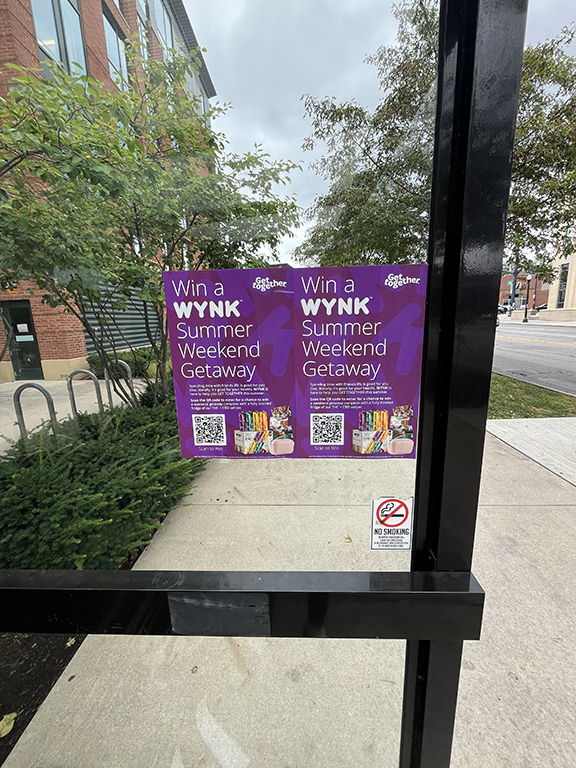
Snipe advertising along 15th Street, Greensboro Avenue, and University Boulevard at the intersections and commercial blocks where Orbit routes run creates street-level touchpoints that reach both Orbit riders and the broader Tuscaloosa pedestrian and vehicle audience. A brand running interior Orbit cards can reinforce that message at the commercial intersections riders pass through on their daily commute routes.
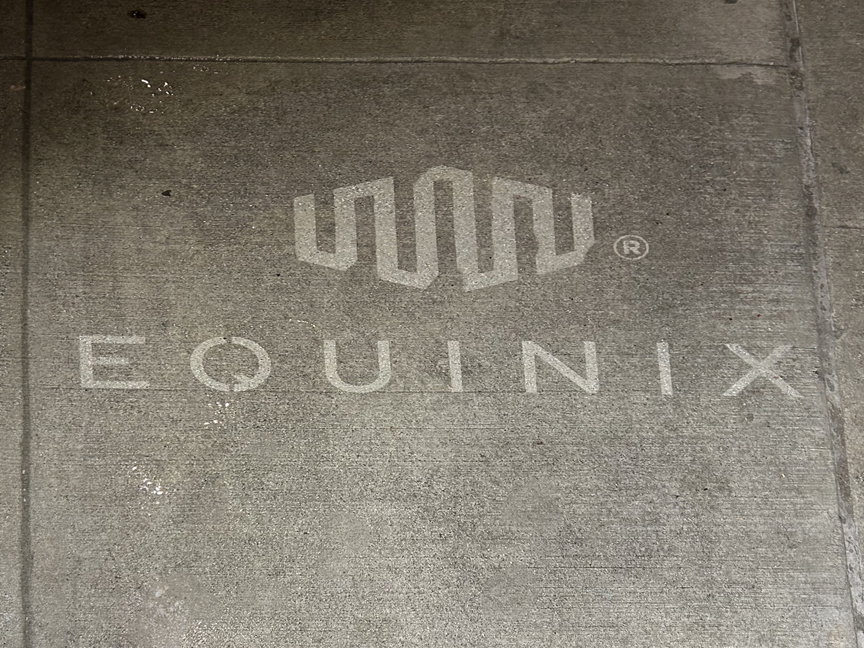
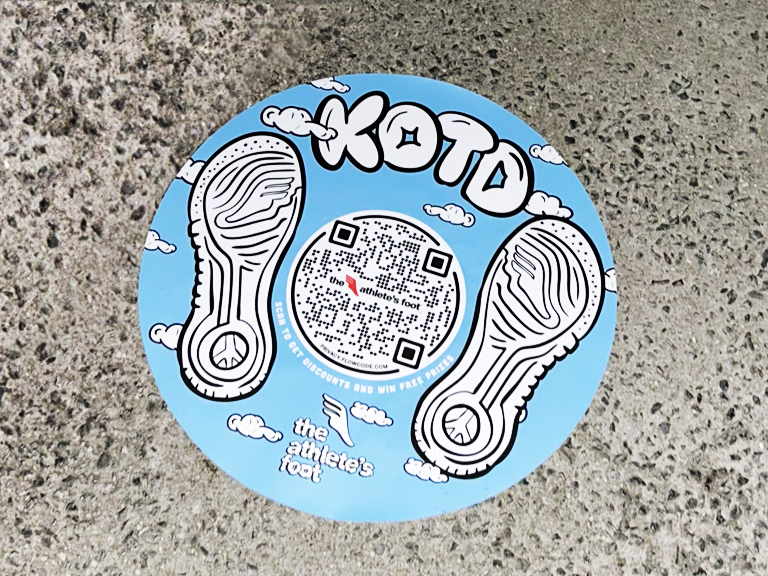
Sidewalk stencils at the downtown Greensboro Avenue hub and at high-traffic Orbit stops on the DCH corridor and 15th Street create ground-level brand contact at the pedestrian level where riders transition from the bus to their destination on foot. The downtown hub, as the highest-concentration pedestrian Orbit environment in Tuscaloosa, is the primary stencil placement point for maximum foot-traffic exposure.
Take-one flyers at the community gathering places adjacent to Orbit routes, including the barbershops, laundromats, and community organizations in West Tuscaloosa and the coffee shops and venues in the Greensboro Avenue downtown corridor, extend the transit campaign message into the off-bus spaces where Orbit riders spend their community time.
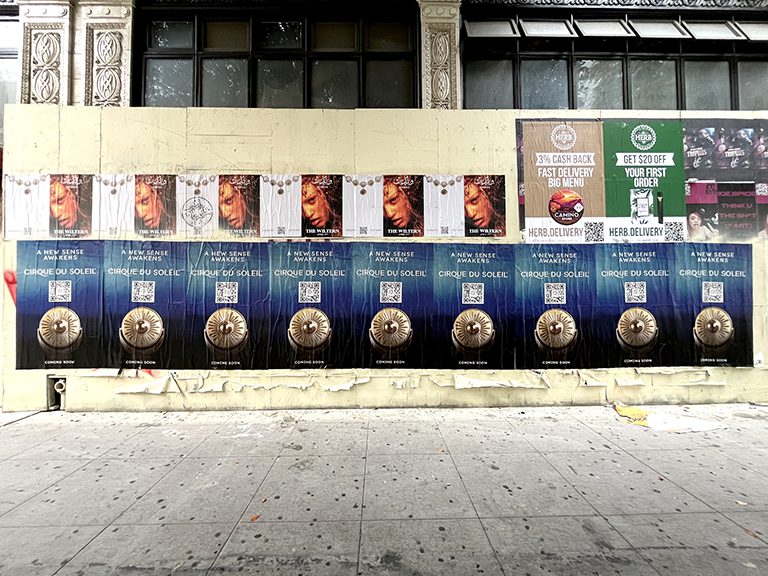
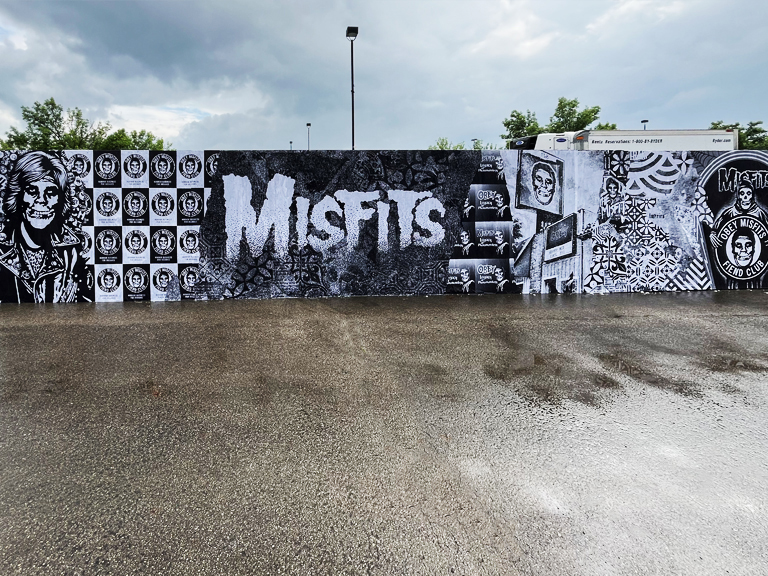
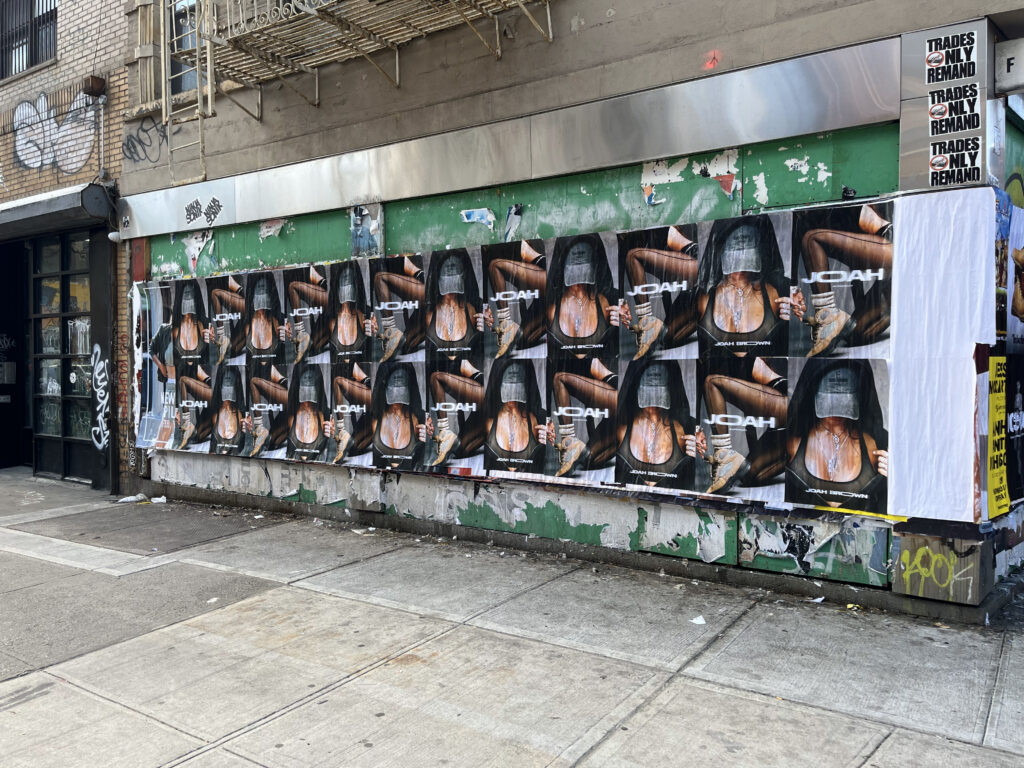
Wheatpasted poster campaigns on legal surfaces in downtown Tuscaloosa along the Greensboro Avenue entertainment corridor and in the West Tuscaloosa commercial blocks near 15th Street create large-format impressions for the pedestrian community moving through the same corridors where Orbit routes operate.
DCH Regional Medical Center and the Tuscaloosa VA Medical Center are consistent Orbit advertisers using the system for patient and staff outreach. Healthcare practices, dental offices, and urgent care clinics in Tuscaloosa use Orbit for patient acquisition advertising targeting the working adult community in West Tuscaloosa and the Northport suburbs. Tuscaloosa utilities and city services run public information campaigns on Orbit to reach transit-dependent communities with enrollment and service information. Financial services companies including community banks, credit unions, and insurance providers targeting the working adult Tuscaloosa demographic use Orbit interior and shelter placements because the system delivers their specific geographic target more precisely than broadcast or digital channels at comparable cost. Community organizations, workforce development programs, and educational institutions including Shelton State Community College use Orbit advertising for enrollment and program outreach campaigns targeting the transit-riding community. Entertainment venues downtown including the Riverwalk Amphitheater and the Tuscaloosa Amphitheater use transit advertising for event promotion during concert and event season.
Orbit is the City of Tuscaloosa’s municipal transit system serving the broader Tuscaloosa community including non-student residents, workers, and families. CrimsonRide is specifically the University of Alabama’s campus transit system serving UA students primarily between campus and off-campus student housing. Orbit reaches the working adult Tuscaloosa community that CrimsonRide does not: healthcare workers, West Tuscaloosa residents, Northport commuters, and the general public who use city bus service rather than university campus shuttles. For brands targeting the non-student Tuscaloosa market, Orbit is the appropriate system. For brands targeting UA students, CrimsonRide is the channel. AGM can structure campaigns on both systems for advertisers who want to reach both audiences.
Orbit routes serve the broader University Boulevard and McFarland Boulevard corridors that border the UA campus area, and some routes have stops adjacent to campus boundaries. However, the UA campus interior is primarily served by CrimsonRide. Orbit and CrimsonRide have connection points that allow riders to transfer between the two systems. For advertising purposes, placements on Orbit routes near the campus boundary will reach both CrimsonRide transfer riders and the general Tuscaloosa community riders using that same corridor, but the pure UA student campus audience is best reached through CrimsonRide directly.
Orbit operates on a fixed schedule that covers the primary commute periods and daytime service hours throughout the week. Service on most routes begins around 6:00 AM and runs through the early evening, with reduced frequency on weekends and some routes not operating Sundays. The primary advertising audience is concentrated in the weekday commute periods, particularly the morning rush from 6:30 AM to 8:30 AM and the afternoon peak from 3:30 PM to 6:00 PM. Interior advertising on Orbit is visible throughout the full service day, not just during peak periods, reaching riders on midday service runs, after-school trips, and the later afternoon healthcare shift-change routes as well as the morning and afternoon commute peaks.
Yes. Orbit campaigns can be timed to specific events or seasons. For the fall UA football season, an Orbit campaign running simultaneously with a CrimsonRide campaign creates a Tuscaloosa-wide transit presence across both the student and community ridership during the period when the city receives the highest outside attention and foot traffic. For summer events at the Riverwalk Amphitheater or downtown Tuscaloosa festivals, an Orbit campaign timed to the event season reaches the community transit rider base during a period of heightened local entertainment activity. AGM advises on campaign timing based on the advertiser’s specific event or seasonal objective.
Tuscaloosa’s transit advertising market is significantly less saturated than Birmingham’s MAX system. The inventory on Orbit has fewer competing advertisers for premium route and shelter positions, which means placements that would be waitlisted months in advance on a high-demand Birmingham route are consistently available in Tuscaloosa. Brands that want a dominant transit advertising presence in a mid-sized Alabama university market without the budget requirements of a Birmingham or Nashville campaign find the Tuscaloosa Orbit inventory accessible and cost-efficient at the market size. AGM can help structure a Tuscaloosa Orbit campaign that achieves dominant route-level presence rather than the modest share-of-voice that a comparable budget might achieve in a larger market.
Tuscaloosa’s growth in the Northport corridor and the southern residential developments toward Moundville and south of the city create conditions for potential Orbit service expansion as ridership demand develops in those areas. The continued growth of DCH Regional Medical Center’s campus and the development of new residential communities in eastern Tuscaloosa County are factors that transit planners monitor for route expansion opportunities. AGM tracks Orbit service development and will advise advertisers of new routes and shelter positions as the system evolves.
AGM provides photographic installation documentation for all Orbit placements, including interior card and poster installation photos, shelter panel photos at each stop location, and exterior vehicle documentation for wraps and window vinyls. Ridership data from the City of Tuscaloosa Transit Services is used to calculate impression estimates by route and campaign period. Post-campaign reporting includes all documentation photographs and a summary of placement positions, routes, and estimated total impressions for the campaign period.
Orbit advertising is appropriate for both local Tuscaloosa businesses and national brands with Tuscaloosa market targets. National healthcare, insurance, financial services, and consumer goods brands targeting the working adult Tuscaloosa demographic have strong strategic reasons to use Orbit for local market penetration. Local Tuscaloosa businesses benefit from the geographic precision and community-level presence that Orbit’s route-specific inventory provides. AGM serves both local and national advertisers on Orbit and can advise on the route selection and format combination appropriate for each advertiser’s Tuscaloosa market objective.
Yes. The Tuscaloosa Trolley operates the downtown entertainment and business district corridor that complements the Orbit city bus network, and combining advertising on both systems creates comprehensive coverage of the downtown Tuscaloosa foot traffic and transit audience. Orbit’s community ridership and the Trolley’s downtown entertainment and visitor audience together cover the full spectrum of Tuscaloosa’s daily pedestrian transit community. AGM can structure a combined Orbit-Trolley media plan and manage both placements through a single campaign engagement.
The routes serving DCH Regional Medical Center on Ninth Avenue East and the Tuscaloosa VA Medical Center on Highway 11 East are the primary Orbit healthcare corridor routes. These routes carry nursing and clinical staff during the morning, afternoon, and evening shift-change periods at DCH and the VA, creating healthcare worker ridership at multiple times of day rather than only during the standard commuter peak hours. For brands specifically targeting the healthcare worker demographic in Tuscaloosa, these DCH and VA corridor routes are the most precisely targeted Orbit placement available. AGM can structure a healthcare-corridor-specific buy using queen posters or interior cards on those specific routes at a lower cost than a full-system Orbit placement.