American Guerrilla Marketing
Nationwide serivce
Media planning, media buying, billboard advertising, & guerrilla marketing

American Guerrilla Marketing places interior bus and shelter advertising on MATS routes across Alabama’s capital city. From Dexter Avenue to Atlanta Highway to Alabama State University, we reach Montgomery’s daily ridership directly.
Montgomery is not an interchangeable market. The capital of Alabama, the city where the Civil Rights Movement announced itself to the world on Dexter Avenue, and the seat of state government employing tens of thousands of workers in the Capitol Complex and surrounding office district: Montgomery has a character and an economic base unlike any other Alabama city. The Montgomery Area Transit System moves people across this capital through routes that connect the historically Black Westside neighborhoods with downtown, the Alabama State University campus on South Jackson Street with the employment corridors on Troy Highway, and the east Montgomery residential communities with the commercial strips on Atlanta Highway and Eastern Boulevard. Interior bus advertising on MATS reaches the Montgomery workforce in a direct, confined environment with no competing media fighting for the rider’s attention.
AGM has been executing transit advertising campaigns for over a decade, with experience placing ads in capital city markets across the South and the country. Montgomery is a specific kind of capital city advertising market: the government employment base brings a stable, educated working-adult ridership with predictable commute patterns. The Alabama State University connection adds a student and faculty demographic. The Westside and north Montgomery routes carry working-class residential communities with strong everyday consumer brand loyalty. A MATS advertising campaign can be structured to reach any of these audience segments independently or in combination across the system’s route network.
The downtown MATS transfer hub connects the system’s routes at the commercial core of Montgomery, where Dexter Avenue runs from the Alabama State Capitol on Washington Avenue down to Commerce Street and the Convention Center. Riders transferring downtown spend dwell time at the hub that extends the impression window beyond the in-vehicle time on the route itself. Shelter advertising at downtown MATS stops places your brand in the frame of reference for every rider who connects through the capital district.
AGM executes interior bus and shelter advertising across the Montgomery Area Transit System. Tell us your target audience and we'll build the route and shelter plan that reaches them.
Montgomery’s economic geography creates a transit ridership profile that is particularly valuable for certain advertiser categories. State government employment in the Capitol Complex and the surrounding office district on Dexter Avenue, Washington Avenue, and Union Street draws a working adult ridership with above-median household incomes and stable employment. The daily commute from west and north Montgomery residential neighborhoods into the downtown employment core is a predictable, repeated transit pattern that an advertiser can plan around with confidence. A campaign running on the routes connecting these communities to downtown has a defined, repeat audience that shows up on the same buses five days a week.
Alabama State University at 915 South Jackson Street is one of the country’s historically Black universities with a consistent enrollment in the thousands and a faculty and staff base that uses transit connecting the campus to the surrounding neighborhoods of South Montgomery and the downtown commercial district. The student demographic on MATS routes serving the ASU corridor is specifically valuable for brands targeting 18 to 25 year olds in Montgomery, a demographic that is consistently underrepresented in digital advertising measurement in non-major metro markets.
The Atlanta Highway corridor running from downtown eastward through East Montgomery toward the East Chase retail district and the Interstate 85 interchange is Montgomery’s commercial spine on the east side. Routes serving this corridor carry working adults commuting to and from the retail and service employment concentrated along the commercial strip, as well as residents of east Montgomery’s mid-income neighborhoods heading downtown for work or services. The rider volumes on Atlanta Highway routes are among the highest in the MATS system because the corridor serves both employment and residential density over a long linear span.
The routes running through the downtown Capitol district, with service along and adjacent to Dexter Avenue between the State Capitol on Washington Avenue and the MATS transit hub near Commerce Street, carry the highest concentration of state government workers in the system. Dexter Avenue is Montgomery’s ceremonial main street: the route walked by Rosa Parks the evening she changed American history at the Cleveland Avenue bus stop, the street Rosa Parks was arrested on while refusing to give up her seat, and the corridor that leads directly to the Alabama State Capitol building. The MATS routes serving this corridor carry staff from state agencies housed in the Capitol Complex, the RSA Tower, the Alabama Center for Commerce, and the dozens of state office buildings concentrated within a six-block radius of the Capitol.
Interior advertising on the downtown Capitol district routes reaches a consistently educated, government-employed ridership with above-median household incomes for the Montgomery market. This is not a transit-dependent ridership in the way that suburban commuters are; these are workers who chose transit or use it habitually for downtown commuting, and they bring attentive consumer awareness to the advertising environment on their regular routes. For financial services brands, insurance companies, legal services, and any brand targeting Montgomery’s professional class, the Capitol district routes are the most demographically precise placement in the MATS system.
Best advertiser categories: financial services and investment brands, insurance providers, law firms and legal services, state and local government benefit programs, healthcare brands targeting the employed professional demographic, and retail and restaurant brands with downtown Montgomery locations.
The MATS routes serving Alabama State University on South Jackson Street connect the campus to the downtown transit hub and to the residential neighborhoods of South Montgomery that surround the university. ASU’s campus is one of the largest employers in the South Montgomery area and its student population creates consistent ridership demand on routes connecting the campus to off-campus housing along South Boulevard and South Jackson Street, to the downtown commercial district, and to the grocery and retail corridors that students depend on for daily needs.
Interior advertising on the ASU corridor reaches a student demographic that is heavily underrepresented in digital advertising measurement because the student population’s online behavior is fragmented across platforms, devices, and geographic locations that shift between Montgomery and home cities throughout the academic year. Transit advertising reaches ASU students at a fixed geographic point with consistent daily exposure during the academic year. For brands targeting 18 to 24 year olds in Montgomery, banks and credit unions marketing student accounts, cell carriers, food delivery services, entertainment brands, and consumer electronics companies, the ASU corridor is the most direct placement in the Montgomery market for this specific demographic.
Best advertiser categories: student banking and credit card products, mobile carrier promotions, food delivery and meal kit services, entertainment and streaming brands, apartment rental marketing for off-campus housing adjacent to ASU, and campus-adjacent retail and restaurant brands.
Atlanta Highway runs east from downtown Montgomery through the commercial and residential east side toward the East Chase retail complex near the Eastern Boulevard interchange with Interstate 85. This corridor is Montgomery’s primary east-west commercial artery and the routes running along it carry a working-adult ridership moving between the east Montgomery residential neighborhoods and the commercial employment concentrated along the strip: the big-box retail anchors at East Chase, the automotive dealerships and service businesses on Atlanta Highway, and the healthcare facilities including Baptist Medical Center East on Taylor Road.
The Atlanta Highway ridership is predominantly working adults aged 25 to 55, employed in the retail, healthcare, and service industries that dominate the corridor’s employment base. This is a consumer-active demographic with strong brand loyalty in everyday purchasing categories: grocery, pharmacy, auto insurance, cellular service, and financial services. Interior advertising on the Atlanta Highway routes reaches riders during commutes that average 25 to 45 minutes in each direction, creating substantial per-trip exposure time for campaign creative that is positioned at king or queen poster scale within the bus interior.
Best advertiser categories: grocery and pharmacy brands with Atlanta Highway and East Chase locations, auto insurance brands, healthcare providers with east Montgomery facilities, QSR and fast food brands along the commercial corridor, financial services brands targeting working adults, and telecom brands running consumer acquisition campaigns.
West Montgomery’s residential communities, concentrated along corridors including Upper Wetumpka Road, Mobile Highway, and Day Street, represent the MATS ridership base with the strongest transit dependency. These are communities where households may not own a vehicle or depend on transit for the majority of their daily movement needs, which makes the transit advertising environment on these routes uniquely valuable for advertisers whose brands are relevant to everyday consumer decisions: food, healthcare, telecommunications, banking, and household services.
The West Montgomery ridership on these routes is predominantly African American, working class to lower-middle class, and highly engaged with the physical advertising environment on the buses because it is one of their primary media touchpoints during their daily routine. Brands that speak directly to the concerns and aspirations of this community, that use images and language that reflect the community’s reality rather than aspirational lifestyle positioning, consistently outperform generic brand advertising on these routes. Healthcare enrollment, financial literacy, workforce development, and everyday consumer brands with genuine value propositions for this demographic see strong response from transit campaigns on the west Montgomery corridors.
Best advertiser categories: community health clinics and healthcare enrollment programs, utility assistance and social services, workforce development and job training programs, community banks and credit unions, prepaid and pay-as-you-go mobile carriers, grocery stores with west Montgomery locations, and insurance and financial services brands targeting the working-class demographic.
What it is: A complete exterior wrap transforming a MATS bus into a moving brand presence across Montgomery’s street network from the Capitol district to East Chase.
Best for: Citywide brand launches, major campaign events, product introductions in the Montgomery market. A wrapped MATS bus travels through every major Montgomery corridor in its daily service cycle, creating visibility across the full city geography.
Why buy it: Montgomery’s mid-sized market means there are fewer large-format outdoor alternatives competing with a full bus wrap for market-wide visual dominance. A wrapped MATS bus moving through Dexter Avenue past the State Capitol, down Atlanta Highway through East Montgomery, and back through the West Montgomery corridors is the most mobile brand presence available in the city. Contact AGM for MATS full wrap pricing and fleet availability.
What it is: The primary large-format interior posting, approximately 30 by 144 inches, running along the upper interior walls of MATS buses on both sides of the seating area.
Best for: System-wide brand campaigns and multi-route awareness buys on MATS. A king poster buy across all or most MATS routes creates consistent frequency across the full Montgomery ridership base within a single four-week cycle.
Why buy it: King posters command the interior bus environment on MATS routes. Their length means every rider, whether seated near the front or rear, is within sightlines of the creative. For brands building Montgomery market awareness across the full demographic range of the MATS system, a king poster system buy is the most efficient single-format approach. Contact AGM for current MATS king poster rates and multi-route package options.
What it is: A mid-format interior posting, approximately 30 by 88 inches, positioned at the front or rear interior sections of MATS buses.
Best for: Targeted single-route or corridor-specific campaigns. Brands focused on the ASU corridor, the Atlanta Highway commercial strip, or the downtown Capitol district can buy queen posters on specific routes without committing to full-system coverage.
Why buy it: The queen poster is the right format for advertisers with a specific geographic or demographic target within Montgomery. At a lower unit cost than the king, the queen delivers strong interior presence on the routes the advertiser selects. For a business on Atlanta Highway targeting the east Montgomery commuter, or an ASU-affiliated service targeting the campus route, the queen on those specific routes reaches exactly the right audience without unnecessary system-wide investment.
What it is: A horizontal card above the front windshield visible to riders as they board at every stop along the route.
Best for: Short, high-recall messages. Event date promotions, QR code placements, and simple product announcements that benefit from the repeated boarding-moment impression at every stop on MATS routes.
Why buy it: On the longer MATS routes, particularly the Atlanta Highway run with its numerous stops along the commercial strip, the headliner placement generates a boarding impression at every stop for the full service day. That pattern of repeated impressions across 30 to 50 boarding moments per bus per day compounds into significant recall-level frequency across the route’s ridership base within a four-week campaign cycle.
What it is: An exterior rear-panel advertisement facing vehicle traffic following MATS buses through Montgomery’s surface street network.
Best for: Campaigns targeting the Montgomery vehicle-traveling public on Atlanta Highway, Troy Highway, and the downtown Capitol district streets where vehicle volumes are high and MATS buses stop frequently at traffic signals and bus stops.
Why buy it: Montgomery’s surface street traffic on Atlanta Highway and the downtown corridors creates consistent signal-stop dwell time for tail display impressions. Vehicles stopped behind a MATS bus at the Atlanta Highway and Perry Hill Road intersection, or at a Capitol district light on Dexter Avenue, see the tail display for 30 to 90 seconds per stop. Across a route with 30 to 50 stops per service cycle, the tail display accumulates substantial vehicle audience exposure that reaches drivers who will never board a bus.
What it is: Distributed smaller card placements throughout the bus interior, typically 11 by 17 or 11 by 28 inches, positioned in holders near windows and above seats.
Best for: Local Montgomery businesses, community service organizations, legal and healthcare services, and any advertiser needing information density at a budget point accessible to regional and local advertisers.
Why buy it: Interior cards on MATS provide the most accessible entry point to Montgomery transit advertising for local businesses. A Montgomery dentist, a legal services firm serving the west side, a community health clinic, or a vocational training program can place interior cards on targeted MATS routes for a budget that reflects local business economics. The distributed card placement ensures the message appears at multiple positions throughout the bus, guaranteeing minimum one exposure per rider trip on each route.
What it is: Cards mounted on the back of seats at reading distance for the rider seated behind them.
Best for: Detailed messaging, QR code campaigns, service enrollment information, and any format that benefits from close reading distance and extended engagement during longer MATS route trips.
Why buy it: On the longer MATS routes serving west Montgomery, the ASU corridor, and the outer Atlanta Highway segments, riders are seated for 30 minutes or more per trip. The seat-back position delivers reading-distance creative to those seated riders throughout the trip duration. For healthcare enrollment, financial product explanations, and educational program details that need more than a glance to communicate, the seat-back is the format that gives those messages time to be read on MATS’s longer-haul routes.
What it is: Horizontal cards in the overhead panel running the length of the bus, visible to standing riders and to seated riders who look up.
Best for: Peak-hour standing-load placement on the downtown Capitol district routes where morning and afternoon peak loads include significant numbers of standing commuters.
Why buy it: The MATS downtown routes during the morning and afternoon state government commute windows carry their heaviest loads. During those windows, the overhead card is at direct eye level for standing riders who are not seated and whose forward view is occupied by other passengers. The overhead is the only interior format specifically positioned for the standing-load commuter, and the Capitol district peak hours on MATS are the window when that audience is largest and most attentive to the bus interior environment.
What it is: Perforated vinyl on MATS bus windows, visible as a full graphic from outside while maintaining visibility from inside the vehicle.
Best for: Exterior audience reach on key Montgomery corridors without the full vehicle wrap commitment. Window vinyls on Atlanta Highway MATS buses reach vehicle traffic alongside the route on one of the city’s busiest commercial strips.
Why buy it: Atlanta Highway carries significant vehicle traffic throughout the day, and a MATS bus with window vinyls running this corridor is visible to motorists alongside the bus at every stop and intersection. For brands with Atlanta Highway locations or targeting the east Montgomery consumer, window vinyls on the Atlanta Highway routes create exterior impressions among the vehicle-traveling demographic that passes these buses routinely during their own daily commutes and shopping trips.
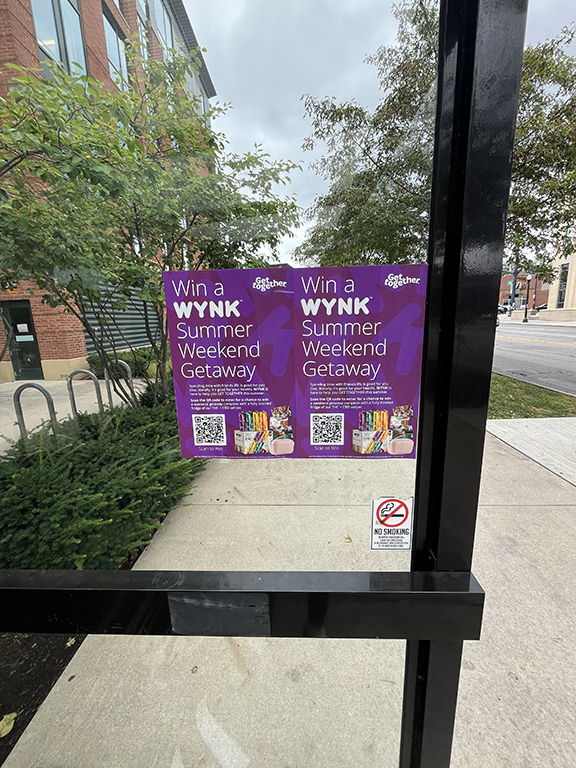
MATS shelter positions are concentrated along the system’s highest-ridership corridors: downtown Dexter Avenue and Commerce Street, Atlanta Highway, and the South Jackson Street ASU approach. These shelters accumulate daily impressions from riders waiting between service intervals, pedestrians moving through the corridor, and vehicle traffic passing the shelter location. A shelter placement on MATS stays in place for the full four-week campaign cycle, reaching the same daily riders with the same message twenty or more times during the posting period.
The downtown MATS shelter positions along Dexter Avenue and Commerce Street sit within the highest foot traffic zone of Montgomery’s central business district. The block running from the RSA Tower at Commerce Street and Lawrence Street up Dexter Avenue toward the Montgomery Museum of Fine Arts and the Civil Rights Memorial is not just a transit corridor. It is the geographic core of Montgomery’s identity as Alabama’s capital, and it draws a daily pedestrian audience of state workers, visitors, and residents that supplements the transit ridership at the shelter locations.
Shelter advertising in the downtown Montgomery cluster reaches the broadest cross-section of the MATS riding public, plus the substantial pedestrian and tourist audience that moves through the Capitol district on foot. For brands seeking maximum daily impression volume in a single shelter location in Montgomery, the downtown Dexter Avenue and Commerce Street shelter positions deliver both the transit ridership and the general public foot traffic that no shelter position in the outer commercial corridors can match.
The shelter positions along Atlanta Highway between downtown and the East Chase retail complex represent the longest sustained commercial corridor in the MATS shelter network. Riders waiting at Atlanta Highway stops are embedded in the retail environment of one of Montgomery’s busiest commercial strips, with the shelter often positioned adjacent to or within direct view of QSR, grocery, pharmacy, and retail businesses that are the natural advertisers for this corridor’s proximity-to-purchase effect.
A shelter advertisement at an Atlanta Highway stop near the East Chase complex or near Baptist Medical Center East on Taylor Road creates an impression at the exact decision point in the rider’s journey: the moment they are about to complete their trip and choose where to stop. For retail, food, and healthcare brands with Atlanta Highway locations, this is as close as advertising gets to a point-of-purchase placement in the transit format.
Troy Highway, also designated US-231, is Montgomery’s primary south corridor connecting the downtown hub to the Troy University Montgomery campus, the South Montgomery residential communities, and the commercial development south of the city toward Pike Road. Shelter stops on Troy Highway serve a mixed ridership of university students, healthcare workers at Baptist Medical Center South, and residents of the south Montgomery neighborhoods connecting to downtown employment. This corridor is less commercially saturated than Atlanta Highway and offers shelter advertising positions that reach a less frequently targeted audience than the east side commercial strip riders.
The Troy University Montgomery connection is specifically worth noting. The Troy University campus on Hull Street and the Montgomery campus enrollment create a student and faculty population moving through the south Montgomery transit network that supplements the ASU student audience on the south Jackson Street corridor. For brands targeting the college-educated, young professional demographic in Montgomery, combining shelter advertising on Troy Highway with interior placements on the ASU route creates a comprehensive university-audience buy across two Montgomery campuses.
What it is: A full backlit panel in a covered MATS shelter at a primary ridership location in Montgomery.
Best for: Brand campaigns requiring day-and-night visibility at a fixed Montgomery location for a four-week posting period.
Why buy it: At $3,850 for a four-week cycle, a premium shelter on a high-ridership Montgomery corridor generates sustained impressions across the full campaign period, including evening and nighttime visibility on lit shelters along Atlanta Highway and downtown Dexter Avenue. For brands that need a physical anchor in the Montgomery market with consistent local visibility, the premium shelter is one of the strongest stationary transit formats available through MATS.
What it is: A mid-size shelter panel at a MATS stop location, positioned for visibility to waiting riders and passing pedestrians.
Best for: Local Montgomery businesses, community organizations, and event promotions with a specific geographic focus within the MATS service area.
Why buy it: At $850 for a four-week cycle, the junior poster delivers legitimate Montgomery market presence for local advertisers. A medical practice on Atlanta Highway, a law firm near the Capitol district, or a credit union with a west Montgomery branch can place a junior poster at the nearest high-traffic MATS stop and achieve four weeks of consistent daily impressions in their immediate service area.
What it is: An advertisement on a MATS transit bench at a stop location, visible to seated riders, pedestrians, and passing vehicles.
Best for: Sustained local presence at a specific MATS stop location, particularly at high-dwell stops on west Montgomery routes where riders frequently wait for less-frequent service.
Why buy it: At $700 for a four-week cycle, the transit bench is the most accessible entry point to MATS advertising. For a neighborhood-level business, a healthcare clinic, or a community organization targeting the residents of a specific Montgomery community, a bench placement at the stop nearest to their location provides continuous four-week exposure to the daily pedestrian and rider traffic that defines that location’s audience.
The MATS route corridors through downtown Montgomery, the ASU campus area, and Atlanta Highway offer strong complementary opportunities for AGM’s guerrilla marketing services. Layering street-level formats along MATS corridors compounds the frequency your bus and shelter placements are building among the daily commuter and resident population.
Snipe placements along Dexter Avenue, Atlanta Highway, and the South Jackson Street ASU corridor create repeated street-level visual contact with the same commuters your MATS interior campaign is reaching. A rider who sees your bus poster every day also encounters your snipe at their stop and on their walk between the stop and their destination, building a three-touch frequency pattern across the single commute trip.
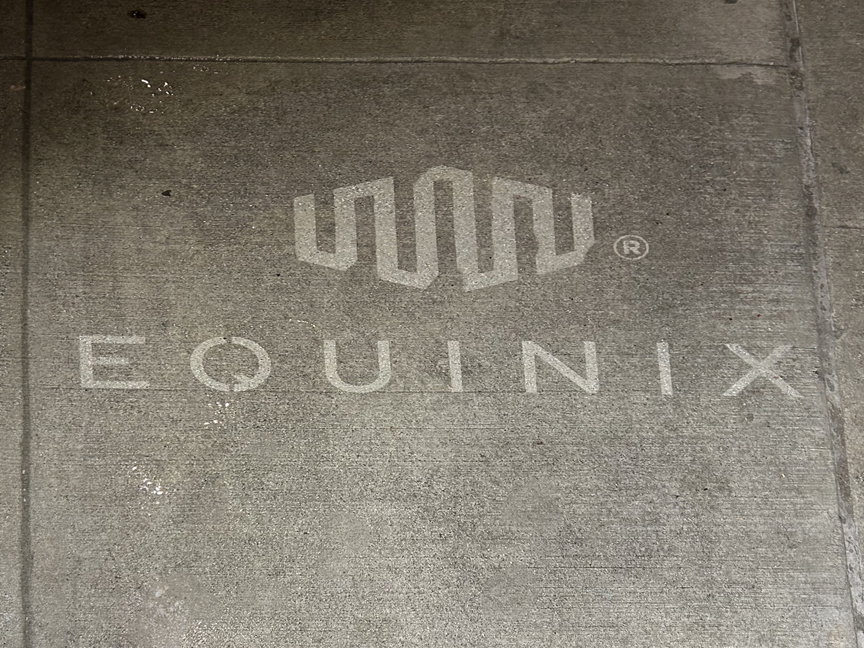
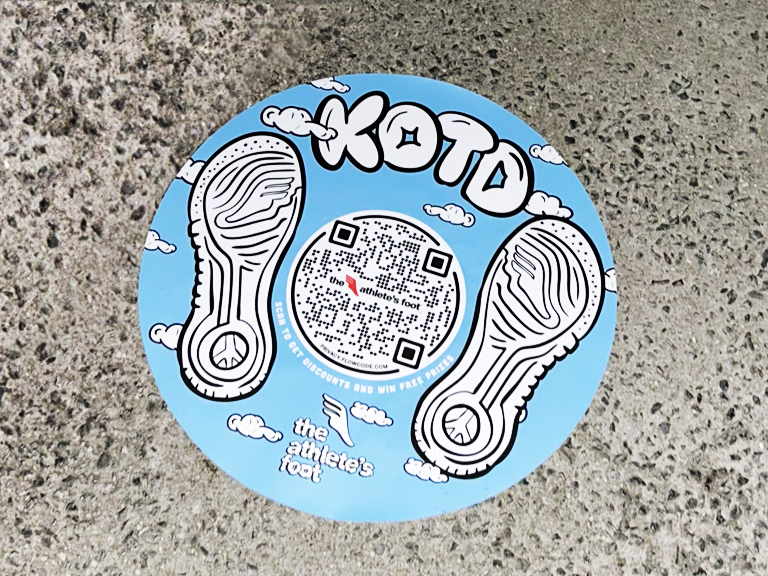
Sidewalk stencils at the downtown MATS hub and at high-traffic stops on Atlanta Highway and South Jackson Street put your brand at ground level in the exact foot-traffic corridor where riders transition from bus to destination. For product launches and event promotions, a stencil at the primary MATS downtown hub stop creates a highly visible impression at the point of maximum daily foot traffic concentration.
Take-one flyers at the coffee shops, barbershops, and community gathering points adjacent to MATS routes in the ASU neighborhood, west Montgomery, and the Atlanta Highway commercial corridor extend your campaign message into the non-riding time your target audience spends in their neighborhoods.
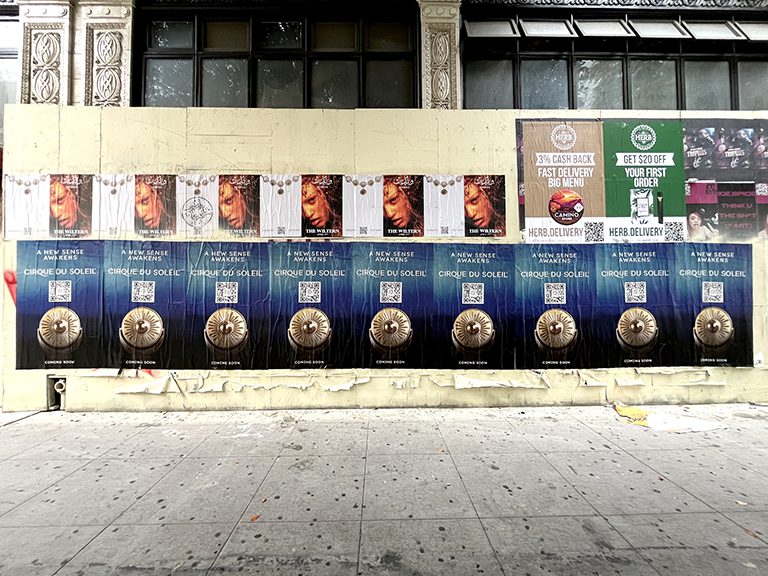
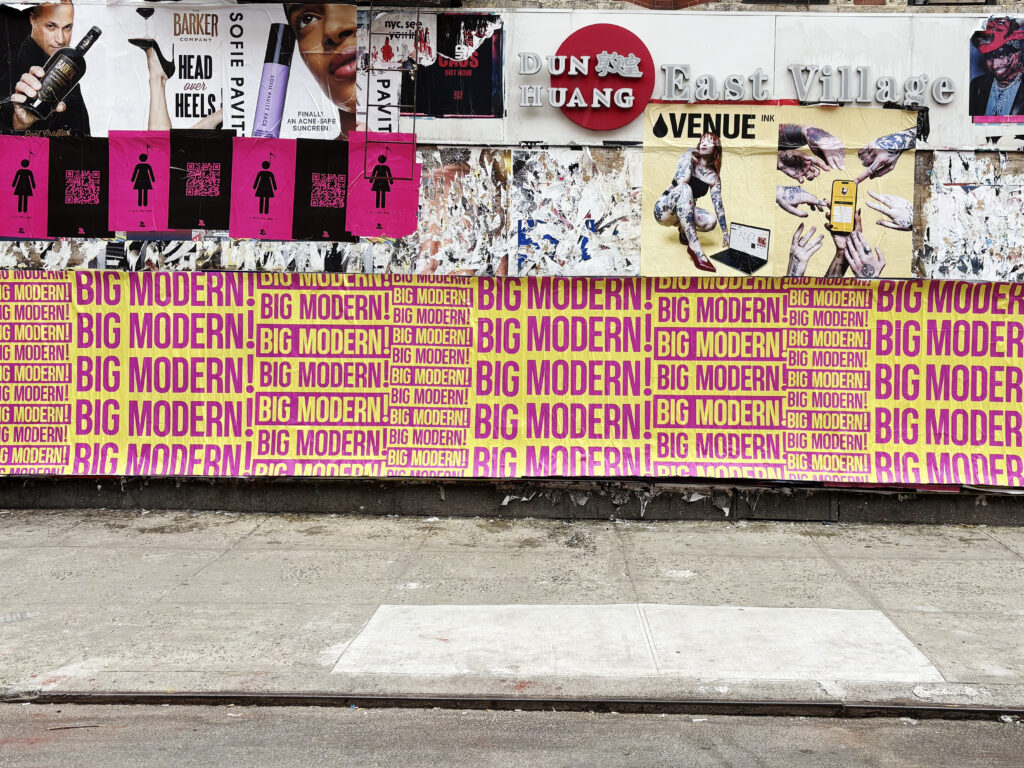
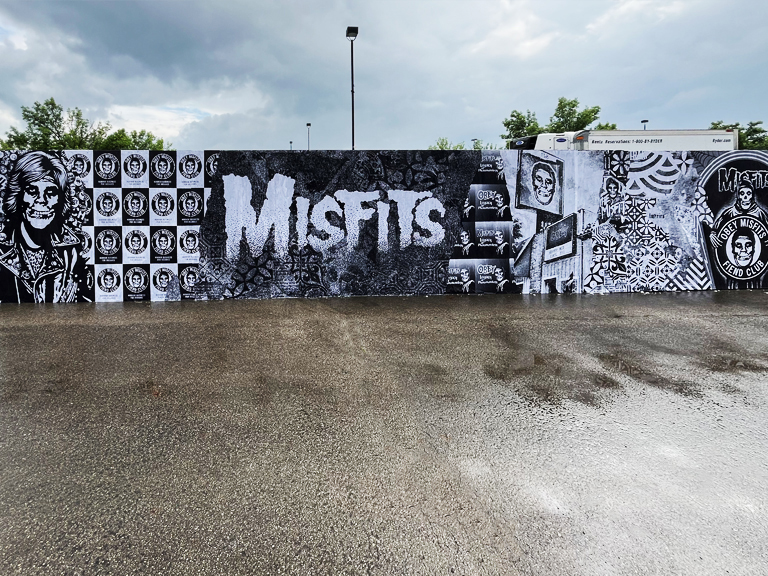
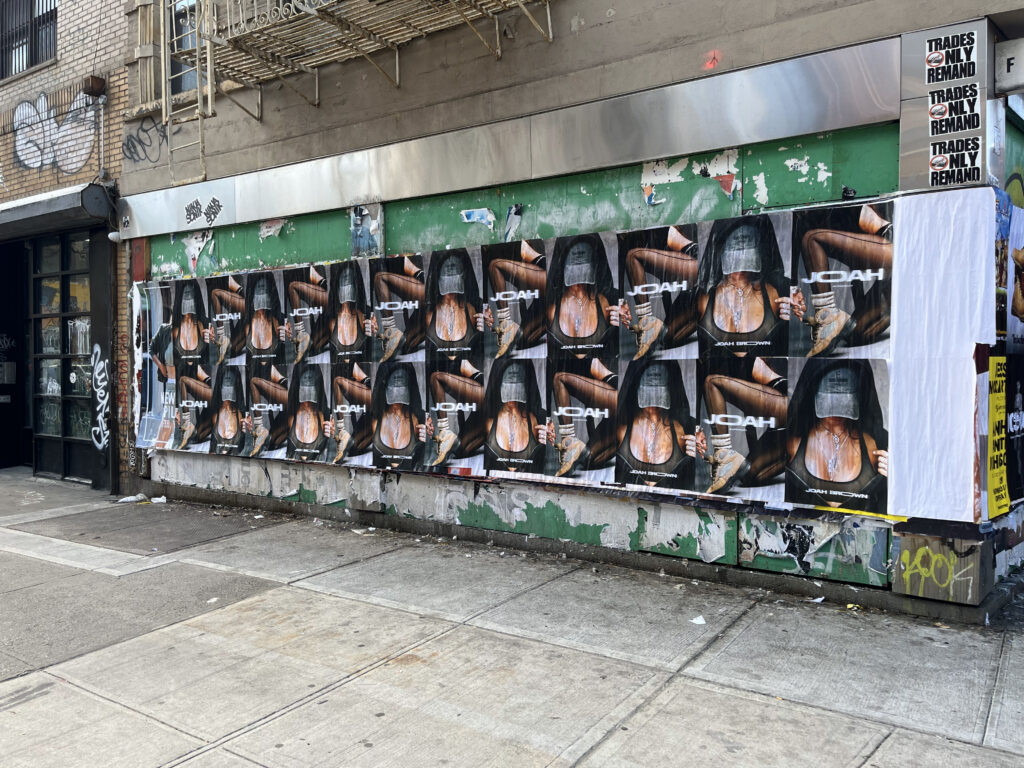
Wheatpasted poster campaigns on legal surfaces in Montgomery’s downtown arts and entertainment district, around the ASU campus, and along the Old Cloverdale neighborhood commercial strip near the MATS routes through midtown create large-format impressions for the pedestrian and transit audience moving through those corridors.
State government agencies are among the most consistent MATS advertisers, using bus and shelter placements for public information campaigns about healthcare enrollment, utility assistance, voter registration, and community services. Baptist Health and the Montgomery healthcare system use transit advertising to reach patients and recruit clinical staff from the communities served by the MATS route network. Alabama State University runs enrollment and campus programming ads on routes serving the South Jackson Street corridor. Community banks, credit unions, and insurance companies targeting Montgomery’s working adult population use interior cards and shelter placements on the Atlanta Highway and west Montgomery routes. QSR and fast food brands with Atlanta Highway locations use shelter advertising for proximity-to-purchase exposure. Legal services firms targeting workers along the West Montgomery routes run interior cards consistently because the format is specific to their geographic target and cost-appropriate for local practice budgets. Entertainment venues in downtown Montgomery including the Montgomery Performing Arts Centre on Commerce Street use transit advertising for show promotions in the weeks preceding major performances.
MATS operates routes directly serving the Alabama State University campus on South Jackson Street, connecting the campus to the downtown transit hub and to the south Montgomery residential areas where students live. Interior advertising on these routes reaches students boarding and riding between campus and their off-campus locations. Shelter advertising at the ASU-adjacent stops reaches students waiting for service. The combination of interior and shelter placements on the ASU corridor creates a concentrated university market presence for brands targeting the 18 to 24 Montgomery demographic. AGM can structure a targeted ASU-corridor buy separate from a broader MATS campaign.
Yes. MATS advertising can be purchased on a route-specific basis. For advertisers specifically targeting the state government workforce and Capitol district professional demographic, AGM can place interior cards, queen posters, or king posters only on the routes serving the downtown core. This targeted approach reaches the Capitol complex, RSA Tower, and downtown office district ridership without paying for system-wide coverage of routes that serve different communities and demographics.
Montgomery is a less-saturated transit advertising market than Birmingham, which means the available inventory on MATS is less frequently competed for and top positions on high-ridership routes are more consistently available than in larger Alabama markets. Brands entering the Montgomery transit advertising market now are not fighting for space against established repeat advertisers on every route. For businesses that want a dominant presence in the Montgomery market without the budget required for Birmingham or Atlanta, MATS provides cost-effective reach with less competition for premium inventory positions.
AGM can help structure a Montgomery market campaign that combines MATS transit advertising with complementary outdoor, guerrilla, and digital placements for a coordinated campaign approach. While AGM’s primary strengths are in transit, guerrilla, and street-level formats, we can advise on how MATS placements fit within a broader Montgomery media mix and recommend formats that reinforce the transit message without unnecessary duplication.
MATS operates a network of fixed routes covering the Montgomery metro area. The highest-ridership routes consistently include the Atlanta Highway corridor routes serving east Montgomery, the downtown hub routes with the highest transfer traffic, and the routes serving the Alabama State University campus. AGM reviews current MATS ridership data before recommending route buys so your campaign is placed where the actual current ridership numbers justify the placement rather than relying on outdated historical figures.
Standard MATS campaign cycles are four weeks, aligning with transit industry standard posting periods. Most advertisers run four to twelve weeks, with four-week campaigns appropriate for event promotions and product launches, and eight to twelve weeks recommended for brand awareness objectives that need time to build frequency across the full ridership cycle. AGM advises on campaign duration based on objective, budget, and the specific routes selected for the buy.
MATS routes serve the areas adjacent to Maxwell-Gunter AFB on the west side of Montgomery, and routes running through the west Montgomery and downtown corridors carry both civilian base employees and the service workers and community residents who live in the neighborhoods surrounding the installation. Base military personnel and their families who use transit for off-base movement will encounter MATS advertising on the routes serving their commute corridors. For brands specifically targeting the military community in Montgomery, AGM can advise on the most appropriate route selection to reach this demographic within the MATS network.
Montgomery has been engaged in regional transit planning discussions that include potential service expansion as the metro area’s development patterns shift. New residential development in the Pike Road corridor east of Montgomery and continued growth in the south Montgomery employment centers creates the conditions for route expansion that would bring new shelter and interior advertising inventory into the MATS system. AGM monitors MATS development and updates clients when new routes or shelter positions become available for advertising placement.
MATS interior advertising formats follow transit industry standard specifications for king posters, queen posters, interior cards, and seat-back displays. AGM provides current format specifications to advertisers during the campaign planning process and coordinates print production to ensure all creative meets the transit authority’s material and installation requirements. Artwork should be submitted as high-resolution digital files; AGM handles adaptation to specific format dimensions and file preparation for the MATS production process.
Yes. AGM handles guerrilla marketing and transit advertising across Montgomery as a coordinated service. A client can run MATS interior and shelter placements alongside snipe advertising, sidewalk stencils, and take-one flyer distribution through a single AGM engagement, giving the Montgomery campaign a consistent brand presence across multiple street-level formats without managing multiple vendors. This integrated approach is how AGM has executed 500-plus campaigns nationally, and Montgomery is a market where the combination of MATS transit and street-level guerrilla formats creates a complete local presence at a budget that reflects the market’s scale.