American Guerrilla Marketing
Nationwide serivce
Media planning, media buying, billboard advertising, & guerrilla marketing

American Guerrilla Marketing places interior bus advertising on CrimsonRide, the University of Alabama’s campus transit system. 40,000+ enrolled students. McFarland Boulevard, Harrington, Forest Lake, and game day routes. Direct execution.
Tuscaloosa is not an interchangeable market. The University of Alabama enrolls more than 40,000 students on a campus that sits at the center of a mid-sized Alabama city and dominates its economy, its culture, and its street life in ways that few public universities dominate their host cities so completely. CrimsonRide is the campus transit system that moves those students between the academic core on the Quad and the off-campus apartment corridors on McFarland Boulevard, Skyland Boulevard, and the residential developments along 15th Street and University Boulevard. The system operates free for UA students with their Bama Card, which means ridership is high, consistent, and drawn from exactly the 18 to 24 demographic that consumer brands across virtually every category are trying to reach in 2025.
Advertising on CrimsonRide reaches students in a captive, undistracted environment during one of their few daily activity windows where phone usage gives way to physical surroundings: the commute between the campus and off-campus housing. Students boarding a CrimsonRide bus at the Publix on McFarland Boulevard or at the apartment complex stop on Harrington Avenue are in transit between their home and their academic and social environments, and the interior advertising on those buses is one of the few physical media messages they encounter with frequency outside the digital screen. For brands targeting the 18 to 24 demographic in a concentrated geographic footprint, CrimsonRide is one of the most precise advertising environments in the state of Alabama.
AGM has executed university campus transit advertising campaigns across more than a dozen university markets nationally over 10-plus years of direct placement work. We know the specific characteristics of a campus transit advertising buy that differ from standard urban fixed-route campaigns: the seasonal ridership patterns that shift between the fall and spring semesters and the summer low-ridership period, the game day spike that brings CrimsonRide to extraordinary loads for SEC football home games at Bryant-Denny Stadium, and the off-campus corridor routes that carry the highest daily ridership among the apartment-dense communities that house the majority of UA’s upperclassmen population. CrimsonRide advertising placed with that understanding performs differently from a generic campus transit buy.
AGM places interior bus and shelter advertising on CrimsonRide routes connecting the University of Alabama campus to the Tuscaloosa student community. Tell us your target and we'll build the semester campaign that reaches them.
The University of Alabama’s enrollment size makes CrimsonRide one of the highest-ridership campus transit systems in the Southeast. The off-campus routes that run along McFarland Boulevard and its cross streets carry the apartment complex residents who live in the corridor of student housing that has developed along the McFarland spine from the University Boulevard intersection south to Skyland Boulevard. This is one of the densest concentrations of 18 to 24 year olds in Alabama, all living in close proximity and using CrimsonRide for daily commuting between their apartments and the academic buildings on campus.
The academic year ridership pattern is predictable and plannable. The fall semester runs from late August through early December. The spring semester runs from January through early May. These are the primary advertising windows when CrimsonRide routes are carrying full ridership loads and when an interior campus bus campaign reaches the full enrolled student population. The game day routes during the fall semester add an extraordinary ridership spike on Alabama football home game days, when CrimsonRide deploys additional capacity to move students and visitors to and from Bryant-Denny Stadium. A campaign running during the fall semester on CrimsonRide is in front of the full student body during both the regular academic commute and the game day experience.
The CrimsonRide rider demographic is not just young. It is specifically pre-professional: students who are forming brand loyalties, opening their first credit accounts, making their first major consumer purchases, and developing the consumption habits they will carry for decades. Advertising recall research consistently shows that brands that establish presence with consumers during the college years retain disproportionate loyalty through post-graduation life stages. CrimsonRide advertising at UA puts brands in front of this audience at the precise moment when their brand preferences are most open and most malleable.
McFarland Boulevard is the commercial and residential spine of Tuscaloosa’s student community outside the immediate campus area. The corridor from the intersection with University Boulevard south to Skyland Boulevard is lined with apartment complexes, grocery stores (the Publix on McFarland is the most frequented grocery for UA students), restaurants, bars, fitness centers, and the retail businesses that serve the student population. CrimsonRide routes running along McFarland and connecting to the apartment complexes along its cross streets carry some of the highest daily ridership in the system because they connect the largest concentration of student housing to the academic campus core.
Interior advertising on the McFarland off-campus routes reaches students during their daily commute between their apartments and campus. The typical McFarland route rider is an upperclassman: a junior or senior who has moved off-campus after freshman or sophomore year in the dorms, who is living in one of the apartment complexes along the McFarland corridor, and who takes CrimsonRide to avoid the parking and traffic friction of driving to campus. These students are in a different phase of their consumer development than freshmen: they are managing their own budgets, making independent purchasing decisions, and beginning to think about the post-graduation financial and professional landscape.
Best advertiser categories: banking and credit card brands targeting the young adult pre-professional demographic, consumer technology brands, food and beverage brands with Tuscaloosa area distribution, fitness and wellness brands, entertainment and streaming services, apartment rental and housing brands targeting graduating seniors, and car insurance brands targeting the student driver demographic.
CrimsonRide’s campus core routes connect the residential dorms on the northern part of campus to the academic buildings on the central Quad area and the Ferguson Student Center at the heart of the UA campus. These are the routes that carry freshmen and sophomore students who live on-campus in the dorms along Colonial Drive and the Ridgecrest complex, connecting them to their academic buildings without having to walk the full length of campus. The Quad and Ferguson Center stops are the highest-pedestrian-traffic points on the UA campus, and the buses that stop there carry the newest and youngest members of the UA student population.
Advertising on the campus core routes reaches students at the early stage of their UA experience when they are most actively forming their consumer habits and most open to brand discovery. Freshmen are new to Tuscaloosa, new to independent consumer decision-making, and genuinely curious about the options available to them in their new market. A brand that appears on the campus core CrimsonRide routes during the first weeks of the fall semester is reaching students at the moment when brand first impressions in a new market are formed most durably.
Best advertiser categories: campus banking and student checking account brands, food delivery services, streaming and entertainment subscriptions, local Tuscaloosa restaurants and entertainment venues, fitness and health brands, phone and technology brands, and any consumer brand that wants first-contact positioning with UA freshmen at the start of the academic year.
The Harrington and Forest Lake routes extend CrimsonRide service south and southeast of the main McFarland corridor into the apartment complex neighborhoods that have developed along Harrington Avenue and around Forest Lake Drive. These routes serve some of the larger UA student apartment communities including complexes that house several hundred to over a thousand students in large garden-style apartment developments. The ridership on these routes skews toward upperclassmen and graduate students, who tend to choose the larger and slightly more remote apartment communities that offer more square footage and more private environments than the denser McFarland Boulevard complexes.
The Harrington and Forest Lake ridership includes a higher proportion of graduate students than the McFarland and campus core routes, which shifts the demographic slightly upward in age (22 to 30) and income. This demographic is transitioning from student to professional status and is in the market for financial products, professional services, and the consumer goods that reflect their evolving identity.
Best advertiser categories: graduate school enrollment advertising, professional certification and licensing programs, financial planning and investment products for young adults, career development services, technology and productivity brands, and apartment and housing brands targeting graduating students considering their post-UA living situations.
SEC football is not a peripheral event in Tuscaloosa. Bryant-Denny Stadium seats approximately 102,000 people and fills to near capacity for every Alabama home game. On game days, CrimsonRide deploys special service to move students between the campus and stadium area, supplementing the regular commuter routes with high-capacity game day operations. The ridership on these game day routes includes not just UA students but also alumni, visitors from across Alabama and beyond, and the full cross-section of the Alabama fanbase that descends on Tuscaloosa for home games throughout the fall semester.
Interior advertising on CrimsonRide during game day operations reaches an audience that is in a heightened state of brand engagement: excited, social, spending money on food, merchandise, and entertainment at a rate far above their normal daily consumption levels. The combination of the regular academic semester ridership and the game day spike creates a fall semester campaign environment that delivers both the daily commuter frequency and the exceptional game day load.
Best advertiser categories: QSR and fast food brands with Tuscaloosa area locations, beverage brands targeting the college football audience, merchandise and fan gear retailers, entertainment brands seeking the Alabama football fanbase, financial services brands targeting the broader UA community including alumni, and regional brands using Alabama football visibility as a cultural entry point into the Tuscaloosa and central Alabama market.
A complete exterior wrap transforming a CrimsonRide bus into a moving brand presence across the UA campus and Tuscaloosa student community. Best for brand launches targeting the UA student market, product introductions to the 18 to 24 demographic, and any campaign where market saturation within the student community is the primary objective. CrimsonRide full wraps have an exceptionally high organic social media photography rate because UA students document their campus environment with above-average intensity. A visually striking wrapped bus on the McFarland route or parked at the Quad generates student photography and social sharing that extends the campaign reach beyond the direct rider audience. Contact AGM for wrap pricing and availability.
A large-format interior posting running along the upper walls of CrimsonRide buses, visible to all seated riders throughout the route. Best for brand awareness campaigns targeting the full UA student enrollment. A king poster buy across all active CrimsonRide routes creates consistent interior presence across the entire campus transit system. The CrimsonRide student rider repeats their route daily throughout the academic year, so by the end of a four-week campaign cycle each regular rider has seen the king poster 20 or more times. Contact AGM for CrimsonRide king poster rates and semester-length campaign options.
A mid-format interior posting positioned at the front or rear sections of CrimsonRide buses. Best for targeted campaigns on specific routes, particularly the McFarland off-campus corridor or the game day shuttle routes. A food delivery brand targeting off-campus McFarland residents can buy queen posters specifically on those routes and avoid paying for campus core riders who are primarily on-campus students with different delivery address logistics. Contact AGM for queen poster availability and multi-route package pricing.
A horizontal card at the front interior of the CrimsonRide bus, visible to students boarding at every stop. Best for short, high-recall brand messages, QR codes driving app downloads, and simple promotional announcements for Tuscaloosa-area businesses targeting the daily student rider. On routes with 10 to 15 stops between a McFarland apartment complex and the Quad, a student making the trip twice daily encounters the headliner message 30-plus times per week.
An exterior rear-panel advertisement on CrimsonRide buses, visible to vehicle traffic following on McFarland Boulevard and University Boulevard. McFarland Boulevard is one of Tuscaloosa’s busiest commercial corridors, carrying both student and general Tuscaloosa vehicle traffic throughout the day. Best for reaching the vehicle-traveling community in Tuscaloosa including non-student residents driving the same corridors as CrimsonRide routes.
Distributed card placements throughout CrimsonRide bus interiors, positioned at multiple points within the bus for close-range reading. Best for campus-adjacent businesses: restaurants with student discounts, apartment communities advertising availability, healthcare and counseling services with UA campus connections. Interior cards on CrimsonRide are the most accessible entry point to campus transit advertising for Tuscaloosa-area local businesses.
Cards at reading distance on CrimsonRide seat backs, seen by the student in the row behind throughout their ride. Best for QR code campaigns driving app downloads and website visits, detailed event announcements, and any message that benefits from close-reading attention. CrimsonRide students are among the most QR-code-literate demographics in any transit market, making the seat-back the format that best bridges the physical advertising environment with digital behaviors.
Cards in the overhead panel above CrimsonRide bus windows, visible to standing students during peak morning and afternoon loads. CrimsonRide’s peak loads between 7:30 and 9:00 AM and 2:00 and 4:00 PM on primary McFarland and campus routes produce standing-load conditions where overhead cards are the primary interior advertising surface visible to the full standing audience.
Perforated vinyl on CrimsonRide windows, visible from outside as a full graphic while maintaining rider visibility from inside. Best for brands that want exterior presence on the high-traffic McFarland Boulevard and University Boulevard corridors in addition to the interior student rider audience. Creates exterior impressions for pedestrians, cyclists, and drivers moving through the student retail environment.
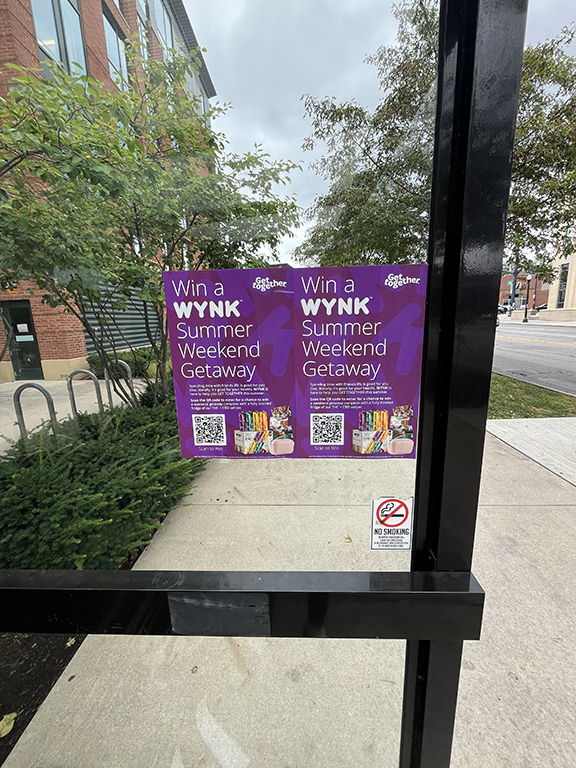
CrimsonRide maintains covered shelters at key campus and off-campus stop locations, particularly at the primary off-campus apartment complex entrance points on the McFarland corridor and at the major campus stop locations including the Ferguson Student Center and Quad-adjacent stops. These shelters see the same students waiting for the same buses at the same times each day, creating the repeat exposure conditions that make shelter advertising a strong frequency driver for campus campaigns.
The shelter positions at the McFarland Boulevard apartment complex entrances are the highest-ridership waiting points in the CrimsonRide off-campus network. The combination of the morning shelter wait and the interior exposure on the CrimsonRide bus creates a two-touchpoint sequence within a single trip that compounds frequency at a rate no single-format placement achieves. For brands running both interior and shelter campaigns on CrimsonRide’s McFarland routes, the shelter wait plus the bus ride creates 40 or more distinct exposure moments per student over a four-week campaign cycle.
The Ferguson Student Center stop is where the largest number of CrimsonRide riders begin or end their trip on the campus side. The Ferguson Center is the social hub of the UA campus, housing the UA Bookstore, food court, student organization offices, and general gathering spaces. Shelter advertising at the Ferguson stop reaches students during the wait between their academic activities and their off-campus departure, when they are most receptive to consumer and entertainment advertising in a discovery frame of mind.
On SEC football home game days, the CrimsonRide shuttle stop shelters near Bryant-Denny Stadium carry an audience that is larger than the regular academic ridership and in a fundamentally different consumer state: spending freely, brand-engaged, and highly attentive to the visual environment of the game day experience. Shelter advertising at the game day CrimsonRide stop reaches students, families, alumni, and out-of-town visitors whose spending patterns on game day dwarf normal daily consumer behavior.
A full backlit panel in a CrimsonRide covered shelter at a primary stop location on the UA campus or the McFarland off-campus corridor. Best for brand campaigns requiring day-and-night visibility at a specific high-traffic CrimsonRide location, particularly for the fall semester when academic schedules keep students moving through campus stops from early morning to late evening. The backlit format extends visibility to evening and nighttime hours when students are returning from late classes and library sessions. Contact AGM for premium shelter pricing.
A mid-size shelter panel at a CrimsonRide stop, positioned for student visibility during waits at campus and off-campus locations. Best for local Tuscaloosa businesses, UA campus organizations, event promotions, and any advertiser with a specific student audience target that does not require full-system shelter coverage. At $850 for a four-week cycle, accessible to Tuscaloosa-area local businesses that want student market presence without the premium shelter commitment.
A bench advertisement at a CrimsonRide stop location, visible to seated waiting students, pedestrians, and vehicle traffic adjacent to the stop. At $700 for a four-week cycle, the transit bench at a CrimsonRide stop provides the most accessible advertising entry point in the campus transit inventory. Best for sustained campus presence at specific CrimsonRide stops, particularly at the McFarland apartment corridor stops where students wait daily for morning service.
The UA campus and the Tuscaloosa student community are among the strongest guerrilla marketing environments in the South. Students are visually attentive, socially connected, and prolific documenters of their campus environment. Layering AGM’s guerrilla formats with a CrimsonRide transit campaign creates a compound campus presence that extends far beyond the bus interiors themselves.
Snipe advertising along McFarland Boulevard, The Strip restaurant and bar corridor on University Boulevard, and at high-traffic campus pedestrian intersections near the Quad creates repeated street-level touchpoints for students who also ride CrimsonRide. A brand that appears on interior bus cards and on the snipes at McFarland commercial intersections achieves a frequency pattern that persists throughout the student’s daily movement between campus and off-campus environments.
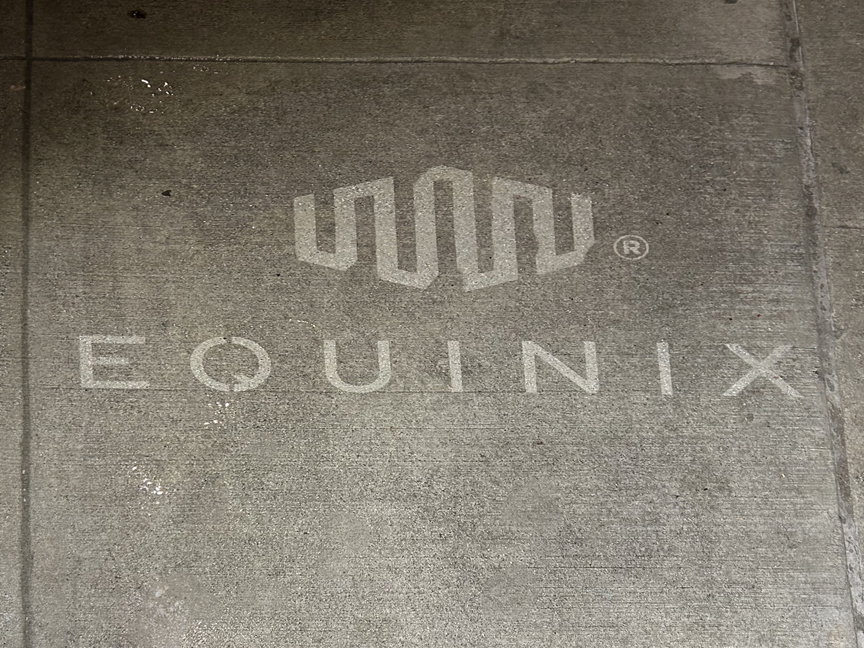
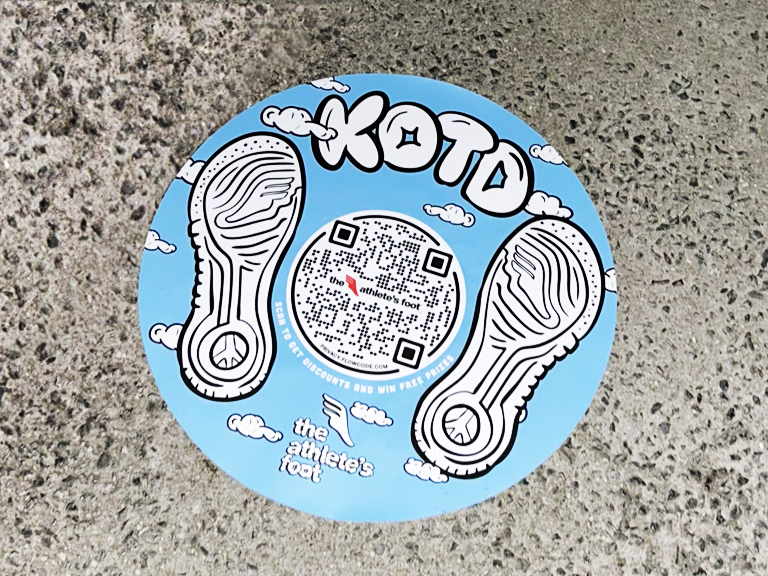
Sidewalk stencils at the high-traffic pedestrian intersections on campus, particularly near the Ferguson Student Center, the Gorgas Library, and the bridge over University Boulevard near the Ferg, create ground-level brand contact at the points of maximum student foot traffic. A stencil placed at the Ferguson CrimsonRide stop reinforces the same brand that students saw on the bus that morning, completing the impression sequence in the outdoor pedestrian environment.
Take-one flyers at the coffee shops, bars, and gathering spaces on The Strip and McFarland Boulevard extend the campus transit campaign into the off-bus social spaces where students spend their evenings. A student who sees your CrimsonRide interior card during the morning commute can encounter the same brand at Innisfree Irish Pub or Sip coffee shop later the same day, building the multi-touchpoint frequency that campus advertising strategy is built around.
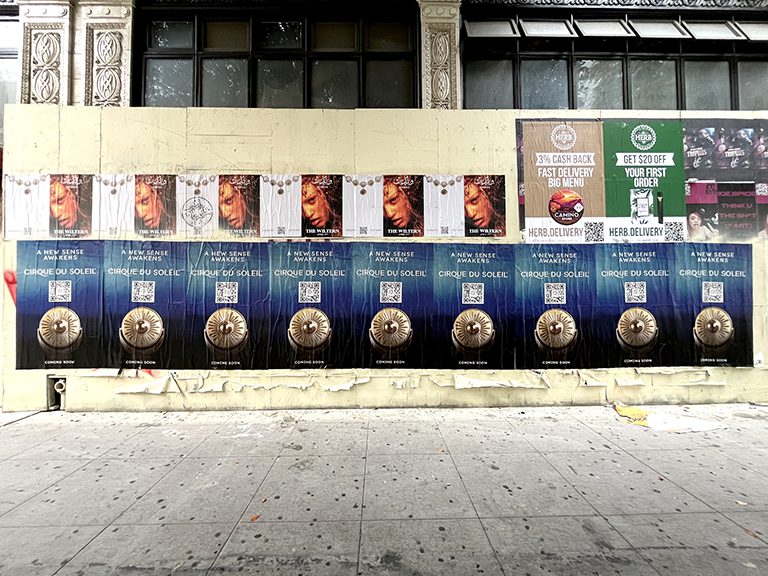
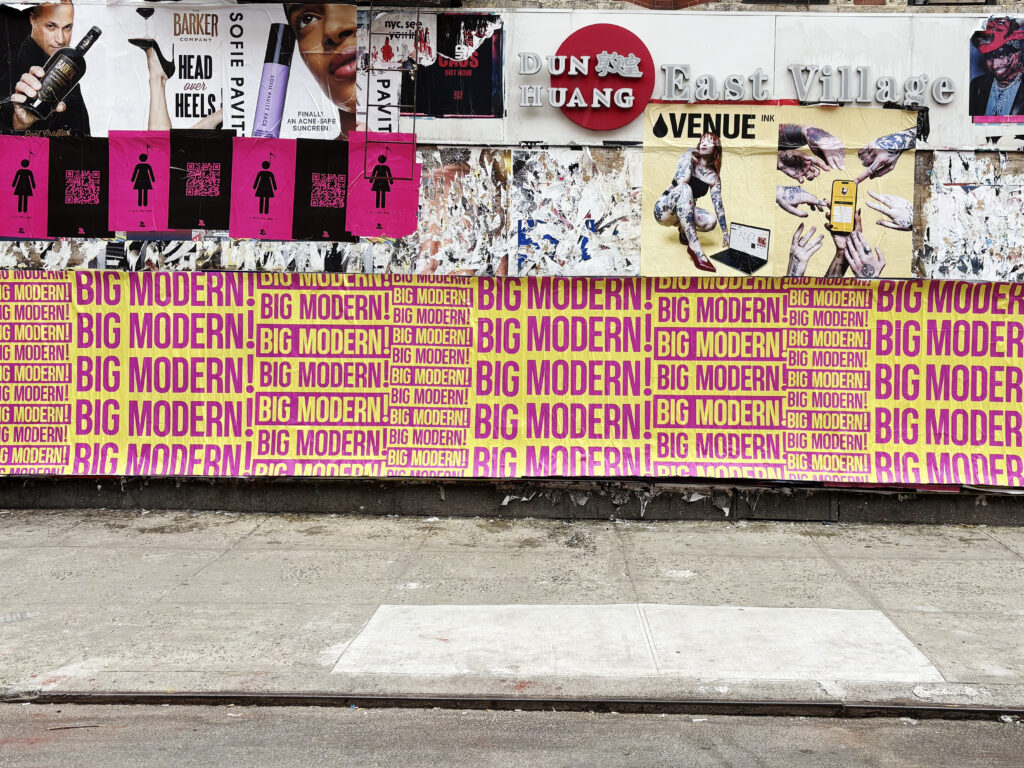
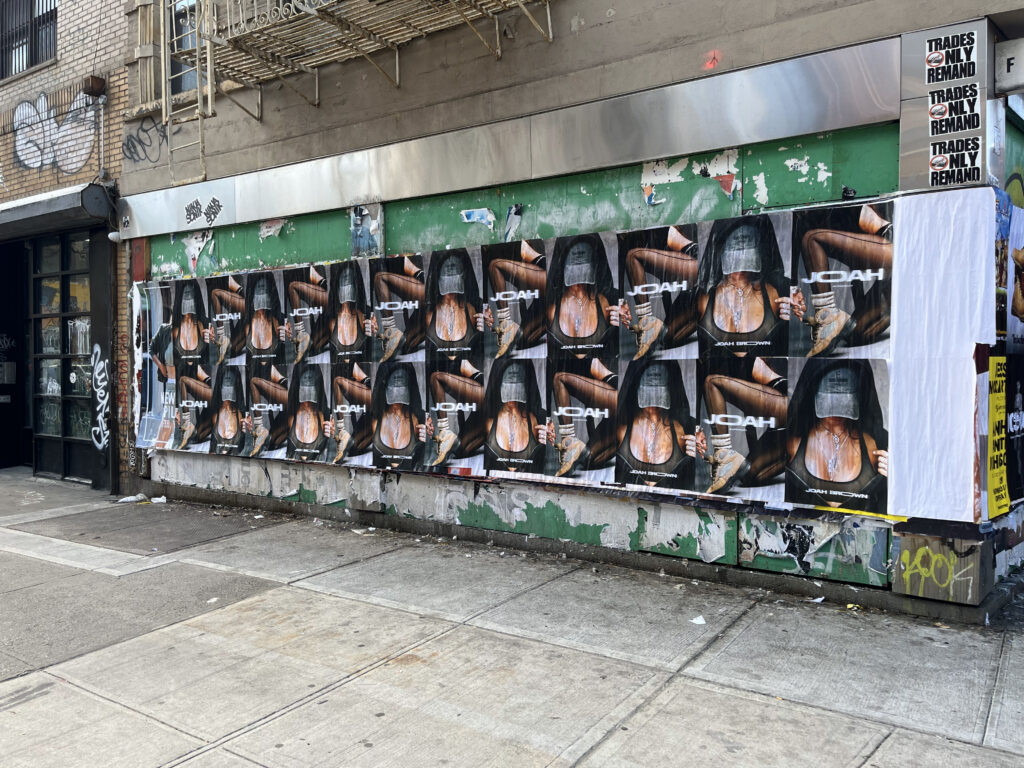
Wheatpasted poster campaigns on legal surfaces in the student commercial corridors around the UA campus, particularly in the creative and arts districts around Paul W. Bryant Museum and along the pedestrian areas of Tuscaloosa’s student-facing commercial blocks, create large-format impressions for the walking student community that complement the transit campaign’s captive-audience exposure.
National brands targeting the 18 to 24 demographic are the most consistent CrimsonRide advertisers: financial services companies launching student banking products, food delivery and meal kit brands, streaming services, mobile carriers running student plan promotions, and consumer packaged goods brands. Tuscaloosa area businesses including local restaurants, fitness studios, apartment complexes, and service businesses run CrimsonRide interior cards targeting the off-campus student market. UA’s own departments and colleges use CrimsonRide advertising for student enrollment programs, health and wellness campaigns, and campus event promotions. Alabama Crimson Tide athletic department uses CrimsonRide for event promotion during the academic year. Financial aid offices, housing offices, and student services departments use interior cards to reach the full student body with deadline and enrollment information during academic calendar peaks.
CrimsonRide operates a reduced service schedule during the summer session, reflecting the lower summer enrollment at UA. Summer advertising on CrimsonRide is available but reaches a smaller ridership than the academic-year campaigns. For brands specifically targeting the full UA student enrollment, AGM recommends fall semester or spring semester campaigns as the primary windows. Summer campaigns make sense for advertisers whose product or service has specific relevance to summer-enrolled students or to the Tuscaloosa community that uses CrimsonRide service during the reduced-schedule summer operation.
Yes. CrimsonRide deploys specific game day service for Alabama home football games at Bryant-Denny Stadium, and advertising placement on these game day shuttles is a distinct opportunity separate from the regular academic semester route inventory. Game day shuttle advertising reaches the full Alabama football attending audience, including students, alumni, and visitors, in a high-energy spending context. AGM can advise on available advertising positions for specific game day dates and recommend the formats that perform best in the game day shuttle environment.
CrimsonRide’s ridership is almost entirely UA students commuting between campus and the off-campus student housing corridors. Orbit’s ridership is the broader Tuscaloosa community: city residents, workers, and community members who use the city bus network for daily transportation outside the university community. For brands targeting UA students specifically, CrimsonRide is the more precise placement. For brands targeting the broader Tuscaloosa market, Orbit is the appropriate channel. AGM can structure a combined CrimsonRide-Orbit campaign for advertisers who want both audiences.
AGM structures CrimsonRide campaigns to align with UA’s academic calendar. Semester-length packages run for the full fall or spring semester, typically 14 to 16 weeks, and represent the most efficient way to achieve the frequency necessary for brand awareness among the full CrimsonRide student ridership. Shorter four-week and eight-week buys are available for advertisers with specific promotional timelines. AGM advises on the campaign duration that best matches the advertiser’s objective: full-semester coverage for brand awareness, four-week bursts for event promotions, and multi-semester continuity for brands committed to building UA market presence over the full academic year.
As a university-operated transit system, CrimsonRide may have specific content guidelines that reflect UA’s campus community standards and the university’s advertising policy. Categories that may require additional review include alcohol, political advertising, and certain consumer categories. AGM advises clients on content guidelines during the campaign planning process and reviews proposed creative for compliance before submission. Most standard consumer advertising categories, including financial services, food and beverage, entertainment, technology, and lifestyle brands, run without restrictions.
Standard CrimsonRide interior card and poster campaigns can launch in two to four weeks from artwork submission to installation. For fall semester campaigns, AGM recommends beginning the planning process in July or early August to ensure placement before the fall academic calendar begins in late August. Spring semester campaigns should begin planning in November or December for January launch. Game day campaigns require earlier coordination to secure placement on the specific game date service vehicles.
AGM provides photographic installation documentation for all CrimsonRide placements, including photos of interior card and poster installations showing position within the bus, exterior vehicle documentation for wraps and window vinyls, and shelter panel photos for all shelter placements. Ridership data from UA Transportation Services is used to calculate impression estimates, and post-campaign reporting includes all documentation photographs plus a summary of placement positions, routes, and estimated total impressions.
CrimsonRide routes are designed specifically to connect the UA campus to the off-campus student housing corridors, primarily along McFarland Boulevard, Skyland Boulevard, and the residential streets and apartment complex access roads in between. The system does not serve the broader Tuscaloosa community. For advertisers who need to reach both the UA student community and the broader Tuscaloosa market, AGM recommends a combined CrimsonRide and Orbit advertising buy.
CrimsonRide is effective for both local Tuscaloosa businesses and national brands. Local businesses in food, entertainment, fitness, and personal services that serve the student market are among the most natural CrimsonRide advertisers because their product is specifically relevant to the student demographic. National brands use CrimsonRide for student market penetration at a cost point more efficient than broader Alabama market media buys when the target is specifically the 18 to 24 college-enrolled demographic. AGM serves both local and national CrimsonRide advertisers.
CrimsonRide and the Tuscaloosa Orbit city bus system have connection points at key locations in the student community, allowing riders to transfer between the campus transit system and the broader city network. The connection points serve students who need to reach Tuscaloosa destinations beyond the CrimsonRide service area and community members who commute to the UA campus from Tuscaloosa neighborhoods served by Orbit. For advertisers whose target includes both UA students and the broader Tuscaloosa community, understanding these connection points helps identify where the two systems’ audiences overlap.