American Guerrilla Marketing
Nationwide serivce
Media planning, media buying, billboard advertising, & guerrilla marketing
American Guerrilla Marketing is the media buying partner for interior bus and shelter advertising on BJCTA MAX routes across Jefferson County. Direct execution, no middlemen, 500+ transit campaigns executed nationwide.
Birmingham is not an interchangeable market. The people who ride MAX Transit through Jefferson County are not abstract demographic categories on a media plan. They are the workers, students, patients, shoppers, and residents who move between downtown Birmingham and the municipality corridors that make up the metro, day after day, on a schedule that an advertiser can predict and reach with precision. MAX serves communities from Bessemer on the southwest to Center Point on the northeast, from Tarrant through East Lake to Mountain Brook, and through the University of Alabama at Birmingham medical and academic corridor that has become one of the fastest-growing employment centers in the entire Southeast. Interior bus advertising on MAX reaches that audience in a confined, low-distraction environment where your message is one of very few things competing for their attention.
The Birmingham-Jefferson County Transit Authority operates under the MAX brand with fixed-route bus service that covers the full sweep of Jefferson County’s urban and suburban communities. The transit center at 1801 Morris Avenue in downtown Birmingham serves as the hub that most routes pass through, which means downtown is where riders transfer, where dwell time is highest, and where a campaign running across multiple routes achieves concentrated frequency. A rider connecting from the Center Point route to the Bessemer route at Morris Avenue sees your ad multiple times in a single commute cycle. That frequency is advertising value that outdoor boards and digital campaigns cannot replicate at the same cost level.
AGM has been placing transit advertising campaigns for over 10 years across more than 500 campaigns in markets nationwide. We work with MAX’s inventory directly, placing interior cards, king and queen posters, and shelter materials on the routes and at the stops where your target audience is concentrated. We know the Jefferson County system: which routes carry the heaviest ridership, which corridors serve which community demographics, and how to layer a campaign across routes and stops to achieve the market penetration that a single placement misses.
AGM places interior bus and shelter advertising across Jefferson County's MAX Transit network. Tell us your target audience, your geography, and your timeline. We'll build the placement plan and execute it directly.
MAX Transit connects Birmingham’s employment base to the residential communities that surround it. The University of Alabama at Birmingham campus and health system, located along University Boulevard and 9th Avenue South, is one of the largest employers in the state of Alabama. Every route that serves the UAB corridor carries healthcare workers, medical students, administrative staff, and patients commuting from across the county to one of the region’s most concentrated professional populations. The East Lake and Center Point routes that run along 5th Avenue North carry commuters from northeast Jefferson County into downtown’s office district and back, a daily ridership pattern that repeats Monday through Friday with near-complete predictability.
The Bessemer and Midfield corridors on the southwest side of the system serve a working-class ridership base with strong consumer spending patterns in everyday categories: groceries, pharmacy, banking, cellular service, fast food, and personal services. These riders are reachable by transit advertising in a way that digital campaigns consistently struggle to achieve, particularly on routes where riders spend 30 to 45 minutes on a single bus leg and have limited alternative media to occupy that time. An interior bus ad in this environment is not competing with a phone screen. It is the most visible thing in the rider’s immediate field of view for the duration of the ride.
The Mountain Brook and Homewood routes push into Jefferson County’s highest-income residential corridors, carrying a different demographic into downtown. The combination of routes across the MAX system means a transit advertising campaign can be structured to reach multiple income brackets and multiple community types within a single county, from the auto-dependent suburbs where a resident still takes the bus into downtown to the transit-dependent communities on the Ensley and West End routes. No other format in the Birmingham market delivers that geographic range at the cost per impression that interior transit advertising achieves.
Interior bus advertising on the MAX fleet puts your brand in front of a captive, attentive audience for the duration of every trip. Riders board, sit, and spend their commute time in a space where your creative is mounted at eye level or above, in consistent lighting, with no other brands immediately adjacent. The placement creates a reading environment that print media planners recognize as high-value: the rider has nowhere else to look, and repeat exposure over the course of a multi-week campaign builds brand recognition in a way that a fleeting billboard impression cannot.
The routes running northeast along 5th Avenue North through East Lake and into Center Point are among MAX’s highest-ridership fixed-route services. This corridor connects the dense residential neighborhoods of northeast Jefferson County, including East Lake, Roebuck, Huffman, and Center Point, to the downtown Birmingham employment hub. The ride from Center Point to the Morris Avenue transit center takes approximately 35 to 45 minutes, depending on traffic and stops, giving an interior ad placement sustained exposure time per rider trip.
The 5th Avenue North ridership skews toward working adults commuting to downtown office jobs, retail and food service employment, and healthcare support positions at UAB and the surrounding medical district. These are riders who rely on MAX consistently rather than occasionally, which means an interior campaign on this corridor achieves repeat exposure to the same individual riders over the full length of a four-week campaign cycle. Frequency is one of the most reliable predictors of advertising recall, and this route delivers it at the ground level where no digital or outdoor format competes.
Best advertiser categories for this corridor: regional banks and credit unions, retail chains with Eastside and downtown Birmingham locations, healthcare system recruitment ads, pharmacy and insurance brands, mobile carriers, and QSR brands with locations along the 5th Avenue North and Center Point Parkway commercial corridors.
The southwest routes serving Bessemer, Midfield, and Fairfield run along the Bessemer Super Highway and connect communities with strong manufacturing, retail, and service-sector employment bases to the downtown transit hub. This is one of the older industrial corridors in Jefferson County, now heavily weighted toward healthcare employment (Princeton Baptist Medical Center on Princeton Avenue draws from this corridor), retail along the Bessemer Super Highway commercial strip, and the community services employment that anchors neighborhoods in Midfield and Fairfield.
Interior bus advertising on these southwest routes reaches a working adult audience with consistent daily transit dependency. Riders in this corridor often travel 30 to 50 minutes each direction, and a well-placed king poster or interior card is in their field of view for the full duration. The demographic is primarily 25 to 55, working-class to middle-income, with strong brand loyalty in everyday consumer categories including grocery, pharmacy, telecommunications, financial services, and entertainment.
Best advertiser categories for the Bessemer corridor: healthcare systems and clinics, auto insurance brands, consumer electronics retailers, grocery and pharmacy chains with Bessemer corridor locations, utilities and telecommunications providers, and community banking brands targeting Jefferson County residents outside the Birmingham core.
Routes serving the University of Alabama at Birmingham campus run through one of the most economically significant employment and student corridors in the state. UAB’s health system employs tens of thousands of workers across the hospital complex, the Kirklin Clinic, the Children’s of Alabama campus, and the Volker Campus academic buildings. The transit routes serving this corridor carry a genuinely mixed demographic: medical students and residents, nursing staff, administrative workers, undergraduate students from UAB’s growing residential population, and patients traveling to and from appointments.
The UAB corridor is a particularly strong advertising environment for healthcare brands, professional education programs, financial services targeting students and early-career professionals, and consumer brands with relevance to the health-conscious and education-oriented UAB community. The interior environment on these routes is read by people with significant earning potential over their careers, making the audience particularly valuable for financial products, career development services, and premium consumer brands seeking Birmingham market penetration among a younger professional audience.
Best advertiser categories for the UAB corridor: medical and dental practices, pharmacy brands, graduate program enrollment advertising for UAB and Samford University, financial services including student banking and credit cards, health insurance plans, and retail brands targeting the student and young professional demographic on the Southside and Highland Park neighborhoods adjacent to campus.
The MAX Transit Center at 1801 Morris Avenue in downtown Birmingham is where multiple routes converge for transfers, and the interior advertising environment at this hub generates some of the highest per-rider frequency exposure in the system. Riders waiting for connecting buses, drivers completing route turnarounds, and the daily commuter traffic moving through the facility are all exposed to interior signage at the hub. Shelter and interior placements at the Morris Avenue facility reach every rider who transfers in the downtown core, which across all MAX routes represents a substantial portion of the system’s total daily ridership.
The downtown Birmingham ridership at Morris Avenue also includes a significant daytime workforce population that combines bus commuting with walking trips to nearby offices, restaurants, and the Government Plaza complex on 20th Street North. Retail and service brands with downtown Birmingham locations should treat Morris Avenue as a concentration point for frequency targeting within the transit system, using both shelter advertising at the transfer facility and interior cards on the inbound and outbound routes that feed it.
Best advertiser categories for the Morris Avenue hub: downtown employers running recruitment campaigns, retail and restaurant brands in the downtown core, entertainment and event venues in the Birmingham entertainment district, financial services with downtown branches, and healthcare brands with proximity to the Medical District and UAB hospital system just southwest of downtown.
What it is: A full exterior wrap covering the entire bus body, including sides, rear, and sometimes the front, transforming the vehicle into a moving billboard visible throughout Jefferson County streets.
Best for: Brand launches, major product campaigns, event promotions with citywide reach. The MAX fleet covers routes from Bessemer to Center Point, meaning a wrapped bus travels through virtually every major corridor in Jefferson County over the course of its daily service cycle.
Why buy it: A full wrap on a MAX bus is the highest-visibility transit advertising unit in the Birmingham market. The bus itself becomes a moving presence in neighborhoods, at traffic signals, and in the rearview mirrors of commuters across the entire route network. For brands that need market-wide visual saturation in Birmingham, the wrap format delivers impressions at a cost per view that no static outdoor format can match at equivalent geographic coverage.
Contact AGM for current MAX full wrap pricing and availability.
What it is: A large-format interior poster typically running 30 inches by 144 inches, mounted along the interior sides of the bus above the window line.
Best for: Brand awareness campaigns with clear visual hierarchy. The king format has enough real estate to carry a strong headline, key supporting information, and a call to action that reads comfortably from the seats across the aisle.
Why buy it: The king poster is the interior format that gets seen by every rider on the bus, every trip. Unlike a card that might be positioned near one door, the king’s length means it is in sightlines from both the front and rear seating sections. Running king posters on the five or six highest-ridership MAX routes simultaneously creates consistent market-level frequency across the Jefferson County commuter base.
Contact AGM for MAX king poster rates, available routes, and four-week cycle pricing.
What it is: A mid-format interior poster, typically 30 inches by 88 inches, positioned on interior walls at the front or rear of the bus near the main passenger seating areas.
Best for: Campaigns that need a strong interior presence at a lower unit cost than the king format. The queen is particularly effective for advertisers running targeted campaigns on specific routes rather than the full system.
Why buy it: The queen poster is the workhorse interior format for mid-budget campaigns on the MAX system. A campaign targeting the UAB corridor or the northeast Jefferson County commuter routes can place queen posters on the specific routes serving those audiences without committing to system-wide coverage.
Contact AGM for current queen poster availability and multi-route package pricing on MAX.
What it is: A horizontal interior card positioned above the front windshield or across the front interior panel of the bus, typically 11 inches by 28 inches.
Best for: Short headline messages, URL or phone number placements, event date promotions, and campaigns that prioritize front-of-bus dwell for boarding riders.
Why buy it: The headliner position has a unique exposure moment on MAX Transit. As riders board at stops along 5th Avenue North, Bessemer Super Highway, or the University Boulevard corridor, the front interior is the first thing in their visual field when they step up and move toward a seat.
What it is: An exterior rear-panel advertisement positioned at the back of the bus, facing traffic following behind the vehicle at intersections and along arterial streets throughout Jefferson County.
Best for: Advertisers targeting the vehicle-traveling public rather than bus riders specifically. The tail display reaches drivers stopped behind MAX buses at signals.
Why buy it: Birmingham’s surface street traffic creates consistent dwell time for tail display impressions. Across a bus that makes 30 to 50 stops per route cycle, the tail display accumulates substantial impression time against vehicle traffic throughout the Jefferson County network.
What it is: A smaller interior advertisement, typically 11 by 17 inches or 11 by 28 inches, placed in card holders distributed at multiple positions throughout the bus interior.
Best for: Campaigns with dense informational content, QR code placements, detailed service or product explanations, and advertisers who want distributed coverage across many card positions within a single bus.
Why buy it: Interior cards are the most granular interior format available on the MAX fleet, and their distributed positioning throughout the bus means no seat is far from a card placement. Running interior cards on a multi-route buy across MAX creates widespread market coverage at a cost point accessible to local and regional advertisers.
What it is: A card or printed panel mounted on the back of a seat, positioned at direct eye level for the rider seated in the row behind it.
Best for: Close-range, reading-distance creative. The seat-back position is at approximately 24 to 30 inches from the reader, comfortable for detailed text, QR codes, and creative that rewards engagement.
Why buy it: The seat-back position on MAX Transit is one of the most intimate advertising positions in any medium. On longer routes like the Center Point and Bessemer runs where riders are seated for 30 to 45 minutes, a well-designed seat-back placement gets read and re-read across the full trip.
What it is: A horizontal card positioned in the overhead panel above the windows, facing down toward seated riders. Typically 11 by 28 inches.
Best for: Secondary placements that supplement a primary king or queen poster buy. Also effective as a standalone format for simple, high-recall messages.
Why buy it: The overhead position is where a standing rider’s gaze naturally falls when holding a pole or strap. On crowded MAX buses during peak commute windows, standing riders are the primary overhead card audience.
What it is: A perforated vinyl decal applied to interior-facing or exterior-facing window surfaces. Riders inside can see through the material; viewers outside see the full printed graphic.
Best for: Campaigns that want exterior visibility without a full wrap commitment.
Why buy it: Window vinyls extend the reach of an interior campaign by adding outside-facing impressions on the same bus. A brand running interior cards on the UAB corridor can add window vinyls to extend the campaign message to pedestrian and vehicle traffic on University Boulevard.
MAX Transit’s shelter network covers the primary stop locations along Jefferson County’s most-traveled corridors. Bus shelters provide a stationary advertising surface at the exact location where riders wait, typically for 5 to 20 minutes per stop visit. That dwell time is uninterrupted, low-distraction exposure that makes shelter advertising one of the highest attention-value formats in the transit inventory.
The shelter stops along 5th Avenue North from East Lake through Huffman represent some of the highest-ridership waiting points in the MAX system for northeast Jefferson County commuters. The shelter inventory along this corridor sits at the primary boarding and alighting points for the dense residential neighborhoods that feed the 5th Avenue routes: East Lake neighborhood residents, Huffman community residents, and the workforce commuters heading to downtown employment who gather at these stops during the morning peak from approximately 6:30 AM to 8:30 AM and the afternoon peak from 4:00 PM to 6:30 PM.
Advertising on the 5th Avenue North shelter corridor reaches a consistent, repeat audience. These are daily commuters with established stop routines who pass the same shelter display every workday. A four-week campaign cycle at a shelter stop on this corridor reaches the same individuals 20-plus times. For service brands in healthcare, financial services, insurance, and telecommunications targeting the northeast Jefferson County residential community, shelter advertising on the 5th Avenue North corridor is direct local market placement with maximum frequency.
The shelter stops along University Boulevard between the UAB campus core near 8th Avenue South and the medical district facilities facing University Hospital represent a concentrated professional and student audience. Riders waiting at these stops include UAB nursing and medical staff on shift changes, students commuting between campus and off-campus housing in the Southside and Highland Park neighborhoods, and patients traveling to and from outpatient appointments at the Kirklin Clinic complex.
The University Boulevard shelter environment is one of the most demographically specific advertising positions on the MAX system. Healthcare brands, educational institutions, health insurance providers, financial services brands targeting early-career professionals, and apartment and housing brands serving the UAB community all benefit from placement at these stops.
The Bessemer Super Highway shelter positions along the Route 3 corridor serve one of Jefferson County’s busiest commercial strips, where fast food, auto parts stores, big-box retail anchors, and discount chains generate steady foot traffic adjacent to the transit stops. Riders waiting at these shelters are embedded in a retail decision-making environment, often within 500 feet of the brands whose ads are running in the shelter panels.
The Bessemer Super Highway ridership is predominantly working adult with strong everyday consumer purchasing patterns. Auto insurance, grocery, pharmacy, cellular service, and QSR brands have a demonstrated history of performance on this corridor because the audience has both the need for these products and the proximity to act on an ad prompt.
What it is: A full-panel interior shelter advertisement, typically backlit, placed in the primary display position on a covered transit shelter along MAX routes in Jefferson County.
Best for: Brand campaigns requiring high visibility, event promotions, retail announcements, and any advertiser that wants a stationary presence at a specific high-traffic stop location.
Why buy it: Premium shelter displays on the MAX network are the highest-impact shelter format available. The backlit panel is visible day and night, extending the impression opportunity to evening riders on the 5th Avenue North and Bessemer corridors after dark. At $3,850 for a four-week cycle, a premium shelter on a high-ridership MAX corridor delivers cost-per-impression rates that compare favorably with digital display at equivalent daily audience volumes.
What it is: A mid-size shelter panel, smaller than the premium display, positioned on the interior or exterior of a transit shelter along MAX routes.
Best for: Local and regional advertisers with focused geographic targets. The junior poster format is effective for neighborhood-level businesses, service providers, and event promotions.
Why buy it: At $850 for a four-week cycle, the junior poster is the entry point for shelter advertising on the MAX network. Local law firms, medical practices, dental offices, and neighborhood-level service businesses in Bessemer, Midfield, East Lake, and the UAB corridor can place shelter advertising with a budget that reflects local business scale.
What it is: An advertisement placed on the back or seat panel of a transit bench at a MAX stop location, visible to seated riders, pedestrians, and passing vehicle traffic.
Best for: Sustained, low-cost brand presence at specific stop locations along high-traffic MAX corridors.
Why buy it: Transit benches on MAX routes at $700 for a four-week cycle represent the most accessible entry point in the transit advertising inventory. For a local business targeting a specific neighborhood corridor, a bench placement at the nearest high-traffic MAX stop creates daily impressions among the residents and commuters who use that stop.
Transit advertising works best when it is part of a larger presence campaign rather than a standalone placement. AGM’s guerrilla marketing services let you layer street-level execution along the MAX corridors to amplify frequency beyond what bus interiors and shelters alone can achieve.
Snipe advertising along 5th Avenue North, University Boulevard, and the Bessemer Super Highway creates repeated visual contact with the same corridors that MAX riders travel. Snipe placements at eye level on utility poles, scaffolding, and construction barriers along MAX routes mean that a rider who sees your bus interior card also sees your snipe at their stop and again on their walk to their destination. That three-touch sequence across a single commute trip is the kind of frequency that builds recall in a way that no single placement achieves.
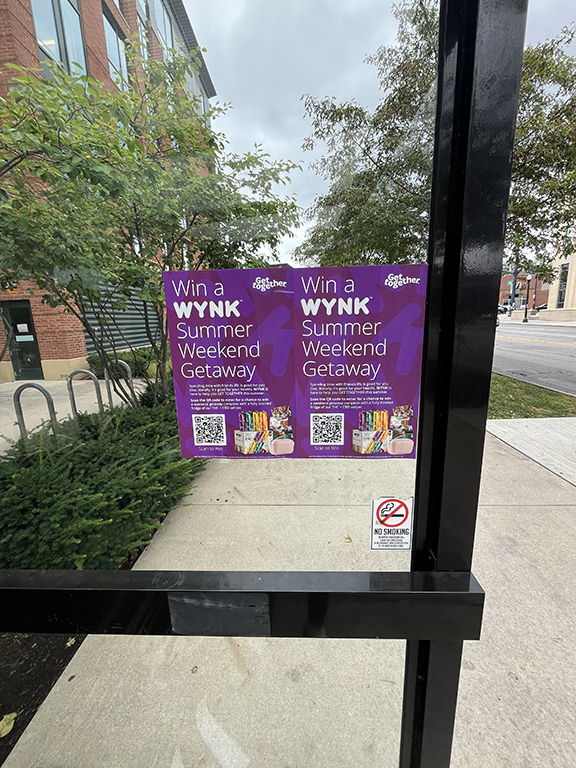
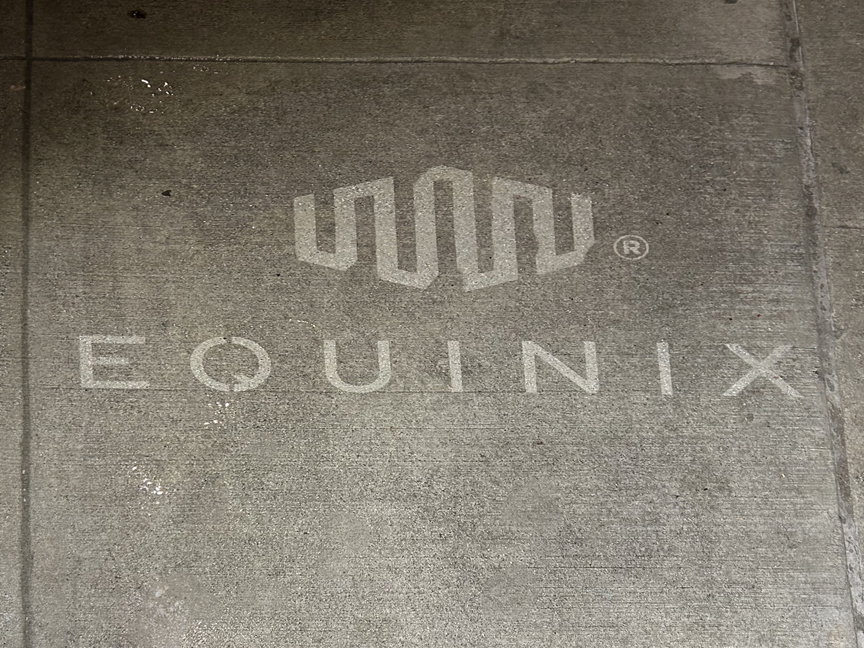
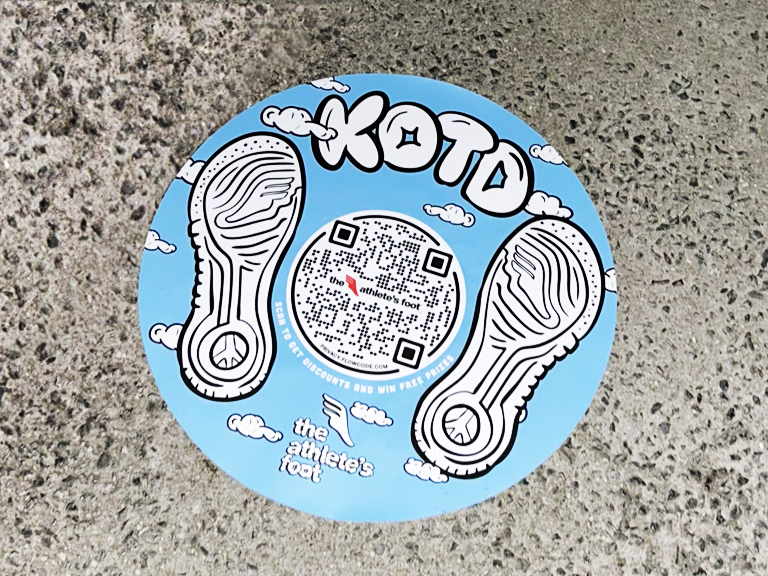
Sidewalk decals at high-traffic MAX stops, particularly at the Morris Avenue transit center and at the University Boulevard UAB stop cluster, create a ground-level brand presence that riders physically walk over and around. For product launches, event promotions, and brand activations with a specific geographic focus in Birmingham, sidewalk stencils at MAX stops create a visible moment at exactly the location where riders are most likely to be on foot and in a discovery frame of mind.
Take-one flyers at venues along MAX corridors, including coffee shops, gyms, and community spaces in East Lake, Lakeview, and the UAB campus, extend the same campaign message into spaces adjacent to the transit network. A rider who sees your MAX bus ad can encounter the same brand again at the coffee shop near their stop, reinforcing the message beyond the bus ride itself.
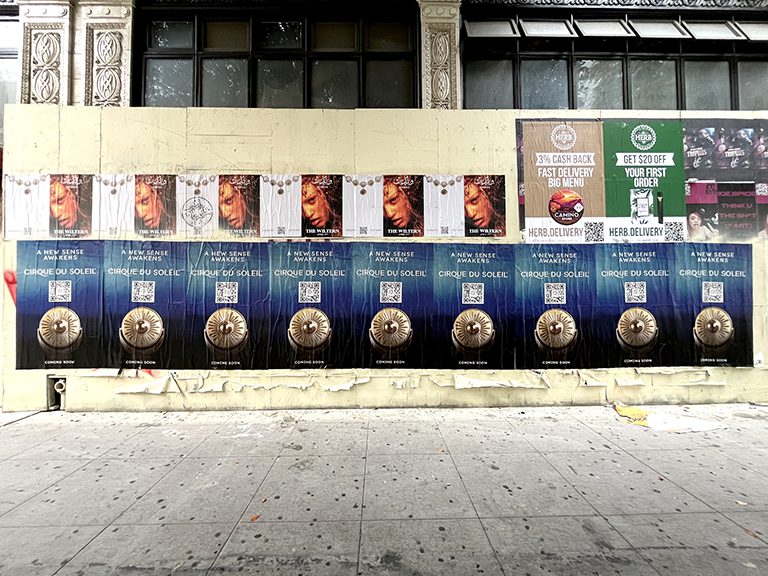
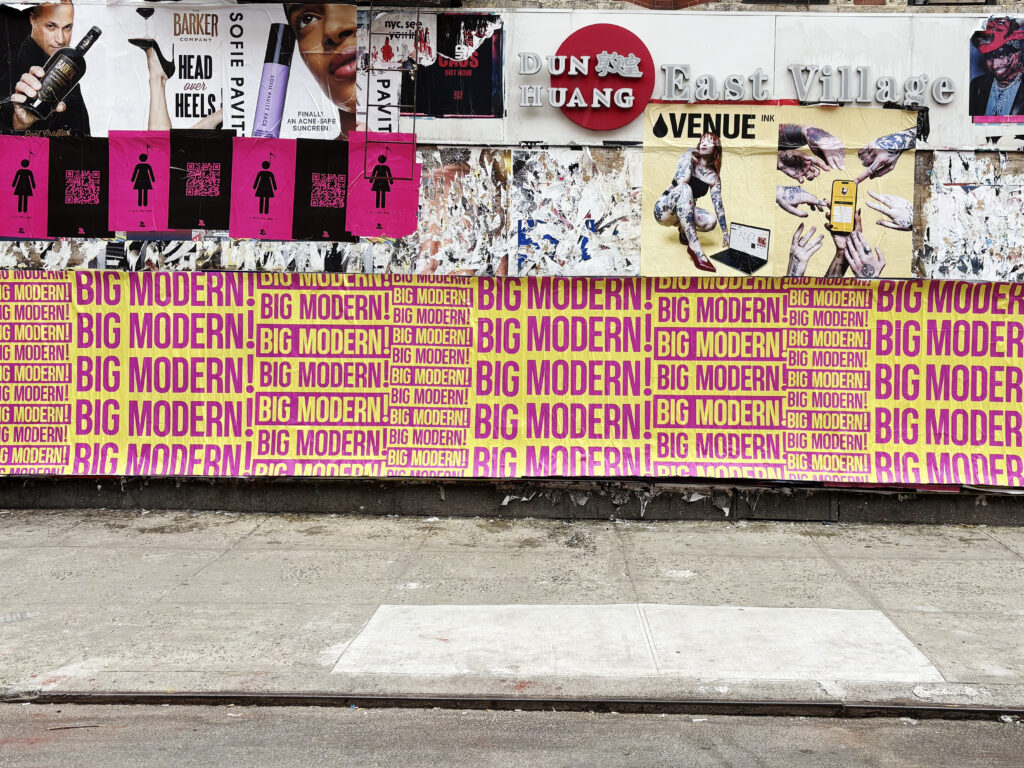
Wheatpasted poster campaigns on legal surfaces in the Birmingham corridors that MAX routes travel, particularly in the Avondale, Five Points South, and Southside neighborhoods near University Boulevard, create larger-format impressions that riders see from the bus window and on foot. Combining wheatpaste with a MAX interior campaign gives you the street credibility of a guerrilla format alongside the audience precision of the transit system.
The MAX Transit advertising base reflects the system’s route geography and ridership demographics. Healthcare systems, particularly UAB Health System, Brookwood Baptist, and the clinics that serve Jefferson County’s working-class communities, are consistent transit advertisers because the routes deliver exactly the audiences these systems need to reach for patient acquisition and service enrollment. UAB itself uses transit advertising for student recruitment and campus programming. Local financial institutions, credit unions, and insurance providers target the working adult ridership on the Bessemer and northeast Jefferson County routes. QSR and fast food chains with locations along the primary MAX corridors run shelter advertising because the proximity-to-store effect on commuters waiting at adjacent stops produces measurable foot traffic response.
State and county government agencies run public service information campaigns on MAX routes, particularly for health programs, utility assistance, and community services targeting the transit-dependent populations in Midfield, Fairfield, Bessemer, and the Ensley corridor. Concert and entertainment venues in the Birmingham market use transit advertising for event promotion, particularly on routes serving the 18 to 35 demographic. Political campaigns in Jefferson County use MAX advertising during election cycles to reach the transit-riding voter base. The breadth of advertiser categories reflects the system’s reach across the full demographic spectrum of Jefferson County.
The highest-ridership corridors on the MAX system consistently include the 5th Avenue North routes serving East Lake and Center Point, the University Boulevard routes serving UAB, and the Bessemer Super Highway southwest corridor. The downtown Morris Avenue hub sees the highest concentration of transfer traffic in the system and is the strongest single-location targeting point. AGM reviews current ridership data with MAX before recommending route buys so your campaign is placed on the corridors that actually deliver the volumes the system’s historical numbers reflect.
Yes. MAX Transit advertising can be structured as individual route buys, corridor-specific shelter placements, or targeted interior card campaigns on selected routes. You do not need to commit to full-system coverage to run an effective campaign. AGM helps clients identify the specific routes and stop locations that match their geographic and demographic targets, then builds a media plan around those positions. A local business in East Lake or Bessemer can buy the routes serving its immediate community without paying for system-wide placement they don’t need.
The standard campaign cycle on MAX Transit is four weeks, aligning with the transit industry’s standard posting period. Most advertisers run campaigns of four to twelve weeks, with eight weeks being a common minimum for brand awareness objectives. Shorter four-week campaigns are appropriate for event promotions and product launches with specific date targets. AGM advises on campaign duration based on the advertiser’s objective: conversion-oriented campaigns can perform with four-week cycles, while brand awareness campaigns typically benefit from eight to twelve weeks of consistent presence.
AGM coordinates creative adaptation and print production for all transit format specifications. Advertisers typically provide source artwork or brand guidelines, and AGM’s production team adapts the creative to the required dimensions and file specifications for each format. For advertisers without existing creative, AGM can connect you with designers experienced in transit advertising production. All finished art is submitted and approved through the transit authority before installation.
MAX Transit has been developing a Bus Rapid Transit corridor in Jefferson County that will create dedicated bus infrastructure with higher-frequency service and purpose-built station environments. BRT stations represent a premium advertising environment with purpose-designed structures that accommodate larger, more prominent advertising formats than standard stop shelters. AGM monitors MAX’s BRT development and will have advertising placement options available at BRT stations as the infrastructure comes online.
MAX Transit’s ridership spans a broader demographic range than many transit systems because Jefferson County routes serve both transit-dependent communities and transit-choice riders commuting from suburban areas into downtown employment. The core ridership is working adults aged 18 to 55, with strong representation among healthcare workers, service industry workers, retail and food service employees, and students affiliated with UAB, Jefferson State Community College, and other Jefferson County educational institutions. AGM can match your target demographic to the specific routes and stops most likely to reach them.
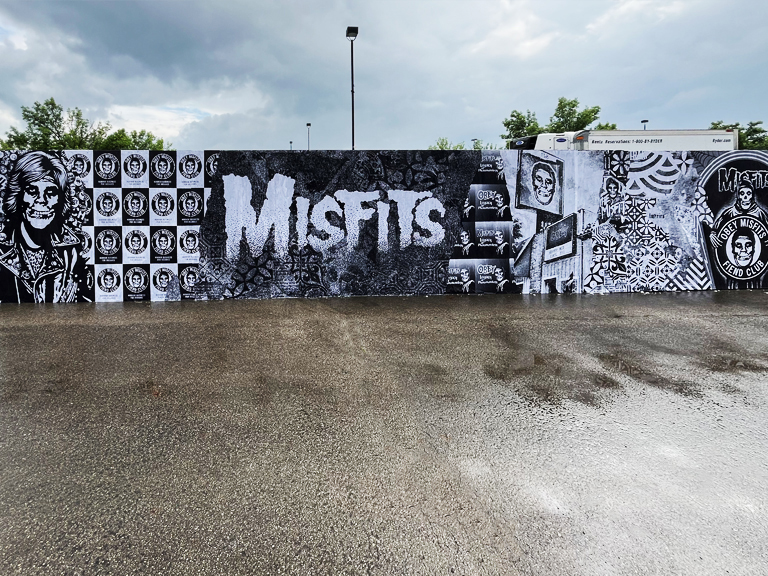
Yes. AGM operates across multiple Birmingham outdoor and guerrilla formats, and the most effective campaigns layer MAX Transit placements with complementary street-level execution. A standard campaign combination includes MAX interior cards on targeted routes, shelter advertising at high-traffic stops along those routes, and snipe or sidewalk stencil placements at the stop locations to reinforce the message at street level. For brands running large campaigns in Birmingham, AGM can incorporate mural advertising in Avondale, Five Points South, and the Railroad Park corridor.
Lead time for MAX Transit campaigns depends on format and inventory availability. Interior cards and posters on standard routes are generally available with two to four weeks of lead time. Premium shelter positions on high-traffic corridors like University Boulevard and 5th Avenue North can book out four to six weeks in advance, particularly for the fall season. Exterior wraps require the most lead time and coordination with the transit authority’s fleet management. AGM recommends starting the planning conversation four to six weeks before your intended campaign launch date.
AGM provides photographic documentation of all MAX Transit placements, including installation photos of interior cards and posters showing their position within the bus, shelter panel photos at each stop location, and ongoing spot-check documentation throughout the campaign period. Post-campaign reporting includes all installation and monitoring photography along with a summary of placement locations, route coverage, and estimated impressions.
Yes. MAX operates routes into the Mountain Brook and Homewood communities, which are among the highest-income municipalities in Alabama. Routes serving these corridors carry a distinct demographic compared to the system’s southwest or northeast routes, skewing toward higher-income commuters, domestic workers, and residents who choose transit into downtown. For brands targeting Jefferson County’s higher-income household demographic, advertising on the Mountain Brook and Homewood routes is a direct path to a demographic that can be difficult to reach cost-effectively through other local media.