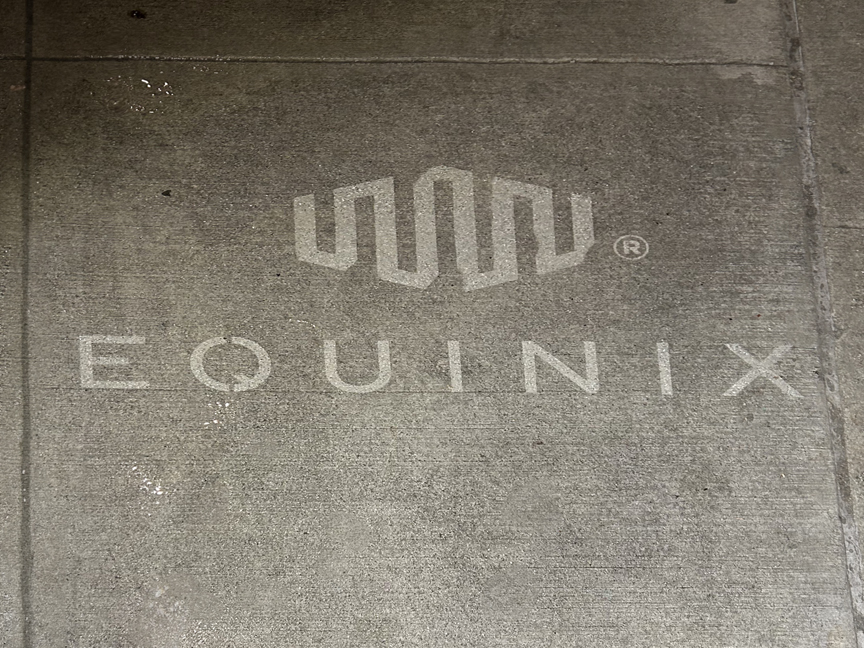
Reverse graffiti advertising, the technique of creating brand images by selectively cleaning dirty urban surfaces rather than adding any material to them, offers a distinctive advertising approach that combines high street-level visibility with an environmental positioning that traditional outdoor advertising cannot claim. Understanding what professional reverse graffiti campaigns actually cost, and what drives those costs, allows brands to evaluate whether the format fits their campaign objectives and budget.
Our team at American Guerrilla Marketing executes reverse graffiti campaigns as part of a broader portfolio of sidewalk stencil and street-level advertising services. The pricing landscape for this specialized format is less widely understood than more established formats like wheat paste posters or billboard advertising. This guide provides a clear, current breakdown of reverse graffiti advertising costs for 2026, including what drives price variation and what a complete professional campaign includes.
What Reverse Graffiti Advertising Is and How It Works
Reverse graffiti uses pressure washing equipment and precisely cut stencils to clean specific areas of accumulated grime from outdoor surfaces, leaving the surrounding dirty surface as the background and the cleaned area as the image. The technique works because many high-traffic urban surfaces, particularly sidewalks, pavement, tunnel walls, and underpass surfaces, accumulate grime over time in a way that creates enough contrast between the cleaned and uncleaned surface to make a clear image visible from street-level viewing distances.
The format carries an inherent environmental message: it adds nothing to the surface and can be considered a form of cleaning rather than advertising. This positioning resonates with brands whose identity includes sustainability, environmental awareness, or a commitment to urban environment improvement. It also attracts attention precisely because it is unexpected and visually interesting in a way that traditional outdoor advertising is not.
2026 Cost Breakdown for Reverse Graffiti Advertising
Reverse graffiti campaign costs in 2026 reflect the specialized equipment, crew expertise, and location access requirements that distinguish the format from simpler outdoor advertising techniques.
Single-Location Campaign
A single-location reverse graffiti campaign, suitable for event activation, product launch, or a targeted brand awareness push in a specific high-visibility location, typically costs $3,000 to $6,000. This range includes stencil fabrication for the brand design, equipment setup and water logistics, crew time for execution, and GPS-tagged documentation of the completed installation. Setup time for a single location is typically three to five hours depending on design complexity and surface access conditions.
Multi-Location City Campaign
A multi-location reverse graffiti campaign covering six to twelve locations across a single city typically costs $12,000 to $25,000. The cost increase from single-location reflects the additional stencil quantity or stencil transport logistics, increased crew time and routing, more extensive documentation, and the campaign management overhead of coordinating a multi-location installation across an urban area.
Multi-City Campaign
Multi-city reverse graffiti campaigns with activations in three or more markets scale above the single-city cost proportionally, with additional costs for travel, equipment logistics across markets, and local operator coordination. A five-city reverse graffiti campaign covering New York, Los Angeles, Chicago, Austin, and Nashville would typically range from $35,000 to $65,000 depending on location count per city and design complexity.
What Drives Reverse Graffiti Cost Variation
Within the ranges above, specific factors push costs toward the high or low end of each range. Understanding these factors helps brands build accurate campaign budgets and evaluate proposals from operators.
Design Complexity
The complexity of the brand image in a reverse graffiti campaign directly affects stencil fabrication cost and execution time. A simple logo or text design requires a straightforward single-layer stencil that is fast to fabricate and fast to execute. A complex multi-element design with fine detail may require multiple stencil layers applied in sequence, significantly increasing both fabrication cost and execution time. Simple designs are more cost-efficient for campaigns where broad location coverage is more important than design complexity.
Surface Access and Water Logistics
Pressure washing equipment requires a water connection. In public spaces, sourcing water for large-scale pressure washing requires either a water tanker or access to a nearby hydrant connection through an appropriate permit. Water logistics in dense urban markets can add meaningful cost to a campaign, particularly for locations that are distant from accessible water connections. This cost factor is more significant in some markets and for some location types than others, and should be specifically addressed in any campaign proposal.
Location Quantity and Routing
The number of locations in a campaign is the most linear cost driver. More locations require more crew time, more stencil logistics, and more documentation work. The routing efficiency of the location list, specifically how geographically concentrated the locations are and how efficiently a crew can move between them, also affects total crew time cost for a multi-location campaign.
How Reverse Graffiti Compares to Other Sidewalk Advertising Formats
Reverse graffiti occupies a specific cost and positioning niche relative to other sidewalk and street-level advertising formats. Standard sidewalk chalk stencil campaigns are less expensive per location. Permanent sidewalk decal installations may be more expensive depending on the material and adhesion method. The unique positioning of reverse graffiti as a cleaning-based, temporary, environmentally neutral format distinguishes it from both these alternatives in ways that are relevant to specific brand positioning needs.
Brands that would benefit from the environmental positioning of the “cleaning not adding” message, or that want the distinctive visual novelty of a reverse graffiti execution, will find the format’s cost premium over simpler alternatives justified by the additional attention and credibility it generates. Brands for whom standard sidewalk advertising would achieve the same campaign objectives at lower cost should evaluate whether the reverse graffiti premium delivers measurable incremental value.
Frequently Asked Questions
What is reverse graffiti advertising?
Reverse graffiti advertising creates images or messages by selectively cleaning dirty outdoor surfaces rather than applying any material. The technique uses pressure washing, stencils, and cleaning agents to remove grime from specific areas of pavement, sidewalks, or tunnel walls, creating a brand image in the contrast between the cleaned and uncleaned surface.
How much does reverse graffiti advertising cost?
Reverse graffiti advertising campaigns typically cost between $5,000 and $25,000 depending on the number of locations, image complexity, surface type, and documentation requirements. Single-location campaigns can start at $3,000-5,000. Multi-city campaigns scale significantly above that range.
What surfaces work best for reverse graffiti advertising?
The best surfaces are concrete or asphalt that have accumulated significant grime buildup, creating strong contrast between cleaned image and surrounding surface. High-traffic urban sidewalks, pedestrian corridor pavement, tunnel walls, and underpasses typically offer the best conditions.
Is reverse graffiti advertising legal?
Legality varies by jurisdiction. Cleaning a public surface without creating any permanent addition is generally viewed more favorably than adding material. However, some municipalities have regulations addressing commercial messages applied to public surfaces through any method. Professional operators obtain property owner permission for private surfaces and assess local regulatory conditions for public surfaces before execution.
How long does a reverse graffiti advertising message last?
A reverse graffiti message typically remains visible for two to six weeks depending on foot traffic volume, weather conditions, and grime accumulation rate. Covered surfaces in tunnels and underpasses produce longer-lasting messages due to weather protection and more stable grime accumulation.
What are the main cost drivers for a reverse graffiti campaign?
The main cost drivers are number of locations, stencil design complexity, equipment and water logistics costs, crew time, permit or surface access fees, and documentation requirements.
How does reverse graffiti advertising compare to chalk stencil advertising in cost?
Reverse graffiti is typically more expensive per location than chalk stencil advertising because it requires specialized pressure washing equipment, water logistics, and longer execution time per location. Chalk stencil campaigns can be executed with simpler equipment at lower per-location cost. The reverse graffiti premium is justified by the format’s distinctive visual quality, its environmental positioning, and the longer message duration that pressure-cleaned surfaces typically achieve compared to chalk-applied messages in comparable weather conditions.