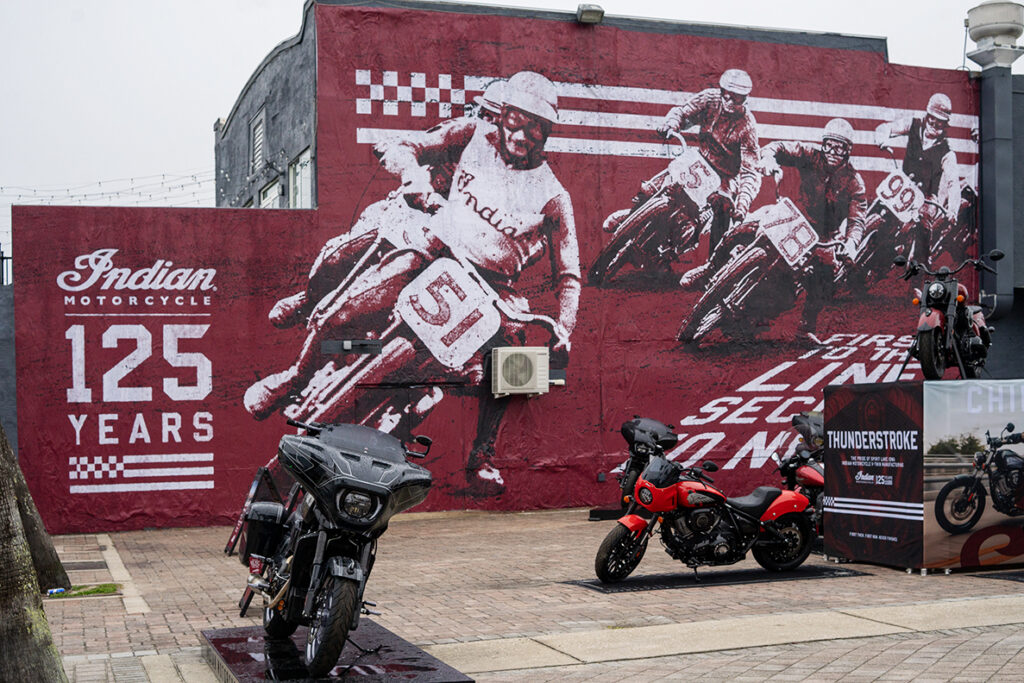
Mural advertising works. Not in the vague sense that all outdoor advertising generates impressions, but in the specific sense that the right mural in the right neighborhood, executed with genuine artistic quality, generates organic social media amplification, press coverage, and cultural credibility that paid advertising cannot buy at any budget level. The examples in this guide come from across the consumer brand landscape and share a common thread: they were executed with the understanding that a branded mural must first be genuinely interesting to generate the organic amplification that makes the format particularly powerful.
Our team at American Guerrilla Marketing executes mural advertising campaigns across 50+ U.S. markets. This guide covers the specific characteristics that made notable branded mural campaigns succeed, what those campaigns can teach about the format’s strategic applications, and how brands can apply those lessons to their own mural campaign planning.
What Makes a Branded Mural Generate Organic Impressions
Before examining specific examples, understanding the mechanism through which branded murals generate organic impressions is important. The formula is consistent across successful campaigns: photogenic design, strategic location, genuinely artistic execution, and social media activation planning that captures the organic photography the mural creates.
The Photogenic Design Imperative
A mural that no one photographs outside of the professional campaign documentation generates only foot traffic impressions. A mural that generates hundreds of organic posts across Instagram and TikTok generates those foot traffic impressions plus the social media reach of everyone who photographs and shares it. The difference between these outcomes is the photogenic quality of the design and the visual interest it creates for a social media audience.
Photogenic branded mural design is not simply “nice looking.” It is specifically designed for the 4:3 or 9:16 frame of a smartphone camera, creating visual compositions that are satisfying to photograph from the natural viewing distances available on the sidewalk. Bold color palettes, strong graphic elements, and scale that fills the frame from a medium viewing distance are all characteristics of murals designed with photography in mind.
Location as the Organic Amplification Driver
The neighborhood in which a mural is installed directly determines the probability of organic social media documentation. A mural in a neighborhood with a high density of social-media-active pedestrians, particularly young creative professionals who regularly document their environment on Instagram and TikTok, generates orders of magnitude more organic posts than the same mural installed in a lower-engagement neighborhood with equivalent foot traffic.
Categories of Successful Branded Mural Campaigns
Entertainment and Streaming Platform Murals
Streaming platforms and music labels have been among the most sophisticated users of mural advertising over the past decade. The format aligns naturally with their audience, specifically young urban adults who are both the primary streaming demographic and the most active social media documentarians of their urban environment. Campaigns for major streaming releases in neighborhoods like Williamsburg in Brooklyn, Silver Lake in Los Angeles, and Logan Square in Chicago have generated organic social media campaigns that amplified their footprint far beyond any paid media could achieve at equivalent cost.
The key to streaming platform mural success is treating the mural as a cultural artifact associated with the content, not as an outdoor advertising unit for the platform. A mural that communicates the visual world of a specific series or album connects more authentically with the audience’s cultural interest than one that displays the platform logo with content thumbnails.
Footwear and Apparel Brand Murals
Footwear and apparel brands have used mural advertising consistently and successfully to establish presence in the creative neighborhoods where their core demographics live. A brand whose sneakers are worn daily by the residents of Williamsburg or Wicker Park is a brand that belongs in the visual environment of those neighborhoods. A mural that reinforces that belonging, that places the brand’s visual identity in the streets of the community that already wears its products, creates a confirmation of cultural authenticity that no media buy can manufacture.
Successful footwear murals often commission artists who are known within the local sneaker and streetwear community, creating a creative collaboration that carries its own cultural cachet independent of the brand’s investment. The artist’s audience and following become part of the organic amplification network, sharing the mural as an extension of the artist’s own work rather than as a brand advertisement.
Food and Beverage Brand Murals
Food and beverage brands use mural advertising to create destination content in neighborhoods where their core consumers are concentrated. A mural that becomes a known photographic destination in a neighborhood drives both organic impression delivery and a visitor pattern where people go specifically to the mural location, generating awareness from the act of seeking it out rather than encountering it incidentally. The most successful food and beverage murals create visual content that is so shareable and so associated with the brand that they become informal marketing assets for the brand’s social media operations.
Technology Company Murals
Technology companies targeting consumer audiences have increasingly used mural advertising to address the cultural credibility gap that scale advertising creates. A company that spends hundreds of millions on digital advertising but is perceived as impersonal and corporate in the markets where its employees and most engaged users live can use mural advertising to demonstrate investment in and care for the physical communities it serves. Community-facing mural programs that commission local artists for installations in the neighborhoods where a tech company’s workforce lives build a different brand relationship with those communities than any digital advertising campaign achieves.
What Brand Managers Can Apply From These Examples
The consistent lessons across successful branded mural campaigns are applicable to any brand considering the format for the first time.
Commission Art, Not Advertising
The single most important lesson from successful mural campaigns is that the work must be genuinely artistic to generate organic amplification. Murals designed primarily as advertising units, with large logo treatments, tagline copy, and product photography scaled to wall size, do not generate the social sharing that makes the format valuable. Commission an artist with a genuine creative vision for the space, brief them on brand values and visual guidelines, and allow the artistic interpretation to create something genuinely worth photographing.
Plan the Social Activation
Organic social sharing does not happen entirely on its own. The best branded mural campaigns plan the social activation at the same time as the mural production: identifying influencers in the target neighborhood who will be invited to document the mural before it is open to general public access, preparing brand social media posts that launch with the mural’s completion, and developing a hashtag or location tag strategy that captures and amplifies the organic documentation that follows installation.
Frequently Asked Questions
What makes a branded mural campaign successful?
Successful branded mural campaigns share: a strong, photogenic visual design, a location in a high-foot-traffic walkable neighborhood, a genuinely artistic execution that integrates brand messaging without looking like advertising, and a social media activation plan that amplifies the organic photography the mural generates.
How do branded murals generate organic social media impressions?
Branded murals generate organic social media impressions through the natural photo documentation behavior of pedestrians who encounter a visually compelling installation in their neighborhood. A photogenic mural in an active social media neighborhood generates hundreds or thousands of organic posts over its lifetime, each reaching the photographer’s follower network at zero incremental cost.
What industries use mural advertising most effectively?
Consumer brands in fashion, footwear, and lifestyle categories; entertainment companies including music labels and streaming platforms; technology companies with consumer-facing products targeting urban demographics; and food and beverage brands with strong lifestyle positioning are the most effective users of mural advertising.
How do you choose the right artist for a branded mural campaign?
Evaluate the artist’s prior work for visual quality and scale appropriateness, their familiarity with exterior paint and large-format installation, their cultural credibility with the target audience, and their ability to integrate brand requirements into their artistic approach without compromising visual quality.
What is the typical timeline for a branded mural campaign from brief to completion?
A professionally managed branded mural campaign from brief to completed installation typically takes six to twelve weeks, including wall identification and property negotiation, permitting, design development, and installation.
How do you measure the success of a branded mural campaign?
Mural advertising success is measured through direct impression metrics (foot traffic multiplied by duration), social media amplification metrics (organic posts and engagement), press coverage value, and brand awareness lift data from surveys in the campaign neighborhood.
How does mural advertising ROI compare to other outdoor advertising formats?
Mural advertising typically has higher upfront costs than campaign-duration formats like wheat paste posters or transit advertising, but its multi-year service life produces a favorable ROI when costs are annualized. The organic social media amplification that successful murals generate adds earned media value that is not present in most other outdoor advertising formats. For brands where cultural credibility and social media presence are meaningful campaign objectives, the combined direct and earned media value of a successful branded mural often exceeds the equivalent spend in paid advertising alternatives.