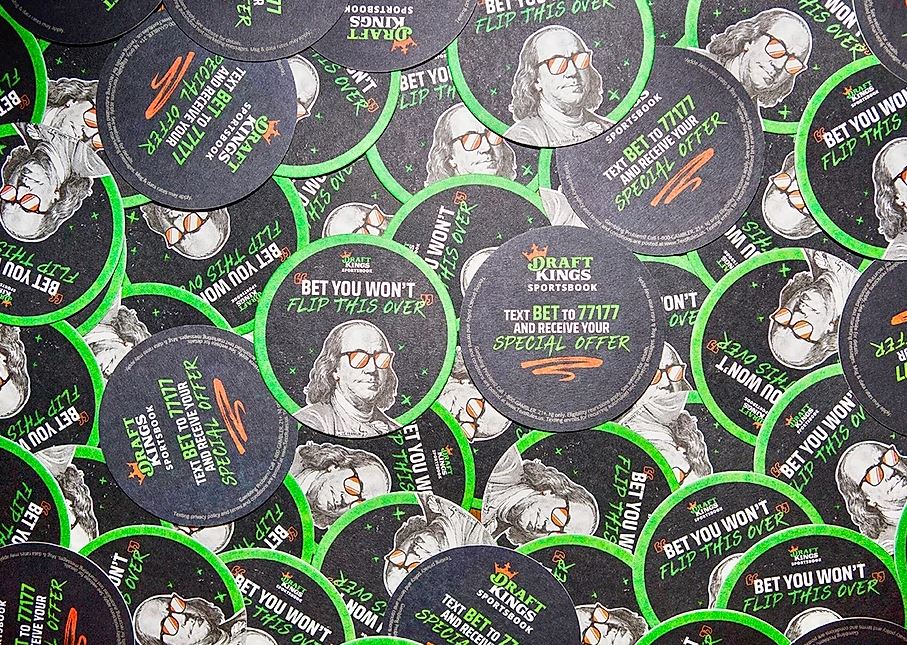
Guerrilla marketing in Edmonton, Alberta works when the campaign is shaped around the city that actually exists on the ground, not the one imagined in a planning deck. Streets have different tempos. Districts have different social codes. Event traffic behaves differently from commuter traffic. In 2026 the campaigns that perform are the ones that respect those differences and choose a few strong routes instead of trying to be everywhere.
For this market, places such as Whyte Avenue, Jasper Avenue, 104 Street, Rogers Place, and the University of Alberta area matter because they compress attention. Around Ice District, people arrive with purpose and often repeat the same paths. That makes the city useful for brands that need concentrated frequency, strong local fit, and a clean path from awareness to action.
How to Plan a Guerrilla Marketing Campaign in Edmonton: A Step-by-Step Guide
Planning a field campaign in Edmonton does not have to be complicated. The process breaks down into seven stages, and moving through them in order prevents the most common mistakes brands make when running street-level work for the first time.
Step 1: Define a Single Primary Goal
Pick one measurable outcome. New foot traffic to a location, app downloads tracked through a QR code, email signups, or social follows tied to a visible prompt. A campaign trying to accomplish everything at once typically delivers nothing worth measuring. One goal, one message, one call to action.
Step 2: Map the Audience on the Ground
Identify exactly where your target customer spends time physically in Edmonton. Not a demographic description, a specific intersection. Whyte Avenue, Jasper Avenue, 104 Street, the Rogers Place district, and the University of Alberta area each serve distinct audience segments. These are not guesses. They are verified through foot traffic data, local scouting, and knowledge of the city’s seasonal patterns.
Step 3: Choose the Right Format for the Environment
Not every format works in every location. A poster campaign works well on construction hoardings and approved wall spaces. Sidewalk stencils work best near transit exits and in foot-traffic bottlenecks. Brand ambassador teams work best at events, queues, and high-dwell locations. LED billboard trucks work when you need to reach a moving audience along a specific corridor. Match the format to the physical context, not to personal preference.
Step 4: Build the Creative Around One Idea
Street creative has to communicate in three seconds or less. That means one visual concept, one line of copy, one call to action. The most common creative mistake is trying to fit too much information onto a format designed for fast consumption. Billboards do not read like brochures. Posters do not function like websites. Keep it simple enough to grasp mid-stride.
Step 5: Plan the Timeline Backward from Launch
Work backward from the moment you need the campaign to be live. Production takes time. Permits take time in some locations. Scouting takes time. Crew scheduling takes time. Most brands underestimate how long this takes and arrive at launch day under-prepared. A realistic timeline for a first campaign in Edmonton is three to four weeks from first brief to street activation.
Step 6: Execute With Crew Who Know the Market
Local knowledge is not optional. Crew who know Edmonton know which walls are actually approved, which neighborhoods have enforcement patterns to be aware of, and which timing windows produce the highest foot traffic for each district. AGM sources and manages crew locally for Edmonton campaigns, meaning the execution team understands the market they are working in.
Step 7: Track What You Can and Document Everything
Photography and video documentation from the campaign serve two purposes. First, they give you a record of what was done and where. Second, they give you content for owned and earned channels. Document campaign installs, ambassador interactions, and any organic audience reactions. Track your chosen metric, QR scans, coupon redemptions, social mentions, or foot traffic changes, starting from day one of the campaign.
Numbers That Put Edmonton’s Market in Context
Understanding the scale of the market helps calibrate campaign scope. Edmonton is Canada’s northernmost major city with a population of over 1 million in the metro area and an economy driven by energy, government, and a growing tech sector. Whyte Avenue in Old Strathcona hosts over 250 businesses and draws consistent foot traffic year-round, with peak activity during the Edmonton Fringe Festival in August, which draws 75,000+ attendees over 11 days. These numbers matter because they define how many impressions a well-placed campaign can realistically generate in a given time window, and they help justify the investment in street-level presence over digital-only spending.
For reference, a single poster placement on a high-traffic wall in Edmonton’s core commercial district can generate 2,000 to 8,000 daily impressions depending on location. A three-day brand ambassador deployment in a peak foot traffic zone typically produces 1,500 to 4,000 direct brand interactions. A week-long street poster advertising campaign across five to eight key locations can reach 30,000 to 80,000 unique impressions at a fraction of the cost of a comparable digital campaign in the same market.
For a custom quote on running a street-level campaign in Edmonton, contact AGM directly. Pricing depends on campaign format, duration, crew size, and geographic scope.
Why The Market Matters
A local campaign wins when it feels like it belongs to the city. That means the tone should make sense, the format should fit the streetscape, and the timing should align with real behavior. Search patterns and local marketing coverage in 2026 keep pointing toward the same lesson: a smaller but better mapped campaign often beats a larger campaign with weak local logic.
In Edmonton, Alberta, that usually means choosing a core district and supporting it with one or two adjacent routes rather than spreading thin across every possible neighborhood. Repetition creates memory, and memory is what turns a street encounter into action later that day or week.
Choose The Right Districts
Every route in Edmonton, Alberta does a different job. Some are good for fast visual repetition. Others are better for stopping power, conversation, or sampling. A route built around Whyte Avenue, Jasper Avenue, 104 Street, Rogers Place, and the University of Alberta area can let a brand layer those jobs together. Posters or snipes can seed awareness, while ambassadors or a nearby pop up can convert that awareness into a measurable response.
This is also where local scouting matters. A block can look great on a map and fail in person because the flow is wrong, construction changed the path, or the audience is moving too quickly. Strong field planning confirms the route on foot before money is committed.
Timing And Local Rhythm
Timing is a major variable in Edmonton, Alberta. Event weeks, weather, waterfront activity, convention schedules, commuter peaks, and nightlife patterns all influence what people notice. Around Ice District, even a one day shift can change campaign performance. The best activations are timed for freshness exactly when the audience is most concentrated and most open to a prompt.
Brands often spend too early and become invisible by the time the moment arrives. A better approach is to work backward from the peak audience window and build the field plan around that deadline. Freshness is part of the strategy.
Formats That Usually Fit
For many local markets, the best starting mix includes high frequency visual formats plus one format that creates immediate action. That can mean poster clusters plus ambassadors, chalk plus a nearby offer, or a mobile element plus route support pieces. The exact combination changes by city, but the logic stays stable. One tactic builds memory. Another tactic captures intent.
Documentation should be part of the plan from the start. If the activation earns strong reactions but no usable content, some of the value disappears. Good photos and video support reporting, paid amplification, and future launches.
Budget And Scope
Contact AGM for pricing because Edmonton campaigns depend on weather, district choice, and production durability.
The real budget should reflect route density, crew hours, print and production needs, weather contingencies, and whether the campaign is tied to a major event or venue district. A concentrated local activation can still work well on a modest budget if the route is chosen carefully.
How To Judge Results
Measure the campaign by zone. Which block got the scans. Which venue adjacency lifted response. Which day part produced better conversion. Zone level reporting matters because a city is never one audience. In Edmonton, Alberta, each district creates a slightly different behavioral environment, and the reporting should respect that.
The most useful scorecard starts with field output, moves to response, and ends with business effect. That structure makes it easier to improve the next round and easier to explain value to stakeholders who care about more than impressions.
Why Brands Bring In AGM
AGM is useful when a brand needs someone to translate a broad idea into a route plan that fits Edmonton, Alberta. That includes street logic, timing, production, staffing, and a realistic sense of what the audience will notice without forcing it. Local context changes the outcome, and the team that understands the block usually has an advantage.
If you want a campaign built around the actual movement patterns in this market, contact AGM at americanguerrillamarketing.com/contact. The best local work is precise, respectful, and easy for the audience to act on while they are already out in the world.
Execution Checklist For 2026
A strong plan for Edmonton, Alberta should confirm the route, the time window, the audience promise, the mobile follow through, and the proof you expect to gather in the field. That means confirming who owns documentation, who adjusts if a zone underperforms, how weather affects the schedule, and what the backup move is if a placement or staff plan changes. Campaigns usually fail in execution gaps, not in brainstorming sessions.
It also helps to pressure test the campaign against real conditions in Edmonton, Alberta. Will the copy read from the distance people actually stand. Will the offer still feel attractive when the audience is in a rush. Does the scan page work well on weak mobile data. Is the physical setup obvious enough that a passerby can understand the point without a long explanation. The more of those questions that are answered before launch, the more confident the field team can be.
Creative Review Standards
Creative should be reviewed against a blunt checklist. Can a person understand the point in one glance. Does the visual have one clear job. Is the call to action short enough to act on outdoors. Is there enough contrast to survive daylight, distance, and movement. Is the brand identifiable without overpowering the idea. This kind of discipline often feels basic, but it is the reason some activations travel beyond the street and some do not.
Another good review question is whether the campaign would still make sense if someone encountered only one piece of it. Not everyone will see the full route. Each touchpoint should still communicate enough value on its own to earn the next step.
After Launch Optimization
The first reporting window should not just measure Edmonton, Alberta. It should improve it. If one block performs better than the others, move resources there. If one line of copy scans more strongly, replace weaker creative. If a certain shift underperforms, test a different day part. Field marketing gets stronger when the team treats the launch as the first useful version, not the final perfect version.
That learning loop is one reason experienced operators often outperform bigger budgets. They make faster, better decisions once the campaign meets the street. In 2026 that ability to adjust is part of the product, not an extra. Brands that build for learning usually get more from every activation.
Frequently Asked Questions
Guerrilla Marketing in Edmonton, Alberta: What Fits the City Best generates better results when placement, timing, creative, and local execution all work together in Alberta. These questions cover the details brands usually need before launch, during rollout, and while evaluating performance.
For ar in Alberta, the strongest campaigns usually come from tight geographic targeting, message discipline, and enough repetition to be remembered. Market conditions, neighborhood flow, event calendars, commuter behavior, and production logistics all change how the tactic performs, so the planning details matter as much as the idea.
What is the main goal of Edmonton, Alberta?
The main goal is to create a real world encounter that turns attention into a clear action such as a scan, signup, visit, sample, or booking inquiry.
How long should a campaign run?
That depends on the route and the moment. Some campaigns work as short bursts around one event, while others need one or two weeks of repeated exposure.
Do permits matter?
Yes. The rules change by property, city, and format. A compliant campaign is easier to sustain, document, and scale.
What makes a message work faster in public?
Simple language, strong contrast, and a very clear next step. Public attention is short, so the idea should be understandable in a glance.
How should success be measured?
Start with field output, then response, then business effect. That keeps reporting grounded instead of vague.
Does documentation matter?
Yes. Strong photos and video extend the life of the campaign and help paid social, PR, and internal reporting.
Can a smaller brand use this approach?
Absolutely. Concentrated local campaigns often work especially well for smaller brands because they can connect the activation to a nearby action quickly.
How do I scope a project with AGM?
Share the market, dates, audience, and desired action, then contact americanguerrillamarketing.com/contact for a route and format recommendation. For retail and nightlife brands, Whyte Avenue side streets, event spillover near the Old Strathcona district, and downtown entertainment nights all create repeat-viewing opportunities. For family and commuter brands, supplementing street work with nearby OOH or local radio can extend reach beyond the core pedestrian pockets. Edmonton is a city where matching the tactic to the neighborhood matters more than forcing one citywide formula. Brands should also build a rain-and-wind backup route and confirm how quickly crews can pivot if event patterns change. That kind of practical preparation is what separates a clean activation from a frustrating one.
What makes guerrilla marketing in Edmonton, Alberta actually effective?
It works when the route follows real local behavior. In Edmonton, Alberta, that means choosing streets, venues, transit approaches, and event zones where the same audience sees the message more than once.
Which format usually works best in Edmonton, Alberta?
That depends on the audience and the moment. Posters, wheatpaste, sidewalk stencils, flyers, and ambassador support each work best when they match how quickly people are moving and what action you want them to take.
Related Pages and Articles