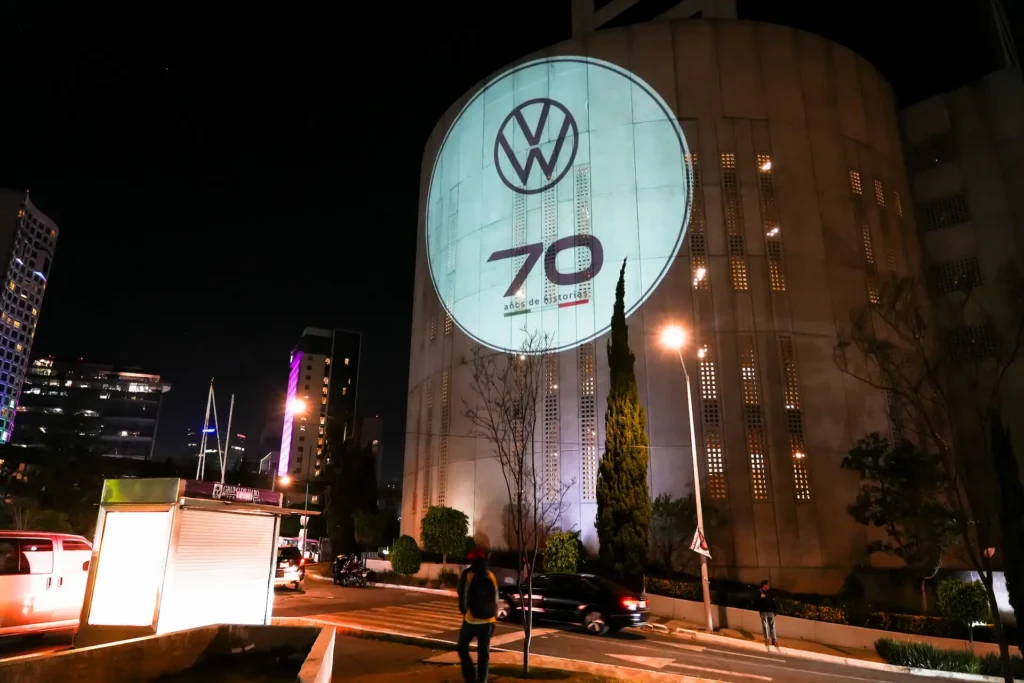
Colonia Juarez is in the middle of becoming something. Ten years ago, it was easy to overlook — a quiet, slightly faded mid-century residential neighborhood wedged between the intensity of Zona Rosa to the north and the already-transformed Roma Norte to the south. The streets were calm. The buildings were unremarkable by Mexico City standards. The restaurant scene was sparse. Visitors to CDMX rarely included it on their itineraries.
That description no longer holds. Over the past several years, Colonia Juarez has attracted a wave of investment that mirrors, with about a five-year lag, what happened to Roma Norte in the early 2010s. New restaurants have opened along Havre, Amberes, and Tokio streets — first a trickle, now a steady stream. Design studios and architecture offices have moved into the residential buildings. Gallery spaces have appeared in converted ground-floor apartments. The international community anchored by the U.S. Embassy on Reforma to the north and the American School Foundation nearby has maintained a stable professional-expat presence that now blends with the Mexican creative class that is discovering Juarez as a more affordable and less crowded alternative to the colonia’s more famous neighbors.
For our team at American Guerrilla Marketing, Colonia Juarez represents a specific kind of projection opportunity that is most valuable in neighborhoods mid-transformation: high-quality projection surfaces on buildings that have not yet been covered with commercial signage, a growing audience of exactly the demographic that brands most want to reach, and projection campaigns that stand out because the visual environment has not yet caught up with the neighborhood’s traffic growth. This window of high-return opportunity will not last forever, but it is fully open right now.
The Geography of Colonia Juarez
Colonia Juarez occupies a rectangle bounded by Paseo de la Reforma to the north, Avenida Insurgentes to the east, Avenida Chapultepec to the south, and Avenida Bucareli to the west. This geography is one of the colonia’s key strengths as a campaign environment: it is bordered on three sides by major arterials that generate significant transit traffic, all of which contributes to the audience available for projection campaigns positioned near the colonia’s edges.
The internal street grid runs on a diagonal relative to the city’s broader grid, which is a common feature of colonias developed in the Porfiriato era in the early 20th century. Streets are named after European cities and capitals: Havre, Amberes, Tokio, Milán, Hamburgo, Berlín, Praga, Oslo, Niza, Río de Janeiro, Sonora, Versalles. This European street-naming creates a distinctive geographic character that has historically associated Juarez with a certain cosmopolitan aspiration — and that association is now being lived into by the international community and design-forward Mexican professionals who have made it their home.
The Reforma Border
Paseo de la Reforma runs along Juarez’s northern edge, and the buildings that front directly onto Reforma in this stretch are primarily large-format government and institutional structures, including the U.S. Embassy in Mexico City — the largest U.S. embassy in the world by land area, located on the corner of Reforma and Río Danubio. The Embassy’s presence generates an unusual and consistent flow of visa applicants, consular visitors, and associated support services (lawyers, translators, notaries) that creates a daytime foot traffic pattern on the Reforma-adjacent blocks of Juarez that is distinct from the evening restaurant and bar crowd.
The American School Foundation, one of Mexico City’s most prominent international schools, is nearby and contributes to the international professional family community in the area. Families of U.S. and international company employees, diplomats, and multinational executives are a consistent presence in the northern Juarez blocks, particularly during school drop-off and pickup hours and on weekend mornings.
The Mid-Century Architecture: An Underused Projection Resource
Colonia Juarez’s built environment is predominantly mid-century Mexican modernism from the 1940s through 1960s. These buildings represent one of Mexico’s most architecturally distinctive construction periods — the era when Mexican architects synthesized international modernism with indigenous and pre-Columbian design references to produce a building language that is specific to this country and this moment.
From a projection standpoint, the mid-century building stock of Colonia Juarez is extraordinarily useful. The buildings are typically 4 to 7 stories, concrete-framed with flat facades, often finished in smooth plaster or textured stucco in off-white, cream, or muted earth tones. The facades are broad — most of these buildings occupy full lots with no setback from the sidewalk — and relatively free of the kind of commercial signage that covers similar buildings in Zona Rosa or the commercial corridors of Roma Norte. In the quieter interior blocks of Juarez between Havre and Sonora, it is common to find half a block of uninterrupted flat facade with no commercial signage at all: pure, projection-ready surface.
The mid-century building stock in Colonia Juarez’s interior blocks — particularly along Tokio, Milán, Praga, and Oslo streets — provides some of the largest uninterrupted flat projection surfaces in any residential Mexico City colonia, with individual facades often running 15 to 20 meters wide and 12 to 18 meters tall.
This relative scarcity of commercial visual noise on interior residential facades means projections in Juarez read with exceptional clarity and impact. The same lumen output that would struggle to compete with Zona Rosa’s commercial signage saturation produces a vivid, impossible-to-miss projection on a blank Juarez residential facade. Brands that have run campaigns in both environments consistently comment on the visual quality advantage in Juarez.
The Restaurant and Bar Scene: Where the Audience Concentrates
The primary audience generator in Colonia Juarez today is its rapidly growing restaurant and bar scene. The transformation started on Havre, the colonia’s most commercially active interior street, where a cluster of restaurants that opened in the early 2020s attracted press attention and a following among CDMX’s food-forward crowd. That initial cluster has since spread to the surrounding streets — Amberes on the eastern side, Tokio and Milán in the interior blocks, and increasingly Versalles and the streets near the Insurgentes border.
The typical Juarez dinner-and-bar evening follows a pattern our team has mapped in detail through direct campaign experience. The crowd begins arriving around 7pm for dinner at the Havre and Amberes restaurants. By 9pm, the dinner crowd is in full swing and the first bar-focused arrivals are beginning to appear. Between 10pm and midnight, the transition from dinner to late drinks is underway, and the foot traffic density on the main streets peaks. The crowd is young — predominantly 25 to 40 — and heavily weighted toward the creative and professional sectors that define the colonia’s current character.
Colonia Juarez is where Roma Norte was a decade ago: the audience is arriving, the restaurants are multiplying, and the visual environment has not yet been saturated by commercial signage. Running projection campaigns here now produces results that reflect both the current audience size and the early-adopter quality of the people who are here.
Avenida Chapultepec and the Cycling Corridor
Avenida Chapultepec forms the southern border of Colonia Juarez and is one of Mexico City’s most significant cycling infrastructure investments. The avenue carries a dedicated, separated cycling lane that is part of the city’s expanding Ecobici network, and the volume of cyclists using the Chapultepec route daily is substantial — consistent estimates put regular cycling lane usage on Chapultepec at several thousand trips per day.
The cycling audience on Chapultepec is categorically different from automotive audiences and even from pedestrian audiences in terms of projection exposure. Cyclists are outdoors, physically engaged with their environment, and moving at a speed — typically 12 to 20 kilometers per hour — that is slow enough to register a projection fully before passing it. They are also physically present on the street surface rather than enclosed in a vehicle, which removes the glass-and-distance barrier that reduces projection impact for automotive audiences. The combination makes Chapultepec’s cycling corridor one of the most projection-receptive transit audiences in Mexico City.
Building facades on the north side of Chapultepec — the Colonia Juarez side — face directly onto the cycling lane and the pedestrian sidewalk, creating a clear projection sightline from positions on the south side of the avenue. Our team has developed specific positioning protocols for Chapultepec corridor campaigns that account for the cycling-speed audience and optimize the angle of projected images for maximum legibility at that movement pace.
Avenida Chapultepec’s dedicated cycling infrastructure is part of Mexico City’s target to increase cycling’s share of daily trips. Usage on the Chapultepec corridor has increased year over year since the lane’s expansion, with peak morning and evening commuter flows that rival many established cycling corridors in European cities.
Glorieta de Insurgentes: The Transit Hub on Juarez’s Eastern Edge
The Glorieta de Insurgentes — covered in detail in our Zona Rosa post — sits on the shared border between Zona Rosa and Colonia Juarez, and its transit audience is accessible from Juarez projection positions just as effectively as from Zona Rosa. The Metro Insurgentes station on Line 1 and the Metrobus stops along Avenida Insurgentes funnel enormous daily pedestrian flows past the eastern edge of Juarez, and building facades on the Juarez side of Insurgentes — particularly between Hamburgo to the north and Chapultepec to the south — face that transit flow directly.
Insurgentes itself is one of Mexico City’s longest and most heavily trafficked avenues, running north-south for 28 kilometers across the city. The stretch adjacent to Colonia Juarez is in the commercial-transitional zone between the financial district to the north and Roma Norte to the south, and it carries a mix of transit commuters, commercial deliveries, and the pedestrian overflow from both Zona Rosa and Juarez’s interior. Projection positions facing Insurgentes from the Juarez side reach this combined flow throughout the day and evening.
The U.S. Embassy and the International Community
The U.S. Embassy on Paseo de la Reforma at the northern edge of Colonia Juarez is the world’s largest U.S. diplomatic facility, occupying a substantial compound that required the relocation of an entire city block during its construction in the early 2000s. The Embassy generates a daily flow of visa applicants, consular visitors, official delegations, and the associated service economy of lawyers, notaries, translators, and support businesses that cluster in the surrounding blocks.
This Embassy proximity gives Juarez an unusual international character on its northern edge. The surrounding blocks have a concentration of American-style coffee shops, international restaurants, and service businesses catering to the Embassy community and the broader international professional population of the area. The audience in this micro-zone skews English-speaking, internationally mobile, and affiliated with multinational companies and organizations — a valuable demographic for brands targeting international professionals in Mexico City.
The American School Foundation, one of the city’s premier international schools with several thousand students enrolled across all grade levels, is located in the broader area and contributes to the family component of this international community. Families of Embassy employees, multinational executives, and international organization staff are present in the Juarez-Reforma border zone in numbers that are unusual for any single Mexico City colonia outside of Santa Fe or Polanco.
The Gallery and Design Studio Presence
One of the most significant markers of Colonia Juarez’s creative district trajectory is the growing concentration of galleries, design studios, and creative agencies operating out of converted residential and commercial spaces throughout the colonia. The pattern is familiar from Roma Norte’s transformation, where the first wave of creative businesses arriving in the early 2010s attracted the restaurant and retail investment that followed, and that investment in turn drew the foot traffic that made the colonia what it is today.
In Juarez, this creative-business wave is still early enough that many of the galleries and studios are operating from unconverted or minimally converted residential apartments — ground-floor spaces with the same mid-century facades as the rest of the building rather than the architectural renovations that signal a more established commercial presence. This means the colonia’s creative district character is visible in who you encounter on the streets more than in the built environment itself, which reinforces the projection opportunity: the audience is there, the surfaces are available, and the visual environment has not yet been transformed by commercial investment.
Design Week Mexico — held annually in October — uses Juarez as one of its primary exhibition zones, with installations and events throughout the colonia that draw the country’s design community for several days of concentrated activity. Projection campaigns timed for Design Week reach a focused audience of designers, architects, brand managers, and creative directors at the moment they are most engaged with visual culture and most likely to document and share what they encounter.
How Juarez Bridges Zona Rosa and Roma Norte
Colonia Juarez sits between two of Mexico City’s most prominent creative and entertainment neighborhoods, and that positioning is more than geographic — it creates a specific audience composition that draws from both sides.
From Zona Rosa to the north, Juarez inherits some of the international hotel tourist traffic that spills over Reforma and into the colonia’s restaurant scene, and an adjacency to the Zona Rosa nightlife corridor that means the evening crowd on Amberes in Juarez blends with the crowd on the same street in Zona Rosa a few blocks north. From Roma Norte to the south, Juarez draws the spillover of young professionals and creative types who find Roma’s rents too high but want to remain in the same cultural and social geography.
This bridging position means Juarez campaigns can be designed to catch audiences in transit between the two neighborhoods — people who start an evening in Zona Rosa and end it at a Havre restaurant, or people who live in Roma Norte and come to Juarez for a specific restaurant or gallery opening. The foot traffic on the colonia’s main north-south streets in the evening carries both these transit flows and the colonia’s own resident audience.
| Colonia |
Primary Audience |
Projection Surface Quality |
Visual Clutter Level |
Trend |
| Roma Norte |
Young professionals, expats, tourists |
Good (Art Deco facades) |
Moderate-high |
Peak/saturated |
| Colonia Juarez |
Creative professionals, international community, rising restaurant crowd |
Very good (clean mid-century facades) |
Low-moderate |
Rising fast |
| Zona Rosa |
Nightlife, LGBTQ+ community, tourists, Korean community |
Moderate (mixed 1960s-1980s) |
High |
Stable/active |
Specific Projection Zones in Colonia Juarez
Havre Corridor
Havre is the colonia’s main commercial restaurant street and the primary evening audience corridor. The buildings on Havre between Versalles and Amberes are a mix of commercial ground floors with residential above — the restaurant and bar openings have happened at street level while the upper floors retain their mid-century residential character with large, flat, minimally signposted facades. Projections on these upper facades above the restaurant level are highly visible to the evening foot traffic below and benefit from the attention that the restaurant crowd is already giving to the street-level environment.
Tokio and Milán Interior Blocks
The quieter interior blocks of the colonia — Tokio, Milán, Praga, Oslo, Niza — carry the residential character that makes Juarez’s mid-century architecture so available as projection surface. These streets are wide enough for comfortable projection sightlines, the facades are largely clear of commercial signage, and the evening foot traffic of residents and restaurant-goers provides a sustained, slower-moving audience. These are our preferred positions for campaigns where visual quality is the priority over maximum volume — the surfaces are better, the audience is closer, and the contrast between the projection and the quiet residential environment creates a more memorable encounter.
Avenida Chapultepec Cycling Corridor
The southern edge of the colonia along Chapultepec is our primary position for campaigns targeting the cycling and transit audience. The cycling lane runs continuously along the avenue’s north side, and the building facades directly facing it from the Juarez side provide a continuous projection canvas that the cycling audience passes at projection-receptive speeds. Morning peak (7am to 9am), afternoon peak (5pm to 8pm), and weekend leisure cycling all provide distinct audience windows with different demographic compositions.
Reforma-Adjacent Blocks
The northernmost blocks of Juarez adjacent to Reforma — particularly the streets facing the U.S. Embassy compound — provide the most direct access to the international professional community. Daytime campaigns here reach the Embassy-associated audience during business hours, while evening campaigns transition to the restaurant and social crowd in the same area. Building facades on the Juarez side of Reforma in this stretch are large-format institutional and commercial structures with broad projection surfaces facing the boulevard.
Campaign Types That Fit Colonia Juarez
The Juarez audience — creative professionals, international community, rising food-and-bar crowd — fits a specific set of campaign categories better than others. Our team’s experience running campaigns in the colonia has shaped a clear picture of what works best here.
Design, architecture, and creative industry campaigns are natural fits for a colonia that is actively positioning itself as Mexico City’s emerging design district. A campaign for a design software company, a creative conference, a furniture brand, or an architecture firm finds an audience in Juarez that is professionally relevant in ways it would not be in most of the city. The Design Week timing in October is particularly concentrated for this category.
Food and beverage brands targeting upscale consumers perform well in the Havre and Tokio restaurant corridor, where the audience is already in food-decision mode. Campaign messaging that connects with the gastronomic identity of the neighborhood — quality ingredients, chef-driven concepts, craft beverages — lands better here than mass-market food messaging that would be more appropriate in Narvarte or Tepito.
International consumer brands — technology, travel, finance, fashion — benefit from the international professional density in the Reforma-adjacent Juarez blocks near the Embassy. This is a more affluent, English-comfortable, internationally mobile audience than the broader Juarez restaurant crowd, and campaigns calibrated for that profile perform disproportionately well at the northern edge of the colonia.
Streaming services and digital entertainment have strong traction throughout Juarez, where the young professional audience is a heavy consumer of on-demand content. Campaign timing that aligns with major content releases — new series, films, sporting events — reaches an audience that will encounter the projection in the evening hours when content decisions are actively being made.
What the Next Three Years Look Like for Juarez
The trajectory of Colonia Juarez as a campaign environment is straightforwardly upward. The restaurant and bar scene that has taken root on Havre and Tokio is not showing any signs of plateauing — new openings continue, press coverage keeps accumulating, and the audience arriving from Roma Norte, Condesa, and Reforma continues to grow. The cycling infrastructure on Chapultepec creates a permanent audience corridor that will only increase as Mexico City continues its push toward sustainable mobility. The international community anchored by the Embassy is stable and substantial.
What changes as Juarez continues developing is the surface availability and visual environment. As more ground-floor commercial uses open and more businesses add facade signage, the clean mid-century facades that currently make the colonia such an effective projection canvas will gradually acquire more commercial complexity. The window in which projection campaigns benefit from that clean-canvas advantage is open now and will narrow over the next several years as the colonia completes its transformation.
Our team’s practical recommendation for brands considering a Mexico City projection campaign that includes creative and design-forward audiences: run Colonia Juarez now, while the surfaces are clean, the audience is growing, and the competition for projection attention in the colonia is still relatively low. The return on that early positioning will compound as the neighborhood’s audience and profile continue to rise.
Frequently Asked Questions
What makes Colonia Juarez a good location for guerrilla projection campaigns?
Colonia Juarez is in the middle of a major transformation from quiet mid-century residential neighborhood to one of CDMX’s most exciting restaurant and creative districts. That transition means a rapidly growing audience of young professionals, design community members, and food-focused consumers moving through streets that still have large, flat, projection-friendly mid-century facades with relatively little competing commercial signage. It is an environment where projections stand out sharply because the visual clutter of the street level has not yet caught up with the foot traffic growth. For brands targeting creative professionals and early adopters, Juarez is producing strong results right now precisely because of this gap.
How does Avenida Chapultepec affect projection campaign reach in Colonia Juarez?
Avenida Chapultepec runs along the southern border of Colonia Juarez and carries one of Mexico City’s major cycling infrastructure investments — a dedicated cycling path that generates thousands of daily cyclists passing through the area. This cycling audience is physically present on the street (not enclosed in a vehicle) and moves at a speed slow enough to register projected images on adjacent building facades. Combined with the Metrobus line running along Insurgentes just to the east, the Chapultepec cycling corridor creates a transit audience that extends Juarez’s effective projection reach beyond the immediate foot traffic of the colonia’s restaurant and bar scene.
Who is the primary audience for projection campaigns in Colonia Juarez?
The primary Juarez audience right now is young Mexico City professionals in the 25 to 40 age range who are either residents of the colonia or dining and socializing there. This demographic skews creative — designers, architects, media professionals, startup employees — and is heavily concentrated in the restaurant and bar scene along Havre, Amberes, and Tokio streets in the evening. Secondary audiences include the international community anchored by the U.S. Embassy on Reforma and the American School Foundation nearby, which adds an international professional and expatriate dimension to the colonia’s daytime population.
What are the best specific streets for projections in Colonia Juarez?
Our most productive Colonia Juarez positions are on Havre between Versalles and Amberes, the quieter residential blocks of Tokio and Milán where large flat facades with minimal commercial signage provide excellent projection surfaces, Avenida Chapultepec along the cycling corridor, and the Reforma-adjacent blocks near the U.S. Embassy for international community reach. The intersections where the restaurant and bar streets cross the residential grid — particularly Havre at Amberes and Sonora at Milán — concentrate the highest foot traffic density.
How does Colonia Juarez compare to Roma Norte as a projection market?
Roma Norte is more established and more expensive — the colonia’s transformation is complete, foot traffic is consistently high, and commercial interest in the area has driven up competition for any kind of placement. Colonia Juarez is earlier in that curve, which means less visual clutter, more available surfaces, and a slightly less saturated audience for projection campaigns. The audiences have meaningful overlap — both are young professional and creative — but Juarez skews slightly more design-forward and less toward the gastronomy-tourist crowd that now dominates Roma Norte’s weekend character.