July 6, 2026

Street Advertising Sidewalk Stencil Advertising

Clean Graffiti Advertising: Eco-Friendly Street Marketing That Gets Noticed

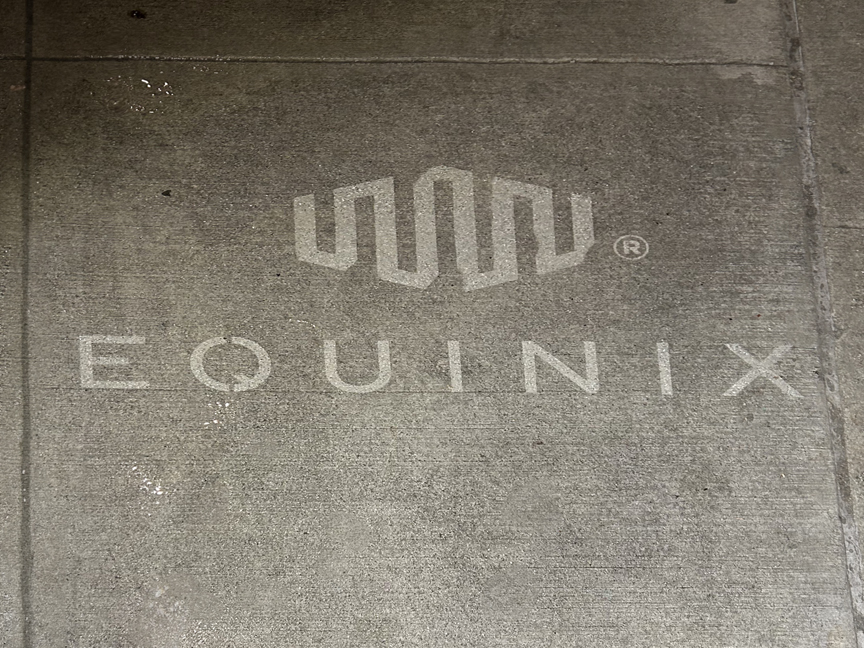
Clean graffiti advertising — reverse graffiti brand message pressure washed onto dirty sidewalk

By Millie Phillips, Campaign Architect at American Guerrilla Marketing


Key Takeaways: Clean graffiti advertising (also called reverse graffiti or pressure wash stenciling) creates brand messages on dirty sidewalks by removing grime through a stencil rather than adding paint or chemicals. It is temporary, visually striking, and carries a built-in eco-friendly story. It is also not automatically legal everywhere, a fact most guides gloss over. This article covers exactly how it works, where it performs best, what design specs to follow, and the honest legal picture city by city.


Table of Contents

  19 Minutes Read

What Clean Graffiti Advertising Actually Is

Clean graffiti is an outdoor advertising technique where a brand message appears on a sidewalk, wall, or pavement surface through cleaning rather than painting. A stencil is placed over a dirty surface, and a pressure washer cleans through the cutouts. The result is a high-contrast image made entirely from the difference between the cleaned area and the surrounding grime. No paint is added. No ink. No chemicals. Just water and pressure.

The terms “clean graffiti,” “reverse graffiti,” and “pressure wash stenciling” all describe the same process. You may also hear it called green graffiti, clean advertising, or street washing. The name varies by market and agency, but the mechanics are identical.

The image lasts as long as the surrounding surface stays dirty. In a grimy urban underpass, a clean graffiti installation can hold for weeks or even months. On a high-traffic sidewalk that gets rained on and scrubbed regularly, it fades in days. That temporary nature is part of the appeal: the campaign ends on its own without a cleanup crew.

The first large-scale reverse graffiti artwork on record was Alexandre Orion’s 1,000-foot-long “Ossario” installation in the tunnels of Sao Paulo, Brazil in 2006. The city’s response was to wash the entire tunnel. The story made international news.

From an advertising standpoint, clean graffiti sits squarely inside the guerrilla marketing toolkit. It works at street level, in high foot-traffic zones, with no paid media placement required. The placement itself generates the impression, and the novelty of the format generates attention that a chalk sign or poster cannot replicate.

How Clean Graffiti Campaigns Work

Understanding the process helps you plan a campaign that actually holds up in the field. Here is the step-by-step mechanics:

Step 1: Design and Stencil Production

The artwork is finalized as a high-contrast, simplified design. For clean graffiti, simpler is almost always better. The stencil is cut from heavy-gauge aluminum, galvanized steel, or thick acrylic. Thinner materials flex and fail under pressure washer blast. For commercial campaigns with multiple placements, metal stencils are the standard because they survive repeated use across dozens of locations.

Step 2: Surface Selection and Testing

Not every dirty surface works. The surface must be porous enough to hold grime but structurally sound enough to withstand a pressure washer without damage. Concrete sidewalks and pavement are ideal. Brick, stone aggregate, and textured concrete parking structures work well. Smooth marble, painted surfaces, and wood are not appropriate candidates.

Before a full campaign, a small test section on the actual target surface should be cleaned to confirm contrast and adhesion quality. Grime composition varies. A surface coated in oily residue may clean differently than one with accumulated particulate dust.

Step 3: Placement and Pressure Washing

The stencil is secured flat against the surface. Weights, tape, or a second person holding edges are used to prevent lift from the water pressure. A commercial-grade pressure washer (typically 2,500 to 4,000 PSI for commercial work) is run across the stencil cutouts in even passes. Overlapping passes at consistent distance produce uniform clean lines. The nozzle distance from surface typically runs 6 to 12 inches depending on surface hardness and desired definition.

Step 4: Stencil Removal and Inspection

Once cleaned, the stencil lifts away cleanly. The image is inspected immediately for definition. If edge bleed occurred or passes were uneven, touch-up runs can correct most issues within the same session. The finished placement is documented with photos before foot traffic or weather alters it.

A single clean graffiti placement can be completed in under 30 minutes by an experienced two-person crew. Multi-city campaigns covering 20+ placements in a weekend are standard operating procedure for experienced street marketing firms.

Durability Factors

How long the image lasts depends on four variables: surface porosity, ambient moisture and rain, foot traffic volume, and whether the city cleans the area during the campaign window. High-foot-traffic sidewalks in Manhattan may show visible fading in 5 to 10 days. Parking structure columns in a covered lot can hold an image for 6 to 8 weeks. Weather is the single biggest uncertainty in campaign duration planning.

Why Brands Choose Clean Graffiti Advertising

Clean graffiti delivers several things simultaneously that traditional outdoor formats cannot. Here is what actually drives the decision to run it:

The Eco-Friendly Narrative

Brands increasingly want their marketing to align with sustainability commitments. Clean graffiti is genuinely zero-chemical and zero-paint. That gives the PR team a real story to tell, not a greenwashed one. A brand running a pressure wash campaign can photograph the process and post the “we made this with just water” content without stretching the truth. That alignment matters in current brand environments.

Novelty and Earned Media

Clean graffiti still surprises people. Passersby photograph it. Social posts circulate. Local blogs cover it. That earned media extends reach well beyond the physical footprint of the placements. A campaign with 40 sidewalk impressions in Brooklyn can generate thousands of social impressions if the design is sharp and the placement is on a high-traffic street.

No Competing Clutter

A sidewalk at a busy intersection is not a billboard wall. There is no adjacent competing creative. The placement sits alone in the visual field at foot level, where pedestrians actually look. That isolation makes the impression more memorable than a poster sandwiched between two others.

Targeted Placement

Clean graffiti can be placed within 100 feet of a store entrance, a festival entrance, a conference venue, or a transit exit. The precision of placement is tighter than almost any other outdoor format. For event marketing, retail grand openings, and foot-traffic-driven businesses, that precision has direct business value.

Conversation-Starting Design

There is a natural curiosity gap in clean graffiti. Pedestrians see the image and have to figure out that it is made from cleanliness, not paint. That moment of recognition creates a stronger memory encoding than passive ad exposure. The message sticks because the medium itself is a puzzle.

This is the section most agency guides skip or soften. Here is the real picture.

The “it’s just cleaning” argument has logical appeal but does not function as a legal shield in most US cities. Municipal graffiti ordinances are typically written to cover any marking, image, or message applied to a public surface without authorization, regardless of the material used. The question courts and enforcement officers tend to ask is not “what did you use?” but “did you have permission to place a commercial message here?”

The Core Legal Problem

Public sidewalks and streets are city-owned property. Placing commercial advertising on city-owned property without a permit is unpermitted commercial advertising, and most cities prohibit it. The cleaning argument becomes relevant only in jurisdictions where ordinances are written narrowly around “applying substances.” Many ordinances are written broadly enough to capture any “marking” or “image” regardless of method.

Cities That Have Cited or Pushed Back

In 2005, IBM ran a clean graffiti campaign in San Francisco with penguin, peace sign, and smiley face designs as part of their Linux promotion. The campaign was stopped by city officials, and IBM was cited. San Francisco’s public works department stated that regardless of whether the images were created with paint or cleaning, placing commercial images on public sidewalks without authorization violated city ordinances. IBM paid fines on roughly 100 placements across San Francisco and Chicago.

Leeds, UK saw a clean graffiti operator receive enforcement action in 2008. The position of Leeds City Council was that any planned commercial marking of the public realm required prior approval, full stop.

The pattern across US cities is not uniformly hostile, but it is not uniformly permissive either. The cities most likely to act are those with active public works enforcement and robust anti-graffiti ordinance language. New York, San Francisco, Los Angeles, and Chicago all have ordinance frameworks broad enough to capture clean graffiti campaigns.

Where It Tends to Fly

Private property placements with landowner permission sidestep the city ordinance issue entirely. A property owner can authorize pressure wash stenciling on their own parking lot, loading dock wall, or exterior wall face. This is the most legally defensible way to run a clean graffiti campaign. Many effective campaigns operate entirely on private surfaces with signed permission from property owners.

Some city governments have also permitted clean graffiti campaigns run by arts organizations or event sponsors as part of permitted events. If a brand is a sponsor of a city-sanctioned street fair or festival, the event permit may provide cover for street-level activations including pressure wash stenciling in the footprint of the event.

Smaller cities, particularly those without dedicated anti-graffiti enforcement units, are less likely to act quickly. That does not mean the activity is permitted; it means enforcement is a lower probability risk.

Best practice: before any clean graffiti placement on public right-of-way, consult with a local attorney familiar with municipal code in that city. Permit costs in cities that offer them typically run $150 to $500 per placement. That cost is far lower than the reputational and fine risk of an unauthorized installation gone public in the wrong way.

Practical Legal Risk Management

  • Prioritize private property placements with documented owner authorization
  • For public sidewalk placements, review municipal code in the target city before activation
  • In cities with active enforcement, explore permit pathways before assuming none exist
  • Have a removal plan ready if city officials request cessation
  • Document the cleaning process on video to support the “we used only water” defense if challenged

Running a Clean Graffiti Campaign in New York?

American Guerrilla Marketing has been executing sidewalk stencil and reverse graffiti campaigns in New York City since the early days of street-level brand activation. We know the surfaces, the neighborhoods, the permit landscape, and what works. Let’s talk about your campaign.

Design Requirements for Clean Graffiti

Clean graffiti has tighter design constraints than paint stencil work. The medium demands simplification because subtle detail disappears at street scale and under the physics of high-pressure water.

Minimum Stroke Width

For paint stencil work, lines as thin as 3mm can hold definition. For clean graffiti, the minimum functional stroke width is approximately 12 to 15mm at installation size. Thinner strokes tend to blur under water pressure or disappear entirely when the stencil does not sit perfectly flat. On rougher surfaces, increase minimum stroke width to 20mm or more.

Contrast Is Everything

The image exists entirely as clean versus dirty. That means the design must read as a high-contrast two-tone graphic with no reliance on color differentiation. If the design only works when rendered in multiple colors, it needs to be redesigned for clean graffiti use. The best clean graffiti designs are bold, graphic, and recognizable as silhouettes.

Directionality and Bridges

Like any stencil, clean graffiti requires bridges to hold the stencil together. Letters with enclosed counters (like O, B, D, A) need bridges connecting the inner island to the outer stencil body. Designers familiar with spray paint stencil work will know this constraint. The bridge placement should be deliberate enough to not interfere with the primary legibility of the mark.

Size Considerations

Clean graffiti reads best at larger sizes. A 3-foot by 3-foot footprint is a functional minimum for most logos and short messaging. For maximum street impact and legibility from a half-block away, 4 by 4 feet is a better target. Text-only messages can go smaller but benefit from all-caps, wide letterforms.

Surface Texture Adaptation

On rough aggregate or textured concrete, fine detail fills in as the water cannot clean the recesses of the texture at the same rate as the peaks. Designs intended for rough surfaces should be simplified further, with even wider strokes and more open negative space.

Best Surfaces for Clean Graffiti

The ideal clean graffiti surface is dirty enough to show high contrast but structurally solid enough to hold definition under pressure. Here is how common surfaces stack up:

Excellent Surfaces

  • Smooth poured concrete sidewalks: The best substrate. Grime accumulates evenly, pressure cleans sharply, and the image holds well. Sidewalks in high-traffic commercial districts that have not been recently pressure washed are ideal candidates.
  • Parking structure floors and columns: Covered from rain, heavy vehicle exhaust deposits build up substantial grime layers. The extended darkness and vehicle traffic means these surfaces stay dirty longer, extending image life considerably. Column faces are particularly effective for vertical placements.
  • Underpass pavement and walls: Protected from direct rainfall, underpasses accumulate deep, stable grime layers that produce exceptional contrast and long image life.
  • Brick and stone aggregate pavement: Works well when grime accumulation is heavy. Contrast may be slightly less sharp than poured concrete, but the textured background gives the image a distinctive visual quality.

Moderate Surfaces

  • Exposed aggregate concrete: Works but requires wider strokes due to texture. Lower definition on fine details.
  • Asphalt: Cleans inconsistently because asphalt inherently varies in surface composition. Results can be uneven. Worth testing first before committing to a campaign footprint on asphalt.

Poor Surfaces

  • Painted surfaces: The pressure washer may strip paint, causing damage and creating liability exposure far beyond what the campaign warrants.
  • Recently cleaned surfaces: No contrast. The whole point is dirty-versus-clean. A freshly hosed sidewalk produces a nearly invisible result.
  • Marble and polished stone: Pressure washing at campaign PSI can scratch or mark polished stone surfaces. Avoid.
  • Wood or composite decking: Not appropriate. Structural damage risk and no meaningful contrast.

Where Clean Graffiti Works Best by City

Geography matters. The best clean graffiti markets are cities with consistently grimy urban infrastructure, high pedestrian foot traffic, and cultural context that makes street-level marketing feel native rather than out of place.

New York City

Houston Street in SoHo and Canal Street are two of the most reliable surfaces in the country for clean graffiti work. Both run through consistently high-traffic commercial corridors with decades of accumulated grime on sidewalk surfaces. The foot traffic is dense and demographically varied. Canal Street in particular, running between SoHo and Chinatown, sees 20,000 to 40,000 pedestrians daily on weekday peaks. Parking structures in Midtown and FiDi offer excellent covered surfaces for extended-duration placements.

Note: New York City’s administrative code includes provisions that have been applied to unauthorized commercial sidewalk markings regardless of material. Private property placements or permit-supported placements are the recommended approach for campaigns intending multiple NYC locations.

Los Angeles

The Arts District in downtown LA has become one of the most photographed neighborhoods in Southern California. The district’s large concrete walls, loading docks, and sidewalks provide excellent surfaces, and the ambient aesthetic of the neighborhood makes clean graffiti placements feel visually appropriate rather than intrusive. Foot traffic peaks on weekends and aligns with the 21-35 demographic that most clean graffiti brand campaigns target.

Chicago

The Loop and River North parking structures provide consistently grimy covered surfaces that extend campaign life substantially. Chicago’s climate includes heavy winter salt and particulate accumulation that builds excellent grime layers on exposed surfaces. The Wacker Drive corridor under the elevated rail is another reliable location. Chicago has historically been more enforcement-oriented than some markets; private property campaigns are recommended here.

Austin

The East 6th Street corridor and the South Congress area have the street culture, foot traffic, and surface conditions that suit clean graffiti well. Austin’s event marketing calendar (SXSW, Austin City Limits, Formula 1) creates natural moments when brand activations including clean graffiti align with high audience density.

Brooklyn, New York

Williamsburg, Bushwick, and the Brooklyn Navy Yard area offer some of the best private-wall and parking lot surface access in the New York metro. The area’s murals and street art culture means that clean graffiti placements sit contextually alongside existing visual culture rather than feeling out of place.

Clean Graffiti vs. Chalk Stencils vs. Paint Stencils

Factor Clean Graffiti Chalk Stencils Paint Stencils
Application method Pressure washer through stencil Chalk spray or chalk paint through stencil Spray paint or road marking paint through stencil
Materials added to surface None (water only) Chalk (water-soluble) Paint
Typical durability Days to weeks (varies widely by surface and weather) 1 to 7 days (rain-dependent) Weeks to months (depending on traffic and surface)
Required surface condition Must be dirty for contrast Works on any surface Works on most surfaces
Eco credentials Highest (zero chemicals) High (chalk is water-soluble) Lower (paint VOCs and permanence)
Stencil minimum stroke width 12 to 15mm (rough surfaces: 20mm+) 6 to 10mm 3 to 6mm
Legal risk (public right-of-way) Moderate (city-dependent) Low to moderate High
Cost per placement Higher (equipment, crew, setup time) Lower Medium
PR and earned media value High (novelty drives organic coverage) Moderate Moderate to low (common format)
Best use case Brand launches, eco campaigns, product drops with PR component Events, high-frequency short-duration campaigns High-visibility, longer-duration brand presence

For a deeper look at how sidewalk stencil formats compare and when each format fits a campaign objective, see our guide on sidewalk stencil design fundamentals including the reverse graffiti section.

Notable Brands That Have Used Clean Graffiti

The format has a real track record at major brand scale. Here are some of the best-documented campaigns:

IBM (2005, San Francisco and Chicago)

IBM’s Linux promotion campaign placed penguin, peace sign, and smiley face clean graffiti images across both cities. The campaign was created by Ogilvy and executed as a guerrilla extension of their “Peace, Love, Linux” campaign. San Francisco and Chicago officials cited IBM for the placements; the story generated international press coverage that arguably did more for Linux awareness than the placements themselves. The IBM case became the benchmark case study cited in almost every discussion of clean graffiti’s legal ambiguity in the US market.

Smirnoff

Smirnoff ran one of the earlier alcohol brand reverse graffiti campaigns in the UK market, using the format to generate awareness around new product launches. The placements focused on high-traffic entertainment districts, and the temporary nature of the medium aligned with the brand’s nightlife and events positioning.

Puma

Puma has been among the most consistent users of reverse graffiti across multiple markets. Their campaigns typically coincide with product launches and use the format in proximity to retail locations in high-foot-traffic shopping districts. The athletic footwear and streetwear category is a natural fit for a medium that lives on the street.

ING Bank (Belgium)

ING Bank ran a national reverse graffiti campaign in Belgium placing installations outside every branch in Belgian towns and cities to raise awareness for mortgage products. A mortgage campaign run in street-level grime is an unusual contrast that made the format work specifically because of the tension between subject matter and medium.

Mini Cooper

Mini used reverse graffiti as part of product launch activations, particularly around the relaunch of the Mini brand in the early 2000s. The small footprint and urban positioning of the vehicle made street-level guerrilla formats a natural choice for the brand’s marketing mix.

Leo Burnett / Entertainment Brands

Leo Burnett London executed clean graffiti as part of a wider campaign in London, using city-location placements alongside broadcast and digital channels. Entertainment clients including film studios have used the format around release dates, placing placements near cinema districts to support opening weekend foot traffic.

The Gumtree Classified Ads campaign executed by Street Advertising Services in November 2006 is widely cited as the first nationwide commercial reverse graffiti campaign in the UK, establishing the format as a viable paid media channel rather than an art-only medium.

Costs and Campaign Structure

Clean graffiti is not the cheapest street marketing format, but it is competitive with other guerrilla options once you factor in what you get per placement.

Cost Drivers

  • Stencil production: A commercial-grade metal stencil for a single design runs approximately $200 to $600 depending on complexity and size. This is a one-time cost per design, reusable across all placements in a campaign.
  • Equipment: Commercial pressure washers, water supply logistics, and crew transport. Most professional firms operate their own equipment and absorb this into day rate pricing.
  • Crew: Minimum two people per installation team. A full campaign day covering 8 to 12 placements in a single city typically requires 6 to 8 labor hours including travel between placements.
  • Permits: $150 to $500 per placement where permits exist. In many markets, permits do not exist for this format, which shifts the cost to legal risk management rather than fee payment.
  • Documentation: Photography and video documentation of placements for campaign reporting. Typically included in professional firm pricing.

Typical Campaign Investment Ranges

  • Single city, 10 to 15 placements: $3,500 to $8,000 all-in for production and execution (excluding any permit fees or legal consultation)
  • Multi-city campaign, 3 cities, 30 to 45 placements: $12,000 to $25,000 depending on markets and logistical complexity
  • National rollout, 5+ cities: $25,000 to $60,000+ depending on scope, documentation requirements, and supplemental PR support

These ranges reflect professional campaign execution with experienced crews, durable stencils, and proper documentation. DIY attempts with consumer-grade pressure washers and improvised stencils produce results that do not justify the time investment and carry the same legal risk with worse output quality.

How Campaigns Are Structured

Most clean graffiti campaigns follow a concentrated activation model: placements go in within a tight 24 to 72-hour window to create simultaneous market presence, documentation is collected across all locations, and the campaign PR component launches alongside or immediately after the installation phase. The compressed timeline is strategic because it generates a social moment, maximizes earned media timing, and reduces the window in which any single placement could be challenged before the campaign has generated its full impression value.

For event-driven campaigns, the installation window aligns with 48 to 72 hours before the event, maximizing the sidewalk presence during the highest-traffic pre-event period when attendees and press are moving through the neighborhood.


FAQ: Clean Graffiti Advertising

What is clean graffiti?

Clean graffiti is an outdoor advertising technique where a brand message or image is created on a dirty surface by cleaning through a stencil with a pressure washer. The image appears as cleaned concrete against surrounding grime, with no paint or chemicals added to the surface. It is also called reverse graffiti, pressure wash stenciling, and clean advertising.

Is clean graffiti legal?

It depends on the city, the surface, and whether you have permission from the property owner. On private property with documented owner authorization, clean graffiti is generally permissible. On public rights-of-way, most US cities have ordinances covering unauthorized commercial markings regardless of whether paint or cleaning was used. Cities including San Francisco and Chicago have cited brands for public sidewalk clean graffiti campaigns. Consult local municipal code and consider permit pathways before placing on public surfaces.

How long does clean graffiti last?

Duration varies widely. On a covered parking structure with heavy grime accumulation and no rainfall exposure, an image can hold for 4 to 8 weeks. On a high-traffic sidewalk in a rainy climate, the same image may fade in 5 to 10 days. Weather, foot traffic, and city cleaning schedules are the primary variables. Brands should not plan campaigns around a specific guaranteed duration.

What surfaces work best for clean graffiti?

Smooth poured concrete sidewalks, covered parking structure floors and columns, and underpass pavement are the best surfaces. The surface must be genuinely dirty to produce contrast. Recently cleaned surfaces, painted surfaces, polished marble, and wood are not appropriate. Rough aggregate concrete works but requires larger minimum stroke widths in the design.

How much does a clean graffiti advertising campaign cost?

A professional single-city campaign with 10 to 15 placements typically runs between $3,500 and $8,000 for production and execution. Multi-city campaigns scale up from there depending on markets and scope. Key cost components are stencil production (one-time per design), crew day rates, and any permit fees in cities where permits exist for this format.

What is the difference between clean graffiti and reverse graffiti?

These terms describe the same thing. Reverse graffiti is the older and more widely used term internationally. Clean graffiti is used more commonly in the US market. Both refer to the technique of creating an image through selective cleaning of a dirty surface rather than applying any substance to the surface.

Can clean graffiti be used on walls, not just sidewalks?

Yes. Dirty walls, parking structure columns, building exteriors, underpasses, and tunnel walls are all viable substrates. Vertical surfaces require the stencil to be secured against the wall to prevent sagging during the pressure washing process. Commercial campaigns use mechanical fasteners or team members holding the stencil flat to maintain registration. Wall placements often have longer life than sidewalk placements because they see less foot traffic and, on covered surfaces, less rain exposure.

Which brands have used reverse graffiti advertising?

IBM (Linux campaign, San Francisco and Chicago, 2005), Smirnoff, Puma, Mini Cooper, ING Bank, Nike, Budweiser, and dozens of entertainment brands have run reverse graffiti campaigns. The first commercial reverse graffiti campaign was Gumtree Classified Ads in the UK in 2006. The IBM campaign is the most cited example in the US because of the city citations and resulting press coverage it generated.

How do I run a clean graffiti campaign in New York City?

Contact a professional street marketing firm with experience in the New York market. American Guerrilla Marketing executes sidewalk stencil and reverse graffiti campaigns in New York and across the US. We handle surface selection, stencil production, crew, documentation, and legal compliance guidance. You can reach us at (646) 776-2770 or through our contact page to discuss your campaign.


American Guerrilla Marketing executes street-level brand activations including clean graffiti, sidewalk stenciling, and guerrilla campaigns across New York City and nationally. See our sidewalk stencil services or contact us to discuss your next campaign.

Ready to Run Your Campaign?

Call us or email us. We’ll tell you exactly what we can do in your market and what it costs.

American Guerrilla Marketing — Los Angeles

★★★★★ 5.0 · 34 Google reviews

Street-level campaigns in Los Angeles and nationwide. Wheatpasting, LED trucks, street teams, and more.

(646) 776-2770