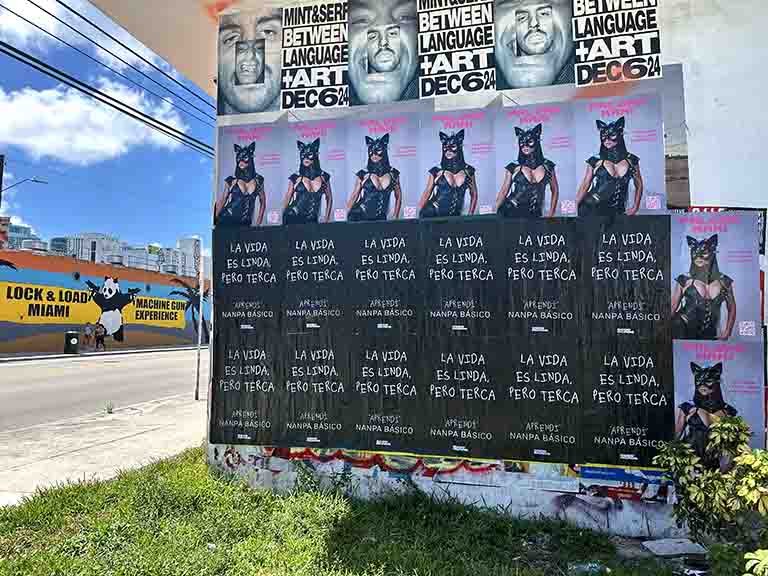
From our experience running campaigns in Mexico City for touring artists, the pre-show street campaign is one of the highest-ROI marketing activities a label can execute in this market. We’ve coordinated CDMX tour campaigns for artists playing Auditorio Nacional, Foro Sol, and Palacio de los Deportes — and our operators in CDMX know the difference between campaigns that drive ticket sales and campaigns that just put paper on walls.
A show at Foro Sol in Mexico City means something. It’s not just a venue date on a tour — it’s the show that defines whether an artist is taken seriously in Latin America’s most important music market. Foro Sol can hold 65,000 people. Auditorio Nacional draws 10,000 of the most engaged music fans in the city. These shows are events, and the marketing that surrounds them needs to reflect their scale.
Wheatpaste campaigns are a central part of how touring artists build street presence in Mexico City before a major date. The medium works here because it reaches the audience where they live — on the streets of Roma Norte, on the walls of Doctores, in the corridors of Centro Histórico — in the physical environment that music fans actually occupy in the weeks before a show they’re anticipating. A poster of your artist on a wall in Orizaba two weeks before the Foro Sol date is not just advertising. It’s a reminder, a countdown, a signal that something important is coming.
Mexico City’s Major Music Venues: What They Mean for Campaign Planning
| Venue |
Location / Alcaldía |
Capacity |
Primary Genres |
Campaign Zone Priority |
| Foro Sol |
Iztacalco |
65,000 |
Rock, pop, regional Mexican, urban |
City-wide, emphasis on fanbase zones |
| Auditorio Nacional |
Miguel Hidalgo (Chapultepec edge) |
10,000 |
Pop, rock, international, jazz, classic |
Roma Norte, Condesa, Polanco |
| Palacio de los Deportes |
Iztacalco |
22,000 |
Urban Latin, pop, reggaeton |
Centro, Doctores, city-wide |
| Arena CDMX |
Gustavo A. Madero |
22,000 |
Broad touring market |
City-wide, genre-dependent |
| Teatro Metropólitan |
Cuauhtémoc |
2,200 |
Mid-size touring, theater |
Centro Histórico adjacent |
| El Plaza Condesa |
Cuauhtémoc |
2,000 |
Indie, electronic, emerging acts |
Roma Norte, Condesa, Juárez |
Foro Sol in Iztacalco is one of the largest outdoor concert venues in Latin America. It has hosted artists from the Rolling Stones to Bad Bunny, from Grupo Firme to Coldplay. A sold-out Foro Sol date is the defining achievement for an artist’s Mexico City presence. Campaign strategy for a Foro Sol show operates at city-wide scale, not just in the trendy colonias.
Venue-Specific Campaign Logic
Foro Sol: The City-Wide Campaign
A Foro Sol date requires a campaign that reflects the scale of the venue. Foro Sol audiences are drawn from across the metro area — from Polanco, from Doctores, from Iztapalapa, from Narvarte, from the far eastern colonias. A campaign that only posts in Roma Norte and Condesa is reaching 15% of the potential audience and missing 85%.
Effective Foro Sol campaigns balance:
- Genre-appropriate working-class zone coverage: For regional Mexican artists (banda, norteño), the most important campaign zones are Centro Histórico, Doctores, and the outer colonias — not Roma Norte
- Aspirational colonia coverage: For crossover and pop acts, Roma Norte and Condesa create cultural credibility and reach the early-adopter audience that influences broader consumption
- Transit corridor coverage: The routes from the city’s major population zones to Iztacalco (where Foro Sol is located) pass through several mid-city colonias — placing campaigns along these transit corridors reaches people who are already connected to the venue geography
Auditorio Nacional: The Cultural Credibility Campaign
Auditorio Nacional in Bosque de Chapultepec is Mexico City’s prestige venue for mid-size touring acts. Its location on the edge of Chapultepec, adjacent to Polanco and Condesa, makes it naturally oriented toward the city’s culturally engaged, mid-to-high income audience. A campaign for an Auditorio Nacional show should concentrate in Roma Norte, Condesa, Polanco, and Juárez — the colonias whose residents make up the majority of the Auditorio’s attendance base.
El Plaza Condesa: The Indie / Alternative Campaign
For smaller but culturally significant venues like El Plaza Condesa, the campaign stays concentrated in the colonias immediately around the venue and the broader indie/alternative audience zones (Roma Norte, Juárez, Escandón, Coyoacán). A tight, well-placed campaign of 40-60 locations in the right zones is more effective for this venue context than a broad city-wide effort.
Genre-Specific Campaign Strategy
Banda and Norteño Tours
Regional Mexican music is the dominant genre in Mexico by listener population, and its fanbase is concentrated in specific colonias — predominantly working-class and outer-ring zones. Banda and norteño tour campaigns in Mexico City need heavy coverage in Centro Histórico, Doctores, Tepito, Guerrero, and the eastern alcaldías. The colonia maps for these campaigns look very different from a reggaeton or indie campaign, because the audience geography is genuinely different.
Design for banda and norteño campaigns is typically more direct than genre campaigns targeting younger creative audiences: artist in traditional or sophisticated dress, full name prominent, venue and date clearly visible. There’s no need for design ambiguity — the audience for this genre knows who they like and responds to clear presentation of their artist.
Reggaeton and Urban Latin Tours
Reggaeton has completed its crossover into every demographic in Mexico City, so campaign geography is more balanced. The core fanbase is in Doctores, Tepito, and the working-class zones. The cultural conversation around reggaeton lives in Roma Norte and Juárez. A reggaeton tour campaign in Mexico City covers both — typically with heavier placement in the core fanbase zones and supplementary coverage in the aspirational colonias.
Cumbia and Tropical
Cumbia in Mexico City has its own geography — the legendary salón de baile (dance hall) culture is concentrated in specific venues and their surrounding colonias. Salón Los Ángeles in Guerrero is the most famous of these institutions. Campaign work for cumbia tours should prioritize the zones around these salones and the residential colonias that feed them: Guerrero, Santa María la Ribera, and the northern Cuauhtémoc zone.
The mistake that tour managers make when approaching a Mexico City campaign from outside: assuming the city’s most visible colonias (Roma Norte, Condesa) are the most important ones for their campaign. For a banda artist with a Foro Sol date, Doctores and Centro Histórico are worth three times what Roma Norte is. Know your audience geography before you brief the campaign.
What Tour Wheatpaste Posters Should Communicate
A concert tour poster in Mexico City needs to communicate a specific set of information in priority order:
- Artist identification: Name and/or face, large and unmissable
- Date: The show date, large enough to read from 5 meters
- Venue: Where the show is (many people won’t know the venue from the name alone — consider adding the general zone: “Foro Sol, Iztacalco” rather than just “Foro Sol”)
- Tickets: Where to buy, as a URL or QR code or ticketmaster.mx indicator
Everything else — tour sponsors, supporting acts, social media handles, streaming platform logos — is secondary information that shouldn’t compete with these four elements for visual hierarchy. A poster that successfully communicates the artist, date, and venue has done its job. One that tries to communicate twelve things communicates nothing clearly.
The Show-Night Presence Bonus
One aspect of Mexico City tour campaigns that gets undersold: the show-night street presence. When thousands of fans are converging on Foro Sol or Auditorio Nacional from across the city, they’re moving through the colonias where your campaign has been running for two weeks. They’ve already seen the posters. The poster they saw on Álvaro Obregón on Tuesday is a visual memory that gets activated when they walk through Roma Norte on the way to the venue on Friday night.
This is the frequency-over-time effect that makes street campaigns different from digital advertising. The poster wasn’t seen once — it was seen on multiple separate occasions over two weeks of walking the same routes. That accumulated exposure creates a different kind of mental presence than a digital ad viewed three times in an afternoon.
How Latin Music Labels Use Street Campaigns in CDMX
The relationship between Latin music labels and Mexico City’s street campaign market is long-established and tightly calibrated to the touring calendar. Labels working major touring artists — whether regional Mexican, reggaeton, rock en español, or pop — treat CDMX wheatpaste campaigns as standard pre-show media, not an experimental tactic.
The standard campaign structure for a venue show in Mexico City: wheatpaste execution 10 to 14 days before the show date, concentrated in colonias that match the artist’s fanbase demographics, with placement density highest within a 30-minute travel radius of the venue. For an Auditorio Nacional date (capacity 10,000, located in Polanco), the campaign typically runs in Polanco, Condesa, Lomas, and Satélite — colonias where the Auditorio’s core audience lives and moves. For a Foro Sol date (capacity 65,000, located in the Iztacalco alcaldía on the southeast edge of Cuauhtémoc), the campaign spreads wider — Roma Norte, Condesa, and Centro Histórico all feed into Foro Sol’s broader audience catchment.
From our experience running campaigns in Mexico City for music tours, the two weeks before a Foro Sol date are the highest-competition period for wall space in the city. Multiple touring acts may have shows in the same two-week window, promoters are running their own campaigns, and brands time their own campaigns to the event energy. Operators with preapproved wall inventories can still deliver strong placement in this window; operators who approach walls cold will find most of the best locations already committed.
Auditorio Nacional has hosted some of the highest-grossing touring concerts in Latin America — capacity of approximately 10,000 means a sold-out date generates significant local media attention and fan activity. Foro Sol at 65,000 capacity is the largest concert venue in Mexico City and one of the largest in Latin America. Both venues are targets for pre-show street campaigns from their respective artist label teams.
Colonia Targeting for Different Musical Genres
Genre targeting in Mexico City wheatpaste campaigns is a meaningful consideration. The colonia population profiles genuinely diverge by musical taste in ways that affect campaign performance.
Reggaeton and urban Latin: Roma Norte, Tepito, and the surrounding colonia Guerrero. The younger audience for these genres concentrates in the northern and eastern zones of the central city. Tepito in particular — one of the most densely populated comercial neighborhoods in CDMX — reaches a massive audience for mass-market urban music campaigns, though the operational logistics are more complex than in the tourist-accessible colonias.
Rock en español and alternative: Roma Norte, Condesa, and Escandón. The audience for independent and alternative Mexican music concentrates heavily in the Cuauhtémoc colonias. Campaigns for Vive Latino headliners in the rock and alternative categories work specifically in these zones.
Regional Mexican (banda, norteño, cumbia): Centro Histórico, Doctores, and the broader popular commercial zones of the metropolitan area. The audience for traditional Mexican regional music is distributed across working-class colonias and the commercial center. Campaigns for Palacio de los Deportes dates (capacity approximately 22,000) typically spread across a wider geographic range than Auditorio or Foro Sol campaigns.
Jazz and world music: Coyoacán, Roma Norte, and Santa María la Ribera. The more culturally specific audience for jazz and world music concentrates in colonias with strong cultural institution presence — near Cineteca Nacional, near university campuses, in the colonias with active gallery and cultural center scenes.
Documentation Standards for Music Tour Campaigns
Music labels coordinating large touring campaigns across multiple cities have specific documentation requirements that differ from a single-brand awareness campaign. The primary distinction: tour documentation needs to be city-specific and date-stamped clearly, because labels are often managing parallel campaigns in multiple Latin American cities for the same artist in the same two-week window.
AGM’s CDMX documentation for tour campaigns includes a date-stamped photo header identifying the city, venue, and show date, plus the standard GPS-tagged location photos. For campaigns running in parallel with Guadalajara, Monterrey, or other Mexican cities, the documentation packages are formatted identically so the label’s marketing team can review multiple city reports in the same format without adjusting their workflow.
Palacio de los Deportes: The Third Major Venue
Mexico City’s three primary large-scale music venues each require different campaign approaches. Beyond Auditorio Nacional and Foro Sol, the Palacio de los Deportes — located in the Iztacalco alcaldía, capacity approximately 22,000 — is the third major destination for touring acts and requires its own campaign strategy.
The Palacio de los Deportes audience overlaps with the Foro Sol audience in its broad metropolitan distribution. Shows at Palacio draw from across the 22-million-person CDMX metro area, with strong representation from the eastern and southeastern alcaldías (Iztapalapa, Tláhuac, Xochimilco) that aren’t well-served by campaigns concentrated in the Cuauhtémoc western colonias. Effective Palacio campaigns need to extend into these eastern zones while still maintaining presence in the culturally influential western colonias where fan conversations originate on social media.
The operational challenge of eastern-alcaldía campaigns is that the operator network in those zones is thinner than in the premium western colonias. AGM’s CDMX operators have relationships in Iztapalapa and neighboring zones but execute fewer campaigns there, which means wall inventory is less established and documentation quality needs more active management. For artists with strong fanbase concentration in eastern CDMX, those placements are worth the additional coordination effort.
Tour campaigns for artists playing multiple CDMX dates — common for major touring acts that play two or three nights at Foro Sol or split nights between venues — require a campaign strategy that maintains freshness across the multi-night window. AGM’s approach for multi-date campaigns is to stage the initial posting one week before the first date and coordinate a refresh or extension one day before the second date, ensuring fresh placement visibility for each show’s audience peak without duplicating spend on the same wall twice.
How Tour Teams Should Build the Street Layer Around a Mexico City Show
Search results for music tour promotion usually reward pages that connect physical promotion to show strategy. In Mexico City, that means thinking beyond the venue pin on a map. A successful tour campaign reaches fans where they circulate before the show, not only where they stand in line on show day.
Different tour categories need different geography. A regional Mexican act, an indie Latin artist, and a major reggaeton tour may each need a different neighborhood emphasis even if they play similarly sized venues. The route has to reflect fan behavior, not just venue fame.
- Map the route around venue gravity, not just around the venue itself.
- Adjust neighborhood mix by genre, fan age, and whether the campaign is prestige-led or mass-led.
- Install early enough to build anticipation but close enough to preserve freshness.
- Use documentation that helps management compare poster presence with the digital and PR rollout.
The most useful page for this intent helps a team convert a tour date into a street campaign brief. That is why venue logic, neighborhood logic, and timing logic all need to be explicit.
The bottom line for planners is simple: treat mexico city wheatpasting latin music tours as a campaign decision with tradeoffs, not as a generic city talking point. The campaigns that usually perform best in CDMX define the audience, route logic, reporting standard, and creative threshold before the first sheet goes to print.
That is also why the best briefs stay specific about neighborhoods, install timing, and proof of posting. In Mexico City, clarity before execution usually matters more than chasing a bigger poster count after the fact.
Frequently Asked Questions
Why do Latin music tours run wheatpaste campaigns in Mexico City?
Mexico City is the most important tour market in Latin America. A Foro Sol or Auditorio Nacional date is the prestige show on any Latin American tour. Wheatpaste campaigns build street presence in the weeks before the show, reaching the local audience in the physical environments where they live and move — which drives ticket sales and builds show-night energy that digital reach alone can’t create.
Which Mexico City venues drive the biggest wheatpaste tour campaigns?
Foro Sol (65,000 capacity), Auditorio Nacional (10,000), Palacio de los Deportes (22,000), and Arena CDMX (22,000). Venue location influences which colonias the campaign should prioritize for transit-route coverage.
How early should a touring artist’s wheatpaste campaign launch before a Mexico City show?
For a major venue (Foro Sol, Auditorio Nacional, Palacio de los Deportes), the campaign should be on the streets 2-3 weeks before the show. For a mid-sized venue show where ticket sales need support, go earlier — 3-4 weeks. For a sold-out show where the goal is energy building rather than ticket sales, 10-14 days is adequate.
Which colonias work for a reggaeton tour date campaign in Mexico City?
Doctores, Tepito, Centro Histórico, and Iztapalapa zones are the primary zones for reggaeton and urban Latin tour campaigns. Secondary coverage in Roma Norte and Condesa reaches the crossover audience. For Foro Sol shows, the colonias around the venue in Iztacalco also have value.
Can touring artists from the US run Mexico City wheatpaste campaigns remotely?
Yes. Most Latin music tour campaigns in Mexico City are managed remotely — the artist’s team provides artwork and the show date, and a local Mexico City operator handles print, placement, and documentation. Standard turnaround from brief to street is 5-8 business days with complete artwork.