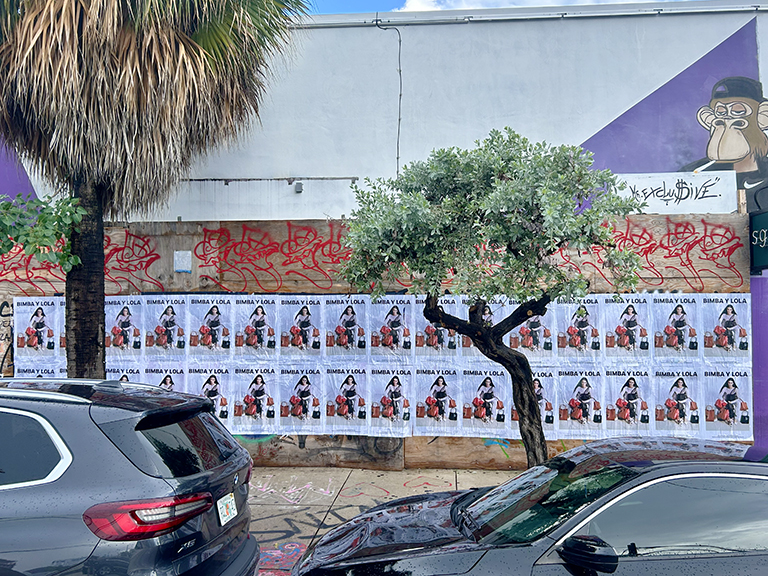
Wheatpasting for Mexico City Festivals: Timing, Areas, and Reach starts with matching the right streets, surfaces, audience, and campaign timing. Mexico City’s festival calendar is one of the densest in Latin America. Major music festivals draw tens of thousands of attendees. Cultural festivals like FICM shift the city’s creative community into a sustained period of engagement. Día de los Muertos brings national and international visitors who transform Centro Histórico and Coyoacán into massive cultural gatherings. Each of these moments creates a spike in campaign activity — and a spike in competition for available wall space in the colonias that matter.
Running a successful wheatpaste campaign around Mexico City’s festival season requires planning that starts earlier than you’d think, an understanding of which festivals drive campaign demand in which colonias, and operational awareness of how the festival environment changes the visual environment you’re competing within.
Mexico City’s Festival Calendar for Campaign Planners
| Festival / Event |
Typical Timing |
Campaign Zone Priority |
Notes |
| Vive Latino |
March |
Roma Norte, Juárez, Condesa, Doctores |
Rock/alternative/crossover; Foro Sol venue |
| Ambulante Documentary Festival |
April (Mexico City leg) |
Roma Norte, Condesa, Coyoacán |
Documentary film; Cineteca Nacional focus |
| MUTEK México |
May |
Juárez, Roma Norte, Doctores |
Electronic music and digital arts |
| Festival Internacional Cervantino (CDMX adjacency) |
October |
Centro Histórico, Coyoacán |
Based in Guanajuato but CDMX feeder events |
| FICM (Morelia) |
October |
Roma Norte, Coyoacán, Condesa |
Mexico City press/buzz campaigns |
| Día de los Muertos events |
Late October / Early November |
Centro Histórico, Coyoacán, city-wide |
Massive tourist concentration; cultural brands |
| Corona Capital |
November |
Roma Norte, Condesa, Juárez |
International/crossover lineup |
| Lollapalooza México |
Varies (typically March or November) |
Roma Norte, Polanco, Condesa |
International lineup; premium demographic |
Vive Latino, held at Foro Sol in Iztacalco, is one of the top 5 largest rock and alternative music festivals in Latin America by attendance — typically 65,000-80,000 people over two days. The campaign window before Vive Latino is the single most competitive wheatpaste period in Mexico City, with dozens of artists, sponsors, and related brands all competing for wall space in the same colonias simultaneously.
The Competition Problem During Festival Season
Festival season is when campaign operators run into the wall-space competition issue most acutely. Roma Norte is always in demand, but in the weeks before Vive Latino or Corona Capital, every label with an artist on the bill, every festival sponsor, every related nightlife promoter, and every brand doing festival-adjacent marketing is simultaneously trying to put posters on Roma Norte walls.
The practical consequence: the best wall locations fill up fast. An operator who books their client’s campaign 5 weeks before the festival has options. An operator who comes in 2 weeks before is working around whoever got there first and whatever surfaces are still available.
For brands running festival-related campaigns, the booking timeline needs to be front-loaded:
- For March festivals (Vive Latino): operator booking by late January, campaign artwork finalized by mid-February
- For November festivals (Corona Capital): operator booking by late September, artwork by mid-October
- For October cultural events (FICM, Día de los Muertos): operator booking by mid-August at the latest
Vive Latino Campaigns: The Model Festival Campaign
Vive Latino is instructive as a case study because it’s been part of Mexico City’s cultural calendar long enough that campaign patterns have settled into a predictable rhythm. The artists on the bill — which typically spans alternative rock, electronic, reggaeton, indie, and international acts — run campaigns targeting their specific audience zones in the city. Festival sponsors run broader awareness campaigns across multiple colonias. And the festival itself runs institutional campaigns announcing the full lineup.
The most effective individual artist campaigns around Vive Latino are concentrated and specific. An indie rock act from Argentina doesn’t need to be everywhere in Mexico City — they need to be on the streets in Roma Norte, Juárez, and the zones around UNAM where their audience is concentrated. Running that campaign at 50-70 well-chosen locations in the right colonias delivers more actual impact than spreading 150 posters thinly across the whole city.
Festival sponsor campaigns operate on a different logic — they need presence across all the colonias that contain festival-going demographics, so they run broader and less targeted. These are the campaigns that book the most locations and the widest colonia spread during festival season.
Día de los Muertos: A Unique Campaign Window
Día de los Muertos in Mexico City has grown significantly as a cultural event over the past decade, both in the depth of local participation and in its pull for international tourism. The city’s Zócalo ofrenda (offering), the processions through Centro Histórico, and the gatherings in Coyoacán’s historic center create concentrations of visitors who don’t normally circulate through these zones.
For brands with authentic connection to the cultural moment — cultural platforms, streaming services with relevant content, heritage brands, food and beverage companies with Mexican cultural roots — the Día de los Muertos window is one of the most powerful in the annual calendar. Campaign imagery that engages sincerely with the aesthetic (marigolds, calaveras, the visual language of the celebration) can generate both strong local response and international social media attention as the campaign documentation travels online.
Electronic Music and the Juárez / Doctores Circuit
Mexico City’s electronic music scene is one of the strongest in Latin America, with active communities around techno, house, ambient, and experimental genres. The primary venue circuit for this scene — clubs in Juárez and Doctores, warehouse parties in industrial zones east of Centro — creates a specific campaign geography that’s different from the Vive Latino mainstream.
MUTEK México (electronic music and digital arts festival) in May brings this community into concentrated activity. Campaign work for MUTEK artists, parties, and adjacent brands runs primarily in Juárez and Doctores, with supplementary coverage in Roma Norte. The walls around the venues that host the festival’s events are particularly high-value placements — people walking past a club they’re planning to attend that weekend are exactly the right audience for any campaign promoting something at that club.
The Ambulante Documentary Festival
Ambulante is a traveling documentary film festival that circulates through Mexican cities including Mexico City. Its CDMX leg concentrates screenings at Cineteca Nacional and allied venues in Coyoacán and Roma Norte. For film campaigns, Ambulante’s presence creates a window when the documentary-interested audience is concentrated and engaged — a useful period for any film campaign targeting the culturally active, socially conscious viewer.
Post-Festival Campaign Timing
One underused tactic in Mexico City festival marketing is the post-festival campaign — posters that go up after the event and lean into the cultural energy that the festival left behind. For streaming platforms and labels releasing festival-adjacent content (live recordings, documentary coverage, director’s cuts), running a campaign in the week after a major festival while the audience is still emotionally engaged produces strong response.
Vive Latino and the Case for Street Campaigns
Vive Latino is Mexico City’s largest annual music festival — typically held in March at Foro Sol, which holds up to 65,000 people per day across two or three days. The festival’s booking history includes Latin artists across reggaeton, rock en español, pop, cumbia, and international crossover acts. For brands targeting a young Mexican audience aged 18-35, Vive Latino is the single highest-density attention moment of the year.
The wheatpaste campaign window for Vive Latino runs from two to three weeks before the event through the event weekend itself. In the two weeks before the festival, fan energy is building on social media and in the colonias where the audience concentrates — Roma Norte, Condesa, Juárez, and the corridors near Foro Sol in the Iztacalco zone. Campaigns that go up during this pre-event window get seen by an audience that is actively engaged with music and culture content.
Our operators in CDMX coordinate Vive Latino campaign placements on a separate schedule from regular campaign work, because the competition for prime wall surfaces in the pre-festival window is high. Music labels, brands, and promoters all converge on the same wall inventory in Roma Norte and Condesa in February and early March. Planning and booking wall access two to three weeks ahead of the execution date is necessary to secure the best locations.
Vive Latino 2025 reportedly sold out across multiple days within hours of ticket release. The festival’s social media following exceeds 3 million across platforms, and the hashtag activity in the two weeks before the event represents one of the highest-engagement music moments in the Mexican digital calendar. A street campaign active during that window reaches an audience that is simultaneously online and physically present in the city.
The FICM (Festival Internacional de Cine de Morelia) and the Ambulante documentary film festival also generate campaign windows for film distributors — though these festivals have more niche audiences and require different colonia targeting. Cineteca Nacional in Coyoacán is the anchor venue for many Ambulante screenings in CDMX, making the surrounding Coyoacán streets a logical placement zone for film festival-adjacent campaigns.
Día de Muertos: The October Campaign Window
Día de Muertos runs October 31 through November 2, with preparation and visibility starting from roughly October 26 in most colonias. Mexico City’s celebration has grown significantly in international awareness — in part due to the James Bond film Spectre’s opening sequence — and the holiday now draws substantial international tourist traffic in addition to domestic visitors.
The foot traffic increase in Roma Norte, Coyoacán, and Centro Histórico during the Día de Muertos period is estimated at 40 to 60% above regular October weekday levels, with weekend spikes even higher. For brands with campaigns active during this window, the multiplier effect is real. We recommend clients with early November campaign dates stage their CDMX wheatpaste execution to go up October 26 to 28 — capturing the holiday traffic peak while still hitting the first week of the intended campaign window.
The visual environment in CDMX colonias during Día de Muertos is rich with orange marigold displays, altar installations, and face-painted pedestrians. Campaign creative that is purely commercial and visually disconnected from the holiday aesthetic will stand out — for better or worse. Creative that is designed with awareness of the visual context tends to integrate better and get photographed more by the tourist and social media audience that’s actively documenting the city’s holiday character.
Seasonal Timing for Festival Campaign Logistics
Festival campaign timing has implications beyond the creative planning — it affects print scheduling, crew availability, and wall access. Here’s the practical timeline for major CDMX festival windows:
- Vive Latino (March): Brief to operator by February 1 for mid-March execution. Print order by February 15. Wall access confirmation by February 22. Execution night: target 10-14 days before festival opening.
- Día de Muertos (October 31-November 2): Brief by October 10. Print order by October 14. Execution night: October 26-27.
- Auditorio Nacional / Foro Sol concert dates: Brief 3 weeks before show. Execution 10-14 days before show. Standard crew and print timelines apply.
- End-of-year holiday season (December): CDMX crew availability tightens significantly from December 15 through January 3. Plan December campaigns to execute before December 12 for reliable execution.
From our experience running campaigns in Mexico City across multiple festival cycles, the biggest scheduling mistake brands make is waiting until the week before a major event to brief a campaign. By that point, print lead times are tight, the best wall locations are already committed, and crews are overbooked with competing campaigns. Three weeks of lead time is the working minimum for a standard festival-adjacent campaign; five weeks is comfortable.
Auditorio Nacional and Foro Sol: Campaign Targeting by Venue
The two marquee music venues in Mexico City create distinct campaign targeting requirements based on their locations and audience catchment areas.
Auditorio Nacional, located in Polanco adjacent to Chapultepec park, has a capacity of approximately 10,000 and draws an audience skewed toward established adult concert-goers — the demographic that attends solo artist shows, jazz and world music events, and mid-career rock and pop acts. The campaign zones for an Auditorio show are Polanco, Condesa, Lomas de Chapultepec, and the Insurgentes Sur corridor. These colonias represent where the Auditorio audience lives and socializes.
Foro Sol, located in the Iztacalco alcaldía on the southeast edge of the central city, holds up to 65,000 people and books the largest stadium-scale acts that play Mexico City. The Foro Sol audience is broader and more geographically distributed across the metropolitan area than the Auditorio audience. Effective Foro Sol campaigns spread across Roma Norte, Condesa, Centro Histórico, and additionally into the Iztapalapa and Iztacalco colonias south and east of the venue, where a significant share of the audience originates.
From our experience running campaigns in Mexico City for major venue dates, the Foro Sol campaign requires more colonias and more total placements to reach the same percentage of the likely attendee base as an Auditorio campaign. The concentration effect that makes an Auditorio campaign efficient (audience geographically clustered in affluent western colonias) works against the Foro Sol campaign planner, because the Foro Sol audience is drawn from across the entire metropolitan area of 22 million people.
How Festival Windows Change the Usual Street Campaign Rules
Pages that perform for festival-related queries tend to focus on timing, not just locations. That is important because festival campaigns are temporary by nature. Their value comes from showing up in the right street context at the right moment, whether that means pre-event buildup, same-week visibility, or post-announcement reinforcement.
In Mexico City, the festival question is rarely just about one venue. It is about the surrounding movement pattern. Where are people traveling before the event, where are they staying late, and which neighborhoods create repeat exposure in the days leading up to the show or activation. That is why colonia strategy matters as much as the festival calendar itself.
- Book earlier than normal because festival weeks compress wall availability and crew schedules.
- Map the audience around venues, nightlife corridors, transit routes, and after-event movement.
- Expect more competing posters, faster turnover, and stronger need for clean route planning.
- Use messaging that works before, during, and just after the event instead of only on the event date.
The most useful page for this intent is one that helps a brand avoid missing the window. If the article makes timing and route decisions clearer, it is doing the job searchers expect.
The bottom line for planners is simple: treat wheatpasting mexico city festivals as a campaign decision with tradeoffs, not as a generic city talking point. The campaigns that usually perform best in CDMX define the audience, route logic, reporting standard, and creative threshold before the first sheet goes to print.
That is also why the best briefs stay specific about neighborhoods, install timing, and proof of posting. In Mexico City, clarity before execution usually matters more than chasing a bigger poster count after the fact.
It also gives operators a cleaner brief to execute against on the street.
Frequently Asked Questions
What are the biggest music festivals in Mexico City that drive wheatpaste campaign demand?
Vive Latino (one of the largest rock and alternative festivals in Latin America, typically March), Corona Capital (major international lineup, typically November), Lollapalooza Mexico, and Pa’l Norte. The FICM (Morelia International Film Festival in October) drives significant campaign activity in the film space.
How far in advance should wheatpaste campaigns go up for Mexico City festival season?
For major festivals like Vive Latino and Corona Capital, campaign operators need to be on walls 2-3 weeks before the event. The challenge is competition for wall space — booking an operator 4-6 weeks before the festival ensures priority access to the best locations.
Which colonias should festival campaigns target in Mexico City?
For Vive Latino and Corona Capital, campaigns run in Roma Norte, Condesa, and Juárez to reach the core festival demographic, with additional Centro and Doctores coverage for broader reach. Festival venue proximity matters — colonias that feed transit routes to the venue get additional placements.
Does Día de los Muertos create wheatpaste campaign opportunities in Mexico City?
Yes. The weeks surrounding Día de los Muertos see significant cultural tourism to Mexico City and strengthend outdoor event activity. Brands aligned with the cultural moment use this window for campaigns, with tourist concentration in Centro Histórico and Coyoacán making those zones particularly active.
How do wheatpaste campaigns work for festival sponsors vs. performing artists?
Artist campaigns use artist imagery and announce the specific festival appearance or tour date. Sponsor campaigns use brand identity and link the brand to the festival aesthetic. Sponsor campaigns tend to run broader while artist campaigns are more targeted to the artist’s specific fanbase geography.