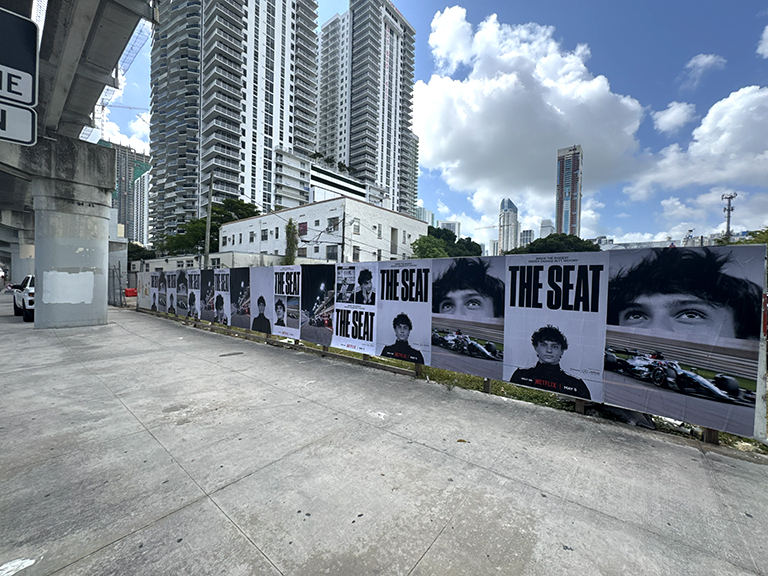
From our experience running campaigns in Mexico City across every season and time of year, timing decisions affect campaign outcomes more than most brands anticipate. Our operators in CDMX have executed campaigns during rainy season, during festival weeks, during holiday periods, and during the quiet summer stretch — and the performance patterns we’ve observed from that fieldwork inform every timing recommendation we make to new clients.
Mexico City’s campaign environment changes throughout the year in ways that most clients planning from outside the city don’t account for. The difference between a campaign pasted up in October and one that goes up in July is significant — and not just because of the weather. Seasonal foot traffic patterns, festival competition for wall space, political cycles, and the specific weekly rhythms of each colonia all factor into when a campaign should run to maximize its effectiveness.
This guide covers the timing variables that matter for Mexico City wheatpaste campaigns: the seasonal environment, the weekly rhythm, the daily execution window, and the calendar events that shift the operating conditions significantly.
The Seasonal Reality: Dry Season vs. Rainy Season
Mexico City sits at 7,350 feet elevation in the central Mexican highlands, which gives it a climate that surprises most visitors. It’s not tropical — the altitude creates cool mornings and evenings even in summer. And it has a pronounced wet and dry season split that directly affects campaign execution.
Dry season (October-April): This is the optimal window for wheatpaste campaigns. Overnight temperatures are cool to cold, humidity is low, and paste cures quickly and holds strongly. Posters applied in dry season conditions can hold for three to four weeks on appropriate surfaces. The combination of good paste adhesion and no rain exposure makes this the most reliable execution window.
Rainy season (May-September): Mexico City’s rainy season brings afternoon and evening storms — typically heavy but brief, often building through the day and releasing between 4pm and 8pm. Morning hours are generally clear. This pattern is important for campaign timing: paste applied in the early morning hours has several hours to set before the typical afternoon rain. Paste applied in the afternoon risks being compromised by rain before it cures.
Mexico City receives roughly 700-800mm of annual rainfall, almost entirely concentrated in the May-September rainy season. Monthly rainfall peaks in July and August, with averages of 160-180mm per month. For comparison, New York City receives approximately 100-120mm in July. CDMX’s rainy season is intensive but predictable in its daily timing pattern.
Running Campaigns in Rainy Season
Rainy season doesn’t make campaigns impossible — it makes them more operationally demanding. Operators who work year-round in Mexico City have developed practices for rainy season execution:
- Prioritizing wall locations with overhead protection — building overhangs, covered walkways, canopy structures — that shield the poster from direct rain exposure
- Selecting north-facing and east-facing walls that receive less direct rain exposure than south and west-facing surfaces in the afternoon storm pattern
- Applying thicker paste coats that improve adhesion even in strengthend humidity conditions
- Timing posting for the earliest practical early-morning window (1am-3am) to maximize drying time before afternoon rain cycles
- Monitoring weather forecasts and adjusting the posting schedule to avoid nights where rain is predicted to extend past midnight
Monthly Campaign Calendar
| Month |
Season |
Campaign Conditions |
Key Events |
| January |
Dry |
Excellent — low competition, strong adhesion |
Post-holiday quiet period |
| February |
Dry |
Excellent |
Pre-Vive Latino buildup begins |
| March |
Dry |
Excellent — but high competition (Vive Latino) |
Vive Latino festival |
| April |
Dry/transitional |
Good — Ambulante festival activity |
Ambulante Documentary Festival |
| May |
Rainy season starts |
Good with adjustments — MUTEK |
MUTEK México |
| June-July |
Rainy |
More challenging — summer school vacation period |
School vacation, some tourist activity |
| August |
Rainy (peak) |
Most challenging — heaviest rain |
Late summer quiet |
| September |
Rainy transitional |
Good with care — Independence Day |
Grito de Independencia (Sept 15-16) |
| October |
Dry season starts |
Excellent — FICM, Día de los Muertos buildup |
FICM Morelia, cultural events |
| November |
Dry |
Excellent — high campaign volume (Corona Capital) |
Día de los Muertos, Corona Capital |
| December |
Dry |
Good — holiday period, slower in final week |
Holiday season, Spotify Wrapped |
The Weekly Cycle: Best Days for Posting
Within any given week, the timing of overnight posting affects what the campaign encounters when foot traffic resumes. Generally:
Sunday night / Monday morning posting: Streets are quiet overnight, paste has Monday and the rest of the week to cure. The campaign is at its freshest for the Monday-through-Wednesday audience. If any cleanup crews or property management inspections happen, they tend to run early in the week, so Monday morning posting can face early removal in some locations. Good for campaigns that want strong early-week visibility.
Wednesday night / Thursday morning posting: A strong general-purpose window. Avoids the Monday fresh-week inspection period, and the campaign is fresh for the Thursday-Saturday high-foot-traffic window in colonias like Roma Norte and Condesa. This is the most common professional posting window for campaigns where timing flexibility exists.
Friday night / Saturday morning posting: Maximum weekend audience exposure. The fresh campaign faces Saturday and Sunday foot traffic peaks in park-adjacent zones and commercial corridors. The tradeoff: Friday nights are the busiest nights in Roma Norte and Juárez, which can mean more people around during posting and slightly more crew disruption management. Sunday nights, the streets are quiet again and any weekend-placed material faces less competition.
For time-sensitive campaigns — a show on Friday night, an album dropping Thursday — the posting window is driven by the campaign date, not by the day-of-week optimization. But for campaigns with flexible timing, Thursday morning is generally the sweet spot: fresh for the week’s peak activity, cured before weekend traffic peaks.
The Daily Execution Window: 1am to 5am
The overnight posting window in Mexico City runs roughly 1am to 5am. This window is driven by three factors:
Street quietness: Even in active colonias, pedestrian traffic drops significantly after 1am. The streets that are impossible to work on at 10pm — Álvaro Obregón in Roma Norte, for example, with restaurants still serving and people walking between venues — are workable at 2am.
Paste curing time: Paste applied at 2am has 3-4 hours before morning foot traffic begins at 6-7am. That’s sufficient curing time for paste to bond strongly and resist casual touching or light contact. Paste applied at 5am is still partially wet at 7am, which is not ideal.
Documentation conditions: The early morning light (first light around 6-6:30am in Mexico City through most of the year) is excellent for documentation photography — soft, directional light that shows poster quality without harsh shadows or glare. Crews who finish posting by 5am can begin documentation in good light conditions.
Colonias with late-night activity (Juárez nightlife zone, parts of Centro Histórico) require adjustments. In these zones, the posting window may start later (2-3am rather than 1am) to ensure the street environment is sufficiently quiet for efficient work.
The Altitude Factor: What 7,350 Feet Does to Paste
Mexico City’s elevation is unusual for a major city — 7,350 feet above sea level, roughly equivalent to Denver, Colorado. At this altitude, air pressure is lower than at sea level, and atmospheric moisture behaves differently. The practical effects on wheatpaste campaigns:
- Paste dries faster at altitude than at sea level — operators typically thin their paste slightly more than they would for a coastal market to maintain workability through a long posting session
- Daytime temperatures in winter months can drop below freezing on exposed surfaces — paste applied in freezing temperatures bonds poorly and can lift as temperatures fluctuate. The standard winter posting window avoids the coldest pre-dawn hours
- UV intensity is higher at altitude, which accelerates color fading in exposed posters. This is most relevant for long-duration campaigns (3+ weeks) in high-sun exposure locations
Political and Administrative Timing Considerations
Mexico City holds regular elections for alcaldía-level offices, the Mexico City legislative assembly, and national elections on the standard six-year presidential cycle. In the 90 days before major elections, outdoor advertising enforcement spikes — not specifically targeting commercial campaigns, but as part of broader competition for visual space between political parties that city administrators pay closer attention to.
The 2024 Mexican presidential election cycle created noticeable enforcement increases in several colonias during the campaign period. Brands that ran campaigns in that window experienced higher-than-normal removal rates in zones that had been reliable before. This risk is manageable by shifting campaign concentration toward private wall locations and away from public surface placements, but it’s a factor to discuss with your operator if your campaign window overlaps with an election period.
Seasonal Weather Effects on Paste Longevity and Campaign Planning
Mexico City’s weather cycle has a direct and significant effect on wheatpaste campaign planning. The city sits at 7,350 feet above sea level — high enough that the UV index is meaningfully more intense than at sea level, and the afternoon storm pattern during rainy season (June through October) is driven by the altitude-induced atmospheric dynamics specific to the Valley of Mexico.
During the dry season (November through May), weather conditions for wheatpaste campaigns are ideal. Low humidity means paste cures cleanly. No rain means posters don’t saturate or peel after application. The intense high-altitude sun does accelerate ink fading over multi-week campaign runs, which is why UV-resistant inks are worth specifying for campaigns intended to run longer than two weeks in exposed locations.
During the rainy season, the pattern is consistent: mornings are generally clear, afternoons cloud over, and heavy rain typically hits between 3pm and 6pm. Mornings then clear again. The overnight execution window — midnight to 5am — is almost always rain-free even during peak rainy season months, because the moisture cycle is driven by afternoon solar heating that doesn’t occur at night.
The practical implication: rainy season doesn’t prevent overnight execution, but it does affect poster longevity after application. A poster applied at 2am will face afternoon rain starting around 16 hours later. The adhesion quality and paper weight both matter here. A properly applied paste job on rough plaster using full-coverage paste-over-and-under technique will survive moderate rain exposure. A thin paste job on a smooth surface will peel at the first soaking.
Mexico City receives approximately 700mm of annual rainfall, concentrated heavily in the June-October rainy season. The July-August peak months can see rain on 20+ days per month, though the storms are typically short and intense rather than all-day. AGM’s field team plans rainy season campaigns with this pattern in mind — execution nights aren’t affected, but follow-up condition checks at 72 hours are standard practice to assess rainy season poster survival rates.
Event Calendar Timing for CDMX Campaigns
Vive Latino (March): The largest music festival in CDMX, held at Foro Sol. The two to three weeks before the festival are the peak demand period for Roma Norte and Condesa wall space. Music brands and lifestyle brands both target this window. Execute before the competition saturates the best walls — meaning a brief four weeks before the festival, execution two to three weeks before it.
Semana Santa (March or April, depending on year): Holy Week creates a tourism spike in CDMX as domestic visitors from other cities visit family and cultural sites. Foot traffic in Centro Histórico and Coyoacán increases significantly. Campaigns timed to peak Semana Santa traffic benefit from the visitor audience supplement.
Mexican Independence Day (September 15-16): The Zócalo and Centro Histórico are the epicenter of Independence Day celebrations, with massive street-level activity. Campaigns in or adjacent to Centro in the week leading up to September 15 reach an audience that is already in a heightened collective mood — a state that increases receptivity to brand and cultural messaging.
Día de Muertos (October 31 – November 2): As covered in the seasonal sections of other posts, the holiday creates significant foot traffic boosts in Roma Norte, Coyoacán, and Centro Histórico. Campaign execution timed to October 26-28 captures this window at full impact.
End-of-year holidays (December): High consumer activity in all commercial zones through December 23. Campaign execution needs to happen before December 15 to avoid the crew availability constraints that tighten as the holiday season progresses and workers travel to home states. January is generally the softest campaign window in CDMX — execute late November or early December for year-end campaigns rather than waiting until January.
Day of Week Timing: When Street Campaigns Perform Best
Beyond the annual seasonal calendar, the day-of-week timing of a Mexico City wheatpaste execution affects both the quality of the placement environment and the initial audience exposure. This is a level of operational detail that many campaign planners don’t consider but experienced CDMX operators think about carefully.
Thursday night execution — meaning posters go up Thursday night/Friday morning — positions the campaign to capture the weekend’s strengthend foot traffic in Roma Norte, Condesa, and Coyoacán. Friday and Saturday are the highest foot traffic days in these colonias, driven by restaurant, bar, and cultural event attendance. A campaign that’s been up since Friday morning hits Friday night at full adhesion quality and is visible through the entire weekend peak.
Sunday night execution is the opposite: the campaign goes up during the lowest foot traffic period of the week. By the time the campaign is at full adhesion and ready for heavy viewing, it’s Monday morning — the start of the workweek. For campaigns targeting the office commuter audience, Monday visibility is valuable. For campaigns targeting the leisure and social audience in the creative colonias, Sunday night execution is a missed opportunity to capture the weekend traffic peak.
Our operators in CDMX always discuss day-of-week timing with clients before scheduling execution. The default recommendation for most campaigns is Thursday or Friday night execution to capture the weekend audience peak. For campaigns tied to specific events — a Saturday concert at Foro Sol, a Sunday film opening — the execution night is set 5 to 7 days before the event regardless of which day of week that falls on, prioritizing the pre-event timing over the weekend-vs-weekday consideration.
How to Choose the Right Campaign Window Instead of the Convenient One
Pages that rank for timing questions usually offer a decision framework rather than a single perfect answer. That is important because the best time for a Mexico City wheatpaste campaign depends on the goal. A release-driven campaign, a weather-sensitive campaign, and a festival-tied campaign may all point to different windows.
Searchers usually want three layers of clarity: what season is operationally easier, what weekly rhythm creates the best exposure, and how far ahead they should prepare. An article that organizes the answer that way tends to match the intent well because it helps the reader make a real scheduling choice.
- Separate climate timing from cultural timing because the best street week is not always the driest week.
- Plan install dates around launches, ticketing, openings, or festival windows instead of choosing dates in isolation.
- Use neighborhood mix to reduce timing risk when one area is more competitive or weather-sensitive.
- Leave room for print delays and route adjustments if the campaign depends on a narrow moment.
The strongest version of this page is not just descriptive. It should help the reader pick a workable window with fewer surprises around rain, crowding, and route competition.
The bottom line for planners is simple: treat best time to run a wheatpaste campaign in mexico city as a campaign decision with tradeoffs, not as a generic city talking point. The campaigns that usually perform best in CDMX define the audience, route logic, reporting standard, and creative threshold before the first sheet goes to print.
That is also why the best briefs stay specific about neighborhoods, install timing, and proof of posting. In Mexico City, clarity before execution usually matters more than chasing a bigger poster count after the fact.
Frequently Asked Questions
What is the best time of year to run a wheatpaste campaign in Mexico City?
October through April (dry season) is the optimal window for Mexico City wheatpaste campaigns. Paste adhesion is stronger, posters last longer without rain damage, and foot traffic is more consistent. November through March is particularly favorable, with major festival windows (Vive Latino in March, Corona Capital in November) creating peak campaign activity periods.
Can you run a wheatpaste campaign in Mexico City during rainy season?
Yes, but with adjustments. Mexico City’s rainy season (May-September) brings afternoon and evening storms that can compromise newly applied paste before it fully cures. Experienced operators prioritize walls with overhead protection, apply paste more thickly, and schedule posting for early morning hours when overnight drying time is maximized before the afternoon rain cycle.
What time of day should a Mexico City wheatpaste campaign be executed?
The standard posting window is 1am-5am. Streets are quietest, paste sets before morning foot traffic, and documentation conditions are best at first light. Some colonias with more active overnight environments require adjustments to the posting window to avoid peak late-night activity.
How does Mexico City’s altitude affect wheatpaste campaigns?
At 7,350 feet elevation, Mexico City has lower humidity and lower air pressure than coastal cities. This means paste dries faster than it would in Miami or Houston. Experienced operators adjust paste consistency for altitude and monitor drying time to ensure full adhesion before the paste sets too quickly.
How do political election cycles affect wheatpaste campaign timing in Mexico City?
In the 60-90 days before major Mexican elections, outdoor advertising enforcement increases across all media. Planning campaigns outside election windows or adjusting colonia strategy to prioritize lower-enforcement zones reduces risk during these periods.