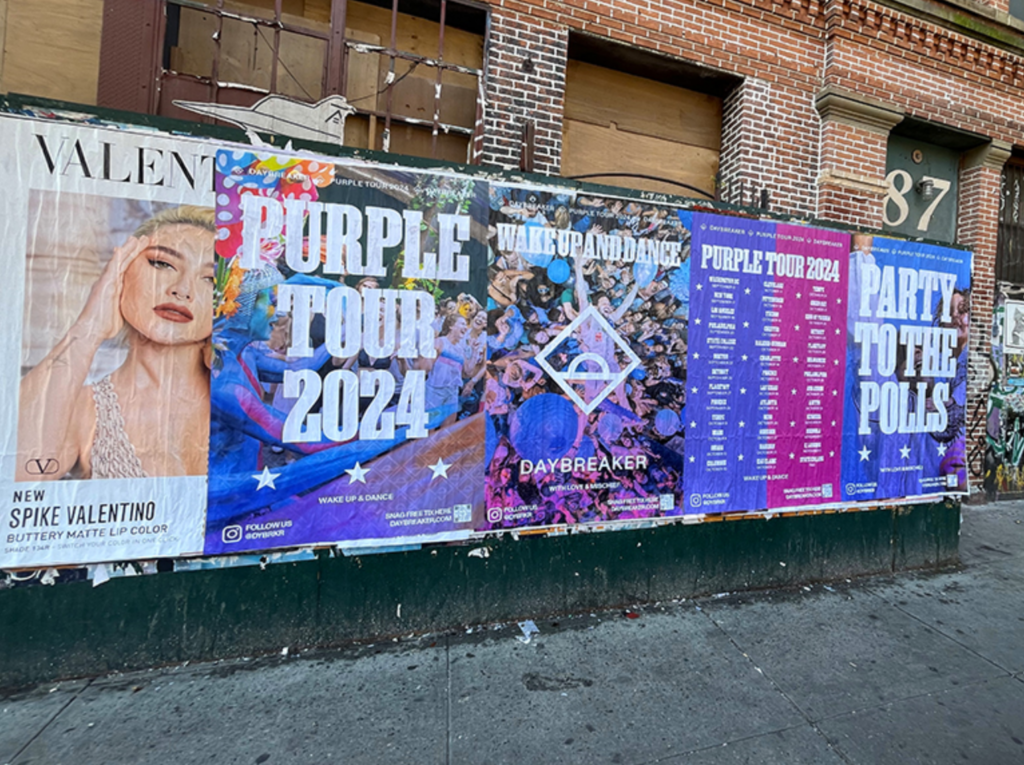
Every brand that commissions a guerrilla marketing campaign hopes it goes viral. Most campaigns do not. The ones that do — the ones that generate photographs shared across social media, articles in national publications, and conversations among people who were not in the city where the activation happened — share a specific set of characteristics that can be identified, studied, and deliberately engineered into campaign design.
Virality cannot be guaranteed. But the creative and strategic elements that make guerrilla campaigns shareable are knowable, and knowing them gives brands a far better chance of creating genuine earned amplification than hoping that good execution alone will generate sharing. Here is what we have observed about what actually causes guerrilla campaigns to break out of their placement geography and into broader cultural conversation.
Genuine Surprise Is Non-Negotiable
Every guerrilla campaign that has achieved significant viral reach shares one quality: it surprised the people who encountered it. Not in a minor way — not “that’s a nice poster” surprise — but in a “wait, what is that doing here?” way that causes people to stop, look, pull out their phone, and capture the moment.
Why Surprise Drives Sharing
Human cognition prioritizes unexpected events for both attention and memory storage. The brain treats surprising stimuli as potentially important new information and allocates additional processing resources to it. That additional cognitive engagement is also what triggers the sharing impulse — when something surprises you in a positive way, sharing it is a way of extending the experience and communicating your discovery to others. A standard poster, regardless of how good the design is, is expected in an advertising context and generates no surprise response. A campaign that creates genuine surprise generates sharing because it creates a moment worth communicating.
How to Engineer Surprise
Surprise in guerrilla marketing comes from violating reasonable expectations about what will appear in a given context. A life-size fictional scene installed in a train station waiting area creates surprise because train station waiting areas do not normally contain life-size fictional scenes. A campaign that appears to interact with the architecture of the urban environment — using building features as part of the visual concept — surprises because it suggests the city itself has been recruited to participate in the campaign. A message that responds to a specific current event with speed and relevance surprises because timing and relevance are unexpected from an outdoor campaign.
It Has to Photograph Well
Social sharing requires shareable content, and shareable content requires photographs that communicate the campaign’s impact to someone who was not physically present. A guerrilla campaign that is spectacular in person but does not read clearly in a smartphone photo will not generate social sharing even if everyone who encounters it is impressed. Campaigns designed for viral reach must be designed for the photograph, not just for the physical encounter.
The Single Clear Visual Hook
Viral campaign photographs work because they have a single, immediately comprehensible visual element that the viewer can process in two seconds. Complex, layered visual concepts that require close examination to appreciate do not translate to social media. The photograph needs to communicate the campaign’s essence at a glance — what it is, why it is surprising, and what brand is behind it — before the viewer scrolls past.
Framing and Composition Consideration
Campaign installations should be designed with the typical smartphone photograph framing in mind. This means considering the natural standing distance from which someone will photograph the installation, what will appear in the background, whether the brand identification is visible at typical photograph distances, and whether the installation reads clearly at the resolution and scale of a social media image. Campaigns that require professional photography to look their best will be documented primarily by professional photographers, limiting organic social sharing significantly.
Scale Creates Visual Drama
Large-scale guerrilla installations — significant wall coverage, three-dimensional elements at unusual scale, large-format graphics that transform a recognizable space — photograph with inherent visual drama that smaller placements cannot achieve. Scale communicates ambition and investment, which signals to viewers that what they are seeing was worth doing. Wheatpasting and poster campaigns at significant scale — full building sides, block-long construction hoardings — generate more sharing than individual small placements because the scale alone is part of the story.
Location Strategy for Viral Potential
The right campaign concept in the wrong location will not go viral. Location strategy for viral potential requires placing the campaign where large numbers of socially active people will encounter it, in a context that adds meaning to the unexpected experience.
High-Traffic Areas with Socially Active Audiences
Neighborhoods with high concentrations of young, creative, socially active adults are the strongest location targets for viral guerrilla campaigns. In New York, that means Williamsburg, Soho, and the Meatpacking District. In Los Angeles, it means Silver Lake, Venice, and West Hollywood. In Chicago, it means Wicker Park, Pilsen, and Logan Square. These neighborhoods have the right audience density and social behavior profile to generate the initial sharing that seeds broader viral reach.
Contextually Meaningful Locations
Campaign placement in locations that add contextual meaning to the concept significantly enhances viral potential. A campaign about financial services placed in a financial district uses location as a storytelling element. A campaign about outdoor products placed on a wall facing a park creates visual dialogue between the brand and the environment. Contextual location specificity gives people something to say when they share the photograph — it adds a layer of clever that makes sharing the image feel like sharing an insight rather than just sharing an advertisement.
Iconic Urban Environments
Locations with immediate geographic recognition — Times Square, the Brooklyn Bridge area, the Chicago River, the Santa Monica Pier — add a location story to every campaign photograph taken there. When a shareable campaign appears in a recognizable iconic location, the photograph communicates both the campaign and the location, which increases sharing frequency from people who have personal connections to the place even if they were not present for the campaign.
The Emotional Resonance Factor
Campaigns that generate sustained viral sharing rather than a brief spike of initial attention do so because they connect with an emotion that motivates people to share — not just to notice. The emotions most reliably associated with sharing behavior are humor, awe, inspiration, and communal recognition of a shared truth.
Humor Is the Strongest Sharing Driver
Funny campaigns get shared more than any other emotional category. Guerrilla marketing with genuine wit — not corporate-safe, committee-approved “humor,” but actual surprising cleverness that makes people laugh or smile unexpectedly — generates sharing at rates that serious, earnest campaigns cannot approach. The challenge is that genuine humor cannot be produced by brief or mandate; it requires creative trust and willingness to take a real comedic risk.
Awe and Scale
Visual awe — the response to something genuinely impressive in scale, craft, or visual ambition — drives sharing because people want to show others what they witnessed. A guerrilla installation that is visually extraordinary in its scale, technical execution, or visual transformation of a familiar space generates sharing from the awe response. This is the viral mechanism behind large-scale street murals, elaborate projection mapping campaigns, and ambitious three-dimensional installations.
Communal Recognition of Shared Truths
Campaigns that articulate something the audience already believes but has not seen stated in public space generate sharing because people want to endorse the statement to their network. A campaign that captures a widely held frustration, aspiration, or observation about urban life and delivers it with precision and wit creates a “finally, someone said it” reaction that drives endorsement sharing.
Timing and Cultural Context
A campaign concept that would generate modest interest at one moment in time can generate significant viral reach at another moment when the cultural context makes it resonate more strongly.
Timed to Current Conversations
Campaigns that align with active cultural conversations — not in a pandering way, but in a way that adds something genuine to the conversation — benefit from the existing attention infrastructure around those conversations. People who are already engaged with a topic are primed to share content that relates to it. Speed matters: campaigns that respond to cultural moments within days generate far more earned attention than campaigns that address the same topic weeks later after the conversation has moved on.
Event Proximity
Major events in a city create concentrated audiences and a natural storytelling context. Campaigns installed around major sporting events, music festivals, or cultural moments in a city leverage the existing media attention on that event to amplify campaign reach. A guerrilla activation during Super Bowl week in the host city, for example, reaches not just the physical audience but all the media coverage and social conversation around the event.
Active Seeding: Not Leaving Virality to Chance
The organic discovery model — install the campaign, hope people find it, watch it go viral — works occasionally for campaigns with exceptional creative. For most campaigns, active seeding of the campaign’s best images with the right audiences dramatically increases viral reach probability.
Influencer and Creator Seeding
Street-level activations photographed by relevant local influencers or content creators generate immediate social reach into the target audience. Pre-identifying creators in the campaign market who are likely to share the content if invited to see it early, and making that outreach happen within the first 48 hours of installation, is a standard part of campaigns designed for viral reach.
Press and Media Outreach
Local media outlets in major cities — city blogs, entertainment publications, local TV news — actively look for unusual and visually distinctive street-level content. A well-photographed guerrilla campaign with a clear story angle is exactly what local media assigns. Media coverage of the campaign generates awareness in audiences far larger than those who will physically encounter the campaign.
Behind-the-Scenes Installation Content
The installation process itself is often as shareable as the finished campaign. Time-lapse video of a large-format wheatpaste installation, footage of a three-dimensional element being constructed on-site, or photographs of the transformation of a familiar space into a branded environment generate sharing because they show craft and process that audiences rarely see. Behind-the-scenes content also reaches audiences before the campaign is physically in place, creating anticipation that drives people to seek out the finished installation.
Measuring Viral Campaign Performance
Viral reach from guerrilla campaigns is measurable through a combination of earned media tracking, social listening, and digital attribution in campaign geographies.
Earned Media Tracking
Press mentions, social sharing volume, and blog coverage of the campaign constitute earned media that can be tracked through standard media monitoring tools. Reach attribution from earned mentions provides a measurement of total viral amplification beyond the paid placement footprint.
Social Sharing Volume and Sentiment
Social listening for brand mentions in campaign geographies and time windows captures organic sharing behavior. Volume of sharing and the sentiment expressed in sharing context (positive, neutral, or negative) provide data on both the reach and the brand impact of the viral behavior.
Digital Pairing Attribution
Geo-targeted digital campaigns running in campaign neighborhoods allow for measurement of digital response correlated with physical campaign presence. Brands that pair viral-targeted guerrilla activations with guerrilla marketing services including digital pairing can measure total awareness lift attributable to the campaign across both physical and digital channels.
Frequently Asked Questions: What Makes Guerrilla Marketing Go Viral?
Can guerrilla marketing campaigns be planned to go viral?
Virality cannot be guaranteed but can be engineered toward. Campaigns that consistently generate earned sharing feature genuine surprise, strong visual distinctiveness, high-visibility placement, and emotional resonance. Building these elements intentionally increases viral probability without making it certain.
What is the most important factor in a guerrilla campaign going viral?
Genuine surprise is the single most important factor. Audiences share experiences that are unexpected — things they did not anticipate encountering in a familiar context. The surprise response is what triggers the sharing impulse.
Does location affect whether a guerrilla campaign goes viral?
Yes significantly. High-foot-traffic locations in major cities expose campaigns to more potential sharers. Locations with socially active audiences and inherent contextual meaning increase sharing probability. Iconic urban backdrops add location context that increases sharing frequency.
What creative elements make guerrilla campaigns more shareable?
Shareable campaigns feature a distinctive visual hook that reads clearly in a photograph, an element of humor or wit, unexpected scale or dimension, interaction opportunities, or a concept so clever that sharing it makes the sharer seem insightful.
How important is timing for guerrilla campaign virality?
Timing significantly affects viral potential. Campaigns aligned with cultural moments or major events in a city have stronger earned media potential because they are relevant to what people are already discussing and sharing.
Should brands seed their own guerrilla campaigns on social media?
Yes. Brands that actively seed campaign imagery with relevant influencers, journalists, and social accounts immediately after installation significantly increase the probability of wider sharing. Strategic seeding ensures the campaign’s best moments reach audiences most likely to amplify them.
Frequently Asked Questions
What is what makes a guerrilla marketing campaign go viral?
American Guerrilla Marketing provides what makes a guerrilla marketing campaign go viral services across 50+ U.S. markets. Every campaign is planned, scouted, executed, and GPS-documented by our field teams. We work with regional brands and Fortune 500 companies on campaigns that require real street-level execution and documented proof of performance.
How does AGM approach go viral?
Our process starts with a market consultation to understand your goals, target audience, and budget. We then scout locations, handle any required permissions or permits, coordinate production and installation with our local crews, and provide a full GPS-tagged photo report after the campaign runs.
What markets does American Guerrilla Marketing cover for go viral?
We operate in 50+ U.S. markets including New York, Los Angeles, Chicago, Miami, Houston, Atlanta, Seattle, Denver, Boston, and dozens of secondary markets. Contact us to confirm availability and pricing for your specific market.
How much does a go viral campaign cost?
Campaign pricing depends on market, format, quantity, and duration. We work with budgets ranging from targeted single-market runs to national rollouts across multiple cities. Use our RFP Builder or contact us directly for a custom quote based on your specific campaign requirements.
How do I get started with go viral through AGM?
The fastest way to get started is to submit your campaign details through our RFP Builder at americanguerrillamarketing.com, or contact us directly at [email protected] or (646) 776-2770. Our team typically responds within one business day with availability and initial pricing.