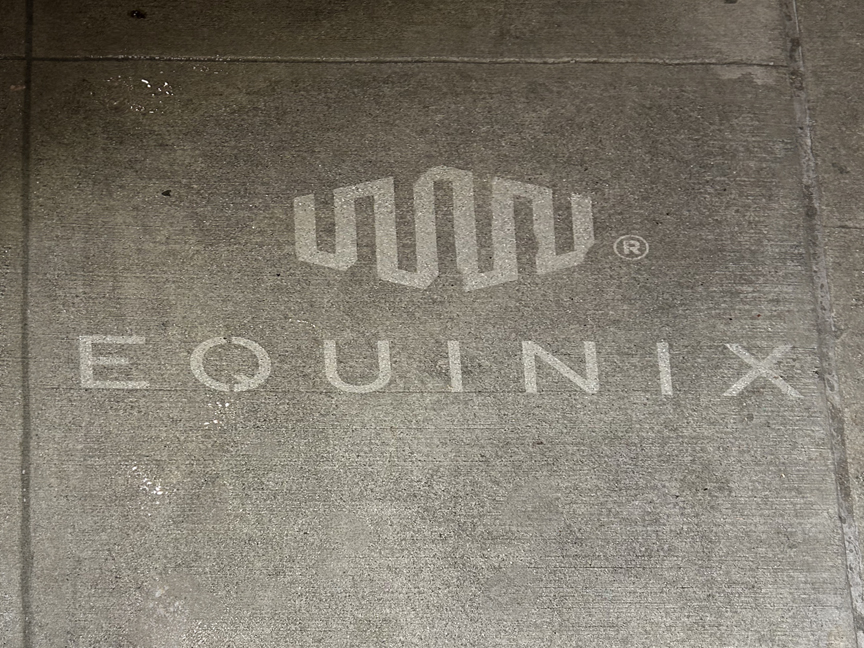
Reverse graffiti advertising inverts the standard outdoor advertising model in a way that generates both creative distinction and genuine PR value. While conventional advertising adds something to a surface — paint, adhesive, ink — reverse graffiti removes surface grime selectively to create brand images. The result is a clean brand mark or message on an otherwise dirty outdoor surface, created entirely by the act of cleaning rather than by applying any foreign material.
This format has been used by major brands including IBM, Domino’s Pizza, Cadillac, and Reebok for campaigns that generated press coverage well beyond what the placement footprint alone would have justified. The concept earns media attention because it is conceptually distinctive — it is literally impossible to accuse a brand of defacing public property when the only thing that happened was cleaning it.
Here is everything brands need to know about reverse graffiti advertising before deciding whether it fits their campaign strategy.
How Reverse Graffiti Advertising Works
The technical process of reverse graffiti is straightforward, though surface selection and stencil engineering are more demanding than they appear.
Step 1: Surface Identification and Assessment
Effective reverse graffiti requires a surface that has accumulated sufficient grime to create meaningful visual contrast when cleaned. The ideal surface is consistently dirty — not intermittently dirty — with grime that has accumulated from vehicle exhaust, airborne particulate, and urban pollution rather than from mud or organic material, which can be more irregular in coverage and appearance. Tunnel walls, underpass ceilings, parking structure approach surfaces, and heavily trafficked urban sidewalk sections in cities with significant vehicle traffic pollution are the strongest candidates.
Step 2: Stencil Design and Production
Stencil design for reverse graffiti requires accounting for the cleaning process. Pressure washing produces sharp edge definition on some surfaces and softer edges on textured or porous surfaces. The stencil must be engineered to hold its position against the water pressure used for cleaning, which is substantially higher than the pressure used in chalk or paint stencil work. High-cut stencil material, proper weighting or anchoring, and design that accounts for the surface texture’s effect on image edge quality all contribute to final result quality.
Step 3: Cleaning Execution
The stencil is positioned on the target surface and secured. A pressure washer or high-pressure scrubbing system cleans the exposed areas through the stencil openings. The surrounding masked areas remain dirty. When the stencil is removed, the cleaned areas form the brand image in the lighter, cleaner tones against the darker uncleaned surrounding surface. Image clarity depends on surface characteristics, grime depth, and the precision of stencil design and execution.
Step 4: Documentation
Every reverse graffiti placement is photographed and GPS-tagged immediately after execution. Documentation captures the image at its highest contrast moment — immediately after cleaning, before any re-soiling begins. Periodic follow-up documentation tracks how the contrast evolves over the campaign window.
Where Reverse Graffiti Works Best
Surface selection determines the visual quality and durability of reverse graffiti campaigns. Not all urban surfaces support the format effectively.
Tunnel Walls and Underpasses
Tunnel walls and underpass surfaces accumulate dense, consistent grime from vehicle exhaust in enclosed environments with limited natural cleaning from rain. These surfaces often show multiple years of accumulated pollution, providing strong contrast for reverse graffiti cleaning. Durability in these locations is also superior because re-soiling in enclosed environments happens more slowly after cleaning — the same conditions that generate strong initial grime maintain a cleaner appearance longer once the grime is removed.
Pedestrian Underpasses and Covered Passages
Covered pedestrian passages and underpass walkways in transit environments accumulate consistent grime from foot traffic and vehicle proximity. These locations combine high pedestrian traffic — relevant audiences walking through — with surface conditions ideal for reverse graffiti. Transit environments generate significant daily impression volume from commuters who pass through the same location repeatedly.
Urban Sidewalks in High-Traffic Corridors
Major urban sidewalk surfaces in high-traffic commercial corridors in cities with significant vehicle traffic accumulate sidewalk grime from foot traffic residue, exhaust deposits, and accumulated organic material. These surfaces can support reverse graffiti images with strong initial contrast, though outdoor surface re-soiling happens faster than in enclosed environments due to precipitation and direct environmental exposure.
Parking Structure Approach and Interior Surfaces
Parking structure columns, interior walls, and approach surfaces in urban areas accumulate consistent vehicular exhaust grime. These surfaces are often protected from direct precipitation while experiencing consistent air pollution deposition, making them strong candidates for reverse graffiti with extended durability compared to fully exposed outdoor surfaces.
The Durability Question
Reverse graffiti durability is frequently misunderstood because it depends on re-soiling rates rather than material degradation, which is the variable that governs conventional outdoor advertising lifespan.
Environmental Re-Soiling Variables
Urban air quality, precipitation frequency, proximity to vehicle traffic, and surface characteristics all affect how quickly a cleaned area becomes re-soiled to match the surrounding surface. In heavily polluted urban environments with frequent light rain, re-soiling can reduce contrast to sub-recognition levels within 2 to 4 weeks. In less polluted environments or covered locations, 6 to 10 weeks of recognizable image clarity is achievable.
Initial High-Contrast Period
The highest visual impact of a reverse graffiti campaign is in the first few days after cleaning, when the contrast between cleaned and uncleaned areas is greatest. This is when the image is most visible and most worth photographing and sharing. Brands that plan PR and social amplification around reverse graffiti campaigns should align press outreach and social seeding with this initial high-contrast window.
Graceful Degradation
Unlike printed outdoor advertising that degrades through edge peeling, color fade, or physical damage that can look unprofessional, reverse graffiti images degrade gracefully by simply blending back into the surrounding surface texture. The degradation mode does not create brand image negatives — the image simply becomes less distinct rather than visually damaged.
The Legal and Ethical Position of Reverse Graffiti
The legal status of reverse graffiti has been contested in several cities since the format gained commercial use in the early 2000s. The core legal question is whether creating a commercial image through cleaning constitutes unauthorized advertising on public property.
The Legal Argument for Reverse Graffiti
The argument that reverse graffiti is legal on public surfaces rests on the fact that cleaning a surface causes no damage and adds nothing foreign to public property. Traditional vandalism requires actual damage or unauthorized application of materials. Cleaning cannot damage a surface; it can only improve its condition. Several legal challenges to reverse graffiti enforcement have succeeded on these grounds.
Municipal Enforcement Reality
Despite the legal arguments, several cities have issued fines or cease-and-desist orders for commercial reverse graffiti on public surfaces. San Francisco cited the practice under commercial advertising ordinances. UK cities have taken action against unauthorized clean graffiti campaigns. The practical enforcement risk varies significantly by city and the current posture of municipal advertising enforcement. Private property reverse graffiti with owner authorization eliminates this enforcement risk entirely.
Our Compliance Approach
For campaigns involving reverse graffiti on public surfaces in markets with active advertising enforcement, we conduct municipal code review and provide a compliance risk assessment before any execution is planned. Private property reverse graffiti on building surfaces, parking structures, or private-owned passage walls with owner authorization is clearly the safer path and what we recommend for brands with significant compliance sensitivity.
Brand Applications for Reverse Graffiti
Reverse graffiti is not the right tactic for every brand or campaign. Here are the contexts where it works best and generates the most return on creative investment.
Environmental and Sustainability Brand Positioning
The conceptual alignment between a brand’s environmental messaging and the act of cleaning is reverse graffiti’s strongest brand-fit scenario. A brand that communicates sustainability, clean technology, or environmental responsibility creates genuine message-medium consistency when it literally cleans surfaces to deliver its advertising. This consistency is newsworthy in a way that standard outdoor advertising placement is not. Combined with guerrilla marketing services that amplify the story, environmental reverse graffiti campaigns can generate significant earned media coverage.
High-Concept PR-Driven Campaigns
Brands that want earned media as a primary campaign deliverable should evaluate reverse graffiti on the strength of its novelty value. The format is unusual enough to generate press interest in major markets where typical outdoor advertising is routinely ignored by media. A well-executed reverse graffiti campaign in New York, Los Angeles, or Chicago with a compelling creative concept attached to a newsworthy brand moment has a realistic path to press coverage that a standard poster campaign does not.
Event-Driven Temporal Campaigns
Campaign windows tied to specific events — product launches, brand anniversaries, major cultural moments — benefit from the temporal character of reverse graffiti. The image appears, reaches its peak visibility during the event window, and then gracefully fades back into the urban environment. This natural arc aligns well with event campaign timing where the objective is high impact within a defined window rather than sustained ambient presence.
Integrating Reverse Graffiti with Other Street Marketing Tactics
Reverse graffiti works best as a component of an integrated street marketing program rather than a standalone tactic. Here is how it fits with other campaign elements.
Pairing with Poster Campaigns for Extended Awareness
Reverse graffiti generates high initial impact but degrades over time. Wheatpasting and poster campaigns on authorized wall surfaces provide sustained ambient brand presence over the same campaign window that the reverse graffiti impact spikes and fades. The combination creates a campaign with a memorable peak moment supported by reliable ongoing ambient presence.
Social Media and PR Amplification
Reverse graffiti campaigns require active social and PR amplification to capture the earned media value that justifies the format’s higher-concept approach. Seeding campaign images with relevant media contacts and social influencers in the campaign market immediately after installation is critical. The story of “brand cleaned the streets to get its message out” is inherently pitch-worthy; it just requires active outreach to become actual earned media.
Brand Ambassador Programs at Locations
Brand ambassador programs deployed at reverse graffiti locations during the initial high-contrast period create human touchpoints that explain the concept and reinforce the brand message. Ambassadors can invite passersby to photograph and share the installation, actively driving the social amplification that maximizes the campaign’s earned media potential.
Frequently Asked Questions About Reverse Graffiti Advertising
What is reverse graffiti advertising?
Reverse graffiti advertising creates brand images by selectively cleaning dirty outdoor surfaces using a stencil template and pressure washing. The cleaned areas form a visible image against the uncleaned, darker surrounding surface. Nothing is applied to the surface — images are created purely through cleaning.
How long does reverse graffiti advertising last?
Reverse graffiti persists until the cleaned areas become re-soiled to match the surrounding surface — typically 2 to 8 weeks in outdoor urban environments depending on air quality, precipitation, and surface characteristics. Covered surfaces in enclosed environments last longer than exposed outdoor sidewalks.
Is reverse graffiti advertising legal?
On private property with documented owner authorization, reverse graffiti is clearly legal. On public surfaces, legal status varies by jurisdiction. Some cities have cited it as unauthorized advertising; others have found it legally defensible. Private property use is the recommended approach for brands with compliance sensitivity.
What surfaces work best for reverse graffiti?
Consistently dirty concrete surfaces produce the strongest results. Tunnel walls, underpasses, parking structure surfaces, and heavily trafficked urban sidewalks in polluted environments provide the grime depth needed for strong contrast after cleaning.
What brands should consider reverse graffiti advertising?
Brands with environmental or clean-technology positioning, brands seeking high-concept PR angles, and event-driven campaigns in urban markets with appropriate surface inventory are the strongest candidates. The format’s novelty and conceptual distinctiveness make it most valuable when the brand story can leverage the “cleaning creates the message” narrative.
How much does a reverse graffiti campaign cost?
Costs include stencil production, pressure washing equipment and operator labor, and property authorization. Print material cost is eliminated. Contact our team for campaign-specific pricing based on locations, market geography, and surface conditions.
Frequently Asked Questions
What is what is reverse graffiti advertising?
American Guerrilla Marketing provides what is reverse graffiti advertising services across 50+ U.S. markets. Every campaign is planned, scouted, executed, and GPS-documented by our field teams. We work with regional brands and Fortune 500 companies on campaigns that require real street-level execution and documented proof of performance.
How does AGM approach graffiti advertising?
Our process starts with a market consultation to understand your goals, target audience, and budget. We then scout locations, handle any required permissions or permits, coordinate production and installation with our local crews, and provide a full GPS-tagged photo report after the campaign runs.
What markets does American Guerrilla Marketing cover for graffiti advertising?
We operate in 50+ U.S. markets including New York, Los Angeles, Chicago, Miami, Houston, Atlanta, Seattle, Denver, Boston, and dozens of secondary markets. Contact us to confirm availability and pricing for your specific market.
How much does a graffiti advertising campaign cost?
Campaign pricing depends on market, format, quantity, and duration. We work with budgets ranging from targeted single-market runs to national rollouts across multiple cities. Use our RFP Builder or contact us directly for a custom quote based on your specific campaign requirements.
How do I get started with graffiti advertising through AGM?
The fastest way to get started is to submit your campaign details through our RFP Builder at americanguerrillamarketing.com, or contact us directly at [email protected] or (646) 776-2770. Our team typically responds within one business day with availability and initial pricing.