American Guerrilla Marketing
Nationwide serivce
Media planning, media buying, billboard advertising, & guerrilla marketing
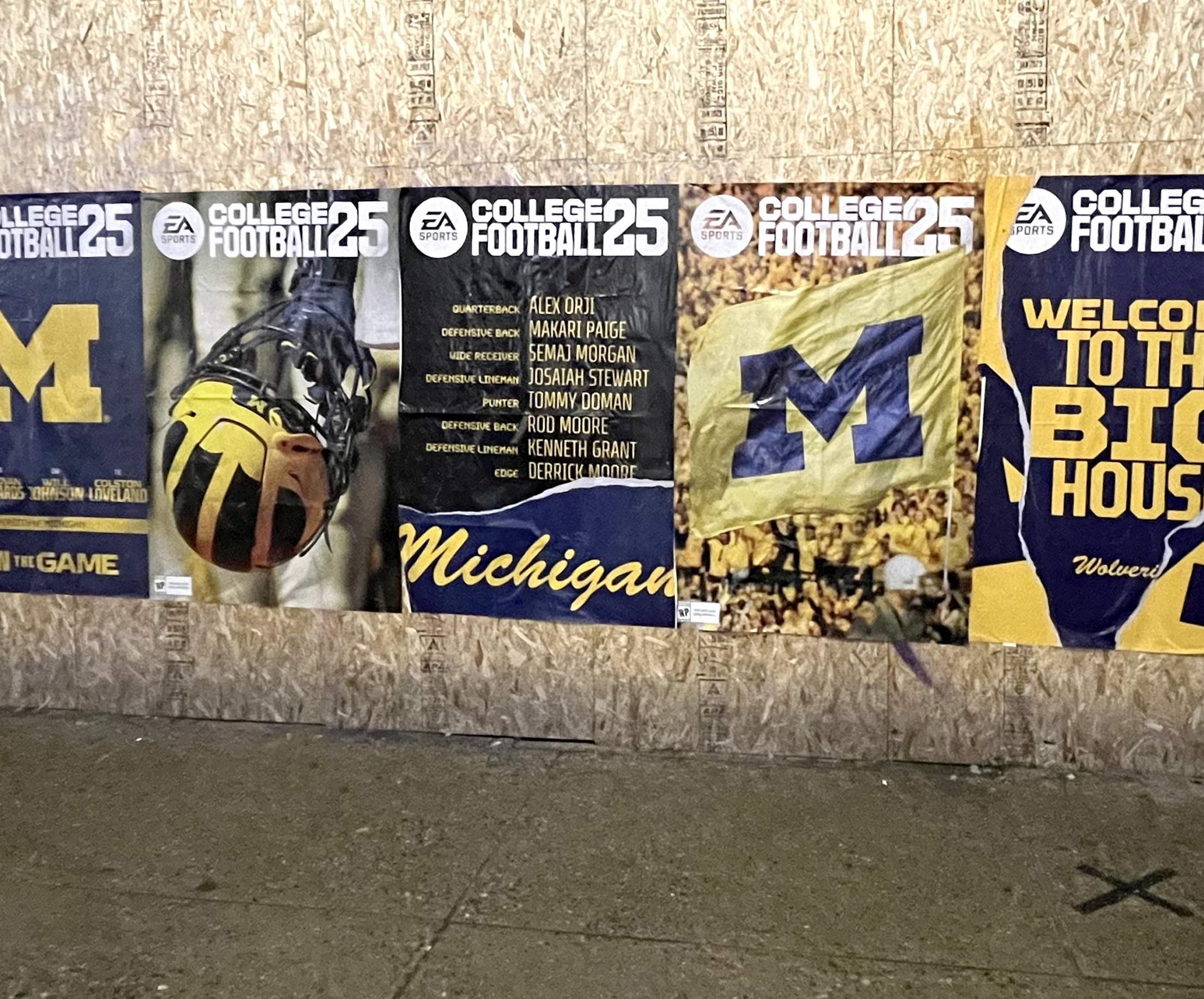
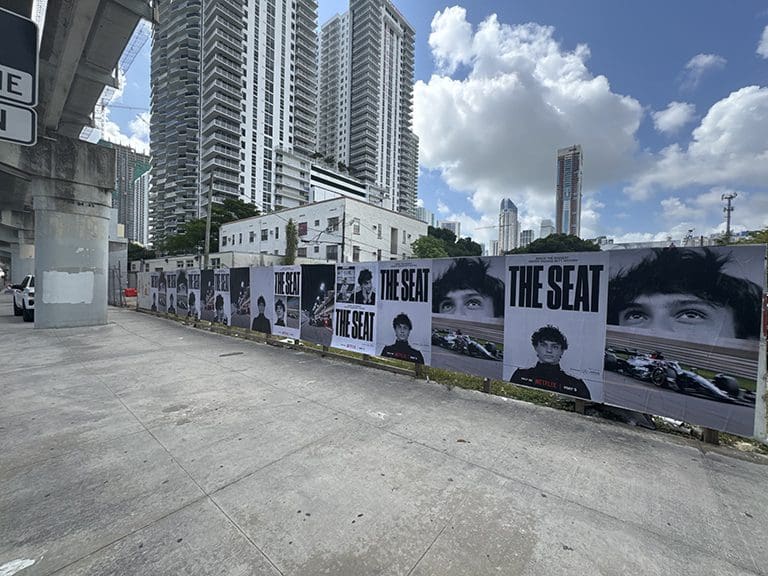
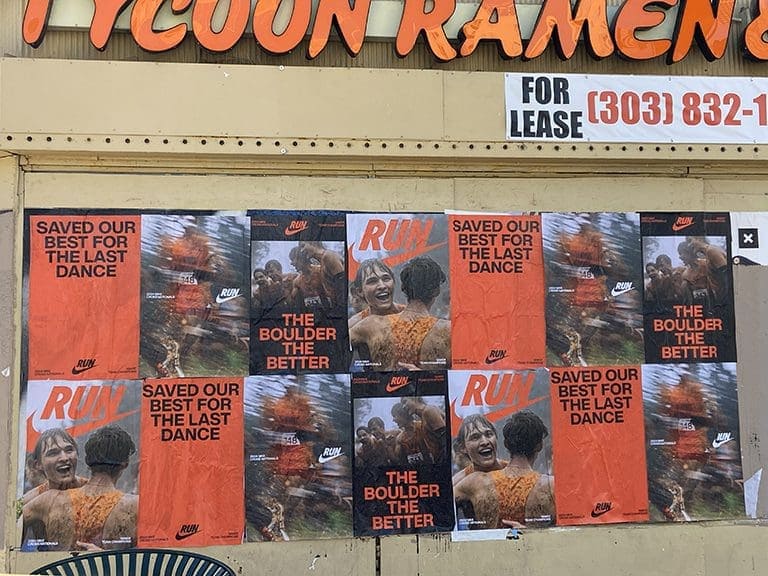
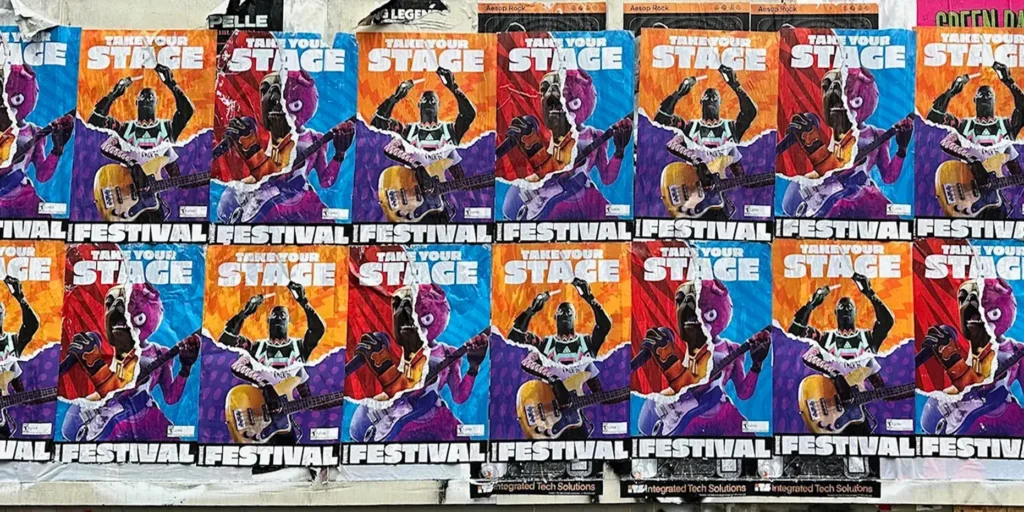
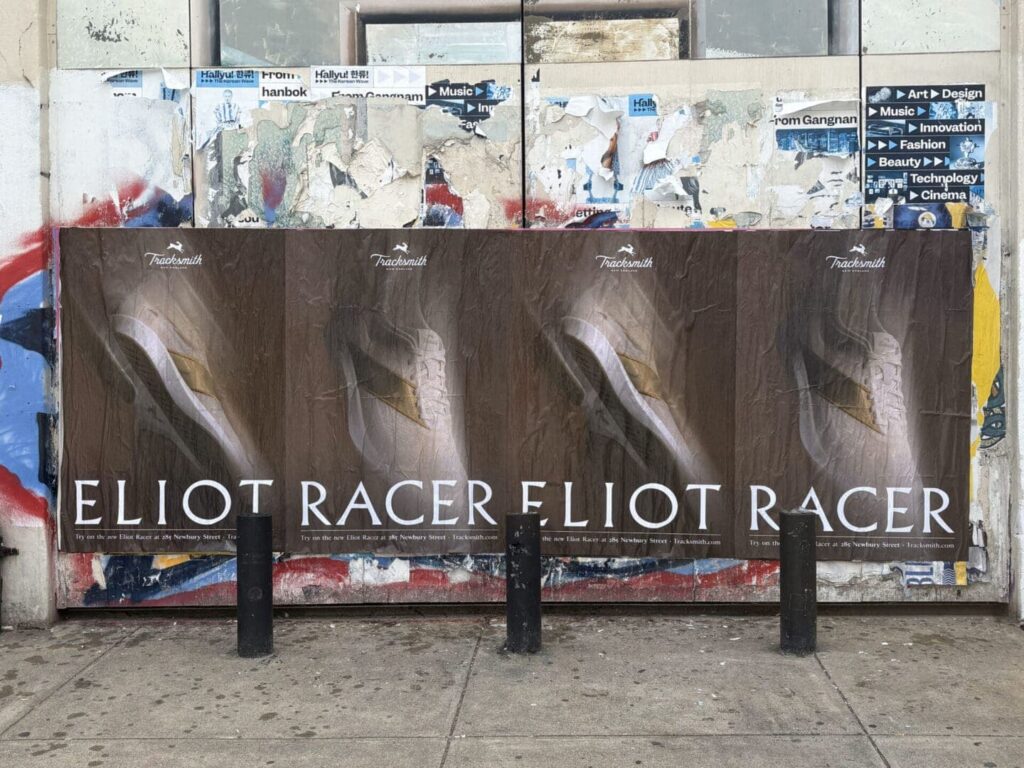
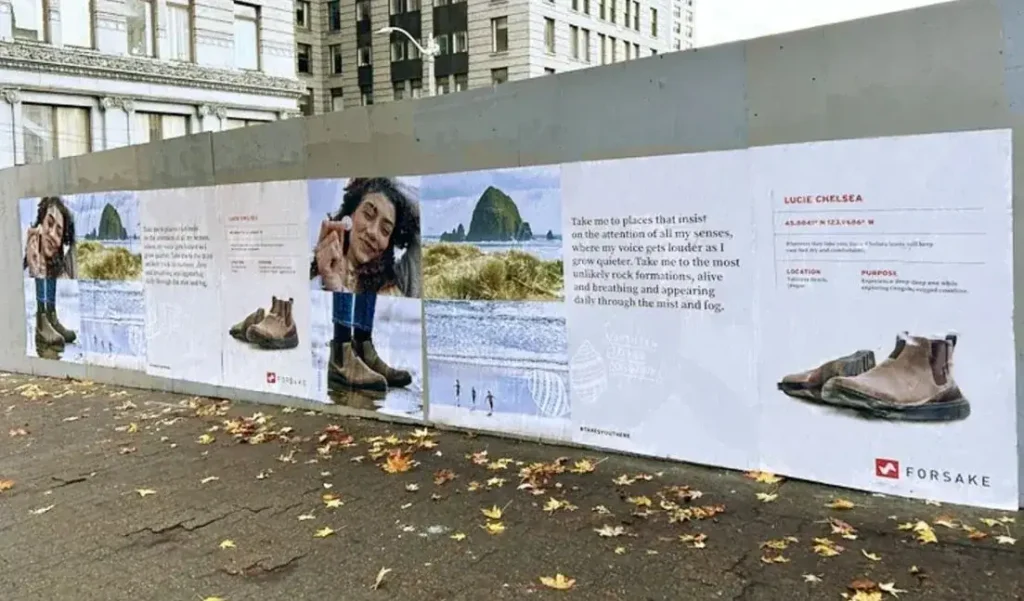
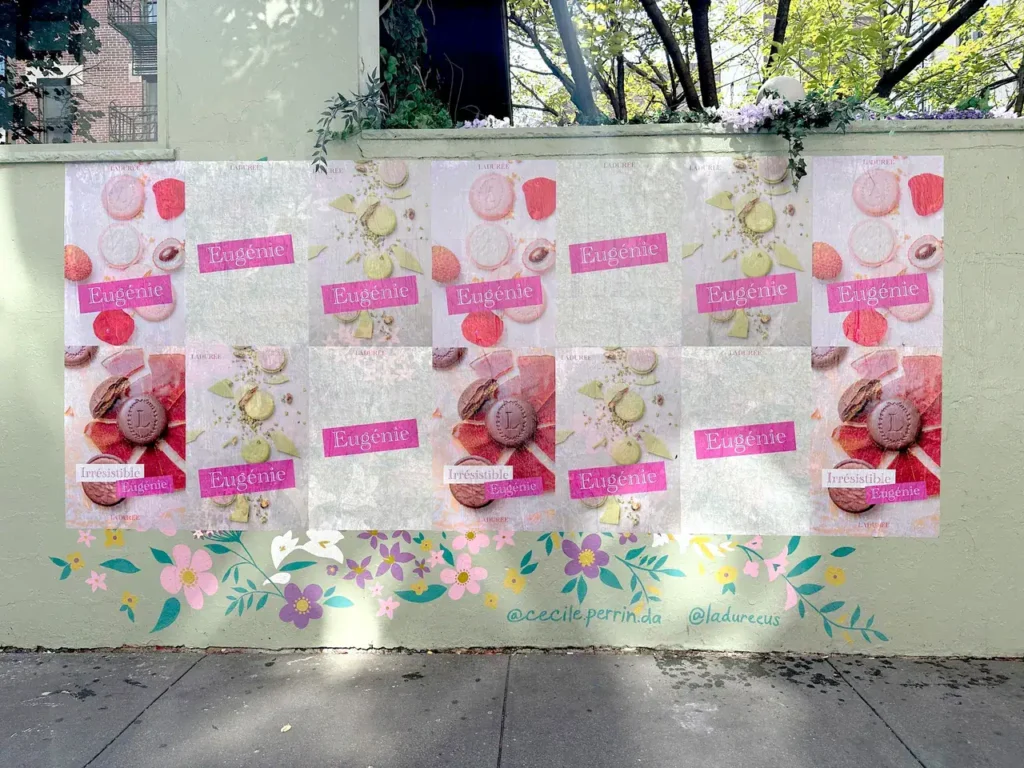
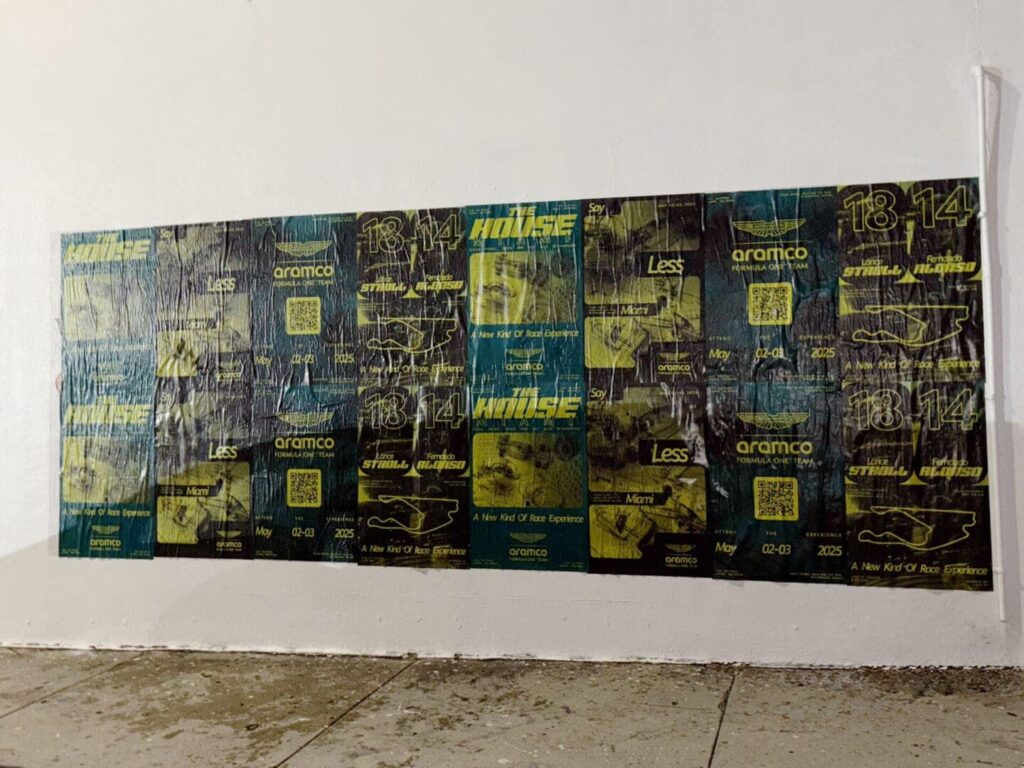
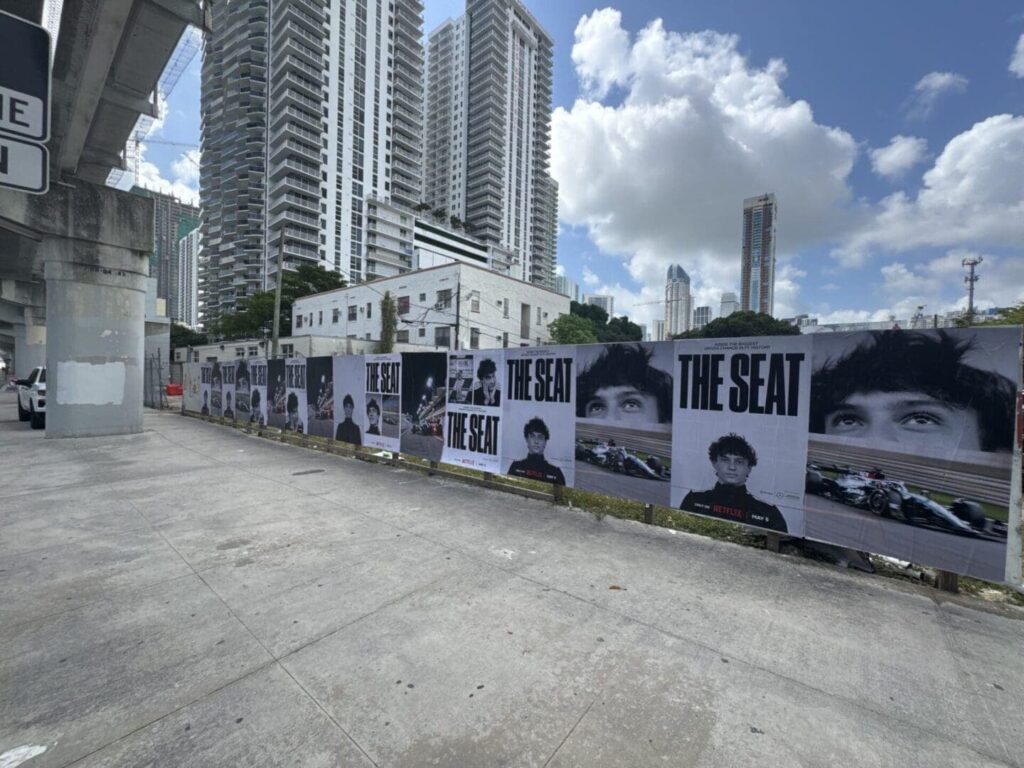
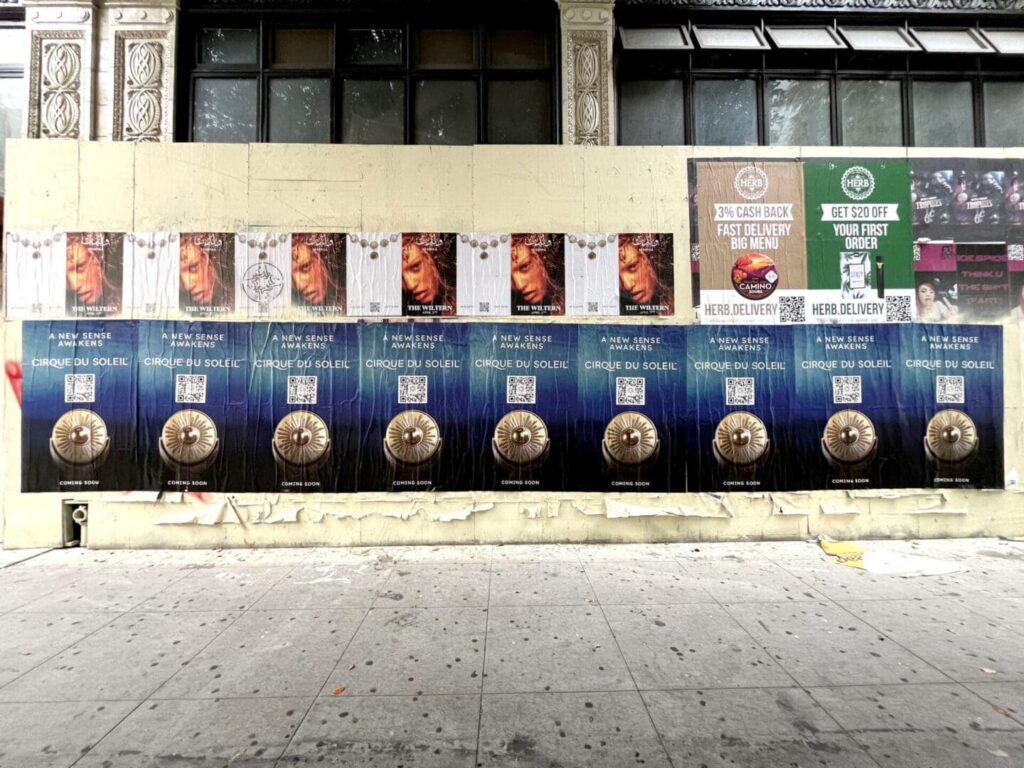
American Guerrilla Marketing is redefining the streetscapes by integrating wheatpasting poster campaigns in Michigan innovation with guerrilla methodologies. This unique approach combines the striking impact of street art visuals with the cunning of guerrilla strategies, making every campaign not just noticeable but deeply engaging for audiences in Michigan’s leading cities: Detroit, Grand Rapids, Lansing, and Ann Arbor.
Wheatpasting discounts may be available in Michigan
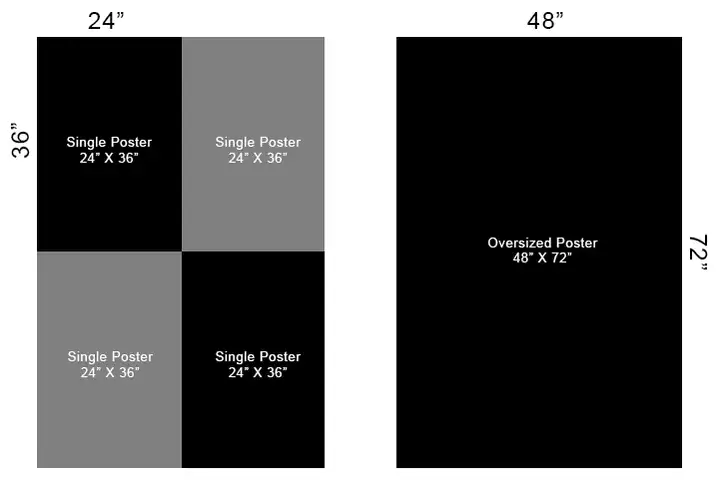
We offer 24” x 36” and 48” x 72” sizing nationwide
Our wheatpasting advertising in Michigan are not mere advertisements; they are rich, immersive visual dialogues, crafted to draw in and captivate. Leveraging Michigan’s blend of industrial heritage and cultural vibrancy, our guerrilla marketing tactics ensure your brand’s message resonates widely, appealing to a diverse cross-section of the state’s population.
Embrace the innovative realm of wheatpasting with guerrilla techniques in Michigan. Let American Guerrilla Marketing guide you through Detroit, Grand Rapids, Lansing, and Ann Arbor, crafting memorable campaigns that enhance brand growth and visibility across The Great Lakes State.
American Guerilla Marketing
Industry City, Brooklyn, New York 11232
Automate your campaign with AGM’s Request for Proposal Builder. Simply answer a few quick questions about your campaign goals, markets, and timeline, and the system will generate a tailored presentation with recommended strategies, quantities, and pricing. Click the RFP Builder to instantly receive your customized proposal.
















01

“Justin and his team were fantastic! Justin is a great communicator and was able to explain the process and help us fulfill our vision. We were able to meet up with the driver and see the billboard truck in action and the driver also took great photos and videos of the truck that we were able to use for social media. Over all a wonderful experience!”
Alyssa Baumgardner
5-Star Google Review, AGM NYC
02
“Justin and the AGM team were fun and efficient to work with. We had a tight timeline, and Justin nailed it. They went above and beyond to meet our needs and offered up so many great ideas. Can’t wait to work with AGM again!”
Jaime Morgans
5-Star Google Review, AGM NYC
The Most Common Poster Sizes, Visualized:

The standard poster size measuring 24 x 36 inches is a cornerstone format for high-impact street marketing and large-scale visual communication. This size is frequently used in premium snipe placements, wheatpasting, and traditional wheatpasting campaigns where commanding attention from a distance is essential. Closely aligned with the A1 international standard, it supports consistent production across markets while delivering strong visual clarity and scale.
In real-world execution, 24 x 36 posters are commonly deployed on large plywood walls, construction fencing, barricades, and exterior surfaces in high-traffic corridors. When used in wheatpasting and wheatpasting, this size allows for bold imagery, oversized typography, and simplified messaging that can be absorbed quickly by passersby. As an oversized snipe format, it is especially effective for advertising campaigns, brand launches, trade shows, exhibitions, and major announcements where visibility, authority, and immediate recognition are the primary goals.
The Most Common Poster Sizes, Visualized:
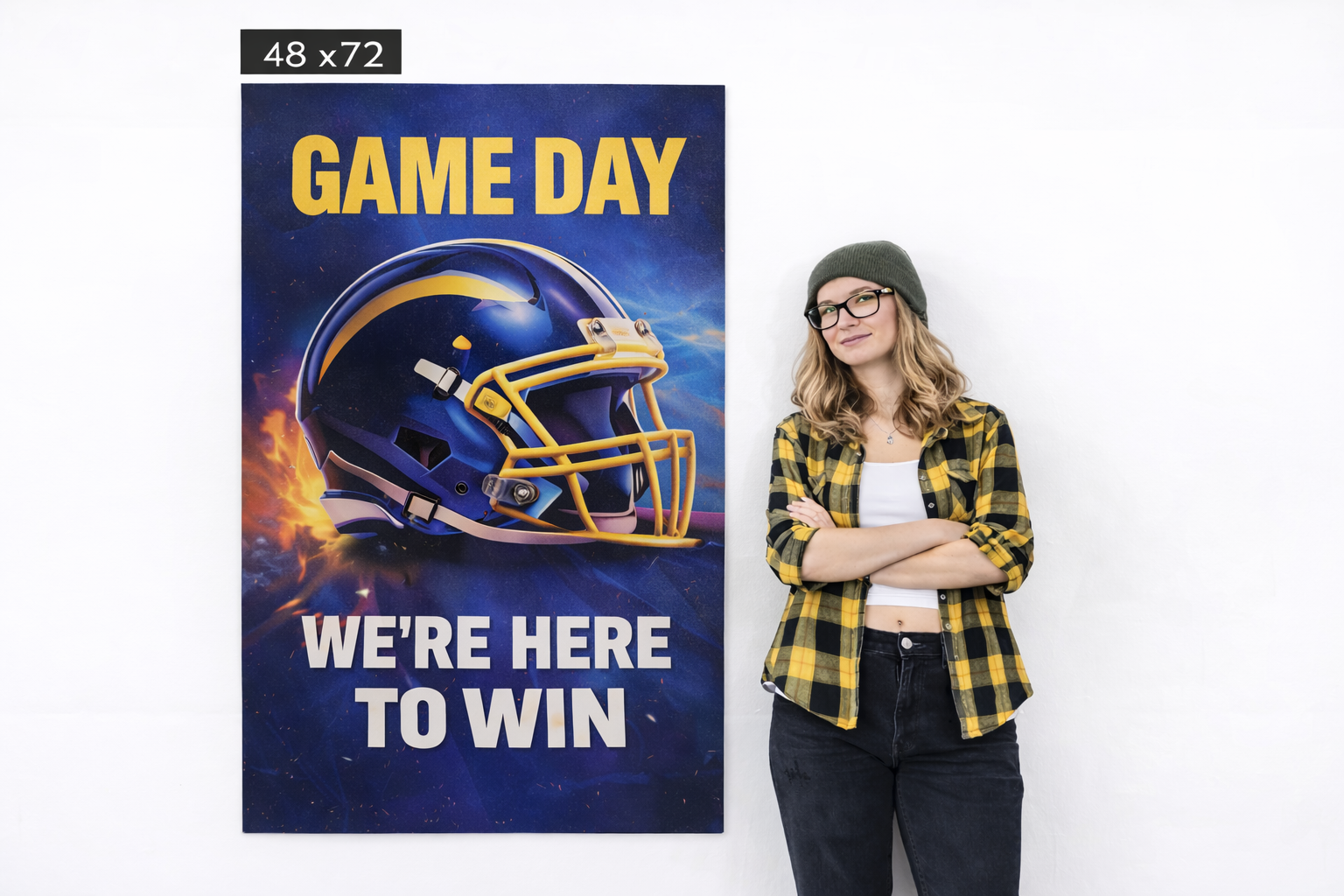
The 48 x 72 inch poster size is an oversized evolution of the traditional bus stop format, designed for maximum visual dominance in high-traffic environments. This size is frequently used in premium snipe placements, large-scale wheatpaste posting, and advanced wheatpasting campaigns where commanding attention from both long distance and close proximity is essential.
In real-world execution, 48 x 72 posters are ideal for major transit zones, exterior walls, construction wraps, subway approaches, and street-facing installations where scale directly impacts performance. When used in wheatpasting and wild wheat paste posting, this format supports oversized typography, bold imagery, and simplified layouts that stop viewers in their tracks. As a large-format snipe option, it is especially effective for brand launches, national advertising campaigns, cultural announcements, and high-impact outdoor activations that demand authority, visibility, and memorability.
Getting started on a poster design or printed project doesn’t need to involve technical guesswork. Download free starter files for each poster size to begin designing with confidence. These files are pre-sized to exact specifications and built to professional print standards, helping you avoid common setup issues from the start.
Our starter files are available for PDF Reader and Adobe Photoshop, making them simple and accessible for most workflows. Each file is correctly sized and includes proper bleed, trim, and color space settings, so your designs are ready for production whether they are being used for snipes, wheatpasting, wheatpasting, or larger street-level campaigns.
Using these starter files saves time, improves consistency, and helps ensure your posters print cleanly and accurately on the first run. They are ideal for designers, marketers, and brands that want reliable, print-ready files across all standard poster sizes without unnecessary complexity.
In Michigan, wheat paste posting works best when the placement plan follows how people already move through the market. The strongest results usually come from Detroit, Ann Arbor, Grand Rapids, and Lansing, where downtown revitalization, campus movement, nightlife, and practical local traffic. Instead of relying on one lucky wall, the campaign is built around repeated visibility in the places people naturally return to.
Poster campaign visibility in Michigan usually gathers in the districts that already hold routine movement and local recognition. That is why city-center districts, university-influenced areas, arts corridors, and routine neighborhood routes matter more than broad low-frequency maps. Wheatpasting becomes stronger when the same audience can run into the message several times without the placement feeling random.
Planning a statewide poster campaign in Michigan usually starts with the biggest city clusters and then narrows down into the streets or districts that actually support repeat impressions. Good planning weighs movement patterns, neighborhood identity, wall potential, and how audiences cycle through each area during the week.
The leading city clusters in Michigan matter because they hold the strongest concentration of visibility, local memory, and practical movement. Detroit, Ann Arbor, Grand Rapids, and Lansing all create different forms of attention, but together they give a wheatpasting campaign enough density to feel purposeful and sustained.
Local district habits matter in Michigan because each area behaves differently. Some zones are shaped by nightlife, some by commuting, some by universities, tourism, government activity, retail, or neighborhood routine. Strong poster campaign planning adjusts to those habits instead of forcing the same placement logic everywhere.
Repeat exposure matters more than loose coverage in Michigan because familiarity is what makes street-level advertising stick. A tighter map built around dependable routes usually performs better than a wider spread of weak placements that audiences only pass once.
Wheatpasting in Michigan tends to fit brands that need local awareness, launch momentum, entertainment buzz, nightlife relevance, food and beverage attention, event visibility, cultural traction, or strong community-level recognition. Those categories benefit most when the creative appears where the audience is already active.
A managed poster campaign in Michigan usually includes market review, district prioritization, wall planning, production coordination, installation, and reporting after the run. The point is not only to place posters, but to build a visible street-level system around repetition, placement quality, and realistic movement patterns.