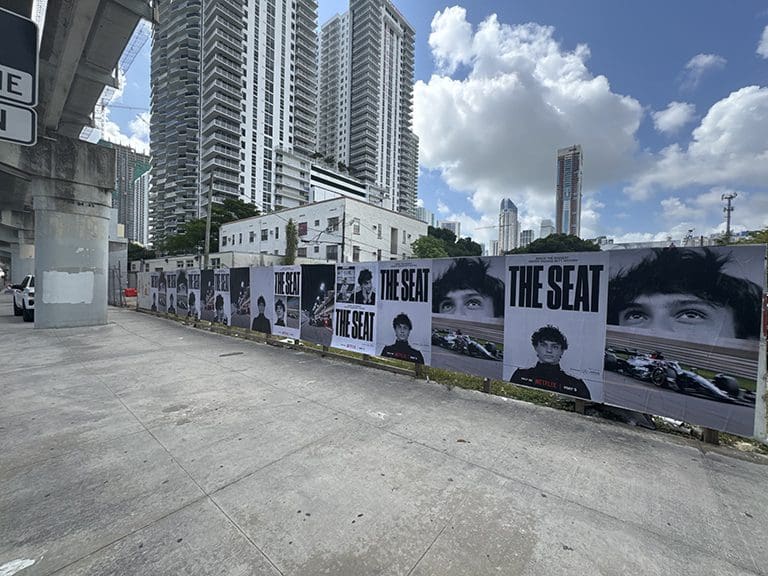
November 20, 2023 Guerrilla Marketing Agency, Hyperlocal Campaigns, Local Advertising, Maximum Impact Campaigns, Street Advertising, Wheatpasting & Poster Campaigns
By Justin Phillips, Founder & CEO | Published May 2026 | Updated May 2026
AGM has run 500+ street-level poster campaigns across 50 U.S. markets since 2014. Every placement is GPS-tagged and independently verifiable.
Competitive positioning through physical advertising creates a form of market presence that latecomers can’t easily erase. A brand that maintains consistent street-level presence across target commercial corridors over multiple campaign cycles builds cumulative market authority that digital-only brands can’t replicate with a campaign launch. American Guerrilla Marketing helps brands build that presence depth strategically.
What makes wheatpasting worth understanding in depth is the gap between campaigns that generate impressions and campaigns that generate results. The best campaigns are built around audience movement patterns, not just surface availability, they place messages where the right people walk, dwell, and return repeatedly, which drives the frequency that builds real brand memory. The format also benefits from organic amplification: quality street-level work in high-visibility environments gets photographed and shared, multiplying the original media investment without additional spend.
This article covers the tactical and strategic fundamentals of wheatpasting, how campaigns are structured, what execution looks like in practice, how to evaluate format options against objectives and budget, and what distinguishes campaigns that move the needle from campaigns that just spend money. Whether you’re planning a first activation or optimizing an existing street-level program, the information below gives you a grounded framework for making smart decisions and getting measurable outcomes.
Wheatpasting represents a marketing revolution happening at street level, where authenticity trumps production value and cultural relevance matters more than media spend. This centuries-old technique of adhering paper posters to surfaces using wheat-based paste has evolved into one of the most effective guerrilla marketing strategies available to modern brands. Unlike digital advertising that consumers actively block or traditional outdoor media that blends into urban backgrounds, wheat paste posting commands attention through its tactile presence, artistic credibility, and integration with the city’s authentic character.
The power of wheatpasting lies in its ability to meet audiences in their daily environments with messaging that feels organic rather than intrusive. When executed strategically, wheat paste campaigns generate social media amplification as pedestrians photograph and share striking visuals discovered during their commutes. This organic content creation extends campaign reach far beyond the physical poster locations, creating a multiplier effect that traditional advertising cannot replicate. Brands from indie music labels to Fortune 500 companies increasingly recognize wheatpasting’s unique value proposition: the ability to communicate with cultural credibility while achieving massive impressions in high-traffic urban corridors.
New York City specifically offers unmatched opportunities for wheat paste advertising due to its density, diversity, and deeply embedded street art culture. The city’s five boroughs contain countless micro-neighborhoods, each with distinct demographics, aesthetic preferences, and cultural identities that smart marketers can target with precision. A wheat paste campaign in Williamsburg communicates differently than one in the Financial District or Harlem, allowing brands to tailor messaging and visual language to resonate with specific communities. This geographic and cultural specificity, combined with NYC‘s status as a global trendsetting capital, makes successful wheatpasting campaigns here particularly influential, often inspiring coverage in trade publications, lifestyle media, and social platforms that amplify local street-level creativity to international audiences.
The community-driven nature of wheatpasting also creates unique opportunities for brands to participate in cultural conversations rather than simply broadcasting messages. When wheat paste posters incorporate local references, celebrate neighborhood identity, or respond to current events affecting NYC residents, they transform from advertisements into contributions to the urban visual dialogue. This collaborative relationship between brand and community builds goodwill, establishes authenticity, and positions companies as cultural participants rather than corporate outsiders trying to extract attention. For businesses seeking to build lasting connections with NYC’s notoriously discerning consumers, wheatpaste advertising offers a pathway to genuine engagement that feels earned rather than purchased.
Breaking through advertising clutter requires more than clever messaging, it demands fundamentally different approaches that defy audience expectations and challenge conventional media consumption patterns. Wheatpasting delivers this disruption by placing your brand message where traditional advertising doesn’t exist, in formats that feel handcrafted rather than mass-produced, and with an aesthetic that signals cultural awareness rather than corporate calculation. When New Yorkers encounter a striking wheat paste poster on their walk to the subway, their brains process it differently than the thousandth digital banner ad or forgettable billboard. The physical presence, unexpected placement, and often artistic execution trigger curiosity and engagement that polished traditional advertising rarely achieves.
The unconventional nature of wheat paste posting also carries implicit messaging about your brand’s character and values. Companies willing to advertise through street-level posters signal confidence, cultural literacy, and willingness to meet audiences on their terms rather than demanding attention through expensive media placements. This positioning particularly resonates with younger demographics, creative professionals, and culturally engaged consumers who actively distrust traditional advertising and seek brands that demonstrate authentic connection to the communities they serve. A well-executed wheatpasting campaign communicates that your company understands street culture, respects artistic expression, and possesses the creative courage to advertise differently than competitors relying on conventional channels.
Wheat paste campaigns also enable rapid response marketing impossible with traditional media’s long lead times and approval processes. When cultural moments emerge, whether local events, viral trends, or breaking news, brands can design, print, and install wheat paste posters within days or even hours, inserting themselves into conversations while relevance remains high. This agility transforms advertising from static brand broadcasting into dynamic cultural participation, allowing companies to demonstrate awareness, humor, and responsiveness that builds affinity with audiences valuing brands that stay current and engaged with the world around them.
The unconventional nature of wheatpasting extends beyond aesthetics to business strategy, offering outstanding cost-efficiency compared to traditional outdoor advertising. Where a single prime billboard location might cost $15,000-$40,000 monthly in NYC, a complete wheat paste campaign can saturate an entire neighborhood with dozens of high-impact poster placements for a fraction of that investment. This efficiency allows smaller brands to compete visually with larger competitors, enables testing of multiple creative approaches simultaneously, and frees budget for campaign iteration and optimization that traditional outdoor media’s rigidity prevents. When measured by cost-per-impression or cost-per-engagement, professional outdoor advertising through wheatpasting consistently outperforms conventional alternatives while delivering superior memorability and social amplification.
New York City’s visual space represents one of the world’s most competitive attention economies, where thousands of advertising messages, architectural features, digital screens, and visual stimuli compete simultaneously for limited consumer awareness. In this hyper-saturated environment, standing out requires more than bright colors or bold fonts, it demands strategic integration with the urban environment that makes your message feel like a discovered part of the city rather than an imposed interruption. Wheat paste posting achieves this integration by working with rather than against NYC’s authentic character, embedding brand messages within the visual vocabulary of street culture, independent art, and neighborhood identity that defines the city’s appeal.
The physical texture and weathered appearance of wheat paste posters create visual distinction that polished advertising cannot replicate. As paste soaks into paper and posters begin showing environmental wear, they acquire authenticity markers that signal grassroots credibility rather than corporate production. This patina paradoxically increases rather than decreases effectiveness, as audiences interpret the imperfection as evidence of genuine street-level presence rather than manufactured authenticity. Smart brands embrace this aesthetic, designing wheat paste campaigns that anticipate and incorporate weathering effects, creating visuals that improve rather than degrade as environmental factors add character and reinforce the campaign’s organic integration with urban surroundings.
Strategic placement amplifies wheat paste campaigns’ ability to stand out by selecting locations where target audiences naturally congregate, pause, and engage with their surroundings. Unlike highway billboards viewed fleetingly from moving vehicles or subway ads seen by distracted commuters, the most effective wheat paste locations offer dwell time, corners where pedestrians wait for lights, building facades adjacent to popular restaurants or venues, construction barriers along high-traffic sidewalks, or alleyway walls that serve as informal galleries for neighborhood residents. These locations transform casual exposure into meaningful engagement, giving audiences time to absorb messaging, appreciate design, photograph and share, or discuss with companions, extending campaign impact far beyond initial visual contact.
The layering and juxtaposition possibilities inherent in wheat paste campaigns also create standout potential unavailable in traditional advertising formats. Multiple posters can combine to create large-scale murals or tell sequential stories across building facades. Campaigns can respond to and interact with existing street art, architecture, or previous poster layers, creating visual dialogues that reward careful observation and repeat viewings. This complexity and interactivity transforms static advertising into evolving urban narratives that give audiences reasons to return, watch for updates, and track campaign progression over time, building sustained engagement that single-exposure traditional advertising never achieves. When executed with strategic creativity, wheat paste posting doesn’t just stand out in NYC’s urban jungle; it becomes part of the jungle’s authentic character that residents value and visitors remember.
New York City’s urban space offers an unmatched canvas for wheat paste advertising, with each of its five boroughs presenting distinct opportunities, challenges, and audience demographics that sophisticated marketers use for targeted impact. From Manhattan‘s dense commercial corridors to Brooklyn‘s artistic enclaves, from Queens’ diverse immigrant neighborhoods to the Bronx’s emerging creative districts, the city’s geography enables precision targeting impossible in less diverse markets. Understanding this space’s nuances, which neighborhoods align with your brand values, where your target demographics live and socialize, which areas offer legal posting opportunities, and how foot traffic patterns shift throughout days and seasons, separates amateur wheat paste attempts from professional campaigns that deliver measurable business results.

The vertical dimension of NYC’s architecture creates unique opportunities for wheat paste campaigns to achieve massive scale and visibility. Building facades, construction scaffolding, warehouse walls, and underpass barriers offer canvases measured in hundreds of square feet, enabling poster installations that rival traditional billboards in size while maintaining wheatpasting’s authentic street-level character. These large-format applications require specialized techniques, additional planning, and often multiple installation team members, but deliver disproportionate impact by dominating visual fields and creating landmarks that become neighborhood talking points. Strategic use of NYC’s vertical surfaces transforms wheat paste posting from small-scale poster placement into environmental transformation that reshapes how entire city blocks look and feel during campaign durations.
Seasonal considerations dramatically affect wheat paste campaign planning in NYC, as weather patterns impact both poster longevity and audience behavior. Summer campaigns benefit from increased pedestrian activity, outdoor dining that extends dwell time near poster locations, and tourist influx that amplifies reach beyond local residents. However, summer’s humidity and occasional severe weather can accelerate poster deterioration, requiring more durable materials or more frequent replacement cycles. Winter campaigns face reduced foot traffic and faster poster degradation from precipitation and freeze-thaw cycles, but can use holiday shopping activity, January gym membership marketing windows, and reduced competition for visual attention as other outdoor campaigns decrease. Spring and fall offer moderate weather, high foot traffic, and optimal poster longevity, making these seasons particularly effective for wheat paste campaigns prioritizing duration and repeated exposure.
The relationship between NYC’s transportation infrastructure and wheat paste advertising creates strategic opportunities for campaigns targeting specific demographic groups or behavioral moments. Subway entrances and bus stops serve as congregation points where audiences wait with attention available, making adjacent wheat paste locations particularly valuable for messaging requiring cognitive processing. Bike lane adjacencies target environmentally conscious, higher-income commuters with specific lifestyle characteristics. Parking garage entrances reach car owners in specific neighborhoods, while taxi stands and rideshare pickup zones capture audiences during moment of transition and relative receptivity to new information. By mapping wheat paste locations against transportation infrastructure and understanding how different transit modes correlate with demographic characteristics, sophisticated campaigns achieve targeting precision that mass-market outdoor advertising cannot replicate, delivering messages to specific audience segments at optimal psychological moments for reception and action.
NYC’s architectural diversity directly influences wheat paste campaign aesthetics, effectiveness, and technical execution. The red brick warehouses of Dumbo and the Financial District’s glass towers require completely different design approaches, color palettes, and visual strategies to achieve maximum contrast and visibility. Understanding material surfaces, porous brick versus smooth concrete, painted versus raw walls, temporary construction barriers versus permanent structures, determines paste formulation, application technique, and expected poster longevity. Professional wheat paste campaigns begin with thorough location scouting that documents not just foot traffic and visibility, but substrate characteristics, lighting conditions, surrounding visual contexts, and architectural features that posters can complement or contrast for enhanced impact.
American Guerrilla Marketing plans and executes street-level campaigns nationwide. Get the right service mix, the right market strategy, and a clear next step for your campaign.
The layered history visible in NYC’s urban space creates opportunities for wheat paste campaigns to participate in ongoing visual dialogues rather than simply occupying empty space. Many prime wheatpasting locations already contain remnants of previous poster campaigns, wheat paste layers from earlier installations, or commissioned murals and street art that define neighborhood aesthetic character. Smart campaigns design posters that acknowledge and interact with these existing elements rather than competing against them, creating visual coherence that signals respect for local culture and positions brands as participants in rather than intruders upon established creative communities. This contextual awareness separates campaigns that feel invasive from those that enhance neighborhood character and earn community acceptance.
Microclimates within NYC’s urban space significantly affect wheat paste poster performance and longevity. North-facing walls receive less direct sunlight, slowing poster deterioration and extending campaign duration but potentially limiting visibility during shorter winter days. Locations protected by awnings, scaffolding, or architectural overhangs shield posters from rain and snow, dramatically improving weather resistance but may reduce impressions from passing vehicles. Wind tunnels created by tall building configurations can cause paste to dry too quickly during application or generate sufficient force to lift poster edges, requiring additional adhesive or edge sealing. Understanding these microclimatic factors allows strategic location selection and technical adaptations that maximize campaign effectiveness while optimizing installation labor and material costs.
The socioeconomic geography of NYC’s neighborhoods fundamentally shapes wheat paste campaign strategy, as different areas offer distinct audience profiles, aesthetic expectations, and receptivity to guerrilla marketing approaches. Affluent neighborhoods like Tribeca or the Upper East Side may require more refined aesthetics and prioritize premium brand positioning, while creative hubs like Bushwick or Ridgewood embrace bolder experimental designs and appreciate campaigns that push artistic boundaries. Working-class and immigrant neighborhoods value different visual languages, community-focused messaging, and often respond more positively to campaigns in multiple languages or incorporating cultural references specific to resident populations. This geographic segmentation enables targeting precision comparable to digital advertising but with the undeniable impact of physical presence in audiences’ daily environments, creating impression quality and memorability that digital formats struggle to match.
Location selection represents the single most critical factor determining wheat paste campaign success, as even perfectly designed posters fail when placed in low-traffic areas, poorly lit locations, or sites where target audiences don’t naturally congregate. Professional location scouting evaluates multiple criteria simultaneously: daily pedestrian volume, demographic alignment with target audiences, sight line quality, dwell time opportunities, competitive visual clutter, lighting conditions across different times of day, weather exposure, surface suitability, and legal posting status. This complete evaluation separates amateur poster slapping from strategic placement that delivers measurable business results and justifies campaign investment through documented impressions and engagement.
The concept of “earned” versus “purchased” wheat paste locations significantly impacts campaign budgets and community relations. Earned locations, building facades, construction barriers, or commercial properties where owners grant permission based on design quality or community benefit, offer cost advantages and enhanced authenticity but require relationship building, design customization, and often installation timing flexibility. Purchased locations, established networks of permitted properties managed by specialized agencies like American Guerrilla Marketing, provide guaranteed availability, predictable costs, optimal placement, and legal compliance but may lack some of the organic discovery appeal that purely guerrilla placements generate. Most effective campaigns combine both approaches, using purchased locations for core coverage and earned placements for neighborhood-specific depth and community integration.
Corner locations and intersection adjacencies deliver disproportionate value in wheat paste campaigns due to multi-directional visibility and natural pause points where pedestrians wait for traffic signals. These premium positions generate impressions from multiple approach vectors, benefit from extended dwell time as audiences wait to cross, and often become informal community landmarks that serve as meeting points or navigation references. Competition for these locations runs high, making early securing of prime corner spots essential for campaign success. Strategic corner placements can dominate entire intersection experiences, surrounding audiences with messaging from multiple angles and creating psychological immersion impossible with single-view exposures. When available corners align with target demographic neighborhoods and high-traffic timing patterns, they justify premium investment through outstanding impression volume and engagement quality.
Hidden gem locations, underutilized spaces that casual observers overlook but offer outstanding value for wheat paste campaigns, represent opportunities for brands willing to invest in thorough scouting beyond obvious high-traffic corridors. Alleyways serving as shortcuts between major streets, interior courtyards visible from surrounding buildings, underpass walls adjacent to pedestrian thoroughfares, parking lot perimeter fences along sidewalks, and secondary facades of corner buildings all offer impression opportunities competitors miss. These locations often provide larger uninterrupted surfaces for installation, lower competition for visual attention, and sometimes more favorable legal or permission situations than heavily contested primary street frontages. Building campaigns around these hidden gems creates neighborhood discovery moments that generate social sharing and word-of-mouth amplification while achieving cost efficiencies through reduced location competition. The most sophisticated wheat paste campaigns combine prime visibility locations for immediate impact with hidden gem placements that reward exploration and create ongoing discovery experiences throughout campaign durations.
Launching a wheat paste campaign requires more planning and preparation than many marketers initially expect, as the technique’s DIY aesthetic masks considerable complexity in execution, legal compliance, and strategic positioning. Successful campaigns begin not with design work but with clear objective definition: What specific business goals will wheatpasting address? Which target audiences will campaigns reach? What neighborhoods and locations align with brand positioning and customer demographics? How will success be measured and campaign performance evaluated? This strategic foundation ensures wheat paste investments deliver business results rather than simply creating visually interesting but commercially ineffective poster placements that fail to drive awareness, traffic, or conversions.
Budget allocation for professional wheat paste campaigns typically divides among five major categories: design and creative development, large-format printing, wheat paste materials and supplies, installation labor and logistics, and legal compliance including permits or property agreements. Many first-time campaigns underestimate installation costs, as professional wheat paste posting requires experienced teams who understand proper paste consistency, application techniques, surface preparation, and bubble elimination that ensures posters remain flat, visible, and attractive throughout campaign durations. While DIY installation seems cost-effective initially, poor technique results in premature poster failure, wasted printing investment, and diminished campaign effectiveness that ultimately costs more than professional installation would have prevented.
Timeline planning for wheat paste campaigns must account for multiple sequential phases that each require appropriate duration. Design development and revision typically requires 1-2 weeks for original creative work, feedback incorporation, and final approval. Printing large-format posters on appropriate paper stock requires 3-7 days depending on quantity and printer availability. Location scouting, permit acquisition, or property owner negotiations require 1-3 weeks depending on legal approach and number of placements needed. Installation itself may span multiple days or weeks depending on campaign scale and team size. Post-installation documentation, monitoring, and maintenance require ongoing attention throughout campaign duration. Rushed timelines compromise quality at every phase, making strategic calendar planning essential for campaigns launching around specific dates, product releases, or seasonal opportunities.
Team assembly represents another critical startup consideration, as effective wheat paste campaigns require diverse skill sets that few individuals possess comprehensively. Design talent capable of creating street-level visuals that translate effectively at large scale and in various lighting conditions. Project management expertise to coordinate timelines, vendors, and logistics. Installation specialists with physical capability, technical knowledge, and experience applying paste and posters efficiently and effectively. Legal and permitting knowledge to ensure compliance and avoid costly violations. Documentation and social media skills to capture and amplify campaign visuals beyond physical locations. While smaller campaigns might consolidate these roles, professional campaigns benefit from specialized expertise in each area. Agencies like American Guerrilla Marketing provide turnkey solutions with integrated teams covering all necessary functions, eliminating coordination burden while ensuring professional execution that maximizes campaign effectiveness and return on investment.
The foundation of any successful wheat paste campaign is the adhesive itself, a simple mixture of wheat flour and water that creates surprisingly strong bonds between paper and urban surfaces. Professional wheat paste typically uses a 1:5 ratio of flour to water, cooked until it reaches a smooth, glue-like consistency without lumps that would create application problems or weak adhesion spots. Some practitioners add sugar to increase stickiness or salt to discourage insects, while others purchase pre-mixed wheat paste products that offer consistency and convenience at moderately higher cost. The paste should be thin enough to spread easily but thick enough to provide adequate adhesion and moisture for paper saturation. Consistency directly impacts installation efficiency and poster longevity, making proper paste preparation a technical skill that separates amateur attempts from professional results.
Paper selection critically influences both visual impact and campaign duration, requiring careful balance between cost, printability, and durability. Most professional wheat paste campaigns use thick poster paper in the 100-120lb range, heavy enough to resist tearing during installation and weather exposure while remaining porous enough to absorb paste and form strong bonds with substrate surfaces. Thinner papers cost less and paste more easily but tear during installation and deteriorate quickly in weather. Extremely thick papers resist environmental damage but may not absorb paste adequately, leading to poor adhesion and premature failure. Paper finish also matters, matte surfaces generally accept paste better than glossy options, though glossy papers offer superior weather resistance and color vibrancy if adhesion challenges can be overcome through technique adjustments or adhesive modifications.
Printing considerations extend beyond simply enlarging designs to poster size, as large-format printing requires specific file preparation, color management, and quality control that differs from small-format or digital printing. Professional wheat paste campaigns use high-resolution files, typically 150-300 DPI at final size, to ensure sharp details visible from typical viewing distances. Color profiles must account for how ink appears on chosen paper stock and how weather exposure affects colors over time, with saturated colors generally weathering more gracefully than pastels. Many campaigns print multiple copies of each design as insurance against installation errors, unexpected damage, or opportunities for additional placements beyond originally planned locations. Working with printing partners experienced in street-level campaign materials ensures proper color density, appropriate stock selection, and finishing options like UV coating that extends outdoor durability.
Application tools significantly impact installation efficiency and finished appearance, with professional wheat paste teams typically deploying complete toolkits including wide brushes or rollers for paste application, squeegees for bubble elimination and poster smoothing, spray bottles for misting paper surfaces, utility knives for edge trimming, drop cloths for protecting sidewalk areas, buckets for paste transport, measuring tools for alignment, and cleaning supplies for removing excess paste and maintaining neat installations. Ladder systems or extension poles enable high placement without scaffolding or lifts, while photography equipment documents completed installations for social sharing and client reporting. The specific tool selection varies based on poster size, installation height, surface texture, and team size, but proper equipment dramatically improves both installation speed and finished quality, ultimately reducing labor costs while improving campaign effectiveness through superior visual presentation.
Weather forecasting and timing selection represent crucial planning elements often overlooked by inexperienced wheat paste campaigns, as environmental conditions during installation profoundly affect both application process and initial adhesion strength. Ideal installation weather includes dry conditions with moderate temperatures (50-75°F), minimal wind, and no precipitation forecast for at least 12 hours after installation to allow proper drying and bonding. High humidity actually benefits wheat paste application by slowing drying and extending working time, while extreme heat causes paste to dry too quickly, making application difficult and potentially compromising adhesion. Rain during or immediately after installation can prevent proper bonding, causing posters to slide down surfaces or peel away before adhesive fully cures. Cold temperatures slow drying and may prevent proper bonding, particularly on cold substrates that don’t allow adequate paste penetration.
Surface preparation dramatically improves wheat paste adhesion and poster longevity, yet many campaigns skip this critical step in pursuit of installation speed. Optimal surfaces are clean, dry, slightly porous, and free from loose paint, previous poster remnants, dirt, or oils that interfere with bonding. Professional installation teams often carry wire brushes or scrapers for removing loose material, cleaning solutions for addressing grime or oils, and primer solutions for treating particularly challenging surfaces. While extensive preparation isn’t always feasible in guerrilla-style campaigns, even minimal cleaning significantly improves results. Understanding substrate conditions also informs technique adjustments, very porous surfaces like raw brick may require extra paste or multiple coats, while smooth concrete benefits from thorough paste saturation on both surface and poster back to ensure complete contact and bonding.
Strategic installation timing considers not just weather but also human activity patterns, visibility optimization, and legal considerations. Nighttime installation offers reduced visibility from authorities and property owners who might object, but creates safety concerns and makes proper technique more difficult in limited lighting. Early morning installation avoids most foot traffic while providing natural light for quality work, though may face commuter interference as day progresses. Weekend installation encounters different pedestrian patterns than weekdays, with implications for both interference during application and initial impression volume. The time required per installation varies dramatically based on poster size, location complexity, team experience, and whether complications arise, with professional teams typically allocating 15-45 minutes per poster depending on scale. Building adequate time buffers prevents rushing that compromises quality while allowing flexibility for unexpected complications or particularly challenging installations.
Logistical coordination separates smoothly executed campaigns from chaotic installation experiences that waste time, damage materials, and produce suboptimal results. Professional campaigns create detailed installation plans specifying exact sequence, assigned team members, materials needed at each location, and contingency approaches for common complications. Transportation logistics ensure teams can move efficiently between locations with all necessary equipment, paste that remains workable, and posters that arrive undamaged. Communication systems allow teams to report completion, request assistance with complications, or redirect to alternative locations if planned sites prove unsuitable. Documentation protocols ensure each installation gets photographed from optimal angles with both detail shots and context views useful for social media, client reporting, and campaign evaluation. This systematic approach transforms potentially chaotic multi-location installations into efficient operations that complete on schedule with consistent quality across all placements, maximizing return on the substantial investment that design, printing, and materials represent.
Design excellence determines whether wheat paste
Millie Phillips
Campaign Architect, American Guerrilla Marketing
Email: [email protected]
Office: (646) 776-2770
| Format | 100 Posters | 200 Posters |
|---|---|---|
| Standard (24×36) | $4,500 | $5,500 |
| Large Format (48×72) | $10,500 | $13,500 |
Pricing varies by service, market, and campaign scope. Contact us for a custom quote.
American Guerrilla Marketing
Street-level campaigns nationwide. Wheatpasting, LED trucks, street teams, and more.
(646) 776-2770
Ready to Run Your Campaign?
Call us or email us. We’ll tell you exactly what we can do in your market and what it costs.
Ready to Run Your Campaign?
Call us or email us. We’ll tell you exactly what we can do in your market and what it costs.
American Guerrilla Marketing — Los Angeles
Street-level campaigns in Los Angeles and nationwide. Wheatpasting, LED trucks, street teams, and more.
(646) 776-2770
May 25, 2026
May 25, 2026
May 25, 2026
May 25, 2026
May 25, 2026