The Cost of Advertising in Times Square: A Comprehensive Pricing Guide for 2026
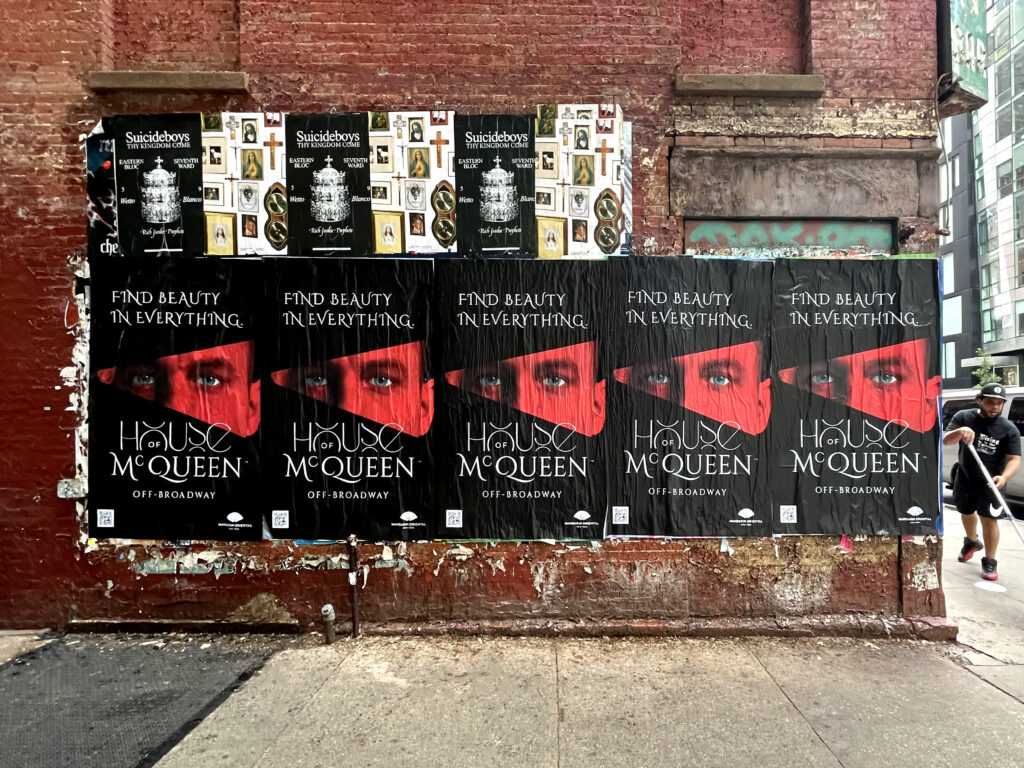
Times Square advertising costs range from $300 per day for a shared digital rotation on a secondary screen to $500,000 or more for a premium New Year’s Eve placement on the main Times Square ball-drop corridor. Most campaigns fall somewhere in a meaningful middle: $10,000 to $50,000 per day for a prime LED billboard, $50,000 to $300,000 per four-week period for marquee screen placements. We’ve helped brands work through Times Square placements and build the surrounding street-level campaigns that amplify the media buy, coordinating wheat paste campaigns on 40th through 45th Streets, street team programs on the 7th Avenue pedestrian plaza, and sidewalk activations in the foot-traffic corridors immediately surrounding the Times Square core. This guide covers the complete pricing breakdown, the production costs the glossy media kits leave out, the neighborhoods and streets that reach the Times Square audience at a fraction of billboard cost, and the questions every brand should ask before writing the check.
Why Times Square Advertising Costs What It Does: The Market Economics
Times Square draws between 330,000 and 460,000 daily visitors depending on season. It is the most photographed location in the United States, generating hundreds of thousands of organic social media posts daily, many of which capture the advertising in frame alongside tourist documentation. When a Netflix show or a major film studio buys a Times Square billboard, the media buy doesn’t just reach the physical foot traffic audience. It reaches millions more through press coverage, social sharing, and broadcast pickups of the dramatic visual. That earned media multiplier is real and structural, it is baked into the Times Square pricing model.
Supply is also genuinely constrained. Times Square has a finite number of premium wall faces and LED screen positions, bounded by zoning regulations and building lease arrangements. Available premium inventory is fixed while demand from hundreds of advertising-active global brands is effectively unlimited. The result is a price premium driven by authentic scarcity, not artificial restriction. The most desirable screens, the Marriott Marquis Broadway face, the 1 Times Square digital wraps, the screens on the One and Two Times Square buildings, have waiting lists for premium windows.
Times Square Advertising Format Pricing: The Full Breakdown
Shared Digital Rotation, Entry-Level Access
Entry-level Times Square advertising runs on shared digital screens where your 15-second creative rotates alongside two to five other advertisers in a continuous loop. Pricing on smaller shared screens in secondary Times Square locations, north of 46th Street on the Broadway corridor, or west of 7th Avenue on 42nd Street, starts at $300 to $500 per day. Weekly shared rotation packages on these secondary screens run $2,000 to $3,500. Monthly packages run $8,000 to $15,000.
These placements deliver Times Square exposure at accessible budgets, useful for generating the social media moment (the brand screenshot in Times Square) without the full cost of a premium placement. The limitation: shared rotation means your creative runs for 15 seconds every minute or two, and secondary-location screens attract less foot traffic attention than the primary pedestrian corridors. If the campaign goal is a photographic social media moment, the creative design needs to be striking enough that photographers specifically seek out the screen.
Standard Premium LED Billboards, $10,000 to $50,000 per Day
The full-motion LED billboards on the primary Times Square corridors, the north side of 42nd Street, the east face of Broadway from 43rd to 46th Street, the 7th Avenue pedestrian plaza faces, represent the mainstream premium Times Square advertising product. Daily rates for these screens run $10,000 to $50,000 depending on screen size, exact location within the district, creative slot duration, and time of year.
Four-week campaign packages on standard premium screens range from $50,000 to $200,000 depending on the same variables. According to PJX Media’s published rate guidance, a standard non-prime screen in Times Square runs approximately $50,000 for a 15-second spot for four weeks, while a screen at a marquee location like the Marriott Marquis starts at $300,000 for four weeks. These are not aberrations, they reflect the genuine market price of premium Times Square inventory from established vendors.
Marquee Screen Takeovers, $300,000 to $500,000+
The Marriott Marquis Broadway billboard, the Nasdaq digital tower, and the full digital skin wraps of 1 Times Square represent the most visible advertising surfaces in the country. A standard monthly placement on the Marriott Marquis Broadway face runs approximately $300,000 per four weeks. A 24-hour full takeover of the 1 Times Square digital exterior runs $500,000 or more. New Year’s Eve placements on the primary ball-drop corridor command premiums beyond these figures, brands routinely spend $400,000 to $500,000+ for a single night’s placement during the New Year countdown event.
Brands at this level, Netflix, Spotify, major film studios, global consumer goods companies, are not primarily buying reach. They are buying the press coverage, social documentation, and brand stature signals that come from being visibly present at the most photographed advertising location in the world. The calculation includes earned media value from the tens of thousands of tourists and media professionals who photograph and share the installation. For brands where the goal is international brand stature, this calculation can support the investment. For brands expecting direct sales response from the format, it cannot.
Short-Term Event-Adjacent Placements, $5,000 to $25,000 per Week
Many Times Square vendors offer shorter-term placements at prices below the full monthly rates, typically 1 to 2 week windows ideal for product launches, event promotions, and limited-window brand moments. A one-week placement on a quality secondary screen runs $5,000 to $15,000. A one-week placement on a tier-one primary screen runs $15,000 to $40,000. These packages are available with lead times as short as 2 to 4 weeks for non-prime inventory, making them accessible for time-sensitive campaign needs.
What the Rate Card Doesn’t Include: True Total Campaign Costs
The sticker price on a Times Square billboard is almost never the total cost of running an effective campaign. Every brand that gets real results from a Times Square placement invests additional budget in production, documentation, and activation on top of the media rate.
Creative production: A full-motion Times Square digital creative, produced in 4K resolution, conforming to the specific pixel dimensions and technical specs of each screen, with motion graphics that read effectively from 60 feet below street level, costs $5,000 to $25,000 for quality production. A low-budget creative that looks out of place in the Times Square environment undermines the entire investment. The environment demands quality. Budget for it.
Artwork adaptation and technical trafficking: Each vendor screen has specific pixel dimensions, file format requirements, maximum file sizes, and frame rate specifications. Adapting existing brand creative to these specifications and trafficking the final files to the vendor requires a digital production team or a production coordinator with Times Square experience. Budget $500 to $2,000 for this step even if the core creative is already produced.
Photography and videography documentation: Professional documentation of your Times Square placement, high-quality photographs and drone or improved video footage of the billboard in context, is essential for the press, social media, and internal documentation that generate the earned media value of the placement. A professional photographer specializing in OOH documentation charges $1,500 to $5,000 for a Times Square shoot session. Without quality documentation, you lose most of the earned media multiplier that justifies the investment.
Street-level activation: Many brands layer street-level activation on top of a Times Square billboard buy to capture the pedestrian audience that walks under the signs without necessarily looking up. Street teams on the 7th Avenue pedestrian plaza or at the TKTS stairs, street poster advertising on the side streets and construction barriers surrounding the Times Square core, and sidewalk chalk stenciling on 42nd through 45th Streets all cost $4,500 to $15,000 depending on scope and duration, and produce additional awareness touchpoints beyond the billboard for the same pedestrian audience. AGM executes these activations routinely alongside client Times Square media buys.
Times Square Adjacent Advertising: Same Audience, Fraction of the Cost
The Times Square audience does not exist only in Times Square. Every visitor who spends time in the district arrives and departs through a wide catchment area: the 42nd Street-Port Authority subway complex (one of the highest-traffic stations in the MTA system), the 42nd Street-Bryant Park station, Penn Station, the 34th Street corridor, and the surrounding Midtown hotel district. This extended audience zone is accessible through advertising formats that cost dramatically less than Times Square’s premium inventory.
A 24×36 wheat paste campaign covering 100 placements on the plywood construction barriers and available wall faces along 39th through 45th Streets west of 8th Avenue reaches the Times Square approach corridor, the same audience walking toward and away from the heart of the district, for $4,500. For other quantities or formats in this corridor, contact AGM for pricing. The difference: the campaign runs 24 hours a day for two to three weeks rather than rotating for 15 seconds every few minutes.
Bus shelter advertising on the 42nd Street-Port Authority approach corridors, on 7th Avenue south of the Times Square pedestrian zone, and on the Hotel Row blocks of 8th Avenue reaches the full Times Square tourist and commuter audience at transit-format pricing: approximately $1,500 to $5,000 per shelter per four-week period for the highest-traffic Midtown locations.
Street team programs at the 42nd Street-Port Authority and Times Square-42nd Street subway station exits, stations with combined daily ridership in the hundreds of thousands, deliver direct brand contact to the Times Square commuter and tourist audience at a fraction of any advertising format’s cost per contact. A four-hour morning street team deployment at these stations generates 2,000 to 4,000 direct consumer contacts. AGM coordinates these programs regularly for clients who want Times Square corridor reach without Times Square billboard pricing.
The Production and Activation Calendar for a Times Square Campaign
Brands that plan Times Square campaigns with insufficient lead time consistently get worse results. Here is the realistic planning timeline:
8 to 12 weeks before go-live: Book inventory. Prime placements during Q4 (October through December) and New Year’s Eve are sold 3 to 6 months in advance. Standard placements during non-peak periods can be booked with 4 to 6 weeks of lead time, but the best inventory goes first.
4 to 6 weeks before go-live: Finalize creative. Allow time for vendor trafficking approvals, creative revisions for technical compliance, and any reworking required for screen-specific specs. Rushed creative production for a premium placement is one of the most common and avoidable campaign failures.
2 to 3 weeks before go-live: Book surrounding activation components, street poster advertising, street teams, OOH buys in adjacent corridors. Coordinate documentation photographers.
Launch week: Documentation photography (morning after launch for best lighting). Street team deployment simultaneous with billboard go-live for maximum impact. Social media push to own brand channels. Earned media outreach with documentation assets.
Times Square Advertising ROI: How to Actually Measure It
Times Square advertising is brand-stature media, not direct-response media. No one sees a billboard over Times Square and immediately purchases something. The ROI framework must reflect that reality.
Track branded search volume lift in your target market during and immediately after the campaign window. A significant Times Square placement consistently produces a measurable spike in branded search, people who saw the billboard and searched for the brand when they reached their phone. Compare the search volume index from Google Trends during the campaign window against the 4-week period before launch.
Track social media mentions, organic documentation shares, and hashtag volume including posts from tourists photographing your billboard. These generate earned media impressions that extend the campaign’s reach far beyond the physical foot traffic audience. Platforms like Meltwater, Brandwatch, or Sprout Social provide monitoring capabilities to aggregate this data.
For press-worthy campaigns (launches, stunts, prominent cultural moments), track press mentions and media pickup value during the campaign window. A Times Square placement for a major product launch is reliably mentioned in entertainment industry press, marketing industry trade coverage, and local New York media. Assign an earned media value using standard PR AVE methodology (advertising value equivalency).
Frequently Asked Questions About Times Square Advertising
How much does it cost to advertise in Times Square for one day?
Daily costs range from $300 for a shared rotation slot on a secondary screen to $50,000+ for a premium LED face on the primary corridor. The Marriott Marquis and 1 Times Square premium placements run $300,000 to $500,000+ per month. New Year’s Eve premium placements on the ball-drop corridor exceed $400,000 for a single night.
Can a small business advertise in Times Square?
Yes, at the entry-level shared rotation tier ($300 to $500/day on secondary screens). For brands with smaller budgets seeking Times Square-corridor reach, street-level guerrilla campaigns in the surrounding blocks, street poster advertising, street teams, bus shelter advertising on approach corridors, deliver exposure to the same foot traffic audience at dramatically lower cost. Contact americanguerrillamarketing.com/contact for Times Square corridor campaigns starting at $4,500.
What creative specifications do Times Square billboards require?
Specifications vary by screen and vendor. Each vendor provides technical spec sheets at booking that cover pixel dimensions, file format (typically MP4, MOV, or high-resolution static), maximum file size, frame rate, and any restricted content categories. Production for Times Square specifically should account for the viewing conditions: screens are viewed from street level 40 to 100 feet below the display, in direct sunlight, by pedestrians in motion. Bold, high-contrast design with minimal text reads best. Request spec sheets before beginning production.
How far in advance do I need to book a Times Square billboard?
Prime inventory during holiday windows (Thanksgiving through New Year’s, New Year’s Eve specifically) books 3 to 6 months in advance. Standard digital rotation on non-peak inventory can sometimes be arranged in 2 to 4 weeks. If your campaign has a specific date requirement, book as early as possible, waiting until 2 weeks before a desired go-live date risks finding nothing available except remnant inventory.
Is Times Square advertising worth the cost?
For brands whose goal is brand stature, press generation, and earned media amplification, yes, at the right scale. For brands expecting direct response sales from the format, no. Times Square is mass brand-awareness media at premium cost. The ROI case depends on the earned media multiplier (press, social sharing, brand search lift) and the brand stature signal value of being present in the world’s most photographed advertising environment. For brands where that stature signal matters commercially, it can be one of the highest-value brand media investments available.
What are the best alternatives to Times Square advertising for Midtown Manhattan reach?
Street Poster Advertising on the construction barriers and available walls on 39th through 46th Streets west of 8th Avenue and east of 6th Avenue. Bus shelter advertising on the 7th Avenue and 42nd Street approach corridors. Street team programs at the Times Square-42nd Street, Port Authority, and Bryant Park subway station exits. Combined, these formats reach the same Midtown Manhattan pedestrian audience at 5 to 20 percent of Times Square billboard CPMs. AGM coordinates all of these formats, contact americanguerrillamarketing.com/contact for a Midtown Manhattan campaign quote.
Who are the main Times Square advertising vendors?
The primary Times Square OOH vendors are Outfront Media, CEMUSA (part of JCDecaux), Clear Channel Outdoor, and Lamar Advertising for the major static and LED billboard inventory. The 1 Times Square building is managed directly by Sherwood Outdoor. The Nasdaq MarketSite sign is sold through Nasdaq’s own sponsorship program. Each vendor has its own booking process, rate cards, and inventory, there is no single unified marketplace for Times Square billboard buying.
Can I run a Times Square billboard campaign for just a week?
Yes. Many vendors offer 1 and 2 week packages on digital rotation inventory. Week-long placements on standard screens run $7,000 to $25,000 depending on screen and location. For marquee screen placements, week-long windows are occasionally available on short notice when monthly bookings leave gaps, these are typically offered at discounts from the full monthly rate. Ask vendors about available short-window inventory when flexibility exists in your timing.
Frequently Asked Questions
The Cost of Advertising in Times Square: A Full Pricing Guide for 2026 generates better results when placement, timing, creative, and local execution all work together. These questions cover the details brands usually need before launch, during rollout, and while evaluating performance.
Why does Times Square advertising cost so much?
Times Square commands premium pricing because of constant foot traffic, global visibility, tourism, media exposure, and the prestige that comes with appearing in one of the most recognizable ad environments in the world.
What factors change the cost of a Times Square ad?
The screen size, exact location, daypart, season, length of run, share of voice, and whether the placement includes production support all affect the final cost.
Is Times Square advertising only for huge brands?
Not always. Some formats, short flights, and digital rotations can make entry more realistic, especially for launches, stunts, or moments where the visibility creates secondary press value.
How long should a Times Square campaign run?
A short burst can work for an announcement or event, while longer runs are better for repeated exposure. The right duration depends on whether you need spectacle, recall, or both.
What creative works best in Times Square?
Big visuals, bold motion, and minimal copy work best because people are moving and the environment is visually crowded. The ad has to be instantly legible.
Can Times Square ads generate more than brand awareness?
Yes. The right campaign can drive social sharing, earned media, creator content, store traffic, or direct visits if the creative gives people a reason to act or post.
What hidden costs should advertisers plan for?
Production, animation, approval timelines, photography, event staffing, and supporting media often add to the placement cost. The board itself is only part of the total budget.
When is the best time to advertise in Times Square?
That depends on your goal. Holiday periods bring massive crowds, while product launches, market events, and cultural moments can create stronger narrative value at other times of year.
How do you make a Times Square buy worth the money?
Treat it as part of a campaign, not a standalone placement. Capture content on site, coordinate press or creator coverage, and connect the board to a larger launch plan.
What should a brand ask a media buyer before booking Times Square?
Ask about exact board specs, loop length, visibility studies, proof of play, photo or video capture options, production deadlines, and what level of exclusivity the placement includes.