July 13, 2026

Guerrilla Marketing Agency Maximum Impact Campaigns Street Advertising Wheatpasting & Poster Campaigns

International Street Marketing vs. Digital Ads: Where Wheatpaste Wins

International Street Marketing vs. Digital Ads: Where Wheatpaste Wins -- American Guerrilla Marketing

The question comes up in almost every international campaign briefing: why run wheatpaste when we can just run digital? It’s a reasonable question. Digital advertising in international markets is accessible, measurable, and fast. You can run paid social in London, Mexico City, or Berlin without leaving New York. You can target by interest, behavior, location radius, and device type. You can optimize in real time, pull underperforming creative, and add budget to what’s working.

Wheatpaste is none of those things. It’s physical, manual, and irreversible once the installation is up. The feedback loop is days, not hours. You can’t retarget someone who walked past a poster on Brick Lane.

And yet American Guerrilla Marketing field operators continue to run international wheatpaste campaigns for brands that also have substantial digital budgets — because the two formats do fundamentally different things. The comparison is not about which is better in the abstract. It’s about what you’re trying to accomplish, and which tool — or combination of tools — gets you there most effectively.

This piece is a direct comparison of the two approaches in international markets: where wheatpaste outperforms equivalent digital spend, where it doesn’t, and how the most effective international campaigns combine both.

What International Wheatpaste Does That Digital Cannot

Cultural Credibility Through Physical Presence

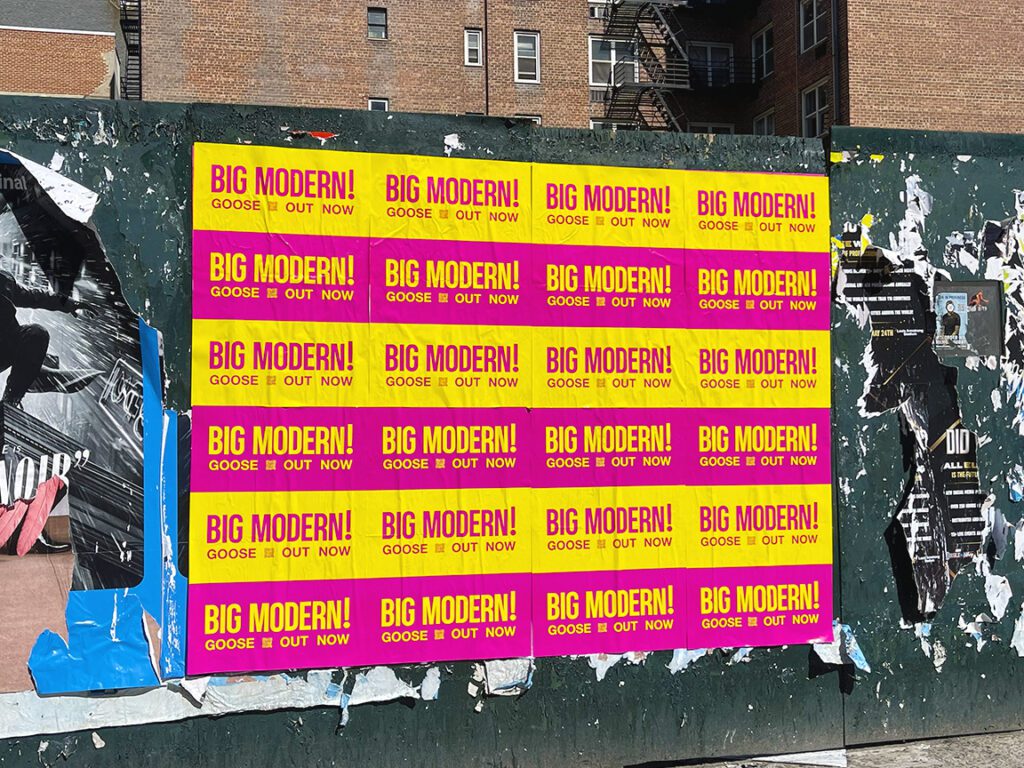
There is a specific credibility that attaches to physical presence in certain neighborhoods that no digital format replicates. A poster on Brick Lane, in Shoreditch, or on a corner in Brixton carries a signal to a London creative audience that is categorically different from a social ad targeting the same postcodes. The poster says: this brand found its way to this wall, in this neighborhood, on this street. Someone made that happen. That’s not an algorithm decision — it’s a presence decision.

This matters most to audiences who are culturally aware of advertising, which is exactly the audience that fashion brands, entertainment brands, and premium consumer goods brands are trying to reach when they enter international markets. These audiences are attuned to authenticity signals. They know the difference between a brand that has engaged with their actual neighborhood and one that has targeted them on a platform. Physical presence in the right locations is an authenticity signal that digital advertising cannot fake.

In Mexico City, the same logic applies differently. Posters in Roma Norte and Condesa speak to an audience that values aesthetic curation — the presence of a brand in those specific colonias, on the walls of buildings near the restaurants and galleries those communities frequent, is itself a form of cultural endorsement. The brand has been accepted into that physical environment. A Facebook ad targeting Mexico City residents aged 22-35 with similar interests is a completely different kind of statement.

We’ve walked both of these markets with brand teams doing their first international campaigns. The conversation that happens when a brand sees their creative on a Shoreditch wall for the first time is different from the conversation that happens when they approve a digital media plan. One feels real. One feels like media. That difference is what your audience feels too.

Organic Social Amplification

Wheatpaste installations in culturally active neighborhoods generate organic photography. People walking through Shoreditch, Brixton, or Roma Norte take photos of street art and poster installations as a matter of course — it’s part of how those neighborhoods are documented and shared. A brand’s wheatpaste in those locations will appear in Instagram posts, TikTok videos, and Twitter feeds from people who were not paid to photograph it and were not targeted to share it. That earned media does not have a direct cost per impression.

Digital advertising generates no equivalent organic amplification. A social ad that someone sees in their feed might be shared, but shares of ads carry a completely different social signal than shares of street photography. A photo of a poster on a real wall in a real neighborhood is content. A screenshot of a social ad is not.

For music releases, entertainment campaigns, and brand launches targeting street-culture-adjacent audiences, the organic amplification from a well-placed wheatpaste campaign in the right neighborhoods consistently outperforms what the paid media budget would have generated alone. We’ve seen this firsthand across campaigns in London, and our clients’ marketing teams have documented the same pattern — the street campaign generates social content that the digital team didn’t have to pay for or produce.

Market Entry Signal

Physical street presence communicates something that digital can’t: commitment. When a brand places posters on the walls of Shoreditch and Brixton ahead of a London launch, it signals to the market that the brand is actually here — not just advertising from a distance, but present in the city. This is a different kind of message for a different kind of audience.

For brands entering a new international market for the first time, this signal matters. It creates talking points for local press, for influencers, for the brand’s existing community in that city. “I saw your poster on Brick Lane” is a conversation starter that “I saw your Instagram ad” is not. The street campaign creates real-world evidence of presence that the brand’s local contacts can point to.

Entertainment brands — particularly in music — have used this signal deliberately for decades. A street campaign in the week before a release or tour announcement is not primarily about impressions. It’s about establishing credibility with an audience that will be watching for signs that the brand is genuinely engaged with their city.

No Algorithm Dependency

International digital advertising is subject to platform policy, algorithm changes, targeting restrictions, and ad approval processes that vary by market. A campaign that clears ad approval in the US may face different requirements in the UK or restrictions in specific European markets. Platform targeting capabilities in some international markets are more limited than in the US. Algorithm shifts can significantly affect campaign delivery mid-flight.

Wheatpaste has none of these dependencies. Once the installation is up, it’s up. No platform can turn it off. No algorithm decides how many people see it. No approval process can delay the campaign a week before launch. For brands that have experienced the frustration of digital campaign delays in international markets, the predictability of physical installation is itself a significant advantage.

Permanence Through the Campaign Window

A wheatpaste poster, properly installed on a permissioned wall with the right paste for the surface conditions, will hold through a multi-week campaign window. People who pass that wall on week two see the same poster they saw on day one. The impression compounds over time. Digital ads run until the budget is spent, then disappear entirely.

For campaigns building awareness over a sustained window — a tour, a product launch period, a market entry effort — the compounding presence of physical installation across key neighborhoods is something that digital advertising cannot replicate without ongoing spend.

Where Digital Wins

This is not a case for wheatpaste as a replacement for digital. It isn’t. There are things digital advertising does that wheatpaste cannot, and any honest comparison has to acknowledge them.

Precise Demographic Targeting

A wheatpaste campaign in Shoreditch reaches everyone who walks past those walls — the exact audience, the adjacent audience, and the passing audience that has nothing to do with the campaign brief. Digital advertising lets you target by age, interest, behavior, language, device, and dozens of other signals. If the campaign brief is “reach 25-34 year old women interested in independent fashion who live within 3km of Shoreditch,” paid social can execute that more precisely than physical placement can.

Wheatpaste reaches a neighborhood. Digital reaches a defined segment. When segment precision is the primary campaign requirement, digital is the better tool.

Retargeting

You cannot retarget someone who saw your poster. You can retarget someone who visited your website, watched your video ad, or engaged with your social content. For campaigns with longer conversion cycles — where the goal is to reach someone multiple times across different contexts before they take action — digital retargeting is a capability that physical media doesn’t have.

Real-Time Optimization

If a digital campaign’s creative isn’t performing in week one, you can pull it and replace it with a different version before the campaign window closes. If wheatpaste is up on a wall, it’s up. The creative is committed. Real-time optimization is exclusively a digital capability, and for campaigns where learning and adjusting mid-flight is important, that matters.

Measurable Click Data

Digital advertising tells you exactly how many people clicked, where they went, and what they did next. Wheatpaste tells you how many placements were made and, indirectly, what the foot traffic past those placements looks like. The measurability gap is real. For campaigns where conversion attribution is a primary reporting requirement, digital provides data that wheatpaste cannot.

The measurability of digital advertising is a genuine advantage over physical placement — but measurability and effectiveness are not the same thing. Many campaigns optimize their way to mediocre results while a less measurable physical campaign changes how an audience actually perceives a brand.

The Hybrid Approach: Wheatpaste as Social Content Engine

The most consistently effective international campaigns we’ve worked on in over a decade of field operations use wheatpaste and paid social together — not as alternatives, but as a system where each element makes the other work better.

The mechanism is straightforward: the wheatpaste installation generates photography content during installation — shot by American Guerrilla Marketing field operators using the GPS-tagged, high-resolution documentation protocols we apply to every campaign. That photography — posters on real walls in real neighborhoods, in the light of real city mornings — becomes the creative for paid social campaigns targeting the same cities.

This works for two reasons. First, street photography performs better in social feeds than studio creative. Audiences scroll past polished advertising. They stop for content that looks like it came from the world they actually live in. A photo of a poster on a Brick Lane wall, with the texture of the brick and the imperfect edges of the paste job visible, reads as authentic in a way that a studio asset doesn’t. Second, the paid social campaign amplifies the physical presence of the wheatpaste campaign to an audience that may not have walked past the installation — creating a unified impression of market presence across both physical and digital channels.

Brands that understand this relationship — that the wheatpaste campaign is partly a content production operation — get more value from the same investment than brands that treat the two channels as separate line items.

Case Study Scenario: London Market Entry

A brand entering London for the first time has a choice. They can put their full budget into paid social targeting London audiences. Or they can split the budget, running a wheatpaste campaign in Shoreditch and Brixton alongside a scaled-back paid social campaign.

The paid-social-only approach delivers measurable impressions and click data. It reaches the target demographic across their feed. It is fully trackable. It generates no physical presence in the city and no organic social amplification.

The wheatpaste-and-digital approach delivers something different. Five hundred posters in Shoreditch and Brixton — covering the walls on Redchurch Street, around Brick Lane, through the market corridors and gallery blocks that the target audience frequents — creates physical evidence of the brand’s presence in London. The organic social amplification from street photography starts appearing in the brand’s social feed from the first week. The paid social campaign runs with street photography as creative, performing against studio creative in an audience that is culturally attuned to the difference.

What the brand reports after the combined campaign is not just click data. They report that people at their London events and pop-ups have mentioned seeing the posters. They report that local press referenced the street campaign in coverage. They report that the social photography from the wheatpaste installation outperformed every other creative format in the paid social campaign. They report conversations about the brand in London that the digital-only approach would not have generated.

Neither result is provably superior in a spreadsheet. But the brands that have run both approaches in comparable markets consistently report different quality of market engagement from the combined campaign.

Case Study Scenario: Mexico City Market Entry

Mexico City presents a similar comparison with different local dynamics. Roma Norte and Condesa are among the most photographed neighborhoods in the city — highly walkable, with an audience that is aesthetically active on social media and attentive to brand presence in their neighborhoods.

A wheatpaste campaign concentrated in these colonias — on the walls along Álvaro Obregón and through the side streets of Condesa — creates presence in the precise geographic and cultural areas where the target audience spends time. That audience is also active on Instagram and TikTok. Street photography of campaign posters in these neighborhoods circulates through social networks organically.

The equivalent digital spend targeting Mexico City residents in the same age and interest brackets delivers more impressions in a direct measurement, but delivers no cultural presence signal and no organic amplification. The brand’s name appears in feeds alongside every other brand targeting that audience. The wheatpaste campaign puts the brand’s name on the walls of the neighborhoods those people walk through every day.

For market entry specifically, that difference in kind — not just degree — is what drives the decision for brands in fashion, music, food and beverage, and entertainment to run street campaigns alongside or before digital campaigns in international markets.

How International Fashion, Music, and Entertainment Brands Allocate

The pattern we observe across a decade of campaigns is consistent. International brands in fashion, music, and entertainment treat wheatpaste and digital as serving different objectives in the same campaign, rather than competing for the same budget.

The street campaign is allocated for: market entry credibility, cultural positioning, organic social content generation, and audience segments that are skeptical of or tuned out to digital advertising. The digital campaign is allocated for: reach extension beyond the core street audience, retargeting users who have engaged with campaign content, conversion-focused messaging in the later stage of the campaign window, and precise demographic segments that street placement can’t isolate.

The relative allocation between the two channels shifts based on what the brand is trying to accomplish. A brand running its first campaign in a new international market typically weights street higher, because the market entry signal and credibility establishment are the primary objectives. A brand running its third campaign in a market where it already has cultural recognition may weight digital higher, because the credibility work is done and the objective is now reach and conversion.

Campaign Objective Better Channel Why
Market entry credibility Wheatpaste Physical presence signals commitment digital can’t replicate
Cultural positioning in specific neighborhoods Wheatpaste Location-specific credibility in Shoreditch, Roma Norte, Brixton, Condesa
Organic social amplification Wheatpaste Street photography generates earned media; ads don’t
Precise demographic targeting Digital Platform targeting outperforms geographic placement for segment precision
Retargeting warm audiences Digital Only digital can identify and re-reach prior engagers
Real-time optimization Digital Wheatpaste is committed once installed; digital adjusts mid-flight
Conversion attribution Digital Click and conversion data doesn’t exist for physical media
Authentic social creative generation Wheatpaste (feeds Digital) Street photography becomes highest-performing paid social creative

The Cultural Resonance Factor

There is a broader point beneath all the tactical comparison, and it’s worth stating directly. Brands that enter new international markets with physical street presence consistently report different quality of customer conversations than brands that enter with digital-only. Not more conversations — different quality ones.

The difference is not about awareness metrics. Digital advertising is excellent at building awareness. The difference is about cultural integration. A brand that has been on the walls of Shoreditch and Brixton before it launches in London has something to talk about with London audiences that a brand which ran digital-only doesn’t have. The street presence is a story. The digital campaign is a spend.

This cultural resonance factor is difficult to measure and easy to dismiss in a budget conversation. We’ve heard it dismissed many times in the planning stage, and we’ve seen the same marketers describe it afterward as one of the most tangible results of the campaign. Boots on the ground, GPS-tagged documentation, certified installation partners — these produce something that no media buy produces: a physical record of the brand’s presence in a city that people can point to, photograph, and share.

For brands that are serious about international market development — not just international market advertising — that record is worth building.

Ready to Plan Your International Campaign?

American Guerrilla Marketing coordinates wheatpaste campaigns across the US and international markets from a single New York contact. Our certified, licensed operator network handles field execution while you retain full control of creative, targeting, and reporting standards.

Frequently Asked Questions

What does international wheatpaste do that paid digital advertising cannot?

International wheatpaste creates physical market presence — a signal that a brand has actually arrived in a city. It generates organic social amplification through street photography, carries cultural credibility that varies by neighborhood, and is not subject to ad blockers, algorithm changes, or platform policy shifts. These are things no digital format replicates.

When should a brand choose digital over wheatpaste for international market entry?

Digital is the better choice when precise demographic targeting, retargeting capability, or real-time click data are the primary campaign requirements. Digital also scales faster across many markets simultaneously and provides measurable conversion data that wheatpaste does not. The two channels are not mutually exclusive — most serious international campaigns use both.

How do brands combine wheatpaste and paid social for international campaigns?

The most common hybrid approach uses wheatpaste installations to generate photography content — shot by the field team during installation — which is then used as creative in paid social campaigns targeting the same cities. This gives brands authentic street-level imagery that performs better in social feeds than studio creative, while the paid social amplifies the reach of the physical campaign.

What cultural difference does physical street presence make in London compared to digital?

A poster on Brick Lane or in Shoreditch signals to a London creative audience that a brand is engaged with the actual culture of those neighborhoods — not just targeting them through an algorithm. That signal is read differently than a social ad. Brands that enter London with street-level presence consistently report different conversations with local audiences than brands that enter with digital-only campaigns.

What is the hybrid strategy for combining street marketing and paid digital?

The most effective hybrid uses wheatpaste to establish physical credibility and generate authentic photography, then amplifies that photography through paid social targeting the same neighborhoods and demographics. The wheatpaste imagery performs significantly better as social creative than standard studio assets because it has a real-world context that audiences recognize and trust.

Ready to Plan Your International Campaign?

American Guerrilla Marketing coordinates wheatpaste campaigns across the US and international markets from a single New York contact. Our certified, licensed operator network handles field execution while you retain full control of creative, targeting, and reporting standards.

Millie Phillips

Campaign Architect — American Guerrilla Marketing

Email: [email protected]

Office: (646) 776-2770

Ready to Run Your Campaign?

Call us or email us. We’ll tell you exactly what we can do in your market and what it costs.

American Guerrilla Marketing — Los Angeles

★★★★★ 5.0 · 34 Google reviews

Street-level campaigns in Los Angeles and nationwide. Wheatpasting, LED trucks, street teams, and more.

(646) 776-2770