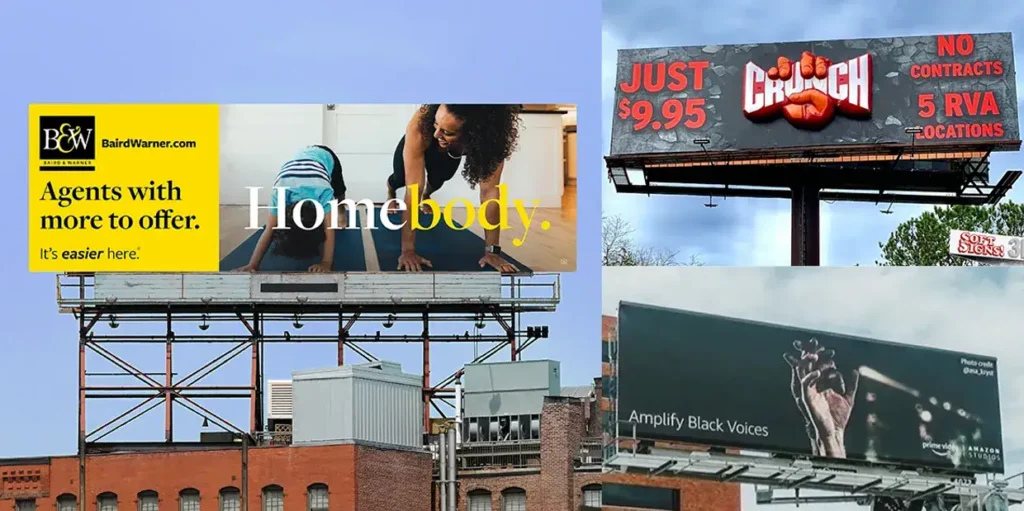
Charlotte is no longer just a banking city. The Queen City has evolved into one of the fastest-growing metros in the United States — a financial hub, yes, but also a thriving technology center, a sports powerhouse (Panthers, Hornets, NASCAR), a growing arts and creative scene, and a magnet for the young professional demographic that is reshaping the Southeast’s consumer market landscape. Brands that approach Charlotte with conventional billboard placements alone are leaving a significant portion of this market’s opportunity on the table.
American Guerrilla Marketing builds Charlotte marketing programs that combine the reach of traditional outdoor advertising with the authenticity and precision of unconventional tactics — guerrilla marketing, brand ambassador programs, mobile billboard trucks, and experiential campaigns that reach Charlotte’s consumers where they actually live, work, and play. This guide covers both — traditional billboard advertising in Charlotte and the unconventional approaches that are increasingly outperforming static placements in this dynamic market.
Whether you are planning a billboard buy along I-85 or an experiential campaign in NoDa, this guide gives you the real pricing, the location intelligence, and the strategic framework to succeed in Charlotte’s outdoor advertising environment.
Charlotte’s Outdoor Advertising Market: What You Need to Know
Charlotte’s outdoor advertising market has been reshaped by the city’s growth trajectory. Here is the context that should inform every outdoor advertising decision you make here.
One of the Fastest-Growing Major Cities in America
The Charlotte metro added more than 100,000 residents between 2020 and 2024, driven by corporate relocations, financial sector expansion, and technology industry growth. This population growth continuously drives higher daily traffic volumes on all major corridors — increasing the impression delivery of billboard placements across the market year over year. Early commitments on strong positions benefit from this traffic growth at fixed contract rates.
A Financial Industry Hub with Premium Consumer Demographics
Charlotte is home to Bank of America’s global headquarters and Wells Fargo’s East Coast operations center, along with dozens of major financial services firms. The financial services workforce concentrated in Uptown and South Park represents a high-income, highly educated consumer demographic that is extremely valuable for premium brand advertisers. Billboard positions reaching the Uptown commuter corridor deliver disproportionate income-level audience quality.
A Sports City Driving Event Marketing Opportunities
The Carolina Panthers at Bank of America Stadium, the Charlotte Hornets at Spectrum Center, and the NASCAR Hall of Fame and racing circuit all create concentrated event marketing windows. Game-day and event-adjacent brand activations in Charlotte are among the most productive consumer engagement windows in the market — and they require staffed programs and tactical outdoor formats, not just fixed billboards.
A Growing Creative Class Responding to Unconventional Marketing
Charlotte’s NoDa arts district, South End development corridor, and Plaza Midwood neighborhood are home to a growing creative professional community that is the fastest-growing demographic in the city. This audience is highly skeptical of conventional advertising and highly responsive to authentic, creative marketing tactics — which is exactly why unconventional approaches belong in any Charlotte brand strategy targeting this demographic.
Charlotte Billboard Pricing by Format and Location
Charlotte’s billboard market includes major operators Lamar, Clear Channel, Outfront, and BM Outdoor, along with independent vendors. Here are working price ranges by format.
Static Bulletin Billboards on Major Interstates
Static bulletin billboards (14′ x 48′) on Charlotte’s major interstates — I-85, I-77, I-485 (the Outer Belt), and I-277 (the Inner Belt) — typically run $1,500 to $10,000 per four-week period. Premium interchange positions at I-85/I-485 and I-77/I-277 command the top of this range. Suburban and secondary corridor positions come in significantly lower. Production costs for vinyl printing add $500 to $900 per creative.
Digital Billboards in Charlotte
Digital billboard rates in Charlotte range from $2,500 to $15,000+ per four-week rotation cycle for premium positions. Shared rotation slots reduce individual advertiser cost but also reduce share of voice. BM Outdoor operates digital billboard inventory in Charlotte with competitive rates and a stated 7 to 10 business-day install timeline. Self-serve digital options through platforms like Fliphound start at $10 per day for lower-traffic positions.
Poster Panels on Arterial Roads
Poster-size billboard units on Charlotte’s secondary arterials — South Boulevard, Providence Road, Rea Road, and Pineville-Matthews Road — range from $700 to $2,500 per four-week period. These are effective for neighborhood-specific campaigns targeting the affluent South Charlotte and South Park suburban markets.
Mobile LED Billboard Trucks
Our LED billboard trucks operate across Charlotte delivering targeted mobile digital impressions with geographic precision that fixed formats cannot match. Day rates in Charlotte typically run $800 to $1,500 depending on program hours and route complexity. Mobile formats are particularly valuable for Charlotte’s sports events, NASCAR activations, and targeted neighborhood campaigns.
The Best Billboard Corridors in Charlotte
Location determines everything in Charlotte outdoor advertising. Here are the corridors and zones that deliver the strongest performance.
I-85 North and South of Uptown
I-85 is Charlotte’s primary interstate — running through the city from the Cabarrus County line in the northeast to the Gaston County line in the southwest. Billboard positions along I-85 north of Uptown reach the growing residential and commercial communities of NorthLake, Concord, and Kannapolis. South of Uptown, I-85 connects to the Southpark and Ballantyne corridors. This is Charlotte’s highest-volume interstate and its most sought-after outdoor advertising corridor.
I-77 North and South
I-77 runs north-south through Charlotte, connecting the Lake Norman suburbs north of the city to the Ballantyne and Fort Mill communities south of Uptown. North I-77 delivers access to one of the fastest-growing residential communities in the Southeast. South I-77 connects to the affluent Ballantyne development and the South Carolina border communities. Both directions carry significant commuter traffic.
I-277 (The Inner Belt) Around Uptown
The I-277 Inner Belt loops around Uptown Charlotte, carrying commuter and through traffic in the immediate urban core. Billboard positions on I-277 reach the financial district, the Bank of America Stadium and Spectrum Center area, and the broader Uptown professional population. This is Charlotte’s most concentrated business district advertising corridor.
South Boulevard (US-521) and South End
South Boulevard connects Uptown Charlotte to the South End development corridor and beyond to South Park. The LYNX light rail line runs along South Boulevard, creating a mixed vehicular-transit audience corridor. Brand activations along South Boulevard reach the creative professional demographic that has transformed South End into one of Charlotte’s most vibrant neighborhoods.
Unconventional Marketing Tactics That Work in Charlotte
Charlotte’s growing creative and professional class demands marketing approaches that go beyond conventional billboard placements. Here is where unconventional tactics deliver their strongest Charlotte market performance.
Guerrilla Marketing in NoDa and South End
Our guerrilla marketing programs in Charlotte’s creative districts create authentic street-level brand presence that resonates with the arts-engaged, creative professional audience that drives NoDa and South End’s cultural identity. Conventional advertising here reads as inauthentic. Guerrilla executions — unexpected, creative, and genuinely engaging — generate conversation and sharing in exactly the community Charlotte brands most want to reach.
Brand Ambassador Programs at Sports Events
Panthers home games at Bank of America Stadium draw 73,000+ fans. Hornets games at Spectrum Center attract 18,000+ per game. NASCAR events at Charlotte Motor Speedway draw massive regional audiences. Our brand ambassador agency deploys event staffing for brand programs around all of Charlotte’s major sports events — reaching concentrated, passionate consumer audiences in their most engagement-receptive mindset.
Sidewalk Stenciling in Walkable Zones
Sidewalk stencil programs in Charlotte’s walkable urban zones — South End’s light rail corridor, NoDa’s North Davidson Street, Plaza Midwood’s Central Avenue, and the Uptown core — create ground-level brand impressions that complement billboard campaigns for pedestrian-scale audiences who are missed by vehicle-oriented outdoor placements.
Wheatpasting in Charlotte’s Arts Districts
Wheatpasting campaigns in NoDa, South End, and Plaza Midwood create visual brand presence in Charlotte’s most culturally engaged neighborhoods. The visual culture tradition in these areas means poster placements are seen and discussed — not overlooked. For brands targeting Charlotte’s creative community, wheatpasting delivers brand credibility that no billboard format can replicate.
LED Mobile Billboard Trucks at Charlotte Events
Our LED billboard trucks routed through Charlotte’s Uptown during Panthers games, around the Charlotte Motor Speedway during NASCAR events, and through South End during major NoDa block parties and arts events deliver targeted, high-visibility digital impressions at the moments when consumer attention is most concentrated in specific geographic zones.
How to Integrate Charlotte Billboard Advertising with Unconventional Tactics
The highest-performing Charlotte campaigns we plan and execute combine traditional outdoor advertising reach with unconventional tactic precision to create brand presence across multiple consumer touchpoints. Here is the framework.
Start with Billboard Coverage on One Key Corridor
Identify the single Charlotte corridor where your target consumer is most concentrated — I-85 for broad market reach, I-77 for Lake Norman or Ballantyne targeting, South Boulevard for the South End professional demographic — and anchor your outdoor program with a four to twelve week billboard flight.
Layer Guerrilla Tactics in the Creative Districts
While your billboard builds awareness at scale, deploy guerrilla marketing tactics in the neighborhoods where your target consumer lives and plays. Sidewalk stencils, wheatpasting, and brand ambassador street team programs in NoDa, South End, and Plaza Midwood create the authentic, street-level brand contact that the Charlotte creative class responds to.
Activate Around Charlotte’s Sports and Event Calendar
Overlay your outdoor program with event-specific brand ambassador activations around Panthers and Hornets game days, NASCAR events, and major Charlotte festivals. The concentrated, high-energy audience at Charlotte’s sports events represents the single best per-impression consumer engagement opportunity in the market.
Frequently Asked Questions: Charlotte Billboards and Unconventional Marketing
How much does a billboard cost in Charlotte, NC?
Static bulletin billboards on Charlotte’s major corridors run $1,500 to $10,000 per four-week cycle. Digital billboards range from $2,500 to $15,000+ per cycle. Self-serve digital options start at $10 per day. Vinyl production adds $500 to $900 per creative. Contact our team for a specific location quote.
What are the best billboard locations in Charlotte?
I-85 north and south of Uptown, I-77 (both directions), the I-277 Inner Belt around Uptown, and South Boulevard through South End deliver the strongest Charlotte billboard performance. Uptown-adjacent positions reach the financial district’s high-income professional demographic effectively.
Is Charlotte a good market for unconventional marketing?
Yes. Charlotte’s growing creative class in NoDa, South End, and Plaza Midwood, combined with its major sports and entertainment event calendar, creates excellent conditions for guerrilla marketing, brand ambassador programs, and experiential campaigns. The creative professional demographic driving Charlotte’s growth responds to authentic, street-level brand engagement.
How long should I run a Charlotte billboard campaign?
Minimum four weeks for initial awareness. Eight to twelve weeks for meaningful brand recall. Annual contracts deliver 15% to 25% discounts and benefit from Charlotte’s increasing traffic volumes over time.
What unconventional marketing tactics work best in Charlotte?
Guerrilla marketing in NoDa and South End, brand ambassador programs at Panthers and NASCAR events, LED billboard truck programs during Uptown events, sidewalk stenciling along the South End light rail corridor, and wheatpasting campaigns in Charlotte’s arts districts all deliver strong results for the creative and professional demographics driving the city’s growth.
How does AGM combine billboard and guerrilla marketing in Charlotte?
We anchor outdoor programs with strategic billboard placements on Charlotte’s key corridors, then layer guerrilla marketing tactics in the creative districts and sports event environments that fixed billboards cannot reach effectively. The combination creates broader awareness reach through outdoor and more authentic, targeted engagement through unconventional tactics — which together outperform either approach in isolation.
Frequently Asked Questions
What is charlotte billboards unconventional marketing tactics for succes?
American Guerrilla Marketing provides charlotte billboards unconventional marketing tactics for succes services across 50+ U.S. markets. Every campaign is planned, scouted, executed, and GPS-documented by our field teams. We work with regional brands and Fortune 500 companies on campaigns that require real street-level execution and documented proof of performance.
How does AGM approach for succes?
Our process starts with a market consultation to understand your goals, target audience, and budget. We then scout locations, handle any required permissions or permits, coordinate production and installation with our local crews, and provide a full GPS-tagged photo report after the campaign runs.
What markets does American Guerrilla Marketing cover for for succes?
We operate in 50+ U.S. markets including New York, Los Angeles, Chicago, Miami, Houston, Atlanta, Seattle, Denver, Boston, and dozens of secondary markets. Contact us to confirm availability and pricing for your specific market.
How much does a for succes campaign cost?
Campaign pricing depends on market, format, quantity, and duration. We work with budgets ranging from targeted single-market runs to national rollouts across multiple cities. Use our RFP Builder or contact us directly for a custom quote based on your specific campaign requirements.
How do I get started with for succes through AGM?
The fastest way to get started is to submit your campaign details through our RFP Builder at americanguerrillamarketing.com, or contact us directly at [email protected] or (646) 776-2770. Our team typically responds within one business day with availability and initial pricing.