
July 14, 2026
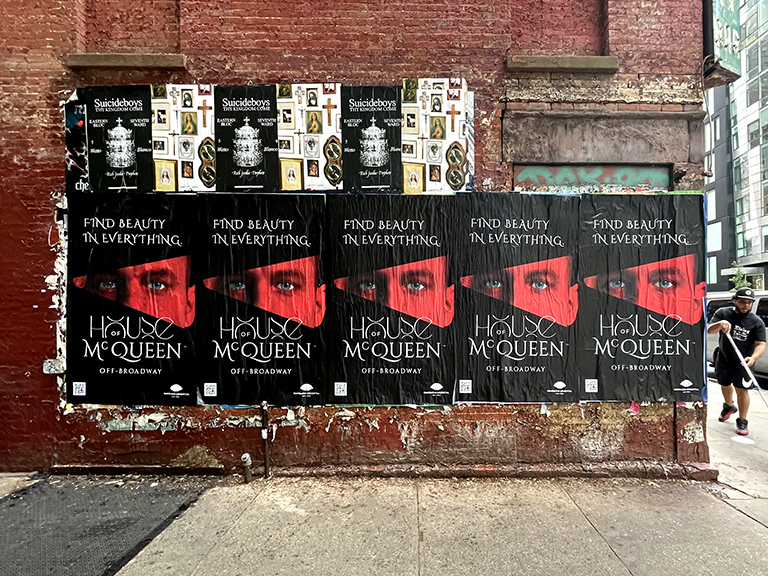
West End Theater Street Advertising in London: Poster Strategy for Shows starts with matching the right streets, surfaces, audience, and campaign timing. The streets around Shaftesbury Avenue have always known how to sell a show. Long before transport for London’s advertising panels existed, before display advertising in newspapers, theater productions were finding ways to put their artwork in front of the people who might buy a ticket. The bill-poster, the paste-up, the hand-placed placard on a corner — these methods are older than the West End’s current geography and they’ve evolved continuously alongside every other advertising medium that has come and gone.
Street advertising for West End theater is not a nostalgic choice. Productions use it because it works — because the theater-going audience moves through specific London neighborhoods on foot, because the physical visibility of a poster in Soho or Covent Garden carries different weight than a digital impression, and because street campaigns can be targeted with a precision that mass-media placements can’t match. A show playing at the Donmar Warehouse on Earlham Street doesn’t need the same media coverage as a blockbuster musical at the Lyceum. It needs to reach the specific, committed arts audience that the Donmar has cultivated over decades. That audience lives and works in knowable places.
This piece is about how West End productions — from major commercial musicals to subsidized straight plays to touring productions settling in for a limited run — use poster campaigns to build street-level presence. It covers the formats, the neighborhoods, the timing, and how street advertising relates to the other pieces of a theater marketing campaign.
A West End production’s marketing plan typically includes several distinct channels, each doing different work:
A positive review in The Guardian, The Times, or the Evening Standard still moves box office. Critics like Michael Billington and Lyn Gardner have built followings over decades that represent genuine ticket-buying intent. Press night is the most important single event in a production’s marketing calendar. Everything else — including street campaigns — is partly about ensuring the production has momentum going into press night so critics arrive in a city where the show already feels present.
Tube cards in Underground carriages, platform posters at major interchanges (King’s Cross, Victoria, Waterloo), and bus supersides are the mass-reach channel for West End marketing. TfL advertising is professionally managed, standardized, and reaches a broad London commuter audience. The limitation is that TfL inventory is expensive and the placements are identical for every advertiser — there’s no neighborhood specificity, no flexibility, and no sense of discovery. It feels like what it is: paid media.
Productions use Instagram, Twitter/X, and Facebook for cast updates, behind-the-scenes content, and promotional posts. Social advertising targets demographics algorithmically. The challenge for theater is that the purchase cycle is longer and more considered than most social media advertising is designed to support. Social works for awareness and for driving traffic to booking pages once interest is established, but it struggles to create the initial awareness in people who weren’t already looking.
Wheatpaste campaigns in the neighborhoods where the target audience lives and socializes. This is the channel that creates ambient awareness — the background presence that ensures the show is in audiences’ consideration set before they start deciding what to see. It’s not asking for an immediate booking. It’s planting the name, the image, the existence of the show in the visual environment of people who will eventually make a theater-going decision.
American Guerrilla Marketing coordinates wheatpaste campaigns in London and across the UK through our international operator network.
Productions playing the Lyceum, the Palladium, the Savoy, or similar large venues are targeting a broad audience that includes tourists, groups, families, and regular theater-goers. Their marketing mix is correspondingly broad — TfL advertising, major press, extensive social. Street campaigns for these shows tend to concentrate in central London: Soho, Covent Garden, the West End theater district itself. The goal is saturation in the areas around the venue rather than targeted demographic reach.
Shows at the Almeida, the Donmar, the Royal Court, or the Hampstead Theatre are targeting a more specific audience: arts-engaged, well-read, often older, committed theater-goers who see multiple productions per season. For these shows, street campaigns should prioritize Islington (for the Almeida), South Bank (for any production with National Theatre or BFI adjacency), and Shoreditch (for reaching younger arts audiences who might be first-time Donmar visitors).
A new musical without an established fanbase or name recognition needs to work harder on street presence than a revival with audience memory. Productions in this category benefit from a longer campaign window — six to eight weeks rather than two to three — and should prioritize neighborhoods where musical theater audiences are most concentrated. Soho, Islington, and south London neighborhoods like Battersea and Clapham (where many West End performers live) are good targets.
“The best street campaigns for theater are the ones that understand the show is competing for attention with six hundred other things the audience could be doing with their evening and their money. The poster isn’t a reminder — it’s a case for why this particular show is worth the investment of a night out.”
Theater has a poster tradition that audiences recognize. The format is familiar: large image, usually a cast photograph or designed graphic, show title dominant, venue and booking information at the base. This convention exists because it works — audiences have been reading theater posters with this structure for long enough that the format carries authority. Breaking it for street campaigns requires a specific reason.
Street-scale adaptations that consistently improve performance:
In theater marketing, reviews are the inflection point. Before reviews, the campaign is building awareness in people who may be curious but don’t have the critical validation they need to commit to a purchase. After reviews — particularly a cluster of strong ones — the conversion rate from awareness to purchase improves dramatically.
Street campaigns should be planned around this reality. The first posting round goes up before press night, ensuring maximum awareness going into the review window. If reviews are strong, a second posting round amplifies the campaign at the moment when ticket intent is highest. If reviews are mixed or negative, the conversation is about whether to run a second round at all and what creative adaptation might shift the message.
Search behavior around West End theatre advertising skews toward launch strategy and creative identity. The best-performing results talk about iconic show imagery, repeated visibility around the theatre district, and how poster systems support ticketing windows. That means a page targeting this keyword should go beyond broad entertainment language and speak directly to the rhythms of a show campaign.
The practical questions are consistent. Producers and marketers want to know where poster activity should cluster, how far from the venue the campaign should spread, what kind of artwork cuts through a crowded theatre market, and how the street layer supports press, paid social, reviews, and cast-led publicity. London-specific intent also matters because West End campaigns are competing inside one of the most visually saturated entertainment districts in the world. Searchers want tactics that feel built for Covent Garden, Soho, Seven Dials, and the foot traffic patterns around Shaftesbury Avenue.
The title patterns that appear strongest in adjacent results combine geography with outcome, such as West End theatre marketing, London theatre poster campaigns, or advertising for shows in the West End. Common subtopics include launch timing before previews, poster creative that stays legible at walking speed, high-value streets near theatres, and how repeat exposure nudges ticket demand. Matching that intent means keeping the article tightly focused on show marketing, not generic outdoor advertising.
West End theater operates on an annual calendar that any brand or production investing in street-level advertising needs to understand. The strongest campaigns we’ve run for theater clients have been timed around these windows, not placed arbitrarily.
January is the West End’s quietest month for new productions, but it’s one of the best windows for street campaigns precisely because the visual noise is lower. Christmas panto campaigns have come down, New Year’s marketing has faded, and a strong wheatpaste campaign in Covent Garden or Soho in the second or third week of January stands out dramatically against the cleared-out visual market. Productions opening in February or March should be hitting the streets in mid-January.
Major productions time their openings to capture spring tourist traffic. The spring window is competitive — multiple productions campaign simultaneously — which means street presence is essential to cut through the advertising clutter on tube cards and bus panels. Wheatpasting at street level adds a layer of presence that the above-ground audience misses entirely.
The West End’s strongest selling season. Post-summer school returns, the corporate hospitality market restarts, and the December gift-buying decision cycle begins. Productions that want December full houses need to be building awareness through October and November. This is when AGM runs its highest volume of theater-related campaigns in the West End.
The five weeks before Christmas are the highest-revenue period for most West End productions. Competition for audience attention is intense. Street-level campaigns in this window need to be executed early — the first week of November for December-peak productions — and refreshed if placements get covered by competing campaigns before the holiday window closes.
Theater audiences in London don’t materialize at the Shaftesbury Avenue venues out of thin air. They come from specific London neighborhoods, make decisions in specific environments, and respond to campaigns that meet them in their actual lives rather than just in the immediate vicinity of the theater.
Seven Dials is the most concentrated theater-adjacent street culture in London. The seven streets radiating from the central column carry theater-going audiences, tourists, and the Covent Garden dining crowd seven days a week. Walls here face foot traffic that is already in a culturally receptive frame of mind — people who have chosen to be in this neighborhood are already in the mindset of doing something. We’ve placed theater campaigns in Seven Dials for productions ranging from major West End musicals to intimate Fringe shows transferring to the West End.
Soho’s restaurant and bar culture means evenings are the peak visibility window. The audience coming through Old Compton Street, Frith Street, and Dean Street from 6pm to midnight is culturally engaged and attentive to what’s around them. Theater campaigns in Soho specifically target the decision-making moment — people planning their evening out are pre-disposed to act on a strong theater recommendation they encounter on the street.
The South Bank walkway from Waterloo Bridge to Tower Bridge draws arts audiences for the National Theatre, the Globe, the Tate Modern, and the BFI Southbank. Pedestrians on this route are self-selecting arts consumers. Walls on the approach routes to Waterloo station and along the riverfront give campaigns access to this specific, high-value audience.
We’ve seen enough theater campaigns — good and bad — to have formed clear views about the mistakes productions make when approaching street-level advertising in London.
The most common error is treating wheatpasting as a late-stage tactics add-on. Productions decide four weeks out that they want “some street presence” and contact operators with insufficient lead time to build a proper surface list, confirm permissions, and coordinate print and posting. The result is a rushed campaign with poor surface selection and generic placement. The format isn’t the problem — the planning is.
The second mistake is designing artwork for the poster before designing it for the wall. What works on a printed theater flyer — small type, dense information, portrait layout — does not work on a wall in Soho at night. The most effective theater wheatpaste campaigns we’ve run use artwork designed specifically for large-format street application: minimal text, a single strong image, and a show name that can be read in under two seconds at walking pace.
AGM’s crews have worked theater campaigns for West End productions across Covent Garden, Soho, and the South Bank consistently over the past few years. The productions that get the most out of street advertising are the ones that brief us six weeks before opening night, not two weeks.
West End theater productions have marketing budgets that are scrutinized carefully by producers, investors, and the commercial theater management companies that oversee major productions. Every element of the marketing spend needs to be documented and attributable. Street campaigns are no exception, and productions that run wheatpaste campaigns without proper proof-of-posting documentation create problems for their own marketing reporting.
AGM delivers GPS-tagged photo documentation for every placement in a theater campaign, organized by zone (West End core, adjacent neighborhoods, residential), with timestamps confirming the posting date and a location map showing the campaign’s geographic footprint. This documentation meets the standard required for production marketing reports and gives the marketing team verifiable data to include in post-campaign spend analysis.
For productions with extended runs — six months or more — we typically structure campaigns in phases: a launch campaign at the opening, a refresh campaign at the six-week mark when initial placements have degraded, and a sustaining campaign at key commercial windows (Christmas, school holidays, theater awards season). Each phase gets its own documentation package, allowing the production to track campaign activity against box office performance over time.
Theater critics and arts journalists work in and around the West End. A strong street campaign in Soho and Covent Garden is not invisible to the press — arts journalists walking to interviews, previews, and press nights encounter the campaign on the street. A visually striking wheatpaste campaign that a critic photographs and posts to their social media account provides earned media coverage at zero incremental cost. We’ve seen this happen unprompted for theater campaigns we’ve placed in Seven Dials and on the South Bank walkway.
From what we’ve seen in the field, the best-performing theater campaigns are the ones that treat the street as a primary medium rather than a secondary supplement. When the artwork is genuinely built for the wall — bold, clear, confident at scale — the West End streets deliver for theater in a way that no other medium in that price range can match.
West End productions use wheatpaste poster campaigns alongside tube card advertising through Transport for London, press advertising, and social media. Wheatpasting targets specific neighborhoods where theater audiences live and socialize — particularly Soho, Covent Garden, Islington, South Bank, and Shoreditch. The street campaign creates ambient awareness that complements the more formal media placements.
Tube advertising reaches a broad commuter audience in standardized placements across the Underground network — high reach, high cost, no neighborhood specificity. Wheatpasting targets specific neighborhoods with flexible placement that can feel like cultural recommendation rather than paid advertising. Many productions use both channels for different purposes: tube for mass reach, wheatpasting for targeted demographic precision.
TfL tube card campaigns for a four-week run on major lines start at £15,000-£40,000+ for reasonable saturation. A comparable wheatpaste campaign covering five or six London neighborhoods runs £10,000-£20,000. Productions often run both, with wheatpasting targeting the specific neighborhoods that tube advertising reaches less precisely. For smaller budgets, wheatpasting typically delivers better targeted value than equivalent tube spend.
Yes. Off-West End and fringe productions with smaller budgets regularly prioritize wheatpasting over tube advertising because it allows more precise demographic targeting at lower cost. A focused Islington or Shoreditch campaign for a fringe transfer can run £2,000-£4,000 and still create meaningful street presence in the neighborhoods where the production’s target audience is concentrated.
Street advertising sits at the ambient awareness layer of a theater marketing plan. It works alongside press coverage, social media, direct marketing to past customers, and tube advertising to ensure the production is visible across multiple touchpoints as opening night approaches. The goal is to ensure that when a potential audience member makes their theater-going decision, the production is already present in their mental consideration set.
American Guerrilla Marketing coordinates wheatpaste campaigns in London and across the UK through our international operator network.
Millie Phillips
Campaign Architect — American Guerrilla Marketing
Email: [email protected]
Office: (646) 776-2770
Ready to Run Your Campaign?
Call us or email us. We’ll tell you exactly what we can do in your market and what it costs.
American Guerrilla Marketing — Los Angeles
Street-level campaigns in Los Angeles and nationwide. Wheatpasting, LED trucks, street teams, and more.
(646) 776-2770
July 14, 2026
July 14, 2026
July 14, 2026
July 14, 2026
July 14, 2026
