American Guerrilla Marketing
Nationwide serivce
Media planning, media buying, billboard advertising, & guerrilla marketing
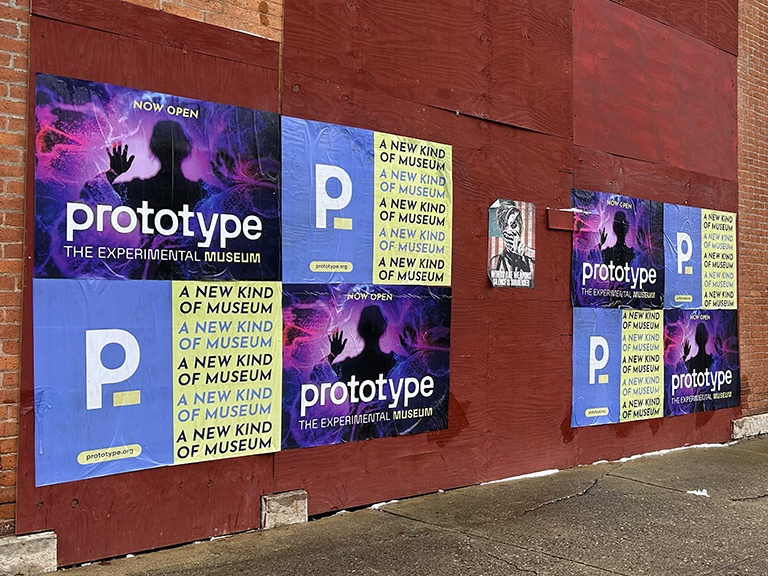
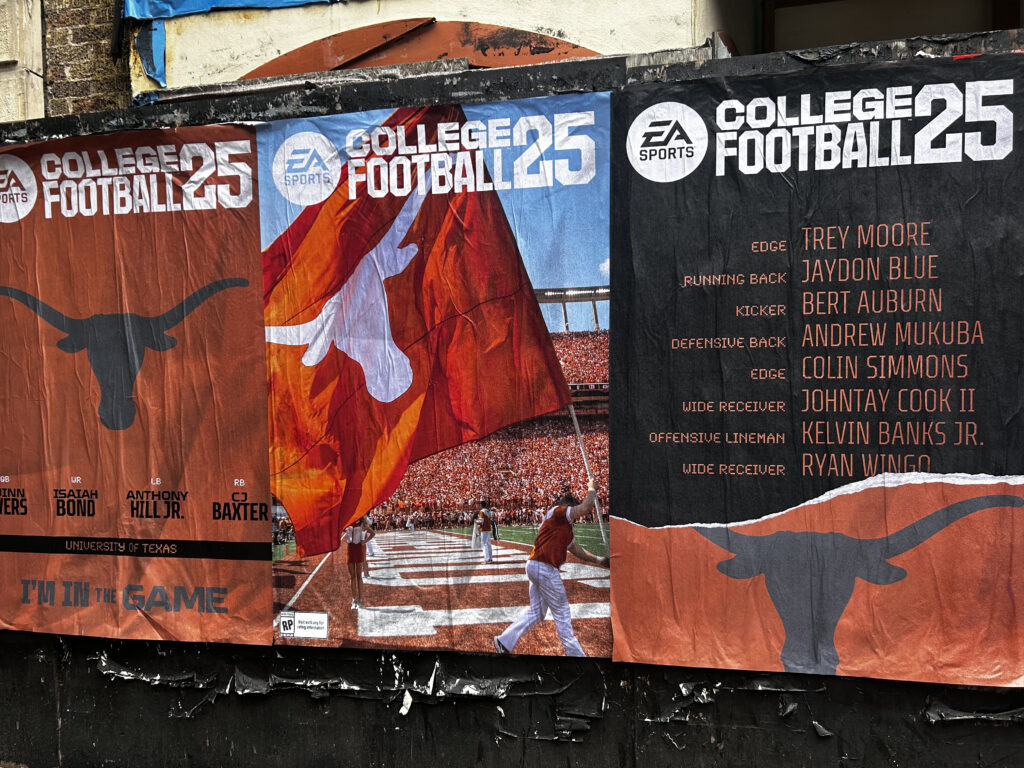
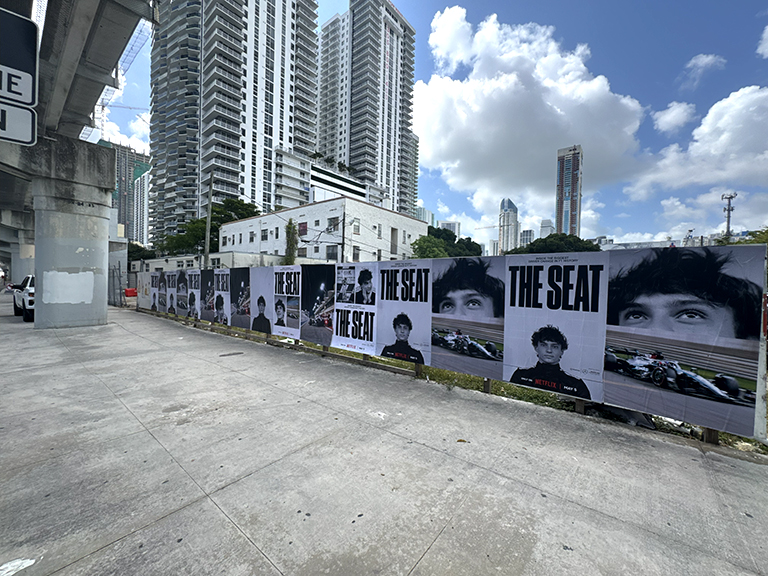
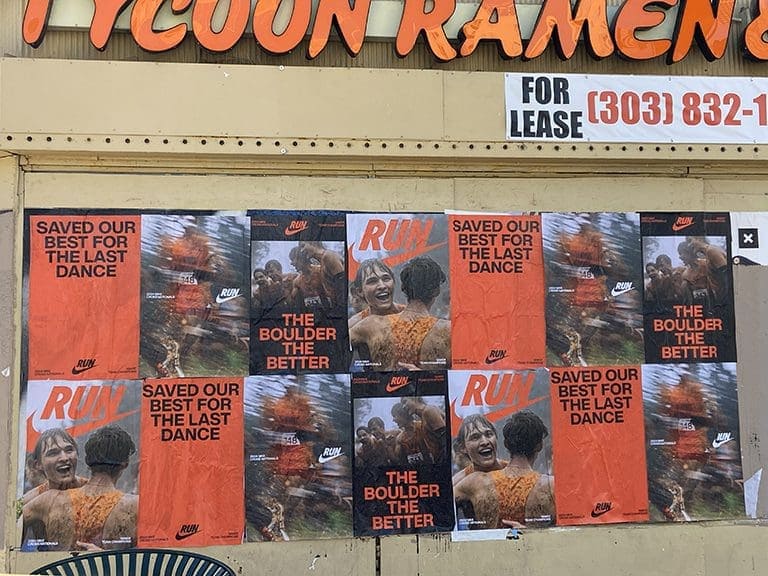
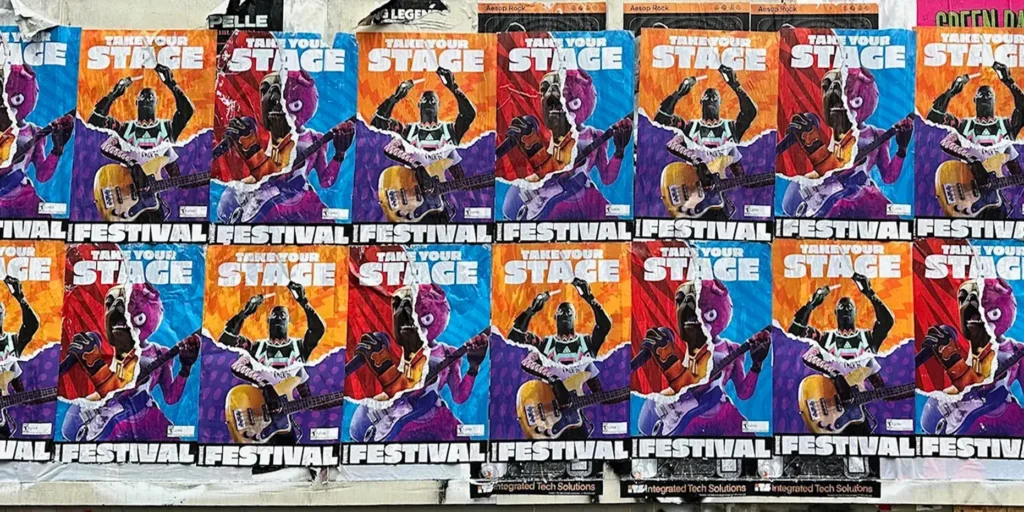
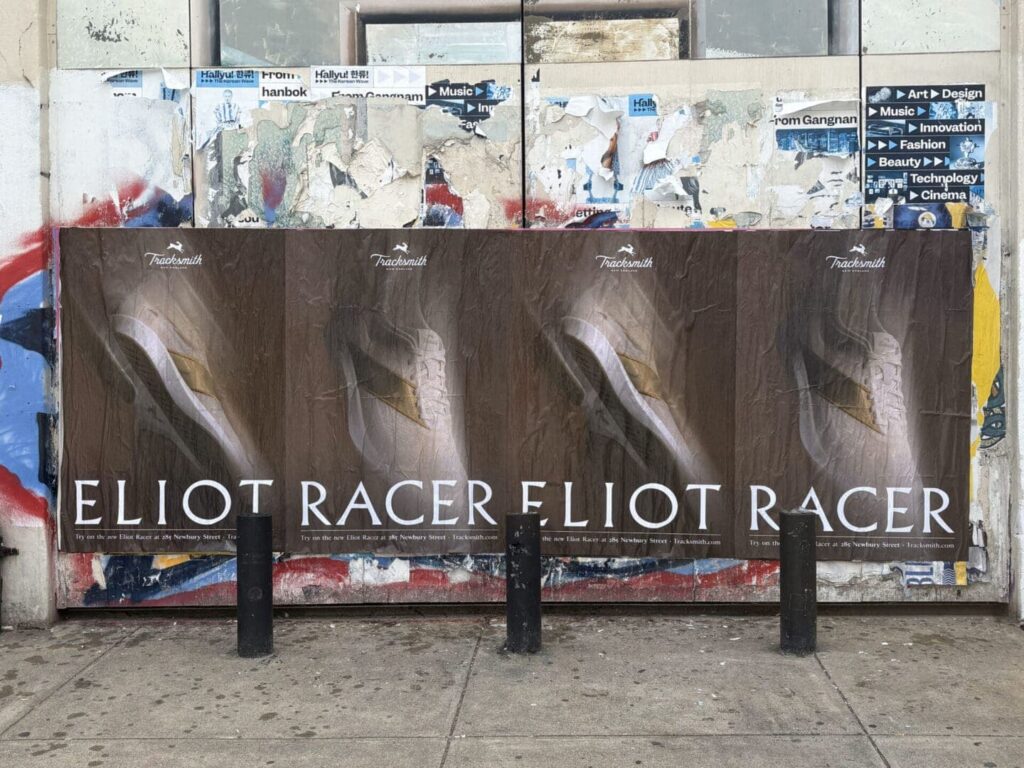
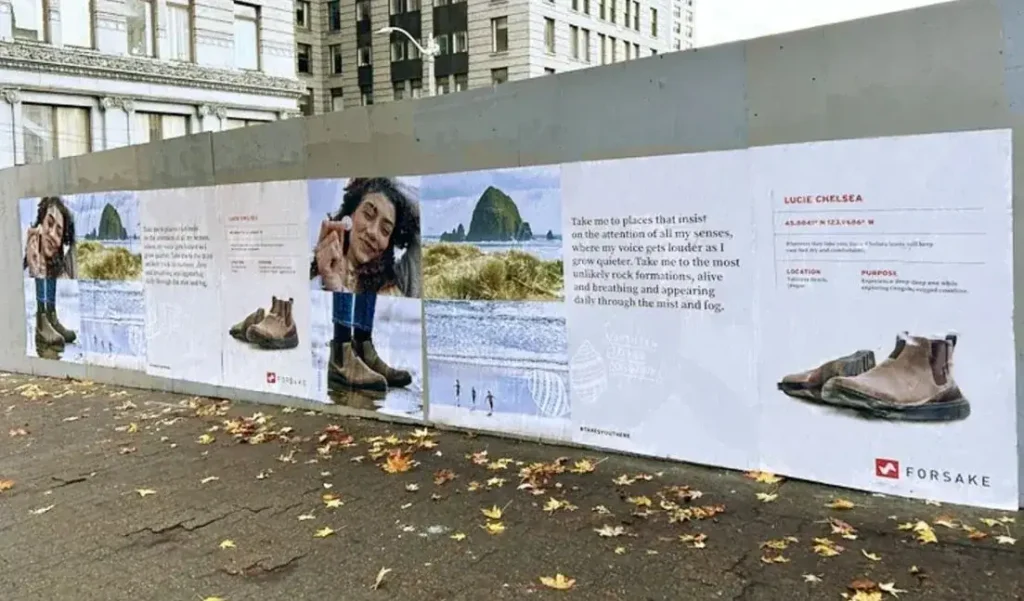
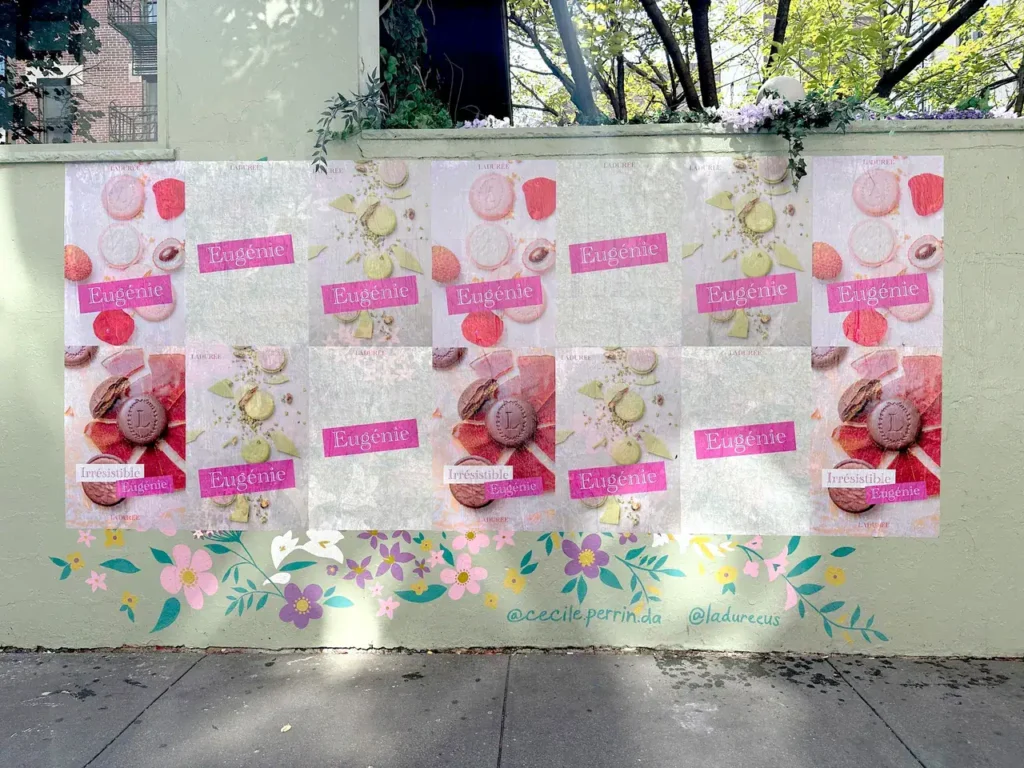
Wheatpasting and wheat paste posting advertising in Worcester, Massachusetts delivers high-impact poster advertising through disciplined guerrilla marketing strategies designed for a fast-growing Central Massachusetts city shaped by university corridors, healthcare campuses, nightlife districts, and daily commuter movement. Worcester operates as a regional hub with pedestrian-heavy neighborhoods connected by transit-oriented streets and walkable urban neighborhoods, making wheatpasting most effective when executed with block-level precision. Our wheatpasting and wheat paste poster advertising campaigns in Worcester, Massachusetts are planned block by block to ensure posters appear where student foot traffic, late-night dining and bars, and academic and research hubs overlap with daily routines.
This approach blends classic wildposting fundamentals with structured wheatpaste poster installation, producing urban poster campaigns that feel native to Worcester’s streetscape while generating repeat impressions, credibility, and long-term brand recall.
01

“Justin and the AGM team were fun and efficient to work with. We had a tight timeline, and Justin nailed it. They went above and beyond to meet our needs and offered up so many great ideas. Can’t wait to work with AGM again!”
Jaime Morgans
5-Star Google Review, AGM NYC
02
“The team at AGM was an absolute joy to work with, very responsive, FAST and thoughtful, they came to the table with a ton of ideas we hadn’t realized were available, they worked with our short timeline and got my client eyeballs that they wouldn’t have reached using the usual media companies. I would absolutely recommend them. Thanks so much!”
Heather Cummings
5-Star Google Review, AGM NYC
We specialize exclusively in wheatpasting and wheat paste posting advertising across Worcester, Massachusetts, managing every campaign end to end from wall scouting through reporting. Each execution is grounded in real pedestrian behavior, surface analysis, and neighborhood-specific movement patterns tied to mixed-use development areas, pedestrian-heavy neighborhoods, and tech campus connectors.
Our workflow includes identifying high-performing wheatpasting walls, coordinating poster production to match surface materials and sightlines, executing clean paste application with structured poster grids, and delivering detailed reporting with photo documentation and GPS pins. Every wheatpasting and wheat paste poster advertising campaign in Worcester, Massachusetts is designed to support launches, student engagement, healthcare visibility, nightlife promotion, and sustained street-level presence using legal posting walls and repeat-visibility placement strategies.
Downtown Worcester produces steady pedestrian movement from office workers, students, nightlife patrons, and transit riders. Wheatpasting here focuses on side streets off Main Street and Franklin Street, service alleys, concrete utility corridors, and blank masonry near parking garages and bus hubs. These walls typically support 8 to 12 wheatpaste posters arranged in structured grids, creating poster saturation zones seen repeatedly during weekday commutes and evening activity.
The Canal District and Kelley Square area generate dense foot traffic tied to restaurants, breweries, live music, and event programming. Wheatpasting here targets connector streets, back-of-house corridors, and blank masonry along pedestrian cut-throughs rather than primary storefronts. These placements often support 6 to 10 wheatpaste posters per wall, reinforcing visibility during high dwell-time moments.
The College Hill area—serving Worcester Polytechnic Institute, Clark University connectors, and nearby student housing—supports predictable daily pedestrian flow. Wheatpasting focuses on campus-adjacent side streets, underpasses, blank masonry near student routes, and transitional walls linking academic buildings to dining and nightlife. These locations typically support 6 to 9 wheatpaste posters installed at eye level to maximize dwell time.
The UMass Memorial Medical Center area generates consistent pedestrian movement from healthcare workers, students, and visitors across multiple shifts. Wheatpasting here focuses on connector streets, service alleys, and blank masonry along walking routes between parking structures, clinics, and nearby food corridors. These placements often support 5 to 8 wheatpaste posters per wall, reinforcing visibility during shift changes.
Shrewsbury Street’s nightlife and dining scene drives evening and weekend foot traffic. Wheatpasting performs best on adjacent side streets, alley walls, and blank masonry near late-night dining and bars where pedestrians slow down and visually engage. These walls typically support 6 to 9 wheatpaste posters without visual overload.
Wheatpasting and wheat paste poster advertising works in Worcester, Massachusetts because pedestrian movement is habitual, repeat-driven, and concentrated around university corridors, healthcare districts, nightlife zones, and transit routes. When wheatpaste poster installation uses clean paste application, structured poster grids, and street-level wall selection, campaigns benefit from organic repetition rather than one-time exposure.
Our poster advertising strategy prioritizes placement quality over quantity, ensuring guerrilla marketing efforts feel embedded in Worcester’s urban rhythm while remaining effective, respected, and visually consistent.
Wheatpasting Walls
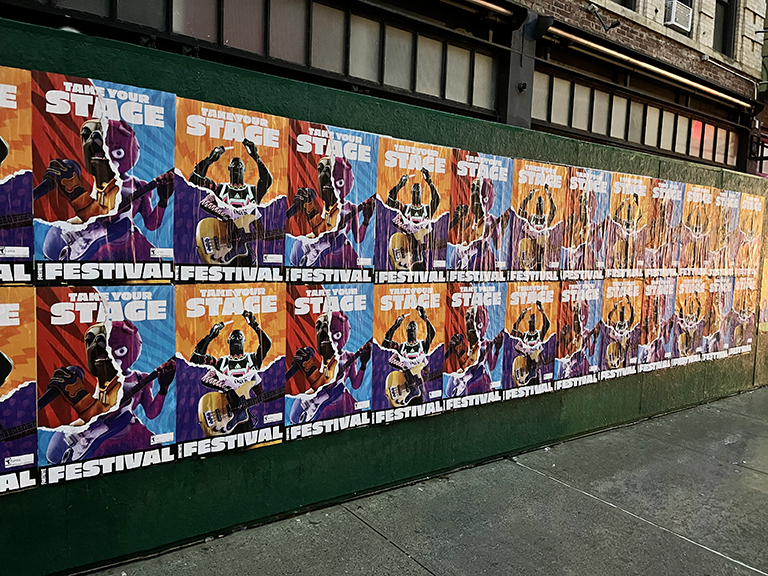
Wheatpaste Production
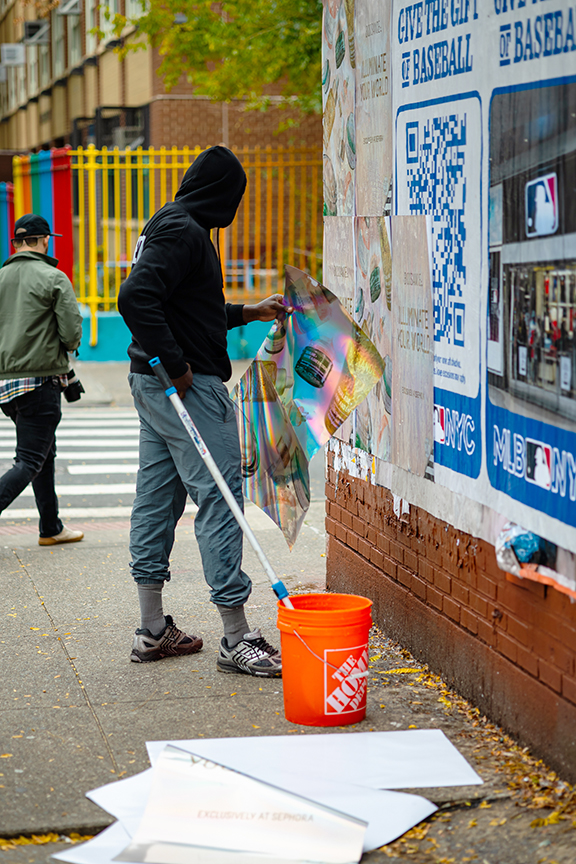
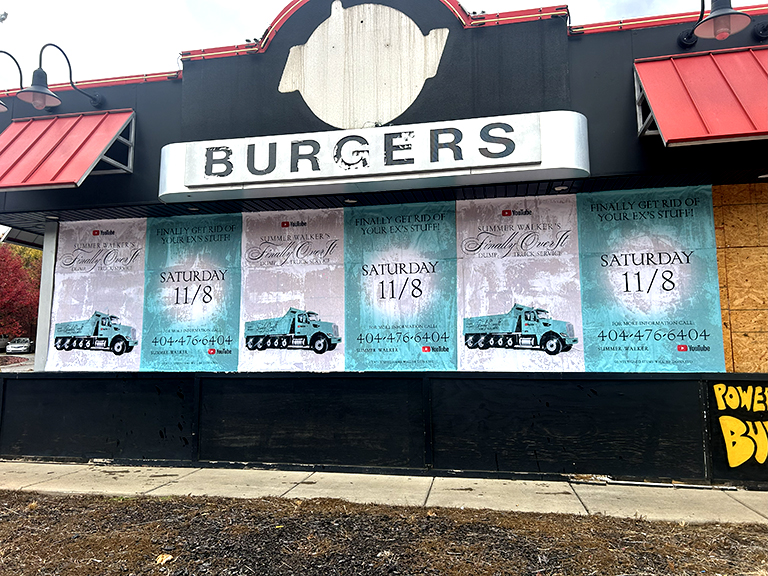
Wheatpaste Installation
Wheatpaste Reporting
The Most Common Poster Sizes, Visualized:

The standard poster size measuring 24 x 36 inches is a cornerstone format for high-impact street marketing and large-scale visual communication. This size is frequently used in premium snipe placements, wheatpasting, and traditional wheatpasting campaigns where commanding attention from a distance is essential. Closely aligned with the A1 international standard, it supports consistent production across markets while delivering strong visual clarity and scale.
In real-world execution, 24 x 36 posters are commonly deployed on large plywood walls, construction fencing, barricades, and exterior surfaces in high-traffic corridors. When used in wheatpasting and wheatpasting, this size allows for bold imagery, oversized typography, and simplified messaging that can be absorbed quickly by passersby. As an oversized snipe format, it is especially effective for advertising campaigns, brand launches, trade shows, exhibitions, and major announcements where visibility, authority, and immediate recognition are the primary goals.
The Most Common Poster Sizes, Visualized:

The 48 x 72 inch poster size is an oversized evolution of the traditional bus stop format, designed for maximum visual dominance in high-traffic environments. This size is frequently used in premium snipe placements, large-scale wheatpaste posting, and advanced wheatpasting campaigns where commanding attention from both long distance and close proximity is essential.
In real-world execution, 48 x 72 posters are ideal for major transit zones, exterior walls, construction wraps, subway approaches, and street-facing installations where scale directly impacts performance. When used in wheatpasting and wild wheat paste posting, this format supports oversized typography, bold imagery, and simplified layouts that stop viewers in their tracks. As a large-format snipe option, it is especially effective for brand launches, national advertising campaigns, cultural announcements, and high-impact outdoor activations that demand authority, visibility, and memorability.
Getting started on a poster design or printed project doesn’t need to involve technical guesswork. Download free starter files for each poster size to begin designing with confidence. These files are pre-sized to exact specifications and built to professional print standards, helping you avoid common setup issues from the start.
Our starter files are available for PDF Reader and Adobe Photoshop, making them simple and accessible for most workflows. Each file is correctly sized and includes proper bleed, trim, and color space settings, so your designs are ready for production whether they are being used for snipes, wheatpasting, wheatpasting, or larger street-level campaigns.
Using these starter files saves time, improves consistency, and helps ensure your posters print cleanly and accurately on the first run. They are ideal for designers, marketers, and brands that want reliable, print-ready files across all standard poster sizes without unnecessary complexity.
Wheat paste posting in Worcester, Massachusetts works best when the campaign follows the parts of the city where people already walk, gather, dine, shop, commute, or return throughout the week. In practice that usually means focusing on downtown Worcester, nightlife corridors, neighborhood commercial routes, and mixed-use local streets. When poster campaigns, wheatpasting, and wheat paste posting are aligned with those patterns, the creative feels more visible, more local, and more memorable over time.
Poster campaigns can work well in Worcester because visibility usually concentrates in a handful of recognizable districts instead of spreading evenly across the entire market. Student movement, nightlife, dining traffic, and repeat local circulation create the repetition that helps street-level creative stick. Wheatpasting and wheat paste posting are strongest when the same audience can encounter the message several times in places that already make sense locally.
Wheatpasting and wheat paste posting campaigns in Worcester, Massachusetts are usually planned block by block. The route is shaped by pedestrian movement, wall condition, sightlines, local identity, and how often people return to the same streets. Strong poster campaigns are built around consistency, so the placements feel organized rather than random or overextended.
The strongest districts in Worcester matter because they hold the highest concentration of repeat movement, neighborhood recognition, and practical visibility. When poster campaigns are built around downtown Worcester, nightlife corridors, neighborhood commercial routes, and mixed-use local streets, wheatpasting has a better chance to generate repeated impressions instead of one-time exposure. That is what gives a city campaign stronger recall over the full run.
Neighborhood habits change wheatpasting performance in Worcester because each area has its own reason for being active. Some streets are nightlife-driven, some are commuter-heavy, some are shaped by dining, shopping, education, tourism, local events, or neighborhood routine. Good wheat paste posting strategy respects those differences and places poster campaigns only where the local pattern can support repetition.
Repeat exposure matters more than broad spread in Worcester because memory usually comes from frequency. A tighter poster campaign placed along dependable routes will usually outperform a wider map full of weaker placements. Wheatpasting and wheat paste posting work best when the audience sees the message multiple times in the same believable environment.
Brands tied to launches, nightlife, entertainment, food and beverage, local events, retail openings, arts and culture, education, and community awareness often fit poster campaigns, wheatpasting, and wheat paste posting best in Worcester. Those categories benefit most when the creative appears in districts where the audience is already active and likely to encounter it more than once.
A full-service poster campaign in Worcester, Massachusetts usually includes market review, route planning, wall scouting, production coordination, installation, and recap reporting. The point is not only to place posters, but to build a wheatpasting and wheat paste posting system around placement quality, repetition, and practical local movement.
Yes. Wall scouting and placement can be handled as part of a managed campaign in Worcester. That matters because poster campaigns and wheat paste posting only work well when placements are chosen for local visibility, wall suitability, and repeat audience movement rather than convenience alone.
Structured wheatpasting improves poster campaign quality in Worcester because it controls density, spacing, and visual consistency. Instead of random placement, the campaign reads as a deliberate street-level media system. That gives wheat paste posting a cleaner look, stronger repetition, and better brand recall over time.