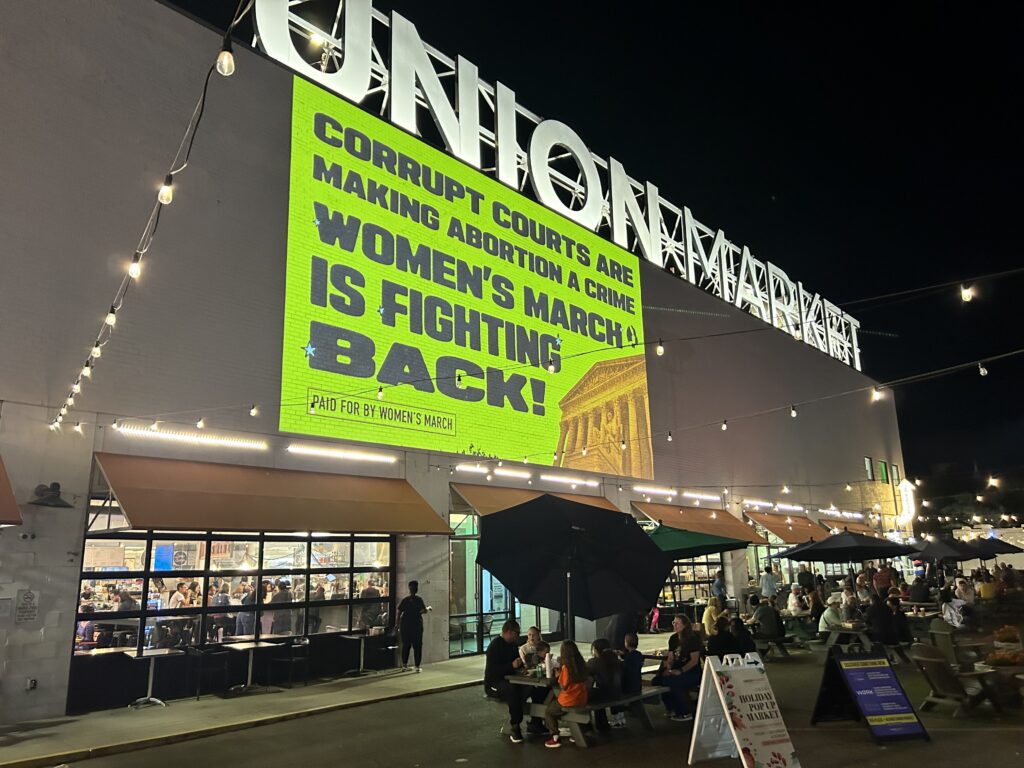
North Dakota is one of the least densely populated states in the country — fewer than 800,000 residents spread across 70,000 square miles of plains, badlands, and river corridors. But sparse population does not mean limited organizing potential. In fact, North Dakota’s concentrated community life — the way that small cities and rural towns function as true community centers where residents know each other and share information — creates a marketing environment where paper-based outreach carries extraordinary reach relative to the number of pieces deployed.
A well-placed poster in downtown Fargo. A flyer at the Bismarck Farmers Market. A bulletin board posting at a Minot community center or a Grand Forks coffee shop. A community newspaper advertisement read by most of the households in a small town. In North Dakota, these placements are not just marketing tactics — they are community communications that signal presence, commitment, and genuine engagement with the places and people that matter.
For protest organizers working in North Dakota, paper-based marketing is not a fallback when digital tools fail — it is the primary medium through which peaceful voices reach their communities. This guide explains why, and how American Guerrilla Marketing helps organizers execute paper-based campaigns that amplify voices across the state.
Why Paper Still Leads in North Dakota
The case for paper-based marketing in North Dakota starts with community structure. In cities like Dickinson, Williston, Jamestown, and the dozens of smaller towns that anchor rural North Dakota communities, physical community spaces — the post office, the community center, the church bulletin board, the local diner’s corkboard — function as genuine information infrastructure. People look at these boards. They take materials. They tell their neighbors what they saw.
This community information infrastructure has not been replaced by digital channels in rural North Dakota in the way it has in dense urban markets. Social media reach in these communities is real but fragmented — it reaches the people who are already in your network, not the broader community. A well-placed physical poster or flyer reaches the broader community in a way that no algorithmically filtered digital platform can guarantee.
In North Dakota’s urban markets — Fargo, Bismarck, Grand Forks, Minot — digital channels have more penetration, but paper marketing still carries a community trust advantage that digital cannot fully replicate. A physical poster says “we are here, in your community, in your space” in a way that a social media post cannot. For protest organizing, that physical presence signal is often as important as the message itself.
Fargo: North Dakota’s Urban Campaign Center
Fargo is North Dakota’s largest city and the state’s primary media market — home to roughly 130,000 residents in the city proper and nearly 250,000 in the broader metro area including Moorhead, Minnesota across the Red River. For most statewide protest campaigns, Fargo is the starting point and primary focus.
Downtown Fargo’s Broadway District is the city’s commercial and entertainment spine, carrying consistent foot traffic from residents, students from NDSU (North Dakota State University), and visitors. The area around Black Building, the Fargo Theatre, and the independent businesses along Broadway and 1st Avenue North is where Fargo’s most engaged community members concentrate. Bulletin board campaigns in downtown Fargo coffee shops and independent businesses reach this audience in their natural environments.
NDSU’s campus, directly west of downtown, provides a concentrated student audience of roughly 12,000 students. Campus-adjacent public streets near the Fargo-Moorhead bus corridor and the campus commercial areas are effective zones for poster placement and direct flyering reaching the student community without requiring university administration involvement.
Our wheatpasting and poster campaigns in Fargo target the downtown Broadway District and NDSU-adjacent corridors. We scout surfaces, confirm property owner authorization, and deploy materials with GPS-stamped documentation of every placement.
Bismarck: The State Capital Campaign
Bismarck is North Dakota’s state capital and the most politically significant city in the state for campaigns with legislative objectives. The North Dakota State Capitol — a striking art deco skyscraper that dominates the Bismarck skyline — sits surrounded by state office buildings and government infrastructure on Capitol Avenue. The Capitol grounds, the 6th Street corridor, and downtown Bismarck’s Main Street and Broadway Avenue create the legislative campaign zone.
The North Dakota Legislature meets in odd-numbered years from January through spring, with interim committee activity in even years. During session years, the Capitol area concentrates legislators, legislative staff, lobbyists, and political journalists in a small geographic footprint that makes targeted campaign deployment highly efficient. A well-timed poster campaign combined with direct flyering in the Capitol district during session can reach every politically relevant person in the building over the course of a campaign week.
We time Bismarck Capitol-area deployments to key legislative moments: floor sessions on major bills, press-heavy days when media concentration is highest, and public testimony hearings where citizens are already engaged with the Capitol process. Combined with our LED billboard trucks positioned on Capitol Avenue and 6th Street, these deployments create layered visibility for the legislative audience at maximum impact moments.
Grand Forks: University and Community Organizing
Grand Forks is home to the University of North Dakota (UND), which with roughly 13,000 students provides the largest concentrated student audience in the state. Campus-adjacent public streets in the university neighborhood, combined with downtown Grand Forks’ South 3rd Street corridor and the Columbia Mall area’s community foot traffic, create a manageable but high-yield organizing geography.
UND students are the target audience for causes touching on education, environmental issues, and community justice — campaigns that frame their message in terms relevant to a university community find particularly strong uptake in Grand Forks. Our brand ambassador agency deploys in Grand Forks timed to UND campus events and the downtown Saturday farmers market during the growing season.
Minot and the Western North Dakota Corridor
Minot serves as the commercial and community hub for north-central North Dakota, with a trade area extending across a broad rural hinterland. The Minot downtown on 1st Avenue NW and the Minot State University campus provide the primary organizing geography. For campaigns seeking statewide reach into western and northern North Dakota, Minot is the essential secondary market after Fargo and Bismarck.
The Minot State Fair, held annually in late July and early August, is one of the highest-concentration community gathering events in the state — a major flyering and direct engagement opportunity for campaigns that time their activity to coincide with this massive community event.
Rural North Dakota: Community Bulletin Boards and Local Paper
Rural North Dakota organizing requires full commitment to community-scale tactics. In towns of 500 to 5,000 people — Dickinson, Williston, Jamestown, Wahpeton, Mandan, Valley City, and dozens of smaller communities — the tactics that work in urban markets simply don’t apply. There isn’t enough foot traffic for wheatpasted posters to generate meaningful impressions, and there aren’t enough locally engaged social media users for digital campaigns to reach the whole community.
What works in rural North Dakota is what has always worked: community bulletin boards, local newspaper advertising, and direct community engagement at the events where residents already gather. Agricultural events, county fairs, 4-H meetings, church events, and local sporting competitions all provide access to engaged community members who are actively present in their community spaces.
Our rural North Dakota campaigns coordinate materials supply and deployment guidance through existing volunteer networks, providing professional-quality materials and systematic tracking tools that give organizers visibility into coverage across many small communities simultaneously. The combination of professional materials with community-rooted distribution creates the authentic local presence that rural organizing requires.
Designing Paper Materials for North Dakota Communities
Paper-based materials for North Dakota must be designed with the specific visual environment and community context of each target market in mind. What reads well in Fargo’s Broadway District may not communicate effectively on a rural community bulletin board in Tioga or Garrison. Key design principles for North Dakota print marketing:
Clear community relevance: Materials should immediately signal that they are relevant to the specific community where they appear. Generic state-level messaging without local grounding performs poorly in North Dakota’s tight-knit communities. Specific place references, locally relevant imagery, and messaging that addresses community-scale concerns outperform abstract national-frame communications.
Legibility at posting size: Community bulletin boards are read from a few feet away, not 15-20 feet. This means slightly denser text at slightly smaller type than street-level poster design. The hierarchy should still be clear, but the format allows for somewhat more information than a transit-environment poster would.
Durable materials for harsh conditions: North Dakota’s climate — extreme winters, high winds, significant temperature variation — requires durable materials for any placements in semi-exposed conditions. We use materials specified for the deployment environment, not standard print stocks that deteriorate quickly in outdoor conditions.
Integrating Paper and Digital in North Dakota
Paper-based campaigns and digital outreach work best in combination. In North Dakota, a well-designed poster in the right community location can generate social media sharing when it includes a clear hashtag or QR code — extending the reach of physical placements into digital networks that connect North Dakotans who are separated by geographic distance but connected through shared interests and cause alignment.
We advise clients to integrate paper campaigns with social media content calendars, timing digital content to reinforce what’s physically in the field and driving people to look for and engage with physical materials. The combination creates a consistent multi-channel presence that is greater than either channel running independently.
Legal Compliance in North Dakota
North Dakota municipalities regulate outdoor marketing and public space use with varying specificity. Fargo has ordinances around posting materials on public surfaces. Bismarck has specific rules around Capitol-area public spaces. Rural municipalities generally have fewer formal ordinances but strong community expectations about appropriate use of community spaces — expectations that, if violated, can damage campaign credibility with the very communities you’re trying to reach.
Our team researches applicable regulations in every North Dakota market before deployment and designs campaigns that operate comfortably within legal frameworks. For rural communities, we advise on community norms around bulletin board use and public space posting that go beyond formal ordinances into the social expectations that determine whether a campaign is welcomed or resented by local residents.
FAQ: Paper-Based Marketing for Peaceful Voices in North Dakota
How does paper-based marketing work for protest organizers in North Dakota?
In North Dakota, paper-based marketing — posters, flyers, direct mail, and community bulletin board campaigns — is the foundation of effective protest organizing outreach. The state’s limited urban density means print materials in the right locations carry outsized reach: a well-placed poster in Fargo’s downtown, a flyer at a Bismarck community event, or a bulletin board posting in a rural community center each reach a significant fraction of the local audience in communities where people know their community spaces and pay attention to what’s in them.
What are the best markets in North Dakota for protest marketing campaigns?
Fargo is North Dakota’s largest city and media hub, making it the primary market for most statewide campaigns. Bismarck is the state capital and essential for campaigns with legislative objectives. Grand Forks has the University of North Dakota campus, which provides a concentrated student audience. Minot is the hub for north-central North Dakota and an essential market for campaigns seeking broader western and northern state reach.
Is Bismarck important for North Dakota protest organizing campaigns?
Yes. The North Dakota State Capitol in Bismarck is the most politically significant location in the state. The Capitol grounds, the surrounding 6th Street corridor, and downtown Bismarck’s Main Street are essential for campaigns with legislative objectives. The North Dakota Legislature meets in odd-numbered years from January through spring, concentrating political activity in this area during session.
How do protest organizers reach rural North Dakota communities through print marketing?
Rural North Dakota is best reached through community bulletin boards at local businesses, churches, post offices, and community centers; local weekly newspaper advertising; and targeted flyering at county fairs, agricultural events, and community gatherings. These channels carry high community trust and genuine readership in rural ND, where residents know their community spaces and pay attention to materials posted in them.
What makes paper-based marketing particularly effective in North Dakota compared to digital?
In North Dakota — particularly in smaller cities and rural communities — print carries community trust that digital channels haven’t built in the same way. A poster in the grain elevator bulletin board or a flyer at the farmers market signals local presence and community membership. Physical materials also don’t require an algorithm to reach their audience, don’t compete with the constant stream of digital content, and can reach residents who are less active on social media.
How does American Guerrilla Marketing document North Dakota campaign results?
Every placement is GPS-stamped and photographed with time-coded deployment logs. Post-campaign reports include placement maps, material counts, and estimated impression data. Documentation is provided for coalition partners, donors, and grant reporting purposes in shareable formats suited to advocacy organization accountability requirements.
Frequently Asked Questions
What is dakota dialogue amplifying peaceful voices?
American Guerrilla Marketing provides dakota dialogue amplifying peaceful voices services across 50+ U.S. markets. Every campaign is planned, scouted, executed, and GPS-documented by our field teams. We work with regional brands and Fortune 500 companies on campaigns that require real street-level execution and documented proof of performance.
How does AGM approach peaceful voices?
Our process starts with a market consultation to understand your goals, target audience, and budget. We then scout locations, handle any required permissions or permits, coordinate production and installation with our local crews, and provide a full GPS-tagged photo report after the campaign runs.
What markets does American Guerrilla Marketing cover for peaceful voices?
We operate in 50+ U.S. markets including New York, Los Angeles, Chicago, Miami, Houston, Atlanta, Seattle, Denver, Boston, and dozens of secondary markets. Contact us to confirm availability and pricing for your specific market.
How much does a peaceful voices campaign cost?
Campaign pricing depends on market, format, quantity, and duration. We work with budgets ranging from targeted single-market runs to national rollouts across multiple cities. Use our RFP Builder or contact us directly for a custom quote based on your specific campaign requirements.
How do I get started with peaceful voices through AGM?
The fastest way to get started is to submit your campaign details through our RFP Builder at americanguerrillamarketing.com, or contact us directly at [email protected] or (646) 776-2770. Our team typically responds within one business day with availability and initial pricing.