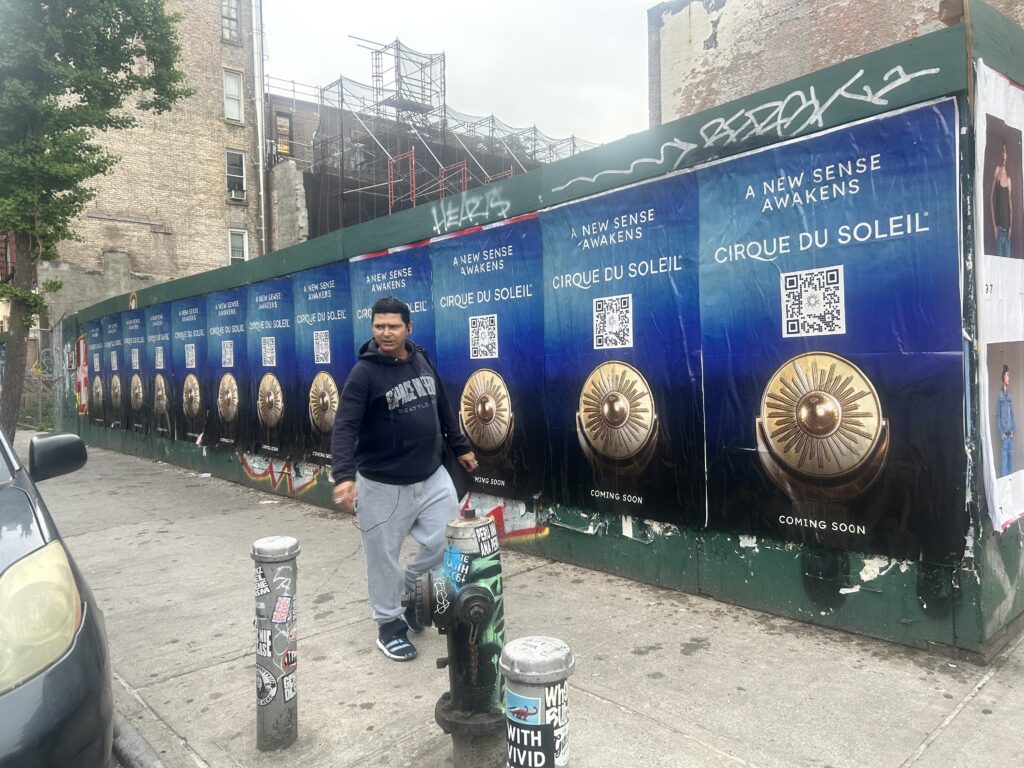
Running a guerrilla marketing campaign in Agency Tennessee means working through Nashville, Memphis, and Knoxville, each with its own audience, traffic patterns, and local rules. American Guerrilla Marketing has executed campaigns across the state, and we know which markets are worth the activation spend and which ones require a different approach. We don’t guess. We’ve been on the ground.
Agency Tennessee is a music and hospitality-driven market where live events and street presence define brand identity. For guerrilla marketing, that means campaigns need to be customized to the specific city or region you’re targeting, not applied uniformly across the state. Whether you’re launching in a major metro or testing a mid-sized market, the strategy changes. We can help you decide where your budget goes furthest.
AGM has run guerrilla marketing activations in multiple markets across Agency Tennessee. We handle everything from permit research and location scouting to execution and post-campaign reporting. If you’re looking to establish a real street presence in Agency Tennessee, reach out. We’ll tell you exactly what’s possible and what’s worth doing.
For brands seeking an inventive edge, guerrilla marketing has long offered a path to cut through the static and generate true engagement. Across bustling city blocks, crowded festivals, and unexpected street corners, these campaigns attract attention and conversation in a way traditional advertising just can’t replicate. Within this territory, our agency stands at the forefront, crafting experiences and activations that not only capture imaginations, but deliver unmistakable results.
Known for ambitious campaigns with national giants and startups alike, our reach extends far beyond Tennessee. Our boots have stomped Nashville pavement, drawn crowds in London, made murals in Toronto, captivated crowds in São Paulo, and sparked surprise from New York to Los Angeles. Working with clients across the US, Canada, South America, and even the iconic streets of London, we bring a global view paired with a sharp understanding of the local Tennessee space.
Guerrilla marketing thrives on the unexpected, a colorful mural at dawn, a rooftop laser show lighting up the night, or a crowd of brand ambassadors turning a trade show into an unforgettable story. Our toolbox is stocked with tried-and-true tactics and custom applications for almost any vision:
Wild Wheat Paste Posting & Snipe Advertising: Saturate key city zones with eye-popping visuals, often overnight, maximizing brand impact where it’s least expected.
Sidewalk Stencils: Chalk, paint, and creative water pressure techniques bring brands to sidewalks, festival entrances, sports arenas, and urban crosswalks.
Projection Advertising & Mapping: Transform blank city walls or buildings into moving art, customized for events, launches, or nightly campaigns.
Drone Shows: Advanced choreography with drones, lighting up skies during major sporting events, festivals, or conventions.
Brand Ambassadors: With charismatic teams for conventions, expos, or pop-ups, brands connect directly, collecting data and creating touchpoints with real consumers.
Beer Coaster/Bistro Branding: Bring campaigns down to the very table, through custom beer coasters, branded napkins, or tabletop installations.
Special and Custom Applications: No two brands are the same, and neither are our campaigns. From digital integrations to new format street postings, we create activations to fit the moment.
Our agency covers each step of production, insulation, and reporting, providing a smooth experience from concept to execution. Fast installation and ultra-detailed reporting are standard, ensuring brands are never left guessing about reach or ROI.
A Data-Driven Approach That Sets Us Apart
Guerrilla marketing is art, but at our conference table, it’s just as much science. Unlike many competitors, we weave metric-gathering and data intelligence into every campaign. Each activation is tracked, measured, and compared to industry benchmarks using custom KPIs customized to your goals. This could look like QR code scans on posters, ambassador-led survey data, foot traffic analytics, social media spikes, or before-and-after sentiment analysis.
Every client is paired with a squad of campaign strategists who dissect market dynamics, brainstorm positioning, and develop customized approaches uniquely tuned for location, audience, and ambition. Our packages even cover every production cost, giving clients confidence in budgeting and outcome. Turnaround is fast, with reporting that dives deep, not just surface vanity metrics, but insights that inform campaign after campaign.
The Tennessee Advantage: Why Brands Choose Us Here
Tennessee is electric with possibility, from live music echoing on neon-lit streets to bustling university campuses and top-tier events. Our local presence means understanding rhythm and routine at the city level, letting us place campaigns where they’ll echo most, whether that’s Nashville on a Friday night, Chattanooga’s revitalized riverfront, or Memphis as Beale Street blazes with nightlife.
Let’s take a closer look at four of the state’s most dynamic cities and imagine the possibilities.
Nashville Guerrilla Marketing:: Lights, Murals, and Ideas on Broadway
Nashville hums twenty-four hours a day with students, tourists, entrepreneurs, and lifelong locals. We’ve filled Lower Broadway with branded wheat paste posters ahead of album releases, used projection mapping to announce tech launches on downtown facades, and organized sidewalk stencil trails leading music fans straight to live showcases.
Campaign Idea: Summer festival season brings massive crowds to the riverfront and Nissan Stadium, perfect for a drone light display spelling out a brand message or a floating digital QR code above the crowd.
Targets: Young professionals, music fans, event goers, college students, tech enthusiasts.
Memphis Guerrilla Marketing:: Street Art, Soul, and Iconic Venues
Memphis thrives on heritage, soul, and creativity. Our team has orchestrated sidewalk decal campaigns during BBQ Fest, deployed snipe postering across Cooper-Young during record store day, and activated branded beer coasters in Beale Street bistros to generate brand chatter.
Campaign Idea: Sidewalk chalk stencils spiraling out from FedExForum on game night, leading fans to exclusive merch pop-ups. Add interactive projection mapping on Main Street, bringing historic visuals to life with a sponsor’s message.
Popular Locations: Beale Street, South Main Arts District, FedExForum, Cooper-Young, Crosstown Concourse.
Targets: Sports fans, arts lovers, festival crowds, tourists, and hospitality sector workers.
Home to the University of Tennessee and a lively downtown, Knoxville balances collegiate energy with mountain-town escape.
Campaign Idea: Campus takeovers with branded ambassador teams during orientation. QR-codes on custom stickers scattered throughout Market Square offering freshmen exclusive event invites or offers.
Great Spaces: Market Square, UT Knoxville campus, Gay Street theater district, Old City, World’s Fair Park.
Targets: University students, festival attendees, urban adventurers, families, downtown professionals.
Chattanooga Guerrilla Marketing: Waterfront Innovation and Urban Vibes
Chattanooga fuses high-energy street life with spectacular river views. Our projection mapping has lit iconic bridges and rooftops during tech summits, while wheat pasting thickens the Southside ahead of music and art festivals.
Campaign Idea: Drone show along the river during the Moon River Festival, animating the skyline with interactive patterns. Sidewalk “welcome mats” painted at Walnut Street Bridge leading visitors to local restaurants running event-themed menus.
Important Spots: Southside/Downtown, Walnut Street Bridge, The Chattanoogan, Coolidge Park.
Targets: Festival goers, tech professionals, foodies, families, sightseeing tourists.
Applying Metrics to Guerrilla Impact
Traditional outdoor ads offer only rough guesses, drive-by traffic and impressions. With us, every effort is customized for real measurement:
Every brand walks away with clear and tangible data, helping marketing teams compare spend to anticipated and actual results.
Why Our Agency Continues to Lead
Our difference is not only in creative output or global roster, but in relentless dedication to partnership. Every project starts with a roundtable, where our strategists, creatives, and data analysts work directly with the client to develop a campaign that fits their precise objectives. Quick turnaround, all-included packages (covering production and install), and full reporting set a new industry standard.
From event crowds in Nashville to tech disruptors in Chattanooga, and global brands testing new concepts on Beale Street, our track record speaks through results, not just reputation.
Key Takeaways
Understanding Leading Guerrilla Marketing Agency in Tennessee is essential for any modern marketing professional. By applying the strategies and techniques outlined in this guide, you can significantly enhance your marketing efforts and achieve better results for your brand or clients.
Strategic Planning: Success in marketing requires careful planning and a deep understanding of your target audience. Take time to research your market before launching any campaign.
Consistent Execution: The most effective marketing strategies are those executed consistently over time. Build systems that allow you to maintain your marketing presence without burning out.
Measurable Results: Always set clear KPIs and track your results. What gets measured gets improved, and data-driven decisions lead to better outcomes.
Creative Differentiation: In today’s crowded marketplace, standing out requires creative thinking. Don’t be afraid to try unconventional approaches that reflect your brand’s unique personality.
Audience Connection: The most successful marketing creates genuine connections with the target audience. Focus on delivering real value rather than just promotional messages.
Implementation Best Practices
When implementing the strategies discussed in this article, it’s important to approach execution with both creativity and discipline. Here are some best practices that have proven effective for brands of all sizes:
Start with a Clear Objective: Before launching any marketing initiative, define what success looks like. Whether your goal is brand awareness, lead generation, or direct sales, having a clear objective will guide every decision you make throughout the campaign.
Know Your Budget and Timeline: Effective marketing requires resources, both financial and human. Establish a realistic budget and timeline before you begin, and build in contingencies for unexpected challenges or opportunities that may arise.
Test and Iterate: The best marketers treat every campaign as a learning opportunity. Start with smaller tests to validate your approach before scaling up. Use the data you collect to refine your strategy and improve your results over time.
Build Cross-Channel Consistency: In today’s multi-channel world, consumers interact with brands across many touchpoints. Ensure your messaging and visual identity remain consistent whether customers encounter you online, in print, or in person.
Use Community: Some of the most powerful marketing happens organically through community building. Invest in creating spaces where your customers can connect with each other and with your brand, and you’ll build loyalty that no ad budget can buy.
Frequently Asked Questions
What makes guerrilla marketing different from traditional advertising?
Guerrilla marketing relies on unconventional, creative tactics that generate buzz and word-of-mouth rather than paid media placements. It typically requires less budget but more creativity and strategic thinking, making it particularly effective for brands looking to make a big impact with limited resources.
How do I measure the success of my marketing campaigns?
Success metrics vary depending on your objectives. Common KPIs include reach and impressions, engagement rates, website traffic, lead generation numbers, conversion rates, and ultimately, return on investment (ROI). Set your metrics before you launch so you can accurately evaluate your results.
How long does it take to see results from marketing campaigns?
Results vary significantly based on the type of campaign, your industry, and your objectives. Some tactics like paid advertising can generate immediate results, while others like content marketing and SEO may take months to show significant impact. Generally, it’s best to evaluate campaigns over a 3-6 month period to account for seasonal variations and learning curves.
What role does creativity play in modern marketing?
Creativity is more important than ever in today’s saturated media space. With consumers exposed to thousands of marketing messages daily, only the most creative and relevant content breaks through. Investing in creative talent and processes is one of the highest-use things a brand can do.
How can small businesses compete with larger companies in marketing?
Small businesses have natural advantages in marketing: agility, authenticity, and deep community connections. Focus on your unique story, build genuine relationships with customers, and use guerrilla tactics that let you punch above your weight. A creative campaign executed well can outperform a big-budget effort that lacks soul.
Conclusion
The strategies and insights covered in this article represent proven approaches that have helped brands across industries achieve their marketing goals. Whether you’re just starting out or looking to take your marketing to the next level, the key is to stay committed to learning, testing, and refining your approach.
At American Guerrilla Marketing, we specialize in helping brands cut through the noise with creative, impactful campaigns that deliver real results. From street-level activations to digital campaigns, our team brings the expertise and creativity needed to make your brand unforgettable.
Ready to take your marketing to the next level? Contact our team today to learn how we can help you create campaigns that truly stand out in any market.