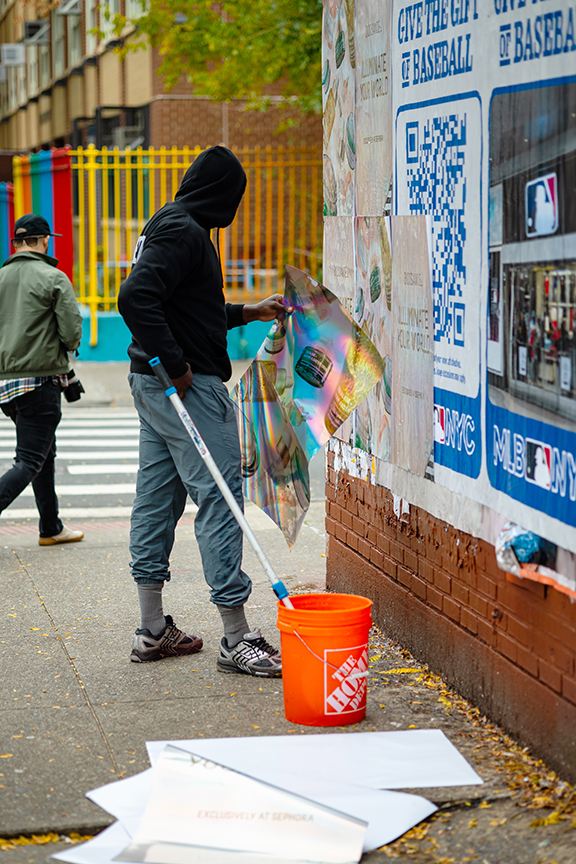
Ask anyone in Maine about billboard Advertising and you’re likely to hear about pine forests, rocky shorelines, and a highway system refreshingly free of roadside clutter. Maine stands nearly alone in the country for its total statewide prohibition on roadside billboards. This legislative stance, rooted in the state’s identity as a haven for natural beauty, has major implications for businesses hoping to catch the eyes of travelers and locals through traditional outdoor advertising.
Despite the ban, businesses and marketers have adapted with a creative array of alternative out-of-home (OOH) options that stay legal, effective, and visually impactful. Whether you’re targeting Portland’s bustling arts and dining scene, Bangor’s college corridors and medical centers, or Scarborough’s affluent commuter hubs, successful strategies are all about using the formats that fit both state law and local characteristics, while also keeping a smart eye on pricing.
What is Maine’s billboard advertising ban and what legal OOH alternatives can brands use?
Maine’s Outdoor Advertising Act (Title 23) unequivocally bars roadside billboard Advertising and off-premise signage visible from highways. This policy does not just block new installations; it also tightly restricts existing placements and sets the strictest standards in the US. However, this same regulatory environment encourages innovation in outdoor marketing.
Businesses in Maine gravitate toward these key legal alternatives:
Crucially, “digital billboard advertising trucks“, vehicles that carry only a digital screen or vinyl ad, are not permitted, although legitimate service vehicles (like taxis or delivery vans) can carry advertising as long as they serve their core function of transporting goods or people. Transit-based OOH, digital posters, and facility-based signs now make up the backbone of Maine’s OOH space.
How much do Maine’s legal OOH alternatives cost and how are prices structured?
If you’re thinking about advertising in Portland, Bangor, Scarborough, or other Maine communities, the good news is that alternative formats remain plentiful and diverse across price points. Here’s a closer look at what budgets to expect depending on the format and location.
What are digital poster advertising costs and best-use cases in Maine?
Digital posters, found in transit hubs, shopping malls, and high-traffic downtown locations, offer both street-level impact and affordability. In Portland and Scarborough, the cost typically lands around $368 for a 4-week run, with the lowest rates hovering near $319 per poster. The median CPM (cost per thousand impressions) is a nimble $1.67, making them attractive for both brand awareness and targeted campaigns.
How effective is transit advertising in Maine and what does it cost?
Public transit advertising is a strong option in Maine’s larger urban centers. External bus wraps in Portland, Scarborough, and Bangor start around $425 per month (per full-wrap, per bus), with campaign durations of 4 to 12 weeks. Bus interior placements are even more accessible, averaging just $35 per panel each month. Want prime exposure at a busy bus stop? Shelter panels generally range from $250 to $375 per 4-week period, depending on location and season.
Transit campaigns offer substantial reach. Buses, by virtue of mobility, canvas key neighborhoods and main commuter arteries multiple times a day, delivering thousands of impressions continually. Interior and shelter ads, meanwhile, provide a captive audience for several minutes during waiting periods and rides.
Are digital billboard trucks legal in Maine and what on-premise digital options are allowed?
Headlines offering digital billboard advertising trucks for hire in Maine occasionally pop up on national platforms, but actual operation is restricted by state law. While some marketing resellers advertise digital truck campaigns, careful reading of statutes and clarification with Maine DOT reveals these are not a legal option. Genuine digital billboard advertising, large, roadside displays, are categorically forbidden. The exception is highly localized, on-premise digital signage at business locations or murals within property boundaries, both governed by strict town and state codes.
What are the typical OOH advertising prices in Maine by format and market?
Here’s a simplified snapshot of typical OOH pricing across popular Maine markets and advertising types:
How do seasonal trends affect OOH advertising costs in Maine?
Advertisers see surges in cost during Maine’s tourism-heavy summer and winter holiday months, with rate hikes often around 10–20 percent for the highest-demand OOH in Portland and on prime commuter routes. Creative production, printing, and installation fees may add another $50–$250 per unit, especially for bus wraps or premium posters.
How do OOH options and costs differ across Maine markets?
Local dynamics and demographics strongly influence the effectiveness, and ROI, of each format:
What are the best OOH advertising opportunities and price ranges in Portland, Maine?
This city leads in both volume of pedestrian and vehicle traffic. Digital posters placed at mall entrances, transit hubs, and busy corners reach a wide mix of young professionals, college students, and tourists. Bus ads cover sprawling neighborhoods and connect major employment centers with the downtown.
Key features in Portland include:
What OOH formats work best in Bangor and how much do they cost?
With an older demographic, moderate incomes, and primary institutions like hospitals and colleges, Bangor lends itself to community-focused OOH. Transit wraps on city buses commonly run routes near retail corridors or between campus and residential areas.
Bangor’s outdoor market presents:
What are Scarborough’s OOH advertising options and typical budgets?
Scarborough’s affluent and older population values well-kept visuals, so most OOH is found in curated town centers or along high-traffic commuter routes. Transit wraps and posters often appear as part of regional Portland-area ad packages, reaching thousands of daily travelers.
Scarborough stands out due to:
How do OOH costs, demographics, and seasonality compare across Portland, Bangor, and Scarborough?
The table below summarizes the contrasts among Maine’s largest OOH cities by key variables.
How can brands track and measure OOH campaign performance in Maine?
Strong measurement is the cornerstone of advanced OOH campaigns in Maine. Without direct digital traffic or clickable metrics, success depends on a thoughtful mix of analog and digital tracking strategies.
Common Tracking Strategies
Which KPIs should advertisers monitor for OOH success in Maine?
This dual approach of physical verification and digital analytics supports brands to make confident, data-informed decisions even in traditional OOH.
How should advertisers plan compliant, high-ROI OOH campaigns in Maine?
Launching an OOH campaign in Maine requires diligent research not just on pricing, but also on local codes, audience habits, and vendor reputation. Here are a few steps to maximize campaign impact:
While Maine’s billboard ban may seem like a constraint on first glance, it actually builds an environment where creative, measurable, and highly localized outdoor marketing thrives. With the right approach and a clear understanding of the law, local businesses and national brands alike continue making big impressions, even in a billboard-free space.
From Portland’s I-95 corridors to Bangor’s commuter routes and Augusta’s busy highways, Maine billboards deliver nonstop exposure. Connect with Justin at [email protected] to explore pricing options and plan campaigns that keep your brand in front of thousands daily.
Frequently Asked Questions
How much does a guerrilla marketing campaign cost?
Campaigns start from $3,500 depending on service, market, and scale. Contact us for an exact quote.
Does AGM operate nationwide?
Yes. AGM executes campaigns in all 50 U.S. states with dedicated crews in NYC, LA, Miami, Chicago, Las Vegas, Orlando, and Nashville.
What documentation does AGM provide?
Every campaign includes GPS-tagged photo documentation, timestamped placement records, and a full report delivered within 24 hours.