American Guerrilla Marketing
Nationwide serivce
Media planning, media buying, billboard advertising, & guerrilla marketing

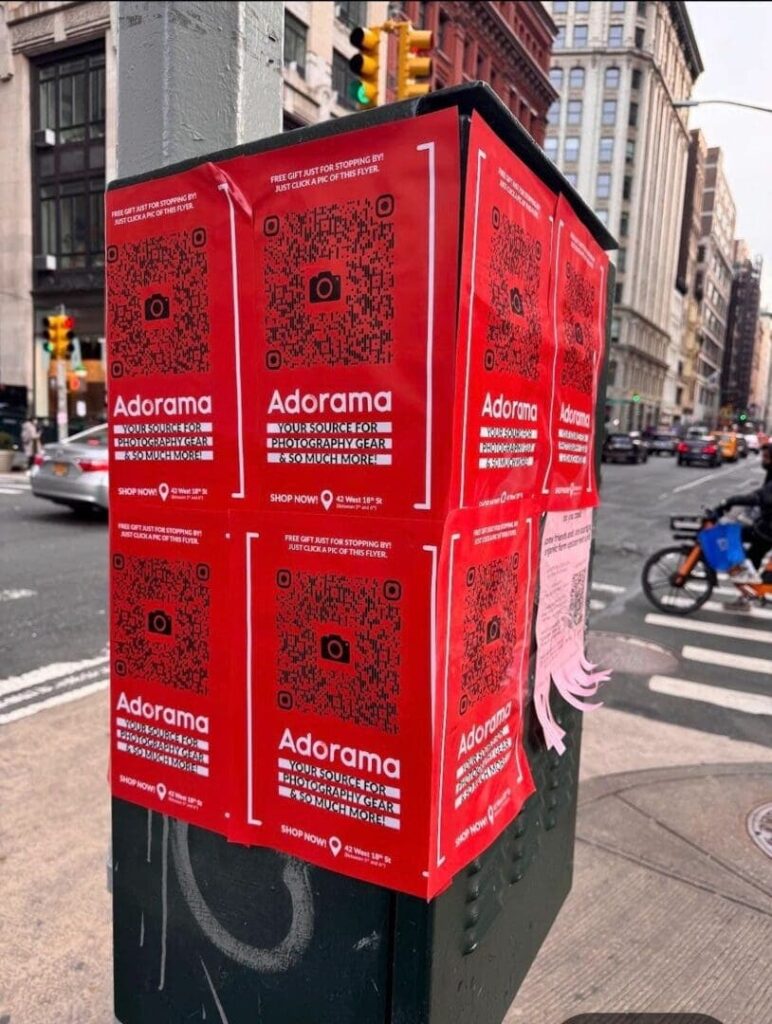
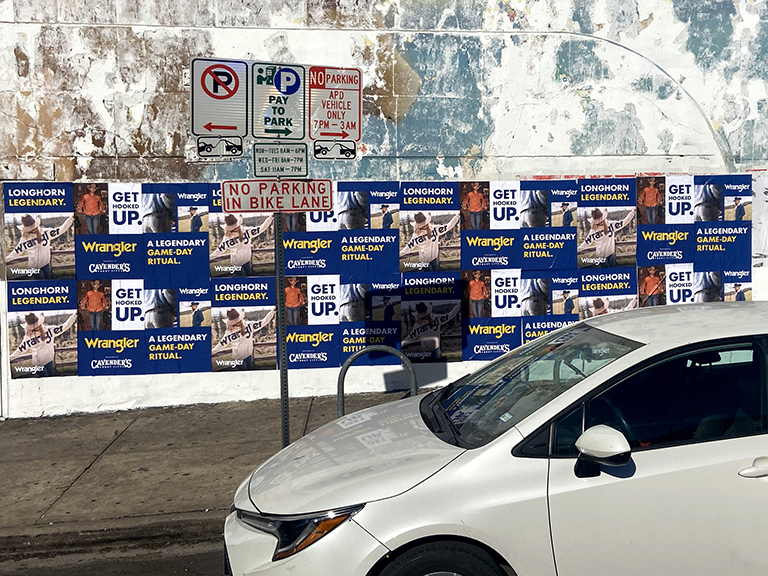
Columbus is one of the fastest-growing cities in the American Midwest, and its street-level energy reflects that momentum. From the boutique galleries and packed sidewalks of Short North to the cobblestone foot traffic of German Village and the dense pedestrian corridors of downtown Columbus, this city offers an unusually rich environment for small-format outdoor advertising. Snipe advertising — the strategic placement of 9×12 and 11×14 printed posters on utility poles, construction fencing, yard stakes, and high-visibility surfaces — thrives in a city like Columbus precisely because its residents move through distinct, walkable neighborhoods with clearly defined commercial and cultural identities. A well-executed snipe campaign in Columbus does not feel like a billboard; it feels like a part of the neighborhood itself.
American Guerrilla Marketing has been running snipe campaigns in mid-sized American cities long enough to understand what separates a saturated market presence from a scattered one. In Columbus, the difference is local knowledge. Knowing that N High Street carries a different demographic audience at 10 AM than at 10 PM, knowing that S Third Street in German Village has a pedestrian character entirely unlike W Broad Street in Franklinton, and knowing which utility corridors see real dwell time versus quick-pass commuters — that operational intelligence is what AGM brings to every Columbus deployment. Our field teams don’t just post snipes; they engineer impression density with the kind of precision that translates into measurable brand awareness across the ZIP codes that matter to your campaign.
Whether you are promoting a music event at Newport Music Hall, launching a fitness brand targeting Ohio State students, driving foot traffic to a new Short North restaurant, or building awareness for a real estate development near Nationwide Boulevard, snipe advertising in Columbus offers a cost-efficient, high-visibility channel that traditional media cannot replicate at street level. With package options running from 400 to 800 units per format, GPS-documented placement on every install, and rush deployment available in as little as 72 hours, AGM gives Columbus brands and agencies the operational backbone to execute street-level campaigns that move as fast as the market demands.
Columbus Metro Population: 2.1M+ | Daily Downtown Foot Traffic: 85,000+ | Short North Weekend Pedestrian Count: 40,000+ | AGM Active Snipe Zones: 8 Columbus Neighborhoods
AGM deploys 400 and 800 unit snipe campaigns across Columbus with GPS documentation, photo proof, and rush turnaround available in 72 hours. Talk to our team today about zone mapping, format selection, and bundled wheatpaste options.
Disclaimer: Impression figures are estimates based on publicly available foot traffic data and AGM field observation. They are intended for planning purposes only and do not constitute a guarantee of advertising performance or viewership. Actual results will vary based on creative execution, placement concentration, and campaign timing.
| Zone / Neighborhood | Est. Daily Foot Traffic | Est. Impressions per Location (14-Day Campaign) | Best Campaign Types |
|---|---|---|---|
| Short North (N High St corridor) | 25,000–40,000 | 280,000–420,000 | Events, entertainment, food & beverage, lifestyle brands |
| Downtown Columbus (E Broad St / S High St core) | 30,000–50,000 | 320,000–560,000 | Financial services, real estate, corporate brand campaigns |
| German Village (S Third St / Schiller Park) | 8,000–15,000 | 90,000–168,000 | Hospitality, local retail, arts and culture, real estate |
| University District (N High St, 16th–Arcadia) | 18,000–28,000 | 200,000–310,000 | Fitness, entertainment, student-targeted consumer brands |
| Franklinton / W Broad St Corridor | 7,000–12,000 | 78,000–134,000 | Arts events, social services, community-focused brands |
| Location Name | Street / Address | Neighborhood | Est. Snipe Capacity | Best Campaign Type |
|---|---|---|---|---|
| Short North Gallery Hop Corridor | 700 N High St, Columbus, OH 43215 | Short North | 40–60 snipes per block | Arts, entertainment, food & beverage |
| German Village Schiller Park Entrance | 1069 Jaeger St, Columbus, OH 43206 | German Village | 20–35 snipes per block | Hospitality, real estate, local retail |
| Arena District / Nationwide Blvd | 200 Nationwide Blvd, Columbus, OH 43215 | Arena District | 35–55 snipes per block | Sports, entertainment, consumer brands |
| University District — N High & 18th | 1800 N High St Corridor (18th Ave intersection), Columbus, OH 43201 | University District | 45–65 snipes per block | Fitness, student brands, entertainment |
| Franklinton Arts District — W Broad | 400 W Broad St, Columbus, OH 43215 | Franklinton | 25–40 snipes per block | Arts, community events, lifestyle brands |
Award Winning Personalized Service
You will get thoughtful, devoted, and individualized attention from our experienced, qualified, and professional personnel. Being one of the most illustrious agencies in Brooklyn, New York, American Guerrilla Marketing has been awarded the Best of Brooklyn title.
Nationwide
Industry City, Brooklyn, New York 11232
American Guerrilla Marketing
Hours
Mon - Fri: 9 AM - 5 PM
Sat & Sun: Closed
Automate your campaign with AGM’s Request for Proposal Builder. Simply answer a few quick questions about your campaign goals, markets, and timeline, and the system will generate a tailored presentation with recommended strategies, quantities, and pricing. Click the RFP Builder to instantly receive your customized proposal.
Columbus has one of the highest rates of on-foot neighborhood exploration among mid-sized American cities, driven by its unusually dense concentration of walkable mixed-use districts. Short North alone draws hundreds of thousands of visitors annually to a roughly one-mile stretch of N High Street lined with independent restaurants, galleries, and boutiques. German Village’s Schiller Park and its surrounding blocks of renovated brick homes create an affluent, culturally engaged pedestrian audience that spends significant time on foot. Downtown Columbus — anchored by the Statehouse, the Columbus Convention Center, and the Arena District — generates consistent weekday commuter traffic augmented by weekend visitors drawn to Nationwide Arena and the Short North entertainment corridor. For a small-format medium like snipe advertising, this geographic concentration of walkable, high-dwell-time corridors is exactly the conditions that generate strong impression density from a relatively modest unit count.
Columbus also benefits from a strong and enthusiastic young professional and student population centered around Ohio State University, one of the largest college campuses in the country. The University District corridor along N High Street from 16th Avenue north to Arcadia Avenue is one of the highest-frequency pedestrian environments in all of Ohio, with tens of thousands of daily pedestrian trips by a demographic that is both receptive to and actively engaged with street-level advertising. Brands targeting the 18-34 demographic — fitness, entertainment, food and beverage, apparel, and technology — find Columbus snipe campaigns particularly efficient because this audience concentrates predictably in well-defined geographic corridors. AGM’s field teams map Columbus campaigns with an understanding of these demographic zones, ensuring that every snipe unit is placed where it will generate the highest-quality impressions for your specific target audience, not just the highest raw foot traffic count.
American Guerrilla Marketing’s Columbus snipe advertising services encompass the full campaign lifecycle, from initial zone strategy and demographic mapping through material production, field deployment, GPS documentation, and post-campaign reporting. We offer 9×12 standard snipe poster campaigns in 400 or 800 unit packages, 11×14 jumbo snipe campaigns in the same unit tiers, and bundle packages combining both formats at a $
Here is the seamless continuation from exactly where the content was cut off:
—
discount versus purchasing each format separately. Every package includes compliant placement within Columbus city limits, weather-resistant materials, and a full GPS photo report delivered within 72 hours of campaign completion.
A Columbus-based independent record label launched a new artist with an 800-unit snipe campaign saturating the High Street corridor between Goodale Avenue and Buttles Avenue. Posters were placed on utility poles, construction hoardings, and permitted posting boards in the blocks surrounding Ace of Cups, Common House, and the Gallery Hop weekend foot-traffic zone. The campaign ran over three consecutive weekends ahead of a sold-out debut show at the Newport Music Hall. Streaming numbers spiked 340% in the Columbus DMA during the deployment window, and the label attributed direct walk-up ticket inquiries to the street-level visibility the snipes provided in a neighborhood where the target audience lives, works, and socializes daily.
A craft cocktail bar opening on Parsons Avenue used a 400-unit 11×14 jumbo snipe campaign to build pre-opening buzz throughout German Village, Merion Village, and the adjacent Brewery District. Placements concentrated on the walking corridors along South Third Street, Beck Street, and Reinhard Avenue ensured the messaging reached the densely residential, pedestrian-oriented population that makes up the bar’s core demographic. Because German Village’s historic streetscape limits large-format signage options, snipe posters on telephone poles and approved fence lines provided a cost-effective way to achieve genuine neighborhood saturation. Opening weekend drew a line out the door that the owner credited in part to the weeks of street-level awareness the snipe campaign had built before a single paid digital ad ran.
An online tutoring platform targeting Ohio State University undergraduates deployed a 400-unit 9×12 snipe campaign concentrated along North High Street between Lane Avenue and Weber Road, extending east through the off-campus housing corridors on Indianola Avenue and Summit Street. The density of student foot traffic in this zone — amplified by proximity to the Ohio Union, South Oval, and the Gateway retail complex — made snipe advertising a far more cost-efficient awareness vehicle than campus digital screens or student newspaper placements. The campaign launched two weeks before fall midterms, aligning the street presence with the exact moment students were actively seeking academic support resources. Sign-up conversions from the Columbus market doubled compared to the prior semester, when the platform had relied exclusively on social media ads.
A Columbus nonprofit focused on affordable housing advocacy used an 800-unit bundle campaign combining both 9×12 and 11×14 formats to raise awareness for a community meeting series across Franklinton and Weinland Park. Franklinton placements ran along West Broad Street, Sullivant Avenue, and the corridors surrounding the Idea Foundry and 400 West Rich arts complex, tapping into the neighborhood’s growing creative and residential community. Weinland Park placements concentrated on North Fourth Street, Eighth Avenue, and the residential blocks east of North High Street, reaching the long-term residents the organization most needed to engage. Because many households in these neighborhoods have limited engagement with digital platforms, the physical omnipresence of snipe posters on every block produced meeting attendance that far exceeded what prior email and social outreach had achieved.
A Columbus fitness studio opening a second location on Indianola Avenue north of Morse Road ran a 400-unit 9×12 snipe campaign targeting the Clintonville and Beechwold neighborhoods, where the studio’s demographic research had identified the highest concentration of health-conscious 25-to-44-year-old residents. Placements followed the pedestrian and cycling corridors along Indianola Avenue, North High Street in Clintonville, and Clinton Heights Avenue, ensuring the posters were visible to the neighborhood’s substantial population of walkers, runners, and cyclists. The campaign launched six weeks before the studio’s grand opening and was refreshed at week three to maintain visual presence. Founding membership enrollment surpassed the studio’s internal projection by 60%, and a post-enrollment survey found that more than half of new members recalled seeing the street posters in their neighborhood before any other form of advertising.
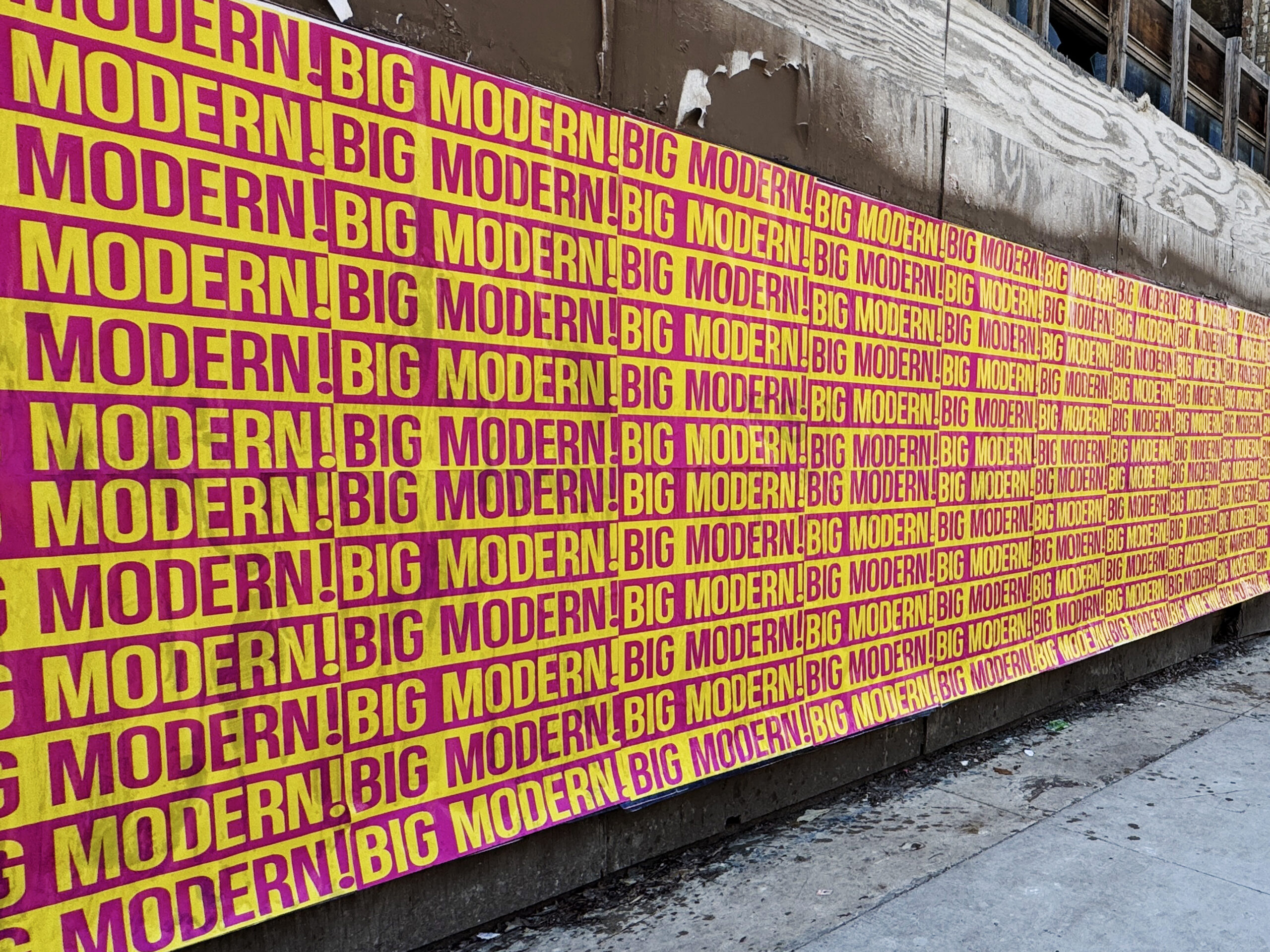
Big Modern executed a five-city street takeover with AGM across NYC, Denver, Chicago, Philadelphia, and Atlanta.
Result: Unified brand presence across five major American cities.
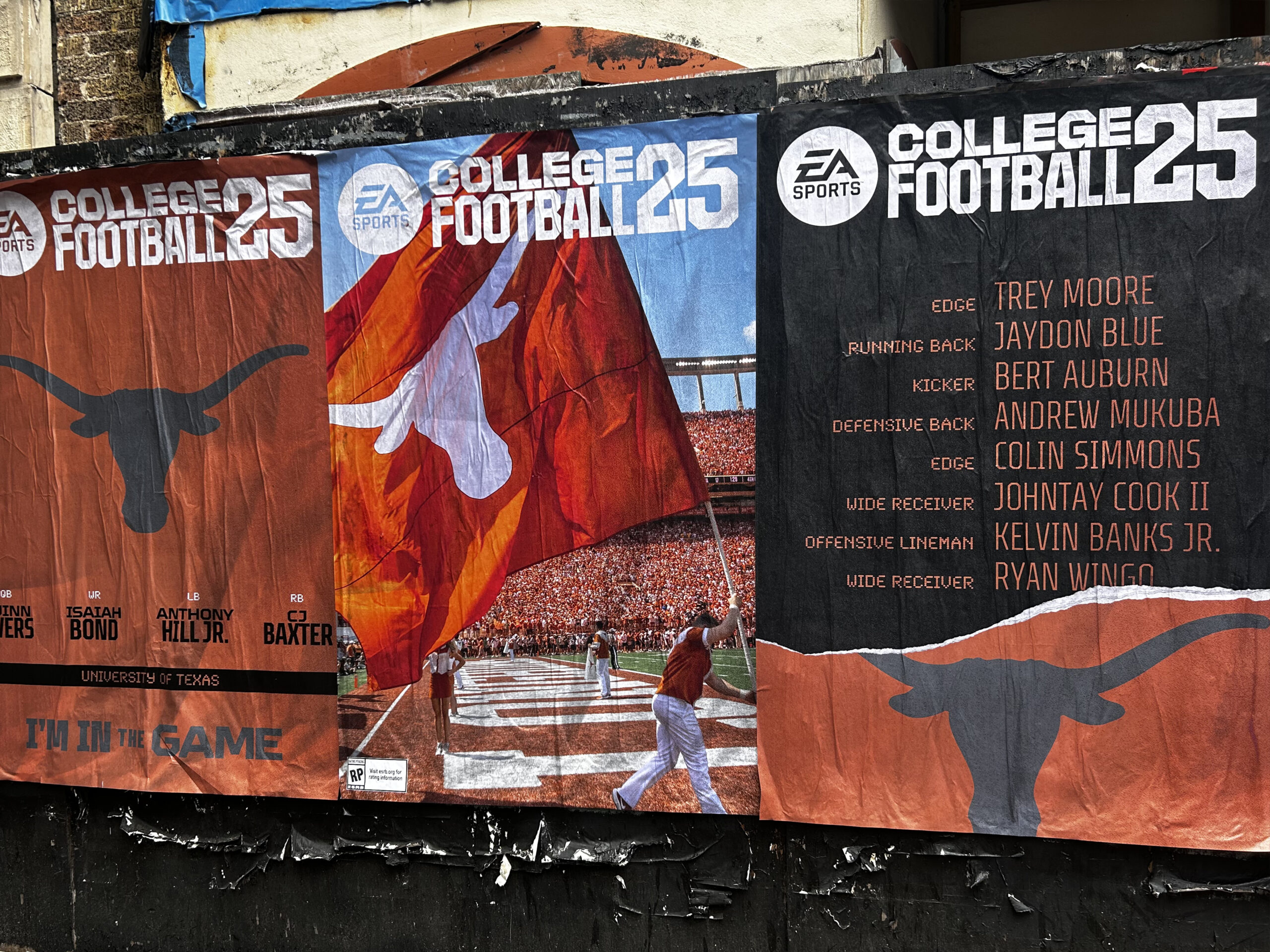
EA Sports partnered with AGM for a street-level activation campaign around the launch of EA Sports FC25.
Result: Massive street-level visibility timed to the game’s release window.
American Guerrilla Marketing has been executing snipe advertising campaigns across the United States since 2014, and that decade of accumulated field experience directly benefits every Columbus campaign we run. We have deployed street-level poster campaigns in markets from New York and Los Angeles to Chicago, Atlanta, and dozens of mid-sized cities in between, which means we have encountered and solved every logistical, compliance, and creative challenge the format presents long before we arrive in your market. In Columbus, that translates to campaigns that are strategically mapped to the city’s actual pedestrian geography rather than generic demographic overlays, executed by field crews who understand the rhythm of Columbus neighborhoods across the Short North, German Village, the University District, Clintonville, Franklinton, and Downtown, and documented with the rigor that clients expect when they are investing in verifiable, performance-oriented out-of-home advertising. Whether you are a Columbus-based business building neighborhood-level awareness or a national brand activating the Columbus market as part of a multi-city rollout, American Guerrilla Marketing brings the systems, the standards, and the street-level expertise to deliver your campaign with precision. Reach out today to discuss your Columbus snipe advertising objectives, and we will build a zone strategy and unit recommendation built to your specific audience, timeline, and goals.
Snipe advertising in Columbus offers advantages over COTA transit ads that matter for local campaigns. Bus wraps and shelter ads require long-term contracts, often three to six months minimum, with production costs running several thousand dollars. Snipe signs go up within days and cost a fraction of transit media. COTA routes cover broad ground, but your message moves past viewers in seconds. Pole snipes and yard signs in Short North or German Village stay fixed where your target audience walks, shops, and lives. Transit ads work for citywide brand awareness, but snipe campaigns let you own specific blocks around your business or competitor locations. Columbus foot traffic concentrates in predictable zones—High Street corridors, Arena District before games, Easton Town Center walkways. Snipe advertising puts your message exactly where people pause and look, not where they’re stuck in traffic checking their phones.
Co-op snipe campaigns work well in Columbus, especially for complementary businesses targeting the same customers. We’ve run shared campaigns for Short North gallery hop participants, Grandview Avenue restaurant clusters, and German Village boutique collections. Each brand gets equal placement rotation across the same high-traffic routes, splitting production and placement costs. This approach makes sense for Columbus because the city’s neighborhoods function as distinct shopping districts with loyal local followings. A brewery, food truck, and live music venue promoting the same weekend event can triple their street presence without tripling their budget. Multi-brand campaigns also work for trade associations, co-working spaces promoting member businesses, or franchise groups covering different territories. AGM handles the logistics—designing signs that give each brand clear visibility while maintaining visual cohesion across the campaign footprint in neighborhoods like Clintonville, Italian Village, or the Brewery District.
B2B snipe campaigns in Columbus focus on business corridors and commuter routes rather than retail foot traffic zones. We place signs near the Columbus Technology Campus, Nationwide Boulevard’s insurance and finance hub, and Polaris business parks where decision-makers pass daily. Messaging stays professional—think recruiting campaigns, software launches, or commercial real estate availability. B2C campaigns take a different approach entirely. Consumer-focused snipes go where people browse and spend: Short North’s gallery row, German Village’s residential streets, OSU campus periphery, and Arena District entertainment blocks. The creative runs bolder, with attention-grabbing visuals and clear calls to action. Columbus supports both strategies because the economy mixes corporate headquarters with a young, urban consumer base. B2B campaigns here often target specific industries—healthcare administrators near Ohio State Wexner Medical Center or logistics companies near Rickenbacker. B2C campaigns chase the 20-to-40 demographic concentrated in urban core neighborhoods.
Street-level snipe signs in Columbus drive digital engagement when you design campaigns to work together. We add QR codes, custom URLs, or unique promo codes to every sign so you can track which neighborhoods generate responses. A snipe campaign covering High Street from Short North to Victorian Village creates a geofence boundary for matching social ads served to phones in those same blocks. Someone sees your poster on a utility pole, then gets a Facebook or Instagram ad reinforcing the message within hours. Columbus neighborhoods have distinct demographics—OSU campus skews younger with higher social media engagement, while Upper Arlington reaches a different audience through different channels. AGM provides GPS coordinates and photos of every placement, which your digital team uses to build custom audiences around sign locations. This bridges physical presence downtown with retargeting campaigns that follow viewers home to Westerville, Dublin, or Grove City.
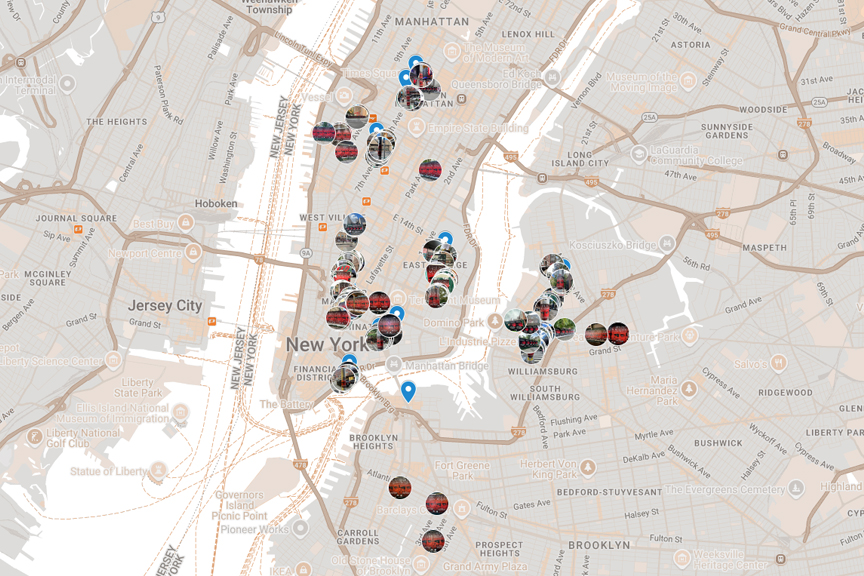
Every Columbus snipe campaign includes full documentation with GPS coordinates, timestamped photos, and neighborhood breakdowns. You’ll receive images showing each sign placement—whether it’s a pole snipe on North High Street, a yard sign in Bexley, or poster placements throughout German Village. Our reports map every location so you see exact coverage across target areas. This documentation serves multiple purposes beyond proof of performance. Marketing teams use placement photos for social content and campaign recaps. The GPS data helps you correlate sign locations with foot traffic patterns or sales data from nearby stores. If you’re promoting a Grandview Heights restaurant, you can verify signs went up on Fifth Avenue and King Avenue where diners actually walk. Columbus campaigns typically include neighborhood summaries showing placement density in each district. You’ll know exactly how many signs hit Short North versus Arena District versus Franklinton, with photo evidence for every single placement.
Columbus weather creates specific challenges for outdoor signage that require material adjustments by season. Summers bring humidity and afternoon thunderstorms that can damage standard paper products within days. We use moisture-resistant stocks and reinforced mounting for campaigns running June through August. Winter presents the opposite problem—freeze-thaw cycles loosen adhesives, and snow plows destroy anything placed too close to curbs. January campaigns need heavier yard sign stakes driven deeper into frozen ground, and poster snipes work better than pole wraps that ice damages. Spring brings unpredictable temperature swings and rain, so we schedule installation around weather windows. Fall offers the most forgiving conditions for extended campaigns, with dry weeks and moderate temperatures helping signs last longer. OSU football season from September through November actually provides ideal placement weather. AGM adjusts materials and installation methods based on your campaign timing, ensuring signs survive Columbus conditions whether you’re running a three-day event push or a month-long brand campaign.
Columbus foot traffic concentrates in distinct districts, each attracting different demographics worth understanding. Short North along High Street between downtown and OSU draws the highest pedestrian counts—art galleries, restaurants, and bars create constant sidewalk activity from Thursday through Sunday. German Village’s brick streets and boutique shops attract an older, higher-income crowd browsing on weekends. Arena District surges before Blue Jackets games and Nationwide Arena concerts, delivering 15,000-plus people in tight windows. Campus area around OSU reaches students, but North Campus along High Street and Indianola performs better than South Campus residential blocks. Grandview Heights packs restaurants and bars into walkable strips along Grandview Avenue and Fifth Avenue. Easton Town Center functions like a downtown for Columbus suburbs, with outdoor foot traffic between stores. Franklinton’s emerging arts district draws gallery crowds during openings. AGM maps placement routes through these zones based on your target customer, avoiding dead spots where pedestrians don’t pause.
Columbus enforces sign regulations through the Department of Building and Zoning Services, and the rules affect where snipe advertising can legally appear. The city prohibits attaching signs to public property including utility poles, traffic signals, and street signs—violations result in removal and potential fines charged to the advertiser. Private property placement requires owner permission, which AGM secures before every installation. Columbus also regulates sign size, with different limits applying to commercial versus residential zones. Short North falls under special design overlay districts with stricter aesthetic guidelines. German Village’s historic designation adds another layer of review for anything visible from public streets. Yard signs on private residential property face fewer restrictions but still require homeowner consent. AGM maintains relationships with property owners throughout Columbus who permit snipe placements, giving campaigns legal coverage. We avoid public infrastructure entirely, focusing instead on private lots, construction fencing, and business properties where placement agreements exist.
Permit requirements in Columbus depend entirely on placement location and sign type. Signs on private commercial property may require zoning approval if they exceed certain sizes or remain up longer than temporary sign allowances—typically 30 days for most commercial zones. Residential yard signs on private property don’t require permits but need property owner permission. Columbus doesn’t issue permits for public right-of-way placement because attaching signs to utility poles or public structures is prohibited outright. This is why AGM works exclusively with private property networks throughout Columbus neighborhoods. Construction sites offer permitted placement opportunities through agreements with contractors. Event-related temporary signs sometimes qualify for special permits through the city’s Special Events Office if they’re part of approved festival footprints. German Village and other historic districts require additional historic commission approval for signage visible from streets. AGM handles all permitting paperwork and property agreements so your campaign stays compliant with Columbus code from installation through removal.
Columbus event calendar creates natural windows for high-impact snipe campaigns worth planning around. OSU football Saturdays bring 100,000-plus fans to campus and Arena District, making September through November prime season for campaigns targeting that audience. Install signs by Thursday to catch early arrivals. The Columbus Arts Festival in June draws 400,000 people to the riverfront downtown over three days. Short North has Gallery Hop on the first Saturday of every month, concentrating art buyers along High Street. Pride Festival in June fills downtown and Short North with 500,000 attendees. The Ohio State Fair runs eleven days in late July and early August, reaching different demographics near the fairgrounds. Red, White & Boom on July 3rd packs downtown with fireworks crowds. Nationwide Arena concerts and Blue Jackets games create reliable traffic spikes October through April. AGM recommends installing event-driven campaigns three to five days before major events to build awareness, then maintaining signs through the event weekend when foot traffic peaks in target zones.