American Guerrilla Marketing
Nationwide serivce
Media planning, media buying, billboard advertising, & guerrilla marketing
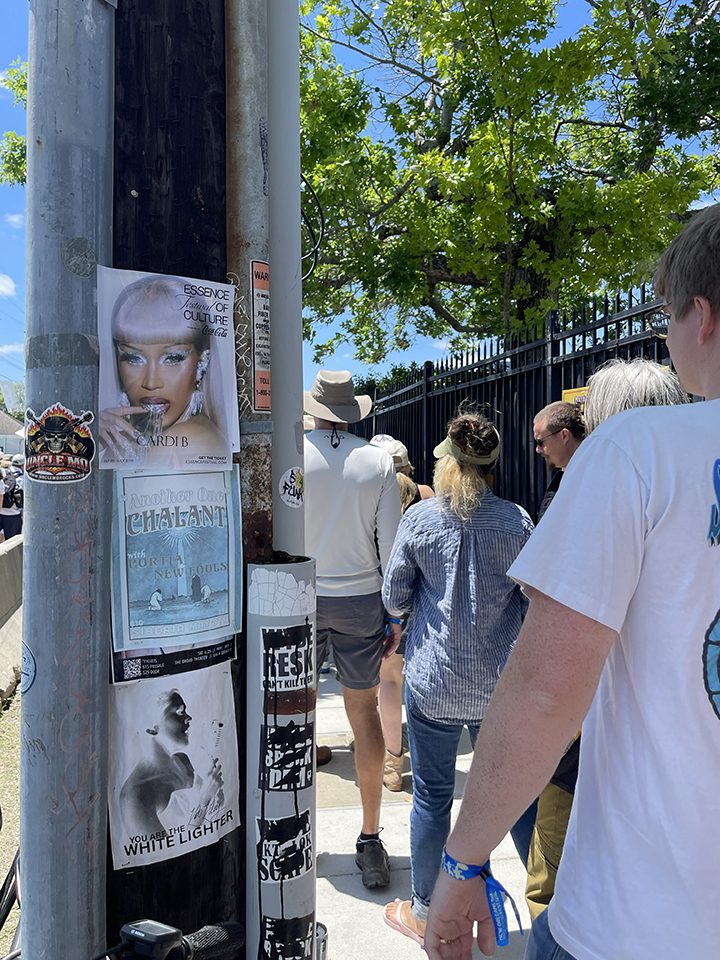
Cincinnati is one of the Midwest’s most layered and walkable cities — a place where century-old neighborhood identities sit directly adjacent to some of the country’s most active new restaurant, arts, and tech corridors. That physical complexity, combined with a dense concentration of young professionals, university students, and a deeply rooted local culture, makes Cincinnati an exceptional market for street-level advertising. Snipe advertising thrives in cities where people walk, linger, and pay attention to what’s on the poles and posts around them — and Cincinnati, from the brick-lined blocks of Over-the-Rhine to the buzzing retail stretches of Northside and the high-foot-traffic corridors of downtown along Fifth and Sixth Streets, checks every one of those boxes. For brands looking to drive genuine street presence without the CPM overhead of traditional outdoor media, Cincinnati’s snipe advertising market offers a rare combination of density, diversity, and reach.
American Guerrilla Marketing has been deploying snipe campaigns in cities like Cincinnati for over a decade, and what distinguishes our work here is operational precision matched with real neighborhood intelligence. Our Cincinnati crews understand the micro-geography of a city where neighborhoods shift character every few blocks — where the gallery-rich stretch of Main Street in OTR gives way to the transit-heavy flow of Central Parkway, where Hamilton Avenue in Northside serves a different demographic than Madison Road in Oakley, and where the Banks waterfront draws a completely different crowd than the Ludlow Avenue strip in Clifton. We map every campaign with this granularity so that your snipes are not just placed — they are placed where they will be seen repeatedly by exactly the audience your brand needs to reach.
This page covers everything you need to know about running a snipe advertising campaign in Cincinnati, Ohio with AGM — from our impression methodology and format options to specific deployment zones, case studies, and campaign logistics. Whether you are promoting a new venue opening in OTR, a fitness brand targeting the UC student corridor, a food and beverage launch aimed at Hyde Park and Oakley’s high-income residential base, or a music event timed to Cincinnati’s strong festival calendar, AGM has the infrastructure, the crew, and the documentation to execute your campaign at scale and on time.
Cincinnati Metro Population: ~2.3 million (Greater Cincinnati MSA) | Urban Core Walkability: High | AGM Estimated Campaign Reach (800-unit snipe): 280,000–420,000 impressions over 14 days | Rush Deployment: 72-hour available
AGM deploys pole snipes, yard snipes, and poster snipes across Cincinnati's highest-traffic corridors — with GPS documentation, fast turnaround, and packages starting at 400 units. Bundle with wheatpasting and save $1,000.
Disclaimer: All impression estimates are projections based on AGM’s field methodology and available urban traffic data. They are not guaranteed figures. Individual campaign performance will vary based on placement quality, creative execution, audience targeting, and external environmental factors. AGM provides GPS-documented proof of placement but does not guarantee specific impression counts.
| Zone / Neighborhood | Est. Daily Foot Traffic | Est. Impressions per Location (14-Day Campaign) | Best Campaign Types |
|---|---|---|---|
| Over-the-Rhine (Vine St / Main St corridor) | 12,000–18,000 pedestrians/day | 28,000–38,000 impressions | Entertainment, nightlife, restaurant launches, arts events, music |
| Downtown Cincinnati (5th St / 6th St / Central Pkwy) | 18,000–28,000 pedestrians/day | 35,000–52,000 impressions | B2B, finance, fitness, retail, event promotion, real estate |
| Northside (Hamilton Ave / Spring Grove Ave) | 5,000–9,000 pedestrians/day | 14,000–22,000 impressions | Local brands, food and beverage, music venues, fitness, cannabis |
| Walnut Hills (McMillan St / Gilbert Ave) | 4,500–7,500 pedestrians/day | 12,000–18,000 impressions | Community brands, healthcare, arts, food delivery, real estate |
| Clifton / UC Corridor (Ludlow Ave / Calhoun St) | 8,000–14,000 pedestrians/day | 20,000–32,000 impressions | Student-facing brands, fitness, delivery apps, events, apparel |
| Location Name | Street / Address | Neighborhood | Est. Snipe Capacity | Best Campaign Type |
|---|---|---|---|---|
| Washington Park Perimeter | 1230 Elm St, Cincinnati, OH 45202 | Over-the-Rhine | 18–26 snipes per block | Entertainment, arts events, restaurant launches |
| Fountain Square Transit Hub | 520 Vine St, Cincinnati, OH 45202 | Downtown Cincinnati | 22–32 snipes per block | Retail, B2B, event promotion, real estate |
| Northside Commercial Strip | 4100 Spring Grove Ave, Cincinnati, OH 45223 | Northside | 14–20 snipes per block | Local brands, food and beverage, fitness, music |
| UC Main Gate Corridor | 2600 Calhoun St, Cincinnati, OH 45219 | Clifton / University District | 16–24 snipes per block | Student brands, fitness, delivery, apparel, events |
| Walnut Hills Gateway | 900 E McMillan St, Cincinnati, OH 45206 | Walnut Hills | 12–18 snipes per block | Community, arts, healthcare, food delivery, real estate |
Award Winning Personalized Service
You will get thoughtful, devoted, and individualized attention from our experienced, qualified, and professional personnel. Being one of the most illustrious agencies in Brooklyn, New York, American Guerrilla Marketing has been awarded the Best of Brooklyn title.
Nationwide
Industry City, Brooklyn, New York 11232
American Guerrilla Marketing
Hours
Mon - Fri: 9 AM - 5 PM
Sat & Sun: Closed
Automate your campaign with AGM’s Request for Proposal Builder. Simply answer a few quick questions about your campaign goals, markets, and timeline, and the system will generate a tailored presentation with recommended strategies, quantities, and pricing. Click the RFP Builder to instantly receive your customized proposal.
Cincinnati’s urban geography is uniquely favorable for snipe advertising because the city’s neighborhood structure creates natural pedestrian corridors where the same groups of people move through the same physical spaces on a daily basis. Unlike a sprawling Sun Belt city where commuting is almost entirely automotive, Cincinnati’s historic grid — particularly in neighborhoods like Over-the-Rhine, Northside, Clifton, and Walnut Hills — keeps significant numbers of residents, workers, and students
on foot daily. This organic, repeated exposure is the engine that makes snipe advertising so effective — a poster placed on a telephone pole at the corner of Vine Street and Liberty in Over-the-Rhine is seen not once but dozens of times by the same commuter, the same coffee-shop regular, the same bar-goer, building brand recognition through sheer repetition without a single dollar spent on digital targeting or programmatic fees.
The city’s pronounced topography — its hills, valleys, and distinct neighborhood pockets — also works in favor of snipe campaigns. Residents of Mount Adams, Hyde Park, or Anderson Township tend to move through predictable local corridors before funneling into downtown or Midtown, meaning a well-placed snipe route can reach a tightly defined demographic audience with minimal waste. Add to that Cincinnati’s passionate local culture — the pride residents take in their neighborhoods, their sports teams, and their food scene — and you have a population that is genuinely attentive to what is happening on its streets.
College populations further amplify reach. University of Cincinnati students moving between Clifton Heights, Calhoun Street, and the main campus create dense pedestrian traffic that rivals any major urban university corridor in the country. Xavier University’s surrounding streets near Evanston and Norwood generate similar patterns. For brands targeting 18–30-year-olds, these corridors alone can deliver thousands of daily impressions at a fraction of the cost of a single social media campaign.
AGM’s Cincinnati snipe advertising service covers the full operational range from campaign strategy through field deployment and post-campaign documentation. Standard format offerings include the 9×12 snipe card in 400-unit and 800-unit configurations, and the 11×14 jumbo snipe in equivalent deployment sizes. Snipe and wheatpaste bundle packages are available for brands seeking simultaneous small-format and large-format street presence, saving approximately $1,000 compared to booking formats separately. All campaigns include GPS-tagged post-installation photography and a post-campaign report. Rush deployment within 72 hours is available for time-sensitive activations.
A Cincinnati-based independent music venue launching a new weekly residency series needed to reach the city’s arts and nightlife crowd quickly. AGM deployed a snipe campaign across the pedestrian-heavy blocks of Main Street, Vine Street, and 12th Street in Over-the-Rhine, targeting the dense corridor between Washington Park and the Cincinnati Arts Association. Posters were installed on utility poles, construction hoardings, and approved post surfaces between Tuesday evening and early Wednesday morning ahead of a Friday opening. By Thursday night the client reported organic social posts from locals photographing the posters — unpaid earned media generated entirely by street-level visibility.
A national subscription app targeting college students chose Cincinnati as a Midwest pilot market and selected the University of Cincinnati corridor as the primary deployment zone. AGM saturated Calhoun Street, McMillan Street, Clifton Avenue, and the blocks immediately surrounding the UC campus with high-contrast poster placements timed to coincide with the first week of the fall semester. The campaign was supplemented with secondary placements along Short Vine Street in Corryville to capture off-campus student housing traffic. App download metrics showed a measurable spike in the Cincinnati DMA during the two-week posting window, and the client extended the campaign for a second semester.
An independent clothing brand with no brick-and-mortar presence used a Cincinnati pop-up event in Northside as its first physical retail moment. With a six-day lead time, AGM built a snipe route covering Hamilton Avenue from the Northside business district through Clifton, integrating placements along Ludlow Avenue — the commercial spine of Clifton that serves both students and long-term residents. The hyper-local aesthetic of the campaign matched the brand’s identity, and the client sold out its pop-up inventory within the first four hours of opening. Post-event surveys indicated that street posters were the top discovery channel cited by attendees who were not already on the brand’s email list.
A Cincinnati real estate developer preparing to launch a mixed-use residential and retail project in Walnut Hills engaged AGM to build neighborhood awareness before the project’s public announcement. The campaign focused on McMillan Street, Gilbert Avenue, and Madison Road — the arterial streets that connect Walnut Hills to Hyde Park and Oakley — reaching both the existing neighborhood residents who would be most affected by the development and the higher-income Hyde Park and Oakley demographics the developer hoped to attract as future tenants. Because the campaign predated the official announcement, the posters used a teaser format with a QR code driving to a landing page. The landing page collected over 800 email sign-ups before the press release dropped.
A Cincinnati sports and entertainment promoter used AGM to drive ticket sales for a multi-day outdoor festival at The Banks, the mixed-use development along the Ohio River between Great American Ball Park and Paycor Stadium. AGM built a downtown snipe route covering 4th Street, 5th Street, and Fountain Square-area corridors, with additional placements on Pete Rose Way and the pedestrian walkways connecting the stadium district to downtown. The route was designed to intercept both office commuters walking from parking garages and pre-game foot traffic from Reds and Bengals games occurring during the campaign window. Ticket sales in the final two weeks before the event — the period coinciding with the snipe campaign — accounted for 38 percent of total revenue.
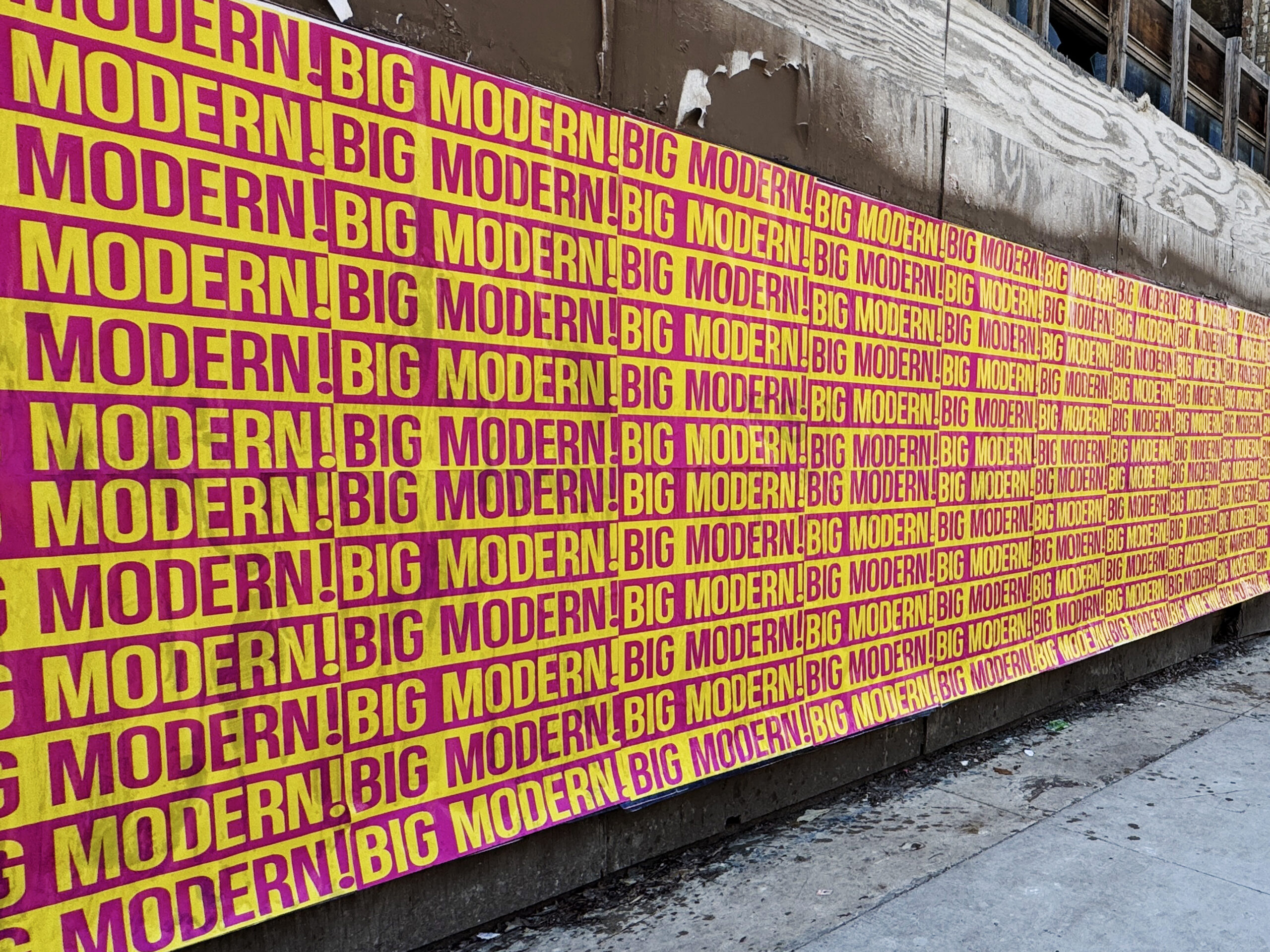
Big Modern executed a five-city street takeover with AGM across NYC, Denver, Chicago, Philadelphia, and Atlanta.
Result: Unified brand presence across five major American cities.
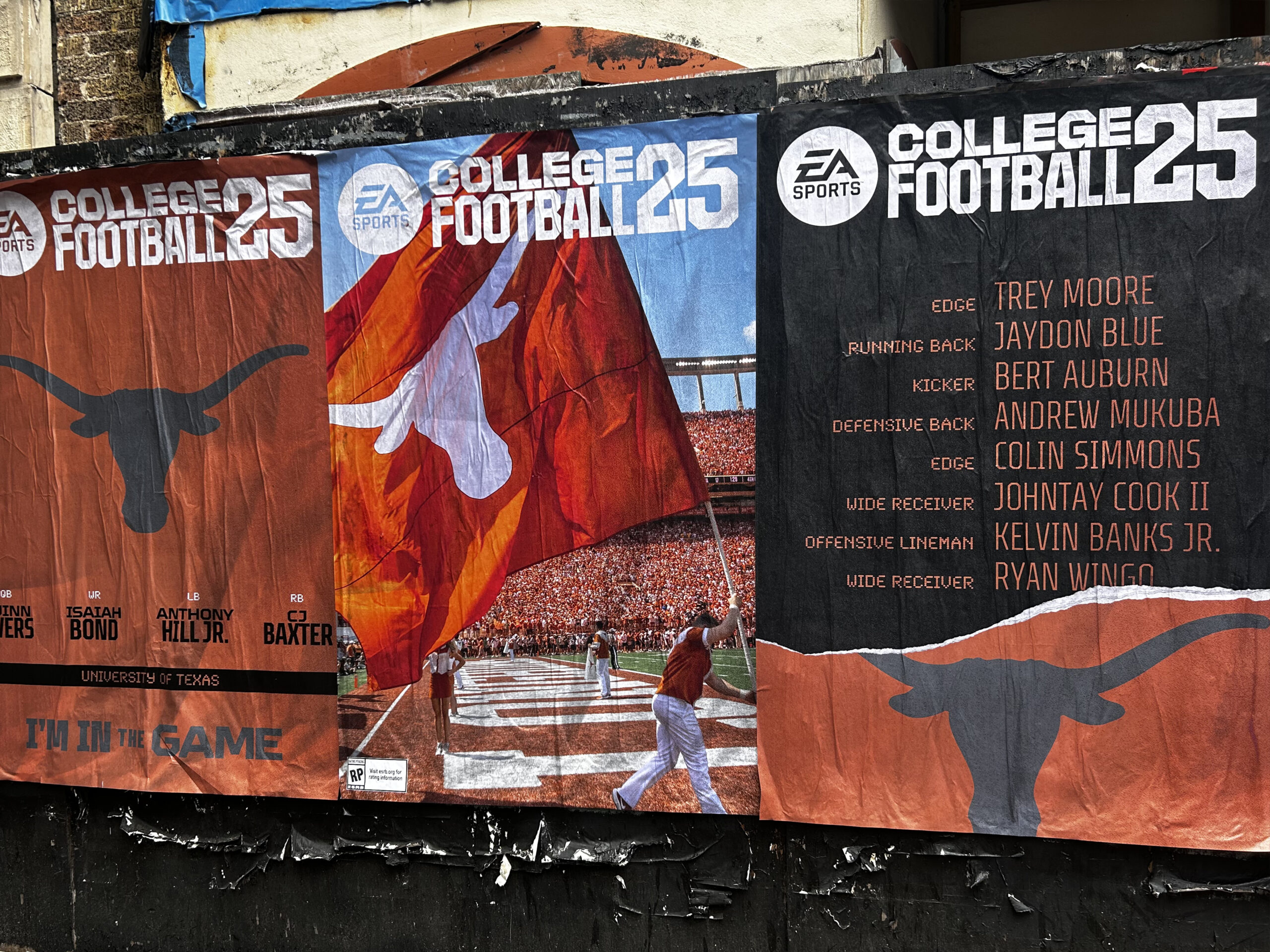
EA Sports partnered with AGM for a street-level activation campaign around the launch of EA Sports FC25.
Result: Massive street-level visibility timed to the game’s release window.
01


Glenn Maxwell
5/5 Google Review
02
Leo Williams
5/5 Google Review
03
Sara Demiri
5/5 Google Review
American Guerrilla Marketing has been executing snipe advertising campaigns across the United States since 2014, and the knowledge accumulated across more than 500 campaigns in cities from New York to Los Angeles is applied directly to every Cincinnati activation we run. We understand that no two cities are alike — Cincinnati’s neighborhood structure, its mix of pedestrian and automotive commuting patterns, its weather, its local regulatory environment, and the specific cultural DNA of communities like Over-the-Rhine and Northside all require a campaign approach that is built for Cincinnati specifically, not adapted from a generic national template. Our founder Justin Phillips has personally overseen campaigns for brands ranging from independent artists and local small businesses to nationally recognized consumer brands and publicly traded companies, and that breadth of experience means we have encountered — and solved — virtually every logistical, creative, and compliance challenge that urban guerrilla advertising can present. When you book a Cincinnati snipe campaign with AGM, you are not working with a regional print shop that also does poster runs. You are working with a team whose entire professional focus is guerrilla marketing, whose relationships with local installers in Cincinnati are tested and proven, and whose commitment to documentation, communication, and results is reflected consistently in the reviews our clients leave. We are ready to put that experience to work on your Cincinnati campaign.
Snipe advertising serves as the street-level anchor for full-spectrum campaigns across Cincinnati’s distinct neighborhoods. While your digital ads reach commuters scrolling through phones and billboards capture highway traffic on I-71 and I-75, pole snipes and yard signs connect with pedestrians in Over-the-Rhine’s walkable streets and Findlay Market shoppers. Cincinnati’s compact urban core makes this integration particularly effective. Someone sees your poster snipe near Fountain Square, then encounters your social ad during lunch, and finally spots your yard sign driving through Hyde Park. This repetition across channels builds recognition fast. AGM coordinates placement timing with your digital flight dates and broadcast schedules so messaging hits simultaneously. We’ve run campaigns where snipes in Northside’s business district drove 40% of the QR code scans for a product launch. The physical presence validates what people see online—it proves you’re invested in reaching Cincinnati specifically, not just running generic national ads.
Government Square downtown remains Cincinnati’s busiest transit hub, with Metro buses moving over 14 million riders annually through the area. Snipe placements along Walnut Street and surrounding blocks catch commuters waiting for connections. The Cincinnati Bell Connector streetcar route from The Banks through Over-the-Rhine to Findlay Market offers excellent pedestrian-level visibility at each stop. We place pole snipes along Vine Street where foot traffic is heaviest. For commuter corridors, Reading Road heading into Northside and Ludlow Avenue in Clifton see consistent morning and evening traffic. The Covington and Newport bridges bring Kentucky commuters who pass through downtown daily—placement on the Ohio side captures this cross-river audience. Columbia Parkway commuters heading to and from the eastern suburbs represent another high-value corridor. AGM maps these routes based on actual traffic patterns and places signs where vehicles slow or stop, maximizing read time during the daily commute.
Cincinnati’s event calendar creates natural campaign windows throughout the year. Bunbury Music Festival and the Cincinnati Music Festival in July bring tens of thousands of visitors to The Banks and Sawyer Point—we recommend launching snipes two weeks before and maintaining through the event weekend. Opening Day for the Reds isn’t just a game; it’s an unofficial city holiday with massive downtown foot traffic. Oktoberfest Zinzinnati in September packs Fifth Street with over 500,000 attendees across the weekend. For these events, AGM places snipes along the event perimeter and surrounding neighborhoods where attendees park and walk. The Taste of Cincinnati, BLINK art festival, and Cincinnati Pride each concentrate specific demographics in predictable areas. We’ve learned that posting 10-14 days before events builds awareness while people plan their attendance, and keeping signs up through the following week captures the social media sharing window.
The combination works especially well in Cincinnati because the city’s neighborhoods function as distinct micro-markets. Run snipes in Over-the-Rhine’s entertainment district while geofencing that same area for mobile ads—when someone walks past your poster snipe on Main Street, they’ll see your Instagram ad within the hour. AGM coordinates placement addresses with your digital team so you can build custom audiences around our sign locations. QR codes on snipes drive directly to landing pages where you capture data for retargeting. We’ve tracked campaigns where Northside snipes generated 3x the engagement rate compared to digital-only approaches in the same area. Cincinnati’s younger demographics in Clifton and Walnut Hills respond particularly well to this physical-digital bridge. The signs make your brand feel present and local while digital handles the conversion. You’re not asking people to remember a URL; you’re putting it directly in their camera view.
Cincinnati’s sign regulations fall under Chapter 1439 of the municipal code, which governs temporary signage placement. Right-of-way restrictions apply downtown and in historic districts like Over-the-Rhine, where additional review may be required. Yard signs on private property require property owner permission and must meet setback requirements from the street. Pole snipes face stricter scrutiny on utility poles, which are typically owned by Duke Energy or Cincinnati Bell. AGM handles all permitting and property owner agreements as part of our service. We maintain relationships with property owners across key neighborhoods who’ve pre-approved commercial signage. In areas like Northside and Walnut Hills, we work with business improvement districts to ensure compliance. Hamilton County outside city limits operates under different rules, which we navigate for suburban placements. Our team removes all materials after campaigns end, avoiding the fines that come with abandoned signage.
Real estate and grand opening campaigns benefit from Cincinnati’s neighborhood loyalty—residents actively shop and buy within their preferred areas. When a new restaurant opens in Northside, yard signs throughout the neighborhood create immediate local awareness that digital ads can’t match. We’ve placed grand opening snipes for businesses in Over-the-Rhine that drove foot traffic within days of posting. For real estate, the approach differs between markets. Luxury listings in Hyde Park and Mount Lookout warrant premium poster snipes in those specific neighborhoods, reaching residents who might know interested buyers. Investment properties in Price Hill or Westwood target different demographics with different messaging. Cincinnati’s housing inventory moves fast in hot neighborhoods, so timing matters. AGM can deploy signs within 48 hours of listing. New developments use snipes to build pre-leasing interest months before opening—we’ve run six-month campaigns for apartment complexes that maintained 95% occupancy at launch.
Cincinnati’s neighborhoods divide along clear demographic lines that make targeting straightforward. Over-the-Rhine and Pendleton skew young professional, ages 25-40, with higher disposable income and interest in dining, entertainment, and lifestyle brands. Clifton’s proximity to UC Hospital and the university creates a mix of students, medical professionals, and longtime residents. Northside draws artists, musicians, and LGBTQ+ demographics with strong community identity. Hyde Park and Mount Lookout represent established families with household incomes well above the metro average—ideal for financial services, home improvement, and premium retail. Price Hill and the West Side maintain working-class roots with different spending priorities. The East Side neighborhoods like Oakley and Pleasant Ridge have gentrified rapidly, attracting young families priced out of closer-in areas. AGM uses these demographic maps to place your snipes where your actual customers live, work, and spend time rather than blanketing the whole city.
Each format serves different purposes across Cincinnati’s varied streetscapes. Pole snipes work best in high-pedestrian areas like Vine Street in Over-the-Rhine or Ludlow Avenue in Clifton where people walk past at close range. They’re smaller, typically 11×17 or smaller, and mounted at eye level. Yard signs deliver strong visibility in residential neighborhoods and along commercial strips where vehicle traffic dominates—think Reading Road or Glenway Avenue. They’re cost-effective for coverage and work well for political campaigns, real estate, and service businesses. Poster snipes are larger format pieces, usually 18×24 or bigger, placed on approved surfaces like construction barriers or building walls. These make sense for brand campaigns and event promotion where visual impact matters more than quantity. Cincinnati’s older building stock in neighborhoods like Northside and Walnut Hills actually provides more posting surfaces than newer suburban construction. AGM recommends format mixes based on your campaign goals and budget.
The UC campus sits in Clifton, but student life extends well beyond university property. Calhoun Street and the surrounding blocks house student apartments, restaurants, and bars where snipes reach students during their daily routines. Short Vine in Corryville sees heavy student foot traffic heading to and from campus. McMillan Street businesses cater primarily to the UC crowd. For graduate and medical students, placements near UC Medical Center on MLK Drive capture a different demographic with different spending power. We avoid university property itself due to posting restrictions, but the public streets surrounding campus offer excellent coverage. Students also frequent Over-the-Rhine and downtown on weekends—snipes there reinforce messaging from campus-adjacent placements. Xavier University in Norwood and Cincinnati State in Clifton Heights represent additional higher education markets with distinct student populations. AGM tracks the academic calendar to time campaigns around move-in weeks, finals, and graduation when student engagement peaks.
B2B snipe campaigns in Cincinnati concentrate on specific business corridors rather than residential coverage. The Central Business District around Fountain Square houses major corporate headquarters including Kroger, Procter & Gamble, and Fifth Third Bank—snipes here reach decision-makers during their workday. The Kenwood area near I-71 contains office parks with regional operations for dozens of companies. Blue Ash and West Chester to the north represent Cincinnati’s suburban office market. For B2B, we place fewer signs in more targeted locations with messaging that addresses business pain points rather than consumer benefits. Industrial services target Evendale and the manufacturing corridor. B2C campaigns spread wider across residential neighborhoods, entertainment districts, and retail corridors. The messaging is direct and promotional—prices, offers, new locations. AGM has run B2B campaigns for staffing agencies, commercial real estate firms, and software companies alongside B2C work for restaurants, retail stores, and event promoters. The placement strategy and creative approach differ completely between the two.