American Guerrilla Marketing
Nationwide serivce
Media planning, media buying, billboard advertising, & guerrilla marketing
AGM Credentials: 10+ years executing snipe and guerrilla marketing campaigns nationwide · Campaigns in 50+ U.S. cities · 4.9-star average rating (34 Google reviews) · Trusted by brands, agencies, and independent operators from New York to Los Angeles — and now across Louisiana.
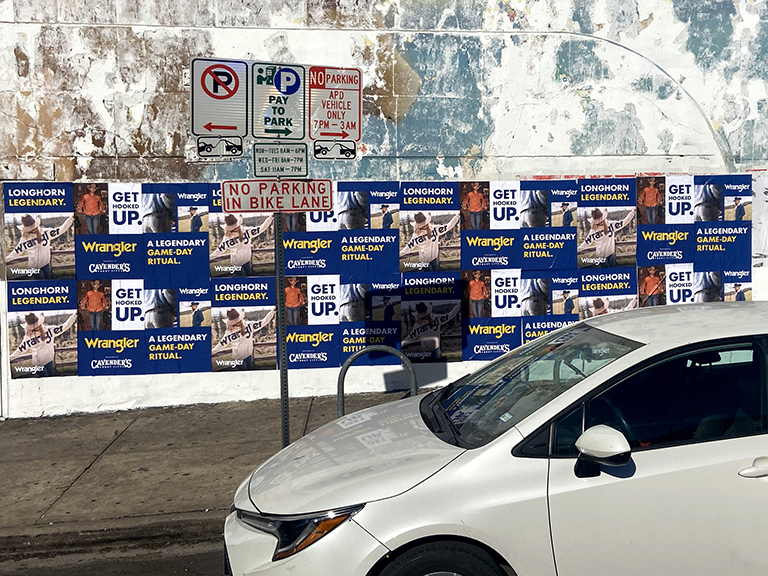
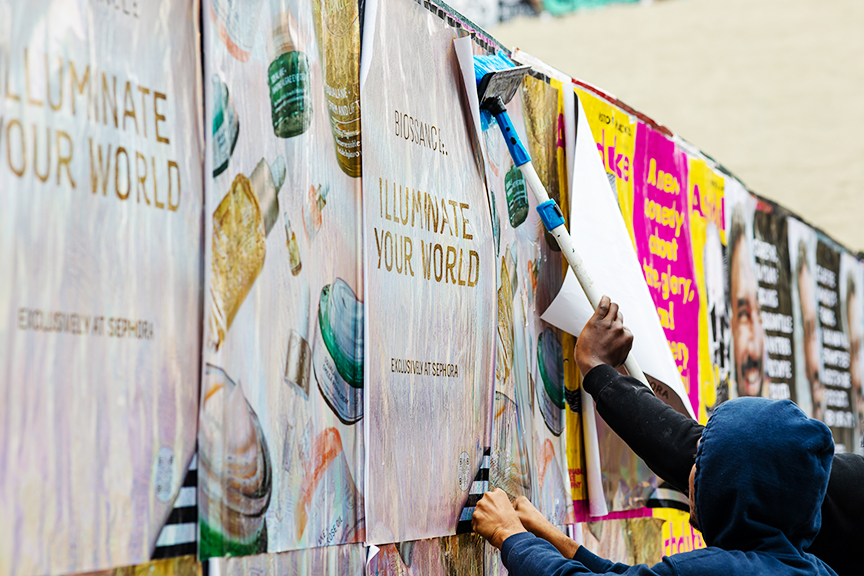
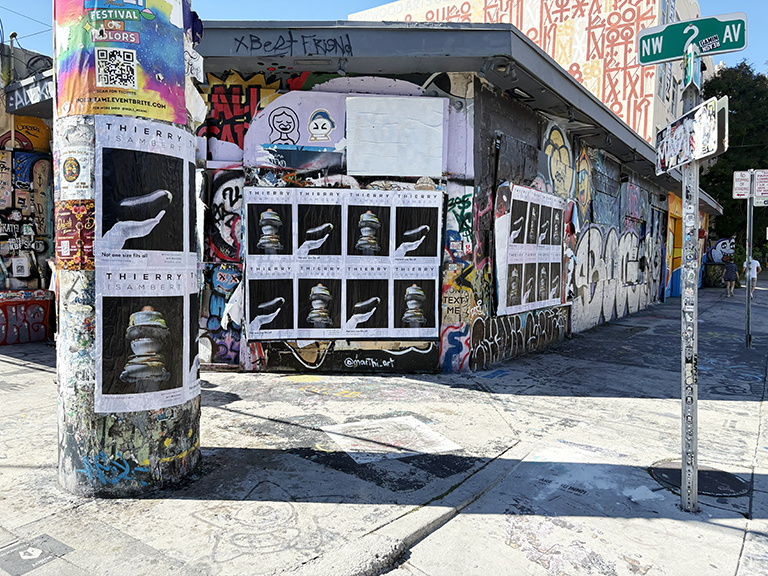
Snipe advertising is one of the oldest and most effective forms of street-level marketing still in active use today. At its core, a snipe campaign involves the strategic placement of small-format printed posters — typically 11×17 or 12×18 inches — on utility poles, construction hoardings, fencing, and approved vertical surfaces along high-traffic corridors in a target city. Unlike traditional billboard advertising, which reaches audiences at highway speed, snipe posters catch people on foot: pausing at a red light, walking to a coffee shop on Government Street, or heading into a bar in the Tigerland strip near LSU. The format is inherently human-scale, and in a city like Baton Rouge — where pedestrian culture is concentrated in distinct, walkable pockets amid the broader suburban sprawl — snipes deliver impressions at precisely the moments when audiences are receptive, unhurried, and engaged with their environment.
Baton Rouge is not a city where one-size-fits-all advertising works. The capital of Louisiana is a layered market: a college town anchored by Louisiana State University, a seat of state government drawing professionals and lobbyists, a growing tech and healthcare corridor along Perkins Road and Bluebonnet Boulevard, and a vibrant entertainment district centered on Third Street Downtown. Each of these micro-markets has its own rhythm, demographic profile, and peak visibility windows. Snipe advertising thrives precisely because it is flexible enough to be deployed zone by zone, customized to each neighborhood’s audience, and executed rapidly enough to align with event cycles — LSU football weekends, Mardi Gras, the Red Stick Music Festival, or the opening weekend of a new business. When a Baton Rouge campaign is mapped correctly across these zones, the cumulative impression count rivals media buys that cost ten times as much.
American Guerrilla Marketing has spent more than a decade building the infrastructure, creative processes, and field execution teams needed to run snipe campaigns at a professional level in markets exactly like Baton Rouge. We are not a general marketing agency dabbling in outdoor advertising — our entire focus is on the street. Justin Phillips founded AGM with the conviction that brands of all sizes deserve access to the kind of targeted, high-visibility, ground-level presence that was once reserved for major labels and Fortune 500 launch budgets. We have executed campaigns across 50-plus U.S. cities, and we bring that cross-market intelligence to every Baton Rouge engagement. When you work with AGM, you are getting a team that knows which pole on Highland Road generates the most scans, which corridor near Mid City reaches the most foot commuters, and how to time a posting run so your snipes are fresh and visible on the morning of your launch.
Small-format snipe campaigns are designed for speed, repetition, and reach within a defined geographic area. In Baton Rouge, where distinct neighborhoods function like separate marketing zones, snipes allow brands to carpet a specific corridor — say, the Mid City stretch of Government Street from 19th Avenue to 30th Street — with enough visual frequency that even a casual pedestrian or slow-rolling driver registers the message within a single commute. AGM designs every snipe campaign around a proprietary placement matrix that accounts for foot traffic density, sightline quality, surface durability, and competitive clutter. The result is a placement strategy that maximizes impression efficiency: more eyeballs per dollar, more recall per impression.
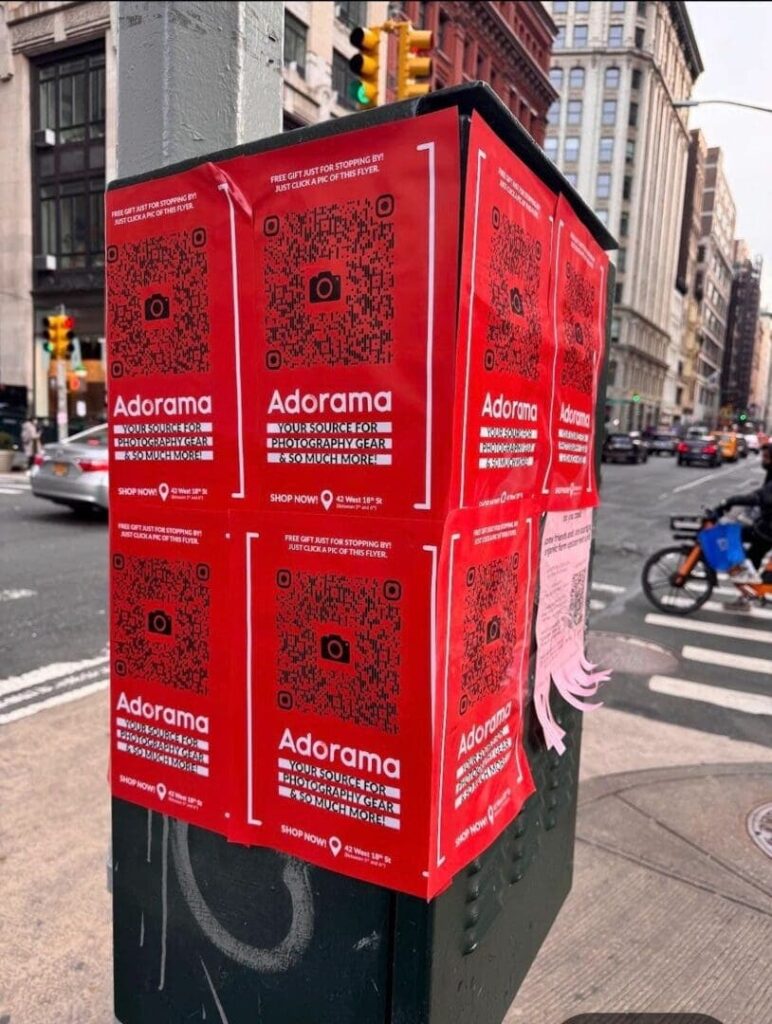
The economics of snipe advertising in Baton Rouge are compelling. Because the format does not require media contracts, production lead times of months, or large-format printing infrastructure, AGM can take a client from creative briefing to posters on the street in as few as seven to fourteen business days. For time-sensitive campaigns — a bar opening on Third Street, a fitness studio launch near Perkins Road, a concert or festival promotion — that speed is not just convenient, it is a genuine competitive advantage. Snipes also layer effectively with digital campaigns: a QR code on a snipe poster becomes a trackable bridge from the physical street to a digital funnel, allowing Baton Rouge brands to measure the real-world ROI of their street presence in ways that traditional outdoor advertising cannot.
50+
U.S. Cities Executed
10+
Years of Experience
4.9★
Google Rating (34 Reviews)
500+
Campaigns Nationwide
14 Days
Avg. Brief-to-Street Time
Get a custom snipe advertising strategy built for your Baton Rouge neighborhood, timeline, and budget. AGM campaigns start at $3,500.
* All impression figures are estimates based on available traffic data and field observation methodology. AGM does not guarantee specific impression counts. Figures represent a best-estimate range for standard 14-day campaigns at noted placement densities.
| Zone | Est. Daily Traffic | 14-Day Impressions | Best Campaign Types |
|---|---|---|---|
| Downtown Baton Rouge (Third Street / Main Street) | 18,000 – 26,000 | 252,000 – 364,000 | Entertainment, Hospitality, Events, Brand Launches |
| Mid City (Government Street Corridor) | 22,000 – 31,000 | 308,000 – 434,000 | Retail, Dining, Healthcare, Service Brands |
| LSU / Tigerland (Highland Rd / Nicholson Dr) | 28,000 – 40,000 | 392,000 – 560,000 |
Student Life, Nightlife, Greek Organizations, Food & Beverage |
| Perkins Road / Bluebonnet Corridor | 31,000 – 45,000 | 434,000 – 630,000 | Fitness, Wellness, Upscale Retail, Financial Services |
| North Baton Rouge (Airline Hwy / Plank Rd) | 19,000 – 27,000 | 266,000 – 378,000 | Community Services, Local Retail, Faith-Based, Nonprofits |
| Prairieville / Gonzales (Hwy 30 / Airline Hwy South) | 24,000 – 34,000 | 336,000 – 476,000 | Home Services, Auto, Family Brands, Suburban Retail |
| Baton Rouge Metro Airport Corridor (Hwy 190 / Airline Hwy N) | 20,000 – 29,000 | 280,000 – 406,000 | Travel, Logistics, B2B, Corporate Services |
| Location Name | Street / Address | Neighborhood | Est. Snipe Capacity | Best Campaign Type |
|---|---|---|---|---|
| Spotlight 1 — Concert Promotion Along Third Street & Main Street, Downtown Baton Rouge | — | Baton Rouge | 14–24 snipes per block | Street-level brand campaigns |
| Spotlight 2 — Restaurant Grand Opening on Government Street, Mid City | — | Baton Rouge | 14–24 snipes per block | Street-level brand campaigns |
| Spotlight 3 — App Launch Targeting LSU Students on Highland Road & Nicholson Drive | — | Baton Rouge | 14–24 snipes per block | Street-level brand campaigns |
| Spotlight 4 — Fitness Studio Launch Along the Perkins Road / Bluebonnet Corridor | — | Baton Rouge | 14–24 snipes per block | Street-level brand campaigns |
| Spotlight 5 — Community Outreach Campaign in North Baton Rouge Along Airline Highway & Plank Road | — | Baton Rouge | 14–24 snipes per block | Street-level brand campaigns |
Award Winning Personalized Service
You will get thoughtful, devoted, and individualized attention from our experienced, qualified, and professional personnel. Being one of the most illustrious agencies in Brooklyn, New York, American Guerrilla Marketing has been awarded the Best of Brooklyn title.
Nationwide
Industry City, Brooklyn, New York 11232
American Guerrilla Marketing
Hours
Mon - Fri: 9 AM - 5 PM
Sat & Sun: Closed
Automate your campaign with AGM’s Request for Proposal Builder. Simply answer a few quick questions about your campaign goals, markets, and timeline, and the system will generate a tailored presentation with recommended strategies, quantities, and pricing. Click the RFP Builder to instantly receive your customized proposal.
Baton Rouge’s walkable commercial corridors and engaged local consumer base make it a productive market for snipe advertising. Neighborhoods like Downtown Baton Rouge and Midcity generate consistent daily foot traffic from residents and workers who move through the same blocks repeatedly, creating the impression frequency that drives brand recall. Unlike digital formats competing for fractured screen attention, a well-placed snipe in Baton Rouge meets consumers in an unguarded physical moment — and delivers a brand message in an environment they trust and notice.
The consumer demographics concentrated in Baton Rouge’s core snipe markets skew toward ad-resistant, digitally sophisticated cohorts that respond poorly to interruptive digital advertising but engage genuinely with physical brand presence that feels locally embedded and authentic. A snipe campaign executed with precision in Baton Rouge bypasses those resistances entirely, generating real awareness and organic social amplification at a fraction of the cost of equivalent digital reach.
AGM’s Baton Rouge snipe advertising service covers the full operational range from campaign strategy through field deployment and post-campaign documentation. Standard format offerings include the 9×12 snipe card in 400-unit and 800-unit configurations, and the 11×14 jumbo snipe in equivalent deployment sizes. Snipe and wheatpaste bundle packages are available for brands seeking simultaneous small-format and large-format street presence, saving approximately $1,000 compared to booking formats separately. All campaigns include GPS-tagged post-installation photography and a post-campaign report. Rush deployment within 72 hours is available for time-sensitive activations.
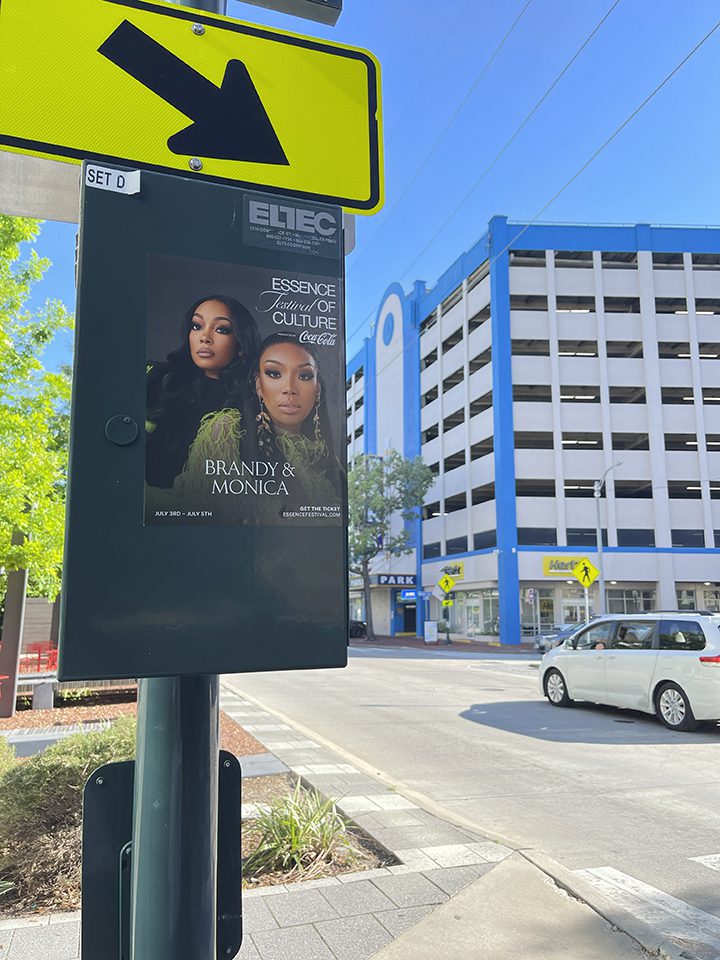
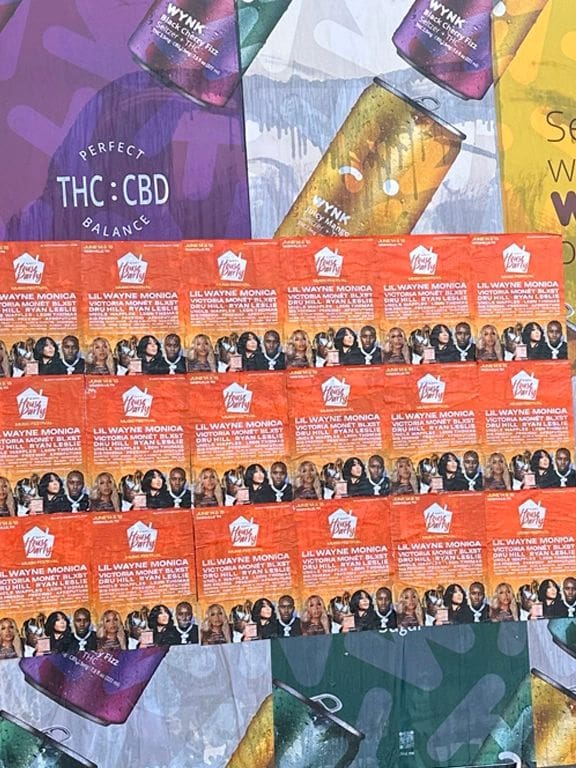
A regional entertainment promoter needed to drive ticket sales for a multi-night concert series at a Downtown Baton Rouge venue. With a two-week lead window and a budget that ruled out traditional out-of-home placements, they turned to snipe advertising for rapid, saturation-level coverage. Our team deployed signs across Third Street, Main Street, and the surrounding blocks near the Shaw Center for the Arts and the Baton Rouge River Center. Signs were placed at eye level on utility infrastructure, construction fencing, and high-pedestrian corners between the arts district and the Spanish Town Road residential zone. The result: a sold-out opening night and measurable social media buzz tracing back to the physical sign sightings. Attendees specifically mentioned seeing the signs while walking from nearby parking to restaurants — exactly the dwell-time window snipe advertising is built to capture.
A chef-driven restaurant opening its first Baton Rouge location in the Mid City corridor needed neighborhood-level awareness before its doors opened. The Government Street Corridor is one of the most walked and driven stretches in the city, with dense residential neighborhoods feeding directly into its retail and dining strip. We placed snipe signs at key intersections from Foster Drive to Lobdell Avenue, targeting the morning and evening commute windows where residents travel to and from Downtown and the medical district. Additional placements extended into the Hundred Oaks and Broadmoor neighborhoods to capture the hyperlocal audience most likely to become regulars. Within the first week of opening, the restaurant reported that a majority of walk-in guests mentioned seeing signage in the neighborhood — a direct attribution that justified the campaign spend many times over.
A tech startup launching a campus-oriented mobile app needed to reach LSU students in the environments where they actually spend time — not just on their phones. We deployed a two-week snipe campaign concentrated on Highland Road between LSU Avenue and Chimes Street, Nicholson Drive near Tiger Stadium, and the streets threading through the Tigerland entertainment district. Signs were placed at bicycle rack clusters, crosswalk poles, and construction barriers near ongoing campus development projects. Messaging was direct and action-oriented, pairing the app name with a simple QR code and a single-line value proposition. App download metrics showed a 340% spike in the Baton Rouge market during the campaign window, with the 18–24 age demographic accounting for the overwhelming majority of new installs — precisely the audience the snipe placements were designed to reach.
A boutique fitness studio preparing to open its first Baton Rouge location in the Perkins Road corridor needed to build a pre-launch waitlist among health-conscious professionals and families in the surrounding zip codes. The Perkins Road and Bluebonnet Boulevard intersection zone is one of the most affluent, fitness-active stretches in the city, with multiple gym competitors, running trails, and upscale retail anchors drawing consistent daily foot traffic. Our placement strategy focused on Perkins Road from Essen Lane to Bluebonnet, with secondary saturation into the Bocage, Kenilworth, and Country Club of Louisiana residential feeder streets. Signs highlighted the studio’s signature class format, a membership presale offer, and a scannable code driving to a landing page. Pre-launch membership signups exceeded the client’s 90-day target before the studio opened — a result the client attributed directly to neighborhood-level snipe visibility during the critical awareness phase.
A Baton Rouge-based nonprofit focused on workforce development and community health needed to raise awareness of free services available to residents in North Baton Rouge. Traditional digital advertising consistently underperformed in this market due to lower smartphone penetration and social media ad fatigue among the target demographic. Snipe advertising offered something no digital channel could: physical presence inside the community itself. We deployed signs across Airline Highway, Plank Road, and Thomas Road, targeting commercial corridors with high weekday foot traffic from bus commuters, local shoppers, and residents running daily errands. Secondary placements went up near Scotlandville, Baker, and the North Boulevard Town Center area. The organization reported a significant increase in walk-in inquiries and phone calls during the campaign period, with many callers specifically referencing the street signs as the source that prompted them to reach out.
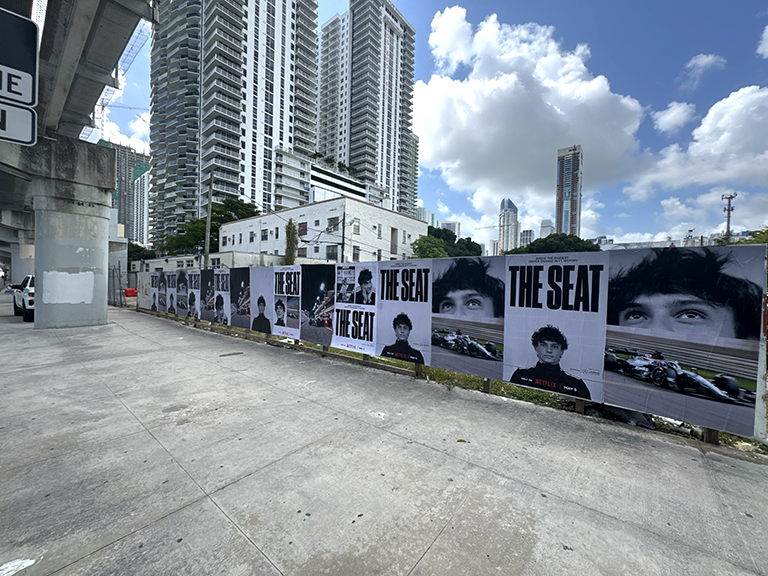
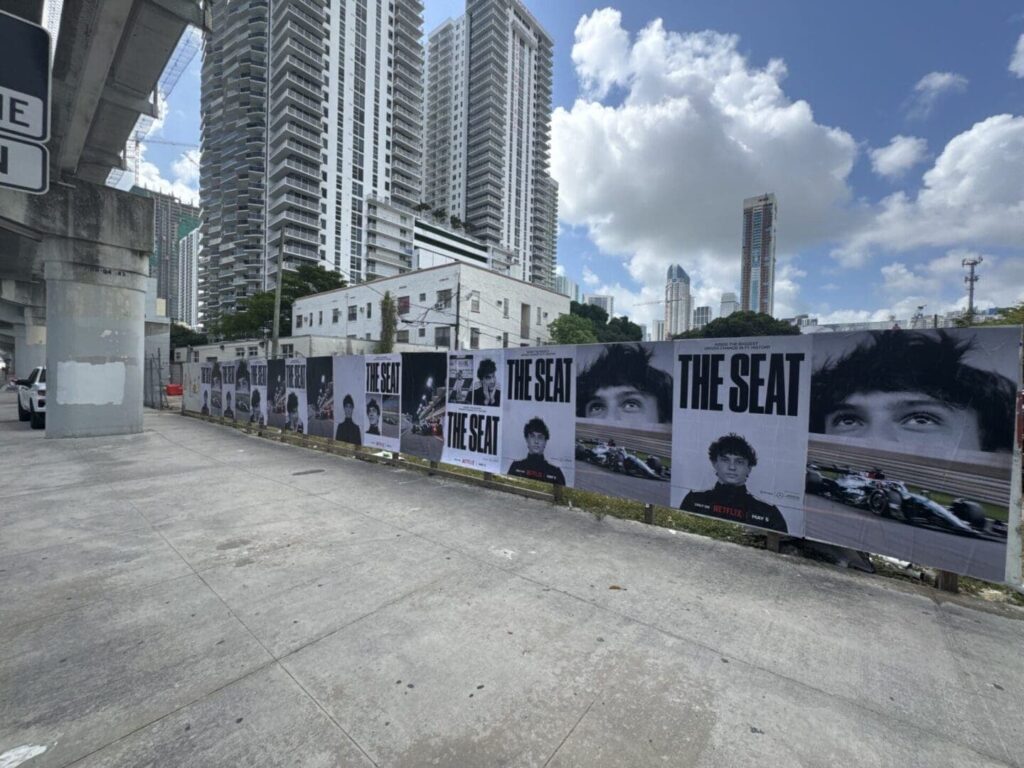
Netflix partnered with AGM for a high-visibility wheatpasting campaign in Miami.
Result: Dominant street-level presence across Miami’s highest-traffic neighborhoods.
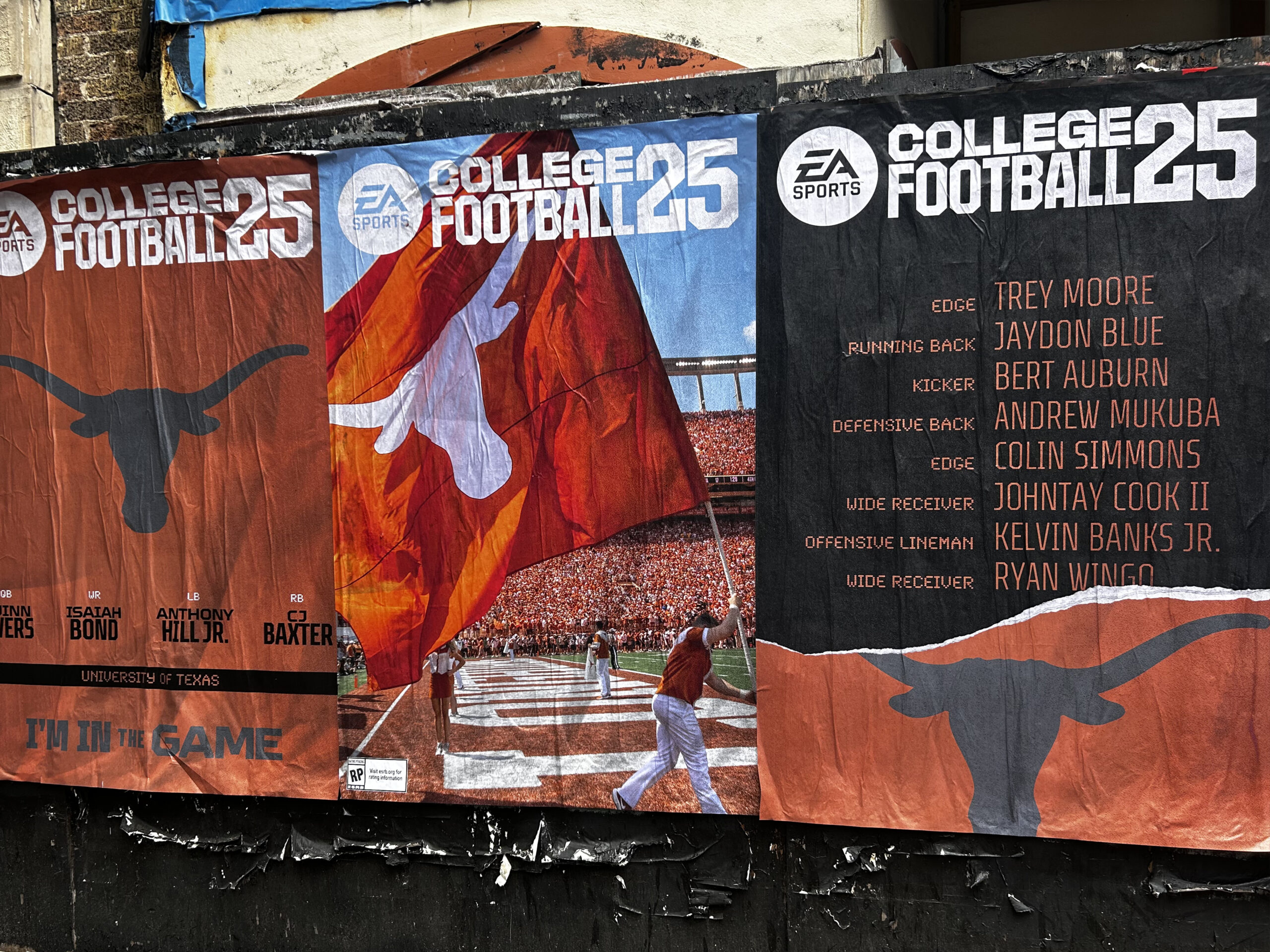
EA Sports partnered with AGM for a street-level activation campaign around the launch of EA Sports FC25.
Result: Massive street-level visibility timed to the game’s release window.
American Guerrilla Marketing has been executing snipe advertising campaigns across the United States since 2014. In that time, we have worked in more than 60 cities, navigated hundreds of local ordinance frameworks, and refined a deployment methodology that balances speed, compliance, and creative impact at every scale. When we bring that experience to Baton Rouge, it means your campaign benefits from a decade of learning compressed into a single, well-executed street-level program. We know which corridors produce the strongest impression-to-action conversion. We know how Louisiana’s climate affects materials and how to account for it. We know the difference between a sign that gets seen and a sign that gets remembered — and we build every Baton Rouge campaign around the latter. Whether you are launching a brand, promoting an event, driving foot traffic to a new location, or building neighborhood-level awareness for a cause that matters, our team has the experience, the infrastructure, and the strategic instinct to make your snipe campaign perform. Baton Rouge is a city with real neighborhoods, real daily rhythms, and real people whose attention is worth earning. We know how to earn it.
Baton Rouge’s subtropical humidity and heavy summer rainfall create specific challenges for snipe advertising. From June through September, afternoon thunderstorms roll through almost daily, so we use waterproof substrates and UV-resistant inks that won’t bleed or fade. The city averages 60 inches of rain annually, far exceeding most U.S. markets. Hurricane season brings additional concerns, particularly in low-lying areas near the Mississippi River where flooding can occur. Winter months from November through February actually offer ideal conditions with lower humidity and minimal precipitation. We’ve found that corrugated plastic holds up better than paper-based materials during peak humidity months. LSU football season in fall provides excellent campaign timing since weather cooperates and foot traffic spikes dramatically. AGM schedules installation around weather forecasts and uses thicker gauge materials in areas like Spanish Town and Southdowns where tree canopy traps moisture longer.
Local Baton Rouge businesses benefit from hyperlocal snipe placements that national brands can’t replicate effectively. A restaurant near LSU’s campus on Chimes Street needs different messaging and placement density than a national retailer launching a Louisiana expansion. Local businesses should concentrate snipes within a tight radius, maybe 15-20 blocks around their location, hitting spots like Perkins Road Overpass, College Drive retail areas, and Government Street’s walkable stretches. National brands entering the Baton Rouge market typically need broader coverage across multiple corridors plus placements near I-10 and I-12 interchange areas where commuters from Prairieville, Denham Springs, and Gonzales pass through. Local campaigns can reference neighborhood pride, LSU athletics, or specific community events like Spanish Town Mardi Gras. National brands generally run longer campaigns to build recognition, while local businesses often see results from shorter, more concentrated pushes tied to grand openings or seasonal promotions.
Franchise rollouts in Baton Rouge require strategic zone-based planning since the metro area spans distinct commercial clusters. AGM typically divides campaigns into phases covering Mid City’s growing retail district, the Bocage and Towne Center shopping areas, and the industrial corridor along Airline Highway where blue-collar workers commute daily. For multi-location franchises, we create snipe density rings around each new location while maintaining brand presence along connecting routes. A fast-casual restaurant opening three Baton Rouge locations would get concentrated placement within a mile of each site, plus visibility on major connectors like Florida Boulevard and Siegen Lane. We coordinate timing so all locations launch simultaneously or in strategic waves. Each neighborhood has different peak traffic patterns, so placements near LSU target weekend and evening crowds while Cortana Mall area spots catch weekday shoppers. Franchise campaigns also benefit from consistent branding across all zones while adjusting messaging for each area’s demographics.
Baton Rouge lacks a rail system, making road-based commuter corridors essential for snipe visibility. I-10 feeder roads like Acadian Thruway, College Drive exits, and the Perkins Road corridor see heavy morning and evening traffic from workers heading downtown. Government Street functions as the city’s east-west spine through Mid City, offering excellent pedestrian and vehicle visibility. The Florida Boulevard commercial stretch attracts commuters from Baker, Zachary, and northern parishes. Near downtown, Third Street and Convention Street catch state government workers arriving each morning. CATS bus stops along major routes provide captive audiences, particularly near the downtown transfer station on Florida. Airline Highway serves industrial workers heading to refineries and chemical plants along the river. Highland Road near LSU captures student traffic, while Bluebonnet Boulevard’s retail density means constant daytime exposure. Coursey Boulevard in the southeast quadrant reaches families commuting to suburban schools and shopping centers. Each corridor offers distinct demographic targeting based on who’s traveling through.
Baton Rouge-East Baton Rouge Parish has specific sign ordinances that affect outdoor advertising placement. The city’s Unified Development Code regulates temporary signage, with particular restrictions in historic districts like Beauregard Town and Spanish Town. Right-of-way placements face enforcement from parish code officers, though enforcement intensity varies by area. Downtown’s economic development zone has stricter visual standards than commercial strips like Airline Highway. Private property placements with owner permission remain the cleanest legal path for snipe campaigns. AGM maintains relationships with property owners throughout the metro area, securing permission for placements on fences, utility poles on private land, and building exteriors. Some areas near the State Capitol complex have additional restrictions due to government property boundaries. The city does permit temporary signs for events and short-term promotions under certain conditions. We handle all permitting research and property owner coordination so clients don’t have to navigate the parish bureaucracy themselves.
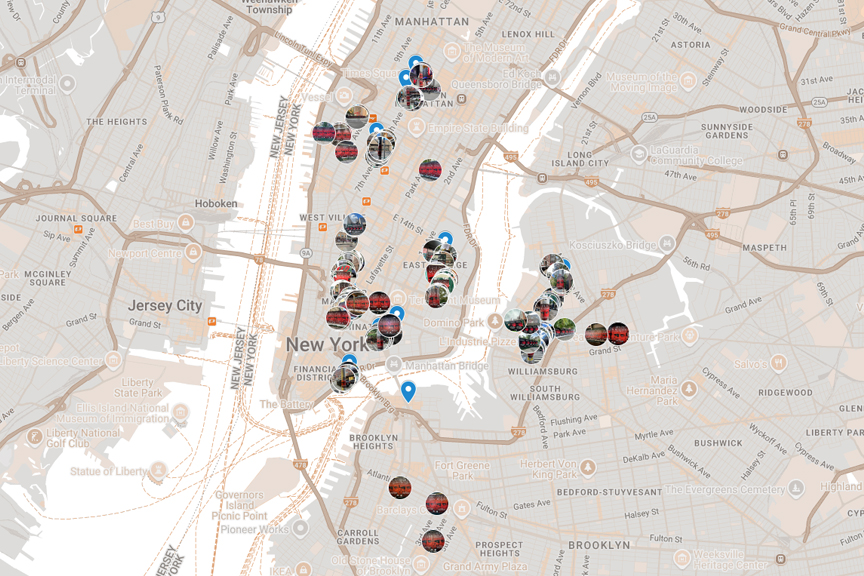
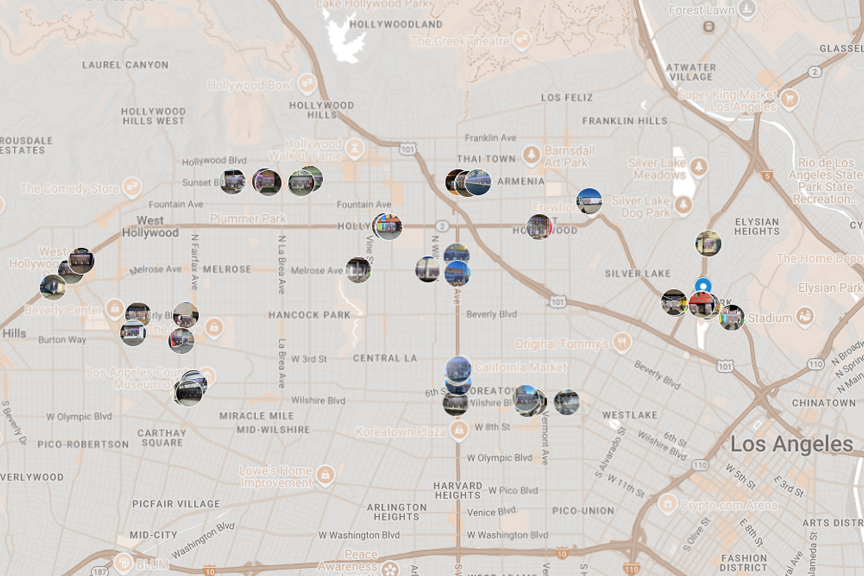
Every Baton Rouge snipe campaign includes complete photo documentation with GPS coordinates for each placement. Our crews capture timestamped images showing exact locations, surrounding context, and sign condition at installation. Clients receive a digital report within 48 hours of installation showing their signs on poles along Government Street, fences near LSU’s campus, or boards in the Mid City commercial district. GPS data plots each placement on an interactive map, letting you see coverage patterns and identify any gaps. This documentation proves especially valuable for brands reporting to corporate marketing teams or franchisors requiring placement verification. We photograph conditions at installation and during any maintenance visits, creating a visual record throughout your campaign. The reporting also helps with future campaign planning since you’ll see which Baton Rouge corridors delivered the best visibility. For longer campaigns, we provide updated photos at weekly or biweekly intervals showing sign condition and any environmental changes affecting visibility.
Sign longevity in Baton Rouge depends heavily on material choice, placement location, and seasonal timing. Corrugated plastic snipes in protected locations can last 8-12 weeks during fall and winter months when humidity drops and rain becomes less frequent. Summer placements face harsher conditions and typically show wear within 4-6 weeks. Paper-based wheat paste postings need more frequent replacement, usually every 2-3 weeks depending on exposure. Areas under tree cover in neighborhoods like Garden District or Goodwood stay drier but collect more debris. High-traffic commercial zones along Siegen Lane or Airline Highway experience more tampering and accidental damage from delivery trucks and maintenance crews. Signs near LSU’s campus during football season face higher theft rates due to foot traffic. Placements along the Mississippi River levee experience river fog that accelerates material breakdown. AGM factors all these variables into campaign planning, recommending material grades and replacement schedules based on specific placement zones throughout East Baton Rouge Parish.
Baton Rouge’s metro population of roughly 870,000 spreads across a wide geographic area, requiring thoughtful placement strategy rather than pure volume. For true saturation across the urban core including Mid City, downtown, LSU campus, and major commercial corridors, most campaigns need 150-250 snipes to achieve consistent visibility. A targeted neighborhood campaign focusing only on Government Street and surrounding blocks might work effectively with 40-60 placements. Citywide brand awareness campaigns covering Baker, Zachary, Denham Springs, and Central usually require 300+ signs to maintain presence across the fragmented suburban market. College-focused campaigns targeting LSU’s 30,000+ students can achieve saturation with 75-100 signs concentrated along Highland Road, Nicholson Drive, and Chimes Street. AGM typically recommends starting with a moderate density, measuring response, and adjusting for subsequent waves. The city’s car-dependent layout means repetition matters since drivers need multiple exposures along their regular routes to register your message.
Our Baton Rouge crews conduct regular monitoring runs throughout active campaigns, checking sign condition and addressing any issues quickly. Standard campaigns include weekly drive-throughs covering all placement zones from downtown to Cortana to the Siegen Lane corridor. We look for weather damage, vandalism, competitor covering, and natural wear. Any sign showing significant degradation gets replaced within 24-48 hours, depending on material availability. During LSU home game weekends, we do additional checks since increased foot traffic near campus raises tampering rates. Major weather events like the summer thunderstorms Baton Rouge regularly experiences trigger immediate inspection runs. Clients can request additional monitoring during critical promotional windows or event-based campaigns. We maintain material inventory locally so replacements don’t require shipping delays. Each maintenance visit generates updated photos for client records. This active management separates professional snipe campaigns from amateur sign placements that deteriorate unmonitored and reflect poorly on the brand.
Baton Rouge’s neighborhoods offer distinct demographic targeting opportunities through strategic snipe placement. LSU’s campus and surrounding areas like Tigerland and Southdowns reach college students and young professionals aged 18-28 with significant disposable income despite student status. Mid City’s revitalized corridor along Government Street attracts creative professionals, restaurant workers, and young families drawn to walkable urban living. Bocage and Jefferson Place deliver affluent suburban households with higher median incomes. Scotlandville and North Baton Rouge reach predominantly African American communities and families. The Airline Highway industrial corridor captures blue-collar refinery and manufacturing workers. Suburban zones like Prairieville-adjacent areas target growing families with children. Downtown placements hit state government employees and legal professionals concentrated near the Capitol complex. Each neighborhood has distinct income levels, age distributions, and consumption patterns. AGM helps clients match their target customer profile with specific placement zones, avoiding wasted exposure in areas that don’t match their buyer demographics.