American Guerrilla Marketing
Nationwide serivce
Media planning, media buying, billboard advertising, & guerrilla marketing
Guerrilla marketing in Austin, Texas works because the city is dense, culture-driven, and built on repeat daily movement through a small number of highly active corridors. Austin is not just a tech city and it is not only a music destination. It is a university town, a festival hub, a startup ecosystem, and a lifestyle city where locals and visitors overlap constantly. Students, tech workers, creatives, service staff, and tourists move through the same streets again and again. That repetition creates ideal conditions for guerrilla marketing built on frequency, placement discipline, and cultural relevance rather than sheer scale.
Austin runs on loops. Campus schedules at the University of Texas, workdays downtown, coffee runs, food truck circuits, nightlife cycles, live music shows, and major events push people through the same corridors repeatedly. Guerrilla marketing performs best here when it aligns with those loops and shows up where people already walk, bike, linger, and return.
We execute guerrilla marketing in Austin by studying how people actually move through the city. Downtown Austin, Sixth Street, South Congress, East Austin, Rainey Street, the University of Texas campus, medical districts, and major lifestyle corridors create predictable daily circulation. While Austin continues to expand outward, real activity concentrates into repeat routes tied to education, technology, music, dining, nightlife, and festivals.
Our approach to guerrilla marketing in Austin begins with physical scouting and real-world observation. We identify pedestrian choke points, nightlife corridors, campus walkways, parking-to-destination transitions, bridge crossings, food truck clusters, and secondary streets that receive daily exposure. From there, we assign tactics based on context — posters and wheatpasting where foot traffic repeats, street teams and surveys where people linger, experiential activations in high-dwell cultural zones, mobile and vehicle-based media along commuter and event routes, and reinforcement tactics in residential neighborhoods. Planning, production guidance, execution, documentation, and reporting are handled end to end.
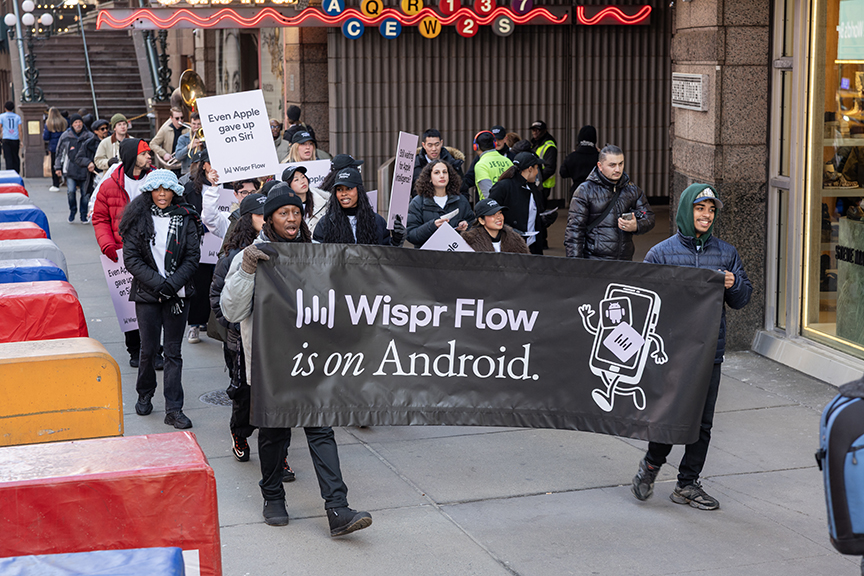
Street teams in Austin deliver direct engagement in nightlife, downtown, campus, and cultural environments.
Read More
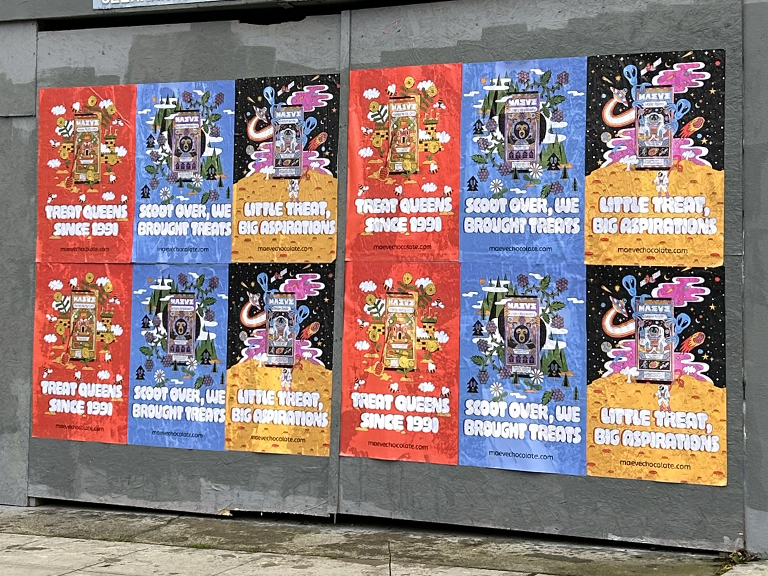
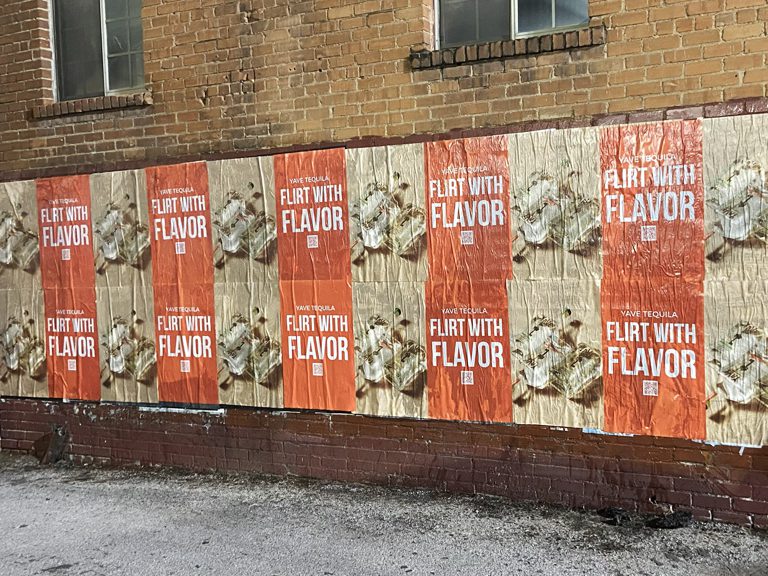
Posters and wheatpasting in Austin provide repeated visual exposure along pedestrian corridors and secondary streets.
Read More
Surveys in Austin capture real-world sentiment near entertainment, campus, and lifestyle zones.
Read More
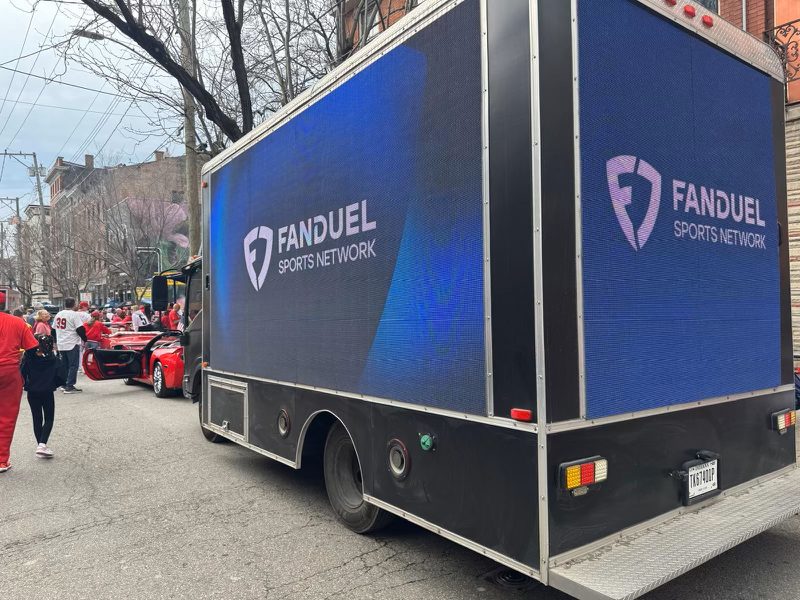
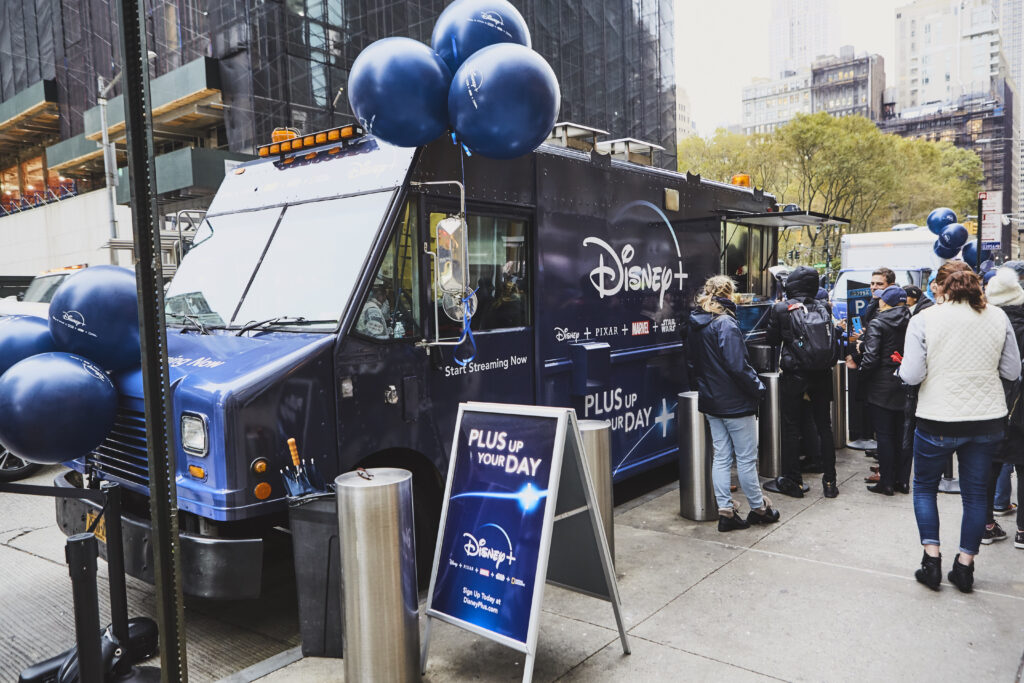
Mobile billboard trucks in Austin reinforce visibility along commuter routes, event corridors, and major arterials.
Read More
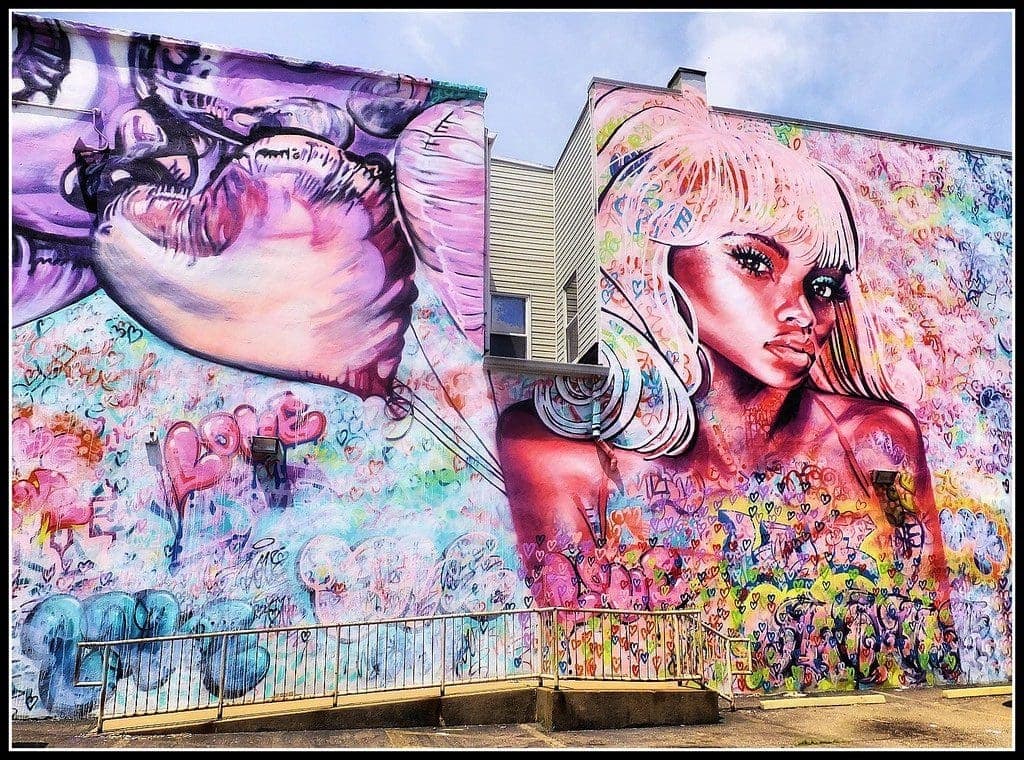
Experiential guerrilla marketing in Austin works best in music, nightlife, festival, and cultural environments.
Read More
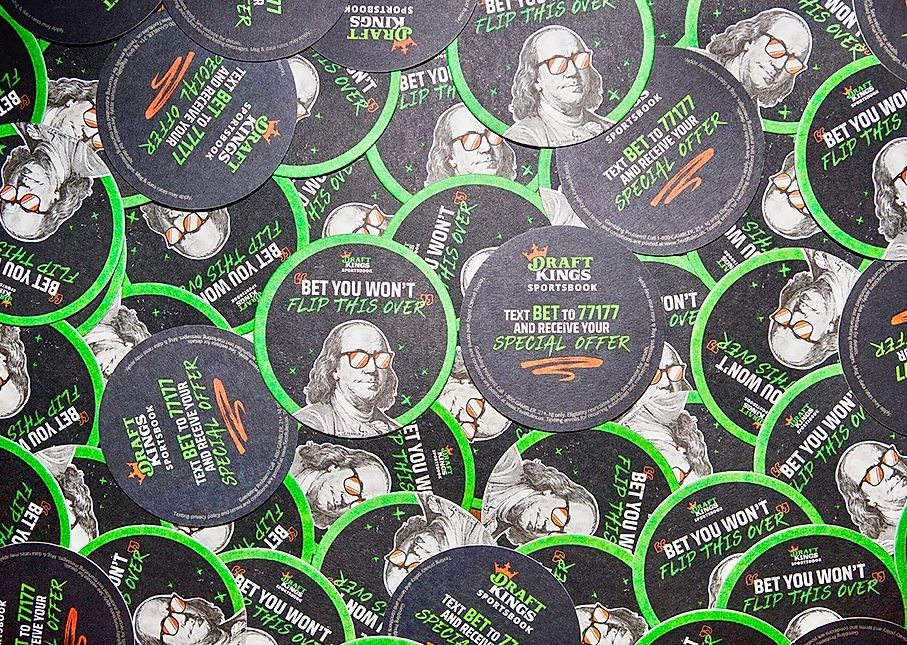
Coasters and tabletop media inside Austin bars and restaurants reinforce messaging during extended dwell time.
Read More
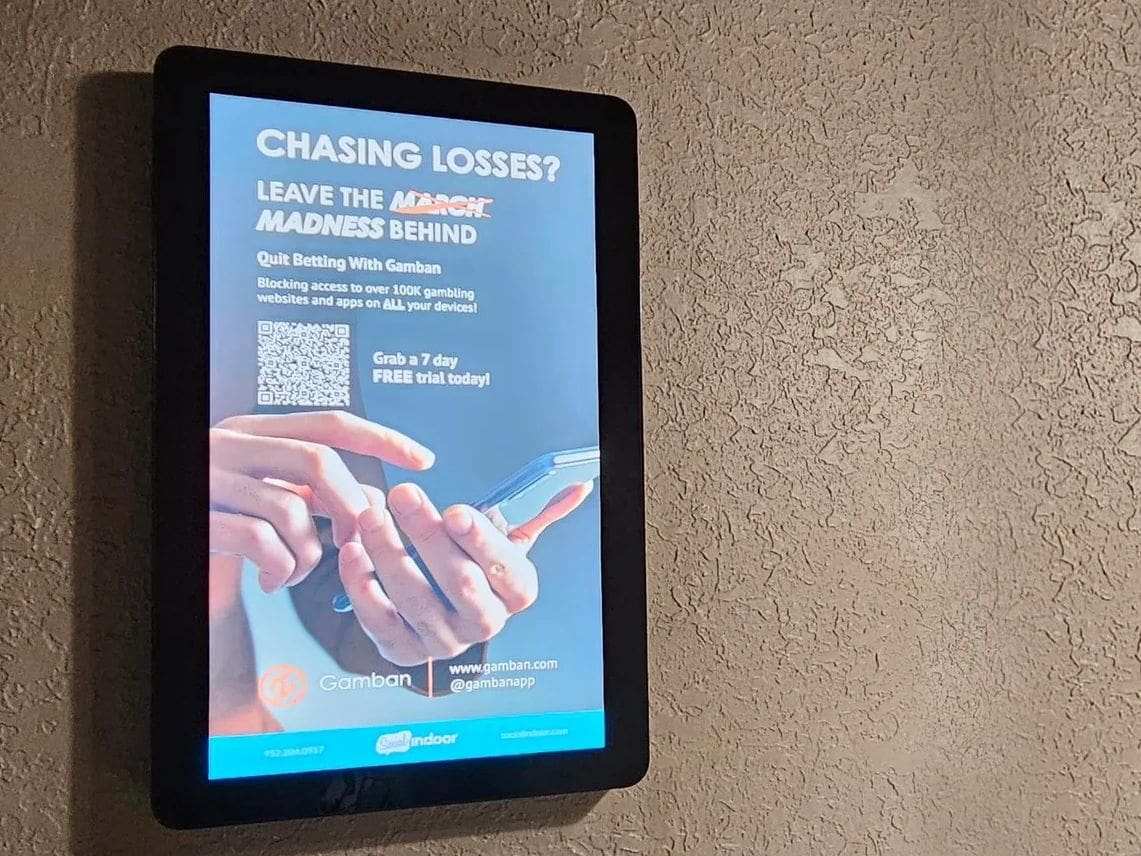
Bathroom advertising in Austin venues delivers uninterrupted exposure in high-dwell environments.
Read More
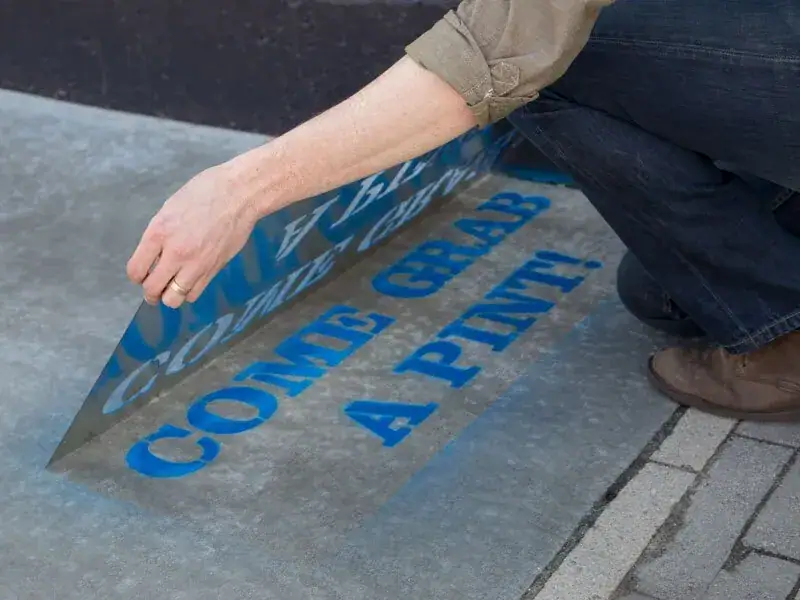
Temporary sidewalk stencils in Austin place messaging at ground level near pedestrian slow zones.
Read More
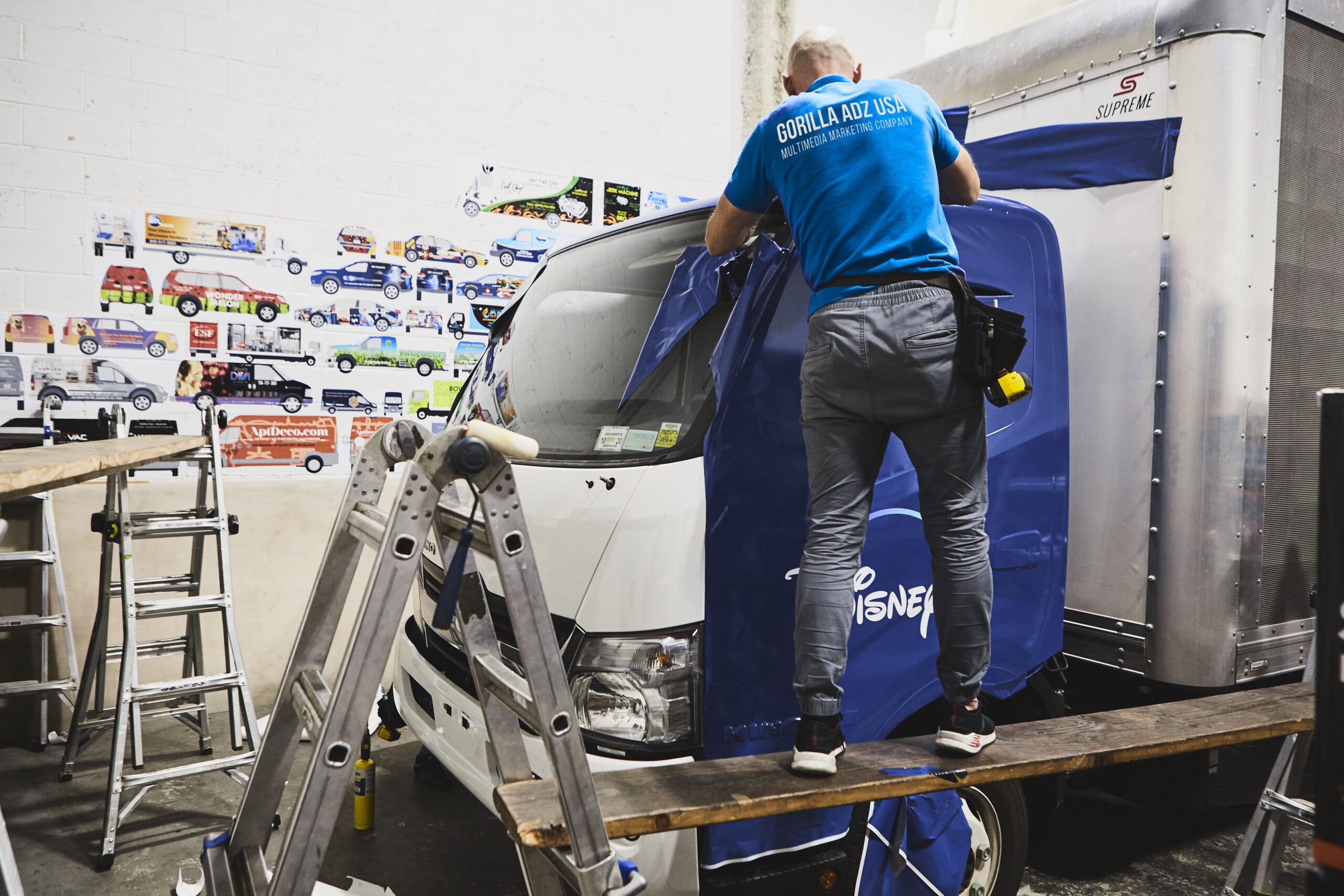
Vehicle wraps in Austin turn daily commutes and visitor travel into rolling brand impressions.
Read More
Strategic door hanger placement in Austin residential and mixed-use neighborhoods provides direct, at-home brand exposure.
Read MoreAward0Winning Personalized Service
You will get thoughtful, devoted, and individualized attention from our experienced, qualified, and professional personnel. Being one of the most illustrious agencies in Brooklyn, New York, American Guerilla Marketing has been awarded the Best of Brooklyn title.
Nationwide
Industry City, Brooklyn, New York 11232
American Guerilla Marketing
Hours
Mon - Fri: 9 AM - 5 PM
Sat & Sun: Closed
Automate your campaign with AGM’s Request for Proposal Builder. Simply answer a few quick questions about your campaign goals, markets, and timeline, and the system will generate a tailored presentation with recommended strategies, quantities, and pricing. Click the RFP Builder to instantly receive your customized proposal.
Guerrilla marketing performance in Austin is measured at the neighborhood and corridor level using observed pedestrian behavior, commuter patterns, event traffic, and standard out-of-home impression modeling. Because Austin blends daily local routine with constant event-driven surges, performance is evaluated through exposure frequency across multiple cycles rather than one-time reach.
We analyze how often people encounter the same placements over one-week, two-week, and four-week periods. In Austin, downtown corridors, campus-adjacent zones, nightlife districts, and cultural neighborhoods consistently outperform purely residential streets because people revisit these locations daily as part of their routines.
| Neighborhood | Population | Impressions (1 Week) | Impressions (2 Weeks) | Impressions (4 Weeks) | Estimated Engagements | Engagement Rate |
| Downtown Austin | 30,000 | 360,000 | 720,000 | 1,440,000 | 504,000 | 35% |
| Sixth Street | 24,000 | 380,000 | 760,000 | 1,520,000 | 532,000 | 35% |
| South Congress | 22,000 | 340,000 | 680,000 | 1,360,000 | 476,000 | 35% |
| East Austin | 26,000 | 320,000 | 640,000 | 1,280,000 | 448,000 | 35% |
| Rainey Street | 18,000 | 300,000 | 600,000 | 1,200,000 | 420,000 | 35% |
| University of Texas Area | 40,000 | 420,000 | 840,000 | 1,680,000 | 588,000 | 35% |
| Medical & Employment Corridors | 45,000 | 360,000 | 720,000 | 1,440,000 | 432,000 | 30% |
| Residential Austin | 120,000 | 260,000 | 520,000 | 1,040,000 | 260,000 | 25% |
Impressions represent estimated visual exposures based on repeated pedestrian circulation, nightlife loops, campus movement, and daily commuter travel. Engagements reflect real-world responses such as QR scans, survey participation, flyer acceptance, sampling interaction, or recall-driven action.
All impression and engagement figures are estimates provided for planning purposes only. Actual results vary based on creative quality, placement density, timing, festivals, weather, and execution. No performance outcomes are guaranteed.
Downtown Austin serves as the city’s business, entertainment, and cultural core with offices, bars, restaurants, live music venues, and events.
Guerrilla marketing in Downtown Austin works best with street teams, brand ambassadors, man-on-the-street surveys, and posters positioned near pedestrian corridors and parking transitions. Posters and wheatpasting perform well on service walls just off primary routes, benefiting from repeated exposure throughout the day and night.
Sixth Street is Austin’s most concentrated nightlife and music corridor with extreme foot traffic from afternoon through late night.
Street teams, experiential activations, posters, coasters, bathroom advertising, and surveys perform exceptionally well here due to massive dwell time and repeated visitation within a single evening.
South Congress combines shopping, dining, live music, and tourism into a walkable lifestyle corridor.
Posters, street teams, experiential activations, coasters, and bathroom advertising perform well here because visitors and locals loop the area multiple times per day.
East Austin is a culture-forward neighborhood driven by nightlife, dining, art, and residential density.
Posters, street teams, experiential activations, coasters, and surveys perform well here because locals return frequently and engage with neighborhood culture.
Rainey Street is a high-density nightlife pocket with constant pedestrian circulation.
Street teams, experiential activations, posters, coasters, and bathroom advertising perform best here by intercepting audiences during predictable nightlife cycles.
The University of Texas campus generates predictable daily movement tied to class schedules, housing, athletics, and campus events.
Student brand ambassadors, surveys, flyers, sidewalk stencils, and posters perform extremely well here because students and staff traverse the same routes multiple times per day.
Austin’s medical and employment corridors support large healthcare systems and tech offices with steady shift-based movement.
Surveys, flyer distribution, posters, and mobile billboards perform best here, reaching staff and visitors during predictable arrival and departure windows. Messaging should remain clear, respectful, and repetition-driven.
Residential neighborhoods in Austin function primarily as reinforcement zones.
Door hangers, wrapped vehicles, and targeted flyer drops support awareness built in downtown, campus, and nightlife districts.
Guerrilla marketing works in Austin because the city layers culture, technology, education, and nightlife into dense, repeatable corridors. People encounter the same streets multiple times per day across different contexts.
When executed thoughtfully, guerrilla marketing in Austin feels embedded rather than disruptive. Repetition paired with cultural alignment drives recognition and action.
Guerrilla marketing works in Austin because daily movement is extremely repetitive across nightlife, campus, tech, and cultural corridors. Repeated exposure builds recognition quickly even during busy events.
Downtown Austin, Sixth Street, South Congress, East Austin, Rainey Street, the UT campus, and medical corridors consistently perform best due to repeat visitation.
Yes, posters work extremely well in Austin when placed along repeat pedestrian routes and secondary streets. Frequency and cultural fit matter more than size.
No. Saturation only affects undisciplined campaigns. Targeted repetition in high-frequency corridors cuts through effectively.
Street teams, experiential activations, posters, coasters, and bathroom advertising perform best because people linger and return multiple times per day.
Yes. Mobile billboard trucks are highly effective along commuter corridors and during festivals and major events.
Yes, guerrilla marketing is highly effective for local businesses because it places messaging near where customers already live, work, study, and socialize.
Placement density is critical. Concentrating placements in high-frequency corridors outperforms spreading them thin across the city.
Most Austin guerrilla marketing campaigns perform best over two to four weeks, allowing enough repetition to break through during busy event cycles.