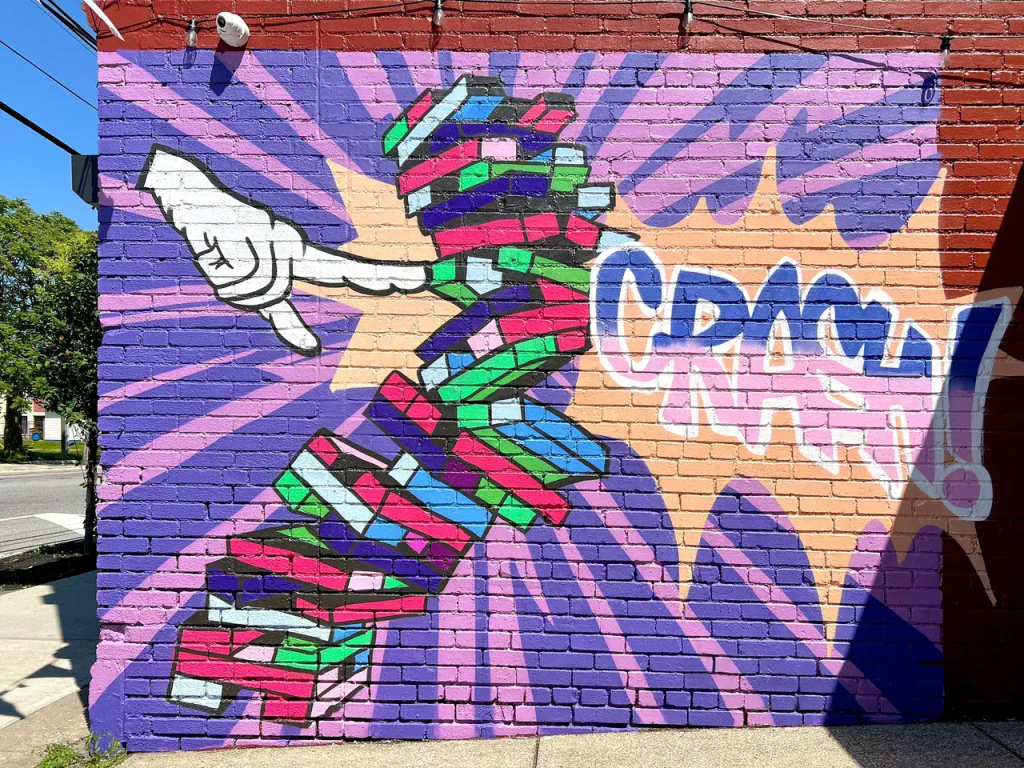
Commercial mural advertising is a growing category in the outdoor advertising market, and the demand for skilled mural artists who can execute brand-commissioned work to professional standards has grown with it. But the mural artist job market for advertising work is not a standard employment market. It is a freelance and contract ecosystem where the artists who consistently find commercial work are those who understand what brands need and have positioned themselves to deliver it.
Our team at American Guerrilla Marketing commissions mural artists for mural advertising campaigns across 50+ U.S. markets. This guide covers what brands look for when hiring mural artists, how to position your practice for commercial advertising work, what rates look like in the current market, and how to build the client relationships that drive sustained commercial commission income.
What Brands Look for in Commercial Mural Artists
Brands hiring mural artists for advertising campaigns have a distinct set of requirements that differ meaningfully from what is valued in the fine art or commissioned public art contexts. Understanding these requirements is the starting point for positioning a mural practice for commercial advertising work.
Large-Scale Exterior Portfolio
The most fundamental requirement is a portfolio of large-scale exterior mural work. Interior murals, no matter how technically excellent, do not demonstrate the outdoor paint skills, surface preparation knowledge, and multi-day installation experience that exterior commercial work requires. Brands evaluating mural artists for exterior campaigns will look specifically for outdoor wall work in conditions comparable to the planned installation.
Brand Integration Capability
Commercial mural work requires the ability to integrate brand visual identity into an artistic design that serves the brand’s objectives while maintaining the artistic quality that makes the mural worth looking at. Artists who can demonstrate prior brand integration work, showing how they have translated a brand’s visual guidelines into a genuinely compelling mural, are far more persuasive to commercial clients than those who present purely self-directed work regardless of its artistic quality.
Professional Reliability
Commercial mural campaigns operate on fixed timelines tied to product launches, event dates, and campaign windows. An artist who misses installation deadlines, creates project management complications, or delivers work that does not match the approved design creates costly campaign disruptions. Professional reliability, including the ability to communicate clearly, deliver on commitments, and manage a multi-day installation on schedule, is as important to commercial clients as artistic quality.
Rates for Commercial Mural Artist Work
Commercial mural artist rates in advertising reflect the intersection of artistic market value and the commercial value of the installation to the brand. The range is wide because the variables are significant.
Emerging Local Artists
Emerging local mural artists with strong neighborhood credibility but limited commercial brand experience typically command $50 to $80 per square foot for commercial work. At this level, the primary value proposition is local community credibility and solid technical execution. A 200-square-foot mural engagement at $60 per square foot generates $12,000 in artist fees, which is a meaningful income for an emerging practice.
Established Commercial Artists
Artists with a demonstrated record of commercial brand commissions, press-generating installations, and a social media following that extends their reach beyond the immediate neighborhood typically command $80 to $150 per square foot. The premium reflects both artistic quality and the organic amplification value that a recognized artist’s involvement brings to the campaign.
Nationally Recognized Artists
Artists with national or international recognition in the mural and street art worlds, whose involvement in a commercial campaign generates press coverage and industry conversation in its own right, can command rates above $150 per square foot and often negotiate additional terms related to image rights, attribution, and licensing.
Finding Commercial Advertising Clients
The most consistent path to commercial mural advertising work is visibility to the right clients through the right channels, combined with the professional credentials that convert visibility into commissions.
Instagram as Portfolio and Discovery Tool
Instagram remains the primary portfolio platform for mural artists pursuing commercial advertising work. Brand marketing managers, agency art buyers, and outdoor advertising operators actively use Instagram to identify artists whose work is relevant to their market and audience. A well-maintained Instagram presence featuring professional photography of completed exterior murals, documentation of the installation process, and consistent engagement with the neighborhood visual culture that defines the artist’s practice creates organic discovery opportunities with commercial clients.
Direct Outreach to Guerrilla Marketing Agencies
Guerrilla marketing agencies that commission mural work are among the most consistent sources of commercial mural artist work. Direct outreach to these agencies with a professional portfolio PDF and a brief introduction to your practice and market focus creates the awareness that generates future commission conversations. Our team welcomes portfolio submissions from artists in the markets we work in regularly.
Frequently Asked Questions
What do brands look for when hiring mural artists for advertising campaigns?
Brands look for: large-scale exterior mural portfolio, demonstrated ability to work with brand guidelines while maintaining artistic quality, experience with exterior paint products and multi-day outdoor installation, cultural credibility in the target neighborhood, and professional project management including deadline reliability and clear client communication.
How much do mural artists charge for commercial advertising work?
Mural artist rates for commercial advertising range from $50 to $200 per square foot for the complete installation depending on the artist’s profile, mural complexity, and the brand’s requirements. Emerging local artists typically fall in the $50-80 per square foot range. Nationally recognized artists can command above $150 per square foot.
How do mural artists find commercial advertising clients?
Mural artists find commercial advertising clients through strong Instagram portfolio presence visible to brand marketing audiences, direct outreach to advertising agencies and guerrilla marketing companies, property owner relationships, and referrals from other artists.
What is the difference between street art and commercial mural artist work?
Commercial mural work involves explicit brand integration, working with visual guidelines, meeting defined timelines, and producing professional documentation. Street art is self-directed without client requirements or timeline constraints. Commercial work requires additional discipline including client communication, documentation habits, and the ability to produce consistent quality under fixed installation windows.
Do mural artists need business insurance for commercial advertising work?
Yes. Commercial mural work typically requires general liability insurance. Some brands or property owners require proof of coverage before signing agreements. Insurance protects the artist against claims for property damage or injury during installation and is a standard professional requirement.
What portfolio elements are most important for commercial mural artist job applications?
The most important elements are professional photography of completed large-scale exterior murals, evidence of brand integration experience, documentation of the installation process demonstrating technical competence, and any press coverage or social media amplification generated by completed murals.
How do mural artists manage the business side of commercial advertising commissions?
Managing the business side of commercial mural advertising commissions requires formal agreements for each commission defining scope, timeline, payment schedule, usage rights, and liability; invoicing and payment tracking aligned to project milestones; general liability insurance; and tax registration appropriate for freelance income. Artists who approach commercial advertising work with the same professionalism they bring to the creative work itself build stronger, longer-lasting client relationships than those who treat business administration as an afterthought.