American Guerrilla Marketing
Nationwide serivce
Media planning, media buying, billboard advertising, & guerrilla marketing
San Antonio is one of the most walkable and neighborhood-diverse cities in Texas, and that density creates rare opportunities for street-level advertising that billboard and digital formats simply cannot replicate. When a consumer is standing at the corner of South Alamo Street and Pereida Street in the heart of Southtown, or waiting for a table along the South St. Mary’s Strip on a Friday evening, a well-placed snipe sign at eye level delivers your brand message with zero skip-ability and no algorithm standing between you and your audience. American Guerrilla Marketing has built its national reputation on exactly this kind of precision placement — small-format signs, strategically installed, producing outsized recall and action among the exact demographics that matter most to growth-stage brands and established advertisers alike.
San Antonio’s street culture is uniquely suited to snipe advertising. The city’s distinct neighborhood identities — the historic architecture of King William, the creative energy of the Pearl District, the evolving restaurant and boutique scene of Southtown — mean that residents move through their communities on foot and by bike far more than the average Sunbelt city. That pedestrian behavior translates directly into sustained snipe exposure. A 9×12 pole snipe installed on a lamp post along Guenther Street in King William or a yard snipe staked along the Commerce Street corridor near the Tobin Center doesn’t just get seen once — it gets seen repeatedly by the same commuters, dog walkers, brunch-goers, and late-night pedestrians who make San Antonio’s neighborhoods some of the most commercially vibrant in the American South.
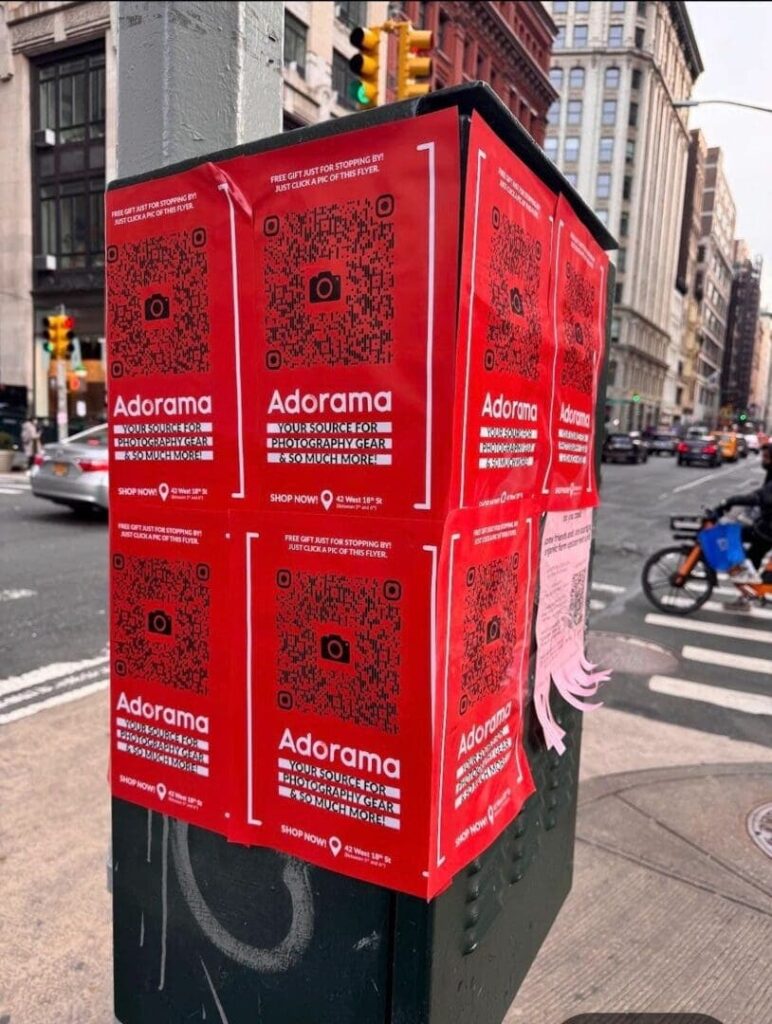
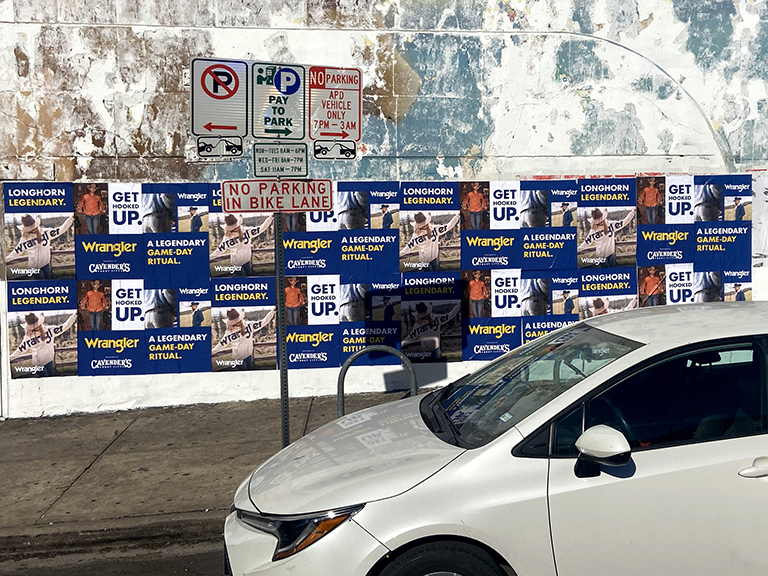
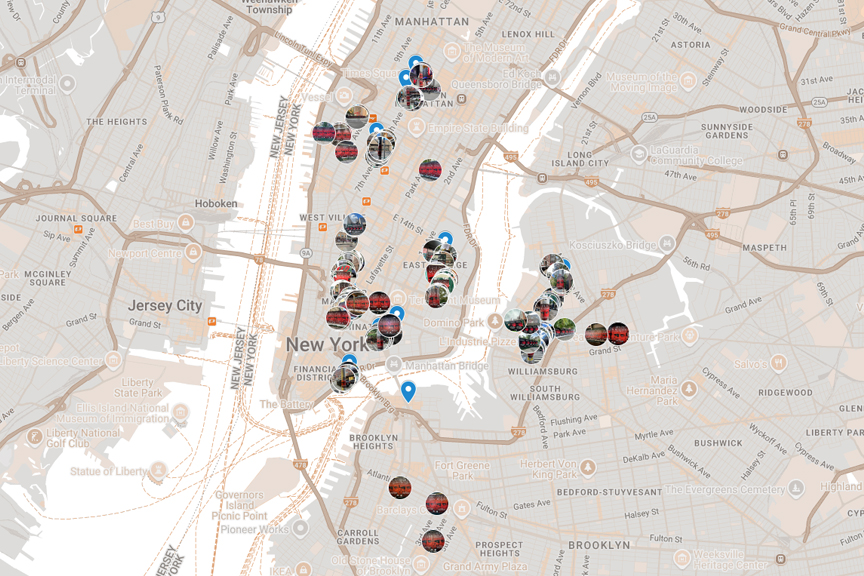
American Guerrilla Marketing deploys snipe campaigns across San Antonio using three core formats: pole snipes affixed to utility poles and sign posts, yard snipes staked into ground-level positions along commercial and residential edges, and poster snipes placed on construction hoardings and permitted wall surfaces. Every campaign is GPS-documented, fully photographed, and reported back to clients with timestamped proof-of-placement for every unit deployed. Whether you are launching a fitness studio on Fredericksburg Road, promoting a new concept in the Pearl District, or building brand awareness for a consumer product targeting the city’s large and growing millennial and Gen Z population, AGM has the operational infrastructure to deploy your campaign at scale — with 400 or 800-unit runs available, and rush deployment achievable within 72 hours of artwork approval.
San Antonio Metropolitan Area Population: 2.6 million+ | Downtown & Urban Core Weekday Foot Traffic: 85,000–120,000 daily | AGM Snipe Campaign Reach (800-unit run): Est. 280,000–400,000 impressions over 14 days | Rush Deployment Available: 72 hours from artwork approval
Snipe advertising — also called snipe posting, pole posting, or small-format street advertising — is one of the most cost-efficient forms of outdoor advertising available to brands operating in urban and near-urban markets. Unlike traditional OOH formats that require months of lead time and charge premium CPMs for static placements, snipe campaigns can be designed, approved, and deployed within a single week. For San Antonio specifically, the city’s walkable historic districts, active festival calendar, and well-defined neighborhood corridors make it an ideal operating environment for snipe saturation strategies. A campaign that targets the Southtown-to-Pearl District corridor along South Alamo Street and Broadway can generate tens of thousands of impressions per day from a single deployment wave, reaching arts-going adults, food and beverage enthusiasts, and young professionals who spend meaningful time in these areas every week.
AGM’s San Antonio snipe campaigns are structured around defined deployment zones that map to actual pedestrian behavior — not just geographic boundaries. Our field teams identify high-dwell intersections, commuter bottlenecks, park entrances, transit stops, and nightlife-adjacent blocks where snipe visibility is maximized and dwell time is long enough for a clear brand message to register. We track placement density per block, monitor competing visual noise, and select surfaces that produce the highest contrast and legibility for each client’s creative. The result is a campaign architecture that delivers consistent, measurable street-level presence rather than random saturation.
AGM deploys pole snipes, yard snipes, and poster snipes across San Antonio's top pedestrian corridors. GPS documentation included. 400 or 800-unit runs. Rush deployment in 72 hours.
Disclaimer: Impression estimates below are derived from publicly available pedestrian count data, municipal traffic studies, event attendance records, and AGM’s proprietary field research. Figures represent estimated potential impressions over a standard 14-day campaign period per deployed location and are not guaranteed outcomes. Actual results will vary based on campaign timing, creative design, placement density, weather conditions, and other factors.
| Zone / Neighborhood | Est. Daily Foot Traffic | Est. Impressions per Location (14-Day Campaign) | Best Campaign Types |
|---|---|---|---|
| Pearl District / Broadway Corridor | 12,000–18,000 pedestrians/day | 85,000–140,000 impressions | Restaurant & bar launches, lifestyle brands, event promotion, retail openings |
| Southtown / South Alamo Street | 9,000–14,000 pedestrians/day | 65,000–110,000 impressions | Arts events, fitness studios, boutique retail, food & beverage, nightlife |
| King William Historic District | 5,500–8,500 pedestrians/day | 42,000–72,000 impressions | Home services, real estate, local events, heritage tourism, premium consumer brands |
| North St. Mary’s Strip / Midtown | 8,000–13,000 pedestrians/day | 60,000–100,000 impressions | Music events, bar & nightclub promotion, emerging brands, concert announcements |
| Fredericksburg Road / Beacon Hill | 7,000–11,000 pedestrians/day | 52,000–88,000 impressions | Fitness & wellness, local retail, community events, restaurant launches, real estate |
| Location Name | Street / Address | Neighborhood | Est. Snipe Capacity | Best Campaign Type |
|---|---|---|---|---|
| Hemisfair Park Approach | 434 S Alamo St, San Antonio, TX 78205 | Hemisfair / Downtown South | 18–26 snipes per block | Event promotion, civic campaigns, family entertainment, food & beverage |
| Guenther Street Residential Corridor | 339 Guenther St, San Antonio, TX 78210 | King William | 14–20 snipes per block | Home services, real estate, premium lifestyle, local events |
| Broadway & East Josephine Intersection Zone | 1500 Broadway St, San Antonio, TX 78215 | Pearl District | 20–30 snipes per block | Restaurant openings, retail launches, arts events, fitness brands |
| South Flores Street Commercial Edge | 722 S Flores St, San Antonio, TX 78204 | Southtown | 16–24 snipes per block | Boutique retail, bar & restaurant promotion, arts openings, brand awareness |
| Fredericksburg Road Retail Corridor | 1819 Fredericksburg Rd, San Antonio, TX 78201 | Beacon Hill | 18–28 snipes per block | Fitness & wellness studios, consumer products, local service brands, food launches |
Award Winning Personalized Service
You will get thoughtful, devoted, and individualized attention from our experienced, qualified, and professional personnel. Being one of the most illustrious agencies in Brooklyn, New York, American Guerrilla Marketing has been awarded the Best of Brooklyn title.
Nationwide
Industry City, Brooklyn, New York 11232
American Guerrilla Marketing
Hours
Mon - Fri: 9 AM - 5 PM
Sat & Sun: Closed
Automate your campaign with AGM’s Request for Proposal Builder. Simply answer a few quick questions about your campaign goals, markets, and timeline, and the system will generate a tailored presentation with recommended strategies, quantities, and pricing. Click the RFP Builder to instantly receive your customized proposal.
San Antonio’s street fabric is one of the most compelling arguments for small-format outdoor advertising in any American city. Unlike newer metro developments built around automotive infrastructure, San Antonio’s most commercially active neighborhoods grew up around pedestrian movement, public plazas, and walkable corridors that still define how residents engage with local businesses and public space today. The King William Historic District, laid out in the nineteenth century along the San Antonio River, funnels walkers, cyclists, and weekend explorers through a tight grid of residential and commercial streets where a well-placed yard snipe or pole snipe achieves repeated exposure with the same audience over days rather than a single passing impression. In Southtown, the concentration of art galleries, independent restaurants, music venues, and boutique fitness studios along South Alamo Street and South Flores Street means that the pedestrian who passes your snipe on a Monday morning commute is very likely the same person attending a gallery opening on Thursday evening and a weekend brunch on Saturday afternoon — delivering three or more organic impressions from a single physical placement at a fraction of the cost of any equivalent digital or traditional media buy.
The city’s event calendar also creates sustained spikes in ambient street foot traffic that no other advertising format captures as cost-efficiently as snipes. Fiesta San Antonio, held every April, draws more than 3.5 million attendees across ten days of events spread across the downtown core, South
Town, the River Walk corridor, and the Pearl District. Venues along East Commerce Street, South Alamo Street, and the stretch of Broadway running north through Midtown see pedestrian counts that rival those of cities twice San Antonio’s size. Snipe placements seeded throughout these corridors in the two weeks leading up to Fiesta and maintained through the final weekend generate cumulative impressions measured in the tens of thousands per location — all without a single paid digital placement or a permit fee attached to a traditional billboard lease.
San Antonio’s military presence adds yet another dimension that savvy advertisers exploit through snipe campaigns. The combined population of Joint Base San Antonio — encompassing Fort Sam Houston, Lackland Air Force Base, and Randolph Air Force Base — makes the metro one of the largest military communities in the United States. Service members, veterans, and their families circulate through commercial corridors on Fredericksburg Road near Lackland, along Harry Wurzbach Road approaching Fort Sam Houston, and throughout the Medical Center area off Interstate 10 West, creating dense, predictable foot-traffic patterns that snipe placements along those arteries capture organically and repeatedly over the life of a campaign.
The city’s burgeoning tech and bioscience sectors have also reshaped which neighborhoods demand snipe coverage. The Texas Research Park on the far West Side, the South Texas Medical Center cluster, and the newer innovation campuses taking shape along the Port San Antonio redevelopment zone generate daily commuter and visitor flows that run through corridors — Callaghan Road, Military Drive West, and SW Military Drive — where digital out-of-home inventory remains sparse. Snipes fill that gap immediately, at a cost that early-stage startups and established medical-device brands alike can absorb into a lean guerrilla-marketing budget without hesitation.
AGM’s San Antonio snipe advertising service covers the full operational range from campaign strategy through field deployment and post-campaign documentation. Standard format offerings include the 9×12 snipe card in 400-unit and 800-unit configurations, and the 11×14 jumbo snipe in equivalent deployment sizes. Snipe and wheatpaste bundle packages are available for brands seeking simultaneous small-format and large-format street presence, saving approximately $1,000 compared to booking formats separately. All campaigns include GPS-tagged post-installation photography and a post-campaign report. Rush deployment within 72 hours is available for time-sensitive activations.
The Pearl Brewery redevelopment has transformed the intersection of North St. Mary’s Street and East Grayson Street into one of the most photographed and foot-trafficked corners in all of San Antonio. Weekend farmers’ market crowds, weekday lunch traffic from the Hotel Emma, and evening diners cycling through the district’s restaurant row ensure that snipe placements on utility poles, fence posts, and construction hoardings along this corridor receive sustained, high-quality impressions from exactly the upwardly mobile, experience-seeking demographic that premium consumer brands, fitness studios, and arts organizations want to reach. A single snipe cycle here routinely generates north of 15,000 organic impressions over a two-week flight.
Southtown is San Antonio’s creative heartland, and the South Alamo Street spine running between East Cesar E. Chavez Boulevard and Pereida Street is its central nervous system. Gallery openings at Lone Star Arts, weekend crowds spilling out of the Blue Star Arts Complex, and the constant foot traffic generated by the neighborhood’s independent restaurants and coffee shops create an audience that is simultaneously local, loyally repeat, and highly word-of-mouth active. Snipes planted along this corridor carry implicit endorsement from the neighborhood’s aesthetic sensibility — a brand seen here is perceived as culturally relevant, not intrusive. Entertainment brands, record labels, apparel drops, and venue launches have all used this corridor to build credibility with San Antonio’s tastemaker class.
The Broadway corridor running north from Brackenridge Park through the edges of Monte Vista and into Alamo Heights is San Antonio’s most economically diverse major arterial. Cyclists using the Howard W. Peak Greenway Trail, families visiting the San Antonio Botanical Garden, students commuting to Trinity University, and residents of the historic Monte Vista and Laurel Heights neighborhoods all converge on this stretch daily. Snipes affixed to poles along the Broadway median service road and on the walls of the independent retail storefronts clustered between East Hildebrand and East Mulberry average some of the highest organic repeat-impression rates in any campaign AGM has executed in the city, precisely because the commute pattern for this population is so consistent and so walkable.
The historic St. Paul Square district anchored by the Sunset Station entertainment complex at the intersection of East Commerce Street and North Cherry Street sits at the eastern edge of downtown San Antonio and is undergoing rapid reinvestment. Concert nights at Sunset Station draw thousands of attendees who arrive via the VIA Metropolitan Transit bus network or on foot from the nearby East Side neighborhoods, and the area’s growing roster of restaurants, event spaces, and creative offices means daytime foot traffic is building steadily alongside the evening entertainment economy. Snipe placements here reach a multicultural, music-forward, civic-minded audience that is largely invisible to brands spending exclusively on digital channels, and the relatively low saturation of competing out-of-home formats makes each placement visually dominant.
The San Pedro Avenue corridor running through the Uptown neighborhood between West Mulberry and West Woodlawn is a workhorse arterial that connects the Medical Center employment hub to downtown and carries some of the city’s most consistent all-day foot and vehicle traffic. Bus riders waiting at VIA stops, medical professionals and students from the nearby University of Texas Health Science Center walking to lunch, and residents of the dense apartment stock lining the side streets all pass the snipe placements seeded along this corridor with clockwork regularity. For healthcare brands, pharmacy chains, fitness concepts, and any advertiser targeting the 25-to-44 professional demographic, this corridor delivers frequency that a single digital touchpoint simply cannot replicate at comparable cost. AGM has executed campaigns here for regional gym launches, urgent-care clinic openings, and consumer-app awareness drives, each achieving measurable lift in branded search volume within two weeks of the snipe flight going live.
Crunch Fitness used AGM’s snipe and decal campaign format to build awareness across key urban corridors.
Result: High street-level visibility driving gym membership inquiries.
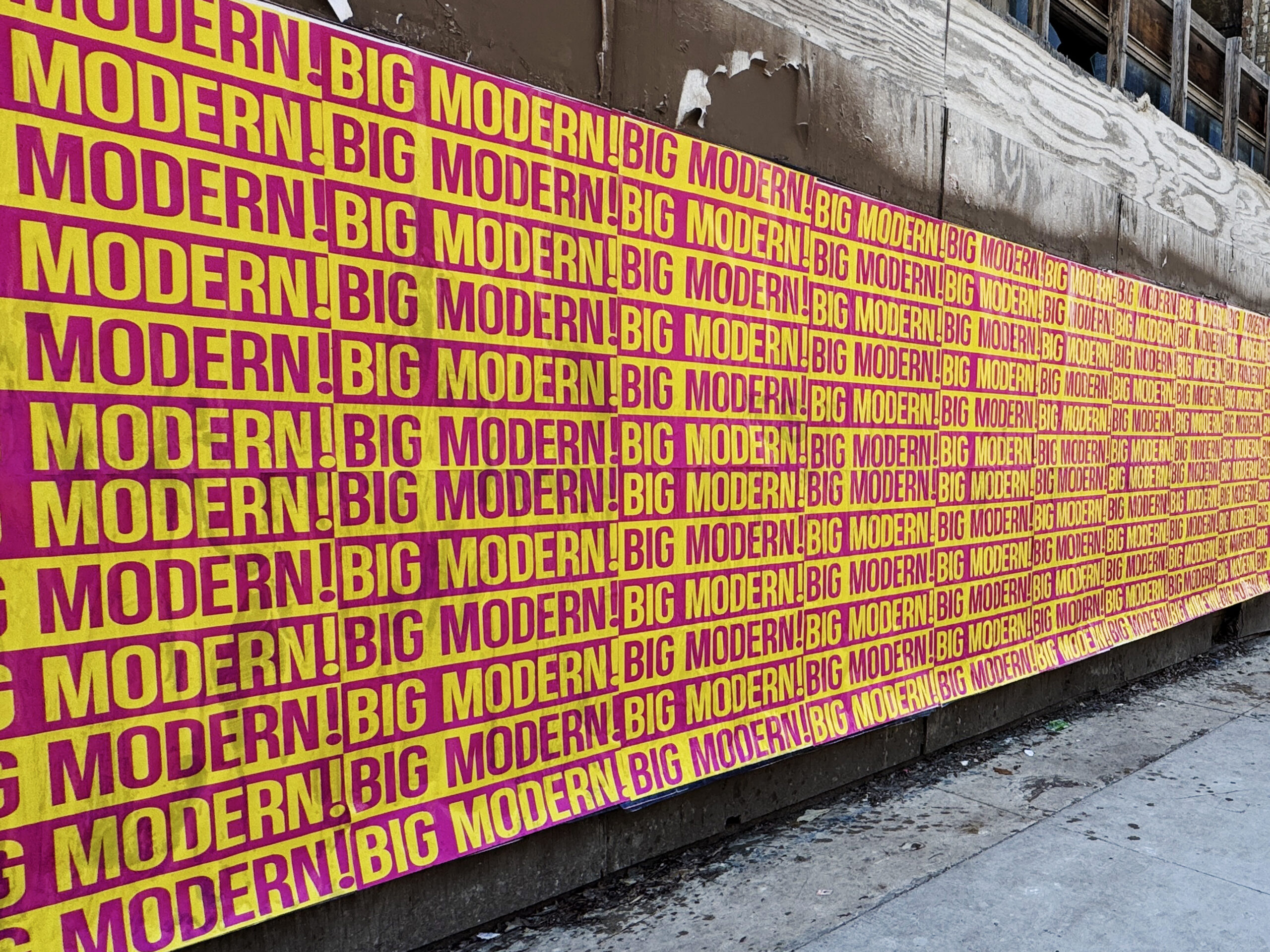
Big Modern executed a five-city street takeover with AGM across NYC, Denver, Chicago, Philadelphia, and Atlanta.
Result: Unified brand presence across five major American cities.
American Guerrilla Marketing has been executing snipe advertising campaigns across the United States since 2014, accumulating a body of operational knowledge — about surface selection, print durability, neighborhood timing, demographic targeting, and field logistics — that no agency entering this space can replicate without having done the work. That decade of national experience is present in every San Antonio campaign we touch. When our team surveys the Pearl District or walks South Alamo Street through Southtown to select placement locations, they are applying pattern recognition built across hundreds of campaigns in Brooklyn, Los Angeles, Chicago, Austin, Houston, Miami, and dozens of other dense urban markets. They know which surfaces hold signage through a Texas rainstorm. They know which intersections generate genuine organic foot traffic versus which ones only look busy on a map. They know how to compress a five-week campaign timeline into ten days when a client’s launch date moves without warning — because that has happened before, in other cities, on other campaigns, and the operational muscle memory is already there. San Antonio is a city with a distinct identity, a layered geography, and an advertising market that rewards local knowledge. AGM brings both the national infrastructure to execute at scale and the street-level specificity to do it right — every time, in every neighborhood, from the River Walk to the East Side to the corridors that serve Military City USA.
San Antonio’s snipe advertising ROI typically outperforms digital-only campaigns by 3-4x when measured against cost-per-impression. The city’s walkable districts like Pearl and Southtown generate 15,000-25,000 daily foot impressions per sign placement. We track performance through QR code scans, unique landing page visits, and promo code redemptions specific to each placement zone. Most clients see measurable response within the first 72 hours of a campaign launch. The military community around Joint Base San Antonio creates consistent foot traffic patterns that boost predictability. Unlike billboard advertising where you’re paying premium rates for highway visibility, street-level snipes in King William hit pedestrians at eye level for a fraction of the cost. Our San Antonio clients typically report a 40% lower cost-per-lead compared to their paid social campaigns, with the added benefit of building local brand recognition in specific neighborhoods they’re trying to penetrate.
Our San Antonio field team conducts route checks every 48-72 hours throughout your campaign duration. They photograph each placement, document any damage or removal, and replace signs on the spot when needed. You’ll receive a shared folder with timestamped images showing your signs in context. San Antonio’s urban core presents unique challenges—the River Walk adjacent areas see heavy foot traffic that can cause wear, and some spots near construction zones in the Pearl District require more frequent replacement. We build a 15-20% overage into every order to cover replacements at no extra charge. Our team knows which property owners and business districts are snipe-friendly versus problematic. If a sign gets removed or tagged, we’re usually back within 24 hours. You’ll also get weekly summary reports breaking down placement status by neighborhood, so you always know exactly where your campaign stands.
Co-op snipe campaigns work well in San Antonio, especially among non-competing businesses targeting the same customer base. We’ve coordinated shared campaigns between local breweries and food trucks, fitness studios and supplement shops, and event venues with nearby restaurants. The logistics require careful planning—each brand gets designated placement zones or alternating positions on the same routes. King William and Southtown businesses often pool resources during First Friday art walks to maximize impact while splitting production and placement costs. Typically, co-op campaigns reduce per-brand investment by 30-50% depending on participant count. We handle the coordination, ensuring each brand maintains distinct visual identity while benefiting from collective street presence. The key is finding partners whose audiences overlap without direct competition. San Antonio’s tight-knit business community, particularly in the Pearl District, makes these collaborations more common than you’d see in larger Texas metros.
We can turn around rush campaigns in San Antonio within 48-72 hours when timing is critical. This covers design approval, printing, and street placement. Rush orders carry a 25-30% premium to cover expedited production and after-hours installation work. Our local print partners keep standard snipe materials in stock, which speeds things up considerably. We’ve executed same-week campaigns for restaurant openings in Southtown, pop-up shop announcements in the Pearl District, and concert promotions when shows added San Antonio dates unexpectedly. The limiting factor is usually client-side approval rather than our production capacity. If you’ve got print-ready artwork and clear placement preferences, we can move fast. Weekend launches are possible but require Thursday sign-off at the latest. For truly emergency timelines under 48 hours, we’ll discuss what’s feasible based on current crew availability and material inventory.
The strongest San Antonio campaigns use snipes to drive specific digital actions. Include QR codes that link to neighborhood-specific landing pages—someone scanning in King William sees different content than someone in the Pearl District. This lets you track which areas generate the most engagement. Run geofenced social ads that retarget people who’ve been near your snipe placements, reinforcing the message they saw on the street. We coordinate timing so your snipes hit streets the same week your digital push intensifies, creating multiple touchpoints. Instagram and TikTok content featuring your street presence performs well with San Antonio’s younger demographics, especially around UTSA and the downtown arts scene. Some clients use snipes to promote app downloads or social follows exclusively, keeping the physical message simple while the digital component handles conversion. The physical presence builds credibility that pure digital campaigns struggle to establish with local audiences.
San Antonio campaigns start at 50 placements minimum, which provides enough density to create noticeable presence in one focused neighborhood like Southtown or King William. Most effective campaigns run 100-200 placements spread across multiple districts. Campaign duration minimums are two weeks—anything shorter doesn’t give enough time for message saturation or meaningful performance data. Budget floors sit around $1,500 for a basic neighborhood campaign, scaling up based on placement count, sign size, and duration. The Pearl District commands slightly higher rates due to premium foot traffic and stricter placement protocols. Yard sign campaigns near residential areas have different minimums than pole snipes in commercial corridors. We’ll build a custom quote based on your target zones and timeline. Smaller test campaigns are possible if you’re evaluating snipe advertising before committing to a larger rollout across multiple San Antonio neighborhoods.
Fiesta San Antonio in April is the city’s biggest opportunity—two weeks of parades, concerts, and street events pulling 3.5 million attendees. Start your snipe campaign at least one week before Fiesta kicks off to build awareness as crowds arrive. The San Antonio Stock Show and Rodeo in February brings 2 million visitors concentrated near the AT&T Center and downtown. Luminaria arts festival in November targets the exact Pearl District and Southtown foot traffic where snipes excel. UTSA football season creates consistent weekend surges from September through November. South by Southwest overflow from Austin increasingly hits San Antonio hotels and venues, making early March valuable. Food and Wine Festival weekend in late February concentrates high-income crowds downtown. We recommend booking placement windows 3-4 weeks ahead for major events, as premium locations fill fast. Off-season campaigns in summer months cost less but reach smaller audiences due to heat-reduced pedestrian activity.
B2B snipes in San Antonio work best concentrated near business corridors rather than entertainment districts. Target placements around the South Texas Medical Center for healthcare industry clients, or near Port San Antonio for aerospace and defense contractors. Downtown’s Houston Street business district catches professional foot traffic during lunch hours and commute times. Your messaging should emphasize specific business benefits rather than emotional appeals—decision-makers respond to clear value propositions they can act on quickly. Include direct URLs rather than QR codes, since business audiences often research later from desktop computers. B2C campaigns thrive in Pearl District boutique zones, Southtown’s restaurant row, and entertainment venues along the River Walk extension. These placements prioritize eye-catching visuals and immediate calls-to-action like promo codes or event dates. Campaign timing differs too—B2B snipes perform best Tuesday through Thursday when business travelers are in town, while B2C peaks Friday through Sunday.
San Antonio’s intense summer heat—regularly exceeding 100°F from June through August—causes faster ink fading and adhesive breakdown on poster snipes. We use UV-resistant materials for summer campaigns, though they cost slightly more. Sudden thunderstorms roll through spring and fall, so we avoid placement timing that puts fresh signs up right before predicted heavy rain. Humidity levels stay moderate compared to Houston, which actually helps material longevity. Winter campaigns benefit from mild temperatures and minimal precipitation, making November through March ideal for extended placements. The occasional ice storm can damage signs, but these events are rare enough that we don’t plan around them. Wind can be a factor in open areas near Highway 281 corridors. Our material recommendations vary by season—corrugated plastic holds up better in summer heat, while standard poster stock works fine during cooler months. We factor weather forecasts into installation scheduling to maximize initial sign lifespan.
Pearl District leads San Antonio for concentrated pedestrian density, especially Saturday mornings during the farmers market when 8,000+ people flow through a compact area. Southtown along South Alamo Street captures the arts crowd, with galleries and restaurants generating consistent evening foot traffic Thursday through Sunday. King William’s historic residential streets see steady local pedestrian activity plus tourist overflow from the River Walk. The St. Mary’s Strip attracts nightlife crowds but requires late-night placements to catch that audience. Downtown near the Majestic Theatre and Aztec Theatre pulls pre-show crowds for concerts and performances. La Villita’s artisan shops generate tourist foot traffic year-round. We avoid areas like Medical Center where foot traffic exists but pedestrians are focused on appointments rather than environmental scanning. UTSA campus perimeter reaches college demographics effectively during fall and spring semesters. Each neighborhood has distinct traffic patterns—we’ll map your campaign to match when and where your target audience actually walks.