American Guerrilla Marketing
Nationwide serivce
Media planning, media buying, billboard advertising, & guerrilla marketing

Syracuse is a city built on movement — from the salt trade that founded it to the university students flooding Marshall Street every September, to the commuters pushing through the I-81 corridor and the professionals filling Armory Square’s bars and restaurants every Friday evening. This city has a street-level energy that most digital campaigns never reach, and that is precisely where snipe advertising operates. Small-format signs — 9×12 and 11×14 inches — placed on utility poles, fences, and vacant surfaces along Erie Boulevard, South Salina Street, and the Near West Side create an unavoidable ambient presence for your brand that no algorithm can replicate. People see them on the way to work, on the walk to their car, and while waiting for the bus on James Street. They accumulate impressions in the unconscious the way outdoor advertising has always done, except at a fraction of the cost of traditional media buys.
American Guerrilla Marketing has been executing snipe campaigns in mid-sized American cities for years, and Syracuse presents a particularly compelling case for the format. The city’s geography concentrates foot traffic into identifiable corridors and neighborhood nodes — the Armory Square entertainment district, the Tipp Hill Irish neighborhood on Milton Avenue, the commercial density of downtown around South Warren Street and West Fayette Street, and the dense student zones anchored by Syracuse University. These are not sprawling suburban environments where impressions are diluted across miles of strip mall parking lots. These are walkable, high-frequency zones where a well-placed 9×12 snipe at eye level on a utility pole gets read, remembered, and repeated across a fourteen-day campaign cycle. AGM deploys 400 or 800 unit packages in these zones with full GPS documentation, giving clients verified proof of every placement made on their behalf.
What separates a professional snipe campaign from amateur sign-posting is the operational discipline behind it: the route planning, the placement density calculations, the material quality decisions, and the post-campaign documentation that proves the work was done. AGM brings all of that infrastructure to Syracuse campaigns regardless of whether the client is a nationally recognized consumer brand opening a new location or a local fitness studio trying to own its neighborhood. Both deserve the same level of strategic precision in where signs go, how many they deploy, and what the campaign data shows when it is over. This page covers everything you need to know about running a snipe advertising campaign in Syracuse, New York — from the best locations and impression methodology to case studies, FAQs, and how to get started.
Syracuse MSA Population: ~662,000 | City Proper: ~148,000 | Average AGM 14-Day Snipe Impressions (400 units): 280,000–420,000 estimated contacts | AGM Deployment Speed: Standard 5–7 days, Rush 72 hours
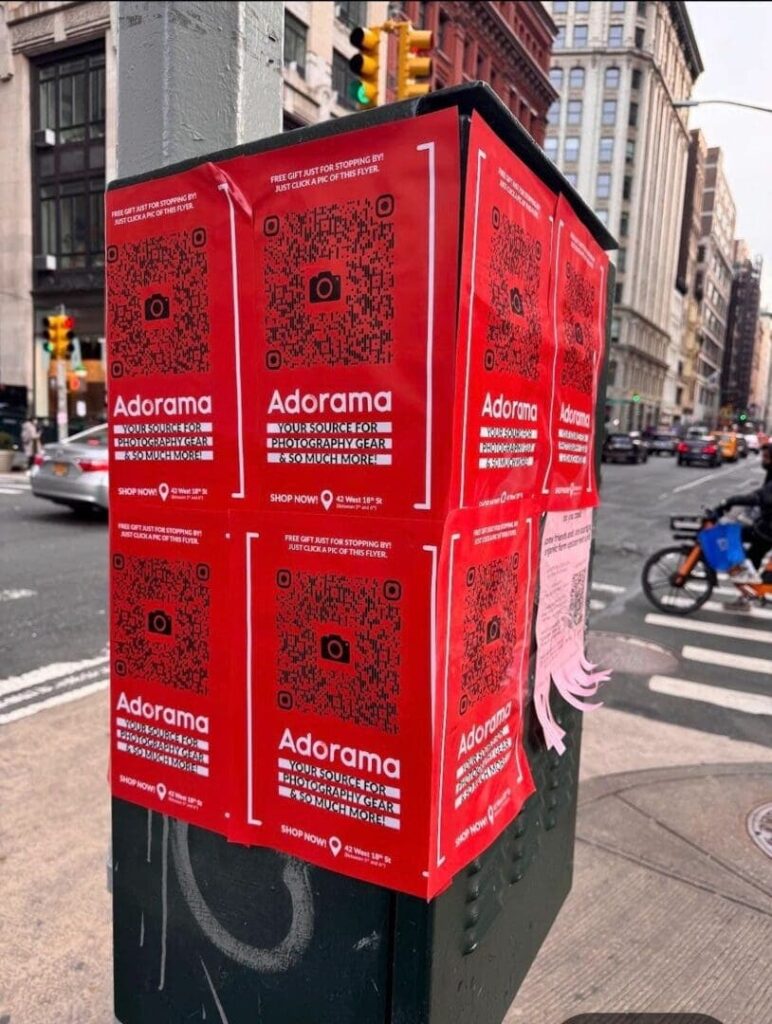
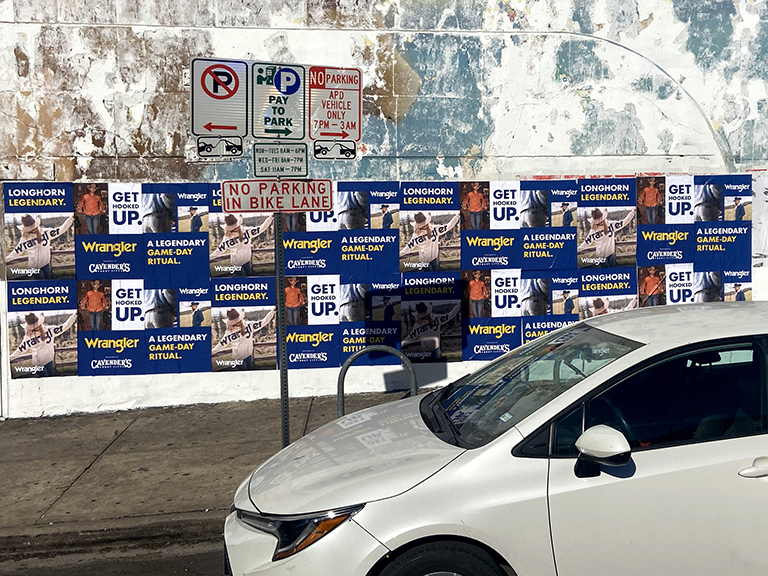
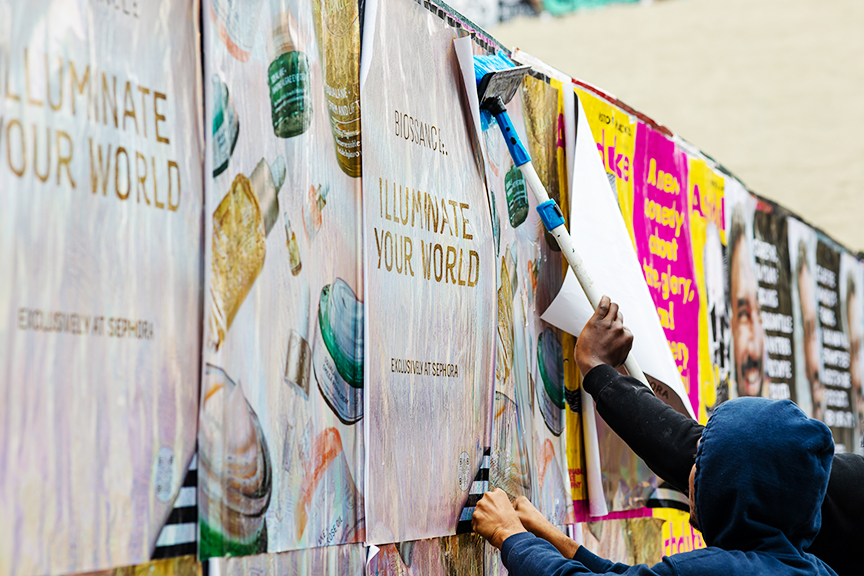
Snipe advertising in Syracuse functions across three primary format types. Pole snipes are the backbone of most urban campaigns — affixed to utility poles and lamp posts along the city’s main arterials, they reach both vehicle and pedestrian audiences simultaneously. Yard snipes are ground-staked signs placed along sidewalks, park edges, and residential corridors, particularly effective in neighborhoods like Tipp Hill and Eastwood where foot traffic moves at a slower, more deliberate pace. Poster snipes are flat-surface placements on walls, fences, and construction hoardings — common near downtown development zones and the Destiny USA retail corridor. Each format contributes differently to a campaign’s total impression count and geographic coverage. AGM’s campaign planning process begins with a zone-by-zone analysis of which format combination maximizes impressions for your specific target audience in Syracuse.
The 9×12 standard format is ideal for high-density corridors where multiple placements per block create a repetition effect — a pedestrian walking three blocks along South Salina Street might pass four to six snipes from the same campaign, driving recognition through sheer frequency. The 11×14 jumbo format carries more visual weight per placement and is better suited for locations where individual sign visibility matters more than density — a major intersection like Erie Boulevard and Teall Avenue, or a key entrance point to the Armory Square district on Walton Street. Both formats are available in 400-unit and 800-unit packages, and a bundle combining snipe and wheatpaste services saves $1,000 while dramatically expanding total campaign reach. Rush deployment in 72 hours is available for time-sensitive activations.
Professional pole snipes, yard snipes, and poster snipes deployed across Syracuse's highest-impact corridors. GPS-documented. Fast turnaround. Proven results.
Disclaimer: Impression estimates are based on publicly available pedestrian and traffic count data, AGM field research, and comparable campaign benchmarks. All figures represent estimated potential contacts over a 14-day campaign window and are not guaranteed outcomes. Actual impressions vary based on placement density, weather, local event activity, and campaign duration.
| Zone / Neighborhood | Est. Daily Foot Traffic | Est. Impressions per Location (14-Day Campaign) | Best Campaign Types |
|---|---|---|---|
| Armory Square & Downtown Core (South Warren St, Walton St, W Fayette St) | 4,500–7,200 pedestrians/day | 63,000–100,800 per location | Entertainment, nightlife, restaurant launches, retail grand openings, brand awareness |
| South Salina Street Corridor & Near South Side | 3,200–5,400 pedestrians/day | 44,800–75,600 per location | Retail, community services, healthcare, political campaigns, local advocacy |
| Tipp Hill & Milton Avenue Corridor | 2,400–4,100 pedestrians/day | 33,600–57,400 per location | Neighborhood businesses, bars and restaurants, fitness studios, local events |
| Erie Boulevard East & Eastwood | 3,800–6,200 pedestrians/day | 53,200–86,800 per location | Service businesses, auto-related, insurance, franchise openings, fitness |
| James Street & Northside Corridor | 2,800–4,600 pedestrians/day | 39,200–64,400 per location | Legal services, real estate, ethnic food and retail, community advocacy, events |
| Location Name | Street / Address | Neighborhood | Est. Snipe Capacity | Best Campaign Type |
|---|---|---|---|---|
| Clinton Square Perimeter | 1 Clinton Square, Syracuse, NY 13202 | Downtown Syracuse | 18–26 snipes per block | Brand awareness, event promotion, entertainment launches |
| Erie Boulevard & Teall Ave Intersection Zone | 2701 Erie Blvd E, Syracuse, NY 13224 | Eastwood | 14–22 snipes per block | Franchise openings, retail, fitness, service businesses |
| James Street Commercial Strip | 1500 James St, Syracuse, NY 13203 | Northside | 16–24 snipes per block | Legal, real estate, food & beverage, community advocacy |
| West Genesee Street Near Downtown | 400 W Genesee St, Syracuse, NY 13202 | Near West Side | 12–20 snipes per block | Political campaigns, healthcare, housing services, nonprofits |
| Marshall Street Student Corridor | 700 Marshall St, Syracuse, NY 13210 | University Hill | 20–30 snipes per block | Consumer apps, food delivery, fitness, music events, student services |
Award Winning Personalized Service
You will get thoughtful, devoted, and individualized attention from our experienced, qualified, and professional personnel. Being one of the most illustrious agencies in Brooklyn, New York, American Guerrilla Marketing has been awarded the Best of Brooklyn title.
Nationwide
Industry City, Brooklyn, New York 11232
American Guerrilla Marketing
Hours
Mon - Fri: 9 AM - 5 PM
Sat & Sun: Closed
Automate your campaign with AGM’s Request for Proposal Builder. Simply answer a few quick questions about your campaign goals, markets, and timeline, and the system will generate a tailored presentation with recommended strategies, quantities, and pricing. Click the RFP Builder to instantly receive your customized proposal.
Syracuse is a city where the relationship between neighborhoods and street infrastructure creates an unusually favorable environment for small-format outdoor advertising. Unlike car-centric Sun Belt cities where the pedestrian experience is minimal, Syracuse’s older urban grid — laid out long before the automobile defined American city planning — keeps residents, workers, and students moving through compact corridors at street level. From the dense commercial activity along South Salina Street and Erie Boulevard to the evening foot traffic pouring through Armory Square on weekends, Syracuse residents actually walk past the surfaces where snipes are placed. This is not an abstraction. When an AGM crew deploys 400 snipes along the James Street corridor, the Tipp Hill stretch of Milton Avenue, and the downtown core around Clinton Square, those signs are seen by the same people, multiple times, over a fourteen-day window. That repetition is the mechanism that transforms a small printed card into a brand memory.
The economics of the Syracuse advertising market also favor the snipe format in ways that are specific to mid-size Rust Belt cities. Traditional outdoor advertising in Syracuse — billboard placements along I-690 and I-481 — is purchased months in advance, commands a premium for high-exposure positions, and offers no targeting granularity below the corridor level. Digital advertising on platforms serving the Syracuse DMA can be hyper-targeted but suffers from ad fatigue and platform saturation, particularly among younger demographics who are physically present in Armory Square, the University Hill neighborhood, and the Near West Side.
Snipes occupy a middle position that neither traditional nor digital occupies well: they are physical, immediate, hyper-local, and inexpensive enough to deploy at scale across multiple Syracuse micro-neighborhoods simultaneously. A brand running a concert at the Oncenter can wheat-paste snipes along James Street corridor, Salina Street, and Erie Boulevard East in the same overnight window, reaching commuters, students, and residents who share little else in common except their physical proximity to those thoroughfares.
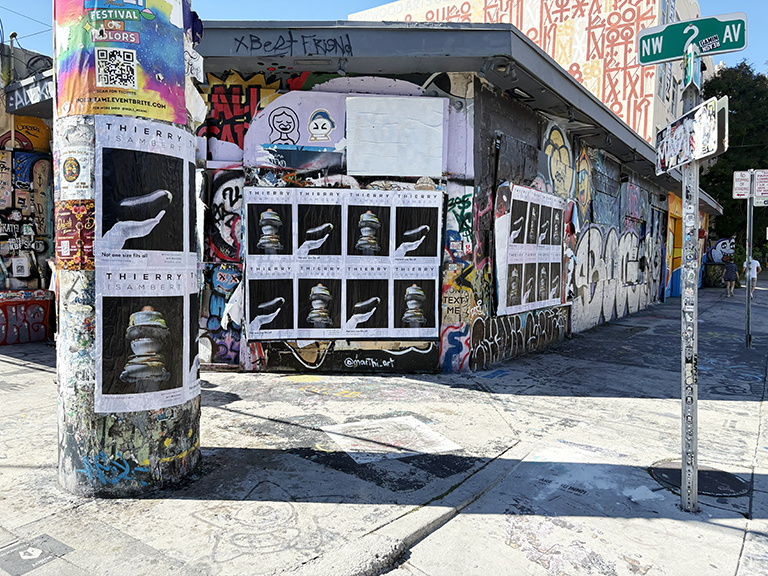
AGM’s Syracuse snipe advertising service covers the full operational range from campaign strategy through field deployment and post-campaign documentation. Standard format offerings include the 9×12 snipe card in 400-unit and 800-unit configurations, and the 11×14 jumbo snipe in equivalent deployment sizes. Snipe and wheatpaste bundle packages are available for brands seeking simultaneous small-format and large-format street presence, saving approximately $1,000 compared to booking formats separately. All campaigns include GPS-tagged post-installation photography and a post-campaign report. Rush deployment within 72 hours is available for time-sensitive activations.
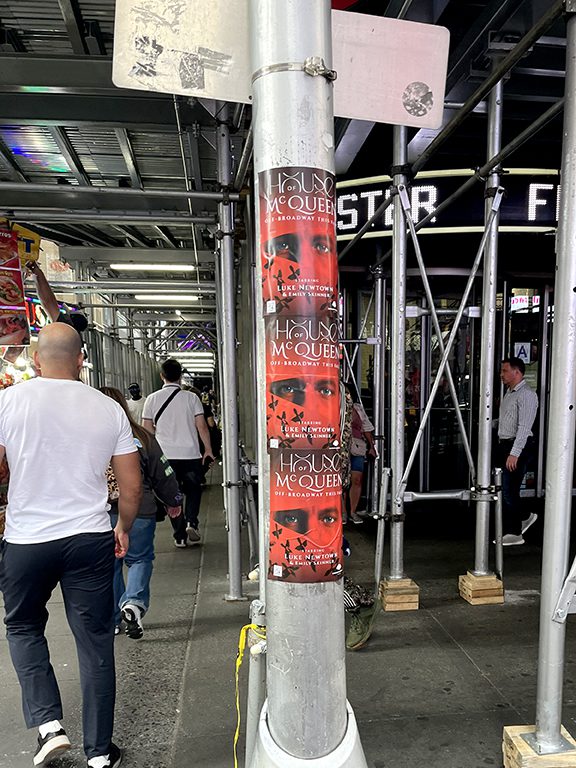
Armory Square is Syracuse’s highest-density nightlife and dining district, and the West Jefferson Street and Clinton Street intersection functions as its functional crossroads. Snipe placements here reach bar patrons, restaurant guests, and weekend foot traffic flowing between Dinosaur Bar-B-Que, the Marriott Syracuse Downtown, and the cluster of independent boutiques lining the square’s interior blocks. A local concert promotion client deployed 200 snipes across this intersection zone during a Thursday–Sunday window, achieving measurable QR scan rates that outperformed the client’s concurrent Instagram spend targeting the same demographic. Surface types included construction hoarding along a Jefferson Street renovation project, utility pole wraps, and approved placement on the exterior wall of a vacant ground-floor retail unit on Clinton Street.
Marshall Street, running directly adjacent to Syracuse University’s main campus, is one of the highest foot-traffic corridors in all of Onondaga County during the academic year. Snipe placements along Marshall Street and extending east along Westcott Street into the Westcott Nation neighborhood reach undergraduate and graduate students, faculty, and the resident population of Eastwood-adjacent blocks. A regional music festival used this corridor for a two-week snipe campaign targeting the 18–29 demographic, distributing 350 snipes from the intersection of Marshall and Waverly Avenue east to the Westcott Street commercial strip. The campaign layered utility pole placements with wheat-paste applications on approved surfaces near Campus West and the student retail zone, generating foot traffic to the festival’s presale booth at a rate the client described as exceeding any prior digital-only push in the Syracuse market.
The Near West Side has undergone sustained revitalization investment, with the Near Westside Initiative corridor along West Fayette Street and the residential blocks surrounding Geddes Street attracting a mixed demographic of long-term residents, artists, and young professionals. Snipe placements in this zone carry a different character than the Marshall Street or Armory Square deployments: they function as community-level brand touchpoints rather than high-volume impression vehicles. A Syracuse-based arts organization used this corridor to announce a gallery opening at the SALT District, deploying 150 snipes across West Fayette, Geddes, and Otisco Street surfaces over a single weekend. The placement density was calibrated to the neighborhood’s walkable scale, with clusters at bus stops along the Centro route serving West Fayette and at the pedestrian-heavy intersection of Geddes and West Kennedy Street.
North Salina Street is one of Syracuse’s primary commercial arterials connecting the downtown core to the North Side neighborhood, carrying both vehicle and pedestrian traffic through a corridor that serves a dense residential catchment area. The stretch between Bear Street and Butternut Street passes through a zone of Latino and refugee-serving businesses, community centers, and high-turnover retail, making it a critical deployment corridor for campaigns targeting North Side residents. A community health organization used a snipe campaign along this stretch to promote a free clinic event at a North Salina Street community center, deploying bilingual snipes across 180 surfaces including bus shelter surroundings, utility poles, and approved wall space on commercial properties. The bilingual format — English on the upper half, Spanish on the lower — was a deliberate choice reflecting the corridor’s demographic composition and was executed by AGM’s installation team with full neighborhood briefing.
The Eastwood neighborhood’s James Street commercial strip is arguably the most underutilized snipe corridor in Central New York relative to its foot traffic and demographic value. Serving a working- and middle-class residential catchment that stretches from Midler Avenue east to Beechwood Avenue and beyond, James Street’s commercial blocks carry consistent daily pedestrian traffic anchored by grocery retail, pharmacy, hardware, and food service destinations. A regional political campaign deployed 225 snipes along this stretch targeting registered voters in the 13206 and 13214 zip codes, using the corridor’s bus stop density — James Street is one of Centro’s highest-ridership routes — to maximize dwell-time impression value. AGM’s production team developed a weatherproof laminate format specifically for this campaign to address the exposure conditions on James Street’s open-air surfaces during a late-October deployment window.
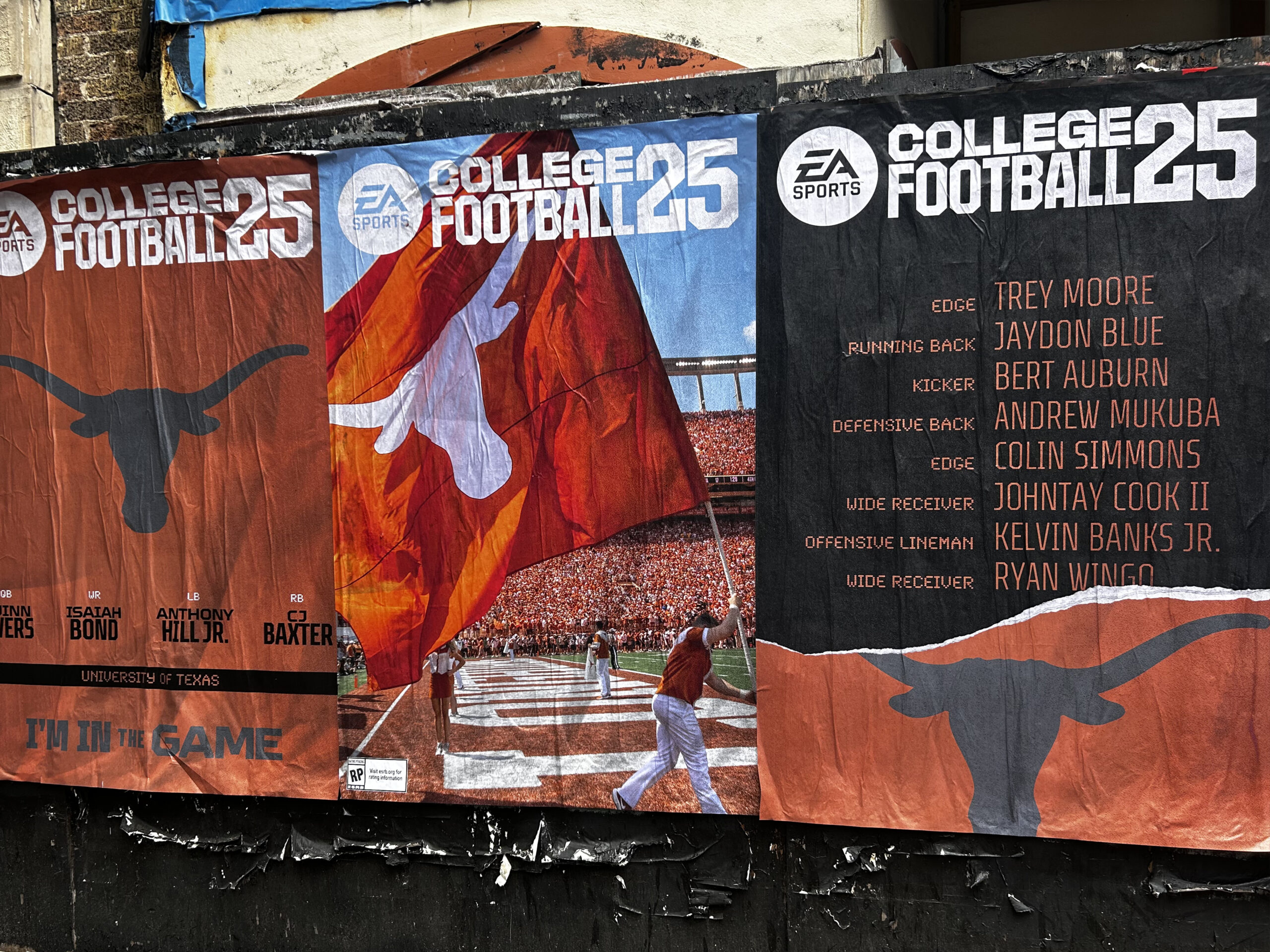
EA Sports partnered with AGM for a street-level activation campaign around the launch of EA Sports FC25.
Result: Massive street-level visibility timed to the game’s release window.
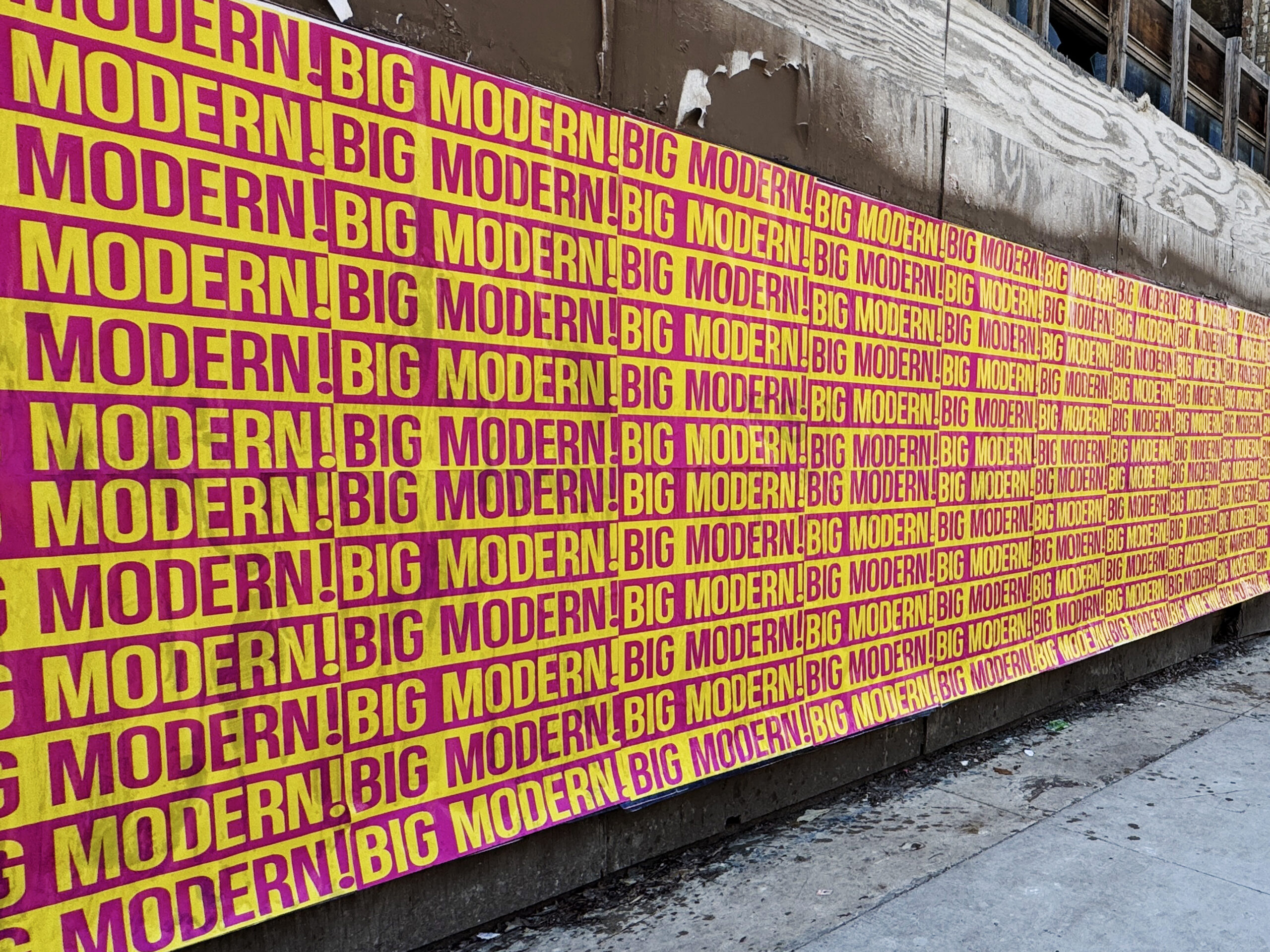
Big Modern executed a five-city street takeover with AGM across NYC, Denver, Chicago, Philadelphia, and Atlanta.
Result: Unified brand presence across five major American cities.
American Guerrilla Marketing has been executing snipe advertising campaigns across the United States since 2014, and Syracuse has been an active market in our national deployment network throughout that decade. The operational knowledge we have built here — surface intelligence, neighborhood pedestrian rhythm data, seasonal patterns, and the creative sensibilities that resonate with Syracuse’s consumer audience — represents years of refinement that informs every placement decision we make in this market. When you work with AGM on a Syracuse snipe campaign, you are engaging a team with proven national experience and genuine local knowledge built into every recommendation, every creative consultation, and every post-campaign report we deliver.
Snipe advertising works as the street-level anchor for 360 campaigns across Syracuse’s distinct neighborhoods. When you’re running digital ads targeting Syracuse University students or broadcast spots during Orange basketball games, pole snipes in Armory Square and yard signs along Erie Boulevard create the physical touchpoints that reinforce your message. Syracuse’s compact downtown means pedestrians walking from the Carrier Dome to Marshall Street see your brand repeatedly. This repetition bridges the gap between online impressions and real-world recognition. For local businesses competing against national chains, snipes placed near Destiny USA or along James Street give you visibility where big-box advertising can’t reach. AGM coordinates placement timing with your radio buys, social campaigns, and event sponsorships so Syracuse residents encounter your brand across multiple channels within the same week. The result is a campaign where each element strengthens the others rather than operating in isolation.
Syracuse’s event calendar creates prime windows for snipe campaigns. The New York State Fair in late August draws over a million visitors, so installing snipes along State Fair Boulevard and Geddes Street two weeks before opening maximizes exposure. Taste of Syracuse in early June brings crowds downtown, making Armory Square and Clinton Square essential placement zones. For Syracuse Orange football and basketball seasons, target the university area and Westcott neighborhood starting one week before home games. The Syracuse Jazz Fest and Syracuse Arts Week also concentrate foot traffic in predictable areas. AGM recommends a 10-14 day lead time for event-driven campaigns here. This gives residents time to absorb your message before the event while keeping it fresh. For recurring events like farmers markets at CNY Regional Market, rotating weekly placements maintain visibility without message fatigue. Holiday campaigns should go up by early November to catch shoppers heading to downtown boutiques.
Syracuse’s population of roughly 150,000 within city limits means saturation requires fewer snipes than larger metros but strategic placement matters more. For downtown and university district saturation, plan on 200-300 pole snipes covering the grid from Salina Street through Marshall Street and up to Westcott. Adding Tipp Hill’s Tipperary Hill neighborhood and the Eastwood business district pushes the count to 400-500 for citywide presence. If you’re targeting the greater Syracuse metro including suburbs like Liverpool, Cicero, and Fayetteville, you’ll need 600-800 pieces mixing pole snipes with yard signs along major corridors like Route 11 and Route 5. AGM evaluates your specific audience before recommending quantities. A campaign targeting SU students needs density around campus, while one aimed at young families requires coverage in residential areas like Strathmore and Sedgwick. We don’t oversell—if 250 snipes hits your demographic effectively, that’s what we recommend.
Syracuse weather doesn’t go easy on outdoor advertising. Lake-effect snow, spring rain, and summer humidity all take their toll, so AGM runs maintenance checks twice weekly during active campaigns. Our local crews drive designated routes covering downtown Syracuse, the university area, Tipp Hill, and commercial strips along Erie Boulevard. They photograph each placement, noting any signs that need replacement due to weather damage, vandalism, or city removal. Salt spray from winter road treatment can degrade materials faster in certain zones, particularly along heavily plowed routes like I-81 access roads. We replace damaged snipes within 48 hours of identification. Our monitoring also tracks which locations see the highest removal rates so we can adjust placement strategy mid-campaign. You’ll receive weekly reports showing active placements, replacements made, and current coverage percentages. This accountability means you’re not paying for signs that disappeared three days after installation.
Multi-location rollouts in Syracuse benefit from the city’s neighborhood-centric layout. Each area has distinct identity—Armory Square attracts young professionals, Eastwood serves working families, Tipp Hill maintains its Irish-American character, and the university district skews student and academic. AGM designs franchise campaigns that respect these differences while maintaining brand consistency. If you’re opening three locations across the metro, we’ll customize messaging density around each storefront while building brand awareness in buffer zones between them. A new pizza franchise opening near SU gets different placement strategy than one launching in Liverpool. We coordinate installation timing so all locations launch simultaneously or in planned sequence based on your opening schedule. For regional franchises expanding from Rochester or Utica into Syracuse, we handle the entire Central New York corridor as one coordinated campaign. Volume pricing applies across all locations, making multi-unit rollouts more cost-effective than individual market buys.
Syracuse’s media market ranks around 80th nationally, which means digital advertising costs less here than in major metros but competition for attention remains fierce. Snipe signs create the physical presence that makes your digital ads feel familiar rather than intrusive. When someone scrolling Instagram sees your ad after walking past your pole snipe on Salina Street that morning, recognition rates climb significantly. AGM coordinates placement zones with geofencing campaigns—we’ll install snipes in Armory Square while your agency targets mobile devices in that same radius. QR codes on snipes drive direct traffic to landing pages, giving you measurable attribution from street-level placements. For Syracuse University recruitment campaigns, we’ve seen strong results pairing snipes along Marshall Street with retargeting ads served to devices that pinged near those locations. The combination works because Syracuse residents move predictably through the same corridors daily, creating multiple exposure opportunities across physical and digital channels.
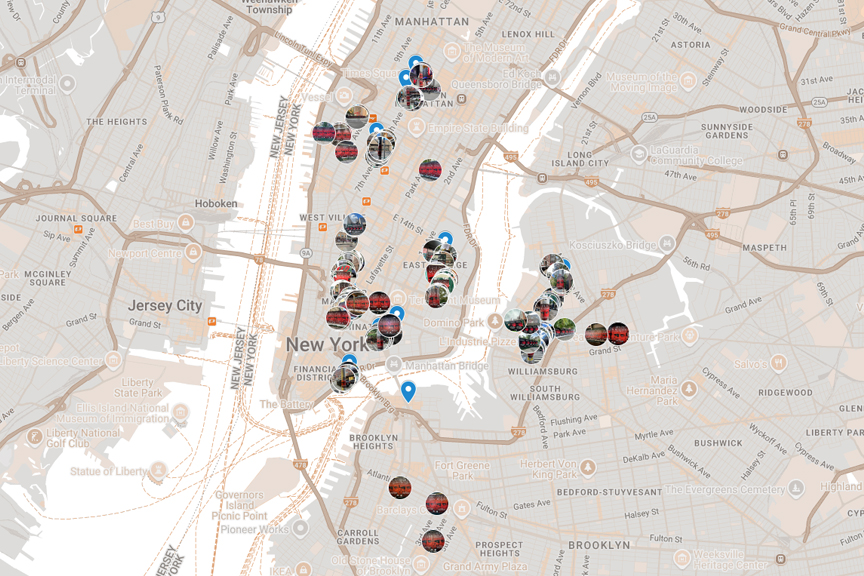
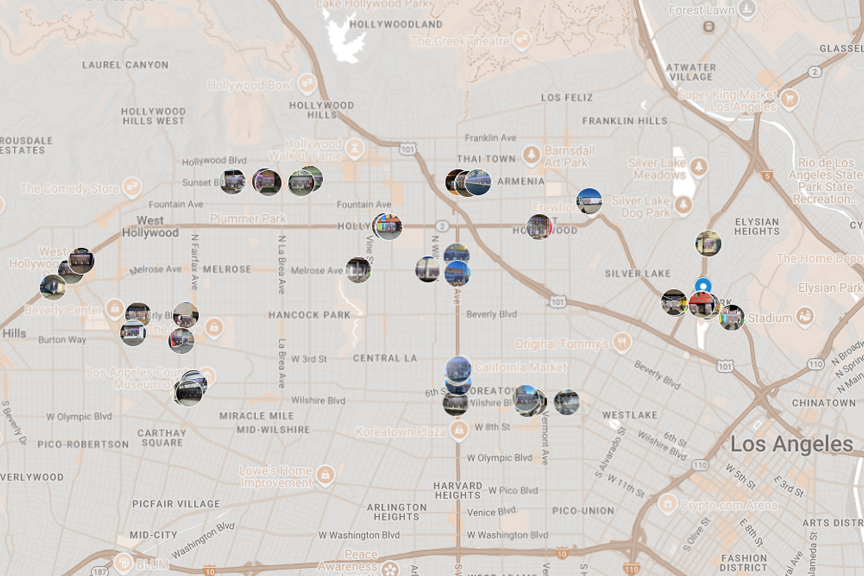
Every Syracuse installation comes with full documentation delivered within 72 hours of completion. Our crews photograph each snipe in place, capturing the surrounding context so you can see exactly how your sign looks against the backdrop of Hanover Square or the shop windows along Westcott Street. Each photo includes GPS coordinates stamped in the metadata, and we compile everything into an interactive map showing your coverage across the city. You can share this documentation directly with clients or franchise headquarters as proof of execution. The GPS data also helps us analyze placement effectiveness for future campaigns—we track which zones in Syracuse maintain signs longest and which see faster turnover. For Armory Square and downtown placements, we include street-level context photos showing foot traffic patterns. This documentation package serves as both accountability and a planning tool, giving you concrete data rather than estimates about where your campaign actually ran.
Standard Syracuse campaigns install within 5-7 business days from artwork approval. The city’s manageable size means our crews can cover downtown, the university district, Tipp Hill, and surrounding commercial areas in two to three installation nights. Rush campaigns for last-minute event promotion or competitive response can deploy in 48-72 hours with a priority fee. Printing happens at regional facilities that serve the Central New York market, eliminating long shipping delays you’d face from coastal production hubs. For winter campaigns, we factor in weather windows—lake-effect storms can delay installation by a day or two, so we build buffer time into December through February schedules. Material delivery to Syracuse typically runs two days from print completion. AGM handles permit research for any regulated zones, though most Syracuse snipe placements fall outside restricted areas. If you’re coordinating with a downtown Syracuse event, we recommend finalizing artwork three weeks ahead to ensure stress-free execution.
Syracuse averages over 120 inches of snow annually thanks to Lake Ontario, which means material selection matters here more than most markets. AGM uses 10-mil UV-laminated vinyl for pole snipes, providing resistance against snow, ice, and the freeze-thaw cycles that destroy paper-based materials by February. For yard signs, we specify corrugated plastic rated for temperatures down to -20°F, which covers Syracuse’s occasional brutal cold snaps. Summer humidity and thunderstorms require waterproof inks that won’t bleed or fade. Print specifications call for full bleed with 0.25-inch margins and 300 DPI resolution minimum. We advise against dark backgrounds for winter campaigns since road salt spray creates visible residue faster on black or navy materials. Standard pole snipe dimensions run 11×17 or 12×18 inches, sized for the utility poles common throughout Syracuse neighborhoods. Yard signs typically measure 18×24 inches with metal H-stakes rated for frozen ground installation.
Syracuse offers significant cost advantages over downstate markets. Where a Manhattan or Brooklyn snipe campaign might run $15-25 per placement, Syracuse pricing falls between $6-12 per piece depending on volume and duration. A standard two-week campaign covering downtown Syracuse, Armory Square, and the university district with 300 pole snipes typically runs $2,400-3,600 including printing, installation, and documentation. Yard sign campaigns targeting residential areas like Strathmore, Sedgwick, or Liverpool start around $1,800 for 150 placements. AGM offers package deals for quarterly commitments, dropping per-piece costs by roughly 20%. Event-specific campaigns around State Fair or Syracuse University athletics include premium pricing for high-traffic zones but still undercut comparable visibility in Albany or Buffalo. Multi-location franchise packages qualify for volume discounts across all sites. We provide detailed quotes within 24 hours of receiving your coverage requirements and campaign duration. No hidden fees for documentation, GPS reporting, or standard maintenance during your campaign window.