American Guerrilla Marketing
Nationwide serivce
Media planning, media buying, billboard advertising, & guerrilla marketing

American Guerrilla Marketing places vinyl sidewalk decals across Denver’s highest foot-traffic corridors, including 16th Street Mall and RiNo on Brighton Blvd. Street-level brand visibility in Denver means your message appears where pedestrian audiences are most concentrated — at eye level, at the moment they’re most receptive to discovering something new.
Vinyl sidewalk decals in Denver are produced to the material spec required by the specific zone’s foot traffic volume, surface conditions, and Colorado climate. Every Denver placement is GPS-tagged with timestamped documentation photos delivered in a campaign completion report. Campaigns start at $2,904 for five locations and scale to $14,466 for 100 placements across Denver’s primary pedestrian corridors.
Denver’s pedestrian corridors deliver consistent foot traffic across multiple high-value neighborhoods. 16th Street Mall delivers 15k-25k/day daily passes from the commuter, retail, and mixed consumer demographic. RiNo on Brighton Blvd delivers 6k-12k/day daily passes from the arts, creative, and brewery demographic — one of the most concentrated commercial pedestrian environments in Colorado.
Capitol Hill on Colfax Ave delivers 5k-10k/day daily passes from the arts, music, and residential demographic. Cherry Creek on E 3rd Ave delivers 6k-12k/day daily passes from the upscale retail and lifestyle demographic in a corridor that consistently ranks among the most brand-receptive in Denver. LoDo on Larimer St delivers 8k-15k/day daily passes from the entertainment, sports, and young professional demographic, rounding out a five-zone coverage footprint that captures Denver’s most active pedestrian audiences.
American Guerrilla Marketing executes vinyl sidewalk decal campaigns across Denver with direct field crews who know the specific neighborhoods. We assess surface conditions, navigate local permit requirements, and execute placements that hold for the full campaign duration. Every placement is GPS-tagged with timestamped documentation delivered in a completion report.
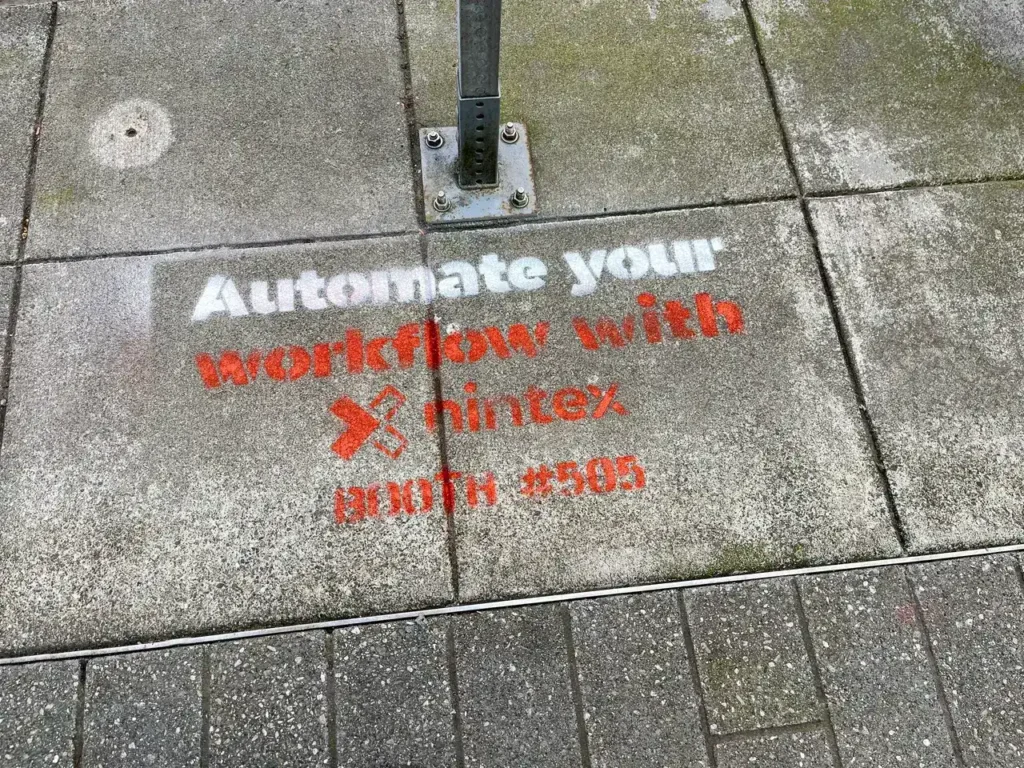
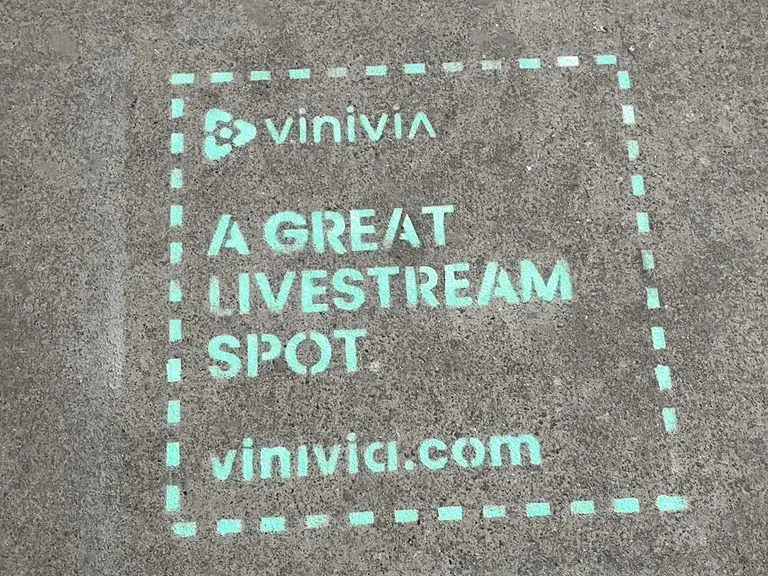
Denver supports both chalk stencil and vinyl sidewalk decal campaigns, with the right format depending on campaign duration, neighborhood, and the specific pedestrian corridor being targeted.
Denver’s winter temperatures limit chalk stencil viability to the spring, summer, and fall months. During winter, freeze-thaw cycles degrade chalk within 24 to 48 hours of application, making vinyl the only viable format for campaigns running November through March.
Cold-temperature adhesive vinyl decals are the required format for any Denver campaign running during winter months. Standard vinyl (30-90 days) handles spring and fall campaigns. Heavy-duty cold-temperature vinyl (90-180 days) is AGM’s recommended standard for year-round campaigns in Denver.
Denver’s permit requirements for public sidewalk placements vary by zone and surface type. Private property placements — where property owner permission is sufficient — offer faster execution timelines and are often the most productive option for neighborhood activation campaigns. AGM handles permit coordination for public placement programs and assesses each location before production to confirm the right spec for the specific surface and timeline.
Award Winning Personalized Service
You will get thoughtful, devoted, and individualized attention from our experienced, qualified, and professional personnel. Being one of the most illustrious agencies in Brooklyn, New York, American Guerrilla Marketing has been awarded the Best of Brooklyn title.
Nationwide
Industry City, Brooklyn, New York 11232
American Guerrilla Marketing
Hours
Mon - Fri: 9 AM - 5 PM
Sat & Sun: Closed
Automate your campaign with AGM’s Request for Proposal Builder. Simply answer a few quick questions about your campaign goals, markets, and timeline, and the system will generate a tailored presentation with recommended strategies, quantities, and pricing. Click the RFP Builder to instantly receive your customized proposal.
30-90 day moisture-tolerant UV-stabilized vinyl decals for Denver campaigns. Quality laminate and edge sealing standard on every placement for maximum durability in Denver's climate conditions.

90-180 day heavy-duty vinyl decals for extended Denver campaigns. High-durability laminate for Denver's pedestrian wear rates with cold-temperature adhesive required for winter months spec as standard.

Anti-slip laminate decals meeting ADA standards for retail entrances, commercial corridors, and high-foot-traffic public sidewalks across Denver's primary business districts.
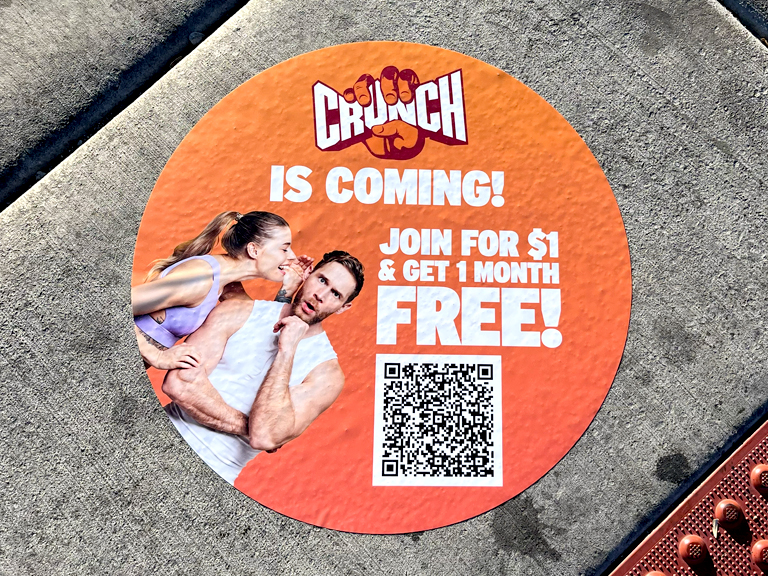
Vinyl decal programs targeting the pedestrian blocks outside Denver's highest-traffic transit hubs, entertainment venues, and commercial centers -- capturing commuter and visitor audiences at peak density.
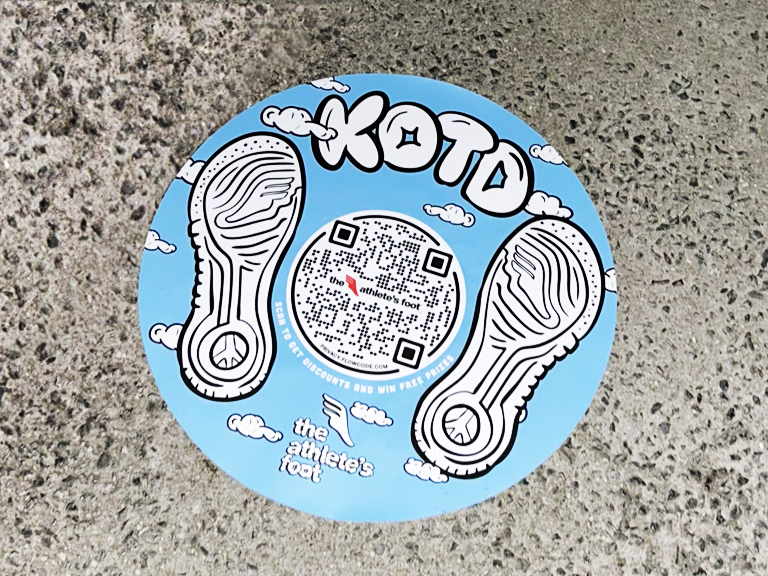
Long-duration vinyl decals for Denver event windows -- Denver Botanic Gardens events, Denver Marathon approach routes, and other high-attendance activations where pedestrian concentration peaks for 2-7 days.

Vinyl decal programs for retail grand openings, product launches, and brand activations in Denver's primary commercial corridors. Private property placements with fast execution timelines.

Multi-location vinyl decal programs targeting specific Denver neighborhood audiences. Coordinated deployments across 16th Street Mall, RiNo on Brighton Blvd, and Capitol Hill on Colfax Ave for layered brand coverage.

Rush vinyl decal deployment within 72 hours for time-sensitive Denver activations. Available at a 50% premium for campaigns requiring immediate execution around events, product launches, or competitive responses.
Denver’s core vinyl decal deployment zones span its highest-density pedestrian corridors. 16th Street Mall delivers 15k-25k/day daily passes from the commuter, retail, and mixed consumer demographic — one of the highest-quality placement zones in the Denver market.
RiNo on Brighton Blvd delivers 6k-12k/day daily passes from the arts, creative, and brewery demographic. Capitol Hill on Colfax Ave delivers 5k-10k/day daily passes and represents Denver’s strongest neighborhood corridor for brand-to-consumer contact.
Cherry Creek on E 3rd Ave delivers 6k-12k/day daily passes from the upscale retail and lifestyle demographic. LoDo on Larimer St delivers 8k-15k/day daily passes, completing a five-zone coverage footprint that captures the full range of Denver’s active pedestrian audiences across multiple neighborhood types and consumer demographics.
| Zone | Est. Daily Foot Traffic | Impressions Per Decal (60 days) | Avg Campaign Duration | Ideal Campaign Type |
|---|---|---|---|---|
| 16th Street Mall | 15,000-25,000 | 900,000-1,500,000 | 60-90 days | Retail, consumer, commuter brands |
| RiNo on Brighton Blvd | 6,000-12,000 | 360,000-720,000 | 60-90 days | Arts, brewery, creative brands |
| Capitol Hill on Colfax Ave | 5,000-10,000 | 300,000-600,000 | 60-90 days | Arts, music, neighborhood brands |
| Cherry Creek on E 3rd Ave | 6,000-12,000 | 360,000-720,000 | 60-90 days | Upscale retail, lifestyle brands |
| LoDo on Larimer St | 8,000-15,000 | 480,000-900,000 | 60-90 days | Sports, entertainment brands |
Vinyl sidewalk decal campaigns perform differently across Denver’s neighborhoods, and the best examples are the ones matched to the specific audience, timing, and surface conditions of each zone.
A consumer packaged goods brand runs 10 decals on 16th Street Mall during peak weekend foot traffic, capturing 15k-25k/day daily passes from the commuter, retail, and mixed consumer demographic over a 60-day campaign window. A fitness brand deploys 15 decals on RiNo on Brighton Blvd in the weeks before Denver Botanic Gardens events, targeting the health-conscious audience that concentrates in that corridor during high-activity periods.
A tech startup deploys 8 decals near Capitol Hill on Colfax Ave to build neighborhood brand awareness ahead of a local office opening, using a 90-day heavy-duty format suited to the surface conditions and foot traffic volume. A retail brand targets Cherry Creek on E 3rd Ave with 12 decals during the Denver Marathon season, when tourist and visitor traffic amplifies the already-strong daily pedestrian count in that corridor.
An entertainment venue uses 20 decals across LoDo on Larimer St and surrounding approach blocks to build pre-event awareness, deploying 14 days before opening and maintaining placement through the first month of operations. Each of these programs delivered GPS-tagged placement documentation and completed within the contracted timeline with no surface damage reports.
Denver has strong year-round pedestrian traffic in its core neighborhoods, but specific windows concentrate the highest-value audiences at the highest densities. Planning vinyl decal campaigns around those windows delivers the best return on placement investment.
Denver Botanic Gardens events bring significant visitor and attendee concentration to specific Denver corridors. Decals placed on approach routes to venues and in the surrounding neighborhood 10 to 14 days before peak attendance capture the highest impression volumes relative to placement cost. Denver Marathon create secondary concentration windows that often outperform peak event days in terms of brand-receptive audience quality.
Denver’s summer and fall season represents the market’s highest annual baseline foot traffic period, with pedestrian counts in primary corridors running 20 to 40 percent above annual averages. Ski season (December-March) is the second-highest traffic window in most Denver neighborhoods. Vinyl decal campaigns timed to open 2 to 3 weeks before these windows peak and run through the high-traffic period deliver the maximum impression count per placement dollar invested.
Denver’s highest-performing vinyl sidewalk decal zones share three characteristics: consistent daily pedestrian volume, the right surface conditions for strong adhesion, and an audience demographic aligned with brand campaign objectives.
16th Street Mall at 15k-25k/day daily passes is Denver’s primary high-volume zone for brand campaigns targeting commuter, retail, and mixed consumer. RiNo on Brighton Blvd at 6k-12k/day daily passes is the strongest zone for campaigns targeting arts, creative, and brewery in Denver’s most active commercial corridor.
Capitol Hill on Colfax Ave at 5k-10k/day daily passes represents Denver’s best option for campaigns targeting the arts, music, and residential audience in a neighborhood environment. Cherry Creek on E 3rd Ave and LoDo on Larimer St round out the deployment map, providing 6k-12k/day and 8k-15k/day respectively and covering the full range of pedestrian density levels from high-volume commercial corridors to neighborhood-scale environments where brand-to-consumer contact is more direct.
AGM offers three vinyl sidewalk decal formats in Denver, each matched to a specific campaign duration, surface condition, and budget range.
Standard Vinyl (30-90 days): The baseline format for Denver brand campaigns. Moisture-tolerant adhesive with UV-protective laminate. Suitable for spring and fall campaigns in lower-traffic private property locations. Pricing starts at $2,904 for five locations and $14,466 for 100 locations.
Heavy-Duty Extended Duration (90-180 days): The recommended format for high-traffic Denver corridors and year-round campaigns. Higher-density vinyl, reinforced laminate, and cold-temperature adhesive required for winter months. Handles Denver’s peak pedestrian wear rates and weather conditions throughout the full campaign duration. Same pricing structure as standard format, differentiated by material spec upgrade.
ADA Anti-Slip: Required for retail entrances, building approaches, and any placement where slip resistance is a compliance consideration. Anti-slip texture laminate meeting ADA surface friction requirements. Available in both 30-90 day and 90-180 day durations. Denver’s four-season climate requires cold-temperature adhesive spec for winter deployments. Standard vinyl handles spring through fall. Heavy-duty cold-temperature vinyl is required for any campaign running November through March in Denver.
The difference between a vinyl sidewalk decal campaign that performs and one that wastes budget in Denver comes down to three factors: placement location within the specific pedestrian corridor, material spec matched to Denver’s climate and surface conditions, and execution by a crew that knows the local environment well enough to avoid the errors that cost campaigns money.
AGM has placed vinyl sidewalk decals in markets across the United States, and Denver is a market where our field operations are built around local knowledge — which block of 16th Street Mall produces the right foot traffic volume, which surface conditions on RiNo on Brighton Blvd require a specific adhesive approach, and which local permit requirements affect public sidewalk placements in Denver’s primary commercial zones.
Vinyl sidewalk decal campaigns start at $2,904 for five locations and scale to $14,466 for 100 placements. Many Denver programs pair decal placements with sidewalk stencil programs starting at $2,855 for five locations, creating a layered approach that covers both primary arterials and neighborhood side streets. Rush deployment within 72 hours is available at a 50% premium for time-sensitive activations around Denver Botanic Gardens events, product launches, or competitive responses. Every placement is GPS-tagged with timestamped documentation photos delivered in a campaign completion report.
Permit requirements for vinyl sidewalk decal placements in Denver depend on whether the location is public sidewalk or private property. Private property placements — on retail storefront sidewalks and commercial property approaches — require property owner permission only and can often be executed faster than public permit timelines. Public sidewalk placements require coordination with local authorities. AGM handles permit coordination for public placement programs and recommends beginning the process 10 to 14 business days before the target installation date.
Private property placements in Denver can typically be deployed within 48 to 72 hours once property owner permission is confirmed and production is complete. Public sidewalk placements require local permit coordination, which adds lead time depending on the specific zone and municipality. For time-sensitive activations around Denver Botanic Gardens events or product launches, AGM recommends private property placements to meet the tightest timelines. Rush deployment at a 50% premium is available for campaigns requiring immediate execution.
In order of average daily pedestrian count: 16th Street Mall (15k-25k/day), RiNo on Brighton Blvd (6k-12k/day), Capitol Hill on Colfax Ave (5k-10k/day), Cherry Creek on E 3rd Ave (6k-12k/day), LoDo on Larimer St (8k-15k/day). Event-day multipliers apply — Denver Botanic Gardens events and similar high-attendance windows see significantly elevated pedestrian counts on approach corridors and surrounding blocks.
Standard vinyl decals last 30 to 90 days in Denver depending on foot traffic volume, surface condition, and weather. Heavy-duty spec decals last 90 to 180 days. Denver’s climate — 4 seasons, cold winters with freeze, cold-temp adhesive Nov-Mar, low humidity UV concern — is a primary factor in material spec selection. AGM assesses surface conditions on every Denver placement before production to confirm adhesion spec is correct for the specific location.
Smooth poured concrete sidewalks provide the best surface for vinyl decals in Denver — clean edges, strong adhesion, and consistent wear performance across the campaign duration. Brick pavers, aggregate concrete panels, and textured surfaces require surface assessment before installation to confirm the right adhesive and laminate spec. AGM assesses surface conditions on every Denver placement before production, and recommends alternative locations when surface conditions will compromise campaign performance.
Yes — AGM covers Denver’s full metropolitan area, including 16th Street Mall, RiNo on Brighton Blvd, Capitol Hill on Colfax Ave, Cherry Creek on E 3rd Ave, and LoDo on Larimer St, as well as surrounding neighborhoods and suburban corridors. Campaigns are regularly executed across multiple Denver zones for brands targeting specific community demographics and neighborhood audiences. Multi-zone programs in Denver allow brands to build layered coverage across different demographic concentrations within a single campaign budget.