American Guerrilla Marketing
Nationwide serivce
Media planning, media buying, billboard advertising, & guerrilla marketing
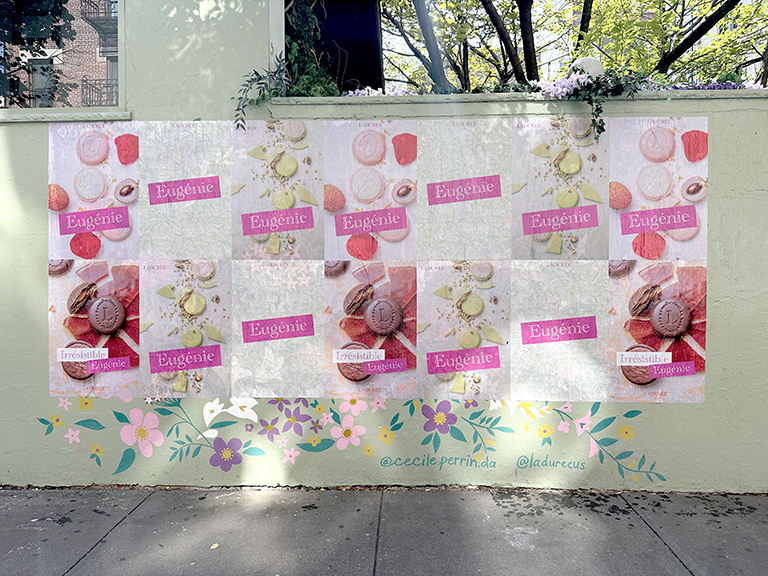
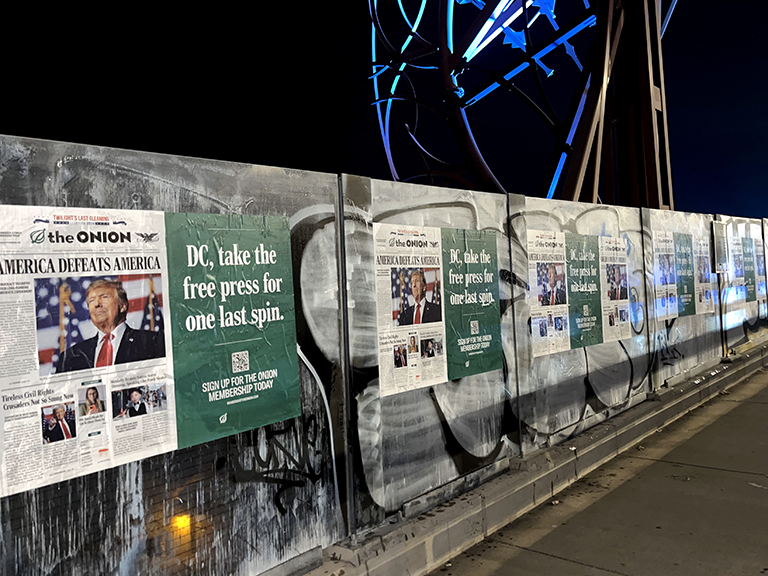
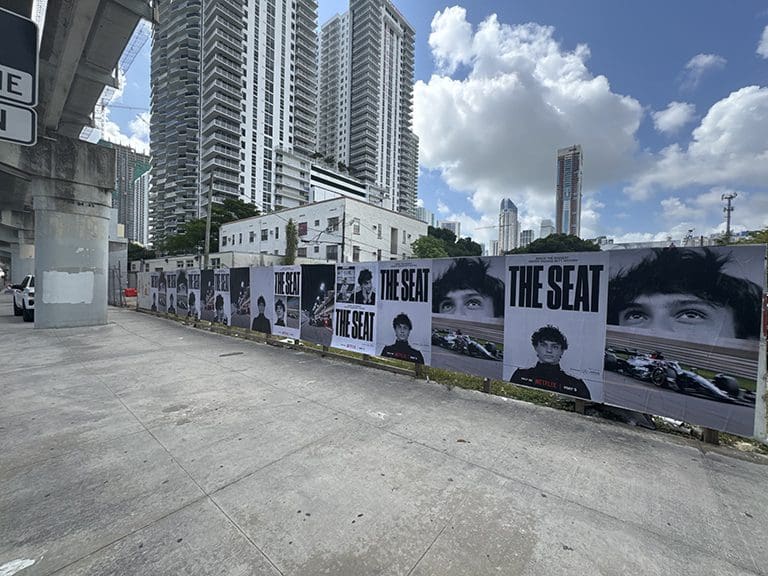
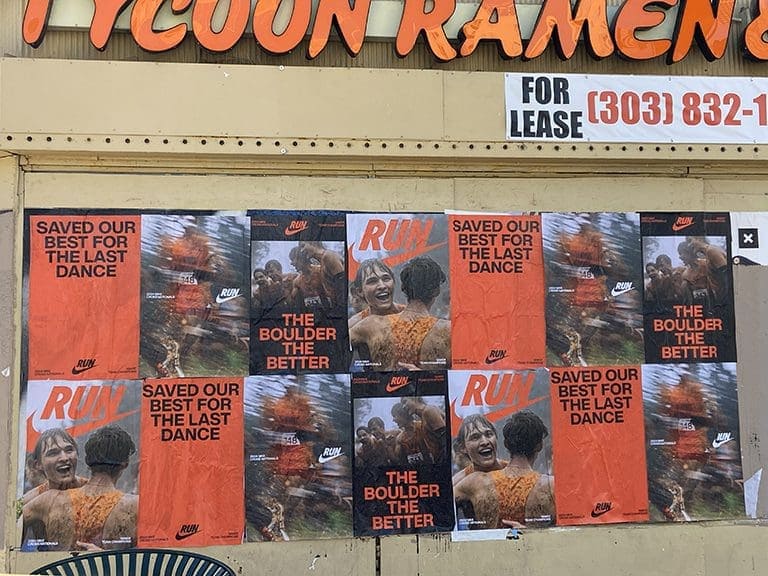
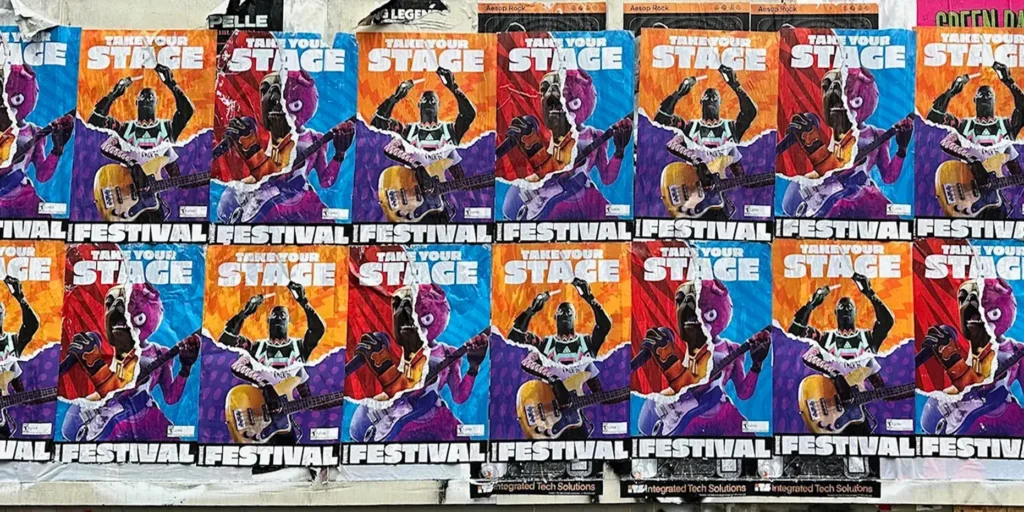
Wild Wheat Paste Posting and Wheatpasting in Cleveland, Ohio delivers high-impact poster advertising through disciplined guerrilla marketing strategies designed for a lakefront city shaped by legacy industry, healthcare corridors, university zones, and dense nightlife districts. Cleveland operates through pedestrian-heavy neighborhoods connected by transit-oriented streets, walkable urban neighborhoods, and mixed-use development areas spanning Downtown, Ohio City, Tremont, University Circle, and lake-adjacent corridors. Our Wild Wheat Paste Posting and Wheatpasting campaigns in Cleveland, Ohio are planned block by block to place posters where student foot traffic, late-night dining and bars, healthcare employment routines, and everyday neighborhood movement naturally overlap and repeat.
This approach blends wild posting fundamentals with structured wheatpaste poster installation, producing poster advertising that feels native to Cleveland’s layered street environment while generating repeat impressions, credibility, and long-term brand recall.
01

“Justin and the AGM team were fun and efficient to work with. We had a tight timeline, and Justin nailed it. They went above and beyond to meet our needs and offered up so many great ideas. Can’t wait to work with AGM again!”
Jaime Morgans
5-Star Google Review, AGM NYC
02
“The team at AGM was an absolute joy to work with, very responsive, FAST and thoughtful, they came to the table with a ton of ideas we hadn’t realized were available, they worked with our short timeline and got my client eyeballs that they wouldn’t have reached using the usual media companies. I would absolutely recommend them. Thanks so much!”
Heather Cummings
5-Star Google Review, AGM NYC
We specialize exclusively in Wild Wheat Paste Posting and Wheatpasting across Cleveland, Ohio and surrounding neighborhoods, managing every campaign from wall selection through reporting. Each execution is grounded in real pedestrian behavior tied to university corridors, academic and research hubs, healthcare districts, nightlife zones, and walkable urban neighborhoods, ensuring poster advertising feels intentional rather than scattered.
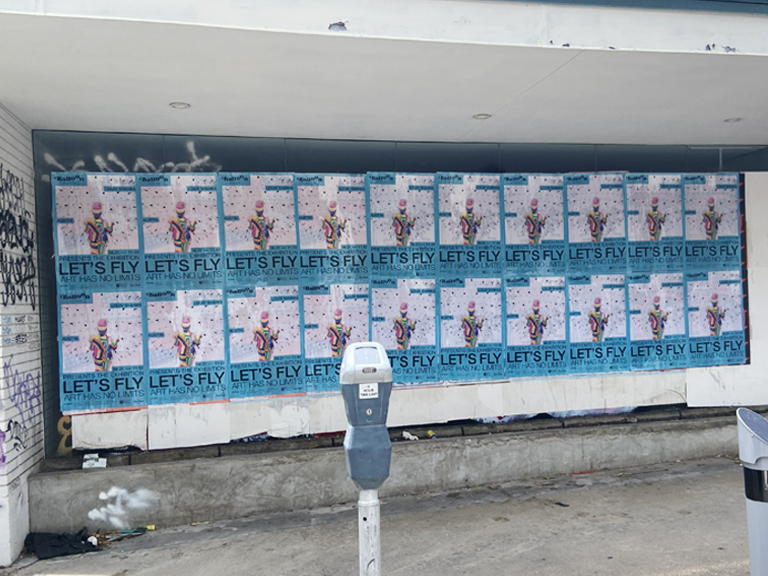
Our workflow includes identifying high-performing legal posting walls, coordinating poster production, executing clean paste application using structured poster grids, and delivering detailed reporting with photo documentation and GPS pins. Every Wild Wheat Paste Posting and Wheatpasting campaign in Cleveland, Ohio is designed to support education-driven outreach, healthcare visibility, nightlife promotion, cultural programming, and regional brand awareness through disciplined street-level advertising.
Wild Wheat Paste Posting in Downtown Cleveland Pedestrian-Heavy Neighborhoods and Transit-Oriented Streets
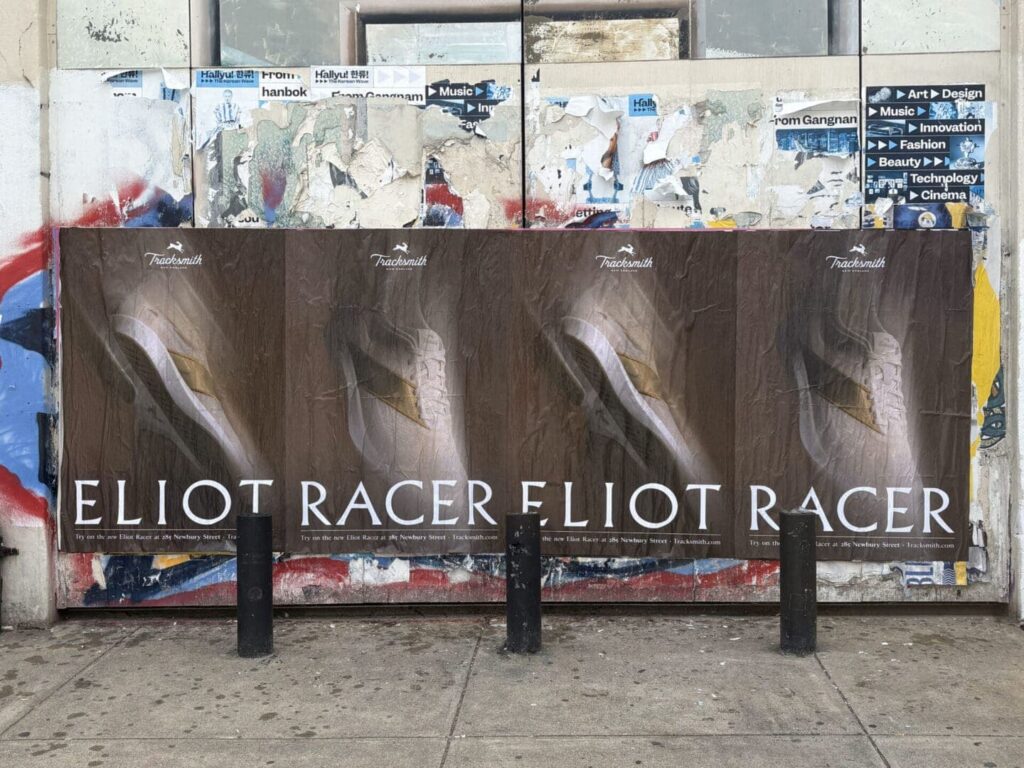
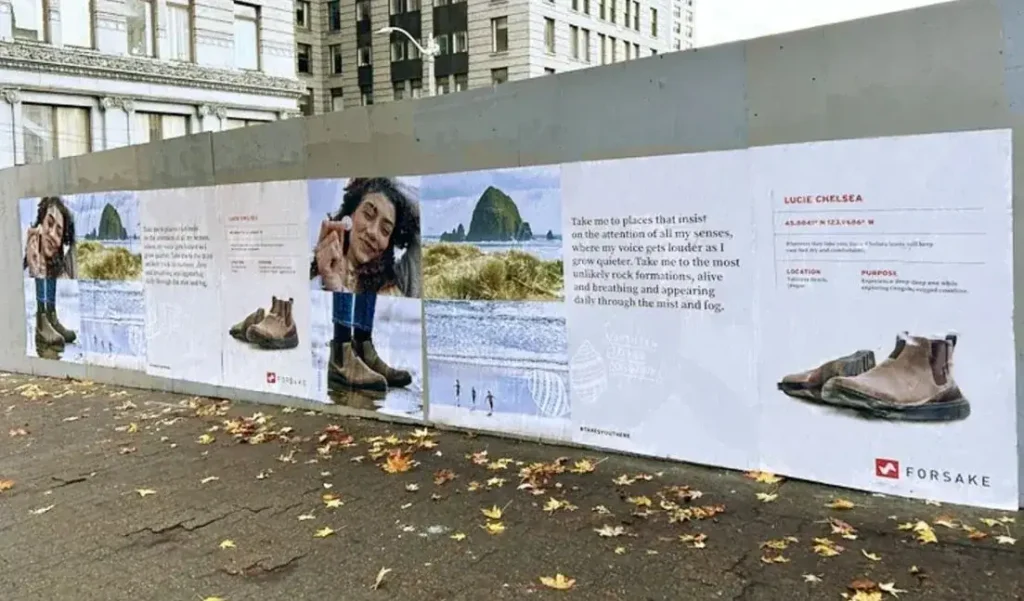
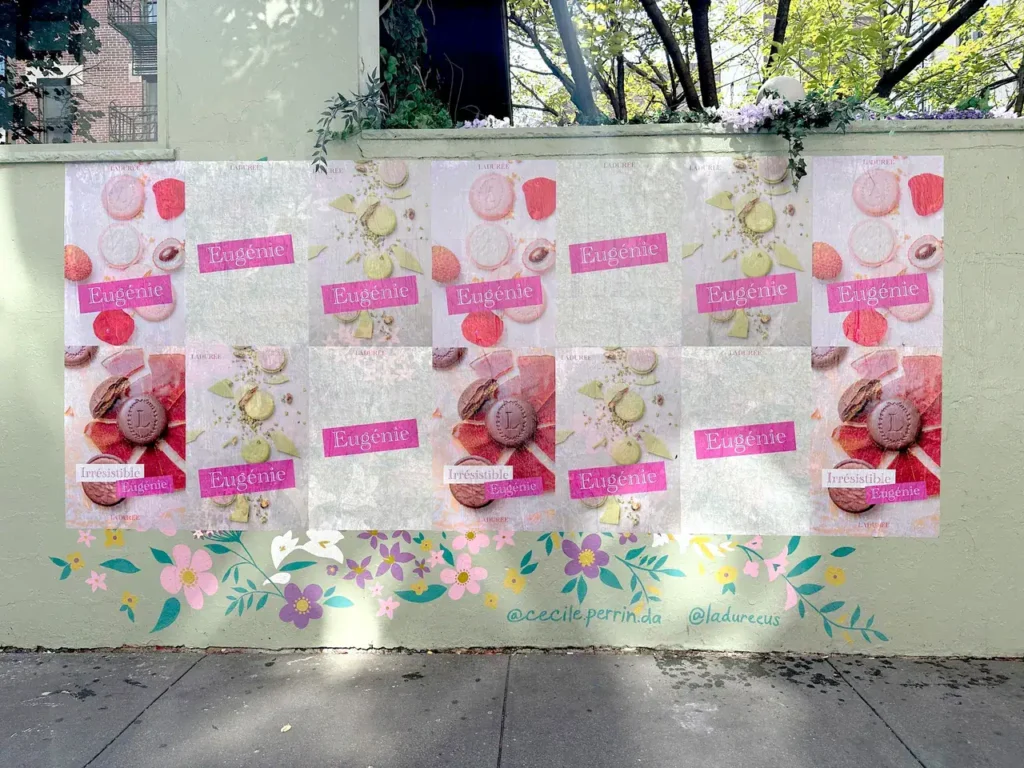
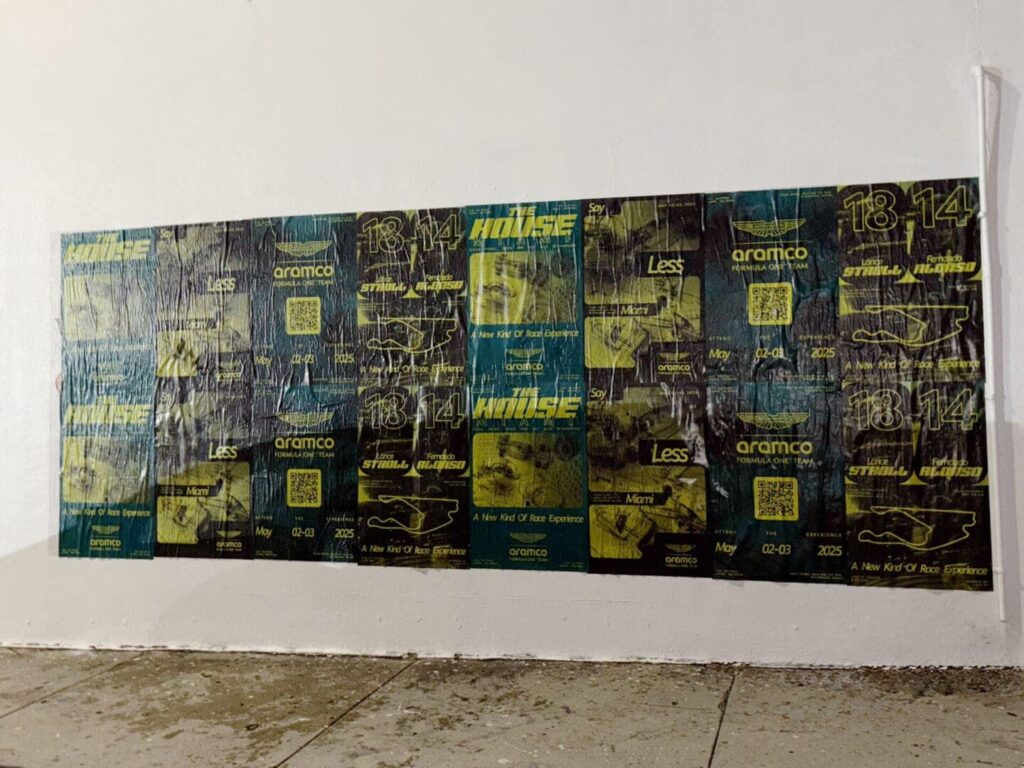
Downtown Cleveland concentrates offices, sports venues, dining, and transit access into a compact pedestrian zone with steady weekday and event-driven movement. Wheatpasting in this area focuses on side streets near Euclid Avenue, concrete service corridors, parking structure exteriors, and transitional walls connecting office districts to entertainment venues. Most downtown walls support 7 to 11 wheatpaste posters arranged in structured grids, creating repeat-visibility placement strategies tied to workday routines and evening events.
Wild Wheat Paste Posting in Ohio City Walkable Urban Neighborhoods and Nightlife Districts
Ohio City operates as one of Cleveland’s most active walkable urban neighborhoods, driven by nightlife districts, restaurants, breweries, and residential density. Wheatpasting performs best on adjacent side streets, alley walls, and transitional masonry connecting venues, housing, and transit stops. These locations typically support 6 to 10 wheatpaste posters layered to reinforce repeat evening and weekend exposure without overwhelming the streetscape.
Wild Wheat Paste Posting in Tremont Pedestrian-Heavy Neighborhoods and Dining Corridors
Tremont’s dense dining corridors and residential streets generate consistent pedestrian movement tied to restaurants, galleries, and neighborhood routines. Wheatpasting in this area targets side streets, retaining walls, and service corridors where foot traffic slows between destinations. These placements usually support 6 to 9 wheatpaste posters for sustained frequency.
Wild Wheat Paste Posting Along Cleveland University Corridors and Student Foot Traffic Routes in University Circle
University corridors in University Circle generate dense student foot traffic between academic buildings, housing, medical campuses, and cultural institutions. Wheatpasting in these zones focuses on campus-adjacent side streets, underpasses, retaining walls, and connector routes students pass multiple times per day. These placements typically support 8 to 12 wheatpaste posters installed at eye level to maximize dwell time and message retention.
Wheatpaste Poster Advertising in Cleveland Healthcare Routes and Medical District Connectors
Healthcare routes linking major hospitals and research facilities generate predictable pedestrian movement across multiple shifts. Wheatpasting in these corridors focuses on connector streets, service corridors, and blank masonry along walking routes between parking areas, transit stops, and medical buildings. These placements typically support 5 to 8 wheatpaste posters for consistent daytime repetition.
Wild Wheat Paste Posting and Wheatpasting works in Cleveland, Ohio because pedestrian movement is neighborhood-centered, healthcare-driven, and highly repetitive. People follow the same walking paths between pedestrian-heavy neighborhoods, university corridors, academic and research hubs, nightlife districts, healthcare routes, and transit-oriented streets day after day. When wheatpaste poster installation is executed with clean paste application, structured poster grids, and repeat-visibility placement strategies, campaigns benefit from familiarity and credibility rather than scale alone.
Our poster advertising strategy prioritizes placement quality over quantity, ensuring guerrilla marketing campaigns integrate naturally into Cleveland’s urban fabric while remaining effective, respected, and visually consistent.
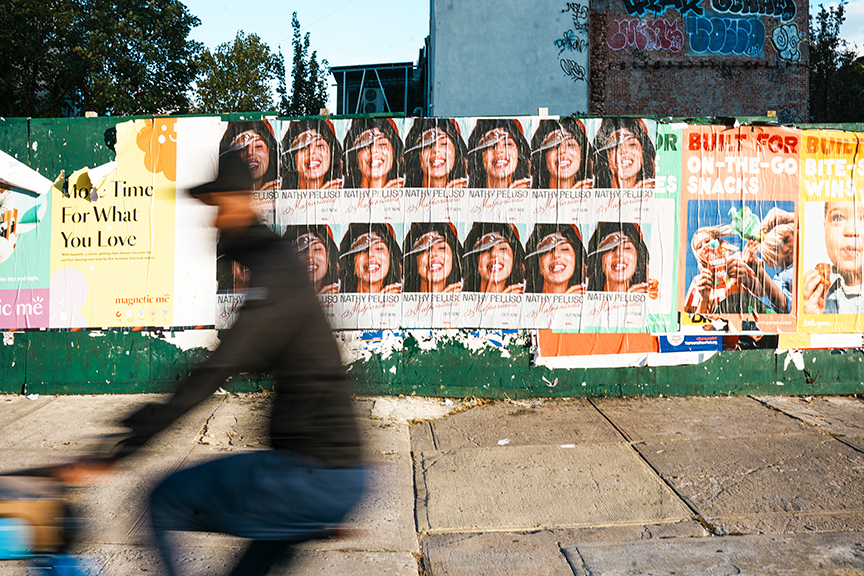
Wheatpasting Walls
Wheatpaste Production

Wheatpaste Installation

Wheatpaste Reporting
The Most Common Poster Sizes, Visualized:

The standard poster size measuring 24 x 36 inches is a cornerstone format for high-impact street marketing and large-scale visual communication. This size is frequently used in premium snipe placements, wild wheat paste posting, and traditional wheatpasting campaigns where commanding attention from a distance is essential. Closely aligned with the A1 international standard, it supports consistent production across markets while delivering strong visual clarity and scale.
In real-world execution, 24 x 36 posters are commonly deployed on large plywood walls, construction fencing, barricades, and exterior surfaces in high-traffic corridors. When used in wheatpasting and wild wheat paste posting, this size allows for bold imagery, oversized typography, and simplified messaging that can be absorbed quickly by passersby. As an oversized snipe format, it is especially effective for advertising campaigns, brand launches, trade shows, exhibitions, and major announcements where visibility, authority, and immediate recognition are the primary goals.
The Most Common Poster Sizes, Visualized:

The 48 x 72 inch poster size is an oversized evolution of the traditional bus stop format, designed for maximum visual dominance in high-traffic environments. This size is frequently used in premium snipe placements, large-scale wild wheat paste posting, and advanced wheatpasting campaigns where commanding attention from both long distance and close proximity is essential. Its expanded surface area allows messaging to remain legible even in fast-moving urban corridors.
In real-world execution, 48 x 72 posters are ideal for major transit zones, exterior walls, construction wraps, subway approaches, and street-facing installations where scale directly impacts performance. When used in wheatpasting and wild wheat paste posting, this format supports oversized typography, bold imagery, and simplified layouts that stop viewers in their tracks. As a large-format snipe option, it is especially effective for brand launches, national advertising campaigns, cultural announcements, and high-impact outdoor activations that demand authority, visibility, and memorability.
Getting started on a poster design or printed project doesn’t need to involve technical guesswork. Download free starter files for each poster size to begin designing with confidence. These files are pre-sized to exact specifications and built to professional print standards, helping you avoid common setup issues from the start.
Our starter files are available for PDF Reader and Adobe Photoshop, making them simple and accessible for most workflows. Each file is correctly sized and includes proper bleed, trim, and color space settings, so your designs are ready for production whether they are being used for snipes, wheatpasting, Wild Wheat Paste Posting, or larger street-level campaigns.
Using these starter files saves time, improves consistency, and helps ensure your posters print cleanly and accurately on the first run. They are ideal for designers, marketers, and brands that want reliable, print-ready files across all standard poster sizes without unnecessary complexity.
Cleveland’s university corridors generate dense, repeat student foot traffic, making frequency-based wheatpasting highly effective along daily walking paths.
Pedestrian-heavy neighborhoods and walkable urban neighborhoods support slow, repeated movement that strengthens poster recognition over time.
Transit-oriented streets concentrate commuter and event-driven movement, allowing nearby side streets to deliver consistent poster exposure.
Nightlife districts and late-night dining and bars create dense evening foot traffic that reinforces poster visibility across multiple nights.
Healthcare routes generate predictable pedestrian movement across multiple shifts, reinforcing steady daytime poster exposure.
Clean paste application ensures posters remain legible, durable, and visually integrated within historic and high-traffic pedestrian environments.
Structured poster grids increase visual density and consistency, making messages more memorable through repeated pedestrian encounters.
Mixed-use development areas combine residential, retail, and nightlife activity, creating all-day pedestrian movement that strengthens poster frequency.
Education-focused, healthcare, nightlife, cultural, and regional brands benefit most from Cleveland’s repeat-driven pedestrian patterns.
Campaign performance is tracked through photo documentation, GPS pinning, and detailed placement reporting.