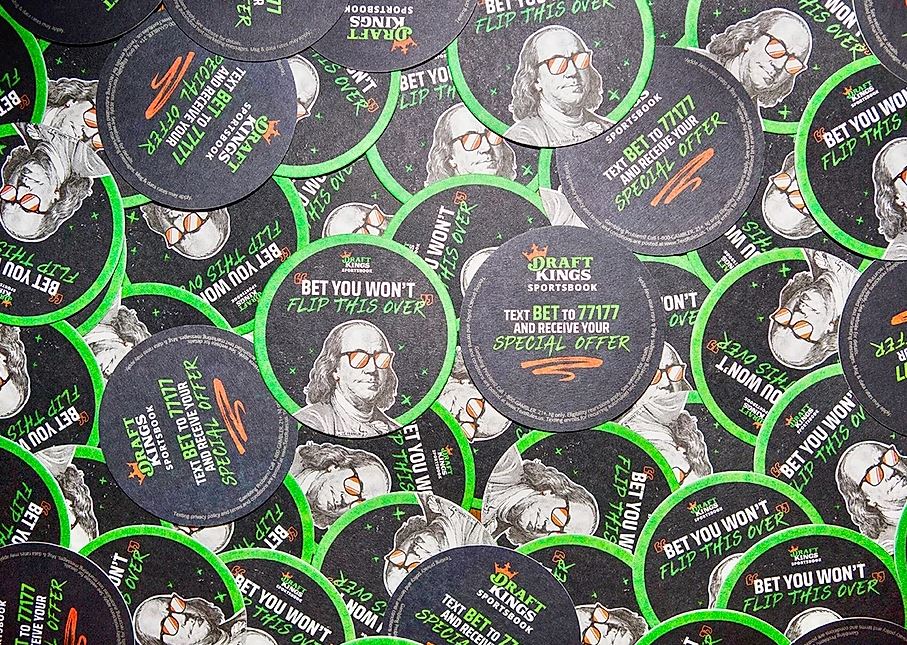
Kitchener-Waterloo’s technology-sector growth has transformed the twin cities into one of Canada’s most active startup and innovation convention markets, drawing a young professional audience that is both digitally native and highly responsive to creative street-level advertising.
Festival and event-adjacent marketing creates the highest natural concentration of target audience available in the advertising calendar. When consumers are in discovery mode, physically gathered around shared cultural moments, actively sharing their experiences, and more receptive to new brand encounters than in their normal daily routine, street-level advertising delivers its highest return on investment.
What makes guerrilla marketing worth understanding in depth is the gap between campaigns that generate impressions and campaigns that generate results. The best campaigns are built around audience movement patterns, not just surface availability, they place messages where the right people walk, dwell, and return repeatedly, which drives the frequency that builds real brand memory. The format also benefits from organic amplification: quality street-level work in high-visibility environments gets photographed and shared, multiplying the original media investment without additional spend.
This article covers the tactical and strategic fundamentals of guerrilla marketing, how campaigns are structured, what execution looks like in practice, how to evaluate format options against objectives and budget, and what distinguishes campaigns that move the needle from campaigns that just spend money. Whether you’re planning a first activation or optimizing an existing street-level program, the information below gives you a grounded framework for making smart decisions and getting measurable outcomes.
Why Kitchener Is Such a Good Fit for Guerrilla Marketing
Kitchener works because it packs different audience types into a city that is easy to over-concentrate in a good way. Downtown Kitchener alone gives brands a serious mix of office workers, condo residents, public-sector traffic, arts audiences, service businesses, hospitality, and event-goers. Add the Innovation District, the market area, Victoria Park, Gaukel Block, and transit-connected movement through the ION corridor, and you suddenly have repeat exposure opportunities that feel much bigger than the city’s size suggests.
There is also an important psychological factor. Kitchener is a place where people still notice what is happening in the physical environment. In over-saturated megacities, audiences can become numb to almost everything. In Kitchener, strong street-level creative still cuts through because it feels immediate and local. If a poster campaign shows up in the right corridor, people talk about it. If a projection appears at the right moment, it feels like an event. If a brand team activates near a festival, the interaction can feel additive instead of intrusive. That distinction matters.
The city’s relationship with Waterloo strengthens the case. Brands are not just buying visibility in Kitchener proper. They are tapping into a broader regional flow of students, young professionals, startup workers, and social audiences who regularly move between the two cities. The ION light rail is a major piece of that movement pattern, connecting Waterloo’s Conestoga Station to Fairway Station in Kitchener and giving marketers a transportation spine that helps explain how attention travels across the region.
What makes Kitchener especially interesting is that it is not one-note. It has heritage streets, strong civic identity, a visible arts scene, growing residential density, college influence, market culture, and event infrastructure that can support both ambient awareness plays and sharper response-driven activations. Brands that treat Kitchener like a generic suburban media buy miss the whole point. The city rewards texture.
The Audiences That Actually Move This Market
If you want a campaign to work in Kitchener, you have to stop thinking about “the general public.” That category is useless. The city is driven by overlapping audience groups that move differently, gather in different pockets, and respond to different campaign formats.
Students and early-career renters
Conestoga College’s downtown campus inside Market Square put a meaningful student presence right into the core. There is also a broader student spillover from Conestoga’s Doon campus and the University of Waterloo and Wilfrid Laurier ecosystems nearby. Many of those students live, socialize, intern, or commute through Kitchener even if their academic anchor is technically outside the downtown core. These audiences respond well to visual boldness, social proof, offers with immediacy, and campaigns that feel current rather than corporate.
Innovation workers and office professionals
Downtown Kitchener’s Innovation District is widely recognized as a regional center for creativity, entrepreneurship, and tech. That means weekday movement includes startup employees, agency workers, consultants, hybrid staff, and founders who are visually literate, time-sensitive, and usually exposed to a lot of marketing. To break through with this crowd, the creative has to be sharp, not bloated. The campaign has to feel intentional.
Downtown residents and neighbourhood regulars
Kitchener’s downtown is not just a work zone anymore. More people live there now, and that changes the media logic. Residents see the same routes repeatedly. They walk dogs, hit cafés, use transit, shop at local businesses, and attend recurring events. That repetition makes poster density, route reinforcement, and multi-touch sequencing especially valuable.
Festival and event audiences
Kitchener’s public-space culture is a real asset. Gaukel Block was designed as a flexible activation and placemaking zone linking Carl Zehr Square and Victoria Park. Victoria Park itself remains one of the city’s signature public gathering environments. Add the Kitchener Market, downtown programming, seasonal events, and venue traffic around Kitchener Memorial Auditorium, and brands have multiple moments when audience concentration spikes in a very practical, street-level way.
Transit riders and corridor pedestrians
Transit-adjacent movement still matters because it creates repeated exposure under natural conditions. People are walking with intention, but they are also waiting, crossing, pausing, and orienting. Those moments are perfect for short-message outdoor creative, sampling teams, directional wayfinding, and quick interaction formats that are too subtle to work in higher-speed environments.
High-Value Zones for Street-Level Visibility
Not every part of Kitchener performs the same way. The city’s strongest marketing value comes from zone selection, not broad blanket coverage. Here are the high-value areas AGM would assess first for most campaigns.
Downtown Kitchener and the King Street spine
This is the city’s heartbeat. King Street gives you restaurants, bars, cafés, offices, condos, cultural institutions, and a pedestrian pattern that stays relevant across multiple dayparts. For awareness-heavy campaigns, this corridor can carry the weight of the program by itself. For more layered campaigns, it becomes the central spine that connects supporting activations elsewhere.
Innovation District
Downtown Kitchener formally positions the Innovation District as the region’s epicenter of innovation, creativity, and entrepreneurship. That matters because it is not just a branding phrase. It means there is a concentration of workers and visitors with high exposure to new products, apps, software, events, and service brands. Poster campaigns, projection work, and premium-looking brand activations perform especially well when the visual language matches the district’s tone.
Gaukel Block and the Carl Zehr Square to Victoria Park connection
Gaukel Block is one of the clearest examples of Kitchener building flexible public-space infrastructure for community programming. The city and Downtown Kitchener describe it as a gathering place and connecting artery between Victoria Park and Carl Zehr Square, with seating, murals, event infrastructure, containers, power access, and programming potential from May through October. For marketers, that means one thing: this is not just a pretty place, it is an activation-ready place. Brands that want a campaign to feel participatory instead of purely promotional should pay close attention to this zone.
Victoria Park and adjacent residential flow
Victoria Park is both a destination and a funnel. People come for the park itself, but they also move through the surrounding neighbourhood and into downtown businesses. That gives campaigns a mix of leisure audience, local resident repeat traffic, and event spillover. It is especially useful for brands that want cultural fit, visual storytelling, or softer-intensity brand presence that still gets seen often.
Kitchener Market and King East / Market District movement
The market district gives brands a more everyday, neighbourhood-driven kind of visibility. It is not purely nightlife, not purely office, and not purely student. That blend is useful. Campaigns that need community feel, food relevance, lifestyle positioning, or repeat local familiarity tend to gain traction in and around the market area, especially when paired with weekend timing.
Conestoga Downtown and student-linked movement
Conestoga’s downtown campus opened in Market Square with roughly a thousand initial students and has expanded its academic mix since then. That matters because it injects predictable weekday and after-class movement into the core. If a campaign needs student engagement without feeling like generic campus advertising, downtown Kitchener offers a better blend of social and educational touchpoints than many enclosed campus-only environments.
The Aud and east-side event surges
Kitchener Memorial Auditorium, better known as The Aud, creates event-specific spikes that can be extremely useful for targeted campaigns. Hockey nights, concerts, and special events pull audiences with anticipation already built in. That emotional state matters. People are more receptive when they are already in “going somewhere” mode. If a brand’s target aligns with sports, entertainment, beverages, apparel, or event energy, The Aud zone can become a sharp tactical play instead of a broad awareness area.
ION-linked downtown stations and commuter pathways
Best Campaign Formats for Kitchener
Kitchener is flexible enough to support several street-level formats, but not all formats should be used the same way. A smart campaign chooses the tool that matches the zone, audience, and timing.
Wheat Paste Posting and poster campaigns
This is one of the cleanest fits for Kitchener because the city rewards repeated visual presence. Poster campaigns work especially well when the objective is to create a sense that the brand is suddenly everywhere important, not literally everywhere in the city. Done right, Wheat Paste Posting around downtown corridors, nightlife paths, student-adjacent routes, and event build-up zones can create the feeling of momentum that digital media often struggles to fake.
Brand ambassadors and street teams
Human interaction works here because Kitchener audiences are approachable when the setup is right. Sampling, quick demos, QR-driven offers, mini surveys, and product education can all work in the market when the staffing quality is high and the conversation is calibrated to the environment. Near transit, shorter scripts win. At events or in linger zones, you can afford slightly deeper engagement.
Projection advertising
Kitchener’s mix of architecture, event culture, and downtown gathering spaces makes projection particularly interesting. Used strategically, projections can turn a normal downtown evening into something people stop to watch and share. This format is strongest when tied to a launch, festival window, night event, or high-energy social moment rather than treated like passive media.
Sidewalk decals and directional graphics
For campaigns that need movement from point A to point B, few tools are as useful as directional street graphics. In a compact downtown environment, guiding audiences from transit or event flow toward a retail pop-up, venue activation, or partner location can produce a very measurable effect. The best versions feel playful and intuitive, not cluttered.
Street surveys and feedback capture
Kitchener is a practical market for insight collection because the audience composition is diverse without being too chaotic. If a brand needs consumer reaction, pre-launch feedback, or location-based polling, a survey-led campaign can pull double duty, generating both data and visibility.
Custom activations
The city’s public spaces and programming culture make custom builds worth considering. Pop-up installations, artist collaborations, social photo moments, branded rest zones, interactive boards, and event-linked experiences all have room to work here if the concept respects the city’s scale and mood. Kitchener usually responds better to clever and well-placed than to oversized and self-important.
Timing the Campaign Around Real City Rhythms
Timing is where average campaigns fall apart. Kitchener is not static across the week or across the year. The same location can perform very differently depending on whether it is a Tuesday lunch hour, a Friday evening, festival weekend, start-of-semester period, market morning, or event night.
For student-targeted campaigns, back-to-school windows, orientation energy, housing turnover periods, and key social weeks matter more than broad monthly averages. For downtown professional audiences, weekday mornings, lunch corridors, and post-work social hours are the anchor points. For lifestyle and consumer brands, summer programming and event density can multiply campaign efficiency because the city naturally supplies audience clustering.
Gaukel Block’s warm-month programming window is especially useful for seasonal strategy. Since the space is actively used from May through October, campaigns tied to spring launches, summer activations, or fall culture calendars can benefit from built-in traffic and event relevance. Victoria Park and downtown festival moments create similar opportunities. Meanwhile, The Aud offers targeted bursts tied to specific calendar dates rather than continuous flow.
The smartest Kitchener campaigns are phased. They use one format to seed awareness, another to convert attention during a key moment, and another to capture measurable response. That sequencing is what turns street-level work into an actual campaign instead of a collection of isolated tactics.
Campaign Strategy & Market Considerations
Kitchener looks compact on paper, but it still punishes lazy planning. Different neighbourhoods carry different audience temperatures, visual expectations, and best-use cases. AGM approaches the market by first clarifying the campaign objective. Is the brand trying to build awareness, force local trial, support a launch, create event attendance, collect leads, generate content, or make a statement in the market? The answer changes everything.
For example, if the objective is broad local visibility with creative edge, downtown poster density plus selected high-traffic corridors can do the heavy lifting. If the objective is product trial, ambassador staffing near downtown student and commuter paths may matter more. If the objective is social reach and earned content, an activation at or near Gaukel Block or another downtown gathering zone may outperform static media entirely. If the objective is event hijacking in the best sense, The Aud, market activity, or major downtown programming windows can become the center of the plan.
Creative tone matters too. Kitchener is not Toronto, and trying to force a hyper-polished big-city attitude into every execution can backfire. The market tends to reward brands that feel smart, current, and locally aware. That does not mean “small” creative. It means creative with enough confidence to be clear. The best work here usually has one strong visual idea, one clean message, and one reason for the audience to care now.
AGM also treats location intelligence as part of the creative process. In Kitchener, where routes between downtown anchors, transit nodes, student spaces, and event environments are so important, the campaign map is not just an operations document. It is part of the storytelling system. A brand can create narrative progression by where messages appear, not just by what each asset says.
Finally, Kitchener campaigns should be built with flexibility. Weather, event density, and downtown programming can create opportunities as much as obstacles. A rigid plan misses upside. A field-smart plan can pivot to where the city is hottest that week while still preserving the campaign’s core structure.
Frequently Asked Questions
Why is Kitchener a strong city for guerrilla marketing campaigns?
Kitchener combines a true downtown core, active public spaces, student crossover, startup and office traffic, transit-connected movement, and a strong event calendar. That mix gives brands multiple ways to reach audiences with repeated exposure inside a relatively compact geography.
What areas in Kitchener matter most for street-level brand visibility?
The strongest zones usually include King Street in Downtown Kitchener, the Innovation District, Gaukel Block, Victoria Park, the Kitchener Market area, ION-linked commuter paths, Conestoga Downtown, and event-heavy zones around The Aud. The right mix depends on the audience and objective.
What guerrilla marketing formats work best in Kitchener Ontario?
Wheat Paste Posting, poster campaigns, brand ambassador programs, product sampling, sidewalk decals, projection advertising, transit-adjacent activations, street surveys, and custom experiential moments all have strong potential here when matched correctly to the zone and timing.
How should brands think about campaign timing in Kitchener?
Campaigns should align with actual audience movement, not generic monthly planning. Student calendars, weekday commuter patterns, downtown event schedules, warm-weather programming, market traffic, and venue nights can each change performance dramatically. Timing is part of the strategy, not an afterthought.